LOGOTIPO UGPCB
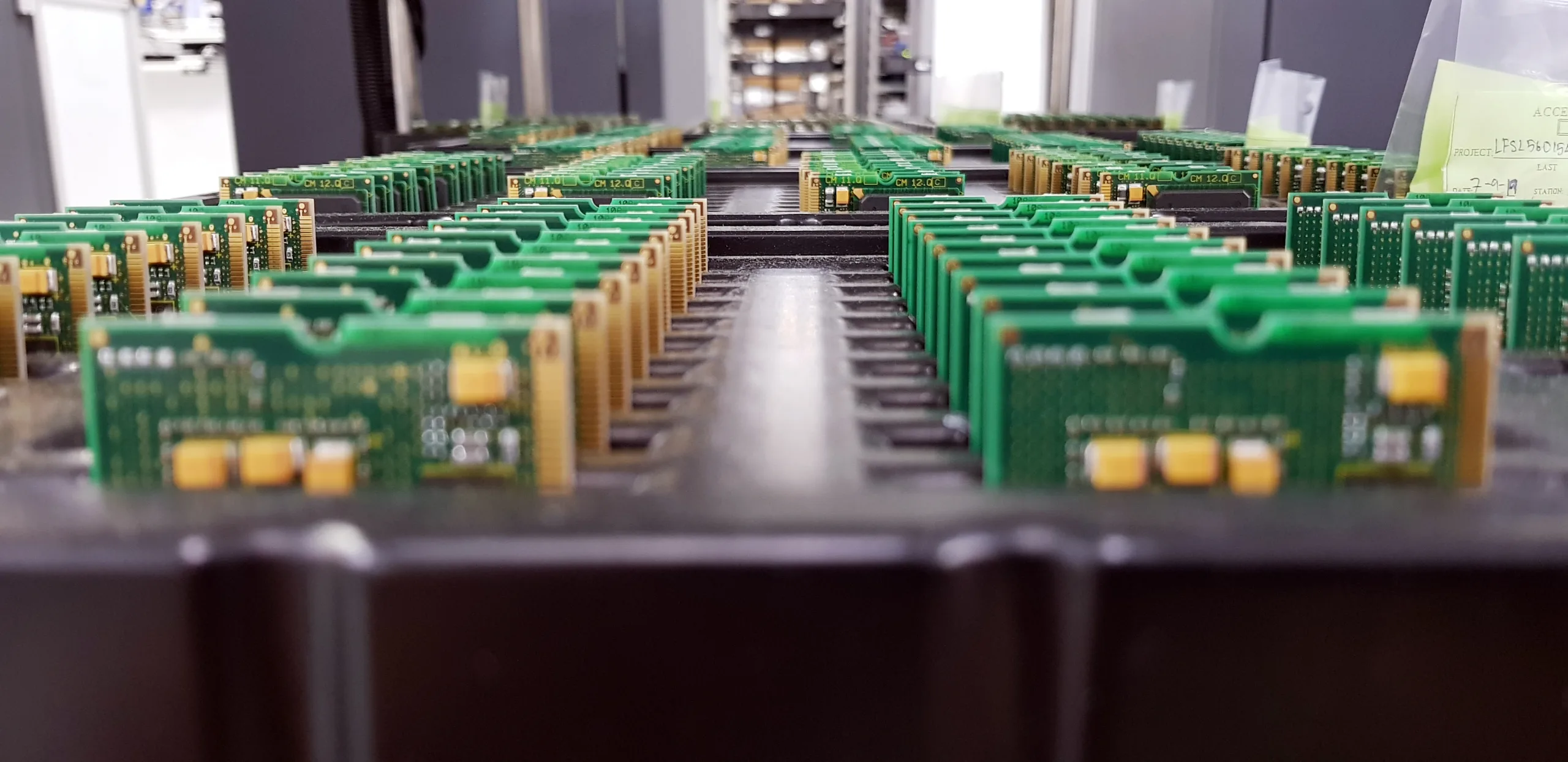
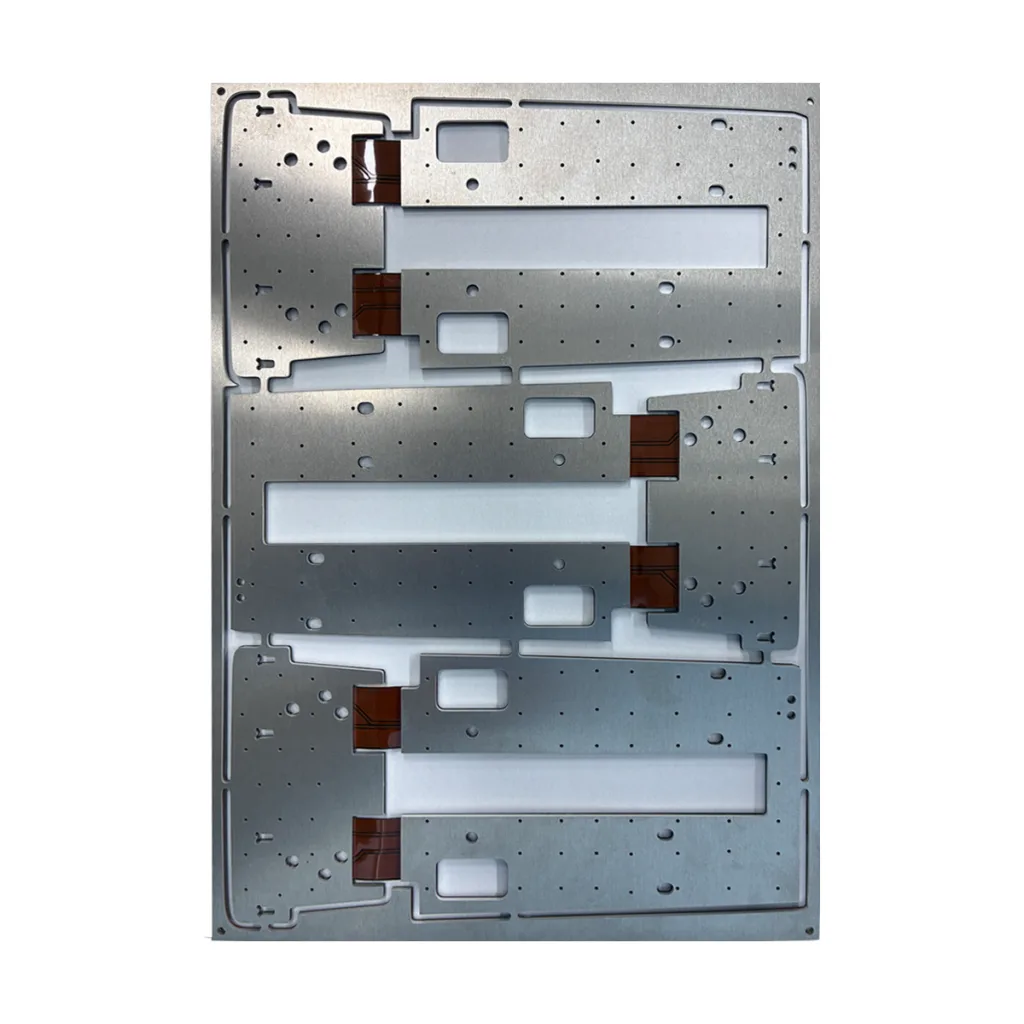
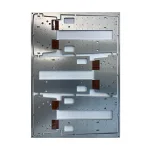
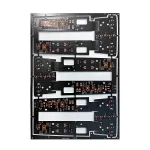
Ultra-Thin Single-Sided Flex PCB with Aluminum Stiffener Visão geral do produto & Definição
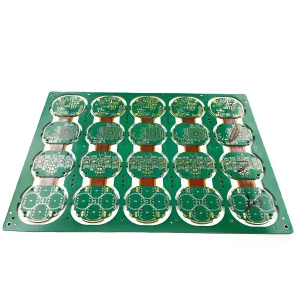
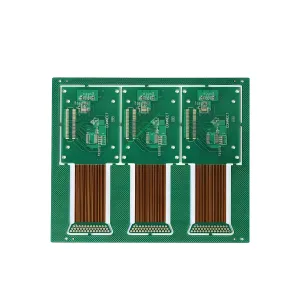
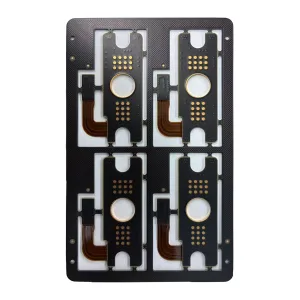
In the pursuit of thinner, lighter, and more reliable electronic devices, UGPCB's Ultra-Thin Single-Sided Flex PCB with Aluminum Stiffener represents the optimal fusion of flexible circuit technology and structural reinforcement. This solution is engineered to meet the critical challenge of requiring both dynamic flexibility and localized rigidity, enhanced heat dissipation, and superior dimensional stability within constrained spaces.
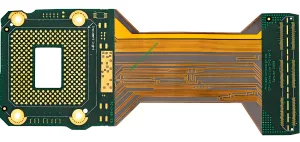
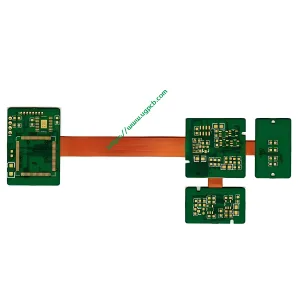
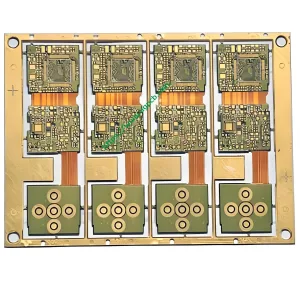
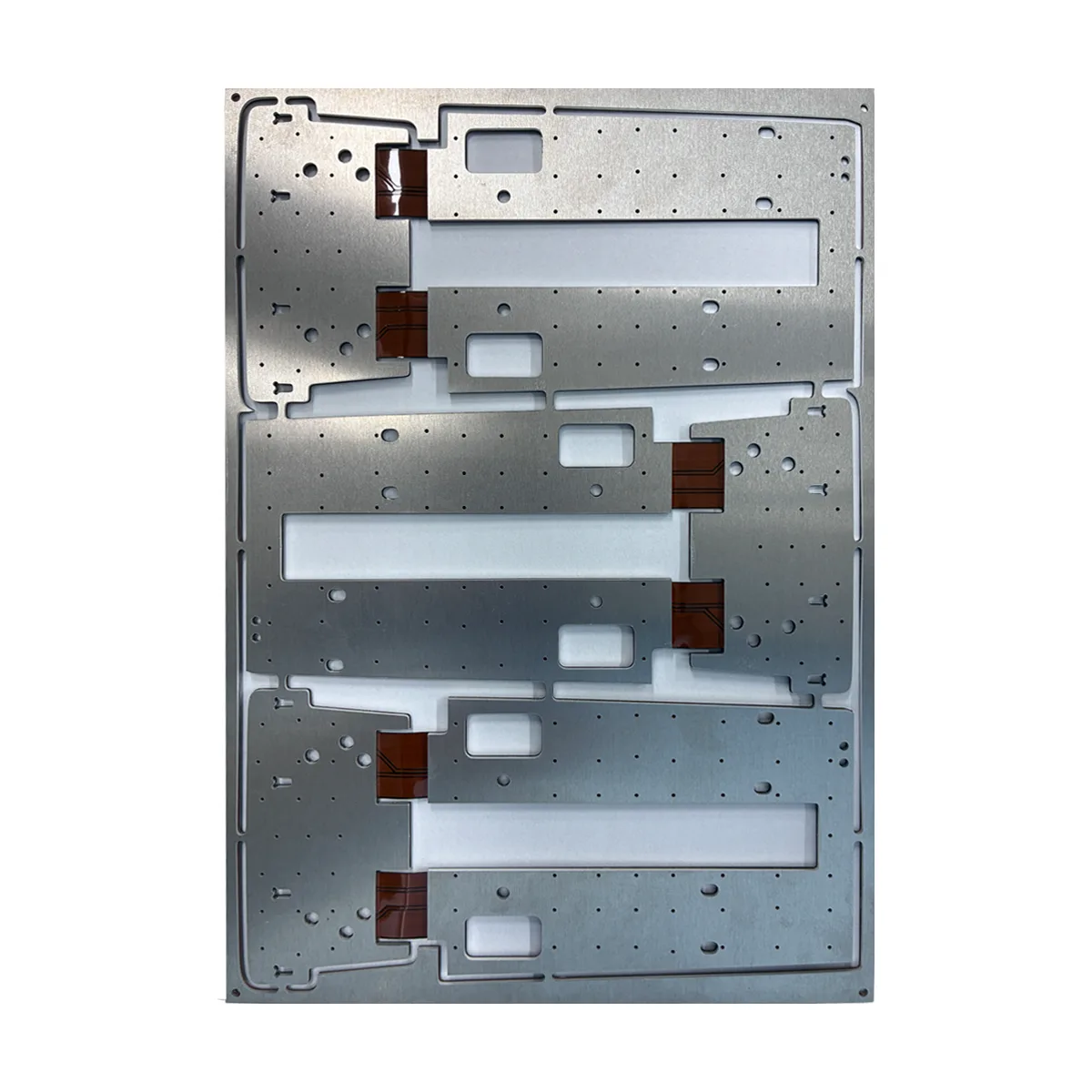
This product is scientifically classified as a: Single-Sided, Adhesive-Based Flexible Printed Circuit (CPF) with a Localized Aluminum Stiffener. It features a standard single-sided FPC construction with a precisely bonded aluminum alloy stiffener in specific zones, creating a cost-effective “rigid-flex-like” performance where it matters most.
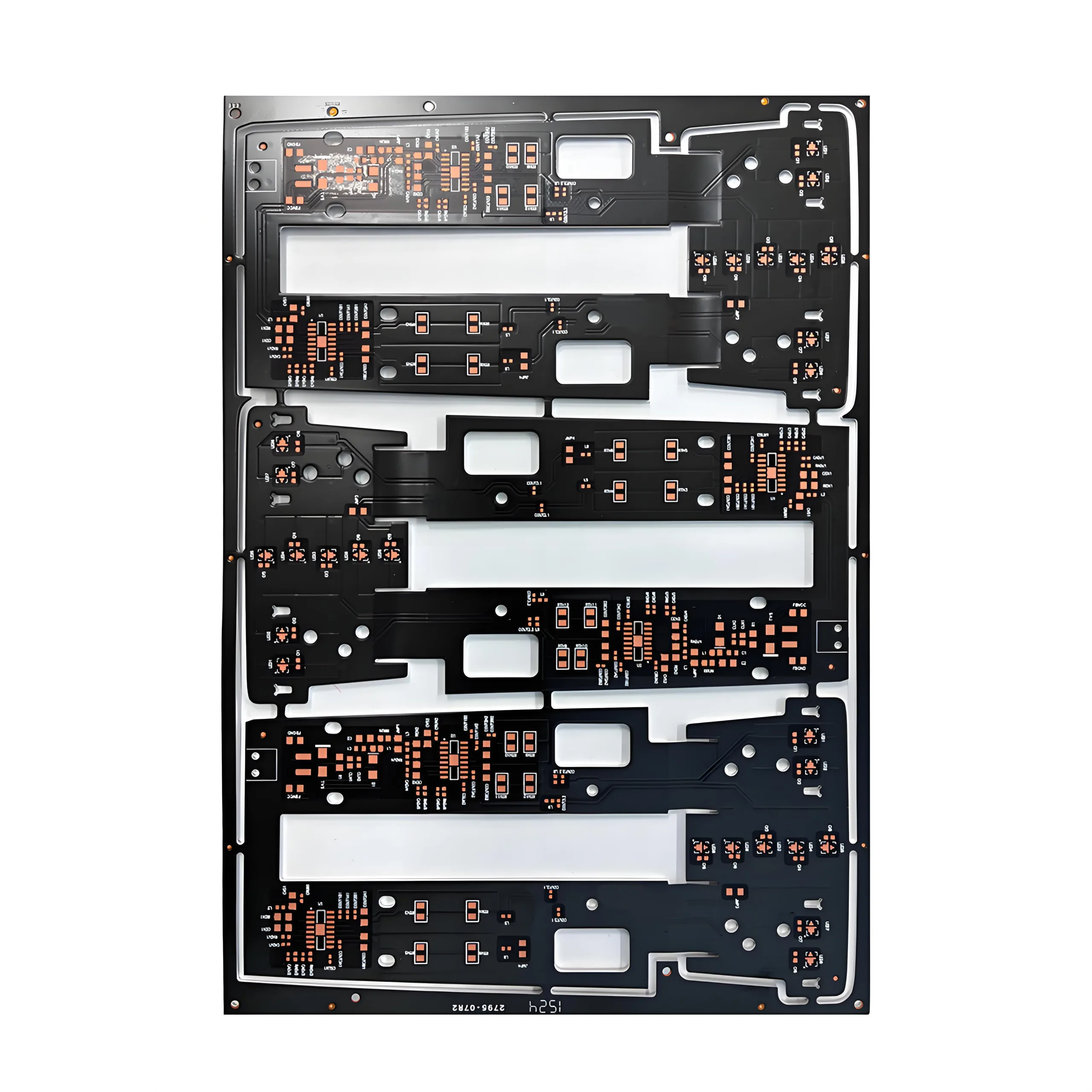
Key Specifications
-
Contagem de camadas: 1 Camada (Single-Sided Conductor)
-
Overall Thickness: 0.2mm ±0.08mm (Including base material, cobre, and stiffener)
-
Material base: Shengyi S1145 or equivalent 1onças (70µm) Cobre / 25µm Polyimide (PI) Single-Sided, Adhesive-Based Flex Laminate
-
Stiffener Material: Aluminum Alloy (por exemplo, 5052 ou 1060)
-
Acabamento superficial: OSP (Conservador de solda orgânica)
-
Board Dimensions: 240mm x 165mm (Customizable per design)
Design Essentials & Structure Analysis
Successful aluminum stiffener FPC design begins with precise application analysis. Design engineers must define:
-
Stiffener Placement: Accurately identify areas for connector mounting, component placement, or mechanical fastening.
-
Dynamic Flex Zone Planning: Ensure bending occurs only in designated flexible areas, avoiding the stiffener to maximize flex life.
-
Thermal Management Path: Utilize the aluminum’s high thermal conductivity by connecting copper pads under heat-generating componentes (por exemplo, LEDs, ICS) directly to the stiffener, creating an efficient heat-spreading pathway.
-
Tolerance & Registration: Strictly control the alignment tolerance between the stiffener and the FPC to ensure accurate mounting hole placement.
How It Works & Performance Advantages
O PCB with aluminum stiffener operates on a simple yet effective principle:
-
In Flexible Areas: The thin PI and copper construction provides excellent dynamic flexing and space-saving capabilities.
-
In Stiffened Areas: The aluminum plate offers rigid PCB-like mechanical support, preventing tearing during connector mating or screw fastening, while rapidly dissipating localized heat.
Core Features & Benefícios:
-
Exceptional Thinness: ~0.2mm profile ideal for ultra-slim devices.
-
Targeted Rigidity-Flexibility: Solves the “where to be rigid, where to be flexible” dilemma in a single, cost-effective package.
-
Enhanced Thermal Performance: The aluminum stiffener acts as an integrated heat spreader, improving component reliability.
-
Superior Dimensional Stability: The stiffened area resists warping under thermal and mechanical stress, ensuring precise assembly.
-
Alta confiabilidade & Durabilidade: Protects solder joints and vias in critical areas from stress and fatigue.
-
OSP Surface Finish: Provides excellent solderability and a flat surface for reliable SMT assembly.
Processo de fabricação & Controle de qualidade
UGPCB employs a mature flex circuit stiffener attachment process ensuring precision and reliability:
-
FPC Fabrication: Processing of adhesive-based laminate (por exemplo, Shengyi) through patterning, gravura, and drilling.
-
Acabamento superficial: Application of OSP coating to exposed copper pads.
-
Laminação de precisão: Bonding of the pre-cut aluminum stiffener to the FPC using controlled heat and pressure with adhesive (pre-preg or base material adhesive layer).
-
Contour Routing & Profiling: Final board outline, stiffener shape, and mounting holes are created via CNC or laser cutting.
-
Testes abrangentes: Includes electrical testing (Flying Probe/Fixture), dimensional AOI, and peel strength tests for the stiffener bond.
Aplicações primárias & Casos de uso
Esse ultra-thin flex PCB with metal stiffener is ideal for:
-
Eletrônicos de consumo: Side-key flex cables, camera module FPCs, display connectors in smartphones/tablets.
-
LED Lighting: Ultra-thin LED strips and flexible neon signs, where the stiffener aids in heat sinking and mechanical fixing.
-
Eletrônica Automotiva: Sensor wiring harnesses, dashboard backlight units requiring vibration resistance.
-
Industrial Equipment: Connections for precision probes, internal wiring in robotic arms needing localized reinforcement.
-
Dispositivos médicos: Internal interconnects for portable medical equipment demanding lightweight reliability.