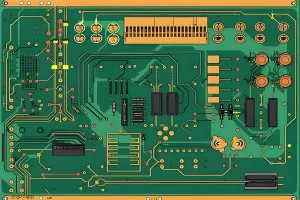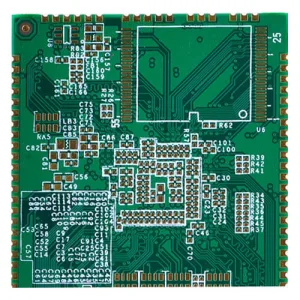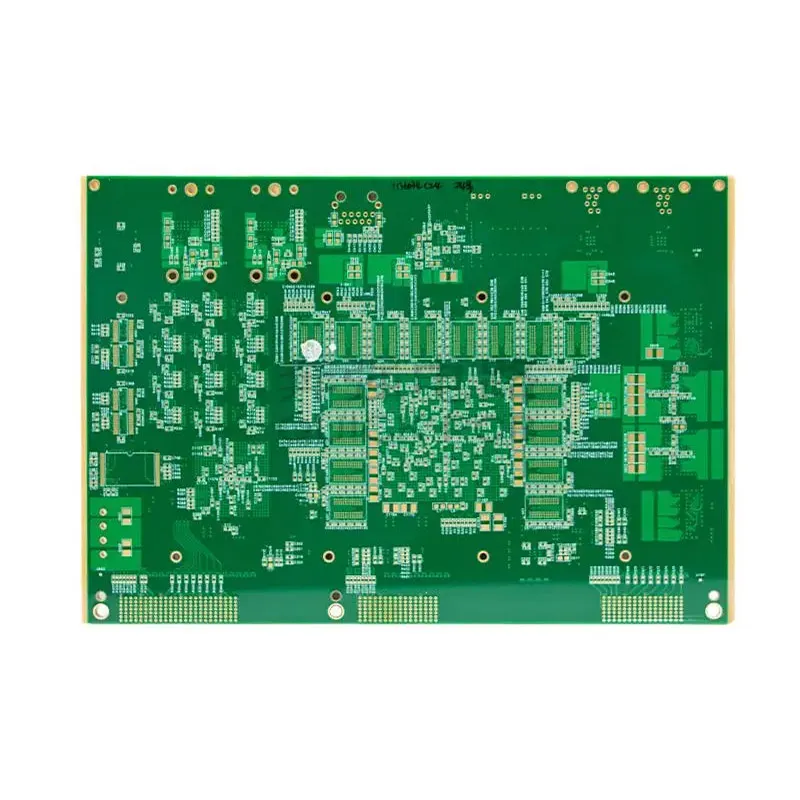
Na rápida evolução atual em direção ao peso leve, afinar, curto, e dispositivos eletrônicos compactos, o PCB rígido-flexível tornou-se indispensável em áreas de alta precisão, como telecomunicações, instrumentos médicos, e aeroespacial. Sua combinação única de suporte rígido e flexibilidade tridimensional torna-o um componente crítico de interconexão.
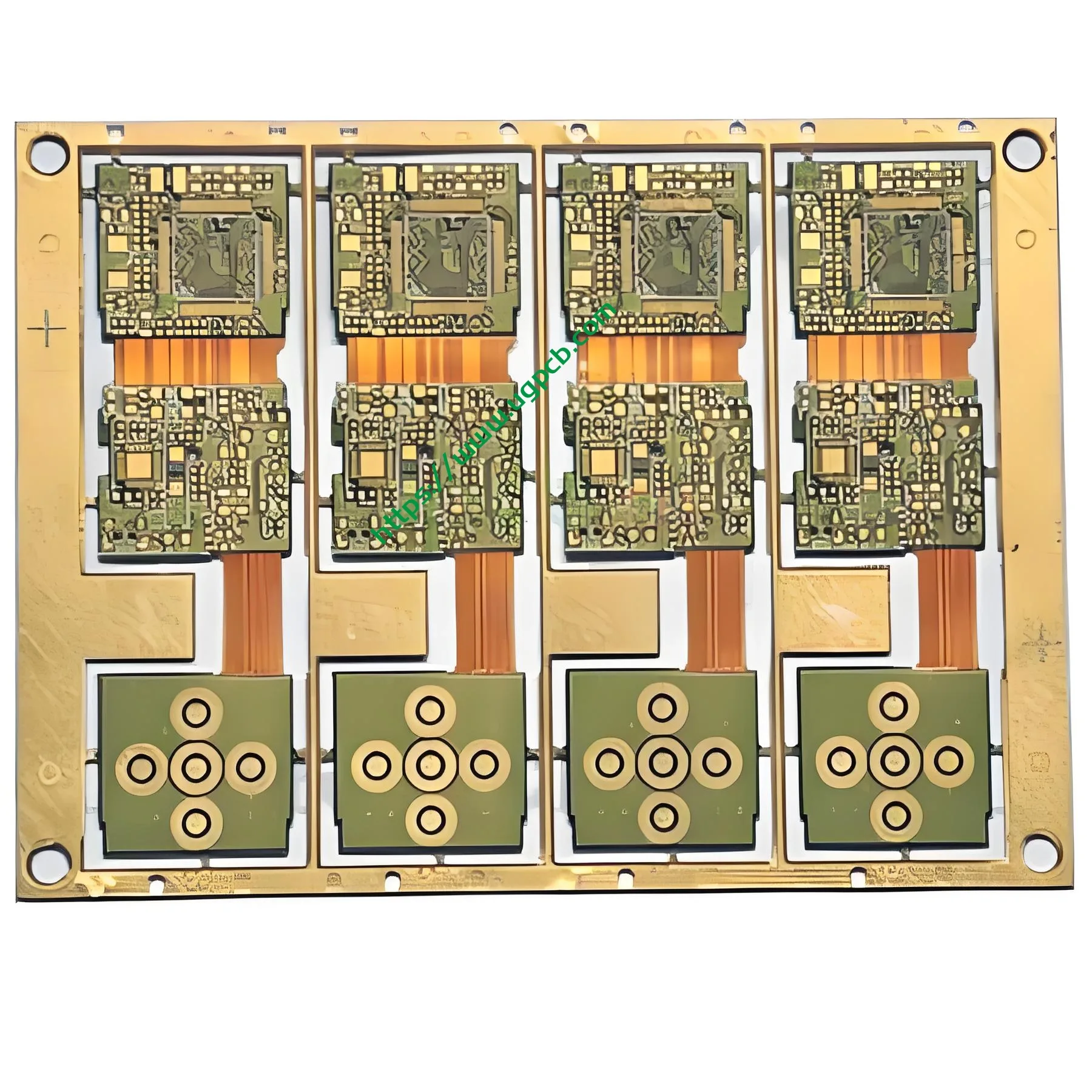
Como profissional Fabricante de placas de circuito impresso, UGPCB apresenta seu alto desempenho PCB Soldermask Rigid-Flex Amarelo (R-FPCB) . Este artigo explora esta placa avançada, construído com FR-4 + Materiais PI e a 6-camada rígida mais flexível de 4 camadas estrutura. Examinaremos seus princípios de design, processos de fabricação, e aplicações, mostrando como ele permite uma transmissão de sinal mais estável e um layout de sistema mais compacto.
1. Definição e Visão Geral do Produto
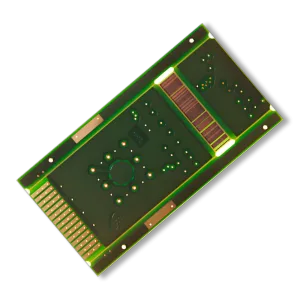
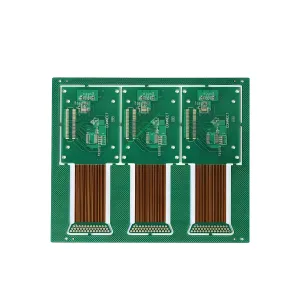
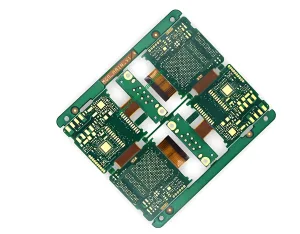
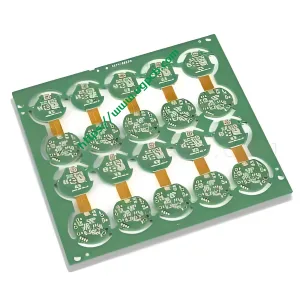
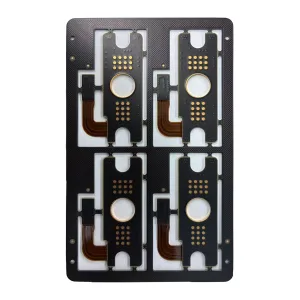
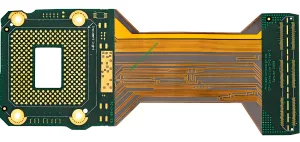
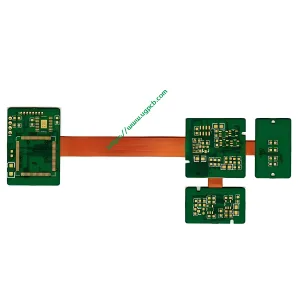
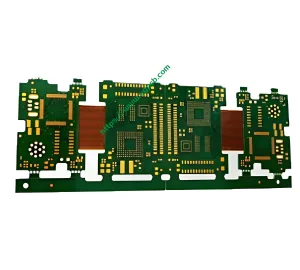
UGPCB'sPlaca Soldermask Rigid-Flex Amarela integra uma PCB rígida e uma placa de circuito flexível em uma única solução de interconexão através de um processo de laminação.
Especificações principais:
Empilhamento de camadas: 6 camadas (6eu) em seções rígidas / 4 camadas (4eu) em seções flexíveis
Combinação de materiais: FR-4 (áreas rígidas) + PI (Poliimida, áreas flexíveis)
Cor da superfície: Máscara de solda amarela (rígido) / Capa branca (flexionar)
Espessura Acabada: 0.4milímetros (seções rígidas) / 0.2milímetros (seções flexíveis)
Este projeto mantém o suporte estrutural e a capacidade de suporte de componentes de áreas rígidas, ao mesmo tempo que utiliza a capacidade de flexão de seções flexíveis. Consegue uma verdadeira integração rígido-flexível, eliminando a necessidade de conectores tradicionais e cabos de fita.
2. Princípios e tecnologia de design
UM. Princípio de funcionamento
O núcleo da tecnologia rigid-flex reside na interconexão perfeita. UGPCB lamina camadas flexíveis de PI com camadas rígidas FR-4 sob alta temperatura e pressão. Em zonas flexíveis, O material FR-4 é removido, deixando a base PI com uma cobertura para permitir flexão. Em zonas rígidas, FR-4 permanece para apoiar componentes. Esta estrutura elimina pontos de contato físico dos conectores, melhorando significativamente integridade do sinal (E) e resistência à vibração.
B. Considerações de design
Controle de impedância: Para PCBs de comunicação de alta frequência, o controle rigoroso da largura e espaçamento do traço de 3,5mil garante impedância diferencial consistente (por exemplo, 100Oh).
Proteção da Zona de Transição: A junção entre seções rígidas e flexíveis (o esboço) é um ponto de estresse. O design do UGPCB usa transições arredondadas e larguras de traços cônicas para evitar rachaduras durante a flexão.
Correspondência de empilhamento: A espessura uniforme de cobre de 1 onça é mantida para evitar falhas por fadiga nas seções flexíveis durante a flexão dinâmica.
3. Análise de materiais e desempenho
UM. Materiais principais
FR-4 (Áreas Rígidas): Um laminado epóxi reforçado com fibra de vidro. Oferece alta resistência mecânica, resistência ao calor, e isolamento, fornecendo uma plataforma estável para montagem de componentes pesados, como chips e conectores.
PI (Áreas Flexíveis): Filme de poliimida. Oferece excelente resistência a altas temperaturas (operando >150°C), um baixo fator de perda dielétrica (Df), e uma vida altamente flexível.
Acabamento superficial: Imersão Ouro (CONCORDAR). Este processo químico deposita uma camada de níquel-ouro sobre o cobre.
Vantagens: Alta planicidade de superfície adequada para circuitos de passo fino (3.5espaçamento em milímetros), forte resistência à oxidação, e boa soldabilidade juntamente com capacidade de ligação de fio de alumínio.
B. Principais especificações de desempenho
| Parâmetro | Especificação | Vantagem Técnica |
|---|---|---|
| Min. Rastreamento/Espaço | 3.5mil / 3.5mil | Suporta roteamento de alta densidade para módulos de comunicação compactos. |
| Min. Furadeira Mecânica | 0.1milímetros | A tecnologia Micro-via melhora a utilização do canal de roteamento e reduz a capacitância parasita intercamada. |
| Espessura Acabada | 0.4milímetros (Rígido) / 0.2milímetros (Flexível) | O design ultrafino economiza espaço dentro do gabinete do dispositivo. |
| Espessura do Cobre | 1OZ (35μm) | Equilibra a capacidade de transporte de corrente com a resistência à flexão, garantindo a integridade do sinal. |
4. Classificação Estrutural e Características
UM. Classificação Estrutural
Este produto é um estrutura assimétrica (6-camada rígida + 4-camada flexível) dentro da categoria de placas rígidas-flexíveis multicamadas. Geralmente, placas rígidas-flexíveis são classificadas como:
Tipo em camadas: Camadas flexíveis se estendem de forma independente, como visto neste produto.
Tipo sem camadas: Toda a placa usa material flexível, com reforços adicionados a áreas específicas.
B. Recursos do produto
Alta confiabilidade: O acabamento dourado de imersão combinado com material PI garante desempenho elétrico estável mesmo em ambientes agressivos (alta temperatura e umidade).
Alta precisão: Capacidades de fabricação para linhas finas de 3,5 mil e micro vias de 0,1 mm resolvem desafios de interconexão de alta densidade.
Otimização do espaço: Substitui conectores, reduzindo o volume de instalação em mais 60% e reduzindo o peso geral do produto.
Diferenciação Visual: A máscara de solda amarela proporciona uma aparência única e oferece um contraste mais claro durante a montagem SMT, facilitando a inspeção óptica.
5. Processo de Fabricação e Controle de Qualidade
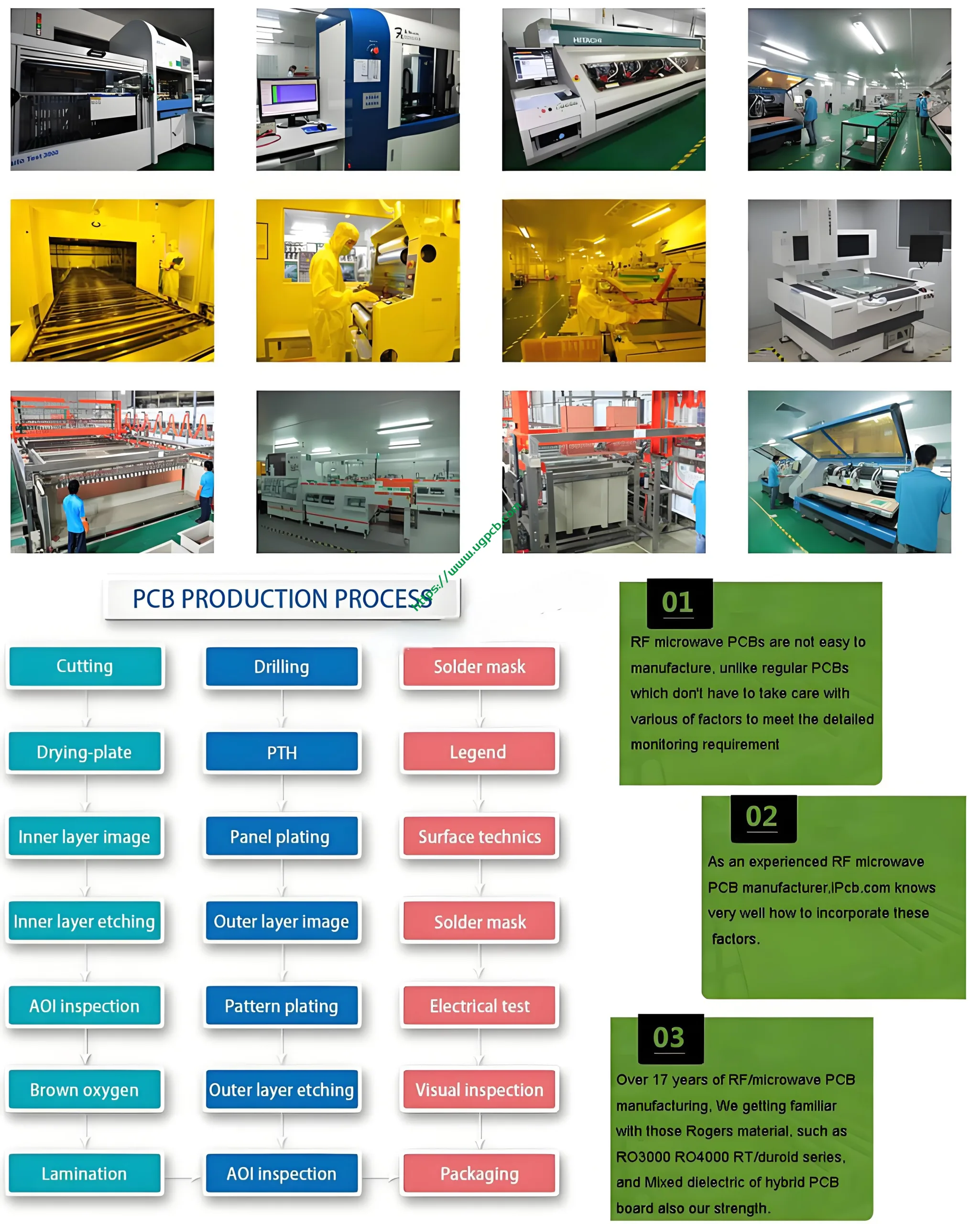
Para garantir a confiabilidade desta complexa estrutura 6L+4L, UGPCB segue um fluxo de produção rigoroso:
Circuito de Camada Interna (Área Flexível): Circuitos finos de 3,5 mil são formados no material base PI usando laser ou fotolitografia.
Laminação de capa: Uma película protetora é laminada no circuito flexível, deixando apenas as áreas da almofada expostas.
Laminação: Camadas rígidas e flexíveis são alinhadas e laminadas sob vácuo. Os principais controles são o perfil de temperatura e o fluxo de resina para evitar vazios.
Perfuração & Revestimento: 0.1mm micro vias são perfuradas. A deposição de cobre não eletrolítico cria conexões entre camadas.
Camada Externa & SolderMask: A máscara de solda amarela é aplicada em áreas rígidas; a cobertura branca permanece em áreas flexíveis.
Acabamento superficial: Ouro de imersão (CONCORDAR) é aplicado com espessura controlada: 0.05-0.1μm Au / 3-5µmNi.
Perfil & Teste Elétrico: O roteamento a laser ou a perfuração definem a forma final. 100% AOI e sonda voadora testes verificam a integridade elétrica.
6. Aplicações
Este produto é direcionado principalmente paraPCB de comunicação setor. As principais aplicações incluem:
5Estações Base de Comunicação G: Usado para flexionar conexões em módulos RF, resolvendo necessidades compactas de interconexão entre antenas e placas-mãe.
Smartphones & Vestíveis: A seção flexível de 0,2 mm permite flexão dinâmica em dobradiças dobráveis de telefone.
Eletrônica médica: Usado em dispositivos como sondas endoscópicas ultrassônicas, aproveitando a biocompatibilidade e o roteamento de alta densidade do PI.
Eletrônica Automotiva: Módulos de câmera ADAS que devem suportar vibração constante e choque térmico.
7. Por que escolher UGPCB?
Os engenheiros muitas vezes enfrentam desafios com baixos rendimentos e longos prazos de entrega para projetos rígidos-flexíveis complexos. UGPCB é um parceiro confiável da cadeia de suprimentos que oferece:
Capacidade de fabricação: Capacidade de produção em massa para rastreamento/espaço de 3,5 mil, superando barreiras de interconexão de alta densidade.
Fornecimento de material: Usa materiais de alta qualidade de fornecedores como Shengyi/ITEQ para FR-4 e DuPont/Tayoho para PI, garantindo a qualidade desde a fonte.
Suporte de Engenharia: Fornece DFM gratuito (Design para fabricação) verificações para ajudar a otimizar projetos, especialmente na zona de transição rígido-flexível.
Você está projetando uma placa de circuito que deve transportar CIs complexos e ser flexível em um espaço apertado??
A UGPCB agora oferece serviços de prototipagem e produção em massa para este6-camada rígida + 4-camada flexível amarela máscara de solda rígida-flex PCB.
👉 Obtenha um orçamento rápido hoje
Envie seus arquivos Gerber e requisitos técnicos para [vendas@ugpcb.com] ou clique no chat online. Nossa equipe de engenharia fornecerá um relatório DFM profissional e uma cotação competitiva dentro 24 horas.