제품개요
처럼 PCB 제조 costs continue to rise, engineers and procurement professionals are actively seeking cost-effective solutions that do not compromise performance. 그만큼 양면 탄소 오일 회로 기판 offers a compelling answer to this challenge.
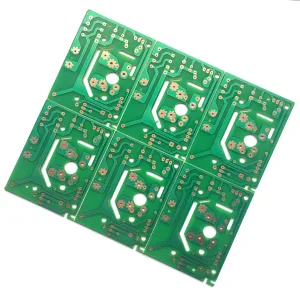
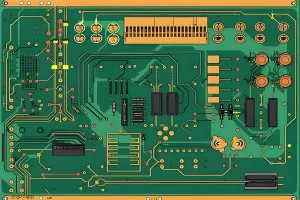
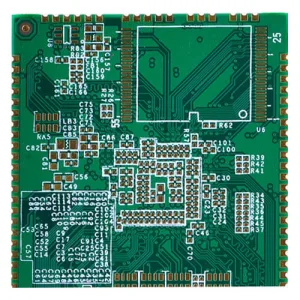
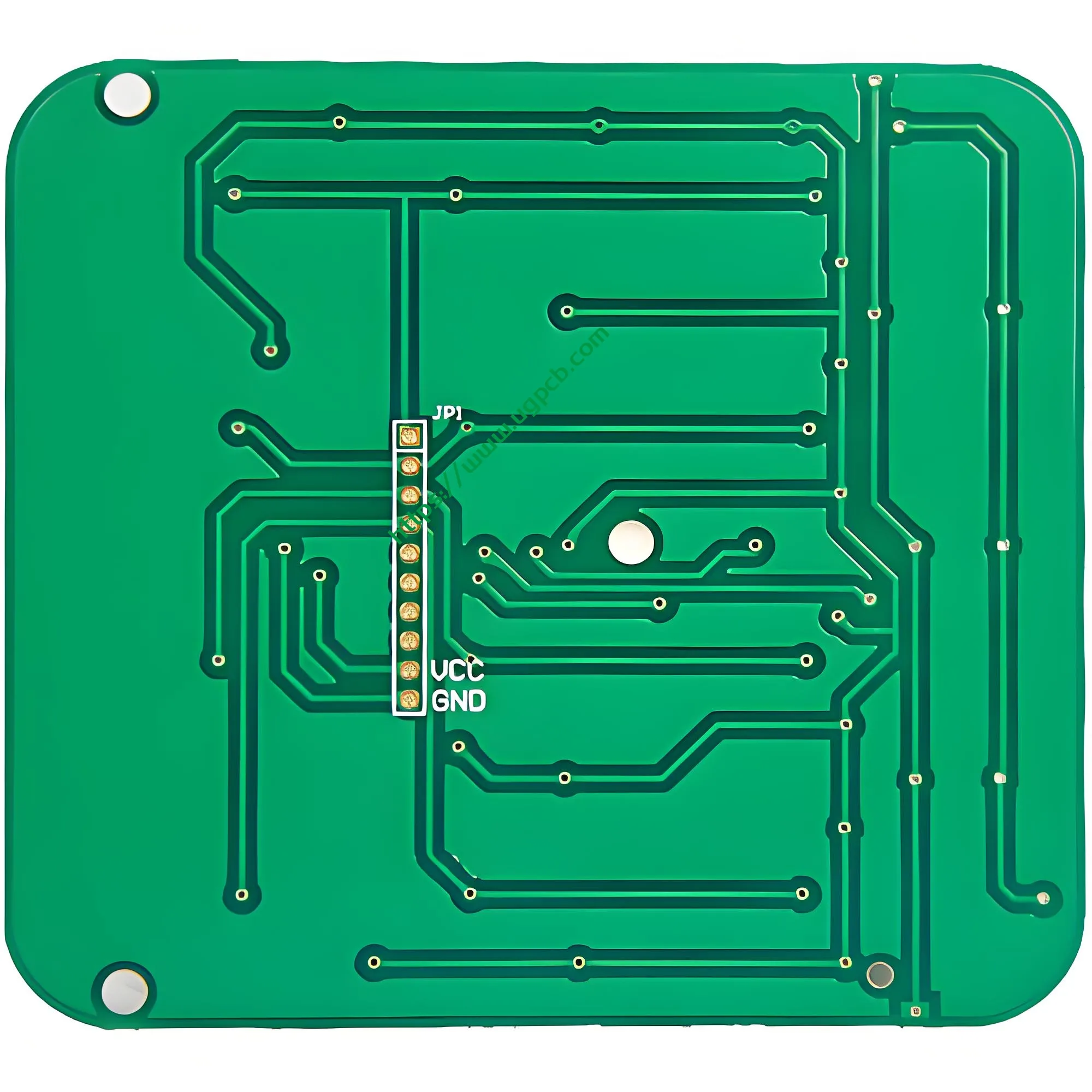
UGPCB는 이것을 제시합니다양면 탄소 오일 회로 기판 with the following specifications:
| 매개 변수 | 사양 |
|---|---|
| 기본 재료 | FR4 |
| 보드 두께 | 1.6mm |
| 레이어 수 | 2 레이어 (양면) |
| 보드 크기 | 43.68 × 38.9mm |
| 최소 구멍 직경 | 0.33mm |
| 추적 너비 / 간격 | 0.32 × 0.36mm |
| 동박 두께 | 35/35μm (1OZ on both sides) |
| 표면 마감 | Carbon oil process |
| 솔더 마스크 / 전설 | 녹색 솔더 마스크 / white silkscreen |
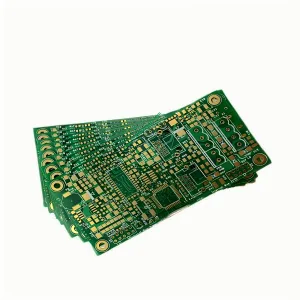
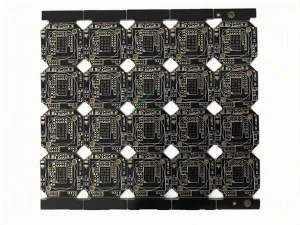
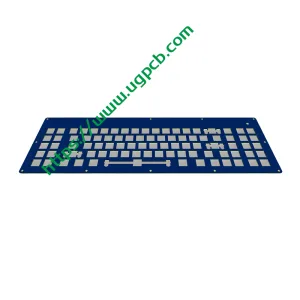
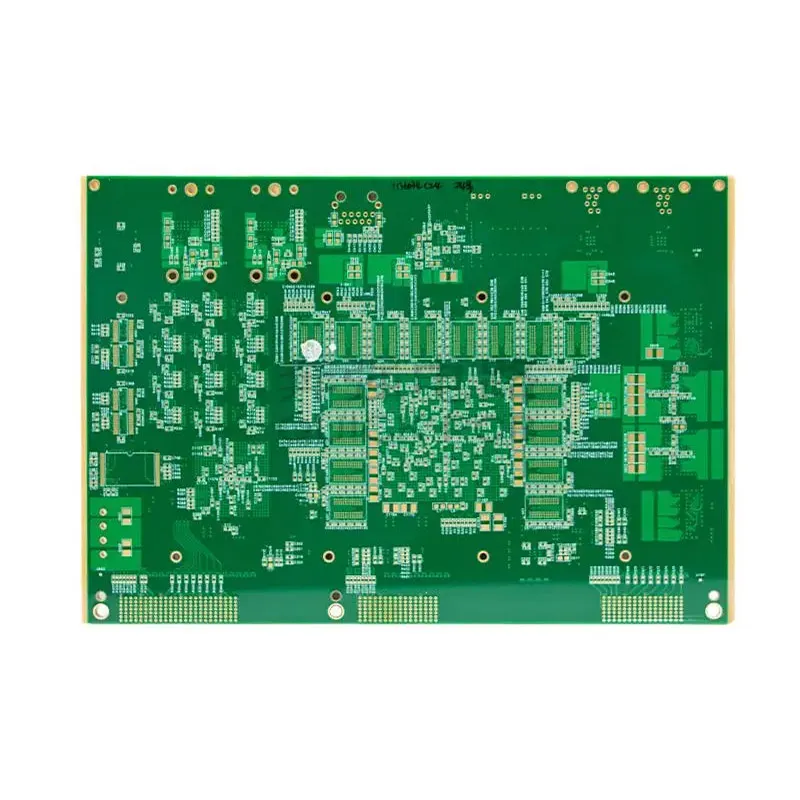
이것은 a입니다standard rigid double-sided PCB. It combines traditional copper traces with acarbon oil surface finish that forms conductive carbon film pads at designated locations. The result is a board that offers both the excellent conductivity of copper traces and the superior wear resistance of carbon film contacts. This makes it an ideal choice for keypad applications across consumer electronics, 자동차 전자, 의료기기.
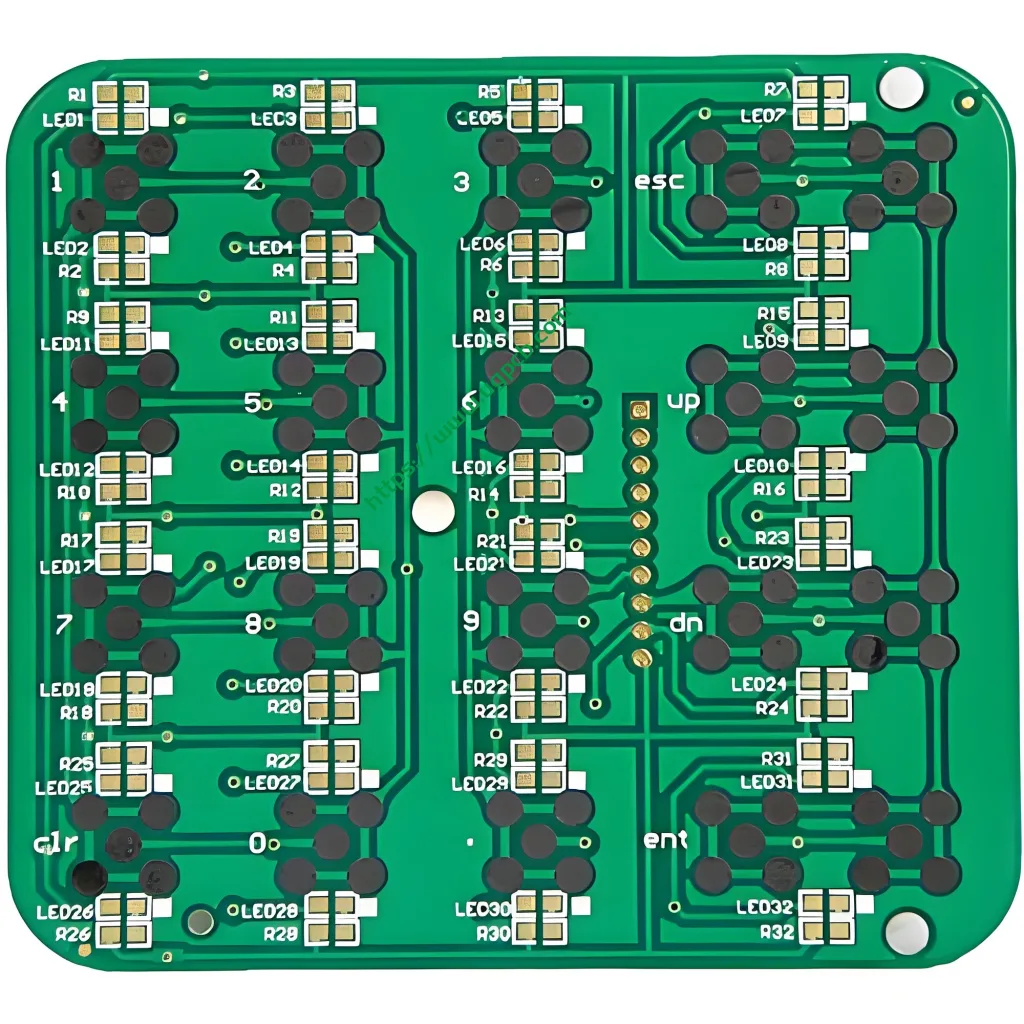
What Is a Double-Sided Carbon Oil Circuit Board?
에이 양면 탄소 오일 회로 기판 is a printed circuit board that uses 탄소 기반 전도성 잉크 (commonly referred to as carbon oil or carbon ink) applied through screen printing onto designated areas of the PCB 기판. After curing, this forms a carbon film conductive pattern.
카본 오일은 전도성 잉크 composed primarily of conductive carbon powder, 열경화성 수지, 그리고 각종 첨가물. It is precisely printed onto specific locations on the 회로 기판 – typically keypad contact areas – using screen printing technology. 고온경화 후, the carbon oil forms a carbon film with a defined resistance value.
기존에 비해gold-plated keypads, carbon oil keypads offer a clear advantage.Carbon oil keypads are highly wear-resistant and can withstand repeated operations, generally lasting for hundreds of thousands or even millions of switching cycles. Replacing expensive gold keypads with carbon oil keypads has become a major industry trend.
Carbon oil boards are a common surface treatment method for single-sided and double-sided PCBs. Through a series of processes including inspection, 테스트, 그리고 화상 테스트, these PCB achieve reliable long-term operation.
설계 지침
디자인하기양면 탄소 오일 회로 기판 requires attention to the following key technical aspects:
Carbon Oil Trace Width and Spacing
According to industry PCB carbon oil manufacturing specifications, carbon oil trace width must be greater than 6mil (approximately 0.152mm). Carbon oil films are identified as “GTC” (최상층) 또는 “GBC” (바닥층) and are output as positive films.
Due to the excellent conductivity of carbon oil, adequate spacing must be maintained between carbon oil features on the finished board to prevent short circuits. Typical minimum clearances are:
The minimum alignment tolerance for carbon oil is±6mil.
Carbon Oil Window and Copper Pattern Spacing
To account for alignment tolerances and prevent oil leakage that could expose copper, the carbon oil pad must be larger than the copper pad by:
The same clearance must be maintained between the carbon oil window and surrounding copper patterns to prevent carbon oil from covering adjacent copper traces and causing short circuits.
Carbon Oil Thickness Control
Carbon oil thickness directly affects sheet resistance and wear resistance. Industry standard specifications are as follows:
- Single-print carbon oil thickness: 0.3–100만, tolerance ±0.3mil
- Double-print carbon oil thickness: 1.0–200만, tolerance ±0.4mil
For carbon oil thickness exceeding 1.0mil, a double-print process is required. The carbon oil film for the second print must be 3mil smaller on each side than the first-print film.
Design Standard References
디자인할 때양면 탄소 오일 회로 기판, the following international standards should be followed:
- IPC-2221: Generic Standard on Printed Board Design – covers spacing, 정리, and structural design requirements
- IPC-6012: Qualification and Performance Specification for Rigid Printed Boards – defines performance requirements and product qualification criteria
- IPC-TM-650: Test Methods Manual – provides standardized test procedures for carbon oil PCB performance
작동 원리
그만큼양면 탄소 오일 회로 기판 operates on two fundamental levels:
Conduction Principle
The conductivity of carbon oil is determined by its formulation, which consists of conductive carbon powder, 열경화성 수지, 그리고 각종 첨가물. Conductivity is measured bysheet resistance (단위: Ω/□).
옴의 법칙에 따르면:
R = ρ × L / 에스
Where R is resistance, ρ is resistivity, L is conductor length, and S is conductor cross-sectional area. For the carbon film conductive layer, sheet resistance is inversely proportional to film thickness: Rs = ρ / 티 (where t is carbon film thickness).
Carbon oil boards generally achieve sheet resistance of ≤20Ω/□, offering excellent cost-performance. Some low-resistance carbon oil formulations also incorporate a small amount of silver oil to further enhance conductivity.
Keypad Switching Principle
In keypad applications, 그만큼양면 탄소 오일 회로 기판 works as follows: when a rubber keypad (or other elastic element) is pressed, the conductive carbon particles on the bottom of the keypad contact thecarbon oil pad PCB에서, completing the circuit. The carbon oil pad serves as the keypad’scontact conductor, replacing traditional gold-plated contacts.
The advantages of carbon oil contacts include:
- High surface hardness andexcellent wear resistance
- Low contact resistance andfast response time
- Chemical inertness, 헌금corrosion resistance and oxidation resistance
응용
양면 카본 오일 회로 기판 are widely used across various industries:
가전제품
- Remote controls: TV remotes, 에어컨 리모컨
- Calculators: Keypad panels
- Keyboards: Computer keyboards, membrane keyboards
- Gaming devices and electronic keyboards
자동차 전자
- Window switch control boards
- Air conditioning control panels
- Instrument clusters and seat controllers
의료 기기
- Medical equipment operator panels
- Blood glucose test strip electrodes
Industrial and Communications
- Industrial control equipment panels
- 통신 장비
- Smart label RFID
Cost-Effective Alternatives
Carbon oil circuit boards can replace the following traditional processes:
- Copper-plated through-hole processes
- Silver paste via-filling processes
- Copper paste via-filling processes
환경 친화적, low-cost carbon paste via-filling is a mainstream industry trend. Microsoft has adopted carbon oil for via-filling on power boards, completely replacing double-layer boards with copper-plated holes.
제품 분류
양면 카본 오일 회로 기판 다음 차원에 따라 분류될 수 있습니다.:
By Conductivity Type
- Low-resistance carbon oil boards: Sheet resistance ≤20Ω/□ – suitable for keypad contacts
- High-resistance carbon oil boards: Suitable for potentiometers and resistor layers
- Carbon oil via-filled boards: Use carbon oil to fill via holes for interlayer connections
기본 재료에 의해
- FR4 carbon oil boards: Glass fiber/epoxy substrate (이 제품)
- CEM-1 carbon oil boards: Composite epoxy material substrate
- Polyimide carbon oil boards: Flexible substrate
레이어 수에 의해
- Single-sided carbon oil boards
- Double-sided carbon oil boards (이 제품)
- Multilayer carbon oil boards
By Surface Finish Combination
- 동의하다 + 탄소유
- HASL + 탄소유
- OSP + 탄소유
- Carbon oil + 침지 주석 (currently not suitable for mass production due to tin surface contamination issues)
재료
Base Material – FR4
이 제품은 FR4 기본 재료로. FR4 is the industry designation for glass fiber-reinforced epoxy resin copper-clad laminate, 헌금:
- Excellent mechanical strength and dimensional stability
- Superior electrical insulation properties
- Good moisture and heat resistance
- Dielectric constant of approximately 4.2–4.3
FR4 is the most commonly used base material for rigid PCBs and offers good adhesion compatibility with carbon oil.
Conductive Layer – Copper Foil
Both sides use35μm (1온스) 구리박, ensuring excellent conductivity and current-carrying capacity.
Carbon Oil Material
카본 오일은탄소 기반 전도성 잉크 구성:
- Conductive carbon powder: 30%–50% content – determines conductivity
- Thermosetting resin: Provides adhesion and curing properties
- Various additives: Regulate flow characteristics and adhesion performance
Carbon oil must exhibitstrong adhesion, 껍질을 벗기는 저항, 내마모성.
솔더 마스크 및 범례
- 솔더 마스크: Green ink – protects circuits and prevents short circuits
- 전설: White silkscreen – identifies component locations and board numbers
성능 사양
전기적 성능
기계적 성능
| 매개 변수 | 사양 | 참조 |
|---|---|---|
| Keypad lifespan | ≥1백만 주기 | 산업 표준 |
| 카본 오일 두께 (단일 인쇄) | 0.3–1.0mil ±0.3mil | IPC 사양 |
| 카본 오일 두께 (이중 인쇄) | 1.0–2.0mil ±0.4mil | IPC 사양 |
Dimensional Accuracy
| 매개 변수 | 사양 |
|---|---|
| 최소 구멍 직경 | 0.33mm |
| 최소 트레이스 폭 | 0.32mm |
| Minimum trace spacing | 0.36mm |
| 보드 두께 | 1.6mm |
환경 신뢰성
당IPC-TM-650 표준 요구 사항:
- Damp heat test (IPC-TM-650 2.6.3.7): 1000 hours at 40°C / 90% RH – carbon oil sheet resistance change ≤20%
- Temperature cycling test (IPC-TM-650 2.6.7): 100 cycles from -40°C to 85°C – no carbon oil cracking, on-resistance fluctuation ≤15%
- Abrasion resistance test (IPC-TM-650 2.5.9): 후에 1000 cycles – abrasion coefficient ≤5mg
제품 구조
The typical structure of a양면 탄소 오일 회로 기판 (위에서 아래로):
- 범례 레이어 (하얀색): 구성요소 참조 지정자
- 솔더 마스크 레이어 (녹색): Circuit protection and short-circuit prevention
- Carbon oil layer: Conductive carbon film at designated keypad locations
- Top copper traces (35μm): 전도성 회로
- FR4 기판 (1.6mm): Insulating support
- Bottom copper traces (35μm): 전도성 회로
- 솔더 마스크 레이어 (녹색): Bottom layer circuit protection
- 범례 레이어 (하얀색): Bottom layer identifiers
The carbon oil layer is applied only to designated keypad contact areas or conductive zones, not across the entire board.
주요 특징
Significant Cost Advantage
The carbon oil process eliminates certain copper plating and etching steps, reducing material costs by 15%–25%. Compared to hard gold plating, carbon ink costs are 40%–60% lower.
Long Wear Life
Carbon oil keypads offer exceptional wear resistance, lasting over 1 million switching cycles with a resistance change rate of ≤10%.
Simple, Efficient Process
Carbon oil application usesscreen printing rather than lengthy electroplating processes. Production lead times can beshortened by over 30%.
Excellent Environmental Resistance
Carbon oil ischemically inert, offering better acid and alkali resistance than copper. It performs more reliably in humid or dusty environments. Carbon film surface hardness reaches3시간 (pencil hardness test), outperforming unprotected copper surfaces (1–2H).
Flexible Design Options
Carbon oil can be printed directly to form resistors, 키패드, 및 기타 기능 모듈, reducing solder joint counts by 30%–50%.
제조공정
The typical manufacturing process for a양면 탄소 오일 회로 기판:
- 재료 절단: Cut FR4 copper-clad laminate to working dimensions
- 교련: Drill via holes and mounting holes (minimum diameter 0.33mm)
- Surface cleaning: Chemical cleaning to remove oxides, oils, and contaminants
- 무전해 구리 / 전기 도금: Plating via holes for interlayer connections
- 패턴 전송: Exposure and development to form circuit patterns
- 에칭: Remove copper foil from non-circuit areas
- 조각: Remove dry film resist
- 솔더 마스크 인쇄: Apply green solder mask ink
- Solder mask curing: High-temperature curing of solder mask
- Surface finish – carbon oil printing:
- Screen print carbon oil at designated locations (single or double print)
- Pre-bake (80° C × 30 분)
- Main cure (150°C × 30–60 minutes)
- 범례 인쇄: Print white silkscreen identifiers
- 프로파일링: Router routing, V- 컷, 등.
- 전기 테스트: Continuity testing, insulation testing
- Final inspection and packaging
For PCBs with동의하다 + 탄소유 combination finish, carbon oil printing is typically performed after ENIG, with blue tape applied to protect carbon oil areas.
응용 시나리오
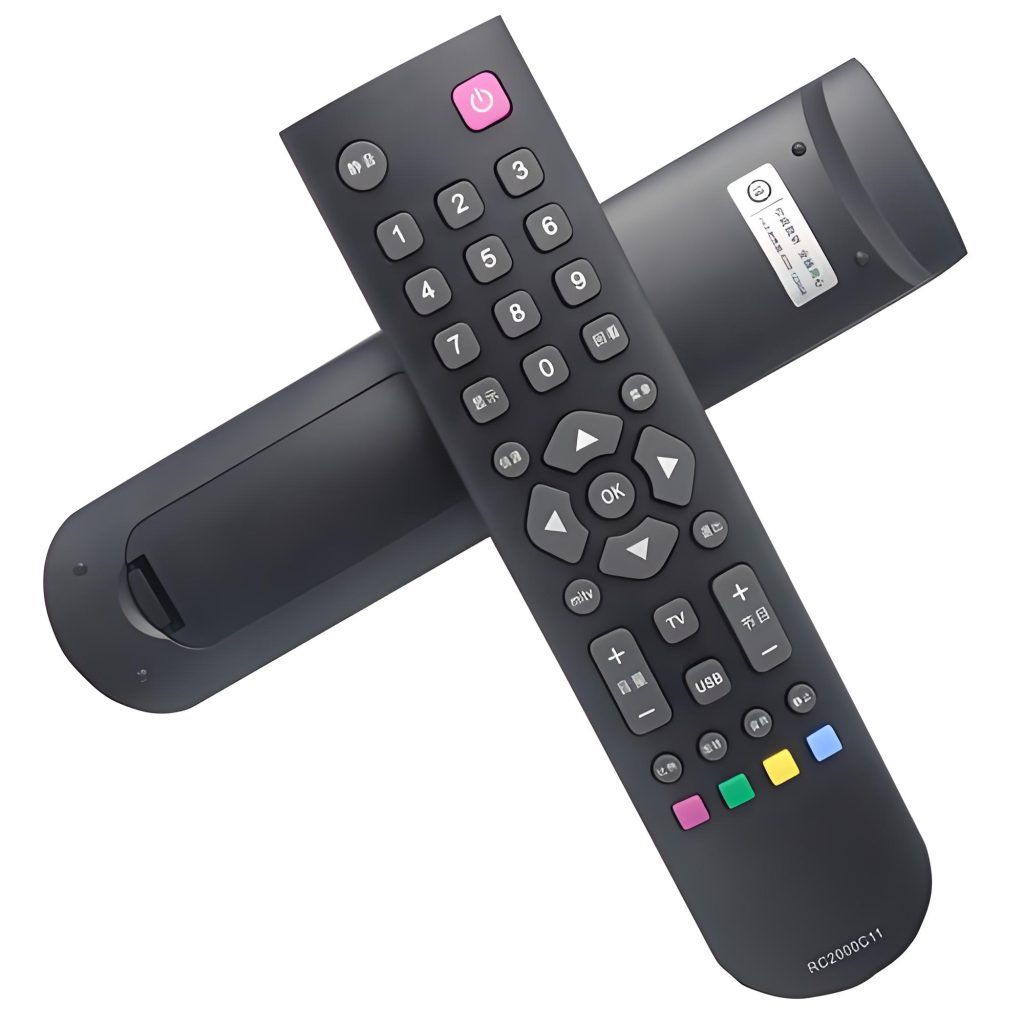
Remote Controls and Appliance Control Panels
Carbon oil contacts offerlong press life and low contact resistance for fast response. Typical applications include TV remotes, 에어컨 리모컨, and washing machine control panels.
Automotive Electronic Control Modules
Carbon oil circuits inside vehicle door panels offerstrong corrosion resistance, performing reliably in complex automotive environments and solving the oxidation and breakage issues common with traditional solutions.
Medical Device Operator Panels
Carbon oil-printed touch sensing areas maintain stable operation in oily, humid environments. Carbon oil materials also offer excellent생체 적합성.
Industrial Keyboards and POS Systems
In POS terminals and industrial keyboards, circuits combining carbon oil with FR4 substrates adapt to temperature variations and deliver stable, 안정적인 성능.
Why Choose UGPCB for Your Double-Sided Carbon Oil Circuit Board?
✅ 국제 표준 준수
Product design and manufacturing strictly followIPC-2221 (인쇄 기판 설계에 대한 일반 표준), IPC-6012 (Rigid Board Performance Specification), 그리고IPC-TM-650 (테스트 방법 매뉴얼).
✅ 정밀 제조 역량
- Minimum hole diameter 0.33mm – supports high-density designs
- 최소 트레이스 폭/간격 0.32 × 0.36mm – industry-leading precision
- Carbon oil sheet resistance ≤20Ω/□ – excellent conductivity
✅ One-Stop Service
UGPCB provides end-to-end services from PCB 설계 and manufacturing to PCBA 조립.
✅ High Reliability Guarantee
Carbon oil contacts offer wear life≥1백만 주기 with resistance change rate ≤10%, 장기적으로 안정적인 운영 보장.
지금 견적을 요청하세요
그만큼양면 탄소 오일 회로 기판 는highly cost-effective solution for keypad applications in consumer electronics, 자동차 전자, 의료기기.
당신이 필요 여부 PCB 프로토 타이핑, 대량 생산, 또는 턴키 PCBA 서비스, UGPCB delivers professional technical support and competitive pricing.
📧Contact us today for a free technical consultation and custom quote!
- 웹사이트: www.ugpcb.com
- One-stop services: PCB 설계, 조작, 및 PCBA 어셈블리
데이터 소스 선언
The technical data and standards cited in this article are derived from the following authoritative sources:
- IPC (전자산업을 연결하는 협회) 표준:
- IPC-2221 – Generic Standard on Printed Board Design
- IPC-6012 – Qualification and Performance Specification for Rigid Printed Boards
- IPC-TM-650 – Test Methods Manual
- Industry Standard Technical Specifications:
- PCB carbon oil manufacturing requirements (carbon oil trace width ≥6mil, film naming conventions, 등.)
- Carbon oil screen printing thickness control specifications (단일 인쇄: 0.3–100만; 이중 인쇄: 1.0–200만)
- 산업 기술 문헌:
- Carbon oil PCB manufacturing specifications – three key dimensions
- Carbon oil process PCB technical analysis
- Carbon oil PCB vs. standard PCB comparison