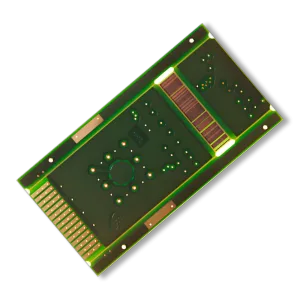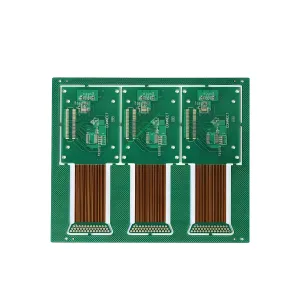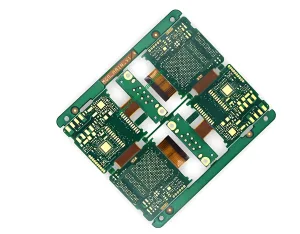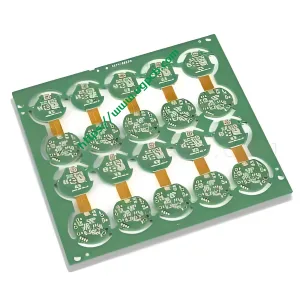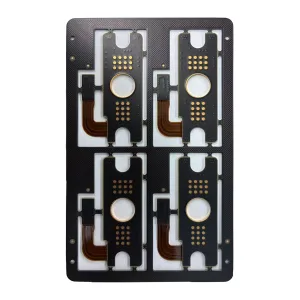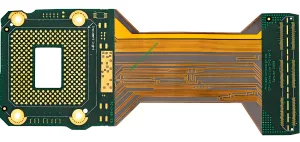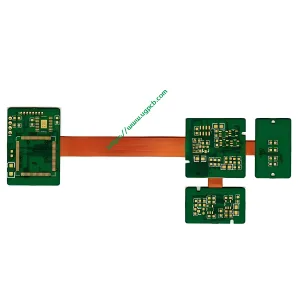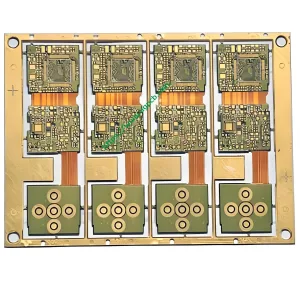
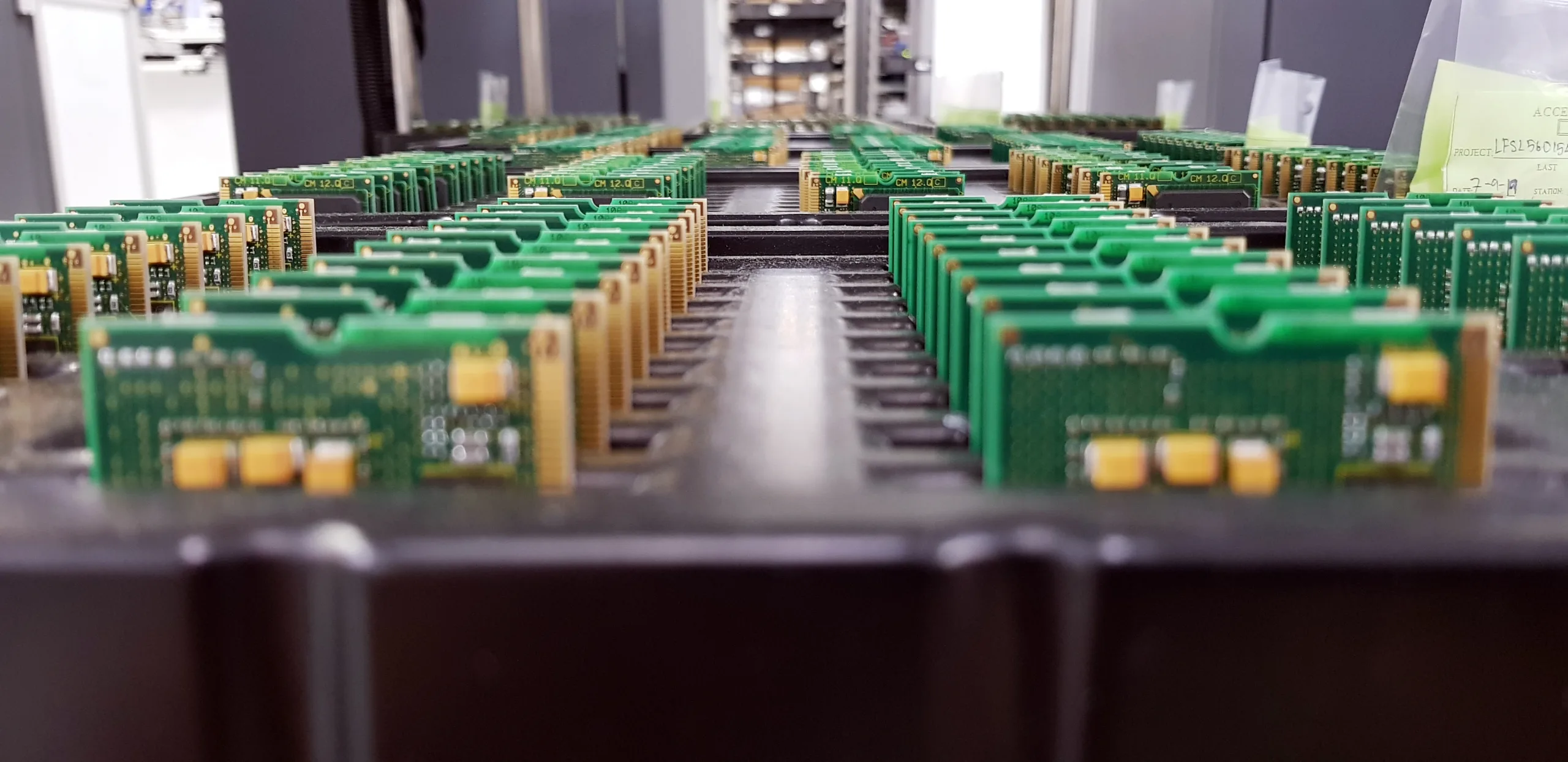
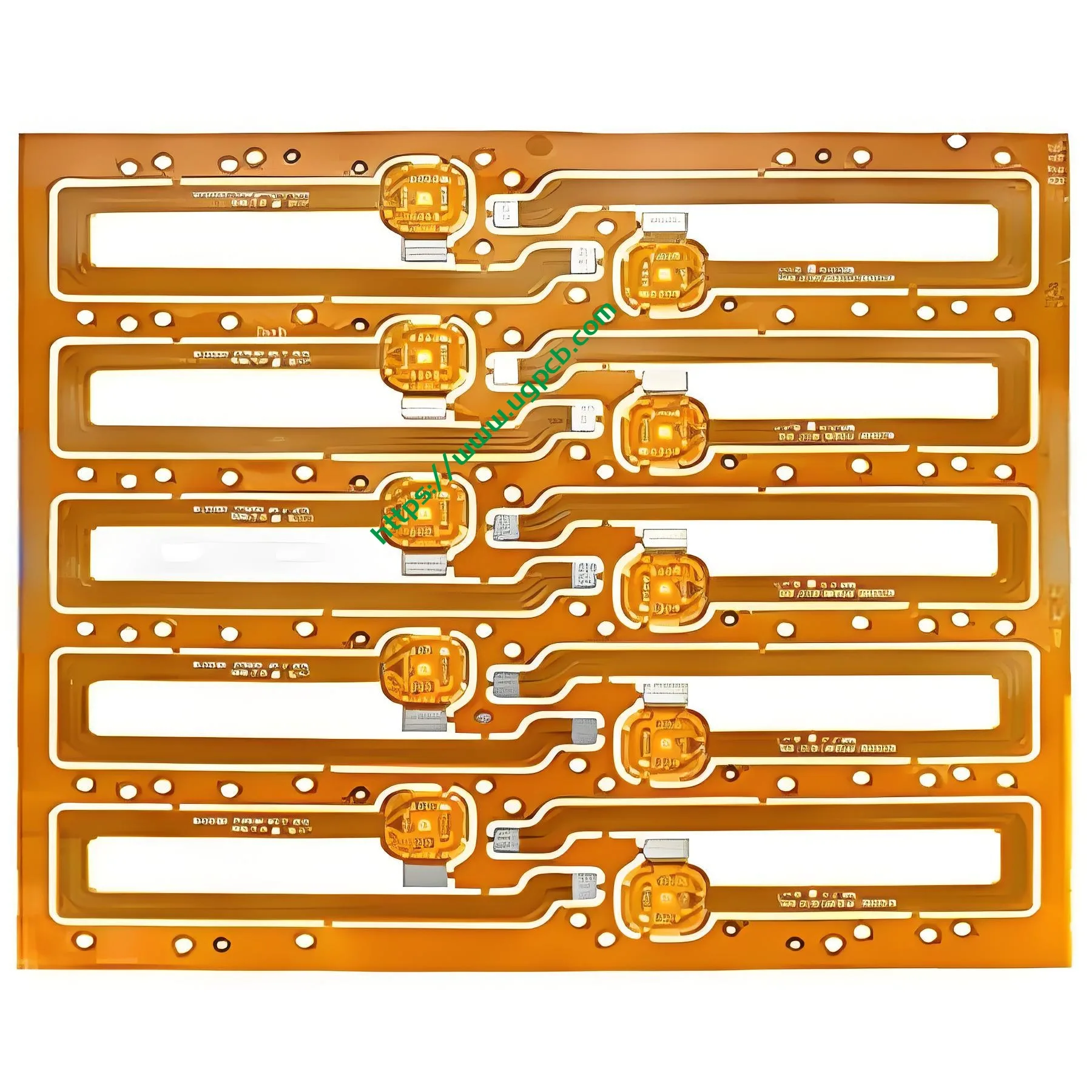
Introdução do produto: Identificação de impressões digitais FPCB – A transportadora crítica na era biométrica
Com a rápida adoção de smartphones com tela cheia, fechaduras inteligentes, e sistemas de entrada de carro sem chave, identificação de impressão digital FPCB (Placa de circuito impresso flexível para identificação de impressão digital) tornou-se um componente essencial em módulos biométricos. UGPCB aproveita mais de dez anos de experiência na fabricação de circuitos flexíveis para oferecer alto desempenho identificação de impressão digital FPC adaptado para módulos de impressão digital. Nossos produtos combinam engenharia de precisão com qualidade estável para atender clientes globais.
Este artigo aborda a definição do produto, fundamentos de design, princípio de funcionamento, Materiais, estrutura, desempenho, processo de fabricação, e aplicações. Também explica porque a UGPCB é um parceiro confiável para o seu identificação de impressão digital FPC precisa.
UM identificação de impressão digital FPCB integra tecnologia de detecção de impressão digital com uma placa de circuito impresso flexível. Usando poliimida (PI) como material base, permite a transmissão de sinal de alta velocidade entre o sensor de impressão digital e o chip de controle. Comparado com rígido PCB, o identificação de impressão digital FPC é dobrável, ultrafino, e leve. Ele se adapta a ambientes de montagem complexos, como telas de telefone dobráveis, capas curvas, e carcaças mecânicas compactas.
Visão geral do produto: Parâmetros-chave FPCB de identificação de impressão digital UGPCB
UGPCB's identificação de impressão digital FPCB segue rigorosamente IPC-6013 (Especificação de qualificação e desempenho para placas impressas flexíveis). Os principais parâmetros estão listados abaixo.
| Parâmetro | Especificação | Padrão / Observação |
|---|---|---|
| Modelo | Identificação de impressão digital FPCB | Modelo personalizado UGPCB |
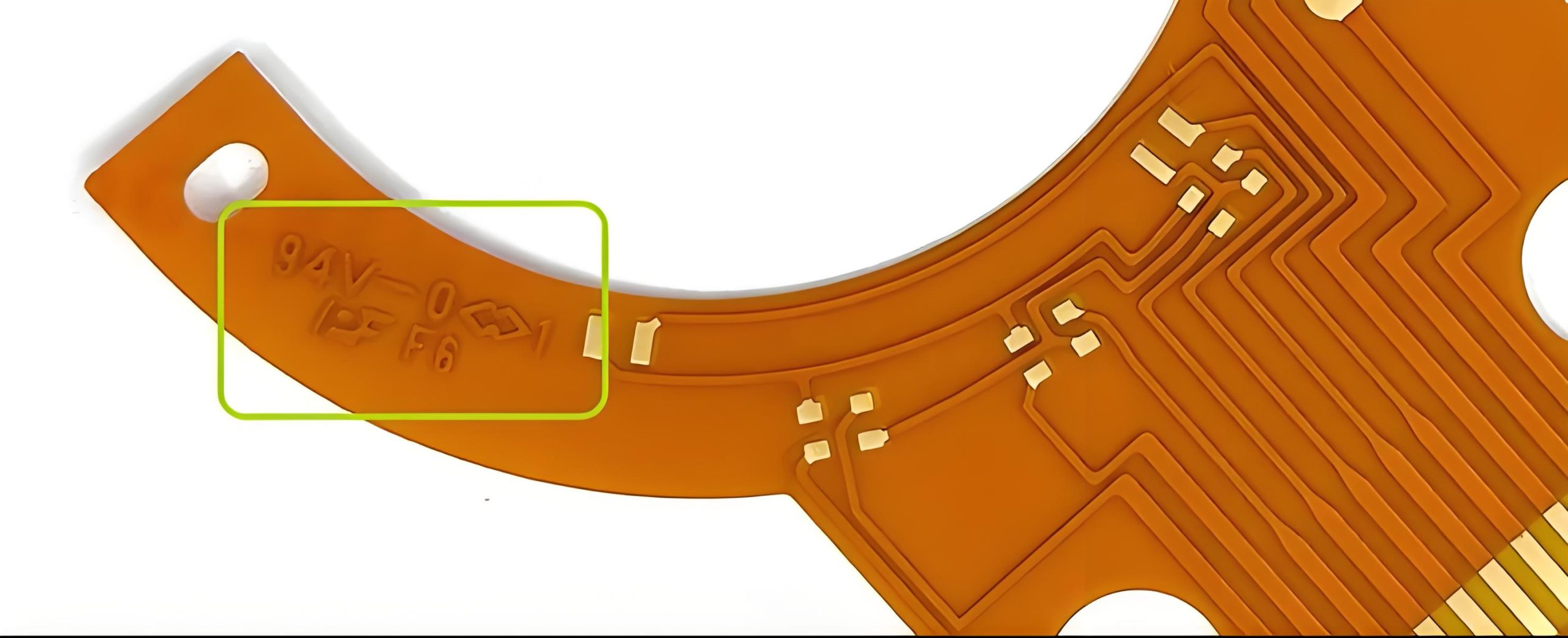
| Material base | Poliimida (PI) | UL 94 V-0 Classificação de chama |
| Contagem de camadas | 2 Camadas | Placa dupla face |
| Cor da capa | Amarelo / Branco | Opcional |
| Espessura Acabada | 0.15milímetros | Está em conformidade com o padrão de eletrônicos de consumo (0.08–0,5 mm) |
| Espessura do Cobre | 0.5 OZ (18μm) | Tolerância IPC-6013D ±12% |
| Acabamento superficial | Imersão Ouro (CONCORDAR) | Alta resistência ao desgaste para módulos de impressão digital |
Notas de origem: IPC-6013D especifica tolerância de espessura do material base ±8% e tolerância de espessura de cobre ±12%. UL 94 V-0 requer auto-extinção dentro 10 segundos e sem gotas flamejantes. JPCA-ET04 requer raio de curvatura mínimo ≥10T (T = espessura total).
Definição e Classificação Científica de Identificação de Impressões Digitais FPCB
Definição
UM identificação de impressão digital FPC é uma placa de circuito flexível especializada que integra profundamente a tecnologia de detecção de impressão digital. Fornece conexão elétrica e suporte mecânico para o sensor de impressão digital, controlador IC, e chip de processamento de sinal. Garante captura confiável de impressões digitais, processamento de sinal, e transmissão de dados.
Classificação Científica
Baseado em princípios de detecção de impressão digital, identificação de impressão digital FPCB suporta três tipos de módulos:
-
Módulo capacitivo de impressão digital FPC – Usa diferenças de capacitância entre cumes e vales. Esta é a solução principal em eletrônicos de consumo.
-
Módulo óptico de impressão digital FPC – Captura imagens de impressões digitais usando refração e reflexão de luz.
-
Módulo ultrassônico de impressão digital FPC – Usa ultrassom refletido para criar imagens de impressões digitais 3D. Oferece forte penetração e alta segurança.
Com base na estrutura FPC, tipos comuns incluem FPC dupla face padrão, FPC com eletrodos elevados, e placas rígidas-flexíveis. O FPC dupla face PI de 2 camadas da UGPCB pertence à categoria dupla face padrão. Oferece alto custo-benefício, processos maduros, e desempenho estável.
Fundamentos de design para identificação de impressão digital FPCB
1. Controle de empilhamento e impedância
A qualidade da transmissão do sinal afeta diretamente a velocidade e a precisão do reconhecimento de impressões digitais. UGPCB concentra-se nestes parâmetros-chave:
-
Controle de impedância: 50Ω±10% (referência. IPC-2223)
-
Perda de sinal: <0.3dB/cm a 40 MHz
-
Constante dielétrica: Material base PI 3,2±0,2 @1GHz
2. Precisão de rastreamento e via design
-
Largura/espaço mínimo da linha: 60μm/60 μm
-
Mínimo através do diâmetro: 0.15milímetros (padrão), 0.1milímetros (tom fino)
-
Através da espessura do cobre: ≥8μm (Compatível com IPC-6013D)
3. Planicidade da placa
O identificação de impressão digital FPC requer planicidade <50μm. Isso garante coplanaridade e confiabilidade de soldagem durante a montagem SMT para o sensor e IC.
4. Compatibilidade eletromagnética (Emc) Projeto
Módulos de impressão digital são sensíveis à interferência eletromagnética (EMI). UGPCB incorpora as seguintes medidas:
-
Acoplamento apertado entre as camadas de sinal e terra para minimizar a área do loop.
-
Rastreamentos de guarda terrestre em torno de linhas de sinal críticas.
-
Resistência à terra da chapa de aço do reforço ≤1Ω para descarga ESD eficaz.
Princípio de funcionamento da identificação de impressão digital FPCB
Usando a detecção capacitiva de impressão digital mais comum como exemplo, o identificação de impressão digital FPC funciona em quatro etapas.
Etapa 1: Captura de impressão digital. Quando um dedo toca o sensor, o dedo atua como uma placa do capacitor e o conjunto de sensores de silício atua como a outra placa. Cumes (saliências) e vales (lacunas) criar distâncias diferentes, portanto, diferentes valores de capacitância. O sensor capacitivo lê essas diferenças para capturar sinais brutos de impressão digital.
Etapa 2: Transmissão de sinal. Sinais brutos de impressões digitais viajam através do identificação de impressão digital FPC para o chip de processamento de sinal. O design de baixa perda do FPC garante integridade do sinal e imunidade a ruídos.
Etapa 3: Processamento e correspondência de sinal. O chip de processamento melhora, refina, e extrai recursos da imagem da impressão digital. Ele compara os recursos extraídos com modelos de impressão digital pré-armazenados. Algoritmos de correspondência incluem correspondência baseada em minúcias, correspondência baseada em textura, e métodos de aprendizagem profunda.
Etapa 4: Saída de resultado. Quando a similaridade excede um limite predefinido, o sistema emite um sinal de reconhecimento bem-sucedido. Os principais sensores capacitivos atuais alcançam reconhecimento + desbloquear velocidades de 0,15–0,2 segundos. Os usuários quase não experimentam atrasos perceptíveis.
Materiais de identificação de impressão digital FPCB
Material base: Poliimida (PI)
UGPCB seleciona poliimida (PI) como material de base isolante para o identificação de impressão digital FPCB. PI oferece essas vantagens:
-
Resistência a altas temperaturas: suporta soldagem por refluxo acima de 260°C para montagem SMT.
-
Excelente isolamento elétrico: resistividade volumétrica >10¹⁶Ω·cm, alta rigidez dielétrica.
-
Boa flexibilidade mecânica: excelente resistência à fadiga por flexão para flexão dinâmica.
-
Classificação de chama: UL 94 V-0 compatível – autoextingue-se dentro 10 segundos, sem gotas flamejantes.
Folha de cobre: 0.5 Cobre recozido laminado OZ
-
Grossura: 0.5 OZ ≈ 18μm
-
Tipo: Cobre recozido laminado – melhor flexibilidade e resistência à flexão do que o cobre eletrodepositado.
-
Pureza: ≥99,8% Cu
Acabamento superficial: Imersão Ouro (CONCORDAR)
-
Processo: Ouro de imersão em níquel eletrolítico (CONCORDAR) – camada de níquel 2–6μm, camada de ouro ≥0,05 μm.
-
Vantagens: excelente planicidade, boa soldabilidade, resistência à oxidação, Resistência à corrosão, e múltiplos ciclos de inserção.
-
Aplicações: ligação de fios e montagem SMT para sensores de impressão digital.
Desempenho da identificação de impressão digital FPCB
Desempenho elétrico
| Parâmetro | Valor |
|---|---|
| Resistência ao isolamento | ≥10⁸Ω (condição normal) |
| Resistência dielétrica | 500Em DC, 1 min sem avaria |
| Resistência do condutor | ≤100Ω/100mm (vestígios específicos) |
| Controle de impedância | 50Ω±10% |
Desempenho Mecânico
| Parâmetro | Valor | Padrão |
|---|---|---|
| Vida útil à fadiga por flexão | ≥100.000 ciclos (R=3mm, 90° curva) | - |
| Raio de curvatura mínimo | ≥10T (T = espessura total) | JPCA-ET04 |
| Força de casca | ≥0,8kgf/cm | IPC-TM-650 |
Confiabilidade Ambiental
| Item de teste | Doença | Exigência |
|---|---|---|
| Armazenamento em alta temperatura | 85°C, 1000h | Sem bolha, Sem delaminação |
| Armazenamento em baixa temperatura | -40°C, 1000h | Desempenho elétrico normal |
| Calor úmido (curso estável) | 85°C/85% UR, 500h | Resistência de isolamento ≥10⁸ Ω |
| Choque térmico | -40°C ↔ 85°C, 100 ciclos | Não aberto, não curto |
| Soldabilidade | 245°C±5°C, 3–5 seg. | Boa umectação ≥95% |
Processo de Fabricação de Identificação de Impressões Digitais FPCB
UGPCB segue os padrões IPC-6013. O processo de produção para identificação de impressão digital FPCB inclui as seguintes etapas principais.
Visão geral do processo
Fabricação de FPC simples → Impressão de pasta de solda → SMT pick-and-place → Soldagem por refluxo → Inspeção AOI → Distribuição de componentes → Corte a laser & singularização → Subenchimento → Assar → Acessório de anel/tampa de metal → Assar sob pressão → Teste elétrico final → Embalagem & envio
Principais pontos de controle de qualidade
-
Padronização de circuito: Imagem direta a laser LDI com tolerância de largura de linha ±10%.
-
Laminação: Prensa a quente a vácuo com flutuação de pressão <5% para boa adesão da camada.
-
Acabamento superficial: Monitoramento em linha da espessura do ouro para ENIG – camada de ouro 0,05–0,1μm.
-
Inspeção: AOI + teste de sonda voadora + 4-teste de baixa resistência de fio para 100% rendimento elétrico.
Principais processos de montagem SMT
Para identificação de impressão digital FPC, atenção especial é necessária durante o SMT:
-
Desenho de estêncil: Para sensores de impressão digital BGA, use aberturas quadradas com cantos arredondados. Proporção de área ≥0,66.
-
Perfil de refluxo: Temperatura máxima 240–250°C, tempo acima de 220°C por 60–90 segundos.
-
Precisão de posicionamento: Precisão da máquina pick-and-place ±0,05 mm para alinhamento preciso do chip à almofada.
Recursos e vantagens principais
-
Ultrafino e leve: A espessura final de 0,15 mm economiza espaço interno valioso.
-
Alta flexibilidade: Adapta-se a caixas complexas curvas e dobradas. A vida útil de flexão dinâmica excede 100,000 ciclos.
-
Transmissão de sinal estável: A baixa perda dielétrica do PI garante a integridade do sinal de impressão digital.
-
Alta integração: Suporta integração de sensor de impressão digital, controlador IC, e criptografia IC em uma placa.
-
Alta confiabilidade: Atende à UL 94 V-0 classificação de chama e requisitos de desempenho IPC-6013.
-
Excelente soldabilidade: O acabamento superficial ENIG garante alto rendimento de montagem SMT.
Principais Aplicações e Cenários de Uso
1. Smartphones
O identificação de impressão digital FPC é um componente essencial para desbloqueio de impressão digital sob o display e sensores de impressão digital montados na lateral. Em soluções sob display, o FPC conecta o sensor de impressão digital à placa-mãe para transmissão de sinal em alta velocidade. Hoje, a penetração do reconhecimento de impressões digitais em smartphones excede 70%, com subexibição como recurso padrão em modelos de médio a alto padrão.
2. Portáteis
Usado para autenticação de usuário e login no sistema. O identificação de impressão digital FPC integra o sensor de impressão digital com um chip de criptografia, habilitando login rápido, criptografia de arquivo, e proteção de dados.
3. Fechaduras inteligentes
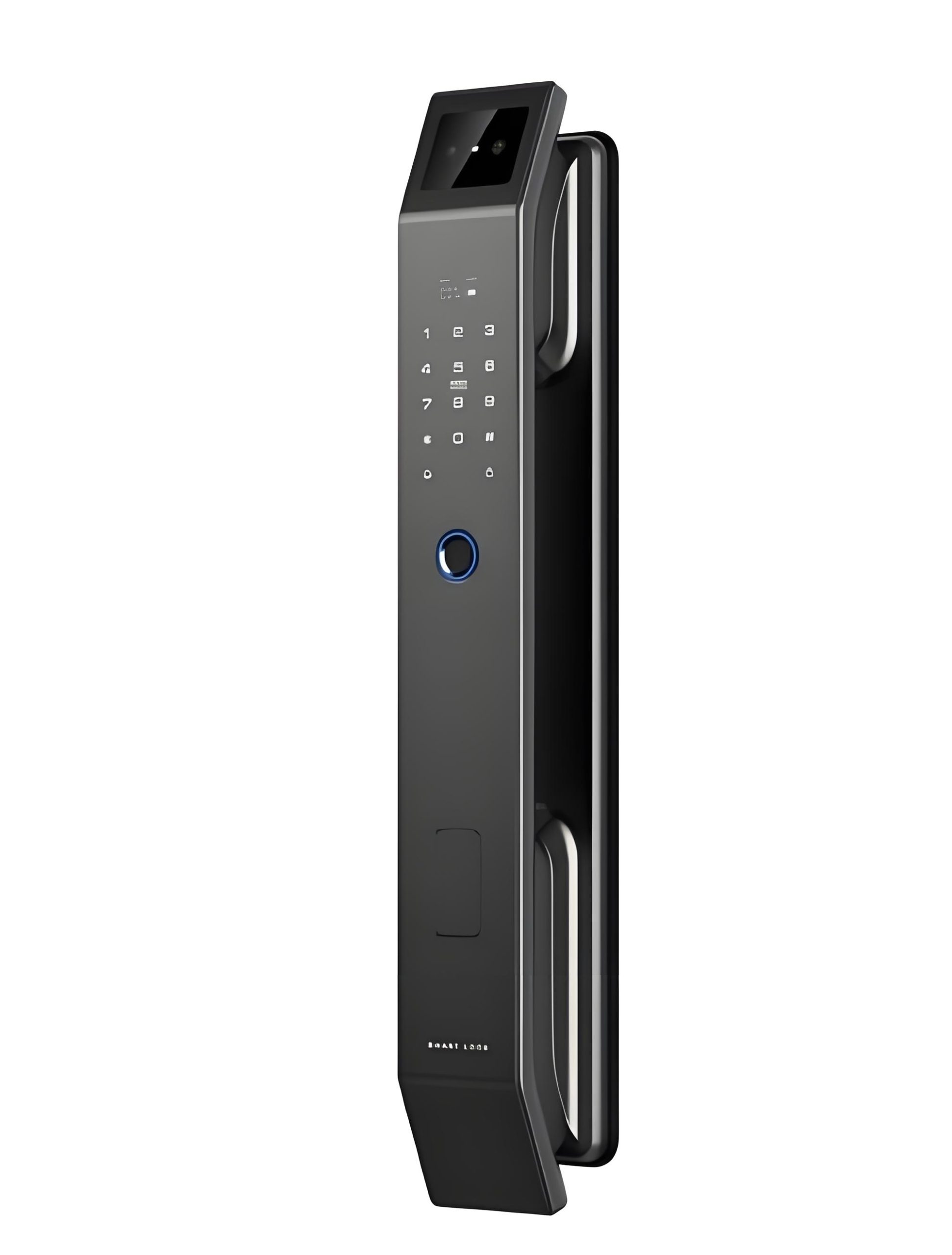
Em bloqueios inteligentes, o identificação de impressão digital FPCB deve resistir à água, pó, e descarga eletrostática. Garante uma operação estável a longo prazo em ambientes externos agressivos. Sobre 90% dos bloqueios inteligentes agora incluem reconhecimento de impressão digital.
Bloqueio inteligente
4. Eletrônica Automotiva
As aplicações incluem sistemas de entrada sem chave, botões de início, e reconhecimento de impressão digital no volante. Esses sistemas verificam a identidade do motorista e melhoram a segurança do veículo.
5. Terminais de Pagamento Financeiro
Sistemas POS e quiosques financeiros de autoatendimento usam identificação de impressão digital FPC para verificação de pagamento e autorização de transação.
6. Vestíveis inteligentes
Smartwatches e pulseiras de fitness exigem designs extremamente compactos e leves. O identificação de impressão digital FPC permite integração de alta densidade nesses dispositivos.
Perspectivas de mercado e tendências do setor
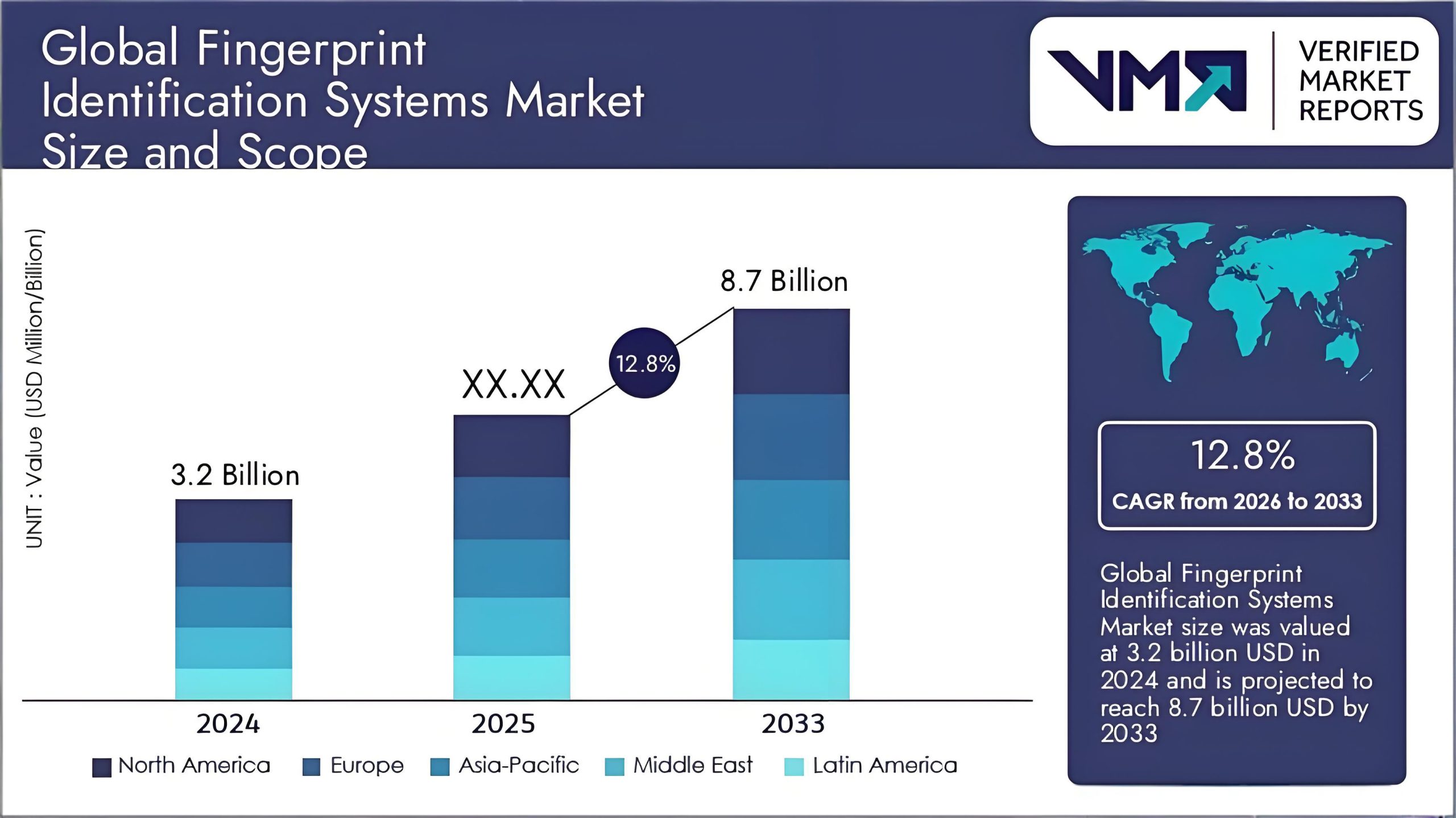
De acordo com pesquisas de mercado, Espera-se que o mercado global de módulos de impressão digital capacitiva cresça de $8.857 bilhão em 2025 para $16.290 bilhão por 2031, em um CAGR de 10.7%. O mercado de sensores de impressão digital foi avaliado em aproximadamente $4.8 bilhão em 2024 e está projetado para atingir $8.9 bilhão por 2031, com um CAGR de cerca 5.50%.
Na China, o mercado de reconhecimento de impressões digitais é estimado em ¥ 20 bilhões. Os produtos eletrónicos de consumo representam cerca de 60%, e segurança inteligente (incluindo bloqueios inteligentes) contabiliza cerca de 25%. Aplicativos emergentes como bloqueios inteligentes, wearables, e o setor automotivo estão se tornando a segunda curva de crescimento para reconhecimento de impressões digitais.
Por que escolher a identificação de impressão digital UGPCB FPCB?
Capacidade de fabricação profissional
-
Mais de dez anos de FPC R&D e experiência em fabricação.
-
Total conformidade com os padrões IPC-6013 e UL.
-
100% testes elétricos e verificação de confiabilidade.
Sistema de garantia de qualidade
-
UL 94 V-0 certificação de classificação de chama.
-
Controle de qualidade de três níveis: inspeção de entrada, controle em processo, e inspeção completa final.
Serviços de personalização flexíveis
-
Suporta personalização de cores, grossura, acabamento superficial, e mais.
-
Serviço completo desde a revisão do projeto, amostragem de protótipo, para produção em massa.
Obtenha sua amostra e orçamento de identificação de impressão digital UGPCB FPCB hoje mesmo
A UGPCB está comprometida em fornecer serviços de alta qualidade, econômico identificação de impressão digital FPCB para clientes globais. Esteja você desenvolvendo módulos de impressão digital para smartphones, soluções de bloqueio inteligente, ou projetos de eletrônica automotiva, UGPCB oferece soluções profissionais de placas de circuito flexíveis.
Agir agora:
-
📞 Ligue para nossa linha direta de suporte para obter assistência técnica.
-
📧 Envie seus arquivos de design para nosso e-mail de vendas para um orçamento rápido.
-
🌐 Visite o site da UGPCB para enviar sua consulta online.
A equipe profissional da UGPCB responderá dentro 24 horas. Nós apoiamos identificação de impressão digital FPC prototipagem de amostra, produção em massa, e serviços personalizados.