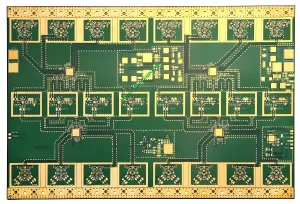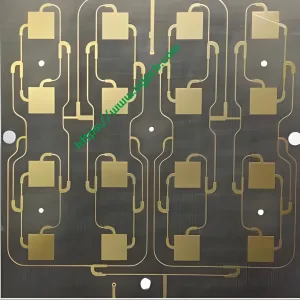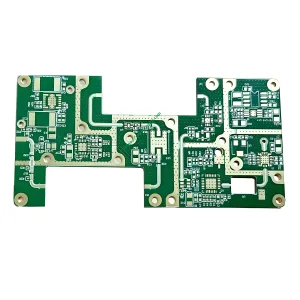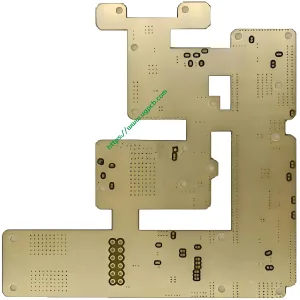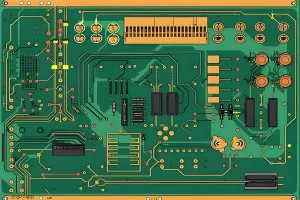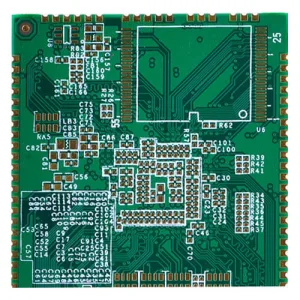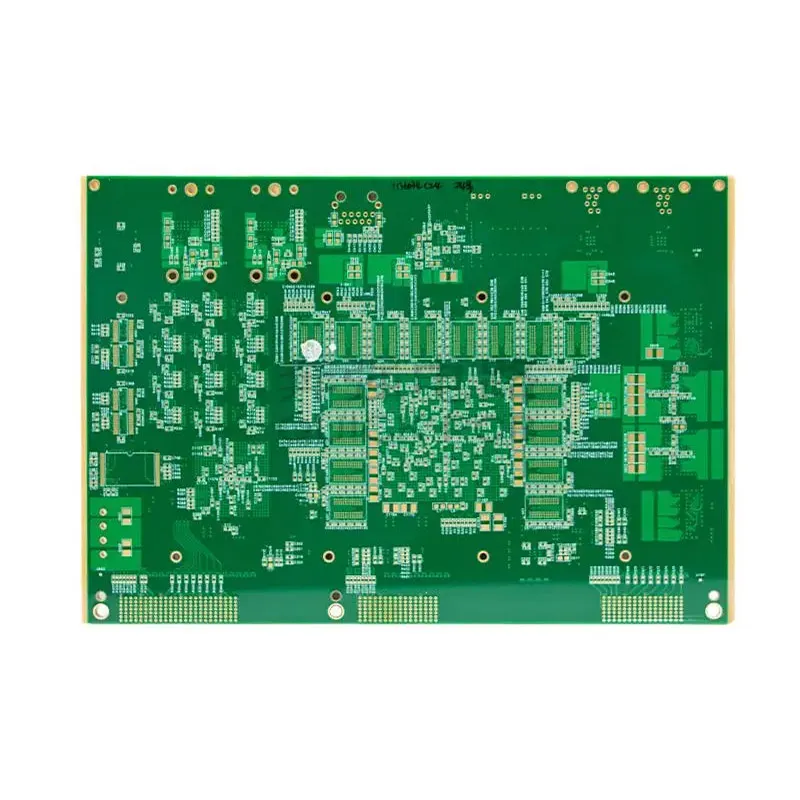
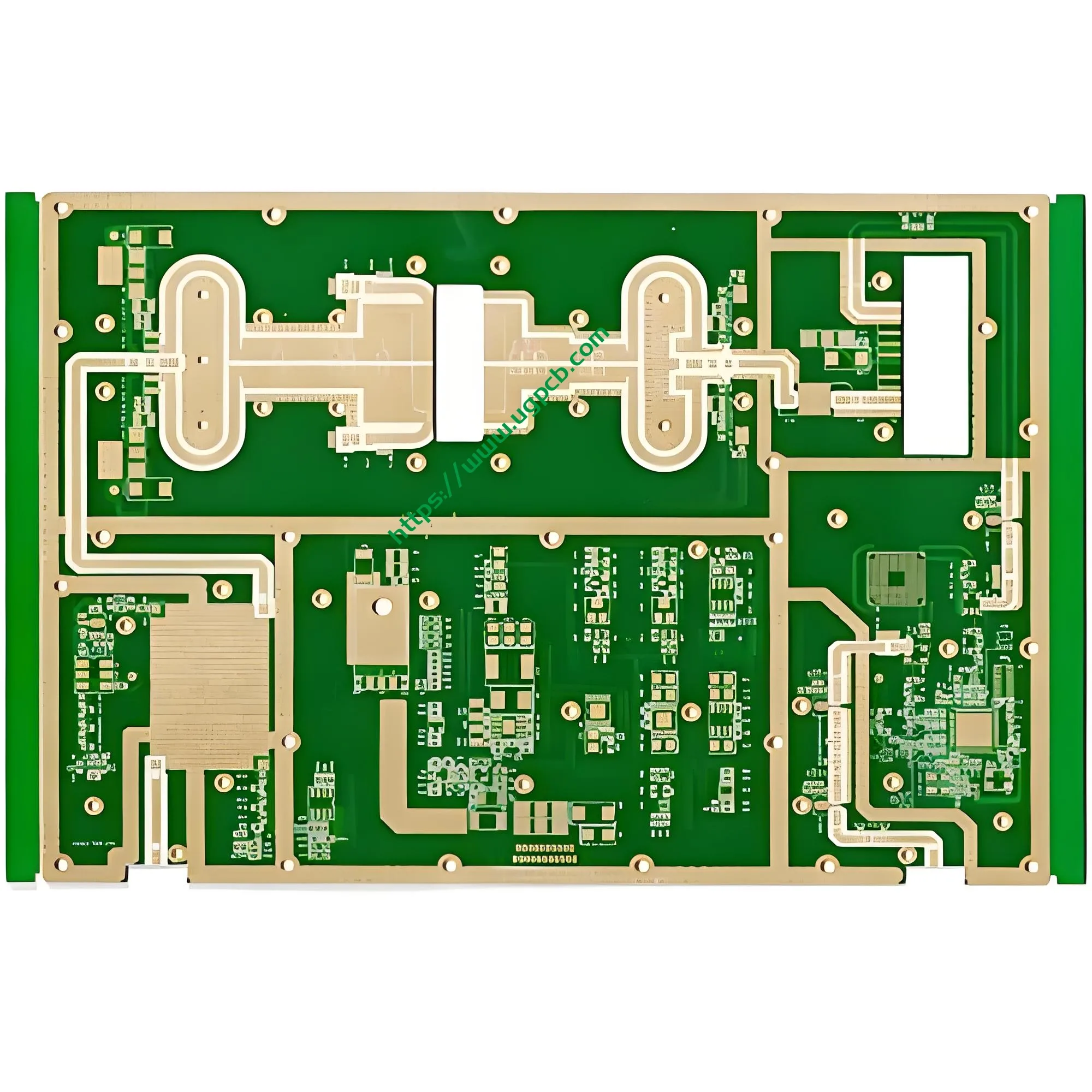
Odată cu creșterea rapidă a comunicațiilor 5G, radar cu undă milimetrică, și comunicații prin satelit, Design PCB inginerii se confruntă cu o dilemă clasică. Folosind materiale de înaltă frecvență, cum ar fi Rogers RO4350B căci întreaga placă oferă performanțe electrice excelente, dar devine prea scumpă. Folosirea standardului FR4 pentru întreaga placă economisește costuri, dar pierderea semnalului de înaltă frecvență este mare și constanta dielectrică este instabilă.
Placa hibridă de înaltă frecvență Rogers RO4350B+FR4 de la UGPCB rezolvă perfect această problemă. Acest articol acoperă prezentarea generală a produsului, linii directoare de proiectare, Principiile de lucru, Parametri tehnici, procesul de fabricatie, și aplicații. Oferă o referință de încredere pentru inginerii RF și factorii de decizie în achiziții.
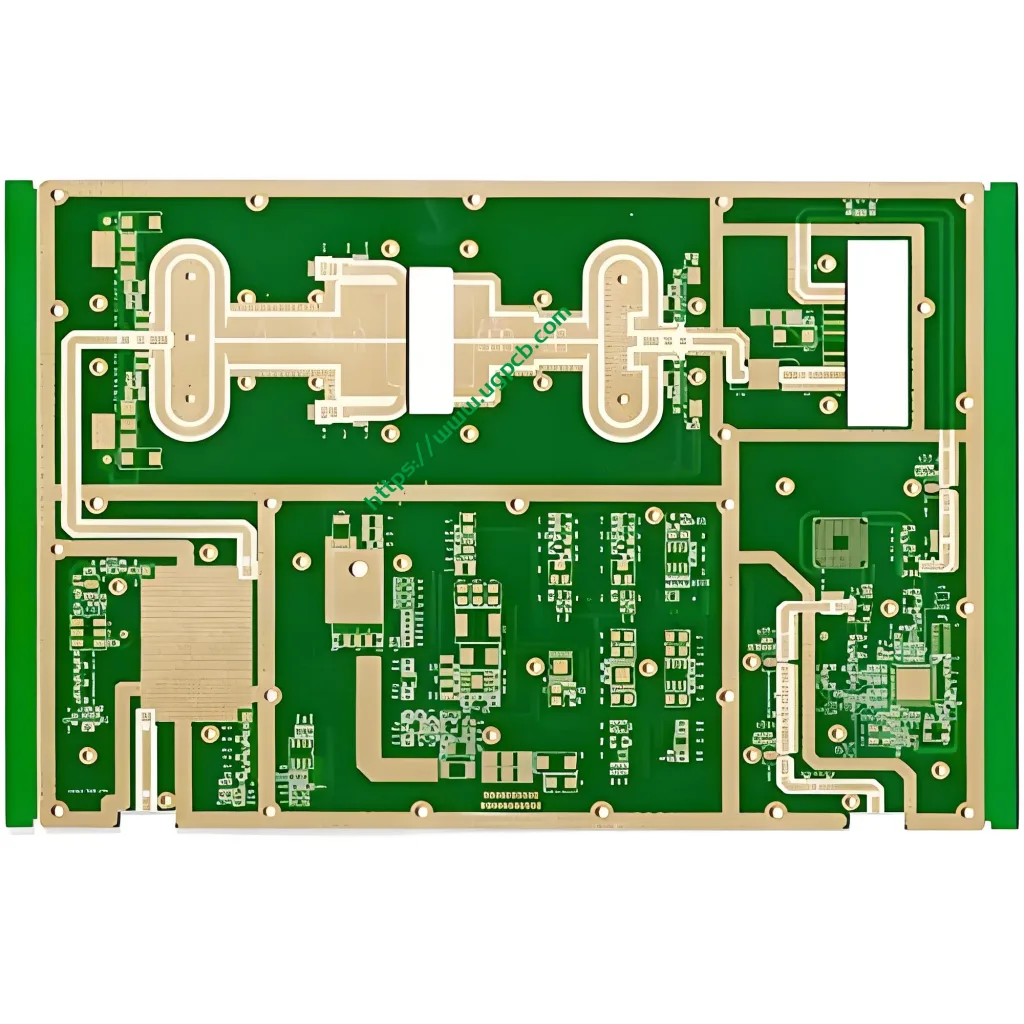
1. Prezentare generală a produsului: Ce este un PCB hibrid de înaltă frecvență Rogers RO4350B+FR4?
1.1 Definiţie
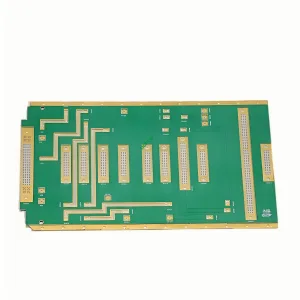
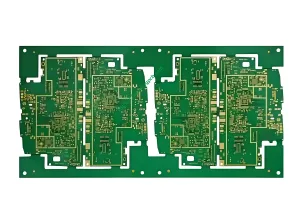
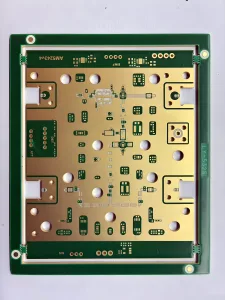
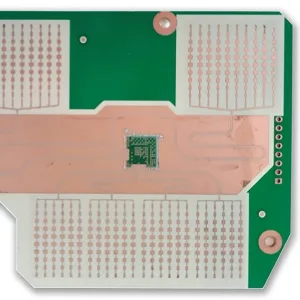
Un PCB hibrid Rogers RO4350B+FR4 de înaltă frecvență utilizează atât laminat de înaltă frecvență Rogers RO4350B, cât și țesătură standard de sticlă epoxidica FR-4 pe aceeași placă de circuit.. Produsul UGPCB utilizează o stivuire simetrică cu 4 straturi: două straturi exterioare de Rogers RO4350B pentru rutarea semnalului RF, și două straturi interioare de FR4 pentru distribuția energiei și planuri de masă. Acest lucru creează un standard “semnal – pământ – putere – semnal” stivuire.
1.2 Propunerea de valoare de bază
Acest PCB hibrid soluția oferă un echilibru precis între performanță și cost. Folosește material Rogers de înaltă performanță numai pe straturile exterioare unde se deplasează semnalele de înaltă frecvență. Folosește FR4 low-cost pe straturile interioare. Acest lucru reduce semnificativ totalul Fabricarea PCB-urilor cost fără a sacrifica performanța RF. Estimările din industrie arată o reducere cu 30%-50% a costurilor materialelor în comparație cu o placă completă Rogers.
2. Parametrii tehnici cheie (Date oficiale Rogers & Specificații UGPCB)
| Parametru | Valoare | Condiție de testare / Standard | Sursă |
|---|---|---|---|
| Combinație de materiale | 2 straturi Rogers RO4350B + 2 straturi FR4 | 4-stivuire simetrică a straturilor | UGPCB |
| Grosimea plăcii finisate | 1.2 mm | - | UGPCB |
| Grosimea foliei de cupru | 1 OZ exterior / 1 OZ interior | Cupru finisat | UGPCB |
| Grosimea dielectrică | 0.508 mm | - | UGPCB |
| Constanta dielectrica Dk | 3.48 ± 0.05 @ 10 GHz | IPC-TM-650 | Fișa tehnică oficială a Rogers |
| Factorul de disipare Df | 0.0037 @ 10 GHz | IPC-TM-650 | Fișa tehnică oficială a Rogers |
| Conductivitate termică λ | 0.69 W/m·K la 50°C | ASTM D5470 | Fișa tehnică oficială a Rogers |
| Evaluare de inflamabilitate | Ul 94 V-0 | Ul 94 | Fișa tehnică oficială a Rogers |
| Rezistivitatea volumului ρ_v | 1.2 × 10¹⁰ Mohm·cm | - | Fișa tehnică oficială a Rogers |
| Rezistivitatea suprafeței ρ_s | 5.7 × 10⁹ Mohm | - | Fișa tehnică oficială a Rogers |
| CTE axa Z | 32 PPM/° C. | -55°C până la 288°C | Fișa tehnică oficială a Rogers |
| Densitate | 1.9 gm/cm³ | - | Fișa tehnică oficială a Rogers |
3. Ghid de proiectare pentru PCB-uri hibride Rogers RO4350B+FR4
Inginerii trebuie să se concentreze asupra acestor puncte tehnice cheie atunci când proiectează un PCB hibrid cu Rogers RO4350B și FR4.
3.1 Design de potrivire a impedanței
Diferența de constantă dielectrică dintre RO4350B și FR4 este semnificativă. RO4350B are Dk = 3.48 la 10 GHz, în timp ce standardul FR4 are Dk între 4.2 şi 4.8. Impedanța liniei de semnal se modifică în funcție de stratul de material.
Exemplu pentru o linie microbandă de 50Ω:
- Pe stratul RO4350B (Dk=3,48, 1 OZ cupru), 50Ω lățimea urmei ≈ 0.4 mm
- Pe stratul FR4 (Dk≈4,5, același cupru), 50Ω lățimea urmei ≈ 0.25 mm
Recomandări de proiectare:
- Păstrați urmele semnalului de înaltă frecvență în întregime în straturile de semnal RO4350B. Evitați depășirea limitelor materialelor unde impedanța se schimbă brusc.
- Dacă o tranziție între straturi este inevitabil, utilizați lățimea traseului conic la limita RO4350B-FR4. Sau utilizați simularea electromagnetică pentru a minimiza reflexia semnalului cauzată de schimbarea bruscă a Dk.
3.2 Design simetric de stivuire
Prevenirea deformarii plăcii este o preocupare de bază în proiectarea stivuirii hibride. RO4350B are CTE pe axa X/Y de aproximativ 10/12 PPM/° C., în timp ce FR4 are aproximativ 16 PPM/° C.. Această nepotrivire este semnificativă.
UGPCB urmează cu strictețe un principiu de stivuire simetrică. Folosim o distribuție a grosimii de cupru de:
1 OZ RO4350B (semnal superior) – 0.5 OZ FR4 (sol) – 0.5 OZ FR4 (putere) – 1 OZ RO4350B (semnal de jos).
Acest lucru face ca stresul termic să fie distribuit chiar și în timpul laminării și reduce foarte mult riscul de deformare.
3.3 Selectarea liniei de transmisie pentru PCB-uri RF
Pentru aplicații de înaltă frecvență, vă recomandăm un ghid de undă coplanar împământat (GCPW) în locul liniilor tradiționale cu microstrip. GCPW plasează dens prin garduri pe ambele părți ale liniei de semnal. Acest lucru protejează eficient diafonia și reduce interferențele electromagnetice. Funcționează bine în special pentru unde milimetrice 5G și 77 radar auto GHz.
3.4 Procesul de foraj și defrăjit
UGPCB folosește parametrii de foraj recomandați de Rogers pentru RO4350B. De asemenea, optimizăm procesul de desfrângere pentru materialul amestecat. Reziduurile de rășină FR4 pot cauza pereți aspriți. Prin urmare, prelungim timpul de frotiu cu plasmă cu aproximativ 30% comparativ cu plăcile pure Rogers. Acest lucru asigură pereți curați și metalizare de înaltă calitate.
4. Principiul de funcționare și performanța electrică
4.1 Stabilitate constantă dielectrică
RO4350B aparține laminatelor umplute cu hidrocarburi/ceramice din seria RO4000 de la Rogers. Caracteristica sa cheie este toleranța strânsă a constantei dielectrice de ± 0,05 pe o gamă largă de frecvențe. Variația Dk cu temperatura este doar +50 PPM/° C. (mai puțin decât 0.4% schimbarea de la -50°C la 150°C). Acest lucru asigură funcționarea stabilă a echipamentelor de comunicație pe întregul interval de temperatură.
4.2 Analiza pierderii semnalului
La 10 GHz, factorul de disipare Df al RO4350B este 0.0037. Aceasta este mult mai mică decât cea a FR4 obișnuit la aceeași frecvență (Df ≈ 0,015–0,025). Această proprietate cu pierderi reduse menține integritatea semnalului pe distanțe lungi pentru semnalele cu unde milimetrice. În banda de unde milimetrice 5G (mai sus 24 GHz), Placa hibridă a UGPCB arată de obicei pierderi de inserție mai jos 0.5 dB/inch și pierderea de întoarcere de mai sus 15 DB (utilizatorii ar trebui să verifice cu un VNA designul lor specific).
4.3 Conductivitate termică și management termic
RO4350B are o conductivitate termică de 0.69 W/m·K, aproximativ de două ori față de FR4 obișnuit (≈0,3 W/m·K). Acest lucru permite PCB-ului hibrid de înaltă frecvență să conducă eficient căldura de la dispozitive de mare putere, cum ar fi amplificatoarele de putere (PA) la straturile de cupru și la viale termice, apoi răspândiți-o prin planurile interioare de cupru FR4. Aceasta oferă o soluție excelentă de management termic pentru modulele amplificatoare de putere RF.
5. Clasificarea produselor
| Dimensiunea de clasificare | Categorie |
|---|---|
| Tipul materialului | PCB dielectric hibrid / Placă laminată hibridă de înaltă frecvență |
| Număr de straturi | 4-PCB cu mai multe straturi |
| Frecvența aplicării | PCB RF/micunde, acoperind până la benzi de unde milimetrice (79 GHz max) |
| Procesul de fabricație | Laminare mixtă multistrat |
| Evaluare de inflamabilitate | Ul 94 V-0 PCB evaluat |
UGPCB produce și testează conform IPC-6012 (Specificații de calificare și performanță pentru plăci imprimate rigide) și IPC-4101 (Specificații pentru materiale de bază pentru plăci imprimate rigide și multistrat).
6. Structura de stivuire a PCB-ului hibrid cu 4 straturi de 1,2 mm
Placa hibridă de înaltă frecvență Rogers RO4350B+FR4, cu grosimea de 1,2 mm, cu 4 straturi, utilizează o stivuire simetrică standard:
- L1 (Stratul superior): Rogers RO4350B, 1 Cupru finisat OZ – strat de semnal RF
- L2 (Strat 2): FR4, 1 OZ cupru – Plan de sol
- L3 (Strat 3): FR4, 1 OZ cupru – Distribuția puterii / semnale de control de joasă frecvență (avion de putere)
- L4 (Stratul inferior): Rogers RO4350B, 1 Cupru finisat OZ – strat de semnal RF
Grosimea totală a dielectricului este 0.508 mm. Grosimea plăcii finite este 1.2 mm.
Finisaj de suprafață: De acord (Imersie de aur cu nichel electroless) – îndeplinește cerințele de lipire de înaltă fiabilitate și rezistență la oxidare.
7. Analiza materialului
7.1 Rogers RO4350B Material de înaltă frecvență
RO4350B este un laminat compozit din rășină hidrocarburică, umplutură ceramică, și țesătură de sticlă. Principalele sale avantaje includ:
- Compatibilitate cu procese: Fabricarea este aproape aceeași cu FR-4. Nu este nevoie de un tratament special pentru perete (spre deosebire de materialele PTFE). Costul de fabricație este mult mai mic decât laminatele tradiționale pentru microunde.
- Ul 94 V-0 cota de inflamabilitate: Potrivit pentru dispozitive active și modele RF de mare putere.
- CTE scăzut de axa Z. (32 PPM/° C.): Asigură fiabilitate ridicată a găurilor de trecere placate (PTH) în circuite multistrat.
7.2 FR4 substrat
Folosim material FR4 cu Tg ridicat (Tg ≥ 170°C) pentru a se potrivi cu fereastra de procesare termică a lui Rogers RO4350B. FR4 acționează ca straturile de putere și de masă în placa hibridă. Costul lui este doar 1/5 la 1/3 cel al materialului Rogers, reducând considerabil totalul PCB costul de fabricație.
8. Procesul de fabricație pentru PCB-uri hibride de înaltă frecvență
UGPCB urmează un proces strict de control al calității pentru plăcile hibride de înaltă frecvență:
- Tăiere și rumenire: Aplicați tratament de rumenire miezurilor RO4350B și FR4 pentru a îmbunătăți aderența stratului.
- Modelarea circuitului stratului interior: Creați modele de strat de pământ și putere pe straturile interioare FR4.
- Laminare hibridă (pas critic): Utilizați un profil de laminare cu temperatură în trepte (De ex., 120°C → 170°C → 220°C). Selectați preimpregnate compatibile cu ambele materiale. Controlați cu strictețe rata rampei și timpul de apăsare pentru a evita delaminarea sau golurile.
- Perforarea și defrântul: Utilizați parametrii de foraj recomandați de Rogers. Creșteți timpul de desfrângere cu plasmă cu aproximativ 30% pentru material amestecat pentru a asigura pereții orificiilor curați.
- Placat prin gaura (PTH): Coaceți plăcile la 150°C pt 2 cu ore înainte de depunerea de cupru fără electricitate pentru a compensa diferențele de absorbție a umidității (Absorbție de apă FR4 > 0,1%, RO4350B <0.02%).
- Modelarea circuitului stratului exterior: Formați urme de semnal pe straturile RO4350B de sus și de jos.
- Mască de lipit și finisaj de suprafață: Fără mască de lipit pe deschiderile antenei. Utilizați ACORD (Imersie de aur cu nichel electroless).
- Test electric și inspecție de fiabilitate: 100% test electric, Aoi inspecție optică, Verificarea alinierii strat-layer cu raze X, plus măsurarea planeității și corectarea înainte de expediere.
9. Performanța și caracteristicile PCB-ului hibrid
9.1 Valorile de bază ale performanței
- Constanta dielectrica Dk: 3.48 ± 0.05 @ 10 GHz (Oficial Rogers)
- Factorul de disipare Df: 0.0037 @ 10 GHz
- Conductivitate termică: 0.69 W/m·K la 50°C (ASTM D5470)
- Interval de temperatură de funcționare: -50°C până la +150°C
- Evaluare de inflamabilitate: Ul 94 V-0
- Rezistivitatea volumului: 1.2 × 10¹⁰ Mohm·cm
- Rezistivitatea suprafeței: 5.7 × 10⁹ Mohm
- Densitate: 1.9 gm/cm³
9.2 Caracteristicile produsului (De ce să alegeți acest PCB cu microunde RF cu 4 straturi)
- ✅ Cel mai bun echilibru performanță-cost: Economisește 30%–50% costul materialului față de. soluție completă Rogers.
- ✅ Constanta dielectrica stabila: ±0,05 toleranță strânsă, variație minimă cu temperatura/frecvența.
- ✅ Transmisie cu pierderi reduse: Df=0,0037 @ 10 GHz, excelentă integritate a semnalului cu unde milimetrice.
- ✅ Proces compatibil FR4: Fără tratament special pentru pereți, randament ridicat de fabricatie.
- ✅ Management termic bun: Conductivitate termică 0.69 W/m·K, disipare eficientă a căldurii.
- ✅ V-0 cota de inflamabilitate: Îndeplinește UL 94 V-0 standard de siguranță.
- ✅ Personalizare flexibilă: 1.2 mm grosime, suportă mai multe finisaje de suprafață.
10. Aplicații ale PCB-urilor hibride de înaltă frecvență Rogers RO4350B+FR4
Datorită performanței excelente RF și avantajelor de cost, acest PCB hibrid deservește multe domenii cheie:
10.1 5G Infrastructura de comunicare
- 5Plăci de antenă pentru stația de bază G macro și module amplificatoare de putere (Stratul PA folosește RO4350B, straturile de putere/sol folosesc Tg ridicat FR4 cu 2+ oz cupru gros)
- Cuptor cu microunde punct la punct (P2P) echipamente de conectare
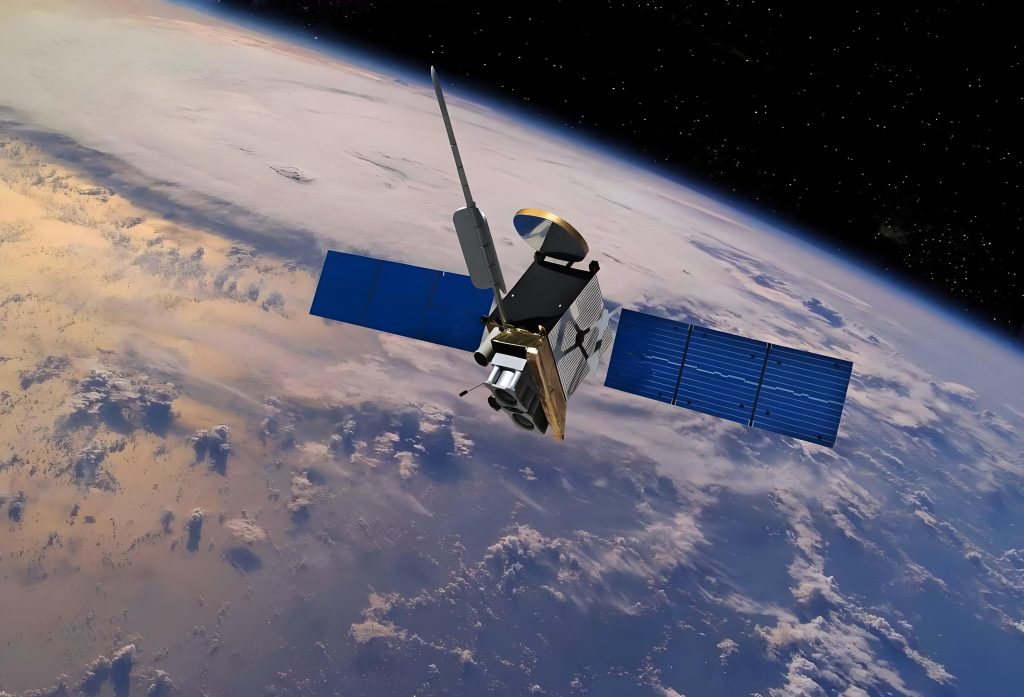
- LNB-uri terminale de masă pentru comunicații prin satelit
10.2 Electronică auto și conducere autonomă
- 77 GHz / 79 Radar auto cu unde milimetrice GHz – componentă centrală de detectare pentru ADAS și conducere autonomă; necesită calificare AEC-Q100
- Vehicul-la-totul (V2X) module de comunicare
- 24 Senzori radar de detectare a punctului mort GHz
10.3 Module front-end RF
- Amplificatoare de putere (PA) și amplificatoare cu zgomot redus (Lna) module
- Front-end-uri transceiver RF
- Module T/R de antenă cu undă milimetrică în fază
10.4 Echipamente industriale si medicale
- Cititoare și etichete RFID
- Circuite de procesare a semnalului de înaltă frecvență în imagistica medicală (RMN, CT)
- Instrumente de inspectie si masura de precizie
10.5 IoT și electronice de larg consum
- 5G CPE (echipamentul sediului clientului)
- Sisteme de comunicații inductive fără fir
- Module de antenă Wi-Fi 6E/7
11. De ce să alegeți UGPCB pentru PCB-ul dvs. hibrid de înaltă frecvență?
UGPCB are sisteme de proces mature și experiență practică bogată în frecvență înaltă placa hibrida fabricație.
- 🔧 Proces matur: Tehnici de laminare hibridă de bază – cicluri de presare în trepte, exfoliant cu plasmă, control al alinierii strat la strat.
- 📋 100% testat: Control complet al calității procesului, 100% test electric, Inspecție optică AOI, Verificarea alinierii cu raze X.
- ⚡ Livrare rapida: Stoc suficient de materie primă de RO4350B și FR4 asigură timpi de livrare controlați.
- 📞 Suport tehnic profesional: Asistență inginerească unică, de la consultanță de proiectare a stivuirii până la simularea impedanței.
- 🏭 Experiență vastă în producție: Mulți ani în PCB de înaltă frecvență producție, deservirea clienților globali.
Obțineți o cotație rapidă & Consultanta Tehnica
UGPCB oferă consultanță gratuită în proiectarea impedanței și producția de mostre de înaltă precizie.
📧Trimite întrebări la: sales@ugpcb.com
📝Solicitați o ofertă rapidă: Vă rugăm să furnizați fișiere Gerber, Specificația materială (RO4350B+FR4), numărul de straturi (4 straturi), grosimea plăcii (1.2mm), grosime de cupru (1 Oz), și orice alte cerințe ale procesului
🔧Suport tehnic: Contactați echipa de inginerie a UGPCB pentru proiectarea stivelor, calcule de potrivire a impedanței, și parametrii procesului de laminare hibridă.
💡 Sfat de anchetă: Pentru a asigura o cotație corectă, include fișiere Gerber complete (cu strat de foraj), cerințele de stivuire, lățime/spațiere minimă a urmei, și specificația de finisare a suprafeței.
Renunțare & Declarație privind acuratețea datelor
Toți parametrii tehnici din acest document au fost verificați manual în raport cu fișa tehnică oficială Rogers (2025-2026 ediţie), Standardele IPC, și documentația de certificare UL. Date de bază – Dk=3,48 (@10 GHz), Df=0,0037 (@10 GHz), conductivitate termică 0.69 W/m·K (@50°C conform ASTM D5470) – provin direct din fișa de date Rogers RO4350B. Acest articol urmează regulile de utilizare loială pentru citare și a fost adaptat și restructurat în mod rezonabil.
© 2026 UGPCB. Toate drepturile rezervate. | Design PCB hibrid de înaltă frecvență & Expert in productie