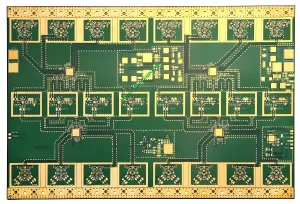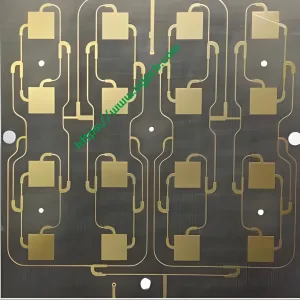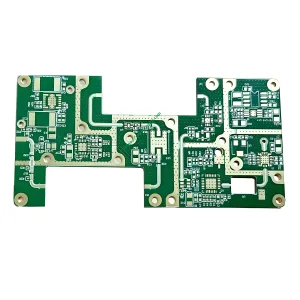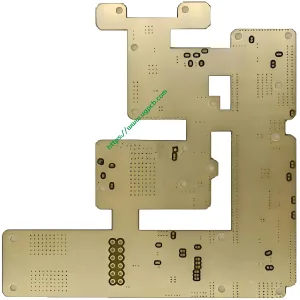
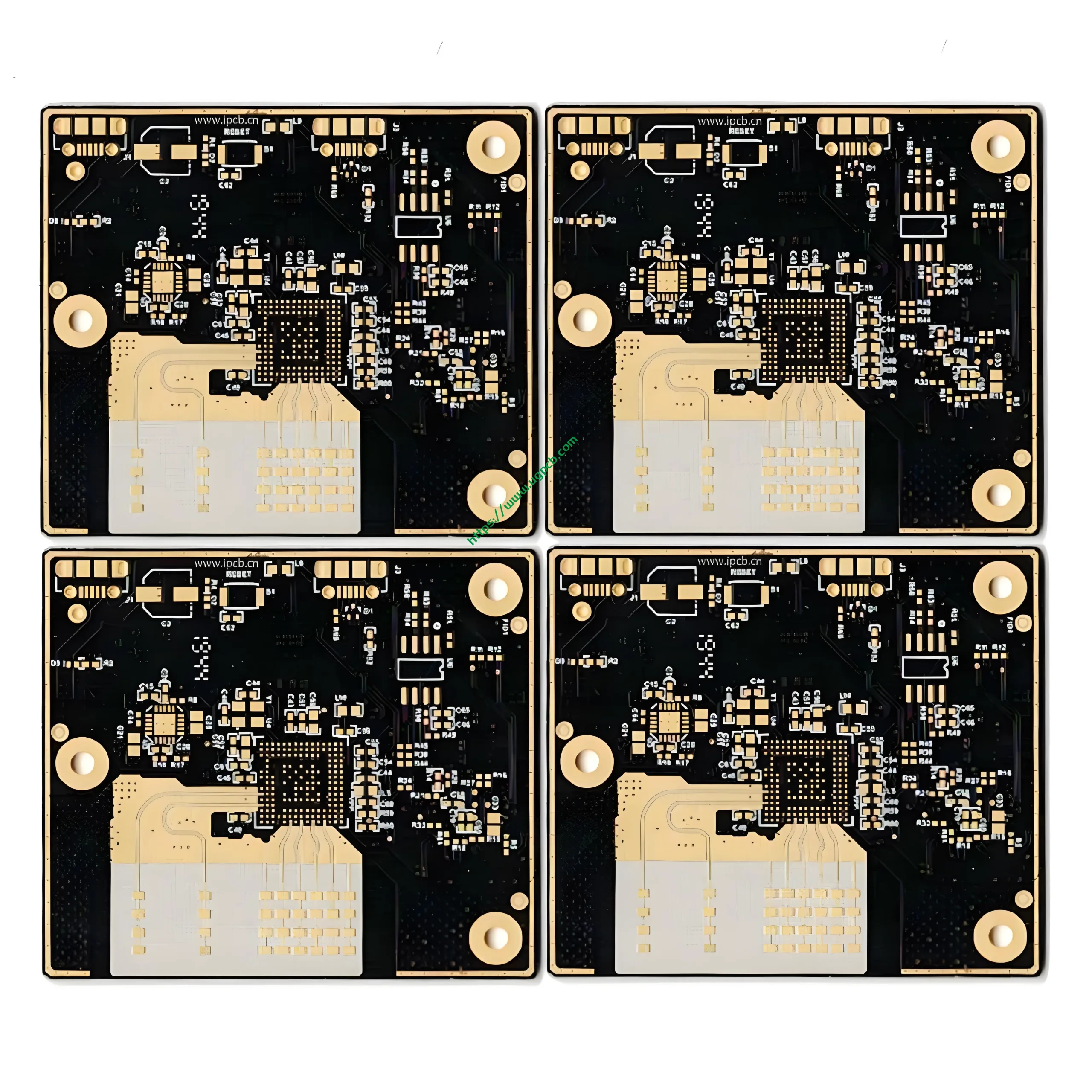
1. Prezentare generală a produsului: Un PCB hibrid cu 6 straturi care echilibrează performanța și costul RF 5G
Dispozitivele electronice moderne combină adesea front-end-uri RF, semnale digitale de mare viteză, și gestionarea energiei pe o singură placă. Folosirea de materiale scumpe de înaltă frecvență pentru întreaga placă nu este nici economică, nici necesară. Această logică a dat naștere laPCB hibrid de înaltă frecvență.
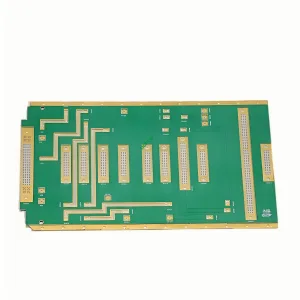
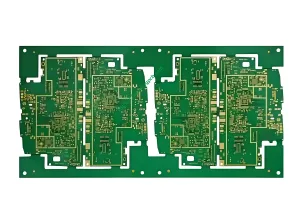
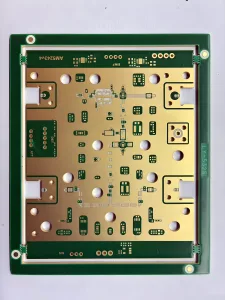
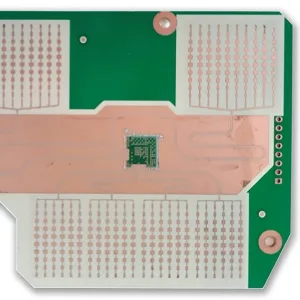
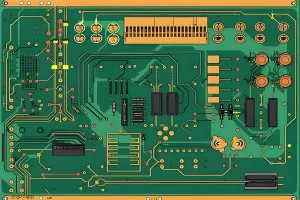
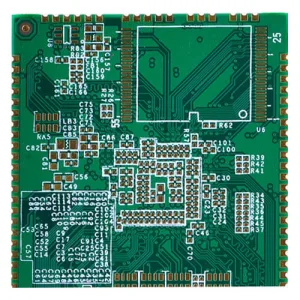
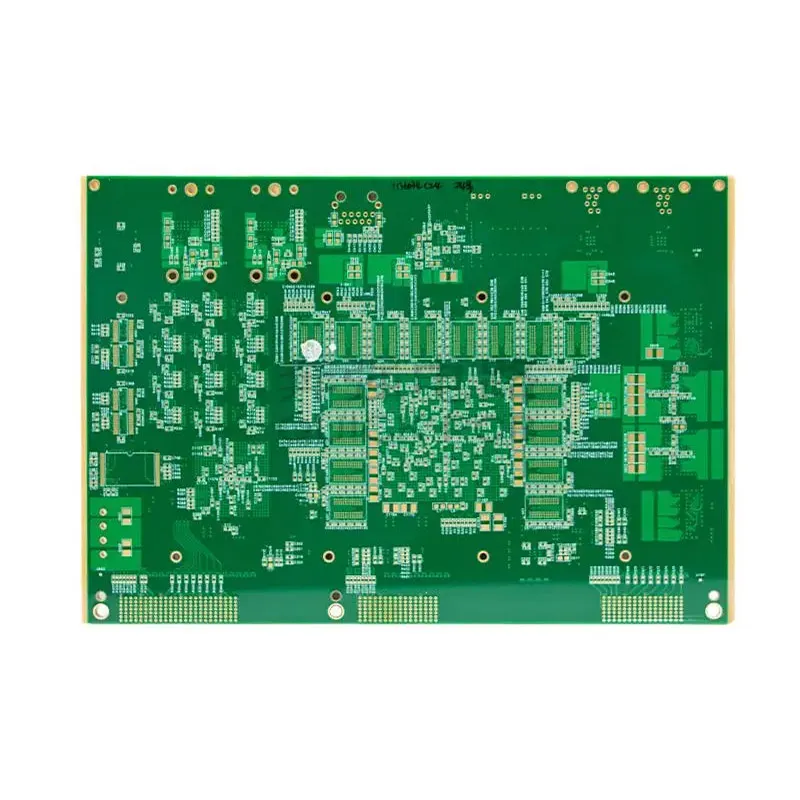
UGPCB RO4835 + IT180 PCB hibrid de înaltă frecvență cu 6 straturi realizează acest concept. Se laminează Rogers RO4835 laminat de înaltă frecvență cu Material FR-4 ITEQ IT180 de înaltă Tg într-un singur stivuitor. Placa finală are o grosime totală de 1,5 mm, 1Cupru finisat OZ, şi 50 impedanța caracteristică ohm.
Straturile de semnal RF folosesc RO4835 pentru a asigura integritatea semnalului. Straturile de putere și control folosesc IT180 pentru a reduce costul materialului și pentru a oferi suport mecanic. Această abordare hibridă reduce costul materialului cu30%–50% comparativ cu o soluție completă Rogers. Performanța RF rămâne aproape neschimbată. Acest lucru îl face alegerea de top pentru proiectele de producție în masă sensibile la costuri, cum ar fi stațiile de bază 5G, 77 radar auto GHz, și comunicații aerospațiale.
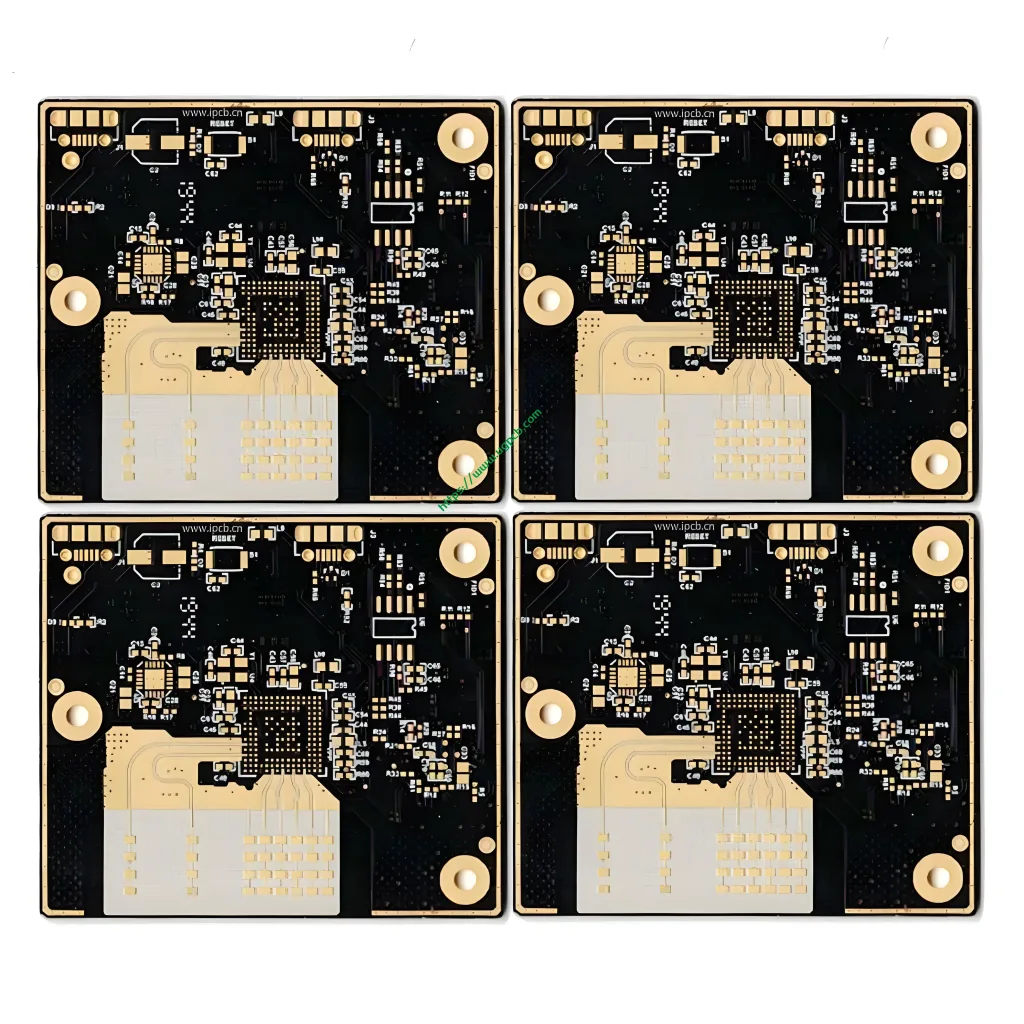
2. Definiţie: Ce este „RO4835 + PCB hibrid de înaltă frecvență IT180”?
OPCB hibrid de înaltă frecvență leagă două sau mai multe materiale dielectrice diferite într-o placă multistrat. Ideea de bază este simplă - utilizați material scump de înaltă frecvență numai pe straturile de semnal RF. Utilizați standardul FR-4 cu costuri mai mici pe alte straturi pentru rezistență mecanică și costuri mai mici.
RO4835 este un laminat termorigid de înaltă frecvență umplut cu hidrocarburi/ceramică din seria RO4000® de la Rogers. Oferă pierderi dielectrice foarte scăzute (Df = 0.0037 @ 10 GHz) și constantă dielectrică stabilă (Dk = 3.48 ± 0.05). Spre deosebire de materialele pe bază de PTFE, RO4835 funcționează cu procesare standard FR-4. Nu este nevoie de gravare specială cu plasmă sau tratament de suprafață.
IT180 este un laminat FR-4 epoxidic fără plumb de mare Tg de la ITEQ. Temperatura sa de tranziție sticloasă (TG) este 175°C (Metoda DSC). Dk ≈ 4.1 și Df ≈ 0.016 la 10 GHz. IT180 oferă o rezistență excelentă CAF, CTE scăzut pe axa Z, și o bună fiabilitate prin găuri. Este utilizat pe scară largă în electronica auto, backplane de comunicare, și plăci de bază pentru server.
Combinarea RO4835 și IT180 creează o interfață izolată electric și compatibilă termic. RO4835 garantează integritatea semnalului. IT180 oferă rigiditate și avantaje de cost.
3. Clasificarea științifică (Conform standardelor IPC și UL)
Conform IPC-4101 „Specificații pentru materiale de bază pentru plăci imprimate rigide și multistrat”, acest produs aparținePCB hibrid multistrat categorie.
- Pentru IPC-4103: RO4835 aparține laminatelor de circuite de înaltă frecvență.
- Conform IPC-4101C/126: IT180 aparține laminatelor FR-4 cu Tg ridicată.
- Tip placa: PCB multistrat rigid.
- Număr de straturi: 6 straturi (HDI opțiuni disponibile).
- Aplicație: PCB RF/microunde pentru front-end-uri RF, radar cu undă milimetrică, și procesarea semnalului mixt.
- Finisaj de suprafață: De acord (aur de imersie cu nichel electroless) pentru lipirea fără plumb și lipirea firelor fine.
4. Considerații cheie de proiectare pentru stivuirea hibridă
Proiectarea unui hibrid PCB de înaltă frecvență necesită mai mult decât simpla stivuire a RO4835 și IT180. Patru reguli de proiectare determină succesul.
4.1 Controlul impedanței și potrivirea constantelor dielectrice
Acest produs vizează50 ohm impedanța caracteristică – standardul pentru sistemele RF și cu microunde. Pentru a obține un control precis de 50Ω, trebuie să luați în considerare Dk-ul ambelor straturi RO4835 și IT180.
- RO4835 (Straturi de semnal RF): Dk = 3.48 ± 0.05 @ 10 GHz (valoarea procesului); Dk = 3.66 (valoarea de proiectare). Utilizare 3.66 pentru calcule de geometrie a ghidului de undă microstrip sau coplanar pentru a obține cea mai bună potrivire a impedanței.
- IT180 (straturi interioare/putere): Dk = 4.4 @ 1 MHZ; Dk = 4.1 @ 10 GHz. Evitați direcționarea verticală a semnalelor RF peste straturi cu valori Dk diferite. Pașii de impedanță provoacă reflexii ale semnalului.
4.2 Gestionarea nepotrivirii CTE
RO4835 CTE în plan (axele X/Y) este 10–12 ppm/°C. CTE tipic FR-4 este de aproximativ 17 PPM/° C.. Diferența de dilatare termică poate provoca deformarea, delaminare, sau chiar ruperea plăcii în timpul laminării și refluxării.
Contramăsurile comune includ: păstrând stivuirea simetrică (aceeași grosime și tip de material în partea de sus și de jos), folosind laminarea în trepte (creșterea treptată a temperaturii și a presiunii), și adăugarea de ancorare a cuprului în zonele de tranziție pentru constrângeri mecanice.
4.3 Stivuirea straturilor și Alocarea stratului de semnal
Pentru un RO4835 cu 6 straturi + Placă hibridă IT180, stivuirea simetrică recomandată este:
| Strat | Material | Funcţie |
|---|---|---|
| Strat 1 (Top) | RO4835 | microbandă RF / semnal de antenă |
| Strat 2 | Stratul interior | Planul solului de referință |
| Strat 3 | Miez IT180 FR-4 | Digital de viteză mică / putere |
| Strat 4 | Miez IT180 FR-4 | Avion de sol |
| Strat 5 | Stratul interior | Planul solului de referință |
| Strat 6 (Fund) | RO4835 | microbandă RF / reteaua de alimentare |
Acest design simetric minimizează deformarea asimetrică din cauza stresului termic. Atât stratul superior, cât și cel inferior folosesc RO4835 – o structură tip sandwich. Miezul interior IT180 oferă rigiditate și economii de costuri.
4.4 Izolarea RF de semnalele digitale
Diferența Dk dintre RO4835 (~3,48) și IT180 (~4.1) este despre 0.6. Dacă un semnal de înaltă frecvență traversează interfața hibridă, reflexiile și conversia modului vor crește semnificativ pierderile de inserție. Prin urmare, rutați toate urmele de mare viteză/RF numai pe straturi RO4835. Nu direcționați niciodată RF peste granița hibridă în regiunea IT180.
5. Principiul de lucru: De ce RO4835 excelează la frecvențe înalte?
Provocarea de bază a circuitelor de înaltă frecvență este simplă: o frecvență mai mare a semnalului înseamnă pierderi mai mari parazitare în PCB substrat. Doi parametri cheie determină această pierdere – constanta dielectrică (DK) și factorul de disipare (Df).
5.1 Constanta dielectrică (DK)
Dk măsoară câtă energie electrică poate stoca materialul. Cu cât variația Dk este mai mică pe frecvență, cu atât este mai bună consistența impedanței pe o lățime de bandă largă. RO4835’s Dk este3.48 ± 0.05 la 10 GHz (valoarea procesului). Stabilitatea sa termică este doar 50 ppm/°C de la -50°C la 150°C. Asta înseamnă că Dk abia se deplasează cu temperatura.
5.2 Factor de disipare (Df)
Df (tangenta de pierderi) măsoară direct energia semnalului pierdută ca căldură în dielectric. Df mai mic înseamnă mai puțină energie pierdută. Df-ul lui RO4835 este doar0.0037 la 10 GHz. Pentru comparație, standard FR-4 are Df în jur 0.02 la 1 GHz. Pierderea RO4835 este de aproximativ1/5 cel al FR-4.
RO4835 realizează această pierdere redusă prin sistemul său unic de umplere cu hidrocarburi/ceramice. Hidrocarbura oferă o coloană moleculară cu polaritate scăzută. Umplutura ceramică stabilizează dimensiunile mecanice și îmbunătățește conductivitatea termică. După întărirea la temperatură ridicată, materialul formează o rețea termorezistabilă reticulat – tocmai de aceea RO4835 funcționează cu procesele standard FR-4 PCB.
6. Aplicații: Cinci cazuri de utilizare de bază pentru RO4835 + PCB-uri hibride IT180
Valoarea acestui PCB hibrid nu constă doar în performanța sa electrică, ci și în funcționarea sa fiabilă în condiții reale. Mai jos sunt cinci domenii majore de aplicare.
6.1 5G Infrastructura de comunicare
5G benzi de unde milimetrice (De ex., n257/n258/n261, 24.25-29,5 GHz) cere pierderi foarte mici de PCB. Potrivit unui raport al 360iResearch, piața globală de PCB 5G a ajuns $22.3 miliarde in 2025 și se preconizează că va crește $59.44 miliarde de 2032 la un CAGR de 15.03%.
RO4835 + PCB-urile hibride IT180 sunt utilizate în celulele mici 5G, rețele masive de antene MIMO, și module front-end RF. Ele controlează costul materialului în producția de masă, îndeplinesc în același timp cerințe stricte privind pierderile de inserție.
6.2 77 Radar auto GHz (ADAS)
Sistemele moderne ADAS folosesc 77 radar cu unde milimetrice GHz. Aceasta este una dintre cele mai reprezentative aplicații pentru PCB-uri hibride de înaltă frecvență. RO4835’s Dk la 77 GHz este de aproximativ 3.2 (jos de la 3.48 la 10 GHz). Combinat cu folie de cupru tratată invers LoPRO®, pierderea de inserție este minimizată.
IT180’s Tg de 175°C și T260 > 60 minute asigură fiabilitate termică ridicată. Acest lucru permite modulului radar să supraviețuiască ciclurilor termice dure de la -40°C la +125°C lângă compartimentul motorului.

6.3 Comunicații aerospațiale și prin satelit
Aplicațiile aerospațiale necesită Materiale PCB pentru a rămâne de încredere sub vid, radiații mari, si temperaturi extreme. RO4835 oferte 10 de ori mai bună rezistență la oxidare decât materialele termorigide convenționale. De asemenea, trece testele de delaminare non-voiding, făcându-l o alegere de încredere pentru sarcinile utile de comunicații prin satelit LEO și antenele cu matrice fază.
6.4 Amplificatoare de putere RF
În amplificatorul de putere al stației de bază (PA) module, Pierderile reduse ale RO4835 se traduce direct în putere de ieșire mai mare și generare mai mică de căldură. Conductivitatea sa termică de 0.69 W/m·K (măsurat) conduce rapid căldura departe de cipurile PA către radiatoarele, prelungirea duratei de viață a dispozitivului.
6.5 Plăci de semnal mixt de mare viteză
Când o placă conține ADC-uri/DAC-uri de mare viteză, FPGA-uri, și canale RF front-end, diafonia devine o problemă serioasă. RO4835 + Hibridul IT180 creează o barieră constantă dielectrică naturală între straturile RF și digitale. Acest lucru suprimă efectiv cuplarea zgomotului digital în căile RF.
7. Materiale: Specificații tehnice detaliate ale RO4835 și IT180
Tabelul de mai jos listează parametrii cheie oficiali pentru RO4835 și IT180 cu referințe la metodele de testare.
| Parametru | RO4835 (Rogers) | IT180 (ITEQ) | Standard de testare / Sursă |
|---|---|---|---|
| nu stiu @ 10 GHz | 3.48 ± 0.05 (proces) | 4.1 | IPC-TM-650 2.5.5.5 / 2.5.5.13 |
| nu stiu @ 1 MHZ | - | 4.4 | IPC-TM-650 2.5.5.9 |
| Df @ 10 GHz | 0.0037 | 0.016 | IPC-TM-650 2.5.5.5 / 2.5.5.13 |
| TG (DSC) | ≥280° C. | 175° C. | IPC-TM-650 2.4.24.3 |
| TD (5% pierdere în greutate) | 390° C. | 345° C. | ASTM D3850 / TGA |
| Conductivitate termică | 0.66–0,69 W/m·K | - | ASTM C518 / ASTM D5470 |
| Evaluare de inflamabilitate | Ul 94 V-0 | Ul 94 V-0 | Ul 94 |
| Rezistivitatea volumului | 5 × 10⁸ MΩ·cm | Pentru IPC-4101 | IPC-TM-650 2.5.17.1 |
| Cte (Axa X/Y) | 10 / 12 PPM/° C. | 11–13 / 13–15 ppm/°C | IPC-TM-650 2.1.24 / TMA |
| Cte (axa Z, A1) | 31 PPM/° C. | 45 PPM/° C. | IPC-TM-650 2.1.24 / TMA |
| Absorbția umidității | 0.05% | - | ASTM D570 |
Notă privind acuratețea datelor: Toate valorile de mai sus au fost verificate în raport cu fișele tehnice oficiale Rogers Corporation și ITEQ. Valoarea rezistivității în volum 5×10⁸ MΩ·cm este din documentația oficială Rogers. Unele documente anterioare folosesc 1,2×10¹⁰ Ω·cm care poate rezulta din conversia unității, dar nu schimbă concluzia că materialul are proprietăți izolante excelente..
8. Caracteristici de performanță
Pe baza parametrilor tehnici de mai sus, acest PCB hibrid de înaltă frecvență oferă cinci avantaje de bază:
- Pierdere de semnal foarte scăzută: Df = 0.0037 @ 10 GHz – aproximativ 1/5 de FR-4 obișnuit. În benzi 5G mmWave, aceasta înseamnă distanță de transmisie mai mare, erori mai mici, și mai puțină încălzire.
- Constanta dielectrica stabila: Dk = 3.48 ± 0.05 @ 10 GHz. Foarte stabil pe intervale largi de frecvență și temperatură. Asigură o impedanță precisă de 50Ω în toate condițiile de funcționare.
- Rezistență excelentă la căldură și oxidare: RO4835 are 10 rezistență la oxidare de ori mai bună decât materialele termorigide tradiționale. Funcționează pe termen lung în aer la temperatură ridicată, fără degradare semnificativă.
- Fabricabilitate superioară: Fără tratament special de suprafață (precum gravarea cu plasmă) necesare. Complet compatibil cu procesele standard FR-4. Acest lucru scurtează semnificativ timpul de livrare.
- Design rentabil: Numai straturile critice RF folosesc RO4835. Straturile interioare folosesc IT180. Costul materialului este cu aproximativ 30%-50% mai mic decât o soluție completă Rogers sub aceleași constrângeri electrice.
9. Procesul de fabricație: 8 Pași cheie de la material la placa finită
Un RO4835 calificat + PCB hibrid de înaltă frecvență IT180 trece prin următoarele opt procese critice:
① Inspecția materialului primit – Test de probă de consistență Dk/Df a loturilor RO4835 și IT180. Asigurați-vă că parametrii respectă specificațiile oficiale Rogers și ITEQ.
② Formarea circuitului stratului interior – Transfer de model și gravare pe straturi IT180 pentru linii de semnal digital și planuri de putere/masă.
③ Tratament cu oxid maro – Aspru din punct de vedere chimic suprafețele de cupru ale stratului interior. Îmbunătățiți aderența cu preimpregnat în timpul laminării.
④ Laminare – Cel mai critic pas. Stiva RO4835, preimpregnat, și nuclee IT180 într-un stivuitor simetric. Încărcați într-o presă de vid. Controlați cu precizie rata rampei de temperatură, curba de presiune, și timpul de așteptare pentru a minimiza stresul cauzat de nepotrivirea CTE. Pentru acest produs cu 6 straturi, o singură laminare la temperatură înaltă este tipică. Modelele HDI folosesc laminarea secvențială.
⑤ Foraj – Folosiți burghie din carbură solidă sau găurire cu laser. Optimizați parametrii pentru grosimea plăcii de 1,5 mm pentru a vă asigura că rugozitatea peretelui găurii îndeplinește cerințele de placare cu cupru PTH.
⑥ Cupru electroless / placare cu panouri – Metalizați găurile de trecere. Stabiliți interconexiunea electrică între straturi.
⑦ Formarea circuitului stratului exterior – Fabricați linii microstrip cu impedanță de 50Ω sau urme RF pe straturile RO4835 de sus și de jos. Utilizați gravarea cu impedanță controlată pentru a menține toleranța lățimii urmei în ±5%.
⑧ Finisarea suprafeței - DE ACORD (aur de imersie cu nichel electroless) pentru lipirea fără plumb și lipirea firelor fine. Grosimea tipică a aurului 0,05–0,1 μm. Grosimea nichelului 3–5 μm.
⑨ Test electric și sondă de zbor – 100% test electric inclusiv test deschis/scurt și test de impedanță TDR. Asigurați-vă că fiecare placă îndeplinește o toleranță de impedanță de 50Ω.
10. Structura fizică a plăcii hibride cu 6 straturi
Mai jos este construcția fizică a RO4835 al UGPCB + Placă IT180 cu 6 straturi (de sus în jos):
| Articol | Componentă | Material | Grosime tipică | Funcţie |
|---|---|---|---|---|
| 1 | Top folie de cupru | ED cupru (LoPRO® opțional) | 1 Oz (≈35 μm) | Semnalul stratului exterior / antenă |
| 2 | Dielectric superior | RO4835 | 0.127 mm | Izolarea semnalului de înaltă frecvență |
| 3 | Cupru interior (L2/L5) | Cupru | 1 Oz | Planul solului de referință |
| 4 | Miezul mijlociu | IT180 FR-4 | Per design de stivuire | Semnal digital / stratul de putere |
| 5 | Miezul mijlociu | IT180 FR-4 | Per design de stivuire | Avion de sol |
| 6 | Cupru interior (L3/L4) | Cupru | 1 Oz | Dirijare interioară / putere |
| 7 | Dielectric de jos | RO4835 | 0.127 mm | Izolarea semnalului de înaltă frecvență |
| 8 | Folie de cupru de jos | ED cupru (LoPRO® opțional) | 1 Oz (≈35 μm) | Semnal de jos / reteaua de alimentare |
| 9 | Finisaj de suprafață | De acord | 0.05–0,1 μm (Au) | Lipibilitate și rezistență la oxidare |
Grosimea totală a plăcii este 1.5 mm inclusiv toate straturile de cupru și dielectrice.
11. Referință rapidă pentru selecția produsului
| Parametru | Caietul de sarcini | Gamă personalizabilă |
|---|---|---|
| Combinație de laminat | Rogers RO4835 + ITEQ IT180 | RO4350B + FR-4 sau altă serie ITEQ |
| Număr de straturi | 6 straturi | Extensibil la 4/6/8/10 straturi plus HDI |
| Grosimea plăcii | 1.5 mm | 0.8-3,0 mm (pe baza numărului de straturi și a stivuirii) |
| Grosime de cupru | Terminat 1 Oz | 0.5 Oz / 1 Oz / 2 Oz |
| Controlul impedanței | 50 ohm (cu un singur capăt) | Diferențial 90Ω/100Ω și altele |
| Grosimea dielectrică | 0.127 mm | Pe baza cerințelor de stivuire |
| DK (RO4835 @10 GHz) | 3.48 ± 0.05 | Dependent de material |
| Df (RO4835 @10 GHz) | 0.0037 | Dependent de material |
| Evaluare de inflamabilitate | Ul 94 V-0 | Necesar |
| Finisaj de suprafață | De acord | OSP, tablă de imersie, argint de imersie |
12. De ce să alegeți UGPCB pentru nevoile dvs. de PCB hibrid?
UGPCB are o experiență profundă în inginerie în PCB-uri hibride de înaltă frecvență. Ajutăm clienții să evite riscurile comune precum incompatibilitatea materială, delaminarea stratului, și eșecuri ale testelor de fiabilitate. Punctele noastre forte includ:
- ✅ Suport solid pentru design de înaltă frecvență – Din calculul impedanței (folosind Rogers MWI și Polar SI9000) la simularea stresului CTE a stackup-urilor.
- ✅ Control precis al procesului – Alinierea cu raze X în timp real și AOI asigură înregistrarea strat la strat în interval de ± 3 mil.
- ✅ Consistența lotului – Chiar și în producția de masă, RO4835 Variația lotului Dk rămâne în ±0,05. 50Randamentul impedanței Ω depășește 98%.
- ✅ Răspuns rapid și livrare la timp – Inventarul strategic al materiilor prime Rogers și ITEQ. Timpul de livrare pentru PCB-urile hibride cu rotație rapidă este de 7-10 zile lucrătoare.
Solicitați o cotație acum
RO4835 + PCB hibrid de înaltă frecvență IT180 este cea mai bună soluție pentru echilibrarea performanței și costurilor. Indiferent dacă proiectați o celulă mică 5G sau vă calificați un 77 Modul radar GHz pentru producție de masă, UGPCB oferă servicii unice, de la validarea ingineriei până la producția în volum.
📧Contactați echipa de inginerie UGPCB: sales@ugpcb.com
📞Linia de asistență tehnică: +86-XXX-XXXXXXX
🌐Vizitați site-ul nostru web: www.ugpcb.com
【Obțineți acum o ofertă personalizată】
Vă rugăm să furnizați următoarele informații:
- Numărul de straturi PCB și grosimea plăcii țintă
- Numărul de straturi RF și gama de frecvență
- Volumul anual estimat (prototip / lot mic / producţie în masă)
- Cerințe de control al impedanței (unic/diferențial, valoarea tinta si toleranta)
- Orice cerințe speciale de proces (foraj spate, îngropat/oarbe vias, găurire cu adâncime controlată, etc.)
Echipa de ingineri a UGPCB va răspunde în termen 24 ore cu suport tehnic și o ofertă detaliată.
*Toate datele tehnice din acest document provin din fișa oficială a Rogers Corporation (DS RO4835) și specificația tehnică ITEQ IT-180A. Metodele de testare urmează seria IPC-TM-650 și standardele ASTM aplicabile. Sursa datelor de piață: 360iResearch “5G Piața de circuite imprimate” raport (ianuarie 2026). UGPCB este responsabil pentru acuratețea și actualitatea datelor. Pentru orice intrebari tehnice, vă rugăm să contactați echipa noastră de ingineri pentru confirmare.*