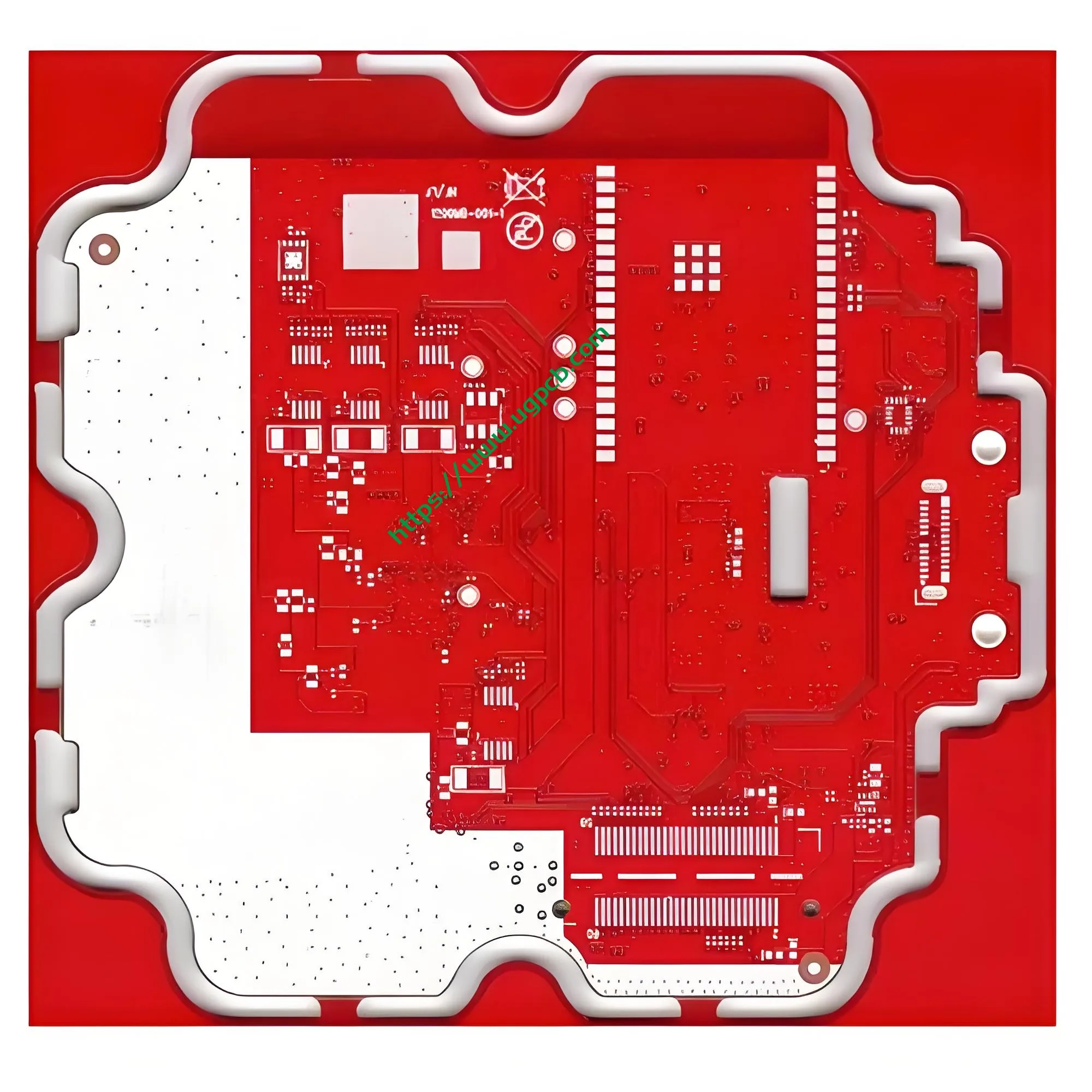
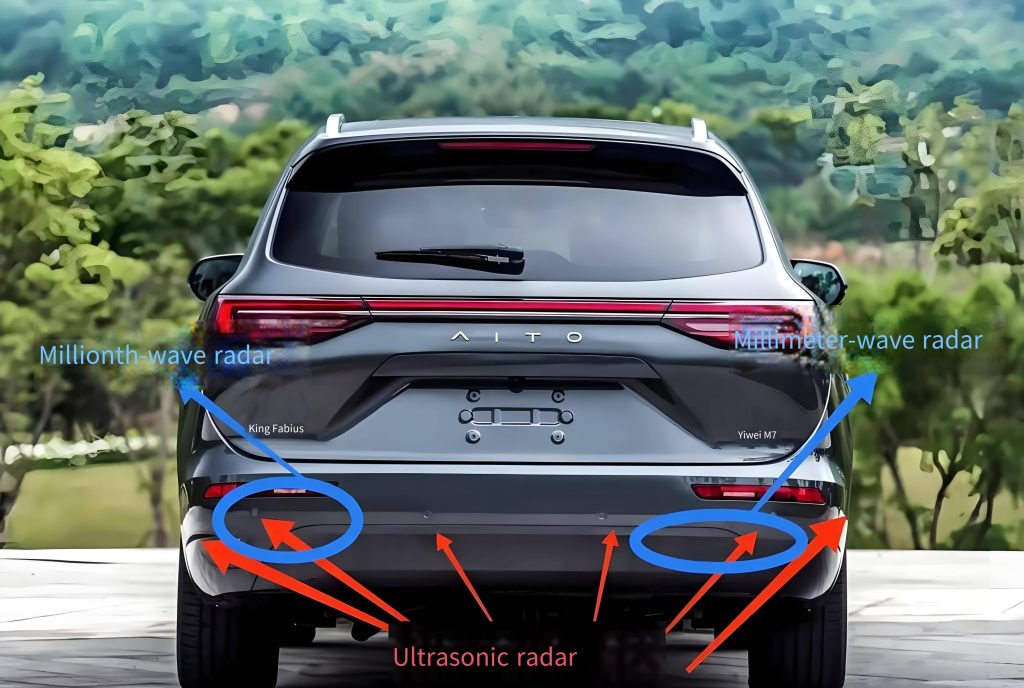
Pe măsură ce tehnologia de conducere autonomă de la L2+ la L4 crește rapid, fiecare vehicul are nevoie acum 5 la 8 Unități radar mmWave. Vechiul număr era doar 1 la 3. Radarul mmWave de 77 GHz oferă rezoluție mai mare și dimensiuni mai mici. Acesta devine senzorul de bază în sistemele avansate de asistență pentru șofer (ADAS).
Cu toate acestea, 77Semnalele GHz se confruntă cu o mare provocare PCB-uri standard. Materialul normal FR-4 are un factor de pierdere (Df) de aproximativ 0.02. Asta nu este acceptabil. Trebuie să folosim materiale de înaltă frecvență cu pierderi reduse și laminare hibridă precisă.
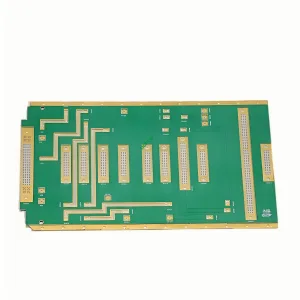
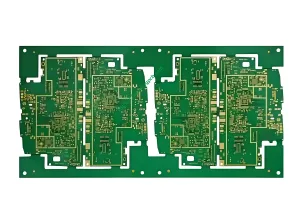
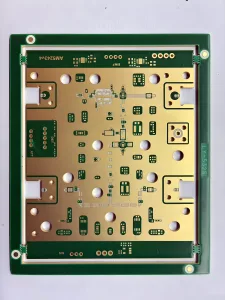
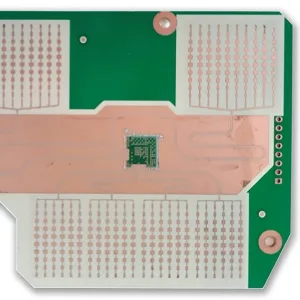
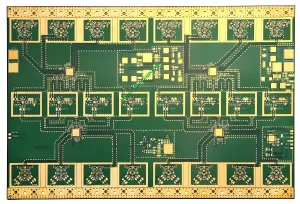
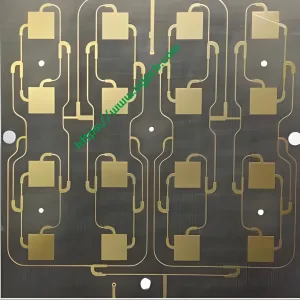
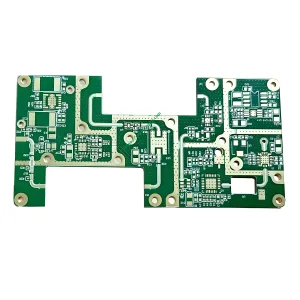
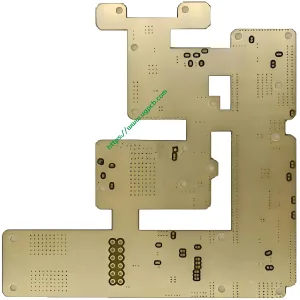
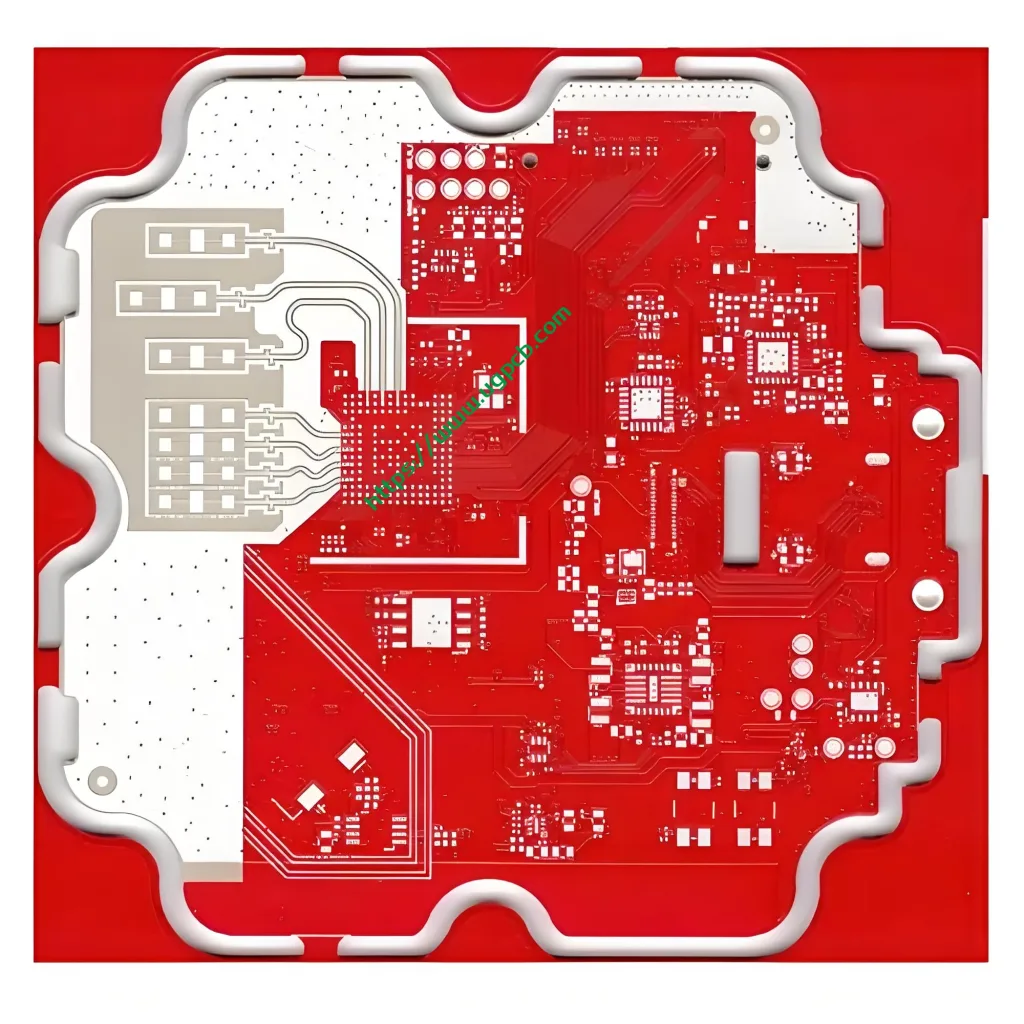
UGPCB urmează standardele de vârf din industrie. Lansăm placa radar UGPCB Rogers RO4835 77G mmWave. Aceasta este o frecvență înaltă profund optimizată PCB hibrid pentru banda de 77 GHz. Acesta asigură integritatea semnalului și reduce considerabil costurile materiale.
Prezentare generală a produsului | Parametrii cheie ai PCB-ului radar 77G mmWave
Utilizează PCB-ul radar 77G mmWave al UGPCB Rogers RO4835 material de înaltă frecvență și soluție hibridă FR-4. Acest rigid cu 6 straturi PCB de înaltă frecvență este special conceput pentru antene radar mmWave și front-end RF.
Principalii parametri tehnici (date bazate pe fișa tehnică oficială Rogers și pe metodele de testare standard IPC):
| Parametru | Valoare | Standard de testare / Nota |
|---|---|---|
| Material de placă | Rogers RO4835 (Stratul HF) + FR-4 (strat hibrid) | – |
| Constanta dielectrică (DK) | 3.48 ± 0.05 @10GHz | IPC-TM-650 2.5.5.5 |
| Factor de disipare (Df) | 0.0037 @10GHz | Fișa tehnică Rogers (corectat) |
| Grosime dielectrică | 4mil (0.1mm) | – |
| Numărul de straturi | 6 straturi | – |
| Grosimea totală a plăcii | 1.2mm | – |
| Grosime de cupru | 1Oz (35μm) interior & exterior | – |
| Prin Proces | Astupare cu rasina | – |
| Finisaj de suprafață | De acord (Imersie de aur cu nichel electroless) | – |
| Conductivitate termică | 0.69 W/m·K | ASTM D5470 |
| Pierderi (Df) | 0.0037 @10GHz | În concordanță cu mai sus |
Acești parametri arată pierderi dielectrice foarte scăzute și toleranță Dk stabilă. PCB hibrid de înaltă frecvență îndeplinește pe deplin cerințele de transmisie mmWave de 77 GHz.
Definiţie | Ce este un PCB radar mmWave de 77 GHz?
Un PCB radar mmWave de 77GHz este o placă de circuit imprimat special creată pentru modulele radar mmWave care lucrează la 77GHz. Acest tip de PCB trebuie să aibă Dk scăzut, Df scăzut, stabilitate dimensională ridicată, si un management termic excelent.
Placa radar Rogers RO4835 77G mmWave de la UGPCB utilizează RO4835 pe stratul de bază RF. Folosește FR-4 rentabil pe alte straturi. Aceasta creează o soluție tipică PCB hibridă de înaltă frecvență. Soluția protejează integritatea semnalului mmWave și controlează bine costul total. Este o alegere ideală pentru radarul înainte, radar de colț, și radar pentru imagini 4D.
Puncte cheie de proiectare | Considerații de bază pentru PCB radar mmWave
77GHz este o frecvență de operare tipică în banda mmWave. La această frecvență, Proiectarea PCB-ului trebuie să respecte cu strictețe regulile de înaltă frecvență.
1. Controlul impedanței
Lanțul RF (antenă, transceiver, filtra) pe un circuit de 77GHz folosește o linie de bază de impedanță caracteristică de 50Ω. Inginerii folosesc instrumente de calcul al impedanței precum Polar SI9000. Acestea reglează cu precizie lățimea liniei, grosimea dielectrică, și grosimea cuprului. Scopul este o toleranță de ±5% pentru 50Ω cu un singur capăt și 100Ω diferențial. Pentru PCB-uri cu microunde de înaltă frecvență, industria necesită un control al impedanței mai bun de ±5% (asta înseamnă 47,5–52,5Ω).
2. Selectarea materialelor
Standard FR-4 are un Df de aproximativ 0.02. Rogers RO4835 are un Df de numai 0.0037 (@10GHz). Pierderea transmisiei semnalului diferă cu mai mult de 5 ori. Alegerea greșită a materialului reduce în mod direct distanța de detectare a radarului în mod dramatic.
3. Proiectarea structurii stivuite
În placa radar cu 6 straturi a UGPCB, Urmele semnalului RF rulează în interiorul dielectricului RO4835 între stratul superior (L1) și L2. Celelalte straturi folosesc material FR-4. Acest lucru asigură transmisie cu pierderi reduse pe straturile de semnal. Între timp, straturile FR-4 gestionează distribuția puterii și filtrarea semnalului. Acest stivuitor se numește un design asimetric pentru PCB-uri hibride de înaltă frecvență.
4. Prin Design
77Semnalul vias GHz necesită discontinuitate controlată a impedanței. UGPCB folosește rășină. Umplem vias cu rășină și aplatizăm suprafața. Acest lucru evită reflectarea semnalului și pierderile cauzate de golurile de aer.
Principiul de lucru | Cum se transmite un semnal de 77GHz pe PCB?
Pe o linie de transmisie PCB, Integritatea semnalului de înaltă frecvență depinde de Dk și Df. Placa radar mmWave de 77 GHz utilizează proprietatea Df scăzută a lui RO4835. Undele electromagnetice de înaltă frecvență călătoresc pe microstrip sau stripline cu foarte puține pierderi de energie.
Antena radiază unde radar în spațiu. Apoi antena de recepție trimite semnale de ecou înapoi la cipul transceiver (precum NXP, Infineon, sau chipset radar TI 77GHz). Stratul hibrid FR-4 oferă semnale de control de putere și viteză redusă. Acest lucru face ca întregul modul să funcționeze stabil în sistemele ADAS.
UGPCB Capacitate PCBA sprijină în continuare asamblarea și testarea componentelor. Oferim producție unică de module radar.
Aplicații | Unde să utilizați PCB radar 77G mmWave
Placa radar 77G mmWave a UGPCB se potrivește în multe domenii:
- Radar înainte auto – pentru controlul adaptiv al vitezei de croazieră (ACC) si franare automata de urgenta (AEB)
- Radar de colț – pentru detectarea punctului mort (BSD) și asistență la schimbarea benzii (LCA)
- 4D radar de imagistică – pentru rezoluția unghiului de elevație și clasificarea țintei
- Radar industrial mmWave – controlul automatizării, detectarea nivelului materialului, monitorizarea securitatii
- V2X și trafic inteligent – senzori radar în unitățile de pe marginea drumului (RSU)
Clasificare | Categorizarea științifică a PCB-ului radar 77G mmWave
Conform standardelor industriale și sistemelor de materiale, Placa radar Rogers RO4835 77G mmWave de la UGPCB are mai multe clasificări:
- După sistemul material – Rășină hidrocarburică RO4835 + laminat de înaltă frecvență umplut cu ceramică (îndeplinește IPC-4103)
- După structura de fabricație – PCB hibrid de înaltă frecvență (Stratul RF RO4835, stratul obișnuit FR-4)
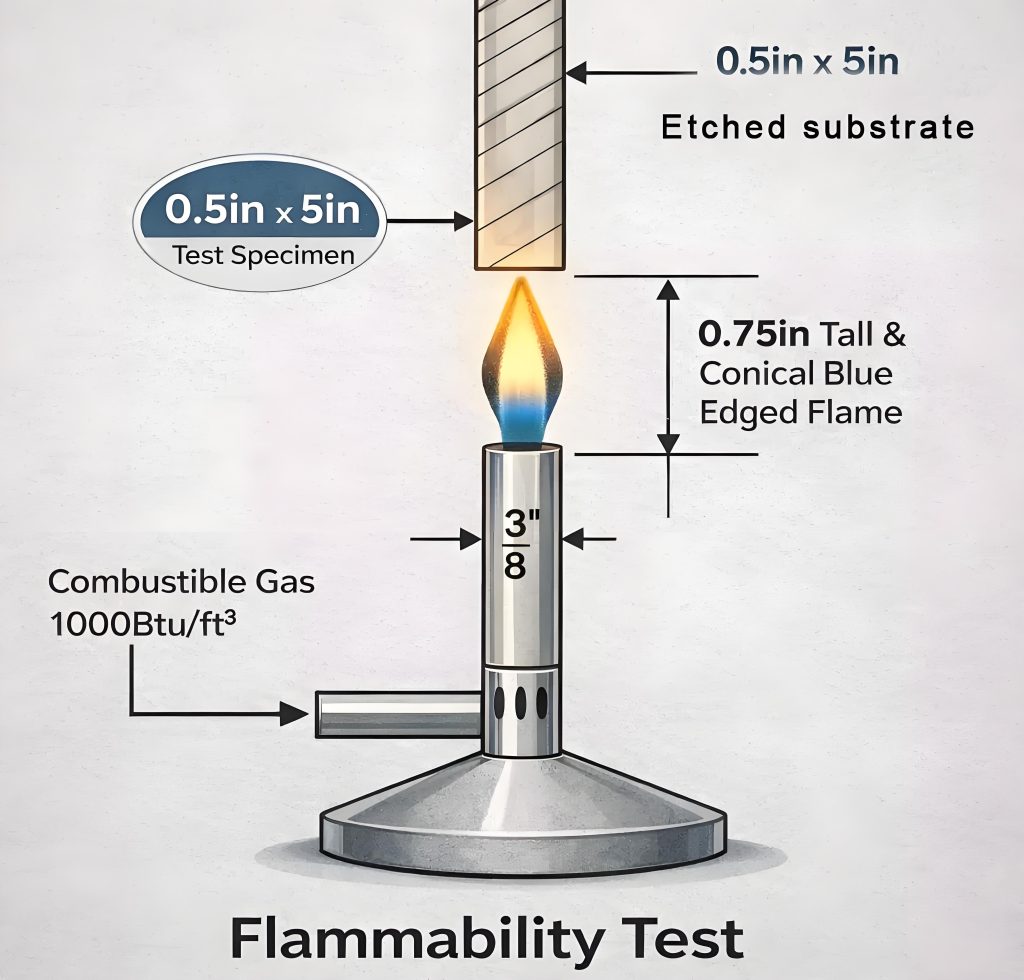
- După gradul de flacără – UL 94 V-0 (se autostinge în interior 10 secunde după îndepărtarea flăcării, nicio picurare în flăcări nu aprinde bumbacul)
- După nivelul PCB – rigid in 6 straturi placă multistrat
- După finisarea suprafeței - DE ACORD (Imersie de aur cu nichel electroless)
Nota de referinta: Laminatul RO4835 îndeplinește IPC-4103 „Specification for High Frequency (cuptor cu microunde) Materiale de bază” și satisface UL 94 V-0 rating de flacără. PCB 94V-0 înseamnă că materialul se autostinge în interior 10 secunde după îndepărtarea sursei de flacără, și nicio picurare arzătoare nu aprinde bumbacul.
Materiale folosite | Combinație științifică a RO4835 și FR-4
UGPCB selectează cu precizie două materiale complementare pentru placa radar:
- Rogers RO4835 – o rășină de hidrocarburi și un laminat pentru microunde umplut cu ceramică. La 10GHz, Dk este 3,48±0,05 și Df este 0.0037. Rezistenta la oxidare este 10 ori mai bine decât materialele termorigide tradiționale.
- FR-4 – un laminat din țesătură de sticlă epoxidică ignifugă, rentabil, Ul 94 V-0 evaluat. În placa hibridă, FR-4 gestionează straturi de putere, straturi de pământ, și straturi de semnal de joasă frecvență.
Deoarece RO4835 și FR-4 au coeficienți de dilatare termică diferiți (Cte), laminarea necesită un profil de încălzire în trepte și straturi tampon preimpregnate. Acest lucru previne deformarea și delaminarea.
Performanţă | Dielectric, Pierderi, și conductivitate termică – trei în unu
Placa radar Rogers RO4835 mmWave de la UGPCB excelează în trei indicatori cheie de performanță:
| Parametru | Valoare @10GHz | Standard de testare / Sursă |
|---|---|---|
| Constanta dielectrică (DK) | 3.48 ± 0.05 | IPC-TM-650 2.5.5.5 |
| Factor de disipare (Df) | 0.0037 | Fișa tehnică oficială a Rogers |
| Conductivitate termică | 0.69 W/m·K | ASTM D5470 |
| Evaluare la flacără | Ul 94 V-0 | Certificare UL |
| Îmbunătățirea oxidării | 10x mai bun decât termostatul tradițional | Fișă tehnică Rogers RO4835 |
Acest material are un coeficient de temperatură Dk de aproximativ 50 ppm/°C de la -50°C la 150°C. CTE-ul său pe axa Z este 31 PPM/° C.. Aceasta înseamnă că placa radar 77G mmWave păstrează stabilitatea fazei în intervalul larg de temperatură al autovehiculelor.
Structura | Design fin stivuit hibrid cu 6 straturi
Stack-up tipic de PCB hibrid de înaltă frecvență cu 6 straturi UGPCB:
| Strat | Cupru | Material | Funcţie |
|---|---|---|---|
| L1 (Top) | 1Oz | RO4835 | Semnal – urme RF 77GHz (microbandă) |
| L2 | 1Oz | RO4835 | Masă – masă de referință RF completă |
| Dielectric | – | RO4835 (4mil/0,1 mm) | Mediu cu pierderi reduse |
| L3 | 1Oz | RO4835/FR-4 tranziție | Stripline RF / distribuția puterii |
| L4-L6 | 1Oz | FR-4 | Semnal convențional & straturi de putere |
Această structură asigură că semnalele RF călătoresc între L1 și L2 folosind low-Dk, material cu pierderi reduse. Partea FR-4 gestionează logica sistemului și integritatea puterii.
Caracteristici | Avantajele unice ale PCB-ului radar 77G mmWave
- Stabilitate la oxidare – RO4835 oferte 10 rezistență la oxidare de ori mai bună decât materialele termorigide tradiționale. Acest lucru prelungește foarte mult durata de viață a plăcilor radar în medii dure auto.
- Design cu pierderi de inserție reduse – Df=0,0037 asigură o atenuare controlabilă pentru transmisia semnalului pe distanțe lungi de 77GHz.
- Compatibil fără plumb - Complet conform RoHS, suportă lipirea prin reflow fără plumb.
- Fiabilitate PTH ridicată – RO4835 oferă fiabilitate de înaltă calitate a plăcilor prin găuri traversante în plăci multistrat, fără vezicule sau delaminare.
- Reducerea costurilor cu FR-4 hibrid – Designul hibrid reduce costul total al materialului cu 30% la 60%, îmbunătățirea semnificativă a valorii proiectului.
- suprafata ENIG – Aurul cu imersiune cu nichel fără electricitate asigură fiabilitatea lipirii și fezabilitatea lipirii firului de aur.
Procesul de fabricație | Precizie de la material la placa finisată
UGPCB urmează un proces hibrid strict de înaltă frecvență pentru plăcile radar 77G mmWave:
- Pregătirea materialului – Curățați și coaceți materialul de înaltă frecvență RO4835 și substraturile FR-4 pentru a menține o absorbție scăzută a umidității.
- Circuitul stratului interior – Folosiți precizie înaltă Ldi expunere și gravare fină pentru straturile de semnal de înaltă frecvență L1-L2. Controlul lățimii liniei mai bun de ±8μm.
- Inspecție AOI – Inspecția optică complet automată asigură nicio defecte pe modelele stratului interior.
- Laminare – Utilizați încălzirea treptată și profilul de presiune cu straturi tampon preimpregnate. Acest lucru eliberează stresul de nepotrivire CTE și previne delaminarea și deformarea.
- Foraj – Optimizați separat parametrii de foraj pentru RO4835 și FR-4. Utilizați hrană scăzută, de mare viteză, plus exfoliant cu plasmă.
- Astupare cu rasina – Umpleți toate canalele cu rășină și aplatizați.
- Model de strat exterior și placare – Placă de cupru exterior la 1 oz, apoi gravați urmele finale.
- Finisajul suprafeței ENIG – Aur de imersie cu nichel electroless, grosimea corespunde clasei IPC 2/3.
- Test de impedanță – 100% Testul TDR verifică impedanța de 50Ω ±5% precizie pe fiecare placă.
- Inspecție finală și test electric – Testul sondei zburătoare plus inspecția vizuală asigură performanța electrică.
Scenarii de utilizare | Implementarea plăcii radar UGPCB în sisteme reale
PCB-ul radar 77G mmWave al UGPCB poate fi implementat direct în aceste module radar tipice:
- Placa principală a radarului înainte – Integrează stratul de antenă Rogers RO4835 cu cip RF și MCU, sprijinit de serviciul unic de asamblare PCBA al UGPCB.
- Modul de antenă radar de colț – RO4835+FR4 hibrid oferă detecție laterală stabilă la cel mai mic cost.
- 4D radar de imagistică – Stack-up hibrid de înaltă frecvență multistrat acceptă rețele de antene MIMO multicanal.
- Senzor radar industrial - Potrivit pentru aplicații de înaltă frecvență non-auto, cum ar fi AGV-uri inteligente de depozit și radar de securitate.
De ce să alegeți UGPCB? – Obțineți cotația dvs. acum
Ca profesionist Fabricarea PCB-urilor și furnizor de servicii PCBA, UGPCB oferă garanții unice:
- Experiență hibridă de înaltă frecvență – Linie de producție dedicată pentru Rogers, PTFE și alte materiale de înaltă frecvență hibride cu FR-4 pentru producție în volum.
- Precizie mare – Control lățimea liniei în interior 10%, 100% Testarea TDR, acuratețea impedanței ±5%.
- Sistem de calitate auto – Faceți cunoștință cu IATF 16949 cerințe de certificare auto.
- Serviciu de întoarcere rapidă – Probele livrate în 7-10 zile pentru repetare rapidă.
- PCBA unic – Serviciu complet de la producția de plăci radar până la asamblarea componentelor și testarea funcțională.
👉 Pentru prototipuri PCB radar mmWave 77G sau producție în masă, contactați-ne acum. Echipa tehnică a UGPCB oferă consultanță gratuită pentru revizuirea DFM și optimizarea designului impedanței. Trimiteți fișierele dvs. Gerber și cerințele tehnice. Vom oferi cele mai competitive prețuri și timp de livrare pentru PCB hibride de înaltă frecvență.
Obțineți oferta dvs. acum → Formular de solicitare rapidă UGPCB
Concluzie
În 2026, deoarece conducerea autonomă și inteligența artificială se îmbină rapid, radarul mmWave de 77GHz devine baza de bază a percepției inteligente a vehiculelor. UGPCB se bazează pe pierderile scăzute și rezistența ridicată la oxidare a Rogers RO4835. Îl combinăm cu structura flexibilă a costurilor a FR-4. Rezultatul este o soluție PCB hibridă de înaltă frecvență care echilibrează cu adevărat performanța și producția de masă.
Pentru fișa tehnică completă sau suport pentru proiectare tehnică, vă rugăm să vizitați site-ul UGPCB. Inginerii noștri de aplicații RF vă vor ajuta de la proiectarea aspectului până la producția în masă a plăcilor radar.
Notificare privind drepturile de autor: Toți parametrii tehnici din acest document provin din fișele tehnice oficiale Rogers și din standardele industriale IPC disponibile public. Datele au fost verificate încrucișat de către inginerii noștri seniori pentru a garanta acuratețea. UGPCB își rezervă dreptul de interpretare finală a acestui document.