1. Produktübersicht: What Is a Cooker Hood Mother Board PCB?
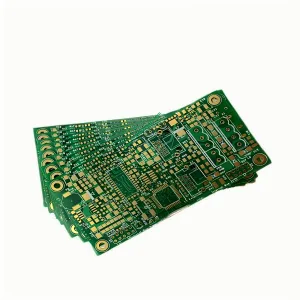
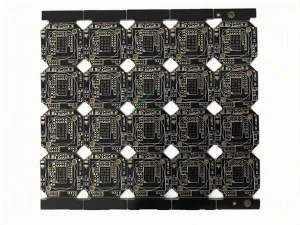
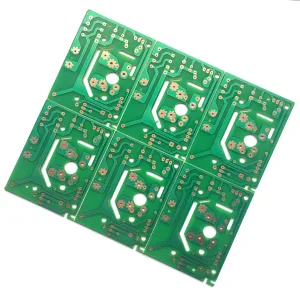
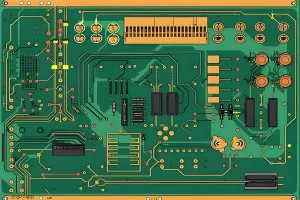
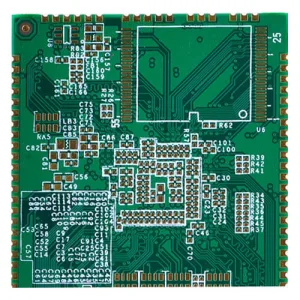
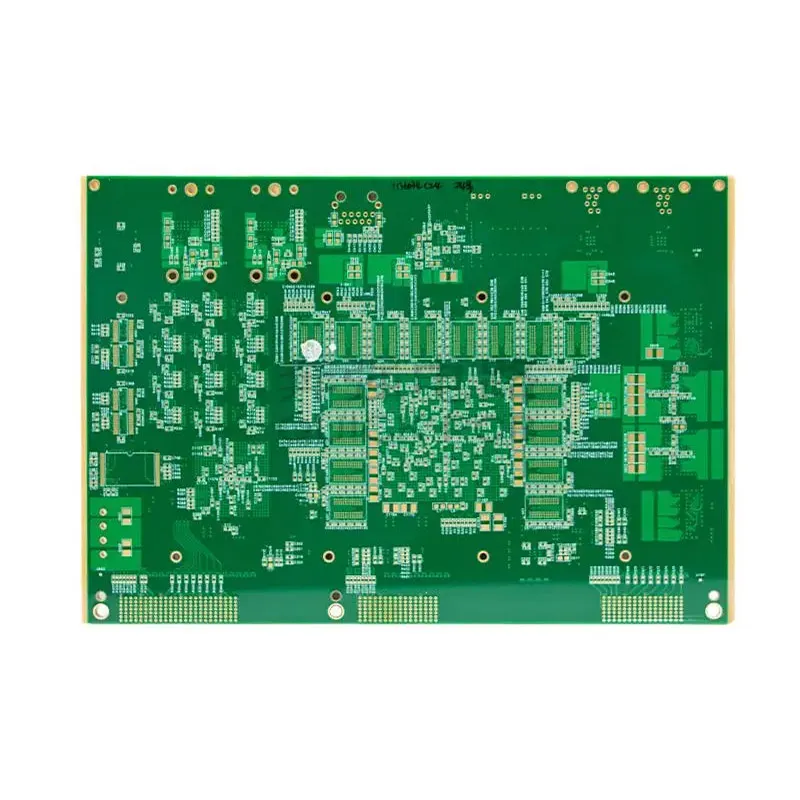
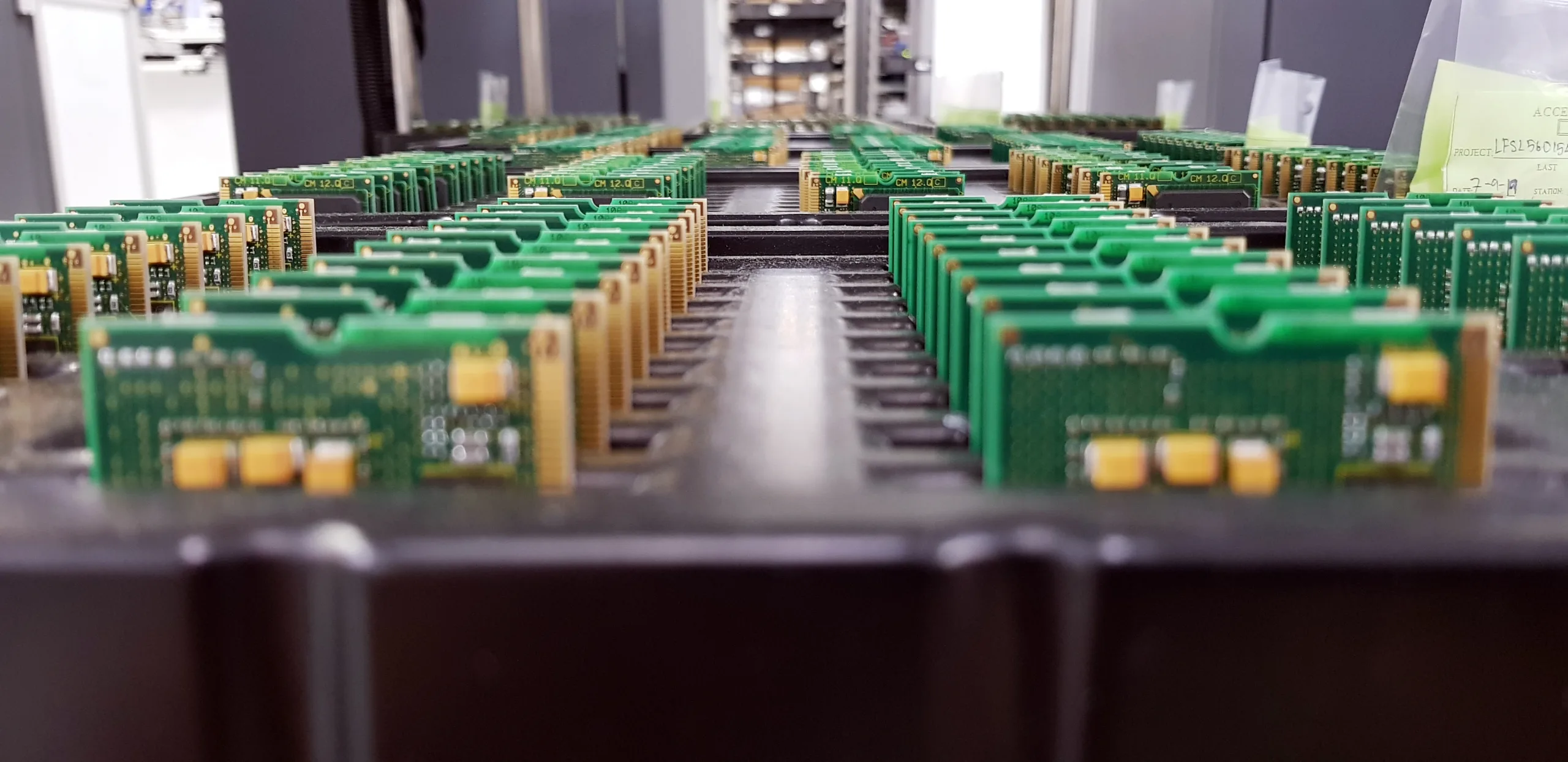
A cooker hood mother board PCB (Leiterplatte) serves as the central hardware backbone of a range hood control system. This rigid printed circuit board handles all electrical connections and signal transmission tasks for motor driving, touch sensing, LED lighting control, airflow adjustment, and delayed shut‑off functions.
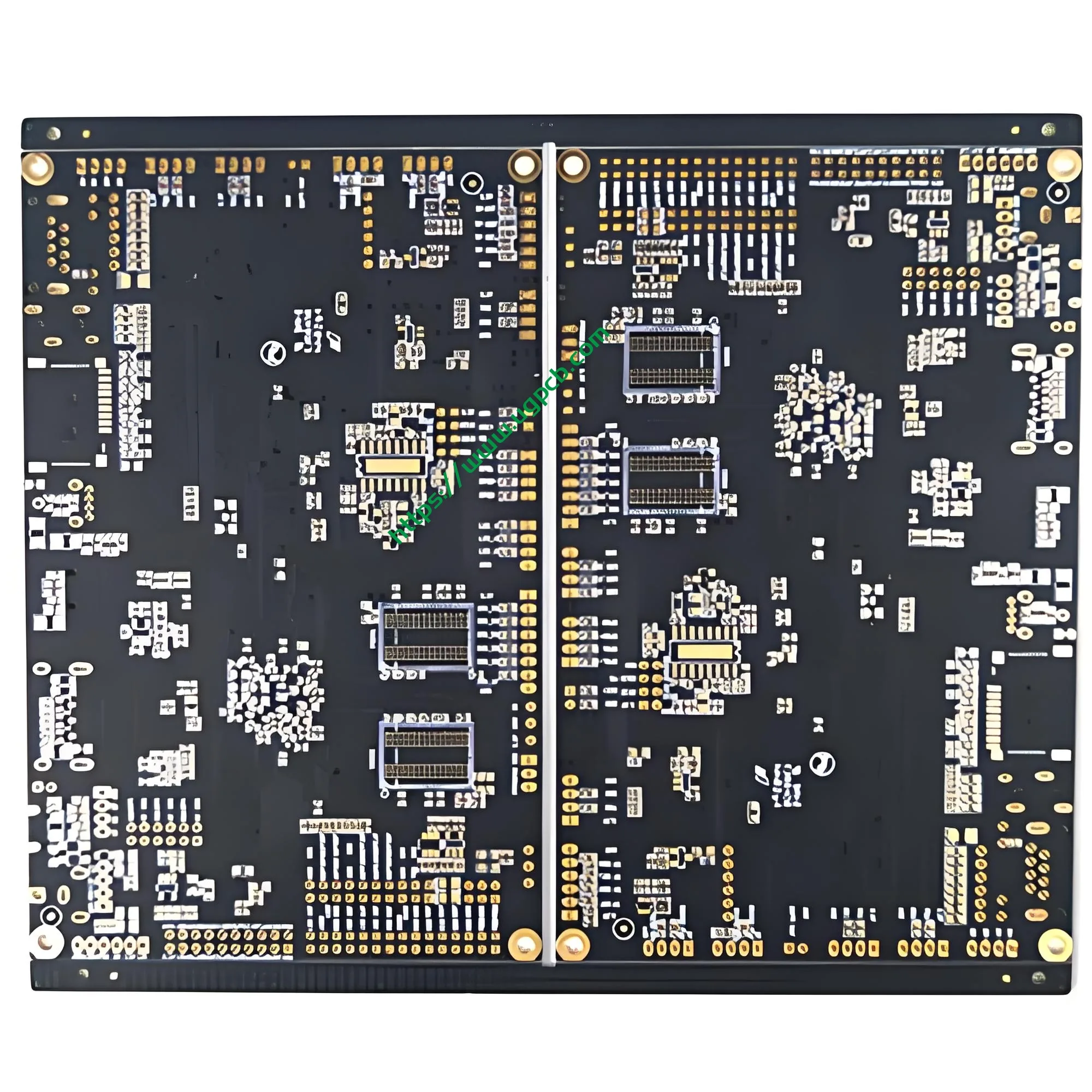
UGPCB presents this cooker hood motherboard PCB manufactured with Kingboard KB6165G high-end laminate. This double-sided rigid printed circuit board is specifically engineered for long‑term reliable operation in harsh kitchen environments. Der Leiterplatte Maßnahmen 82.63 × 46.7 mm with a standard 1.6 mm Plattenstärke. Its double‑sided routing structure delivers excellent electrical performance and mechanical strength for medium‑complexity control circuits.
Industry data shows that China’s range hood control board shipments reached 38.60 Millionen Einheiten in 2024, marking a 5.7% year‑over‑year growth. Smart control boards now account for 58.7% of total shipments. Given this substantial market demand, selecting a reliable and well‑manufactured cooker hood PCB directly impacts the end product’s quality and user experience.

2. Produktdefinition und technische Spezifikationen
2.1 Grundparameter
| Parameter | Spezifikation |
|---|---|
| Produktname | Platine für die Hauptplatine der Dunstabzugshaube |
| Laminatmaterial | Kingboard KB6165G (Halogen‑Free TG150 Glass Fiber Copper‑Clad Laminate) |
| Brettdicke | 1.6 mm |
| Anzahl der Schichten | 2 Schichten (Double‑Sided Board) |
| Fertiggröße | 82.63 × 46.7 mm |
| Mindestlochdurchmesser | 0.296 mm |
| Mindestlinienbreite / Zeilenabstand | 0.342 mm / 0.37 mm |
| Dicke der Kupferfolie | 1/1 OZ (35 μm pro Schicht) |
| Oberflächenbeschaffung | Chemisch Nickel / Immersionsgold (ZUSTIMMEN / Gold Plating Process) |
| Lötmaske / Legende | Black Solder Mask / Weiße Siebdrucklegende |
2.2 Laminatmaterial: Kingboard KB6165G
This product uses KB6165G, a halogen‑free TG150 glass fiber copper‑clad laminate from Kingboard Laminates Holdings Ltd. This industrial‑grade high‑performance laminate delivers the following key properties:
- Glasübergangstemperatur (Tg) : 150°C (155‑158°C measured by DSC method). The material withstands three lead‑free reflow soldering cycles with a peak temperature of 260°C.
- Vergleichender Tracking -Index (CTI) : 600 V. This represents a threefold improvement over the base model KB‑6165F (CTI ≥ 175 V), offering exceptional resistance to tracking failure.
- Z‑axis Coefficient of Thermal Expansion (CTE) : Alpha 1 bei 41 ppm/° C., Alpha 2 bei 235 ppm/° C..
- T288 Delamination Time : > 60 Minuten, several times higher than standard FR‑4 materials.
- Temperaturtemperatur thermische Zersetzung (Td, 5% Gewichtsverlust) : 370°C.
- Entflammbarkeitsbewertung : UL94 V-0.
- Oberflächenwiderstand : 5.2 × 10⁸ MΩ.
- Volumenwiderstand : 6.1 × 10⁹ MΩ‑cm.
- Schalenstärke : 1.4 N/mm (für 1 Unze Kupferfolie).
This laminate passes 96‑hour salt spray testing and is free of halogens, antimony, and red phosphorus, fully complying with RoHS environmental directives.
3. Design Principles and Operating Principles
3.1 Design Standard Compliance
This product’s design strictly followsIPC‑2221C, Allgemeiner Standard für Leiterplattendesign (released August 18, 2025). IPC‑2221C serves as the foundation design standard for all documents in the IPC‑2220 series. It establishes generic requirements for printed board design, covering material selection, copper foil selection, minimum electrical clearance, impedance tolerances, and other core design specifications.
3.2 Engineering Basis for Line Width and Spacing Design
This product features a design line width of 0.342 mm and line spacing of 0.37 mm. These parameters are determined based on the current‑carrying capacity formula from the IPC‑2221 standard:
I = k × ΔT^0,44 × A^0,725
Wo:
- ICH = Maximum allowable current (Amperes, A)
- k = Korrekturfaktor (0.048 for outer layer traces, 0.024 for inner layer traces)
- ΔT = Temperature rise (°C)
- A = Conductor cross‑sectional area (mil²)
For this product with 1 Unze Kupferfolie (etwa 35 μm thickness), outer layer traces can carry approximately 1.5‑2 A per millimeter of width at a 10°C temperature rise. Der 0.342 mm line width sufficiently meets the current‑carrying demands of range hood control circuits (typically including motor drive currents of 3‑5 A and touch/logic circuit currents below 1 A), while providing adequate process windows for subsequent PCBA soldering operations.
3.3 Funktionsprinzipien
The cooker hood motherboard PCB functions as the physical carrier of the control system, operating at three levels:
Electrical Connection Level : The copper traces on the PCB electrically connect the MCU (main control chip), touch sensing modules, motor driver ICs, LED driver circuits, and power management modules according to the schematic diagram, enabling orderly signal transmission.
Signal Processing Level : User commands entered through the touch panel (power on/off, airflow adjustment, lighting control, usw.) travel via touch traces on the PCB to the MCU. Nach der Bearbeitung, the MCU outputs corresponding control signals through the driver traces on the PCB to activate motors, LED -Leuchten, and other actuating components.
Power Management Level : Power traces on the PCB convert the input AC or DC power to the operating voltages required by each component. Proper power/ground plane layout ensures power supply stability.
4. Produktklassifizierung
Based on printed circuit board industry classification standards, Dieses Produkt fällt in die folgenden Kategorien:
| Klassifizierungsdimension | Kategorie |
|---|---|
| Durch Struktur | Rigid Printed Circuit Board |
| Für Schichtzahl | Double‑Sided Board (2‑Layer Board) |
| By Laminate Material | FR‑4.1 Grade Halogen‑Free Glass Fiber Copper‑Clad Laminate (KB6165G) |
| Nach Oberflächenbeschaffenheit | Chemisch Nickel / Immersionsgold (ZUSTIMMEN) |
| Durch Anwendung | Home Appliance Control Board (Cooker Hood Mother Board) |
| Nach Brennbarkeitsbewertung | UL94 V-0 |
| Durch Umweltkonformität | Halogen‑Free, ROHS -konform |
ProIPC‑6012F, Qualifikations- und Leistungsspezifikation für starre Leiterplatten (released September 2023), this product meetsKlasse 2 – Spezielle Service-Elektronikprodukte Anforderungen. Klasse 2 applies to products where extended life is expected and uninterrupted service is desired, but the operating environment is not extreme—perfectly matching home appliance applications.
5. Materialien verwendet
5.1 Substrat: KB6165G Copper‑Clad Laminate
As detailed above, this product uses Kingboard KB6165G halogen‑free TG150 glass fiber copper‑clad laminate with the following material composition:
- Verstärkung : Electronic‑grade glass fabric
- Matrix Resin : Halogen‑free epoxy resin (Tg 150°C)
- Kupferfolie : 1 oz Electrolytic Copper Foil (ED-Kupfer)
- Flammhemmendes System : Halogen‑free flame retardant (UL94 V-0)
5.2 Oberflächenbeschaffung: Chemisch Nickel / Immersionsgold (ZUSTIMMEN)
This product uses the Electroless Nickel / Immersionsgold (ZUSTIMMEN) surface finish process. ProIPC‑4552B, Spezifikation für chemisches Nickel/Immersionsgold (ZUSTIMMEN) Beschichtung für Leiterplatten (published May 2021), ENIG deposit thickness requirements are:
- Dicke der Nickelschicht : 3‑6 μm (per IPC‑4552B Class 1/2/3)
- Gold Layer Thickness : 0.05‑0.10 μm (typical range: 0.075‑0.125 μm)
ENIG surface finish offers these advantages:
- Hervorragende Lötbarkeit, meeting the highest coating durability rating per IPC‑J‑STD‑003
- Überlegene Oxidations- und Korrosionsbeständigkeit
- Flat surface suitable for fine‑pitch component soldering
- Suitable for wire bonding and contact finish applications
5.3 Lötmaske und Legende
- Lötmaske : Black ink offering excellent insulation and heat resistance
- Legende : White silkscreen providing high contrast for SMT placement and repair identification
6. Produktstruktur und Leistungsmerkmale
6.1 Strukturelle Merkmale
Double‑Sided Design (2 Schichten) : Both the Top Layer and Bottom Layer contain circuit traces, with electrical connections between layers made through Plated Through‑Holes (PTH). The double‑sided structure balances routing density with cost‑effectiveness.
Precision Hole Diameter Control : Mindestlochdurchmesser von 0.296 mm meets the strict requirements of IPC‑6012F for plated through‑holes. Copper plating on hole walls ensures reliable interlayer connections and conductivity.
Compact Dimensions : Der 82.63 × 46.7 mm compact size is specifically tailored for the limited internal space of range hoods, facilitating overall product mechanical design.
Standard 1.6 mm Plattenstärke : This thickness maintains mechanical strength while matching standard component lead lengths, erleichtern Leiterplatte Montage.
6.2 Leistungseigenschaften
Superior Heat Resistance : With Tg of 150°C and Td of 370°C, the board withstands the high‑temperature impact of lead‑free reflow soldering (Spitzentemperatur 260°C).
Excellent Insulation Performance : Surface resistivity of 5.2 × 10⁸ MΩ and volume resistivity of 6.1 × 10⁹ MΩ‑cm ensure reliable signal transmission in high‑humidity kitchen environments.
High CTI Tracking Resistance : The CTI 600 V rating effectively prevents tracking failure in high‑pollution environments (kitchen fume environments fall under Pollution Degree 2‑3).
Good Anti‑CAF Performance : The laminate offers strong resistance to Conductive Anodic Filament (CAF) Bildung, reducing the risk of CAF failure in moist‑heat environments.
UL94 V‑0 Flammability Rating : Meets the highest fire safety requirements for home appliances.
7. Ablauf des Herstellungsprozesses
UGPCB manufactures this cooker hood motherboard PCB in strict compliance with IPC‑6012F requirements:
Schritt 1: Eingehende Qualitätskontrolle (IQC) → Inspect KB6165G copper‑clad laminate, Kupferfolie, Trockener Film, Lötstopplacktinte, und andere Rohstoffe
Schritt 2: Schneiden → Cut large copper‑clad laminate sheets to working panel size
Schritt 3: Bohren → CNC-Bohrmaschinen process the 0.296 mm minimum hole diameter along with other mounting holes and vias
Schritt 4: Stromlose Kupferabscheidung / Plattenbeschichtung → Metallize hole walls to create conductive through‑holes
Schritt 5: Musterübertragung → Apply dry film → Expose → Develop to form the circuit pattern
Schritt 6: Radierung → Remove unprotected copper to create the designed circuit traces
Schritt 7: Lötmaske → Print black solder mask ink → Expose → Develop to expose pads
Schritt 8: ZUSTIMMEN (Chemisch Nickel / Immersionsgold) → Electroless nickel plating (3‑6 μm) + Immersionsgold (0.05‑0.10 μm)
Schritt 9: Legendendruck → Print white silkscreen legend identifiers
Schritt 10: Routenführung / V‑Cut → CNC routing to final dimensions of 82.63 × 46.7 mm
Schritt 11: Elektrische Tests → Flying-Probe-Tests / fixture testing to verify open/short circuit integrity
Schritt 12: Endgültige Qualitätskontrolle (FQC) → Visual inspection and dimensional inspection per IPC‑6012F Class 2 Standards
Schritt 13: Verpackung und Versand → Vacuum packaging + anti‑static bags, konform mit IPC packaging specifications
8. Application Scenarios and Market Applications
8.1 Primäre Anwendungsszenarien
This cooker hood motherboard PCB is widely used in:
- Residential Range Hoods : Main control circuit boards for touch‑control or button‑type range hoods
- Integrated Cooktop Control Boards : Core control units for integrated cooking appliances
- Smart Kitchen Appliances : Control modules for smart range hood and cooktop integrated systems
- Commercial Kitchen Equipment : Control boards for large commercial exhaust systems

8.2 Marktausblick
China’s small appliance control board market is projected to reach approximately RMB 45 Milliarden in 2025, with year‑over‑year growth of 10.3%. Smart control boards now account for over 60% of the market. The Chinese home appliance control board market is in a critical stage of smart transformation and upgrade, driving sustained demand for high‑performance, high‑reliability cooker hood motherboard PCBs.
8.3 Typical Operating Environment
The cooker hood motherboard PCB operates under these conditions:
- Temperature Range : ‑10°C to +85°C (kitchen environment)
- Humidity Range : 20% Zu 90% RH (significant steam generated during cooking)
- Verschmutzungsgrad : Pollution Degree 2‑3 (fume and dust)
- Vibration : Continuous vibration from motor operation
9. Why Choose UGPCB for Your Cooker Hood Mother Board PCB?
✅Einhaltung internationaler Standards : Full adherence to IPC‑2221C and IPC‑6012F international standards throughout design, Herstellung, und Inspektion
✅Premium Laminate Materials : Kingboard KB6165G industrial‑grade laminate with Tg 150°C, CTI 600 V, and UL94 V‑0 rating
✅Präzisionsfertigungsfähigkeit : Mindestlochdurchmesser von 0.296 mm und eine Mindestlinienbreite von 0.342 mm
✅Hervorragende Oberflächenbeschaffenheit : ENIG finish compliant with IPC‑4552B, offering excellent solderability
✅Umweltkonformität : Halogen‑free materials meeting RoHS and REACH directives
✅Anpassungsdienste : Flexible customization of dimensions, Anzahl der Schichten, Laminatmaterial, und Oberflächenbeschaffenheit
✅Schnelle Lieferung : Quick‑turn capability from prototypes to volume production
Fordern Sie ein Angebot an
Get Your Free Quote Today
UGPCB is committed to providing high‑quality cooker hood motherboard Leiterplattenherstellung services to customers worldwide. Ganz gleich, ob Sie Prototypenmuster oder Serienproduktion benötigen, we offer professional technical support and competitive pricing.
📞 Contact us for a free PCB prototype quote
📧 E-Mail: sales@ugpcb.com
🌐 Website: www.ugpcb.com
💡 Please provide the following information for an accurate quote:
- PCB dimensions, Anzahl der Schichten, and laminate material requirements
- Minimum line width/spacing and minimum hole diameter
- Surface finish requirements
- Copper foil thickness requirements
- Quantity requirements (Prototyp / kleine Charge / Massenproduktion)
- Gerber-Dateien (falls verfügbar)
Send your requirements today, und die UGPCB professional team will respond with a detailed quote and technical recommendations within 24 Std.!
Datenquellendeklaration
The technical data and standards cited in this article are sourced from the following authoritative organizations and publicly available materials:
- IPC‑6012F : Qualifikations- und Leistungsspezifikation für starre Leiterplatten, September 2023, IPC International, Inc.
- IPC‑2221C : Allgemeiner Standard für Leiterplattendesign, August 18, 2025, IPC International, Inc.
- IPC‑4552B : Spezifikation für chemisches Nickel/Immersionsgold (ZUSTIMMEN) Beschichtung für Leiterplatten, May 2021, IPC International, Inc.
- KB‑6165G / KB‑6165GMD Technical Data Sheet : Kingboard Laminates Holdings Ltd. official product technical documentation
- Ul94 : Norm für Tests zur Entflammbarkeit von Kunststoffmaterialien für Teile in Geräten und Geräten, Underwriters Laboratories Inc.
- IPC-TM-650 : Handbuch zu Testmethoden, IPC International, Inc.