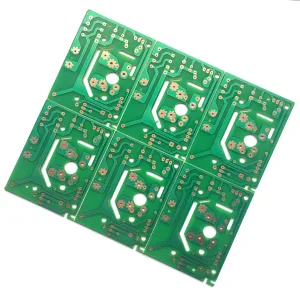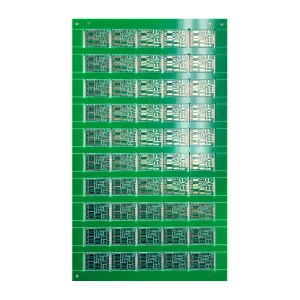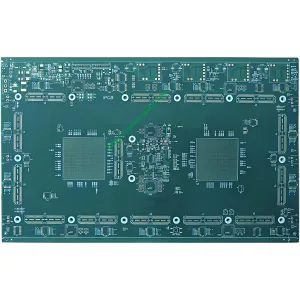
Produktübersicht
Als Leiterplattenherstellung Die Kosten steigen weiter, Ingenieure und Beschaffungsexperten suchen aktiv nach kostengünstigen Lösungen, die keine Kompromisse bei der Leistung eingehen. Der doppelseitige Carbon-Öl-Leiterplatte bietet eine überzeugende Antwort auf diese Herausforderung.
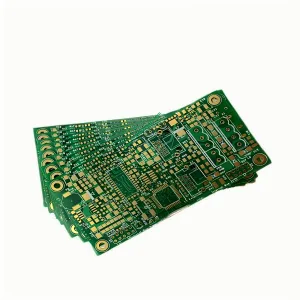
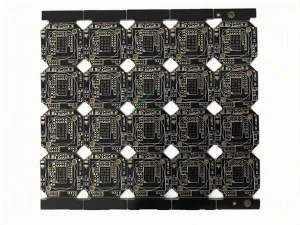
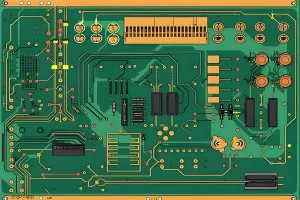
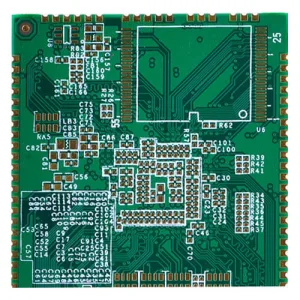
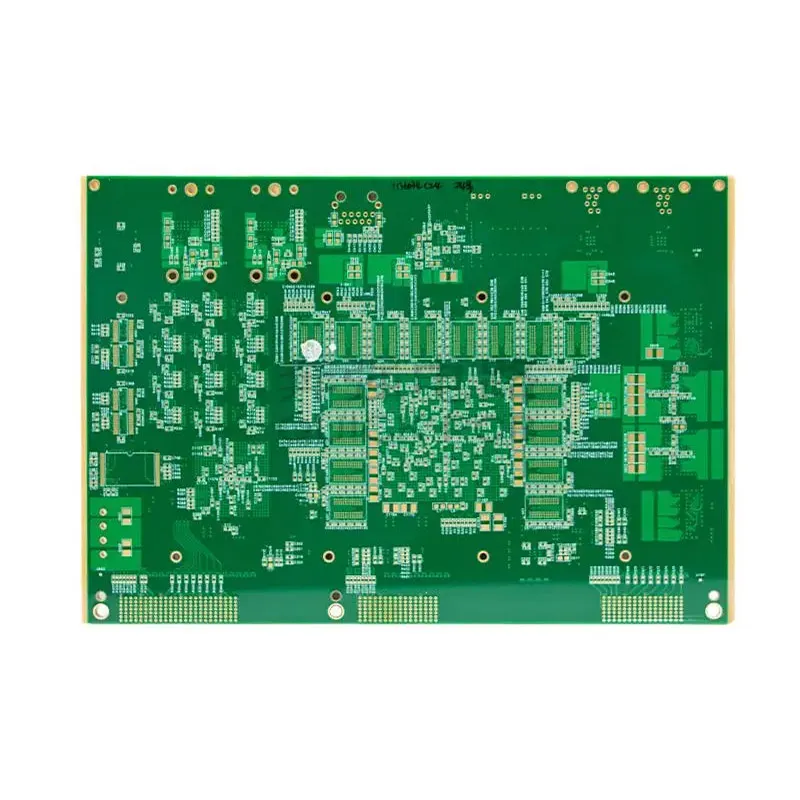
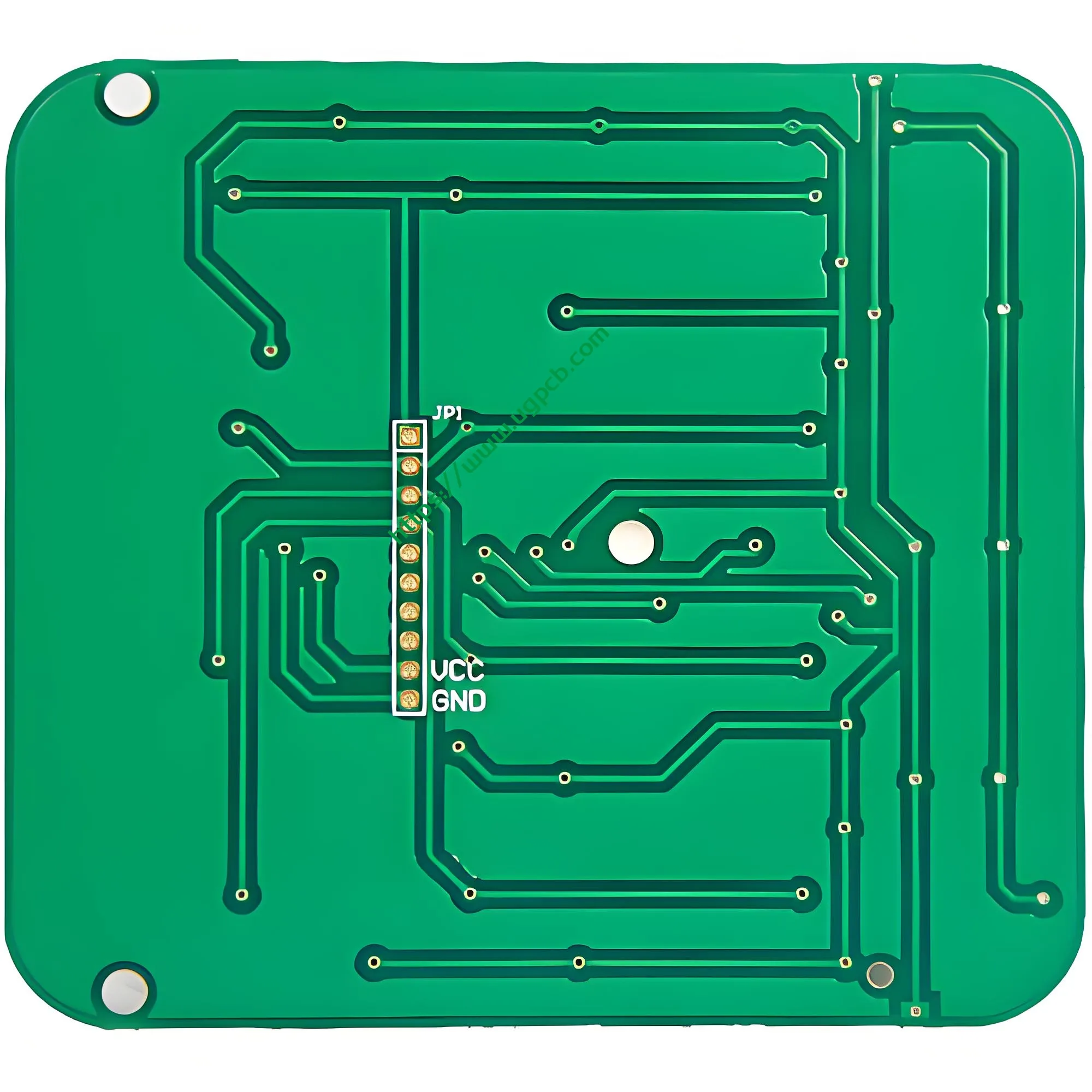
UGPCB präsentiert diesdoppelseitige Carbon-Öl-Leiterplatte mit den folgenden Spezifikationen:
| Parameter | Spezifikation |
|---|---|
| Grundmaterial | FR4 |
| Brettdicke | 1.6mm |
| Schichtzahl | 2 Schichten (doppelseitig) |
| Brettgröße | 43.68 × 38,9 mm |
| Mindestlochdurchmesser | 0.33mm |
| Spurenbreite / Abstand | 0.32 × 0,36 mm |
| Dicke der Kupferfolie | 35/35μm (1OZ auf beiden Seiten) |
| Oberflächenbeschaffung | Kohlenstoffölprozess |
| Lötmaske / Legende | Grüne Lötmaske / weißer Siebdruck |
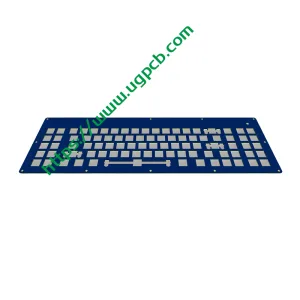
Dies ist aStandard-starre doppelseitige Leiterplatte. Es kombiniert traditionelle Kupferleiterbahnen mit einemCarbonöl-Oberflächenbehandlung das an bestimmten Stellen leitfähige Kohlenstofffilmpads bildet. Das Ergebnis ist eine Platine, die sowohl die hervorragende Leitfähigkeit von Kupferleiterbahnen als auch die überlegene Verschleißfestigkeit von Kohlenstofffilmkontakten bietet. Dies macht es zur idealen Wahl für Tastaturanwendungen in der gesamten Unterhaltungselektronik, Automobilelektronik, und medizinische Geräte.
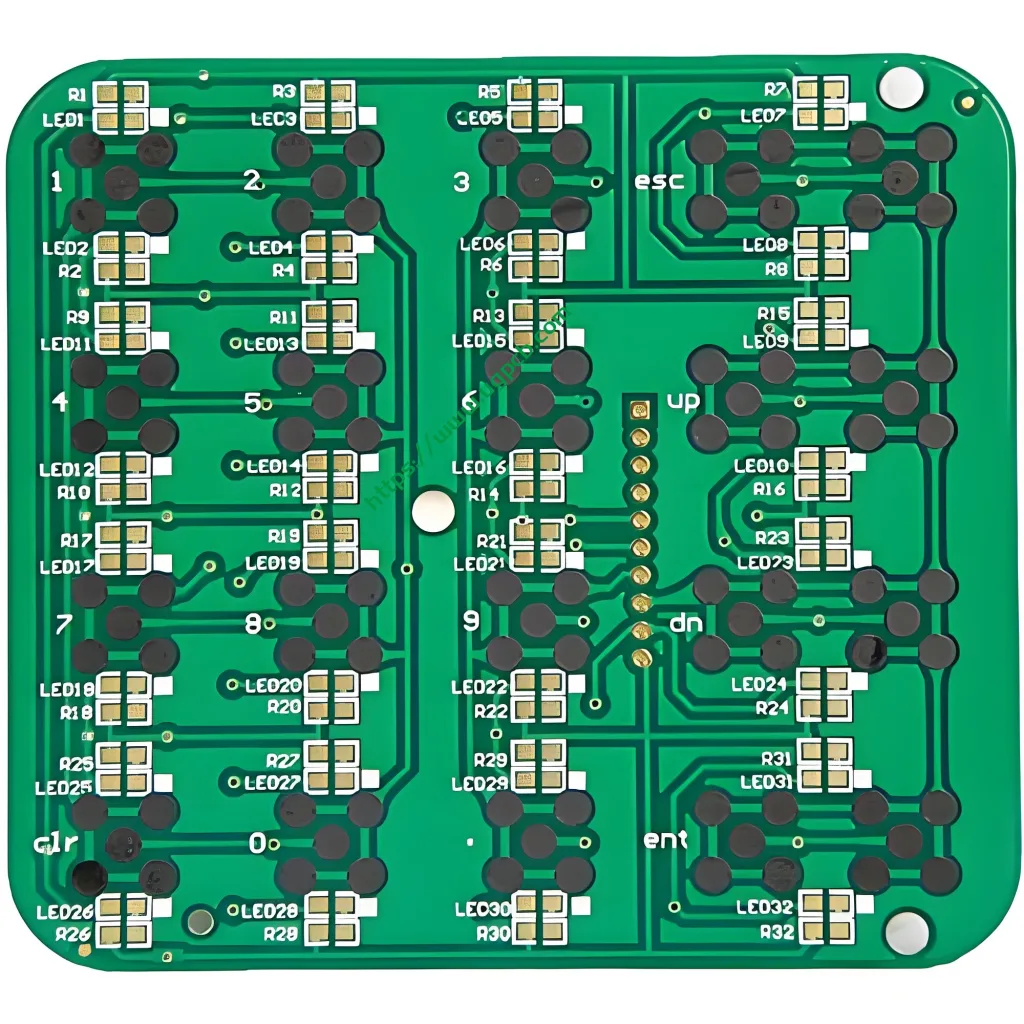
Was ist eine doppelseitige Kohleöl-Leiterplatte??
A doppelseitige Carbon-Öl-Leiterplatte ist eine Leiterplatte, die verwendet wird Leitfähige Tinte auf Kohlenstoffbasis (allgemein als Kohlenstofföl oder Kohlenstofftinte bezeichnet) durch Siebdruck auf bestimmte Bereiche des aufgetragen PCB-Substrat. Nach dem Aushärten, Dies bildet eine Leitfähiges Kohlenstofffilmmuster.
Kohlenstofföl ist ein leitfähige Tinte besteht hauptsächlich aus leitfähigem Kohlenstoffpulver, duroplastisches Harz, und verschiedene Zusatzstoffe. Es wird präzise an bestimmten Stellen aufgedruckt Leiterplatte – typischerweise Kontaktflächen der Tastatur – mit Siebdrucktechnologie. Nach Hochtemperaturaushärtung, Das Kohlenstofföl bildet einen Kohlenstofffilm mit einem definierten Widerstandswert.
Im Vergleich zu traditionellvergoldete Tastaturen, Kohleöl-Tastaturen bieten einen klaren Vorteil.Kohleöl-Tastaturen sind äußerst verschleißfest und halten wiederholten Betätigungen stand, in der Regel Hunderttausende oder sogar Millionen von Schaltzyklen. Der Ersatz teurer Goldtastaturen durch Kohleöltastaturen ist zu einem wichtigen Branchentrend geworden.
Carbon-Öl-Platten sind eine gängige Oberflächenbehandlungsmethode für einseitige und doppelseitige Leiterplatten. Durch eine Reihe von Prozessen einschließlich Inspektion, Testen, und Burn-In-Tests, diese Leiterplatten einen zuverlässigen Langzeitbetrieb zu erreichen.
Entwurfsrichtlinien
Entwerfen einesdoppelseitige Carbon-Öl-Leiterplatte erfordert die Beachtung der folgenden wichtigen technischen Aspekte:
Breite und Abstand der Kohlenstoffölspuren
Gemäß den PCB-Kohlenstoff-Herstellungsspezifikationen der Industrie, Die Breite der Kohlenstoffölspuren muss größer als 6 mil sein (ca. 0,152 mm). Kohlenstoffölfilme werden als identifiziert “AGB” (Oberschicht) oder “GBC” (unterste Schicht) und werden als Positivfilme ausgegeben.
Aufgrund der hervorragenden Leitfähigkeit von Kohlenstofföl, Zwischen den Kohlenstoffölelementen auf der fertigen Platine muss ein ausreichender Abstand eingehalten werden, um Kurzschlüsse zu verhindern. Typische Mindestabstände sind:
Die minimale Ausrichtungstoleranz für Kohlenstofföl beträgt±6mil.
Kohlenstoffölfenster und Kupfermusterabstand
Um Ausrichtungstoleranzen zu berücksichtigen und Öllecks zu verhindern, die Kupfer freilegen könnten, Das Kohleöl-Pad muss größer sein als das Kupfer-Pad:
Zwischen dem Kohlenstoffölfenster und den umgebenden Kupfermustern muss der gleiche Abstand eingehalten werden, um zu verhindern, dass Kohlenstofföl benachbarte Kupferbahnen bedeckt und Kurzschlüsse verursacht.
Kontrolle der Kohlenstofföldicke
Die Dicke des Kohlenstofföls wirkt sich direkt auf den Schichtwiderstand und die Verschleißfestigkeit aus. Die branchenüblichen Spezifikationen lauten wie folgt:
- Single-Print-Carbonöldicke: 0.3–1,0 Mio, Toleranz ±0,3mil
- Doppeldruck-Kohleöldicke: 1.0–2,0 Mio, Toleranz ±0,4mil
Für Kohlenstofföldicken über 1,0 mil, Es ist ein Doppeldruckvorgang erforderlich. Der Kohleölfilm für den zweiten Druck muss auf jeder Seite 3 mm kleiner sein als der Film für den ersten Druck.
Design-Standardreferenzen
Beim Entwerfen einesdoppelseitige Carbon-Öl-Leiterplatte, Die folgenden internationalen Standards sollten befolgt werden:
- IPC-2221: Allgemeiner Standard für Leiterplattendesign – deckt Abstände ab, Freigabe, und strukturelle Designanforderungen
- IPC-6012: Qualifizierungs- und Leistungsspezifikation für starre Leiterplatten – definiert Leistungsanforderungen und Produktqualifizierungskriterien
- IPC-TM-650: Testmethodenhandbuch – bietet standardisierte Testverfahren für die Leistung von Kohlenstofföl-PCBs
Arbeitsprinzip
Derdoppelseitige Carbon-Öl-Leiterplatte funktioniert auf zwei grundlegenden Ebenen:
Leitungsprinzip
Die Leitfähigkeit von Kohlenstofföl wird durch seine Formulierung bestimmt, welches aus leitfähigem Kohlenstoffpulver besteht, duroplastisches Harz, und verschiedene Zusatzstoffe. Die Leitfähigkeit wird gemessen durchSchichtwiderstand (Einheit: Oh/□).
Nach dem Ohmschen Gesetz:
R = ρ × L / S
Wobei R Widerstand ist, ρ ist der spezifische Widerstand, L ist die Leiterlänge, und S ist die Querschnittsfläche des Leiters. Für die leitfähige Kohlenstofffilmschicht, Der Schichtwiderstand ist umgekehrt proportional zur Filmdicke: Rs = ρ / T (wobei t die Dicke des Kohlenstofffilms ist).
Carbon-Öl-Platten erreichen im Allgemeinen einen Schichtwiderstand von ≤20Ω/□, bietet ein hervorragendes Preis-Leistungs-Verhältnis. Einige Kohlenstoffölformulierungen mit niedrigem Widerstand enthalten auch eine kleine Menge Silberöl, um die Leitfähigkeit weiter zu verbessern.
Prinzip der Tastaturumschaltung
In Tastaturanwendungen, Diedoppelseitige Carbon-Öl-Leiterplatte funktioniert wie folgt: wenn eine Gummitastatur (oder ein anderes elastisches Element) gedrückt wird, Die leitfähigen Kohlenstoffpartikel auf der Unterseite der Tastatur berühren dieCarbon-Öl-Pad Auf der Leiterplatte, Vervollständigung der Runde. Das Carbon-Öl-Pad dient als TastaturKontaktleiter, Ersetzt herkömmliche vergoldete Kontakte.
Zu den Vorteilen von Kohleölkontakten gehören::
- Hohe Oberflächenhärte undausgezeichnete Verschleißfestigkeit
- Niedriger Kontaktwiderstand undschnelle Reaktionszeit
- Chemische Inertheit, AngebotKorrosionsbeständigkeit und Oxidationsbeständigkeit
Anwendungen
Doppelseitige Kohleöl-Leiterplatten werden in verschiedenen Branchen häufig eingesetzt:
Unterhaltungselektronik
- Fernbedienungen: TV-Fernbedienungen, Fernbedienungen für Klimaanlagen
- Taschenrechner: Tastaturfelder
- Tastaturen: Computertastaturen, Folientastaturen
- Spielgeräte und elektronische Tastaturen
Kfz -Elektronik
- Steuerplatinen für Fensterschalter
- Bedienfelder für Klimaanlagen
- Kombiinstrumente und Sitzsteuerungen
Medizinprodukte
- Bedienfelder für medizinische Geräte
- Elektroden für Blutzuckerteststreifen
Industrie und Kommunikation
- Schalttafeln für industrielle Steuerungsgeräte
- Kommunikationsausrüstung
- Smart-Label-RFID
Kostengünstige Alternativen
Kohleöl-Leiterplatten kann die folgenden traditionellen Prozesse ersetzen:
- Verkupferte Durchgangslochprozesse
- Verfahren zum Füllen von Durchkontaktierungen mit Silberpaste
- Verfahren zum Füllen von Kontaktlöchern mit Kupferpaste
Umweltfreundlich, Das kostengünstige Füllen von Durchkontaktierungen mit Kohlenstoffpaste ist ein Mainstream-Trend in der Branche. Microsoft hat Kohlenstofföl zum Füllen von Durchkontaktierungen auf Leistungsplatinen eingesetzt, Doppelschichtplatinen mit verkupferten Löchern komplett ersetzen.
Produktklassifizierung
Doppelseitige Kohleöl-Leiterplatten können entlang der folgenden Dimensionen klassifiziert werden:
Nach Leitfähigkeitstyp
- Kohlenstoffölplatten mit geringem Widerstand: Schichtwiderstand ≤20Ω/□ – geeignet für Tastaturkontakte
- Hochbeständige Carbon-Öl-Platten: Geeignet für Potentiometer und Widerstandsschichten
- Mit Kohlenstofföl gefüllte Platinen: Verwenden Sie Kohlenstofföl, um Durchgangslöcher für Zwischenschichtverbindungen zu füllen
Nach Basismaterial
- FR4-Carbon-Öl-Boards: Glasfaser/Epoxid-Substrat (dieses Produkt)
- CEM-1 Carbon-Öl-Platten: Verbundsubstrat aus Epoxidharz
- Polyimid-Carbon-Öl-Platten: Flexibles Substrat
Für Schichtzahl
- Einseitige Carbon-Öl-Platten
- Doppelseitige Carbon-Öl-Platten (dieses Produkt)
- Mehrschichtige Carbon-Öl-Platten
Nach Oberflächenbeschaffenheitskombination
- ZUSTIMMEN + Kohlenstofföl
- Bluten + Kohlenstofföl
- OSP + Kohlenstofföl
- Kohlenstofföl + Eintauchen (Aufgrund der Kontamination der Zinnoberfläche derzeit nicht für die Massenproduktion geeignet)
Materialien
Basismaterial – FR4
Dieses Produkt verwendet FR4 als Grundmaterial. FR4 ist die Industriebezeichnung für glasfaserverstärktes, kupferkaschiertes Epoxidharzlaminat, Angebot:
- Hervorragende mechanische Festigkeit und Dimensionsstabilität
- Hervorragende elektrische Isolationseigenschaften
- Gute Feuchtigkeits- und Hitzebeständigkeit
- Dielektrizitätskonstante von ca. 4,2–4,3
FR4 ist das am häufigsten verwendete Basismaterial für starre Leiterplatten und bietet eine gute Haftungskompatibilität mit Kohlenstofföl.
Leitfähige Schicht – Kupferfolie
Beide Seiten nutzen35μm (1OZ) Kupferfolie, Gewährleistung einer hervorragenden Leitfähigkeit und Stromtragfähigkeit.
Kohlenstoffölmaterial
Kohlenstofföl ist einLeitfähige Tinte auf Kohlenstoffbasis bestehend aus:
- Leitfähiges Kohlenstoffpulver: 30%–50 % Gehalt – bestimmt die Leitfähigkeit
- Duroplastisches Harz: Bietet Haftungs- und Aushärtungseigenschaften
- Verschiedene Zusatzstoffe: Regulieren Sie Fließeigenschaften und Haftungsleistung
Kohlenstofföl muss vorhanden seinstarke haftung, Widerstand schälen, und Widerstand tragen.
Lötmaske und Legende
- Lötmaske: Grüne Tinte – schützt Schaltkreise und verhindert Kurzschlüsse
- Legende: Weißer Siebdruck – identifiziert Komponentenpositionen und Platinennummern
Leistungsspezifikationen
Elektrische Leistung
| Parameter | Spezifikation | Referenz |
|---|---|---|
| Schichtwiderstand | ≤20Ω/□ | Industriestandard |
| Widerstandsänderungsrate | ≤10 % (nach 1 Millionen Zyklen) | Industriestandard |
Mechanische Leistung
Maßgenauigkeit
| Parameter | Spezifikation |
|---|---|
| Mindestlochdurchmesser | 0.33mm |
| Mindestspurbreite | 0.32mm |
| Minimaler Leiterbahnabstand | 0.36mm |
| Brettdicke | 1.6mm |
Umweltzuverlässigkeit
ProIPC-TM-650 Standardanforderungen:
- Feuchte-Hitze-Test (IPC-TM-650 2.6.3.7): 1000 Stunden bei 40°C / 90% RH – Änderung des Kohlenstoffölschichtwiderstands ≤20 %
- Temperaturwechseltest (IPC-TM-650 2.6.7): 100 Zyklen von -40 °C bis 85 °C – kein Cracken des Kohlenstofföls, On-Widerstandsschwankung ≤15 %
- Prüfung der Abriebfestigkeit (IPC-TM-650 2.5.9): Nach 1000 Zyklen – Abriebkoeffizient ≤5 mg
Produktstruktur
Der typische Aufbau einesdoppelseitige Carbon-Öl-Leiterplatte (von oben nach unten):
- Legendenebene (Weiß): Komponentenreferenzbezeichner
- Lötmaskenschicht (Grün): Stromkreisschutz und Kurzschlussverhinderung
- Kohlenstoffölschicht: Leitfähiger Kohlenstofffilm an den vorgesehenen Stellen der Tastatur
- Obere Kupferspuren (35μm): Leitfähige Schaltung
- FR4-Substrat (1.6mm): Isolierende Unterstützung
- Unten Kupferspuren (35μm): Leitfähige Schaltung
- Lötmaskenschicht (Grün): Schaltkreisschutz der unteren Schicht
- Legendenebene (Weiß): Bezeichner der unteren Ebene
Die Kohlenstoffölschicht wird nur auf bestimmte Kontaktflächen oder leitfähige Zonen der Tastatur aufgetragen, nicht auf ganzer Linie.
Schlüsselmerkmale
Erheblicher Kostenvorteil
Beim Kohlenstoffölverfahren entfallen bestimmte Verkupferungs- und Ätzschritte, Reduzierung der Materialkosten um 15–25 %. Im Vergleich zur Hartvergoldung, Die Kosten für Carbon-Tinte sind 40–60 % niedriger.
Lange Lebensdauer
Kohleöl-Tastaturen bieten eine außergewöhnliche Verschleißfestigkeit, überdauernd 1 Millionen Schaltzyklen mit einer Widerstandsänderungsrate von ≤10 %.
Einfach, Effizienter Prozess
Einsatzmöglichkeiten von KohlenstoffölSiebdruck statt langwieriger Galvanikprozesse. Produktionsvorlaufzeiten können seinum mehr gekürzt 30%.
Ausgezeichnete Umweltbeständigkeit
Kohlenstofföl istchemisch inert, Bietet eine bessere Säure- und Alkalibeständigkeit als Kupfer. In feuchten oder staubigen Umgebungen arbeitet es zuverlässiger. Die Oberflächenhärte des Kohlenstofffilms erreicht3H (Bleistifthärtetest), übertrifft ungeschützte Kupferoberflächen (1-2H).
Flexible Gestaltungsmöglichkeiten
Kohlenstofföl kann direkt gedruckt werden, um Widerstände zu bilden, Tastaturen, und andere Funktionsmodule, Reduzierung der Anzahl der Lötstellen um 30–50 %.
Herstellungsprozess
Der typische Herstellungsprozess für adoppelseitige Carbon-Öl-Leiterplatte:
- Materialschneiden: Schneiden Sie das kupferkaschierte FR4-Laminat auf Arbeitsmaße zu
- Bohren: Bohren Sie Durchgangslöcher und Befestigungslöcher (Mindestdurchmesser 0,33 mm)
- Oberflächenreinigung: Chemische Reinigung zur Entfernung von Oxiden, Öle, und Schadstoffe
- Chemisch Kupfer / elektroplierend: Galvanisieren von Durchgangslöchern für Zwischenschichtverbindungen
- Musterübertragung: Belichtung und Entwicklung zur Bildung von Schaltkreismustern
- Radierung: Entfernen Sie die Kupferfolie von Bereichen, die nicht mit Stromkreisen verbunden sind
- Streifen: Trockenfilmresist entfernen
- Drucken von Lötstoppmasken: Tragen Sie grüne Lötstopplacktinte auf
- Aushärtung der Lötstoppmaske: Hochtemperatur-Härtung der Lötstoppmaske
- Oberflächenveredelung – Karbonöldruck:
- Siebdrucken Sie Kohlenstofföl an bestimmten Stellen auf (Einzel- oder Doppeldruck)
- Vorbacken (80° C × 30 Minuten)
- Hauptheilmittel (150°C × 30–60 Minuten)
- Legendendruck: Drucken Sie weiße Siebdruckkennungen
- Profilierung: Router-Routing, V-Schnitt, usw.
- Elektrische Prüfung: Durchgangsprüfung, Isolationsprüfung
- Endkontrolle und Verpackung
Für Leiterplatten mitZUSTIMMEN + Kohlenstofföl Kombinationsfinish, Der Kohleöldruck wird typischerweise nach ENIG durchgeführt, Mit blauem Klebeband zum Schutz von Kohlenstoffölbereichen.
Anwendungsszenarien
Fernbedienungen und Gerätebedienfelder
Angebot an Kohleölkontaktenlange Lebensdauer der Presse und geringer Kontaktwiderstand für schnelle Reaktion. Typische Anwendungen sind TV-Fernbedienungen, Fernbedienungen für Klimaanlagen, und Bedienfelder für Waschmaschinen.

Elektronische Steuermodule für Kraftfahrzeuge
Kohlenstoffölkreisläufe in Fahrzeugtürverkleidungen bieten sich anstarke Korrosionsbeständigkeit, Sie arbeiten zuverlässig in komplexen Automobilumgebungen und lösen die Oxidations- und Bruchprobleme, die bei herkömmlichen Lösungen häufig auftreten.
Bedienfelder für medizinische Geräte
Mit Kohlenstofföl bedruckte Touch-Sensing-Bereiche sorgen für einen stabilen Betrieb in öligen Umgebungen, feuchte Umgebungen. Kohlenstoffölmaterialien bieten ebenfalls hervorragende ErgebnisseBiokompatibilität.
Industrietastaturen und Kassensysteme
In POS-Terminals und Industrietastaturen, Schaltkreise, die Kohlenstofföl mit FR4-Substraten kombinieren, passen sich an Temperaturschwankungen an und liefern eine stabile Leistung, zuverlässige Leistung.
Warum sollten Sie sich für UGPCB für Ihre doppelseitige Carbon-Öl-Leiterplatte entscheiden??
✅ Einhaltung internationaler Standards
Produktdesign und Herstellung folgen striktIPC-2221 (Allgemeiner Standard für Leiterplattendesign), IPC-6012 (Leistungsspezifikation für starre Platinen), UndIPC-TM-650 (Handbuch zu Testmethoden).
✅ Präzisionsfertigungskapazitäten
- Mindestlochdurchmesser 0,33 mm – unterstützt Designs mit hoher Dichte
- Minimale Spurenbreite/Abstand 0.32 × 0,36 mm – branchenführende Präzision
- Kohlenstofföl-Schichtwiderstand ≤20 Ω/□ – ausgezeichnete Leitfähigkeit
✅ One-Stop-Service
UGPCB bietet End-to-End-Dienste von PCB-Design und Fertigung zu PCBA-Montage.
✅ Hohe Zuverlässigkeitsgarantie
Kohleölkontakte bieten eine lange Lebensdauer≥1 Million Zyklen mit Widerstandsänderungsrate ≤10 %, Gewährleistung eines langfristig stabilen Betriebs.
Fordern Sie noch heute ein Angebot an
Derdoppelseitige Carbon-Öl-Leiterplatte ist einäußerst kostengünstige Lösung für Tastaturanwendungen in der Unterhaltungselektronik, Automobilelektronik, und medizinische Geräte.
Ob Sie brauchen PCB -Prototyping, Massenproduktion, oder schlüsselfertige PCBA-Dienstleistungen, UGPCB bietet professionellen technischen Support und wettbewerbsfähige Preise.
📧Kontaktieren Sie uns noch heute für eine kostenlose technische Beratung und ein individuelles Angebot!
- Webseite: www.ugpcb.com
- Dienstleistungen aus einer Hand: PCB-Design, Herstellung, und PCBA-Montage
Datenquellendeklaration
Die in diesem Artikel zitierten technischen Daten und Standards stammen aus den folgenden maßgeblichen Quellen:
- IPC (Verband zur Verbindung der Elektronikindustrie) Standards:
- IPC-2221 – Allgemeiner Standard für Leiterplattendesign
- IPC-6012 – Qualifikations- und Leistungsspezifikation für starre Leiterplatten
- IPC-TM-650 – Handbuch zu Testmethoden
- Technische Spezifikationen nach Industriestandard:
- Anforderungen an die Herstellung von PCB-Kohleöl (Kohlenstoffölspurenbreite ≥6mil, Namenskonventionen für Filme, usw.)
- Spezifikationen für die Dickenkontrolle beim Siebdruck von Kohlenstofföl (Einzeldruck: 0.3–1,0 Mio; Doppeldruck: 1.0–2,0 Mio)
- Fachliteratur aus der Industrie:
- Herstellungsspezifikationen für Kohlenstofföl-Leiterplatten – drei Schlüsseldimensionen
- Technische Analyse der Kohlenstoffölprozess-PCB
- Kohlenstofföl PCB vs. Standard-PCB-Vergleich