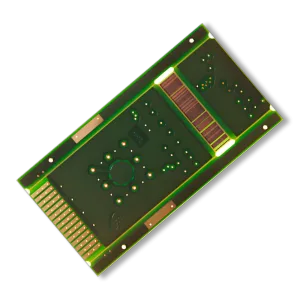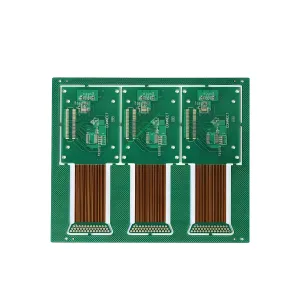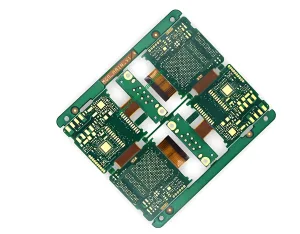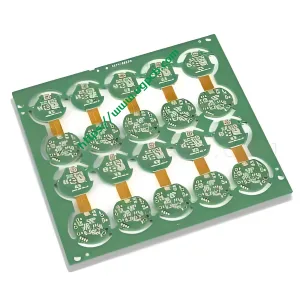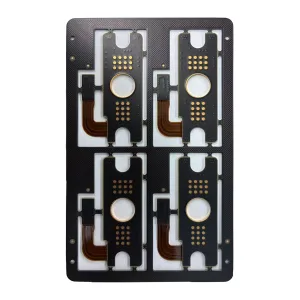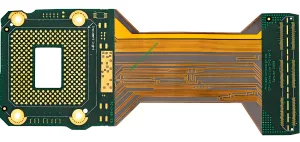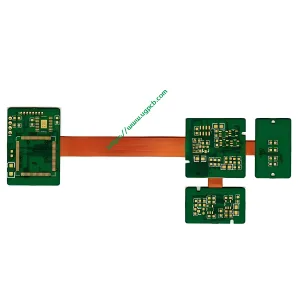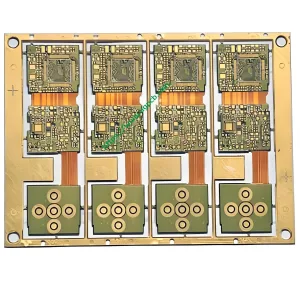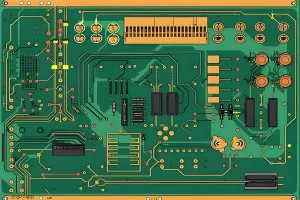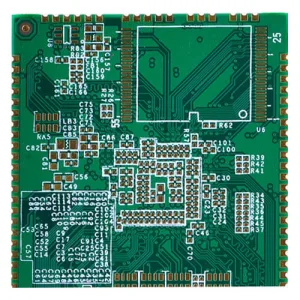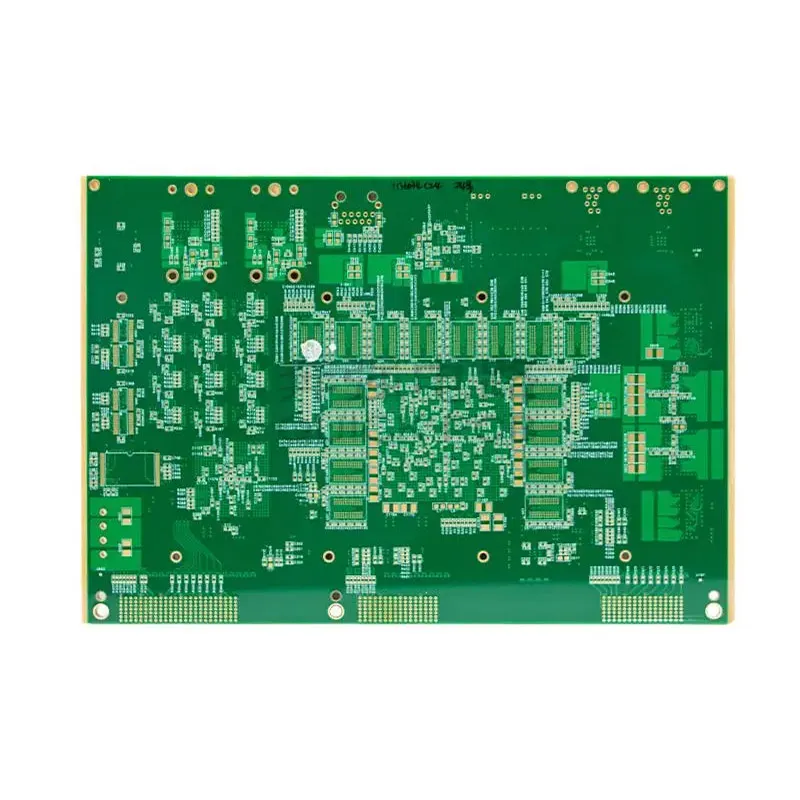
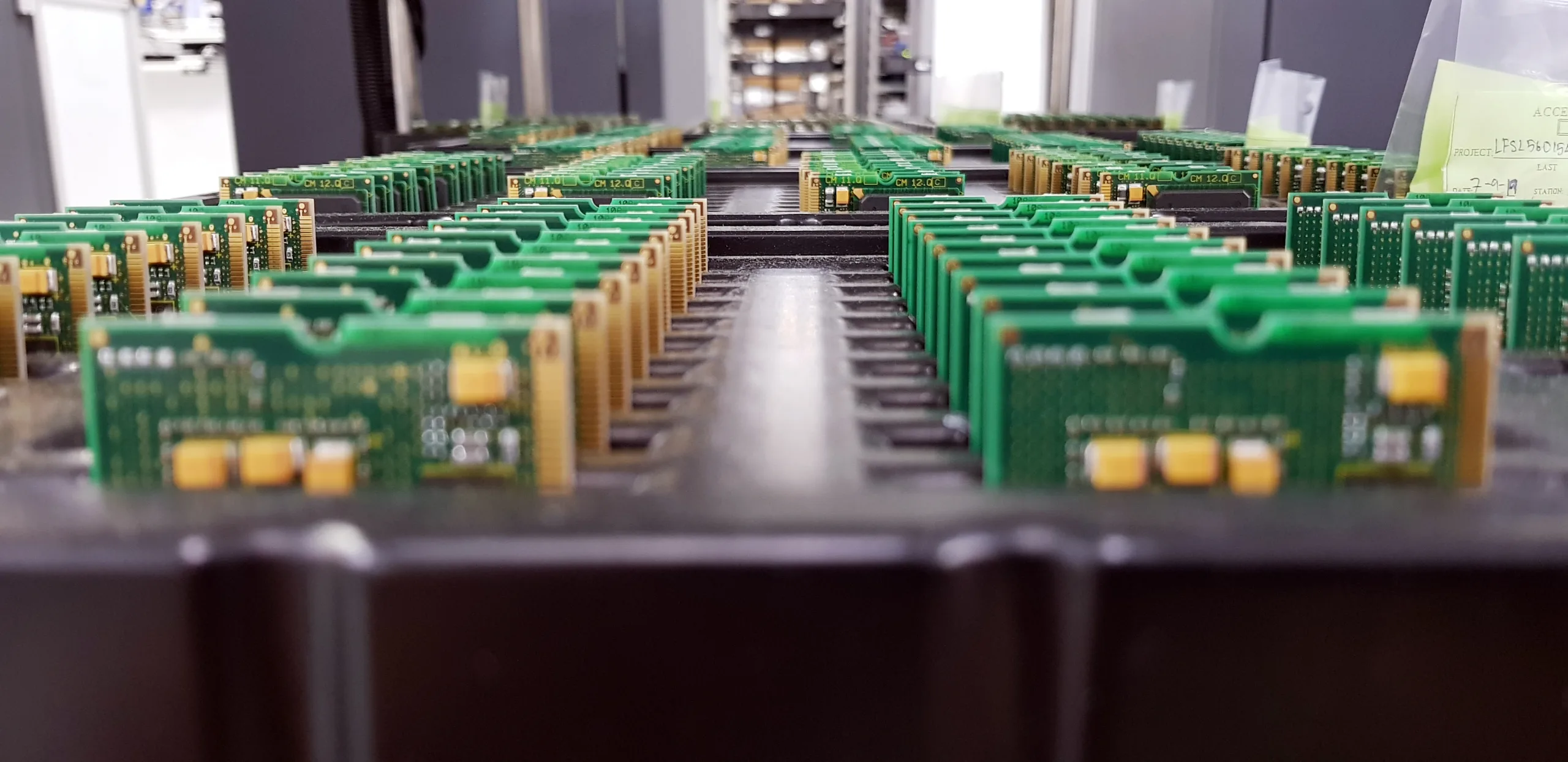
FPC (Placa de circuito impreso flexible) está cambiando el diseño de la electrónica moderna. Según la investigación del BCC, El mercado mundial de FPC crecerá a partir de 23.3mil millones en 202541.7 mil millones por 2030. Esa es una CAGR de 12.3%. Los datos de Investigación y Mercados muestran la 2025 mercado en 28.36mil millones,subiendo a31.07 mil millones en 2026 (Tocón 9.5%). Tres factores principales impulsan este crecimiento: electrónica de consumo ligera, Adopción de vehículos eléctricos, e infraestructura 5G. FPC de alto rendimiento es ahora el segmento de más rápido crecimiento en el tarjeta de circuito impreso industria.
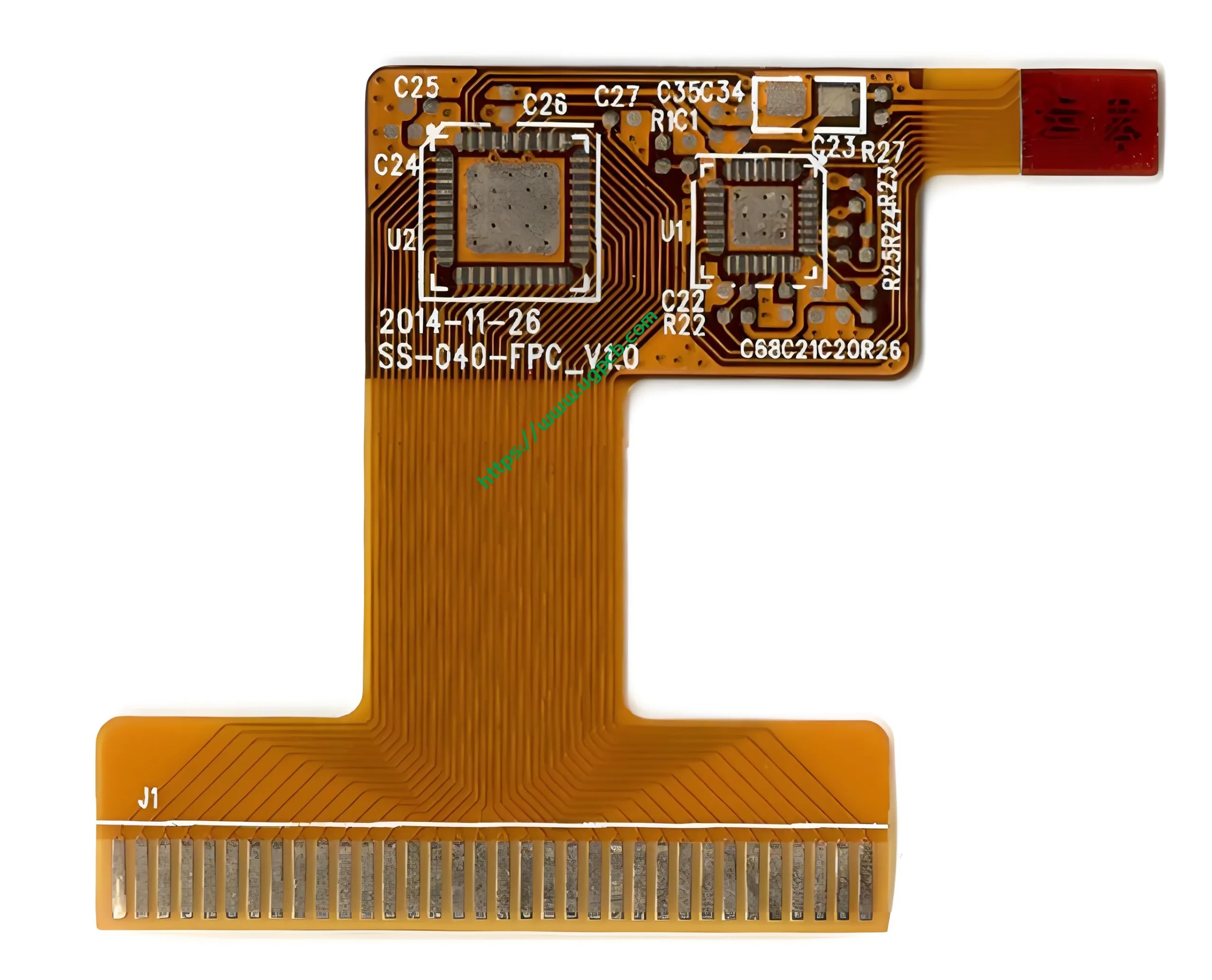
UGPCB es un profesional Fabricante de PCB/PCBA. Ofrecemos servicios integrales de FPC personalizados desde el diseño hasta la producción en masa.. Esta página cubre las especificaciones de nuestros productos FPC., parámetros técnicos, estándares de clasificación, y ventajas clave. Encontrará la mejor solución de tablero blando para su proyecto..
¿Qué es una placa de circuito flexible FPC?? – Descripción general del producto
FPC significa placa de circuito impreso flexible. También se le llama placa flexible o circuito flexible.. El material base del aislamiento es poliimida. (PI) o poliéster (MASCOTA). Un proceso de grabado preciso forma huellas conductoras en este sustrato delgado y flexible.. A diferencia de un rígido tarjeta de circuito impreso, un FPC puede doblarse, doblar, y girar en el espacio 3D. Esta flexibilidad respalda perfectamente las tendencias modernas hacia las empresas más pequeñas., encendedor, y electrónica más integrada.
IPC-6013E-2021 define tableros impresos flexibles como de una sola cara, de dos caras, multicapa, o estructuras multicapa rígido-flexibles. Estos pueden incluir refuerzos, agujeros pasantes chapados (PTH), y vías ciegas/enterradas. UGPCB sigue estrictamente los estándares de diseño IPC-2221 y las especificaciones de rendimiento IPC-6013.. Cada FPC que producimos cumple con los requisitos internacionales de la industria..
Parámetros técnicos de UGPCB FPC de un vistazo
| Parámetro | Gama UGPCB FPC | Notas / Referencia |
|---|---|---|
| Recuento de capas | 1 - 12 capas | Retenciones FPC multicapa 39.4% participación global (Investigación BCC, 2026) |
| Materia prima | PI (poliimida), MASCOTA (Poliéster) | PI de alta temperatura es la mejor opción para FPC de alta gama |
| Grosor terminado | 0.1mm – 0,8 mm | El diseño ultrafino se adapta a los wearables |
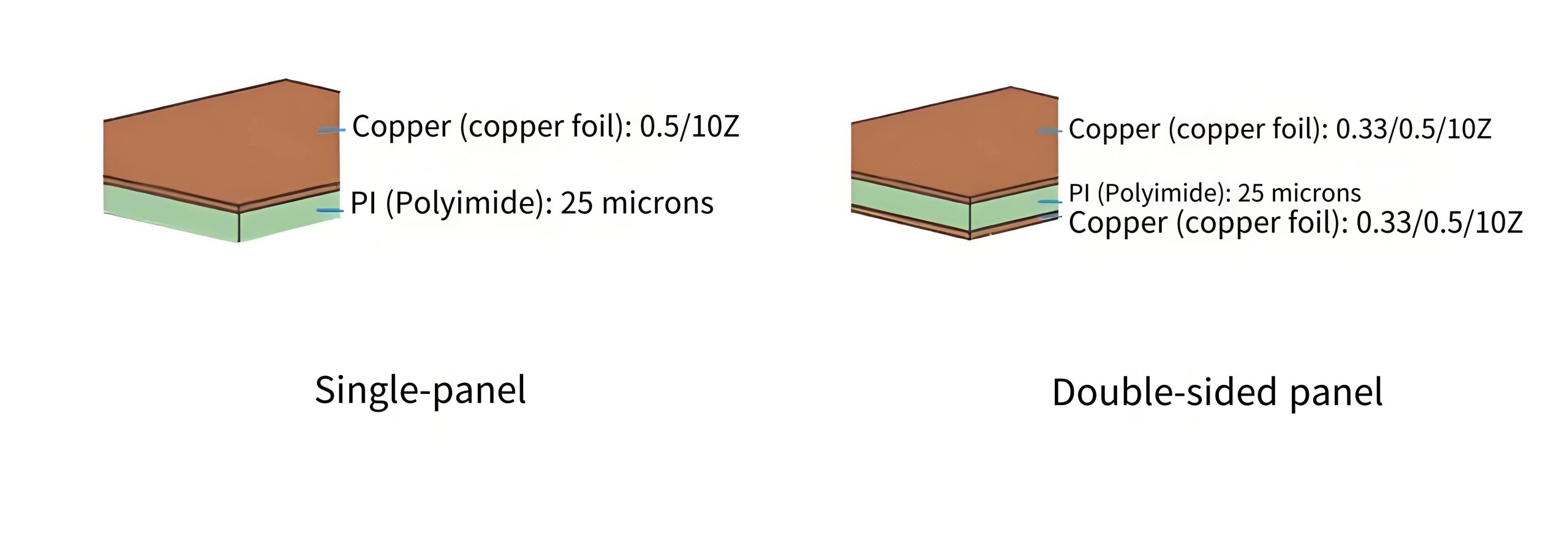
| Espesor de cobre | 1/3 onz - 1 onz (≈12 µm – 35 µm) | De una sola cara: 18µm/35 µm; De dos caras: 12µm/18 µm/35 µm |
| Color de máscara de soldadura | Amarillo / Verde / Blanco | Amarillo para general; negro para alta gama/antirreflejo; blanco para necesidades reflectantes |
| Acabado superficial | ACEPTAR / OSP | ENIG para tono fino & Unión de alambre de aluminio; OSP para soldadura sin plomo |
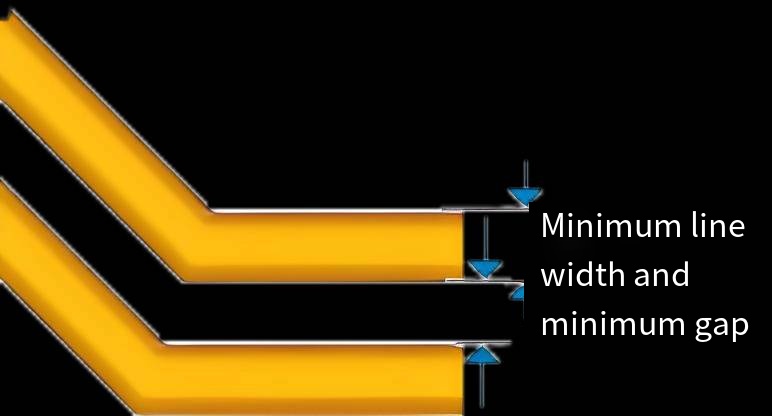
| Traza/espacio mínimo | 2mil/2 mil (≈0,05 mm/0,05 mm) | Capacidad extrema; 3/3mil recomendado para menor costo |
| Diámetro mínimo del agujero | 0.1milímetros (≈4mil) | Soporte Diseños HDI |
Clasificación de productos basada en IPC-6013
IPC-6013 define tres dimensiones de clasificación.
Por tipo (Capa & Estructura)
| Tipo | Definición | Soporte UGPCB |
|---|---|---|
| Tipo 1: FPC de una cara | Una capa conductora, con o sin refuerzo | ✓ |
| Tipo 2: FPC de doble cara | Dos capas conductoras con PTH, con o sin refuerzo | ✓ |
| Tipo 3: FPC multicapa | Tres o más capas conductoras con PTH, con o sin refuerzo | ✓ (arriba a 12 capas) |
| Tipo 4: Rígido-flexible | Combinación de capas rígidas y flexibles, tres o más capas conductoras con PTH | ✓ |
| Tipo 5: Flex/rígido-flex sin PTH | Dos o más capas conductoras., sin PTH | ✓ |
Por clase de rendimiento (Escenario de uso) – IPC-6011 & IPC-6013
-
Clase 1 – Productos electrónicos generales.. Requisito mínimo de confiabilidad para la electrónica de consumo. Pruebas menos estrictas.
-
Clase 2 – Electrónica de servicio dedicada. Mayor rendimiento para equipos de comunicación y control industrial..
-
Clase 3 – Electrónica de alto rendimiento. Fiabilidad estricta para uso médico., aeroespacial, y aplicaciones militares.
Por condición de flexión (Instalación & Usar)
-
Utilice un – Soporta flexión simple durante la instalación..
-
Utilice B – Soporta ciclos de flexión repetidos especificados.
-
Utilice C – Adecuado para ambientes de alta temperatura superiores a 105°C (221° F).
-
Usado – Certificado UL (cumple con UL 94 y UL 796F).
Aplicaciones de las placas de circuito flexible FPC
La naturaleza delgada y flexible del FPC permite un amplio uso en:
-
Electrónica de consumo – Teléfonos inteligentes (mostrar, cámara, conexiones de la batería), tabletas, computadoras portátiles, relojes inteligentes, auriculares tws, drones.
-
Electrónica automotriz – Pantallas en el vehículo, módulos de cámara, sensores, sistemas de gestión de baterías (Bms), ADA, luces LED.
-
Dispositivos médicos – Monitores portátiles, audífonos, endoscopios, rastreadores de salud portátiles, dispositivos implantables.
-
controles industriales – Articulaciones de robots, instrumentos de precisión, mazos de cables internos, terminales de iot.
-
Aeroespacial & defensa – Interconexiones ligeras para satélites, misiles, sistemas de radar.
-
5telecomunicaciones g – Antenas de estaciones base, Módulos frontales de RF, líneas de señal de alta velocidad.
BCC Research señala que los FPC multicapa mantienen 39.4% del mercado global. Esta proporción sigue creciendo porque los teléfonos inteligentes, wearables, electrónica automotriz, y los dispositivos médicos exigen una mayor densidad de circuito.
Materiales base de FPC y características de rendimiento
Materiales básicos primarios
-
PI (poliimida) – Excelente resistencia a altas temperaturas (-40°C a +125°C) y estabilidad dimensional. La mejor opción para FPC de alta gama.
-
MASCOTA (Poliéster) – Menor costo. Adecuado para aplicaciones de consumo sin requisitos de temperatura extrema.
Los principales proveedores de la industria utilizan materiales sin adhesivos de Panasonic y DuPont, además de materiales adhesivos y recubrimientos de Sunky.
Características clave de rendimiento
| Característica | Ventaja de UGPCB FPC |
|---|---|
| Flexibilidad | Soporta uso A (curva única) y usar B (flexión repetida). Radio de curvatura ≥1,2× espesor del tablero 300,000 ciclos flexibles. |
| Delgado & luz | Grosor del acabado de tan solo 0,1 mm: ahorra espacio interno en el dispositivo. |
| Resistencia a la temperatura | El FPC basado en PI funciona de -40 °C a +125 °C. |
| vida flexible | El diseño optimizado y la elección de materiales logran 300,000+ curvas repetidas. |
| Interconexión de alta densidad | 1.5mil/1,5 mil traza/espacio y orificio mínimo de 0,1 mm satisfacen altas necesidades de integración. |
Directrices de diseño y principio de funcionamiento
Cómo funciona un FPC
Un FPC funciona como un rígido tarjeta de circuito impreso: Las trazas de cobre sobre un sustrato aislante proporcionan conexiones eléctricas entre los componentes.. La diferencia es el sustrato flexible. (PIPETA). Esto permite que el tablero se doble en el espacio 3D., permitiendo interconexiones complejas y compactas dentro de gabinetes de productos herméticos.
Puntos clave de diseño según IPC-2221
-
Espaciado de conductores & autorización – Determinar la distancia mínima de seguridad según el voltaje de trabajo.. Para pico de 1 kV CC/CA, grado de contaminación 2, ambiente sin recubrimiento, IPC-2221 recomienda un espacio libre ≥2,0 mm.
-
Seguimiento/espacio mínimo – UGPCB admite 1,5 mil/1,5 mil. Sugerimos 3/3 mil o más para reducir la dificultad y el costo de fabricación..
-
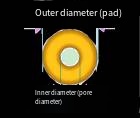
A través del diseño – El diámetro exterior debe ser al menos 0,2 mm mayor que el diámetro interior. (≥0,25 mm recomendado). Un equilibrio práctico: 0.3mm interior, 0.55mm exterior.
-
control de impedancia – Para señales de alta frecuencia, Ofrecemos impedancia controlada dentro de una tolerancia de ±10%..
-
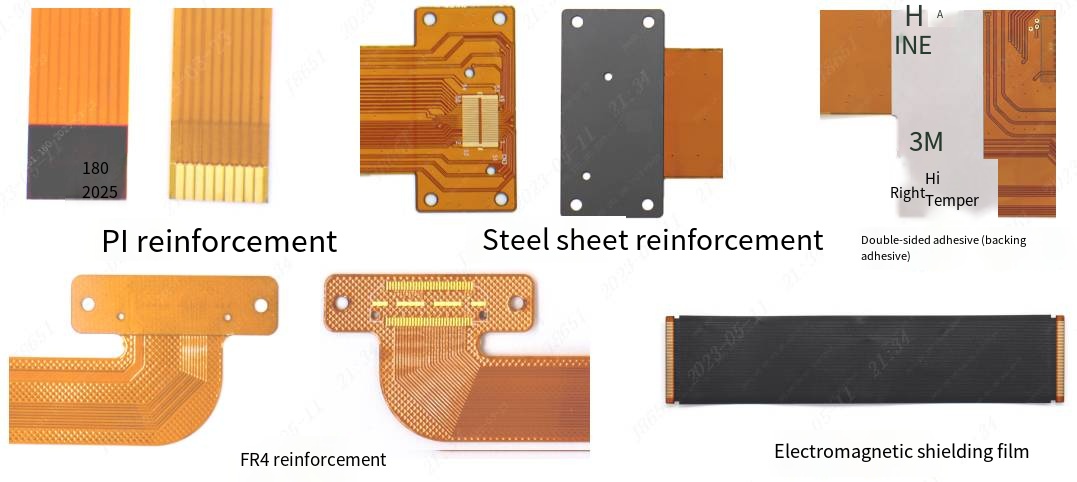
Diseño de refuerzo – Agregue refuerzos en las áreas de montaje de componentes o interfaces de conectores ZIF. Materiales comunes: PI, FR4, acero.
-
Diseño del área de flexión. – Evite vías y pads en zonas de curvatura repetidas. Trazos de recorrido a 90° o con arcos. Coloque la línea central de curvatura en áreas libres de cobre para maximizar la vida útil de la flexión..
Descripción general del flujo de producción
UGPCB sigue las especificaciones de rendimiento IPC-6013 a través de estos pasos clave:
-
corte de materiales – Cortar el material base PI/PET a medida.
-
Perforación – Mecánico o perforación láser. Diámetro mínimo del agujero 0,1 mm..
-
Cobre no electrolítico / enchapado – Deposite cobre conductor en las paredes del agujero para formar PTH..
-
Patrones de circuitos – Laminar película seca → exponer → revelar → grabar → pelar película para crear circuitos finos.
-
Laminación de cubierta – Aplicar recubrimiento como protección de máscara de soldadura.
-
Accesorio de refuerzo – Bono PI, FR4, o refuerzos de acero en áreas reforzadas.
-
Acabado superficial - ACEPTAR (Oro de inmersión de níquel químico) o OSP.
-
Contorno exterior – Troquelado o corte por láser.
-
prueba electrica – Pruebas de continuidad e impedancia (desviación ≤ ±8%).
-
FQC & embalaje - AOI, inspección dimensional, y embalaje final.
¿Por qué elegir UGPCB para placas de circuitos flexibles FPC??
1. Soluciones personalizadas con especificaciones completas - Apoyo 1 a 24 capas, Materiales base PI/PET, múltiples acabados superficiales, y colores de máscara de soldadura. Satisface sus necesidades de diseño únicas.
2. Precisión líder en la industria – Traza/espacio de 1,5 mil/1,5 mil, 0.1mm diámetro mínimo del agujero, y 0,1 mm de espesor acabado. Permite diseños de interconexión de alta densidad.
3. Cumplimiento estricto de IPC – Todos los productos FPC siguen los estándares de diseño IPC-2221 y las especificaciones de rendimiento IPC-6013.. Calidad garantizada.
4. Servicio integral de ensamblaje de PCBA – UGPCB no sólo fabrica FPC desnudos de alta calidad sino que también proporciona Asamblea de PCBA. Nos encargamos del abastecimiento de componentes., Colocación SMT, y pruebas de producto terminado. Esto agiliza su cadena de suministro desde tarjeta de circuito impreso a tarjeta de circuito impreso, ahorrando costos de comunicación y acortando el tiempo de comercialización. Póngase en contacto con nuestros ingenieros técnicos de ventas para obtener más detalles del servicio PCBA.
5. Respuesta rápida y soporte flexible – Ya sea que necesite creación de prototipos o producción en masa, ponemos sus necesidades primero. Espere profesional, eficiente, y servicio FPC personalizado confiable.
Cómo obtener una cotización?
UGPCB aspira a ser su socio FPC de confianza. Para solicitar un presupuesto o consulta técnica, por favor contáctenos con:
-
Tus archivos de diseño – Archivos Gerber, especificación de diseño, o lista de materiales.
-
Parámetros clave – Recuento de capas, tipo de material base, espesor acabado, peso de cobre, acabado superficial, rastreo mínimo/espacio, diámetro mínimo del agujero.
-
Cantidad y plazo de entrega – Cantidad de muestra, volumen de producción en masa, y fecha prevista de entrega.
Nuestros ingenieros técnicos proporcionarán un análisis DFM profesional y una cotización precisa dentro de 24 horas.
👉 Solicite una cotización hoy y comience su viaje FPC personalizado!
Referencias de datos
Los datos clave de este documento provienen de:
-
✅IPC-6013E-2021 – Especificación de calificación y rendimiento para tableros impresos flexibles y rígido-flexibles
-
✅IPC-2221 – Norma genérica sobre diseño de tableros impresos
-
✅ Investigación BCC (2026) - Informe de mercado global de PCB flexibles
-
✅ Investigación y Mercados (2026) - Informe de mercado de placas de circuito impreso flexibles
-
✅ Especificaciones técnicas FPC estándar de la industria (basado en los parámetros JLCPCB FPC)
Contáctenos para cotizaciones rápidas de FPC y soporte profesional.
© UGPCB. Reservados todos los derechos.