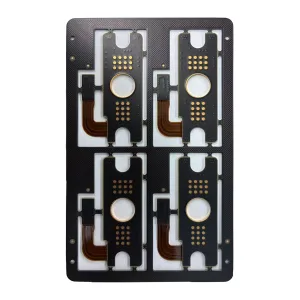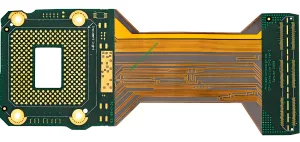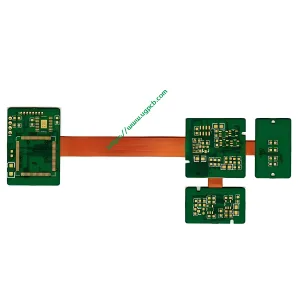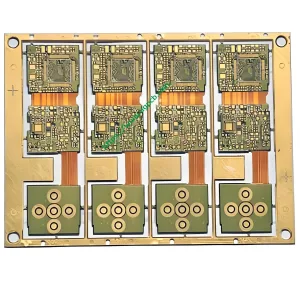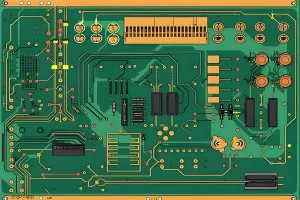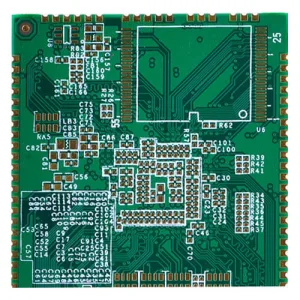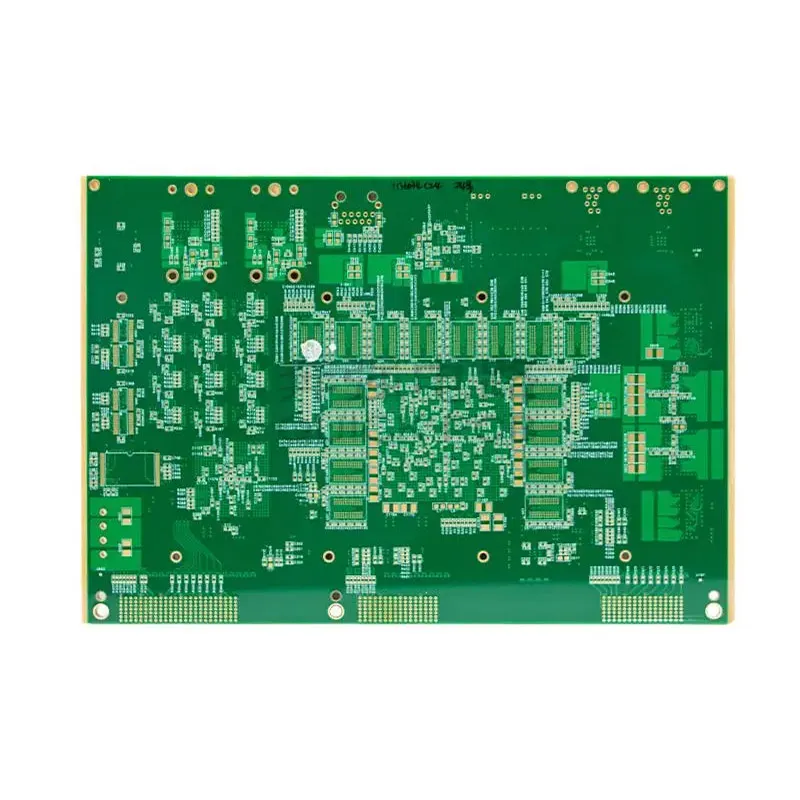
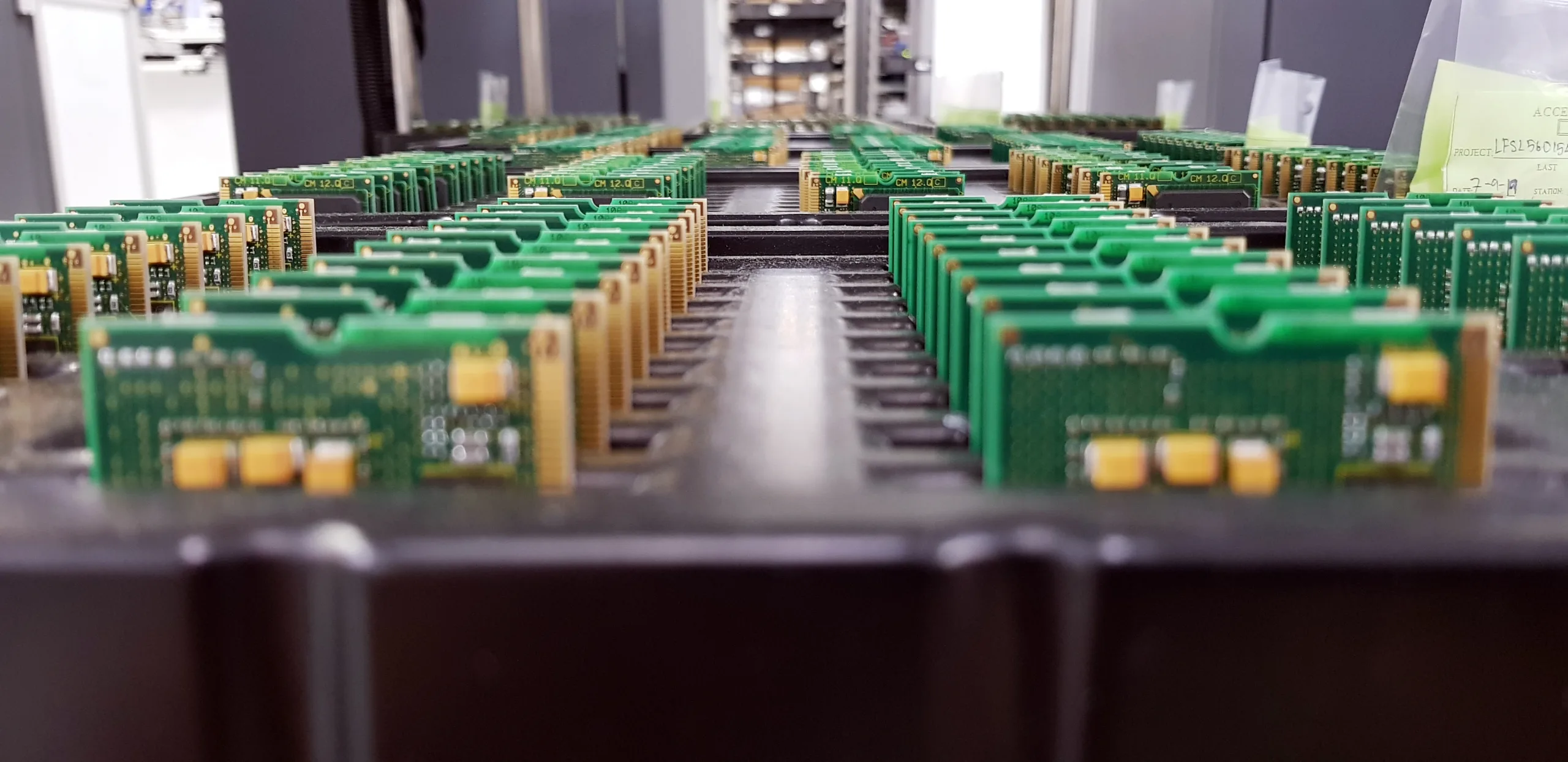
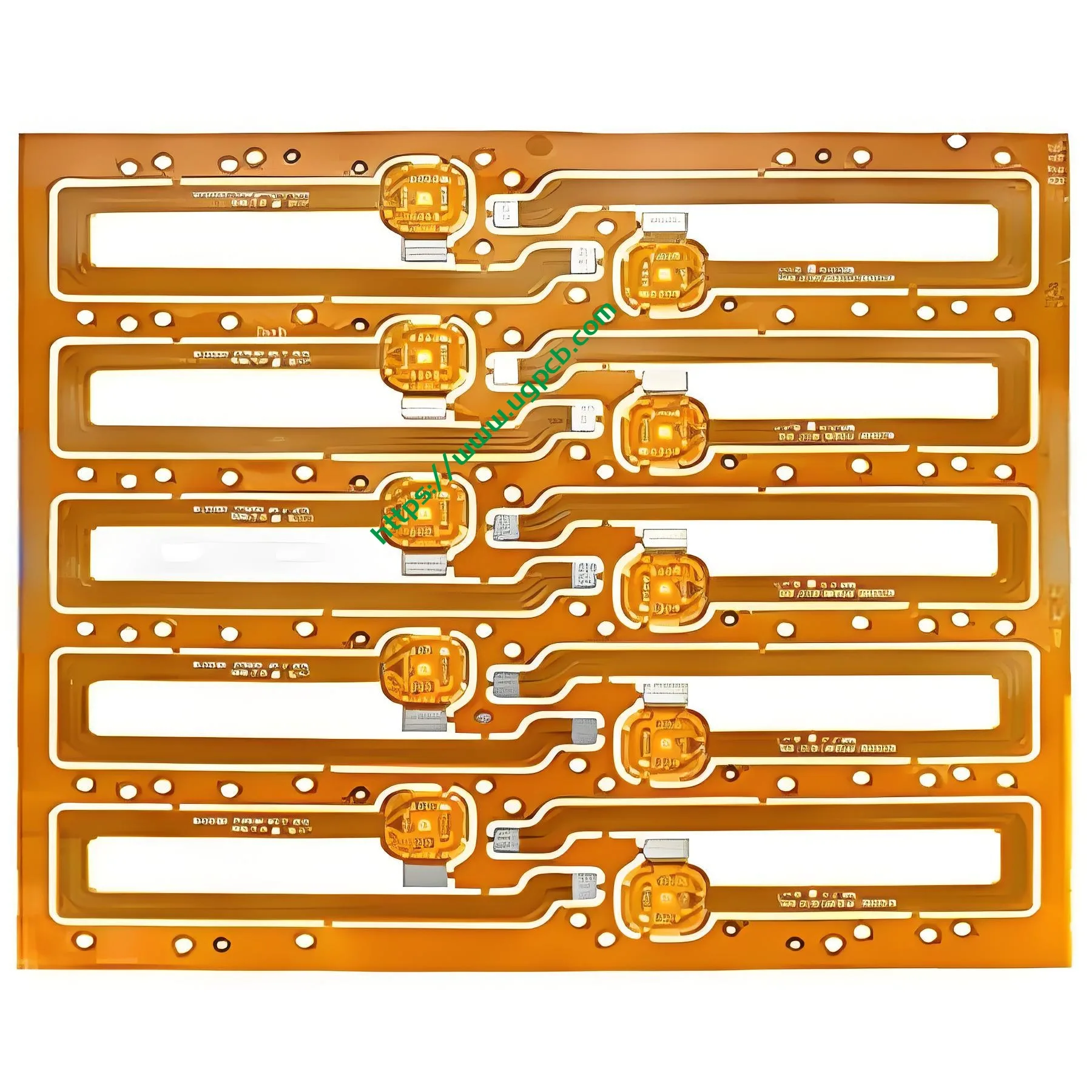
Introducción del producto: Identificación de huellas dactilares FPCB: el portador crítico en la era biométrica
Con la rápida adopción de teléfonos inteligentes de pantalla completa, cerraduras inteligentes, y sistemas de entrada de automóviles sin llave, identificación de huellas dactilares FPCB (Placa de circuito impreso flexible para identificación de huellas dactilares) se ha convertido en un componente esencial en los módulos biométricos. UGPCB aprovecha más de diez años de experiencia en la fabricación de circuitos flexibles para ofrecer un alto rendimiento identificación de huellas dactilares FPC Diseñado para módulos de huellas dactilares.. Nuestros productos combinan ingeniería de precisión con calidad estable para servir a clientes globales..
Este artículo cubre la definición del producto., elementos esenciales del diseño, principio de funcionamiento, materiales, estructura, actuación, proceso de fabricación, y aplicaciones. También explica por qué UGPCB es un socio confiable para su identificación de huellas dactilares FPC necesidades.
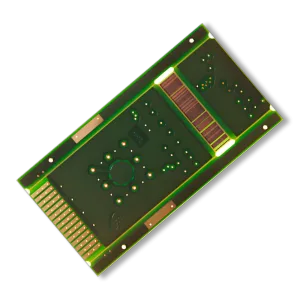
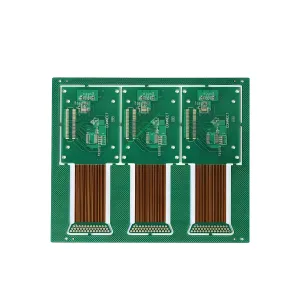
A identificación de huellas dactilares FPCB integra tecnología de detección de huellas dactilares con una placa de circuito impreso flexible. Usando poliimida (PI) como material base, Permite la transmisión de señales de alta velocidad entre el sensor de huellas dactilares y el chip de control.. Comparado con rígido PCB, el identificación de huellas dactilares FPC es flexible, ultrafino, y ligero. Se adapta a entornos de montaje complejos, como pantallas de teléfonos plegables., cubiertas curvas, y carcasas mecánicas compactas.
Descripción general del producto: Parámetros clave de FPCB de identificación de huellas dactilares de UGPCB
UGPCB identificación de huellas dactilares FPCB sigue estrictamente IPC-6013 (Especificación de calificación y rendimiento para tableros impresos flexibles). Los parámetros clave se enumeran a continuación.
| Parámetro | Especificación | Estándar / Nota |
|---|---|---|
| Modelo | Identificación de huellas dactilares FPCB | Modelo personalizado UGPCB |
| Materia prima | poliimida (PI) | UL 94 V-0 calificación de llamas |
| Recuento de capas | 2 capas | tablero de doble cara |
| Color de cubierta | Amarillo / Blanco | Opcional |
| Espesor terminado | 0.15milímetros | Cumple con el estándar de electrónica de consumo. (0.08–0.5 mm) |
| Espesor de cobre | 0.5 ONZ (18μm) | Tolerancia IPC-6013D ±12% |
| Acabado superficial | Oro de inmersión (ACEPTAR) | Alta resistencia al desgaste para módulos de huellas dactilares |
Notas fuente: IPC-6013D especifica la tolerancia del espesor del material base ±8% y la tolerancia del espesor del cobre ±12%.. UL 94 V-0 requiere autoextinguimiento dentro 10 segundos y sin goteos llameantes. JPCA-ET04 requiere un radio de curvatura mínimo ≥10T (T = espesor total).
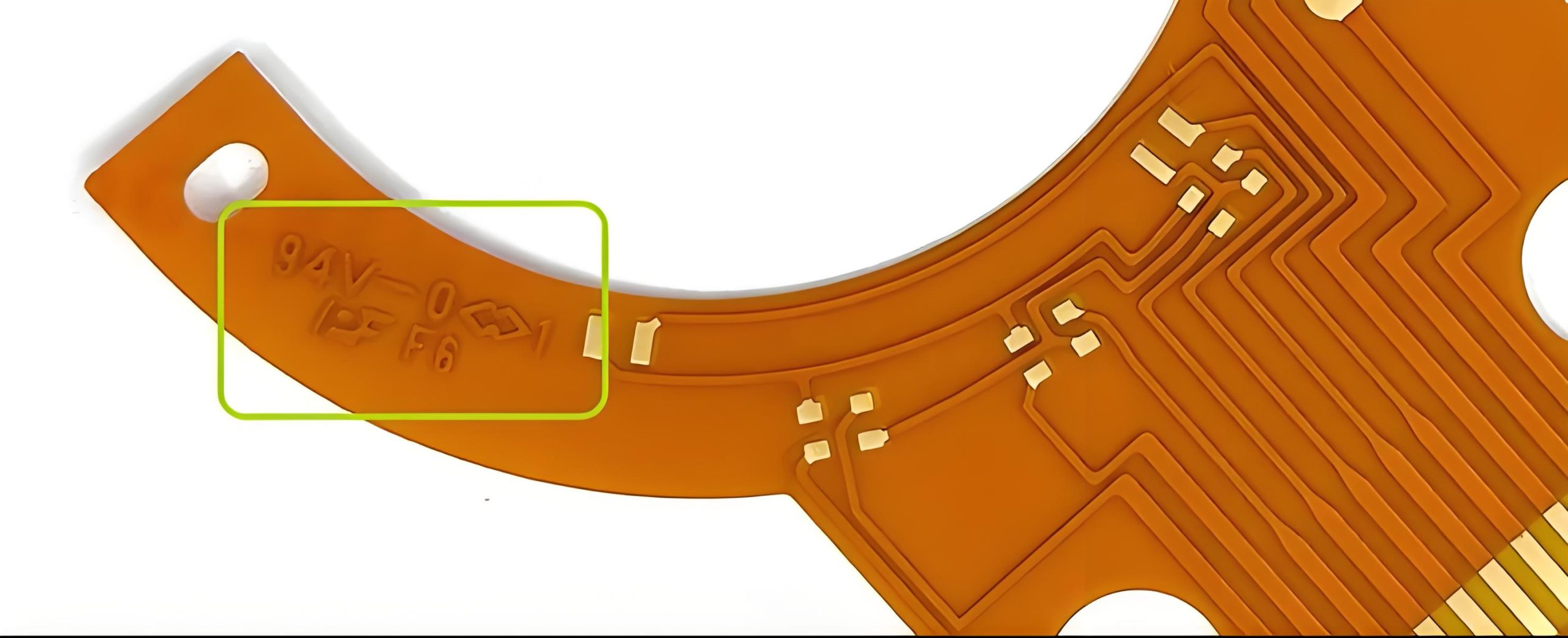
Definición y Clasificación Científica de la Identificación Dactilar FPCB
Definición
A identificación de huellas dactilares FPC Es una placa de circuito flexible especializada que integra profundamente la tecnología de detección de huellas dactilares.. Proporciona conexión eléctrica y soporte mecánico para el sensor de huellas dactilares., controlador IC, y chip de procesamiento de señal. Garantiza una captura fiable de huellas dactilares, procesamiento de señales, y transmisión de datos.
Clasificación científica
Basado en principios de detección de huellas dactilares, identificación de huellas dactilares FPCB admite tres tipos de módulos:
-
Módulo capacitivo de huellas dactilares FPC – Utiliza diferencias de capacitancia entre crestas y valles.. Esta es la solución principal en electrónica de consumo..
-
Módulo óptico de huellas dactilares FPC – Captura imágenes de huellas dactilares mediante refracción y reflexión de la luz..
-
Módulo ultrasónico de huellas dactilares FPC – Utiliza ultrasonido reflejado para crear imágenes de huellas dactilares en 3D.. Ofrece una fuerte penetración y alta seguridad..
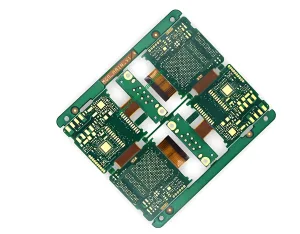
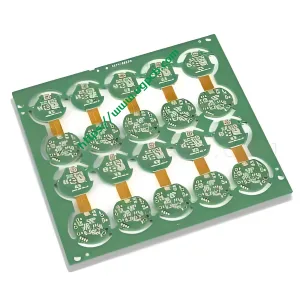
Basado en la estructura FPC, Los tipos comunes incluyen FPC estándar de doble cara., FPC con electrodos elevados, y tableros rígido-flexibles. El FPC PI de doble cara de 2 capas de UGPCB pertenece a la categoría estándar de doble cara. Proporciona una alta rentabilidad., procesos maduros, y rendimiento estable.
Conceptos básicos de diseño para la identificación de huellas dactilares FPCB
1. Control de apilamiento y impedancia
La calidad de la transmisión de la señal afecta directamente la velocidad y precisión del reconocimiento de huellas dactilares.. UGPCB se centra en estos parámetros clave:
-
control de impedancia: 50Ω ±10% (árbitro. IPC-2223)
-
Pérdida de señal: <0.3dB/cm @ 40MHz
-
Constante dieléctrica: Material base PI 3,2 ± 0,2 a 1 GHz
2. Precisión de seguimiento y diseño vía
-
Ancho/espacio mínimo de línea: 60µm/60 µm
-
Diámetro mínimo vía: 0.15milímetros (estándar), 0.1milímetros (tono fino)
-
A través del espesor del cobre: ≥8μm (Cumple con IPC-6013D)
3. Planitud del tablero
El identificación de huellas dactilares FPC requiere planitud <50μm. Esto garantiza la coplanaridad y la confiabilidad de la soldadura durante el ensamblaje SMT para el sensor y el IC..
4. Compatibilidad electromagnética (CEM) Diseño
Los módulos de huellas dactilares son sensibles a las interferencias electromagnéticas. (EMI). La UGPCB incorpora las siguientes medidas:
-
Acoplamiento estrecho entre las capas de señal y tierra para minimizar el área del bucle.
-
Rastreos de guardia terrestre alrededor de líneas de señales críticas.
-
Resistencia a tierra de la lámina de acero del refuerzo ≤1Ω para una descarga ESD efectiva.
Principio de funcionamiento de la identificación de huellas dactilares FPCB
Usando como ejemplo la detección capacitiva de huellas dactilares más común, el identificación de huellas dactilares FPC funciona en cuatro pasos.
Paso 1: Captura de huellas dactilares. Cuando un dedo toca el sensor, el dedo actúa como una placa de condensador y el conjunto de sensores de silicio actúa como la otra placa. Crestas (protuberancias) y valles (lagunas) crear diferentes distancias, por lo tanto diferentes valores de capacitancia. El sensor capacitivo lee estas diferencias para capturar señales de huellas dactilares sin procesar.
Paso 2: Transmisión de señal. Las señales de huellas dactilares en bruto viajan a través del identificación de huellas dactilares FPC al chip de procesamiento de señal. El diseño de baja pérdida del FPC garantiza la integridad de la señal y la inmunidad al ruido..
Paso 3: Procesamiento y comparación de señales.. El chip de procesamiento mejora, refina, y extrae características de la imagen de la huella digital. Compara las características extraídas con plantillas de huellas dactilares previamente almacenadas.. Los algoritmos de coincidencia incluyen coincidencias basadas en minucias, coincidencia basada en texturas, y métodos de aprendizaje profundo.
Paso 4: Salida de resultados. Cuando la similitud excede un umbral preestablecido, el sistema emite una señal de reconocimiento exitoso. Los principales sensores capacitivos actuales logran reconocimiento + velocidades de desbloqueo de 0,15 a 0,2 segundos. Los usuarios casi no experimentan retrasos perceptibles.
Materiales de Identificación Huella Dactilar FPCB
Materia prima: poliimida (PI)
UGPCB elige la poliimida (PI) como material base aislante para identificación de huellas dactilares FPCB. PI ofrece estas ventajas:
-
Resistencia a altas temperaturas: Resiste soldadura por reflujo por encima de 260 °C para montaje SMT..
-
Excelente aislamiento eléctrico: resistividad del volumen >10¹⁶ Ω·cm, alta rigidez dieléctrica.
-
Buena flexibilidad mecánica: Excelente vida a la fatiga por flexión para flexión dinámica..
-
Clasificación de llama: UL 94 V-0 conforme – se autoextingue dentro 10 artículos de segunda clase, sin goteos llameantes.
Lámina de cobre: 0.5 Cobre recocido laminado OZ
-
Espesor: 0.5 Oz ≈ 18 μm
-
Tipo: Cobre recocido laminado: mejor flexibilidad y resistencia a la flexión que el cobre electrodepositado.
-
Pureza: ≥99,8%Cu
Acabado superficial: Oro de inmersión (ACEPTAR)
-
Proceso: Oro por inmersión en níquel no electrolítico (ACEPTAR) – capa de níquel 2–6μm, capa de oro ≥0.05μm.
-
Ventajas: excelente planitud, buena soldabilidad, resistencia a la oxidación, resistencia a la corrosión, y múltiples ciclos de inserción.
-
Aplicaciones: Unión de cables y ensamblaje SMT para sensores de huellas dactilares..
Rendimiento de la identificación de huellas dactilares FPCB
Rendimiento eléctrico
| Parámetro | Valor |
|---|---|
| Resistencia de aislamiento | ≥10⁸Ω (condición normal) |
| Resistencia dieléctrica | 500En DC, 1 min sin avería |
| Resistencia de los conductores | ≤100Ω/100mm (rastros específicos) |
| control de impedancia | 50Ω ±10% |
Rendimiento mecánico
| Parámetro | Valor | Estándar |
|---|---|---|
| Vida de fatiga por flexión | ≥100.000 ciclos (R=3mm, 90° doblar) | - |
| Radio de curvatura mínimo | ≥10T (T = espesor total) | JPCA-ET04 |
| Fuerza de pelado | ≥0,8 kgf/cm | IPC-TM-650 |
Confiabilidad ambiental
| Artículo de prueba | Condición | Requisito |
|---|---|---|
| Almacenamiento a alta temperatura | 85°C, 1000H | Sin ampolla, Sin delaminación |
| Almacenamiento a baja temperatura | -40°C, 1000H | Rendimiento eléctrico normal |
| calor húmedo (estado estable) | 85°C/85% HR, 500H | Resistencia de aislamiento ≥10⁸ Ω |
| Choque térmico | -40°C ↔ 85°C, 100 ciclos | no abierto, no corto |
| Soldabilidad | 245°C±5°C, 3–5 segundos | Buena humectación ≥95% |
Proceso de fabricación de FPCB de identificación de huellas dactilares
UGPCB sigue los estándares IPC-6013. El proceso de producción para identificación de huellas dactilares FPCB incluye los siguientes pasos clave.
Descripción general del proceso
Fabricación de FPC desnudo → Impresión de pasta de soldadura → Pick-and-place SMT → Soldadura por reflujo → Inspección AOI → Dispensación de componentes → Corte por láser & Singulación → Relleno inferior → Horneado → Accesorio de tapa/anillo metálico → Horneado a presión → Prueba eléctrica final → Embalaje & envío
Puntos clave de control de calidad
-
Patrones de circuitos: Imagen directa con láser LDI con tolerancia de ancho de línea ±10%.
-
Laminación: Prensa caliente al vacío con fluctuación de presión. <5% para una buena adherencia de la capa.
-
Acabado superficial: Monitoreo del espesor del oro en línea para ENIG: capa de oro de 0,05 a 0,1 μm.
-
Inspección: AOI + prueba de sonda voladora + 4-prueba de baja resistencia del cable para 100% rendimiento eléctrico.
Procesos clave de ensamblaje SMT
Para identificación de huellas dactilares FPC, Se necesita atención especial durante SMT:
-
Diseño de plantilla: Para sensores de huellas dactilares BGA, use aberturas cuadradas con esquinas redondeadas. Relación de área ≥0,66.
-
Perfil de reflujo: Temperatura máxima 240–250°C, tiempo por encima de 220°C durante 60 a 90 segundos.
-
Precisión de colocación: Precisión de la máquina de recogida y colocación ±0,05 mm para una alineación precisa del chip a la almohadilla.
Características y ventajas principales
-
Ultrafino y ligero: El espesor del acabado de 0,15 mm ahorra un valioso espacio interno.
-
Alta flexibilidad: Se adapta a carcasas complejas curvadas y plegadas.. La vida de flexión dinámica excede 100,000 ciclos.
-
Transmisión de señal estable: La baja pérdida dieléctrica de PI garantiza la integridad de la señal de huellas dactilares.
-
Alta integración: Admite la integración del sensor de huellas dactilares, controlador IC, y cifrado IC en una placa.
-
Alta confiabilidad: Cumple con UL 94 V-0 clasificación de llama y requisitos de rendimiento IPC-6013.
-
Excelente soldabilidad: El acabado superficial ENIG garantiza un alto rendimiento del ensamblaje SMT.
Principales aplicaciones y escenarios de uso
1. Teléfonos inteligentes
El identificación de huellas dactilares FPC es un componente central para el desbloqueo de huellas dactilares debajo de la pantalla y los sensores de huellas dactilares de montaje lateral. En soluciones bajo pantalla, El FPC conecta el sensor de huellas dactilares a la placa base para la transmisión de señales de alta velocidad.. Hoy, La penetración del reconocimiento de huellas dactilares en los teléfonos inteligentes supera 70%, Con pantalla inferior como característica estándar en modelos de gama media y alta..
2. portátiles
Se utiliza para la autenticación de usuarios y el inicio de sesión del sistema.. El identificación de huellas dactilares FPC integra el sensor de huellas dactilares con un chip de cifrado, habilitando el inicio de sesión rápido, cifrado de archivos, y protección de datos.
3. Cerraduras inteligentes
En cerraduras inteligentes, el identificación de huellas dactilares FPCB debe resistir el agua, polvo, y descarga electrostática. Garantiza un funcionamiento estable a largo plazo en entornos exteriores hostiles.. Encima 90% de las cerraduras inteligentes ahora incluyen reconocimiento de huellas dactilares.
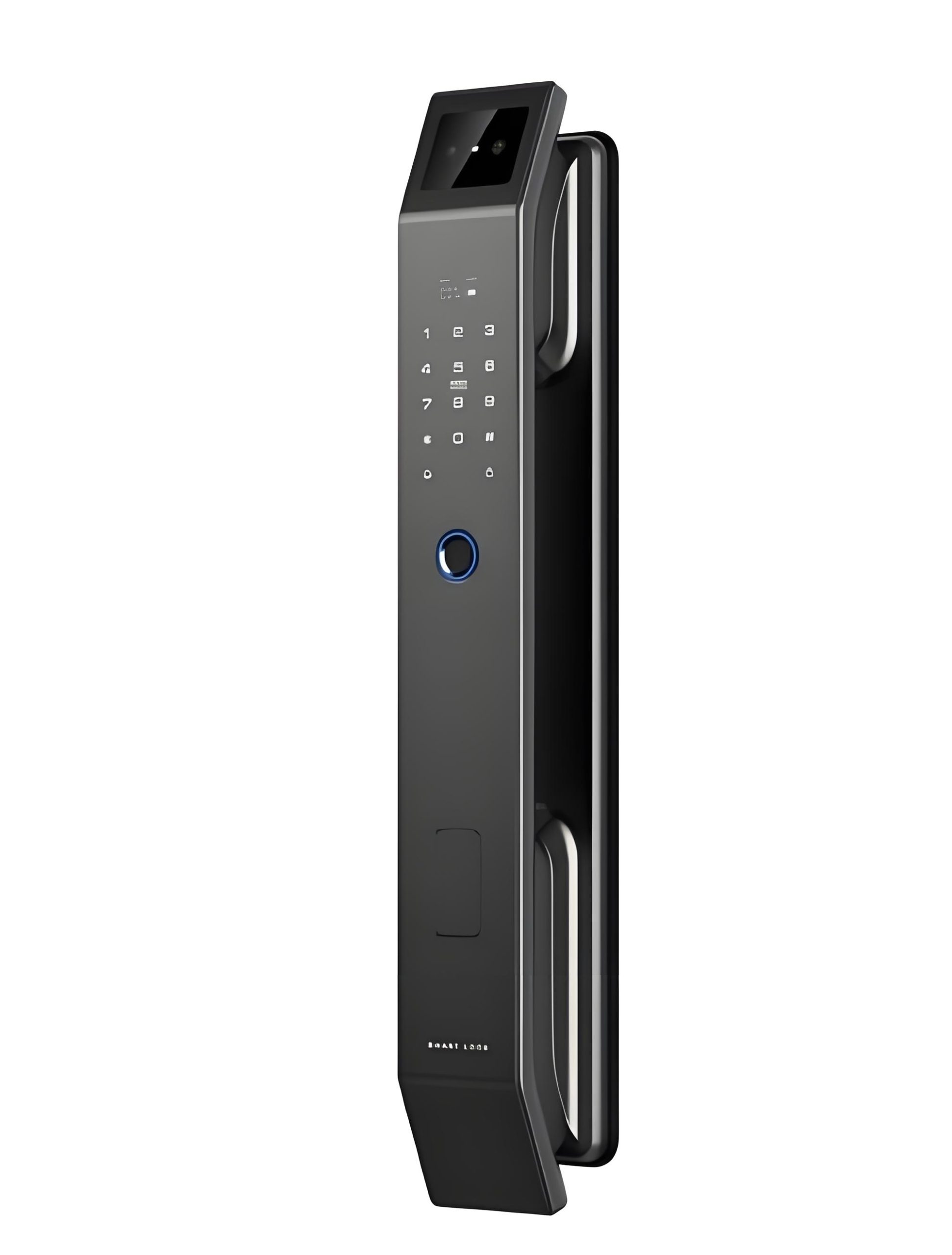
Cerradura inteligente
4. Electrónica automotriz
Las aplicaciones incluyen sistemas de entrada sin llave., botones de inicio, y reconocimiento de huellas dactilares en el volante. Estos sistemas verifican la identidad del conductor y mejoran la seguridad del vehículo.
5. Terminales de Pago Financiero
Uso de sistemas POS y quioscos financieros de autoservicio identificación de huellas dactilares FPC para verificación de pagos y autorización de transacciones.
6. Dispositivos portátiles inteligentes
Los relojes inteligentes y las pulseras de fitness requieren diseños extremadamente compactos y ligeros. El identificación de huellas dactilares FPC permite la integración de alta densidad en estos dispositivos.
Perspectivas del mercado y tendencias de la industria
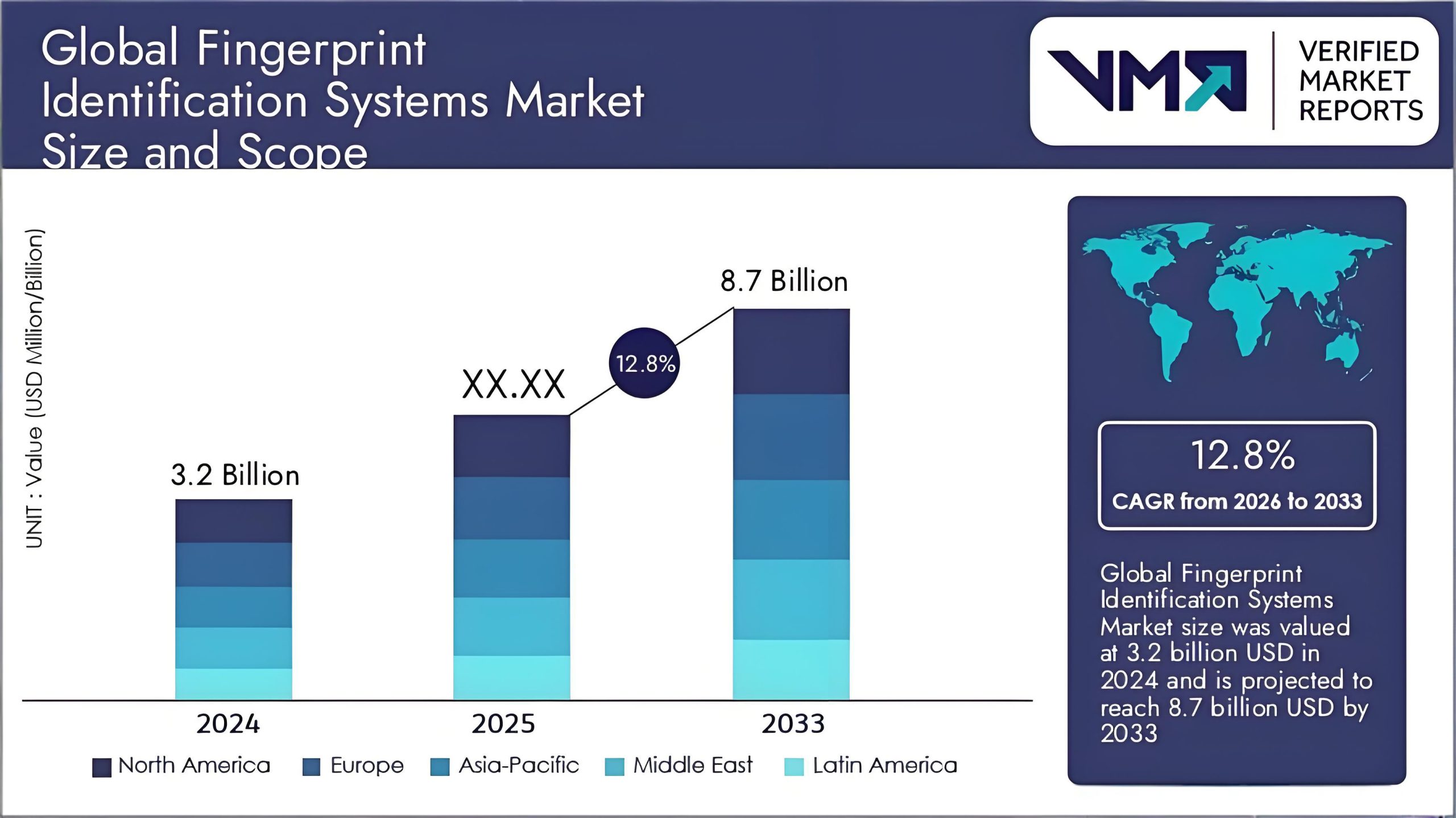
Según una investigación de mercado, Se espera que el mercado mundial de módulos capacitivos de huellas dactilares crezca de $8.857 mil millones en 2025 a $16.290 mil millones por 2031, a una tasa compuesta 10.7%. El mercado de sensores de huellas dactilares se valoró en aproximadamente $4.8 mil millones en 2024 y se prevé que alcance $8.9 mil millones por 2031, con una CAGR de aproximadamente 5.50%.
en china, El mercado del reconocimiento de huellas dactilares se estima en 20.000 millones de yenes.. La electrónica de consumo representa aproximadamente 60%, y seguridad inteligente (incluyendo cerraduras inteligentes) cuentas sobre 25%. Aplicaciones emergentes como cerraduras inteligentes, wearables, y la automoción se están convirtiendo en la segunda curva de crecimiento del reconocimiento de huellas dactilares.
Por qué elegir UGPCB Identificación de huellas dactilares FPCB?
Capacidad de fabricación profesional
-
Más de diez años de FPC R&D y experiencia en fabricación..
-
Cumplimiento total de los estándares IPC-6013 y UL.
-
100% pruebas eléctricas y verificación de confiabilidad.
Sistema de Garantía de Calidad
-
UL 94 V-0 certificación de clasificación de llama.
-
Control de calidad de tres niveles: inspección entrante, control en proceso, e inspección completa final.
Servicios de personalización flexibles
-
Admite personalización de color, espesor, acabado superficial, y más.
-
Servicio integral desde la revisión del diseño., muestreo de prototipos, a la producción en masa.
Obtenga su muestra y cotización de FPCB de identificación de huellas dactilares UGPCB hoy
UGPCB se compromete a proporcionar alta calidad, rentable identificación de huellas dactilares FPCB a clientes globales. Ya sea que esté desarrollando módulos de huellas dactilares para teléfonos inteligentes, soluciones de cerraduras inteligentes, o proyectos de electrónica automotriz, UGPCB ofrece soluciones profesionales de placas de circuitos flexibles.
Toma acción ahora:
-
📞 Llame a nuestra línea directa de soporte para obtener asistencia técnica.
-
📧 Envíe sus archivos de diseño a nuestro correo electrónico de ventas para obtener una cotización rápida.
-
🌐 Visite el sitio web de UGPCB para enviar su consulta en línea.
El equipo profesional de UGPCB responderá en el plazo 24 horas. Apoyamos identificación de huellas dactilares FPC creación de prototipos de muestra, producción en masa, y servicios personalizados.