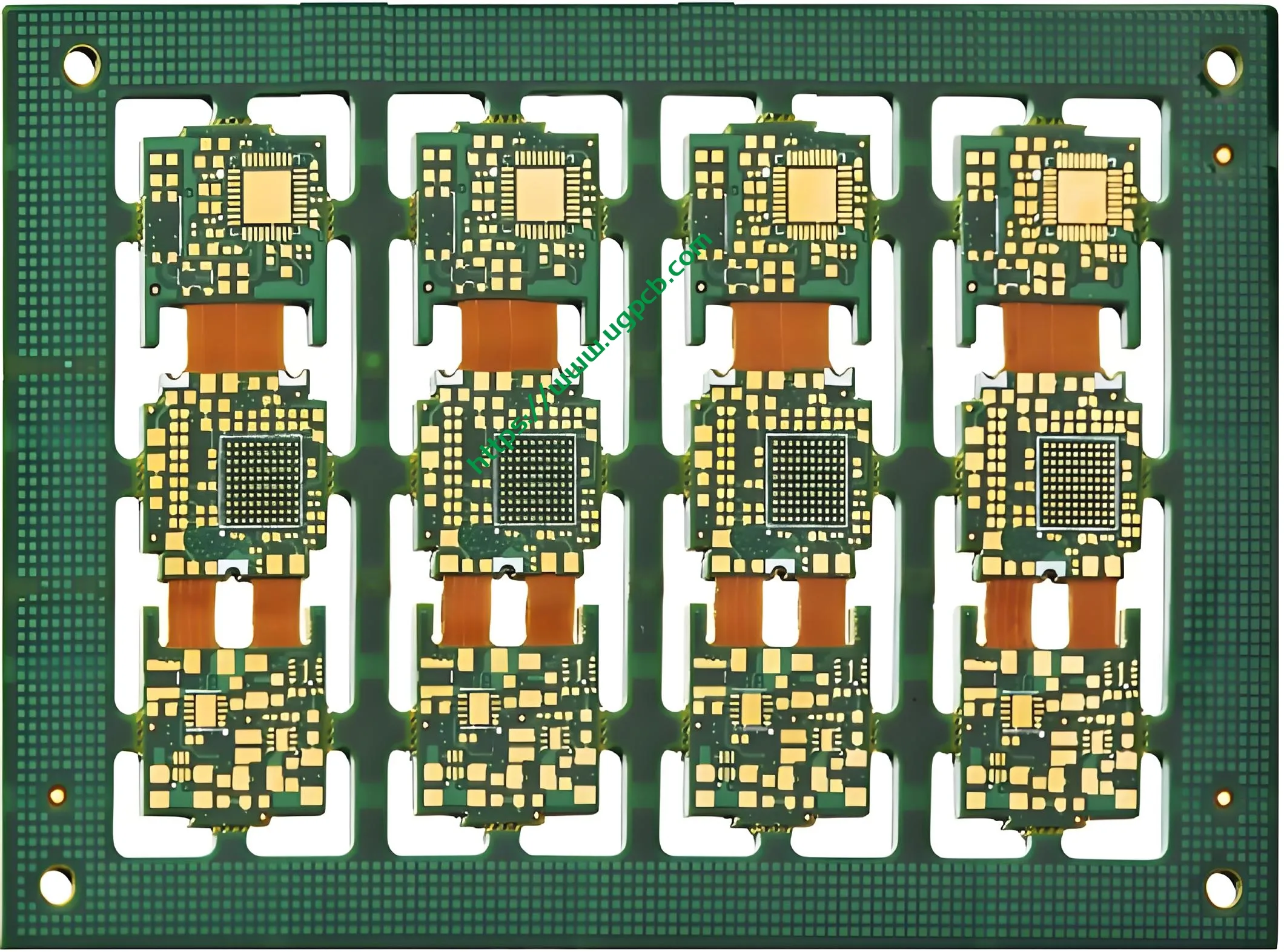
제품개요 | Integrated & Streamlined Electronics Architecture
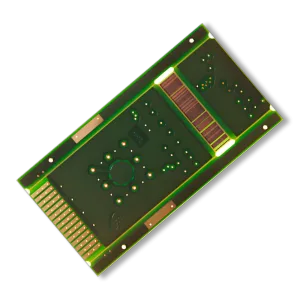
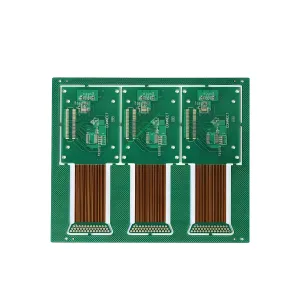
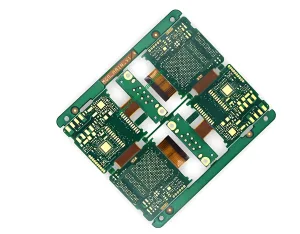
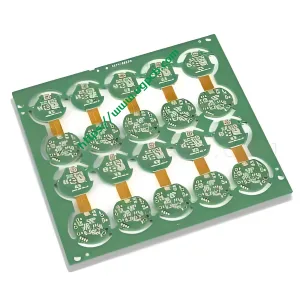
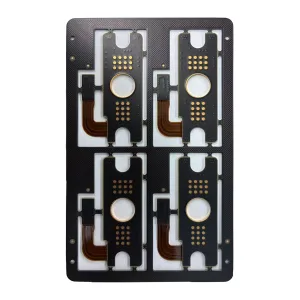
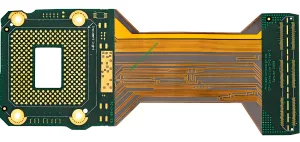
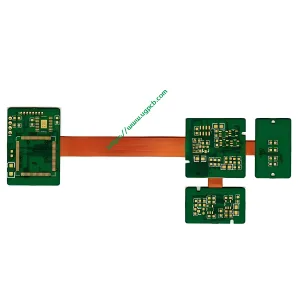
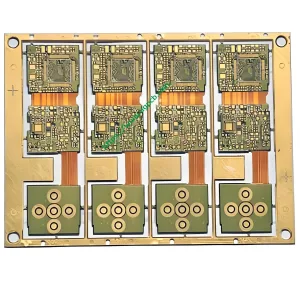
그만큼 6 layers rigid-flex PCB combines multilayer rigid boards with flexible circuits through a precise lamination process. This structure lifts 3D assembly capability to a new level. UGPCB designs this model specifically for demanding medical applications. The final board thickness is 1.0mm. The surface uses ENIG 2µ“ (침수 금). This finish ensures excellent flatness and delivers superior electrical performance for high-density component placement.
Technical Definition & 분류 | IPC-6013E Compliance
According to IPC-6013E, 에이 rigid-flex printed board has three or more conductive layers. It contains both rigid and flexible materials with plated through holes. For accurate data tracking and traceability, classify the product using these dimensions:
-
Stack-up classification: 2+2+2 multilayer hybrid (1.0mm 총 두께)
-
IPC 성능 등급: 수업 3 (critical for medical devices requiring continuous operation)
-
재료 시스템: 합성물 (FR-4 rigid area + PI polyimide flex area)
-
표면 마감: 2μ“에 동의 (침수 금)
-
응용 분야: Professional medical electronics
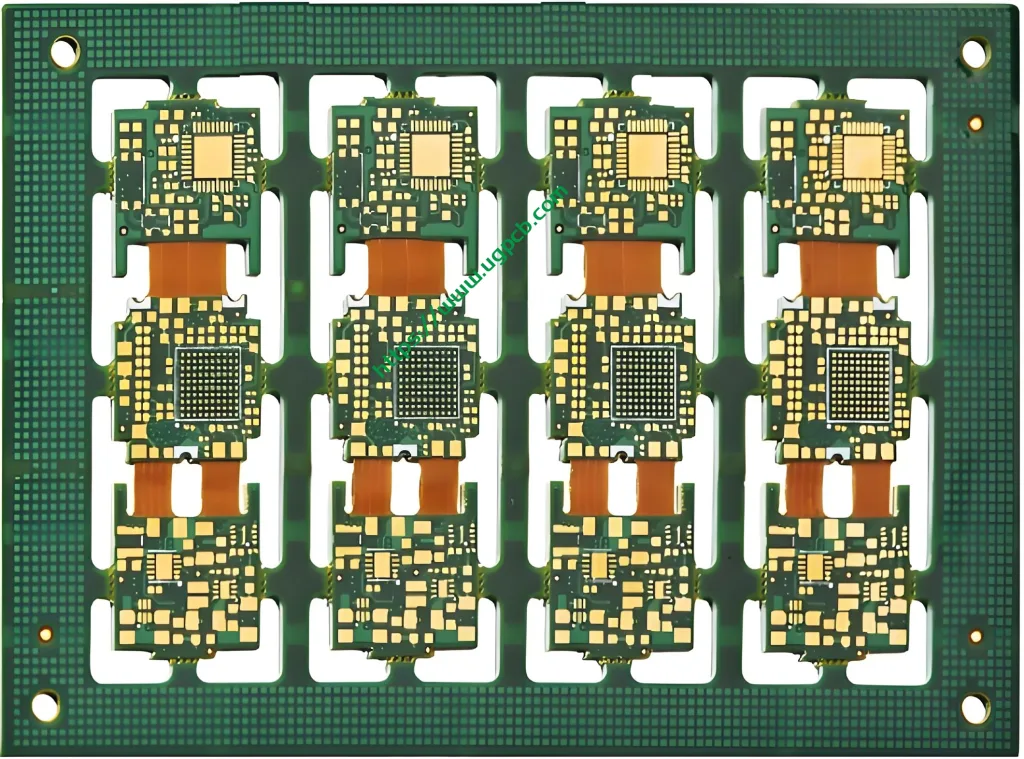
재료 선택 & 스택업 | PI and FR-4 Gold Combination
Material selection sets the performance ceiling for any 6 layers rigid-flex PCB. UGPCB uses an advanced FR-4 + PI composite system.
-
견고한 영역 (FR-4): High-Tg material provides mechanical support and heat dissipation for large chips, 커넥터, and heavy components.
-
플렉스 영역 (폴리이미드 – PI): The flexible core uses polyimide. 2L FCCL (adhesive-less copper) offers better high-temperature dimensional stability and bend life than 3L FCCL. Peel strength must meet IPC-TM-650 2.4.9, typically ≥0.8 N/mm, to prevent delamination during dynamic bending.
-
스택 업 디자인 (2+2+2): Two flexible layers and four rigid layers interlock. This sandwich structure keeps 1.0mm total thickness while providing full shielding for signal layers.
작동 원리 & 신호 무결성 | Seamless Interconnection
From an electrical path view, the working principle of a 6 layers rigid-flex PCB is straightforward yet clever. In a traditional “PCB + 커넥터 + FPC” setup, each connector introduces impedance discontinuity and insertion loss.
In a rigid-flex board, copper traces between flex and rigid layers connect directly through plated through holes (PTH), 블라인드 비아, 그리고 매장된 비아. This seamless connection reduces signal reflection during PCBA 조립. For high-precision medical imaging equipment running at GHz frequencies, seamless interconnection directly affects imaging clarity and algorithmic recovery.
Key Design Specifications & 매개 변수 | Engineering Metrics
UGPCB sets tight design and manufacturing tolerances for the 6 layers rigid-flex PCB to ensure producibility and high reliability. See the table below.
| 매개 변수 | 사양 | Engineering Note & 기준 |
|---|---|---|
| Product model | 6 레이어 Rigid-Flex PCB | High-density hybrid structure |
| Layer stack | 2+2+2 | 6 circuit layers (4 엄격한, 2 몸을 풀다) |
| 완성 된 두께 | 1.0 mm | Fits compact medical device housings |
| 기본 재료 | FR-4 + PI | Mechanical support + 동적 굽힘 |
| 최소 선 너비/공간 | 0.15 mm / 0.15 mm | Enables complex high-density routing |
| 구리 두께 | 1 온스 (35 μm) | Ensures current capacity and copper ductility in flex zones |
| 표면 마감 | 2μ“에 동의 (침수 금) | ROHS 준수, good solderability and oxidation resistance |
| 솔더 마스크 색상 | 녹색 / 하얀색 | Common colors for medical devices |
| 작동 온도 | -40°C ~ +125°C | Passes thermal cycling tests for harsh medical environments |
*Design follows IPC-2223. Minimum bend radius in dynamic bending must be ≥10× board thickness. For static bending or installation, use ≥6× thickness to avoid copper fatigue fracture.*
주요 특징 & 디자인 장점 | Structural Benefits
UGPCB 6 layers rigid-flex PCB offers these core competitive advantages:
-
Seamless internal interconnection: Eliminates board-to-board connectors, reducing BOM B2B connector count and overall PCB 무게.
-
Excellent 3D space adaptability: The 1.0mm slim profile and PI material allow maximum bending along medical device housing curves for odd-form layouts.
-
High vibration resistance: Removing the weakest mechanical link (커넥터) gives rigid-flex boards superior performance in pacemakers or portable monitors under vibration.
-
신호 무결성: In a 6-layer stack, inner layers can serve as solid power and ground planes. These provide perfect reference planes for top-layer signals with ENIG 2µ“ finish.
제조공정, 품질보증 & IPC 표준 | Tight Process Control
제조 6 layers rigid-flex PCB is much more complex than ordinary multilayer boards. UGPCB strictly controls these key steps to meet IPC-6013 Class 3, the highest reliability standard for medical, 항공우주, 군사용 애플리케이션.
-
절단 & 내부층 이미징
Clean copper foil, FR-4, and PI substrates. 사용 LDI (레이저 직접 이미징) to achieve ±20 µm registration accuracy for 0.15 mm fine lines. -
라미네이션 (중요한 단계)
Bond rigid FR-4 sections with flexible PI sections in a vacuum laminator at 180°C ±5°C with precise pressure. Control the adhesive flow to prevent resin bleed into the bend area, which should stay glue-free. -
교련 & 금속화
Combine mechanical and laser drilling. Because PI and FR-4 differ, use a plasma desmear process to ensure good PTH hole wall roughness and adhesion. -
도금 & 표면 마감
After full-board copper plating, apply ENIG 2µ“ immersion gold. Medical industry prefers this finish for its flat surface and excellent biocompatibility. -
Reliability testing per IPC-TM-650
-
Bend cycle test: evaluates flex life
-
Thermal stress test: simulates reflow and thermal shock
-
Microsection analysis: verifies PTH copper integrity and lamination bond line
-
응용 | 의료 & High-End Industrial Focus
UGPCB developed this 1.0mm 6 layers rigid-flex PCB for high-standard scenarios that demand extreme space utilization and reliability.
-
의료 영상 & 초음파 프로브: Inside a tiny transducer handle, dense components need the board to fold and assemble in a tight 3D space.
-
이식형 의료기기: Pacemakers and neurostimulators require small size, 가벼운 무게, and connector-free high reliability.
-
Portable monitors: The rigid area supports chips with enough strength, while the flex area folds for screen connections.
-
Minimally invasive surgical tools: Laparoscopic and robotic instruments need highly integrated PCBA components within a very narrow inner diameter.
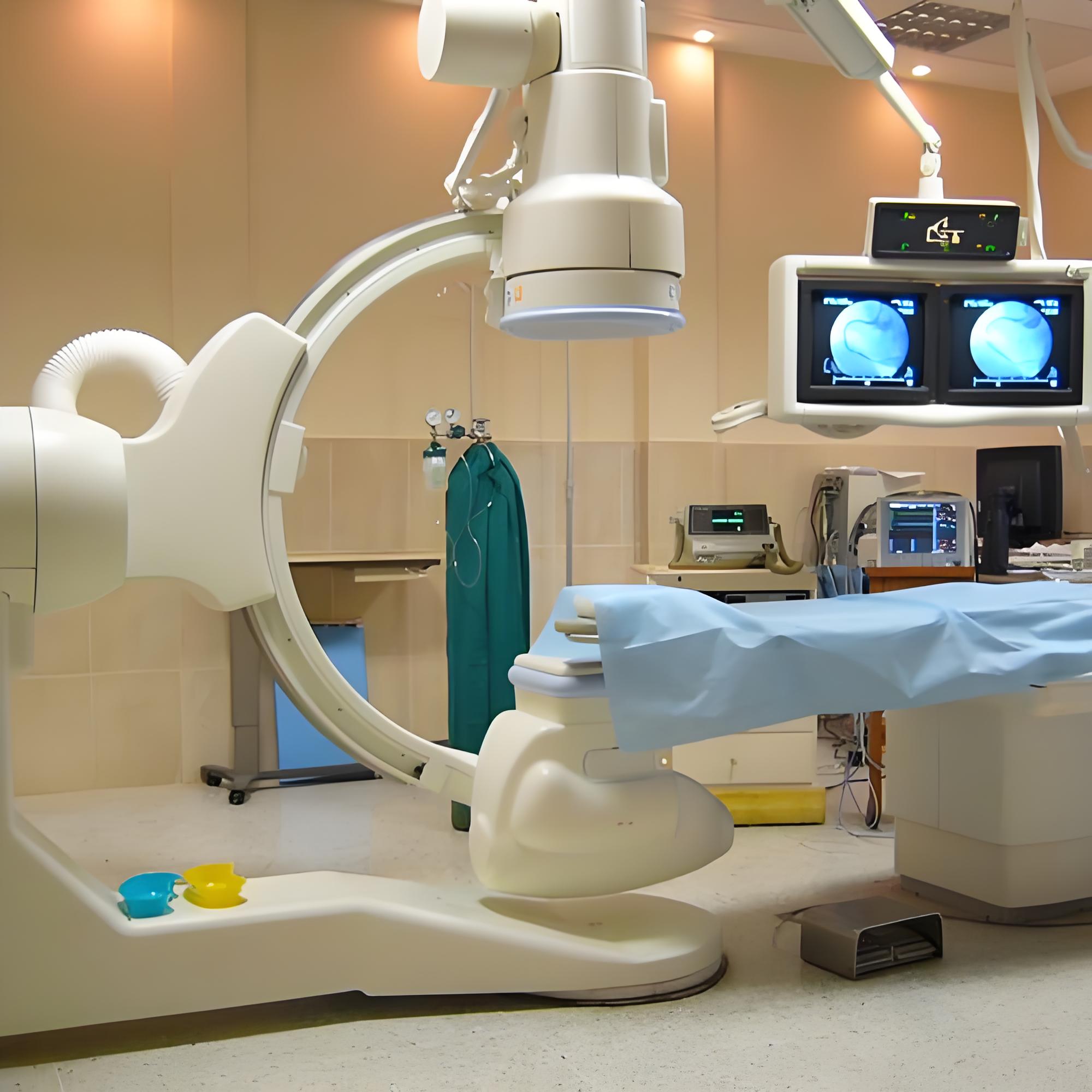
시장 동향: 글로벌 리지드 플렉스 PCB market was valued at about 2.604billionin2025.Itisexpectedtoreach3.726 10억 단위로 2032, CAGR로 5.25%. In the medical PCB segment, growth drivers are especially strong. Designers are adopting finer line/space and HDI technology more widely.
왜 UGPCB? | Your 6 Layers Rigid-Flex PCB Manufacturer
복잡한 6 layers rigid-flex PCB projects need a manufacturer with mature technology and engineering support. UGPCB has an advanced HDI production line and experienced engineers who specialize in flex lamination. 우리는 약속한다:
-
무료 DFM 확인: Get manufacturability feedback on rigid-flex transition areas before ordering.
-
엄격한 IPC 준수: Mass production follows IPC-6013 Class 3 / 수업 2 표준.
-
Quality service: Prototyping and volume production get the same top-level quality.
-
빠른 전환 프로토 타이핑: For medical project rapid needs, we offer expedited production.
📞 Get Your Quick PCB Quote
UGPCB provides custom 6 layers rigid-flex PCB solutions with ENIG 2µ“ finish and 1.0mm special thickness control. Visit our official website or send your Gerber files to sales@ugpcb.com for technical support.