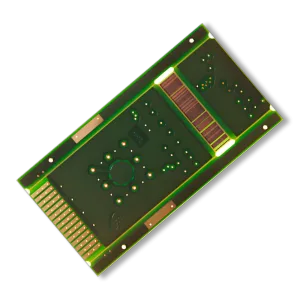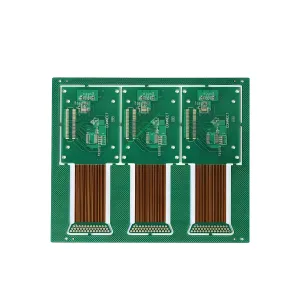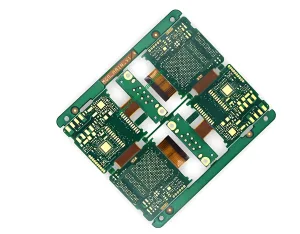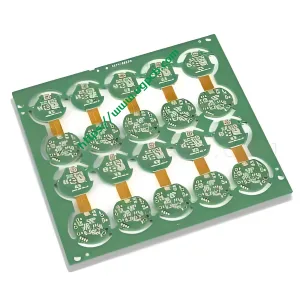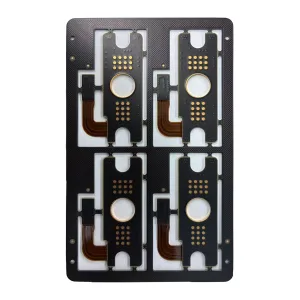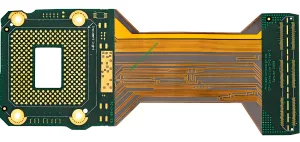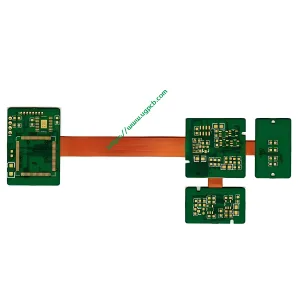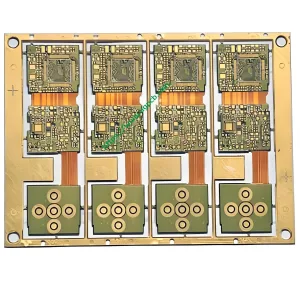
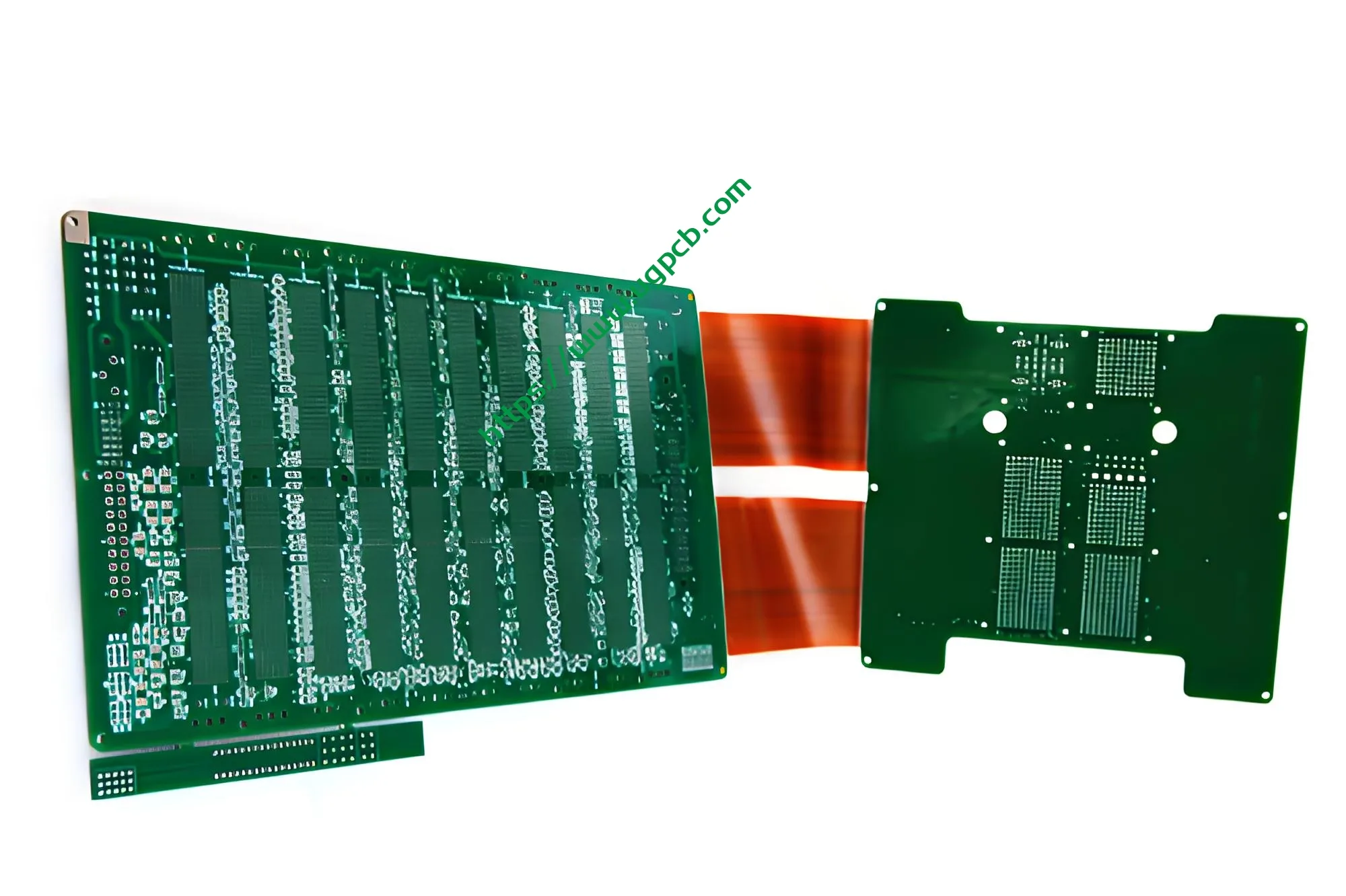
No cenário eletrônico acelerado de hoje, a demanda por compactos, leve, e soluções de interconexão altamente confiáveis nunca foram tão boas. Esteja você desenvolvendo dispositivos vestíveis, instrumentos médicos, ou sistemas digitais avançados, PCBs rígido-flexíveis são a tecnologia fundamental que preenche a lacuna entre estabilidade rígida e flexibilidade dinâmica. No UGPCB, somos especializados em fornecer engenharia de precisão protótipos de PCB rígido-flexível que atendem aos mais rigorosos requisitos de design e desempenho. Este guia irá orientá-lo em todos os aspectos do nosso produto em destaque - um 2+2+2 PCB rígido-flexível construído com FR-4 e poliimida - e mostrar por que é a escolha ideal para o seu próximo digital Protótipo de PCB projeto.
O que é um PCB rígido-flex (R-FPCB)?
UM PCB rígido-flexível, frequentemente abreviado como R-FPCB, é uma placa de circuito impresso híbrida que combina materiais de substrato rígidos e flexíveis em uma única estrutura integrada. Ao contrário do rígido tradicional PCB que usam apenas laminados rígidos, ou circuitos flexíveis autônomos, PCBs rígido-flexíveis permitem embalagens tridimensionais eliminando conectores e cabos planos entre seções rígidas. Esta integração perfeita melhora significativamente a integridade do sinal, reduz custos de montagem, e melhora a confiabilidade geral do dispositivo. A designação “2+2+2” descreve o empilhamento de camadas: duas camadas externas rígidas, duas camadas internas flexíveis, e duas camadas rígidas adicionais unidas, criando uma camada de 6 PCB rígido-flexível perfeitamente adequado para aplicações digitais onde o espaço e o peso são escassos.
[Sugestão de imagem: Diagrama transversal de um 2+2+2 PCB rígido-flex mostrando seções FR-4 rígidas, camadas flexíveis de poliimida, e furos passantes revestidos.
Texto alternativo: Seção transversal de 2+2+2 empilhamento de PCB rígido-flexível com camadas rígidas FR-4 e camadas flexíveis PI]
Visão geral do produto: UGPCB 2+2+2 Protótipo de PCB Rígido-Flex
Aquela UGPCB, nosso padrão protótipo de PCB rígido-flexível a oferta foi projetada para acelerar o ciclo de desenvolvimento de seu produto. As principais especificações de nossa construção em destaque são:
-
Modelo: PCB rígido-flexível (R-FPCB)
-
Material: FR-4 (rígido) + PI – Poliimida (flexível)
-
Estrutura de camadas: 2+2+2 (6-camada de construção rígida-flexível)
-
Cor da máscara de solda: Verde / Branco
-
Espessura Acabada: 1.0 milímetros (área rígida) + 0.15 milímetros (área flexível)
-
Espessura do Cobre: 0.035 milímetros (1 onças) em todas as camadas
-
Tratamento de superfície: Imersão Ouro (CONCORDAR)
-
Largura mínima da linha / Distância: 0.1 milímetros / 0.1 milímetros
-
Aplicativo: Fabricação digital de protótipo de PCB rígido-flexível
Esta configuração é otimizada para circuitos digitais de alta densidade que exigem flexão mecânica e zonas de montagem de componentes rígidos.
Como funciona um PCB Rigid-Flex
O princípio de funcionamento de um PCB rígido-flexível aproveita as propriedades materiais exclusivas de seus constituintes. Camadas rígidas, normalmente feito de FR-4 laminado de vidro epóxi, fornecem suporte estrutural e uma plataforma estável para componentes de montagem em superfície e através de furos. Camadas flexíveis, construído a partir de poliimida (PI) filme, atuam como “dobradiças” integradas que podem ser dobradas dinamicamente ou dobradas estaticamente para caber em gabinetes compactos. Eletricamente, as camadas são interconectadas através de furos revestidos e vias enterradas, formando um contínuo PCB circuito. Eliminando conectores placa a placa, o PCB rígido-flexível reduz a atenuação e reflexão do sinal, o que é crítico em aplicações digitais de alta velocidade. Quando a seção flexível é dobrada, o substrato de poliimida resiste ao estresse muito melhor que o FR-4, desde que o raio de curvatura respeite os limites mecânicos do material.
Fundamentos de design para 2+2+2 PCBs Rígidos-Flexíveis
Projetando um 2+2+2 PCB rígido-flexível requer uma compreensão profunda das restrições mecânicas e elétricas. Chave design de PCB rígido-flexível considerações incluem:
-
Cálculo do raio do dobro: De acordo com IPC-2223, para aplicações flexíveis dinâmicas, o raio mínimo de curvatura deve ser de pelo menos 10 vezes a espessura do circuito flexível. Com o nosso 0.15 camada flexível mm, o raio de curvatura mínimo recomendado é 1.5 milímetros.
-
Rastrear roteamento em áreas de dobra: Linhas e espaços devem estar alinhados perpendicularmente ao eixo de dobra para evitar rachaduras no cobre. Nosso 0.1 A capacidade de rastreamento/espaço de mm permite roteamento denso enquanto mantém a confiabilidade.
-
Seção transversal da camada: A zona de transição de rígido para flexível deve ser cuidadosamente modelada para evitar concentradores de tensão. A construção estilo encadernador é usada para liberar progressivamente as camadas flexíveis da pilha rígida.
-
Por meio de posicionamento: Nenhuma via revestida deve ser colocada dentro da zona de curvatura, pois são propensos à falha por fadiga. Vias cegas e enterradas em seções rígidas melhoram os designs via-in-pad para alta densidade PCBA.
Ao abordar estes diretrizes de design de PCB rígido-flexível, UGPCB pode transformar seu esquema em um robusto protótipo digital rígido-flexível que funciona perfeitamente.
Aplicativos e casos de uso
A versatilidade de um 2+2+2 PCB rígido-flexível torna-o ideal para uma ampla gama de sistemas de sinais digitais e mistos. Comum aplicações de PCB rígido-flexível incluir:
-
Eletrônicos Vestíveis: Relógios inteligentes, rastreadores de fitness, e patches médicos onde a prancha deve estar em conformidade com os contornos do corpo.
-
Dispositivos médicos: Diagnóstico implantável, aparelhos auditivos, e sistemas de imagem endoscópica que exigem ciclos repetidos de esterilização e alta confiabilidade.
-
Sensores IoT Industriais: Nós sensores compactos que devem caber em caixas pequenas e suportar vibrações.
-
Aeroespacial e Defesa: Aviônica, sistemas de satélite, e eletrônica de orientação de mísseis beneficiando-se da redução de peso e alta resistência ao choque.
-
Produtos digitais de consumo: Smartphones dobráveis, câmeras, e dispositivos de jogos portáteis que dependem de PCB rígido-flexível tecnologia para miniaturização.
Em digital Prototipagem de PCB, a capacidade de testar a funcionalidade completa do sistema com flexibilidade integrada elimina as variáveis introduzidas pelos conectores, permitindo validação mais rápida da integridade do sinal e distribuição de energia.
Classificação de PCBs Rigid-Flex
Para situar adequadamente nosso produto dentro dos padrões da indústria, placas rígidas-flexíveis são classificadas de acordo com IPC-6013 com base na construção e no uso final pretendido:
-
Tipo 1: PCB flexível de um lado
-
Tipo 2: PCB flexível de dupla face com furos passantes banhados
-
Tipo 3: PCB flexível multicamadas
-
Tipo 4: PCB multicamadas rígido-flexível - Nosso 2+2+2 configuração cai diretamente nesta categoria, onde camadas rígidas e flexíveis são misturadas para formar uma única placa de circuito integrado.
-
Tipo 5: Multicamadas flexíveis ou rígido-flexíveis com reforços rígidos
Tipo 4 é o mais predominante para aplicações digitais porque permite interconexões complexas em vários domínios rígidos, mantendo ao mesmo tempo total PCBA compatibilidade.
Materiais e seu desempenho
Em um 2+2+2 PCB rígido-flexível, a seleção de materiais impacta diretamente o desempenho e a longevidade.
-
FR-4 (Laminado Rígido): Um compósito epóxi/vidro retardador de chama que proporciona excelente estabilidade dimensional, uma constante dielétrica (Dk) de aproximadamente 4,2–4,6 em 1 MHz, e uma temperatura de transição vítrea (Tg) normalmente em torno de 135°C a 170°C. Em nossa construção, FR-4 de alta Tg é padrão para suportar temperaturas de montagem sem chumbo.
-
Poliimida (Laminado Flexível): O filme de poliimida oferece excelente resistência térmica (serviço contínuo até 200°C), desgaseificação extremamente baixa, e um Dk de cerca 3.5 no 1 MHz. Sua flexibilidade suporta milhões de ciclos de curvatura dinâmicos quando a diretriz do raio de curvatura é seguida.
-
Imersão Ouro (CONCORDAR) Acabamento superficial: Electroless Nickel Immersion Gold fornece uma superfície plana, superfície soldável com espessura típica de níquel de 3–6 µm e espessura de ouro de 0,05–0,15 µm. Garante excelente vida útil, capacidade de ligação de fio, e coplanaridade uniforme para componentes de passo fino – crítico em alta densidade PCBA conjunto.
Principais recursos e benefícios
UGPCB's 2+2+2 protótipo de PCB rígido-flexível oferece vantagens distintas sob medida para o designer digital:
-
Ultra-Miniaturização: Combina seis camadas de interconexão em um pacote que pode ser dobrado em uma fração do espaço exigido por placas rígidas e cabeamento separados.
-
Integridade de Sinal Superior: Os traços de impedância controlada são mantidos em todo o PCB sem descontinuidades do conector. Por um 0.1 mm largura do traço, a impedância característica pode ser ajustada com precisão para 50 Ω ou 100 Ω diferencial, essencial para protocolos digitais de alta velocidade como USB 3.0, Memória DDR, e MIPI.
-
Alta confiabilidade: A superfície de níquel-ouro protege o cobre da oxidação, garantindo juntas de solda robustas. Seguindo a aula IPC-A-600 2 critérios de aceitação, nossas placas são submetidas a rigorosa inspeção.
-
Prototipagem econômica: Ao fornecer giro rápido protótipo de PCB rígido-flexível serviços, permitimos que as equipes de design façam iterações rapidamente antes de se comprometerem com a produção em volume.
-
Integração perfeita com PCBA: A placa é totalmente compatível com processos automatizados de montagem SMT. Sua planicidade e acabamento superficial permitem alto rendimento componente colocação, transformando seu PCB em um completo PCBA com retrabalho mínimo.
Processo de produção de PCB rígido-flexível
Fabricando um confiável 2+2+2 PCB rígido-flexível exige controle preciso do processo. UGPCB segue um fluxo comprovado:
-
Imagem de camada interna & Gravar: Ambas as camadas de núcleo rígido FR-4 e flexível de poliimida são fotografadas e gravadas para formar os padrões de circuito desejados, mantendo o 0.1 mm tolerância de largura de linha.
-
Laminação: Camadas flexíveis são imprensadas entre pré-impregnados sem fluxo e camadas externas rígidas FR-4. Sob alta temperatura e pressão, a pilha está permanentemente ligada. A técnica do “encadernador” cria uma zona de transição gradual.
-
Perfuração & Revestimento: Perfuração mecânica ou a laser cria vias. A metalização direta e o revestimento eletrolítico de cobre constroem o 0.035 milímetros (1 onças) espessura de cobre em todos os barris.
-
Imagem da camada externa & Gravar: Camadas rígidas externas são padronizadas, definindo pads e traços.
-
Aplicação de máscara de solda: Máscara de solda verde ou branca é aplicada e fotografada em seções rígidas, deixando áreas flexíveis expostas.
-
Acabamento superficial: Ouro de imersão em níquel eletrolítico é depositado, garantindo uma interface de soldagem perfeita.
-
Roteamento & Corte a laser: Contornos rígidos são roteados, e seções flexíveis são cortadas com precisão usando lasers UV para evitar estresse mecânico.
-
Teste elétrico & AOI: Todo PCB é 100% netlist testado e inspecionado opticamente para garantir que não haja aberturas ou shorts.
Por que escolher UGPCB para seu protótipo digital Rigid-Flex PCB?
Imagine segurar um circuito de peça única que substitui três placas rígidas e dois chicotes elétricos intrincados. Esse é o poder de um 2+2+2 PCB rígido-flexível da UGPCB. Nossa equipe de suporte de engenharia auxilia no projeto de empilhamento, cálculo de impedância, e validação do raio de curvatura para garantir que seu protótipo atenda aos padrões IEEE e IPC. Oferecemos uma experiência perfeita da cotação até a entrega, com preços transparentes e remessa dentro do prazo.
Pronto para transformar seu design digital em uma realidade de alto desempenho? Envie seus arquivos Gerber hoje através do nosso portal online para receber um orçamento instantâneo do seu protótipo de PCB rígido-flexível. Nossos especialistas estão de prontidão para analisar suas necessidades e ajudá-lo a evitar armadilhas comuns. Clique no botão “Obter um orçamento” agora e dê o primeiro passo em direção a um isqueiro, mais rápido, e produto mais confiável.