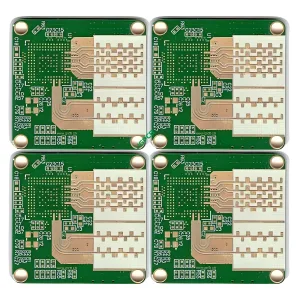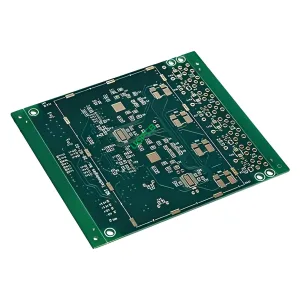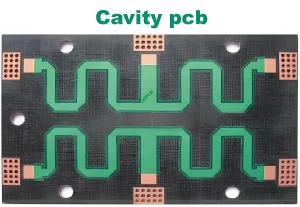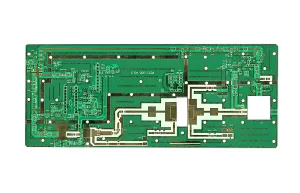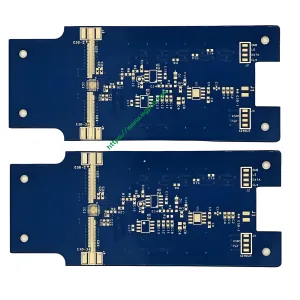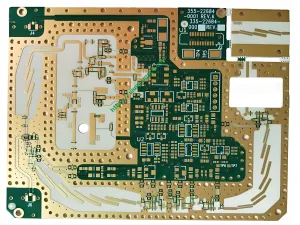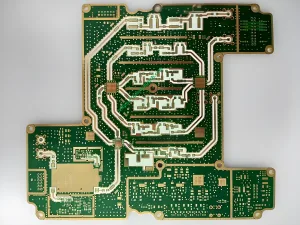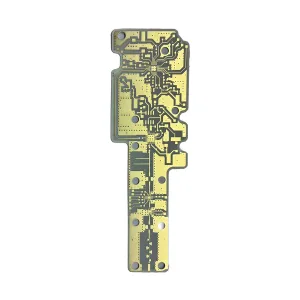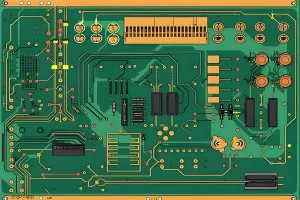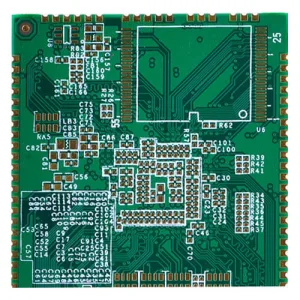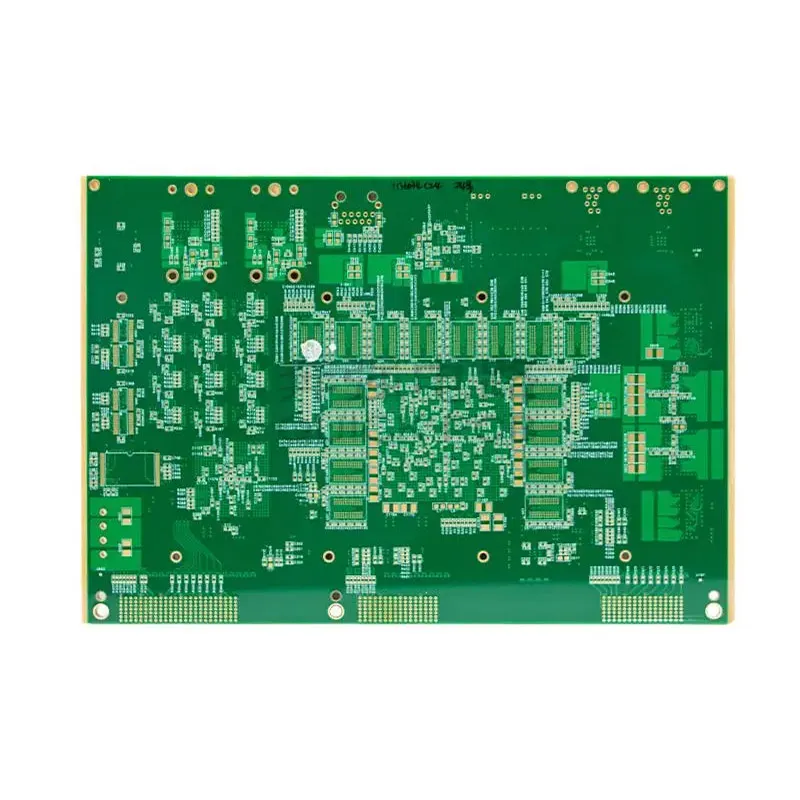
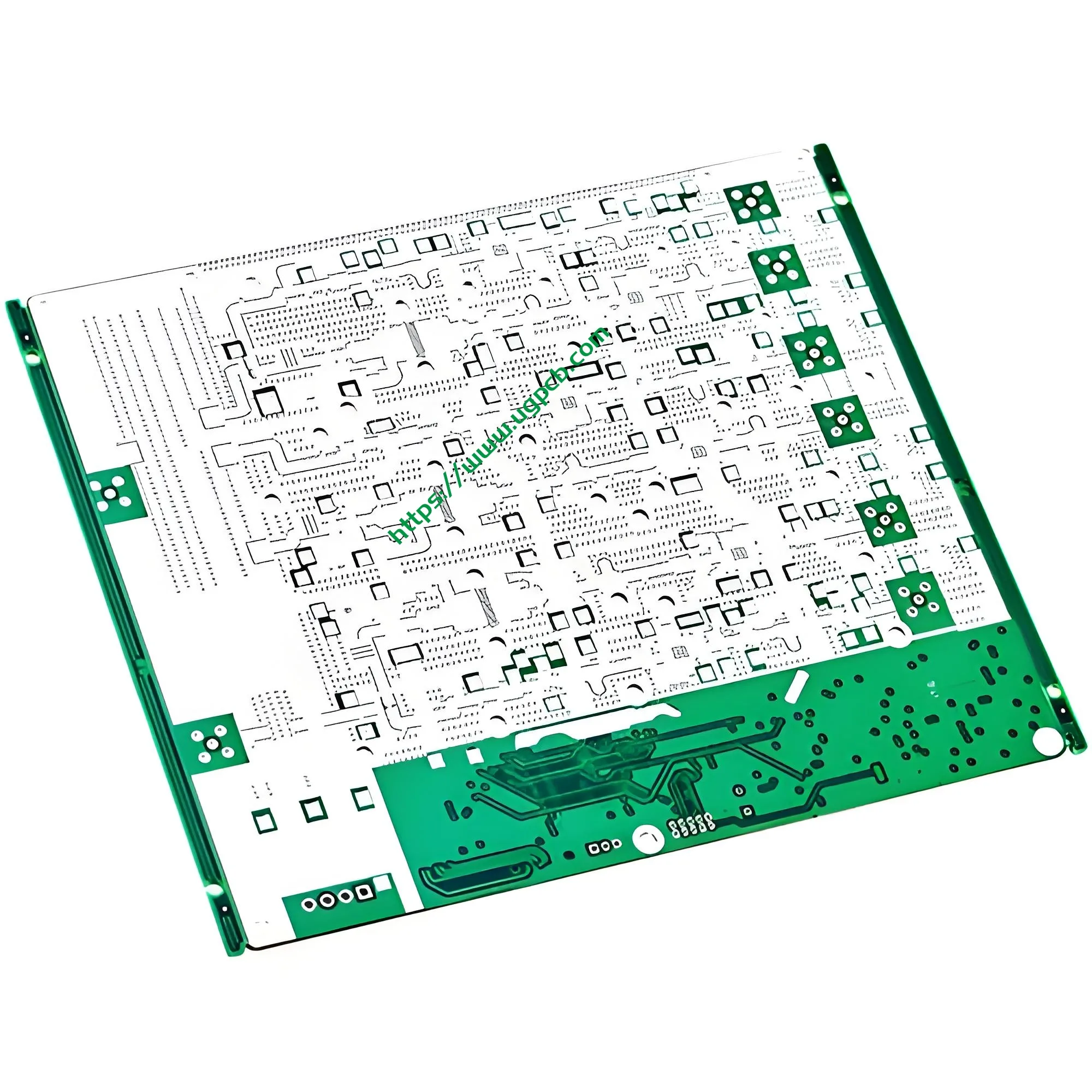
Prezentare generală a produsului: Ce este o placă PCB Rogers Spray Tin cu 4 straturi?
O 4-Board PCB strat Rogers Spray Tin utilizări Rogers RO4350B laminat de înaltă frecvență ca material principal. Se aplică o lipire cu aer cald fără plumb (Sângera) termina. Această placă de circuit imprimat multistrat de înaltă frecvență servește stații de bază de comunicații 5G, Module front-end RF, și sisteme radar cu unde milimetrice. UGPCB oferă acest produs ca o soluție cheie în cadrul nostru PCB de înaltă frecvență linia.
Global de înaltă frecvență și PCB de mare viteză piața continuă să crească rapid. Potrivit QYResearch, dimensiunea pieței a atins aproximativ USD 3.611 miliarde in 2024 și se așteaptă să crească la aproximativ USD 6.924 miliarde de 2031. Aceasta reprezintă o rată de creștere anuală compusă (CAGR) de 9.95%. The 4-Board PCB strat Rogers Spray Tin joacă un rol important pe această piață în expansiune.
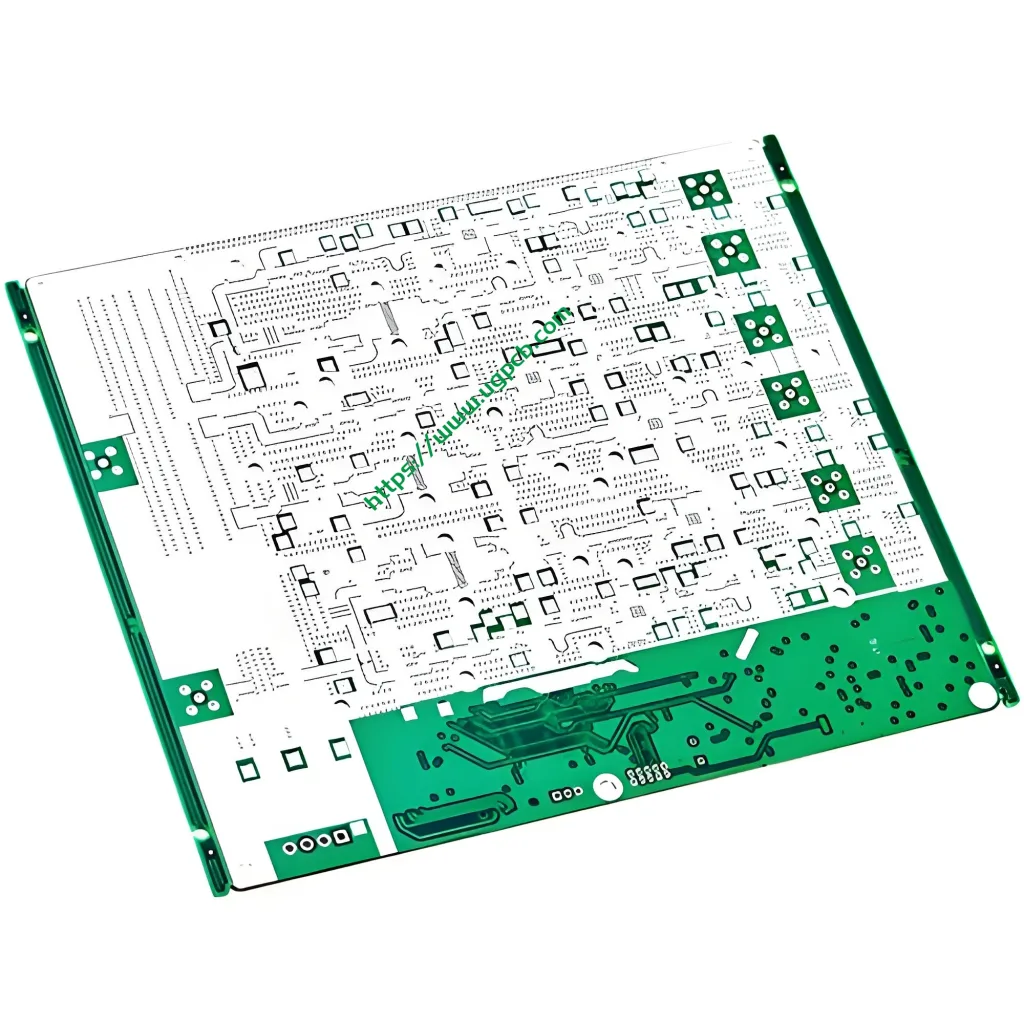
Clasificarea științifică și exactă a produselor
Bazat pe IPC-6012 Specificații de calificare și performanță pentru plăci imprimate rigide, acest produs se încadrează în următoarea categorie: placă rigidă imprimată multistrat cu găuri placate, laminat de înaltă frecvență, 4-structura stratului, finisaj HASL fără plumb. Sub clasificarea materialelor, ii apartine laminate placate cu cupru de înaltă frecvență cu rășină hidrocarburică umplută cu ceramică (seria RO4000), în special de tip RO4350B. Pentru aplicare, o clasificam ca a stație de bază RF/placă de circuit imprimat cu microunde.
Definiția produsului și specificațiile tehnice
UGPCB proiectează și produce acest lucru 4-Board PCB strat Rogers Spray Tin ca o placă de circuite multistrat de înaltă frecvență. Utilizează laminat Rogers RO4350B ca material principal. Structura cu 4 straturi realizează transmisia de semnal de înaltă frecvență și interconectarea electrică. Procesul HASL fără plumb completează finisarea suprafeței tamponului. Acest design îndeplinește atât cerințele de performanță de înaltă frecvență, cât și cerințele de conformitate cu mediul pentru subplacile stației de bază.
Tabelul parametrilor cheie
| Parametru | Caietul de sarcini |
|---|---|
| Material de bază | Rogers RO4350B |
| Număr de straturi | 4 straturi |
| Grosimea plăcii finisate | 1.6 mm |
| Grosimea exterioară a cuprului | 2 Oz (≈70 μm) |
| Grosimea interioară a cuprului | 1 Oz (≈35 μm) |
| Diametrul minim al găurii | 0.3 mm |
| Lățimea minimă a liniei / Spațiere | 5 mil (≈0,127 mm) |
| Finisaj de suprafață | HASL fără plumb (Nivelarea prin lipire cu aer cald) |
| Gradul de proces | Proces fără plumb (Conform RoHS) |
Principiul de funcționare și caracteristicile electrice
The 4-Board PCB strat Rogers Spray Tin funcționează pe baza teoriilor liniilor de transmisie precum microbandă, stripline, și ghid de undă Coplanar. Când semnalele de înaltă frecvență călătoresc de-a lungul circuitului, constanta dielectrică (DK) a substratului determină viteza de propagare a semnalului și lungimea de undă. Factorul de disipare (Df) determină pierderea de energie în timpul transmisiei.
Materialul Rogers RO4350B oferă proprietăți excelente:
-
Constanta dielectrică (DK): valoarea tipică a 3.48 (toleranță ±0,05) la 10 GHz. Această valoare Dk strâns controlată permite controlul precis al impedanței la valori țintă precum 50Ω sau 75Ω. Aceasta formează baza fizică pentru performanța stabilă a circuitului de înaltă frecvență. Datele oficiale Rogers confirmă că atât RO4350B cât și RO4835 mențin toleranța Dk în ±0,05. Aceasta depășește cu mult variația de ±0,2 sau mai mare tipică standardului FR-4 materiale.
-
Factor de disipare (Df): valoarea tipică a 0.0037 la 10 GHz. Aceasta rămâne mult mai mică decât pierderea FR-4 obișnuită (≈0,02). Reduce eficient pierderea de energie a semnalului de înaltă frecvență, asigurând eficiența transmisiei semnalului RF și raportul semnal-zgomot.
-
Stabilitatea temperaturii: Constanta dielectrică a lui RO4350B prezintă o stabilitate excelentă într-un interval larg de temperatură de la -50°C la 150°C. Rata de variație rămâne foarte scăzută (mai puțin decât 0.05 PPM/° C.). Acest lucru asigură funcționarea stabilă a echipamentelor stației de bază chiar și în medii dure cu temperaturi ridicate sau scăzute.
Structura produsului și designul stivuirii
Acest 4-Board PCB strat Rogers Spray Tin folosește o configurație tipică de stivuire cu 4 straturi de înaltă frecvență. Ca o placă rigidă imprimată multistrat, trebuie să îndeplinească cerințele specificației IPC-6012. Acest standard acoperă cerințele privind produsul final și finisarea suprafeței, conductor și prin frecvențe de testare de acceptare, și inspecții de conformitate a calității. Se adresează și la electricitate, mecanic, și criteriile de performanță de mediu.
Caracteristicile produsului și avantajele de bază
✅ Performanță excelentă de înaltă frecvență
Substratul RO4350B prezintă o toleranță strânsă Dk de 3,48±0,05 combinată cu un Df scăzut de 0.0037. Acest lucru permite 4-Board PCB strat Rogers Spray Tin pentru a sprijini transmisia semnalului până la 10 GHz și chiar benzi de frecvență mai înalte. Funcționează bine în special pentru aplicațiile front-end RF, cum ar fi subplacile stației de bază.
✅ Stabilitate termică superioară
Materialul RO4350B prezintă un coeficient de dilatare termică (Cte) care se potrivește îndeaproape cu folie de cupru. În testele de ciclu termic de la -50°C la 150°C, CTE axa Z rămâne aproximativ 40 PPM/° C.. Acest lucru reduce semnificativ riscul de delaminare în comparație cu materialele standard FR-4 (care variază de la 60 la 70 PPM/° C.). Astfel, acest 4-Board PCB strat Rogers Spray Tin asigură o fiabilitate ridicată în timpul funcționării pe termen lung a stației de bază.
✅ Bună amabilitatea de fabricație
Spre deosebire de PTFE tradițional (politetrafluoroetilenă) materiale de înaltă frecvență, RO4350B este un compozit ceramic cu hidrocarburi termorigide. Metoda sa de procesare se potrivește standard epoxidic/sticlă (FR-4). Nu necesită tratament special sau activare cu plasmă. Prin urmare, costurile de producție pentru aceasta 4-Board PCB strat Rogers Spray Tin rămâne mult mai jos decât pentru laminatele convenționale pentru microunde.
✅ Compatibilitate puternică cu procesele
Tratamentul de suprafață HASL fără plumb folosește aliaj SAC305 (Sn96.5Ag3.0Cu0.5). Aceasta este în conformitate cu directivele de mediu RoHS. HASL fără plumb oferă costuri relativ scăzute, buna lipire, și rezistență bună la coroziune. Conform standardelor din industrie precum IPC-A-610 și IPC-6012, PCB-urile finisate cu HASL au o perioadă de valabilitate de aproximativ 12 luni. Grosimea tipică a stratului de staniu variază de la 1 la 40 μm.
✅ Ignifugare excelentă
Materialul RO4350B realizează Ul 94 V-0 rating de flacără. Acesta reprezintă cel mai înalt nivel de rezistență la flacără din standardul pentru testarea inflamabilității materialelor plastice. După îndepărtarea flăcării, materialul se autostinge în interior 10 secunde și nu produce picături arzătoare. Această caracteristică permite 4-Board PCB strat Rogers Spray Tin pentru a îndeplini cerințele de siguranță și protecție împotriva incendiilor ale echipamentelor stației de bază.
✅ Certificari autorizate
UGPCB 4-Board PCB strat Rogers Spray Tin respectă pe deplin sistemele standard internaționale. Acestea includ ISO 9001:2015 certificarea managementului calitatii, Ul 94 V-0 rating de flacără, Calificarea plăcii rigide IPC-6012 și specificațiile de performanță, și standardul de acceptare a plăcilor imprimate IPC-A-600.
Ghid de proiectare și considerente cheie
La proiectarea unui 4-Board PCB strat Rogers Spray Tin, inginerii ar trebui să se concentreze pe următoarele domenii:
1. Design de control al impedanței
Teoria liniilor de transmisie oferă impedanța caracteristică a unei linii microbande:

Unde εr este constanta dielectrică (3.48 pentru RO4350B), h este grosimea dielectrică, w este lățimea urmei, iar t este grosimea cuprului. Dk stabil al acestui 4-Board PCB strat Rogers Spray Tin oferă o bază fizică pentru controlul precis al impedanței. Vă recomandăm să utilizați un software de calcul al impedanței pentru o simulare precisă.
2. Lățimea minimă a liniilor și limitele de spațiere
Acest produs acceptă o lățime și o distanță minimă a liniilor de 5 mil (≈0,127 mm) și un diametru minim al găurii de 0.3 mm. Designerii trebuie să ia în considerare toleranțele de fabricație. Pentru nevoi de interconectare de mare densitate, mențineți o distanță adecvată între liniile de semnal și planurile de masă pentru a optimiza integritatea semnalului.
3. Proiectare management termic
Grosimea exterioară a cuprului atinge 2 Oz (≈70 μm) în timp ce grosimea interioară a cuprului este 1 Oz (≈35 μm). Acest design cu strat de cupru mai gros nu numai că îmbunătățește capacitatea de purtare a curentului 4-Board PCB strat Rogers Spray Tin dar oferă și o disipare excelentă a căldurii. Pentru aplicații de mare putere, cum ar fi subplacile stației de bază, optimizați distribuția căldurii prin adăugarea de pământ prin intermediul rețelelor și plăcuțelor termice.
4. Adaptarea proceselor HASL
HASL fără plumb necesită oală de lipit și temperaturi mai ridicate ale aerului cald (de obicei 235–250°C). Temperatura de lipit poate ajunge la 255±5°C. Când proiectați acest lucru 4-Board PCB strat Rogers Spray Tin, evita densa, tampoane cu pas fin pe suprafețe mari de cupru. De asemenea, asigurați-vă că lățimea barajului măștii de lipit este adecvată. Acest lucru previne problemele legate de lipirea cauzate de grosimea neuniformă a stratului de staniu.
5. Controlul procesului fără plumb
HASL fără plumb necesită un control strict al procesului. Oala de lipit trebuie să folosească aliaj de titan sau fontă pentru a rezista la coroziunea la temperaturi ridicate a lipiturii fără plumb. Diferența de temperatură în vas trebuie să rămână în intervalul de ±2°C. Un sistem puternic de aer cald și un modul rapid de răcire cu aer asigură aplicarea și nivelarea uniformă a stratului de staniu.
Procesul de fabricație și controlul calității
UGPCB urmează un flux de proces standardizat pentru producerea 4-Board PCB strat Rogers Spray Tin. Acest lucru asigură calitatea și fiabilitatea constantă a produsului. Etapele de bază de fabricație pentru PCB-uri rigide multistrat includ formarea circuitului stratului interior, laminare si presare, găurire și prin metalizare, formarea circuitului stratului exterior, Masca de lipit, și finisarea suprafeței. UGPCB stabilește puncte de inspecție în fiecare etapă critică. Toate produsele îndeplinesc pe deplin cerințele de calificare și performanță IPC-6012.
Scenarii de aplicație și cazuri de utilizare
Aplicație primară: Subboardul stației de bază
Acest 4-Board PCB strat Rogers Spray Tin este special conceput pentru subplacile stației de bază. Acesta servește ca un purtător de interconectare critic în modulele transceiver RF, module amplificatoare de putere, module de reglare a antenei, și filtrează în stațiile de bază de comunicații 5G/4G.
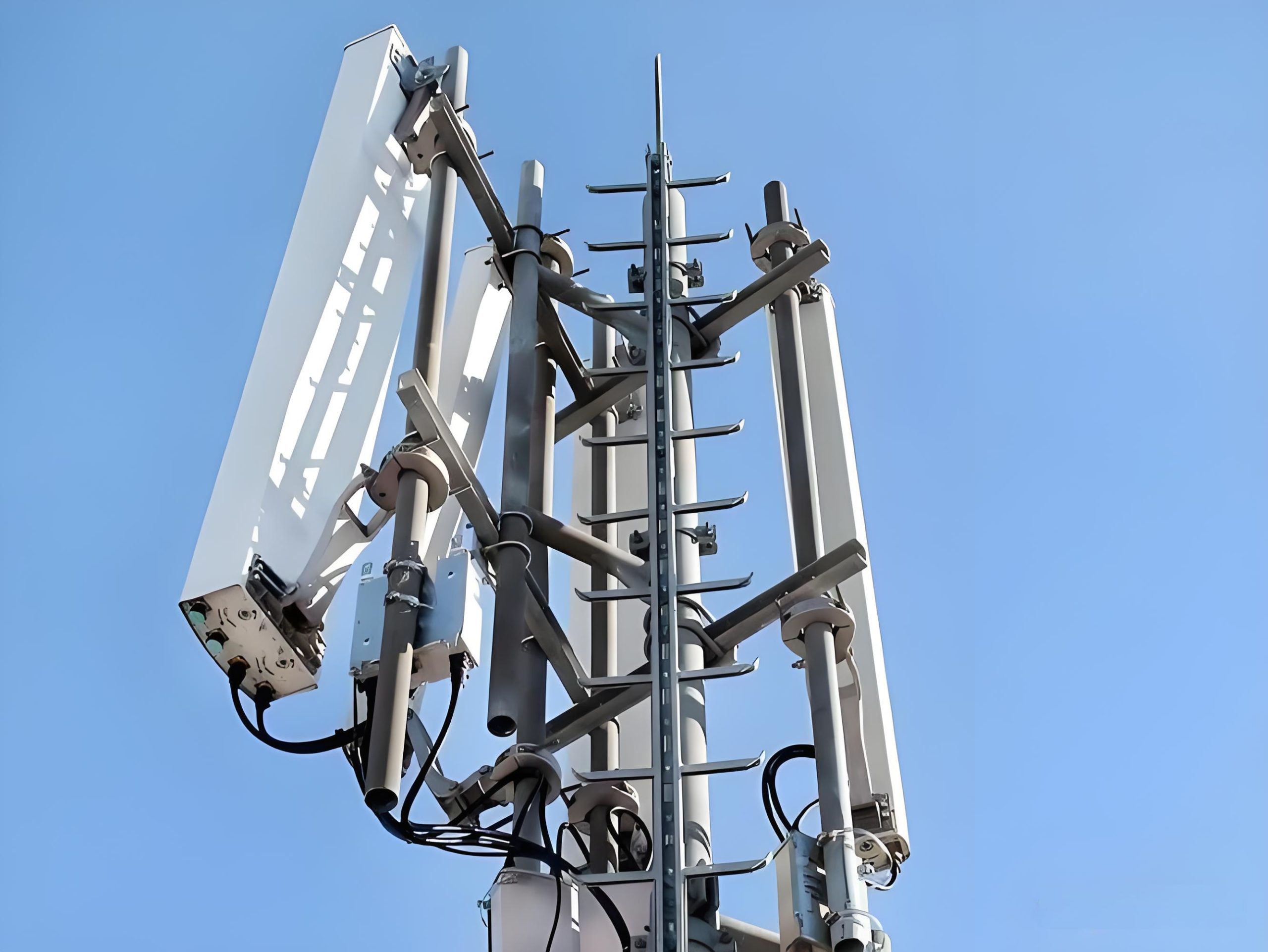
Cazuri de utilizare tipice
| Zona de aplicare | Utilizare specifică |
|---|---|
| Infrastructura de comunicare | 5G macro/celule mici, unități radio la distanță (RRU-uri), unități de antenă active (AAU-uri) |
| Sisteme RF și cu microunde | Module front-end RF, sintetizatoare de frecventa, circuite transceiver cu microunde, rețele de formare a fasciculului |
| Radar cu unde milimetrice | Radar auto 77GHz/79GHz, radar de distanță industrial, radar pentru evitarea coliziunilor cu drone |
| Comunicări prin satelit | Antene cu matrice în faze, terminale terestre ale satelitului pe orbita joasă a pământului, receptoare de navigație prin satelit |
| Sisteme digitale de mare viteză | Backplane de mare viteză, plăci de testare a integrității semnalului, 100Plăci cu module optice G/400G |
| Test & Instrumente de măsurare | Plăci de calibrare a analizorului de rețea, module front-end pentru analizor de spectru, plăci adaptoare pentru sonde de osciloscop |
Solicitați o cotație sau asistență tehnică
UGPCB oferă calitate înaltă 4-strat de plăci PCB de tablă spray Rogers și soluții complete de PCB de înaltă frecvență pentru clienții globali. Operăm linii avansate de producție PCB de înaltă frecvență și menținem o echipă de inginerie profesionistă. Implementăm controlul calității pe întregul proces de la intrarea în proiectarea clientului până la livrarea produsului final.
📩 Cum să solicitați o cotație sau să contactați asistența tehnică
Ne puteți contacta prin oricare dintre următoarele metode:
-
Vizitați site-ul oficial UGPCB (www.ugpcb.com) și trimiteți un formular de întrebare online
-
Trimiteți fișierele de design (Dosare Gerber) la adresa noastră de e-mail de vânzări
-
Apelați linia noastră fierbinte pentru a discuta cerințele dumneavoastră tehnice cu inginerii noștri
Pentru a vă accelera solicitarea, vă rugăm să furnizați următoarele informații:
-
Fișiere de proiectare: Dosare Gerber, pile de foraj, diagrama de stivuire, cerințele de control al impedanței
-
Specificatii tehnice: Cerințe speciale Dk/Df, toleranțe, standarde de testare și acceptare pentru 4-Board PCB strat Rogers Spray Tin
-
Cantitate și timp de livrare: Faza de prototip sau producție, programul de livrare țintă
-
Cerințe speciale: Testarea sondei zburătoare, Inspecție AOI, 100% test electric
Declarație de date sursă
Acest articol citează date tehnice din următoarele surse autorizate:
-
Fișa tehnică oficială a Rogers Corporation: Fișă tehnică pentru materialele circuitelor de înaltă frecvență seria RO4000®
-
Standarde IPC: IPC-6012 Specificații de calificare și performanță pentru plăci imprimate rigide, IPC-A-610, IPC-TM-650
-
Standarde de siguranță UL: Ul 94 Standard pentru testele de inflamabilitate a materialelor plastice
-
Raport de analiză a pieței: QY Research *Raport global de cercetare de piață a plăcilor de înaltă frecvență și de mare viteză 2025*