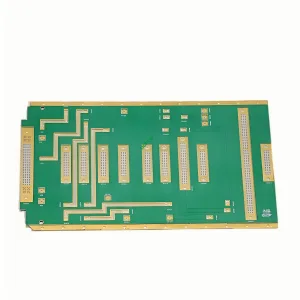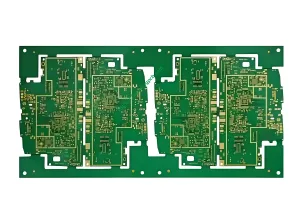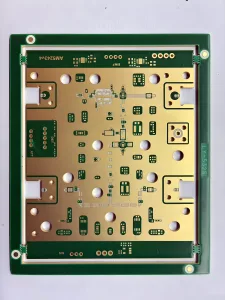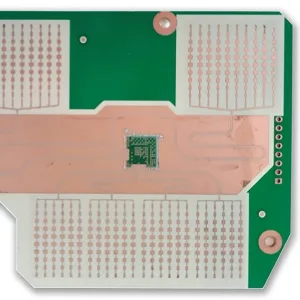
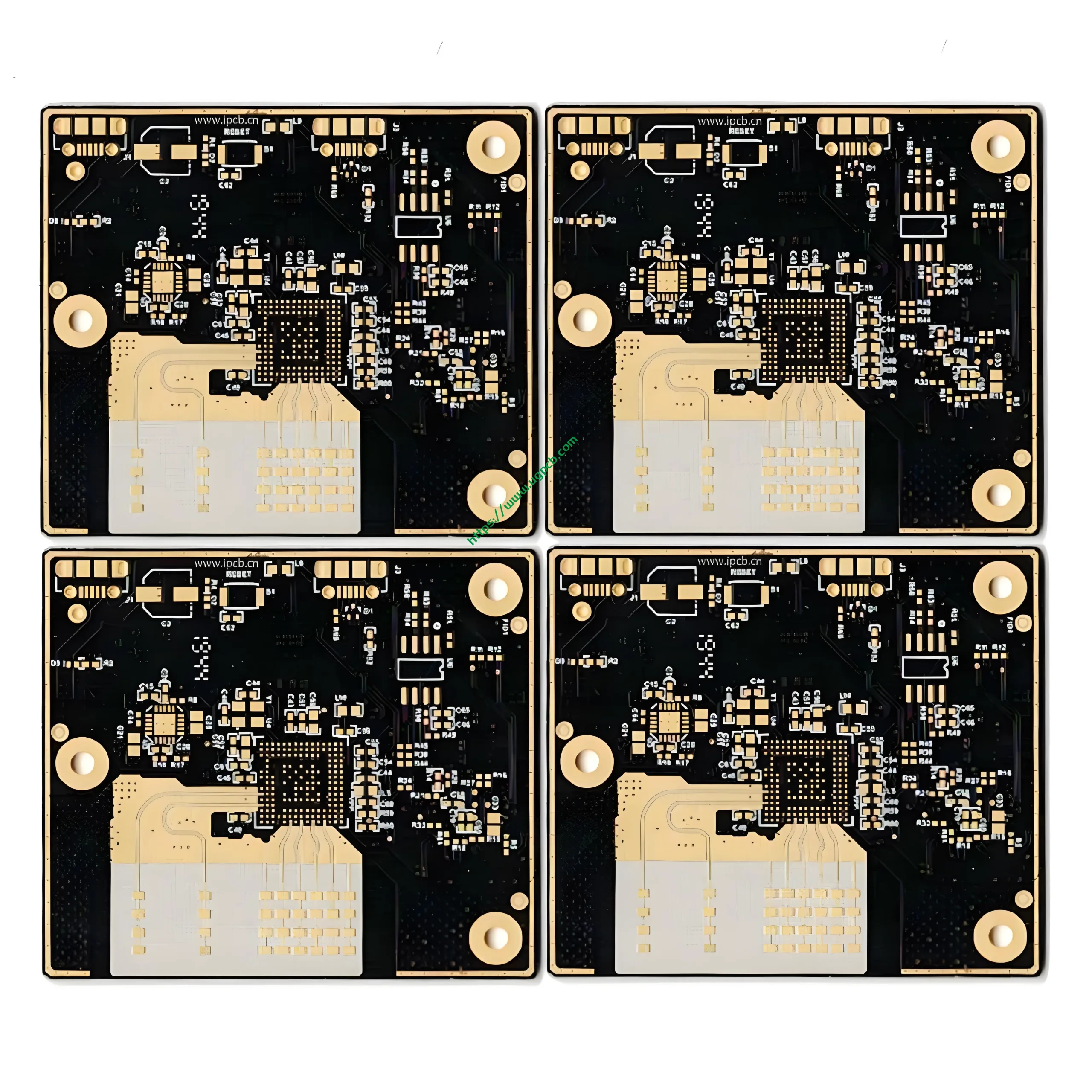
1. Обзор продукта: 6-слойная гибридная печатная плата, обеспечивающая баланс радиочастотной производительности 5G и стоимости
Современные электронные устройства часто сочетают в себе радиочастотные интерфейсы., высокоскоростные цифровые сигналы, и управление питанием на одной плате. Использование дорогих высокочастотных материалов для всей платы не является ни экономичным, ни необходимым.. Эта логика породилаВысокочастотная гибридная печатная плата.
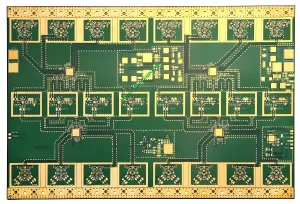
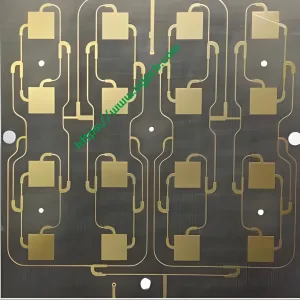
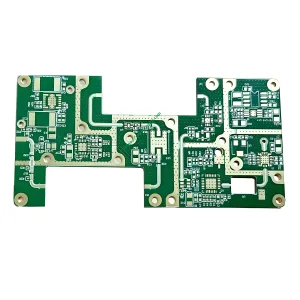
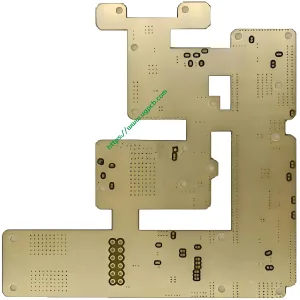
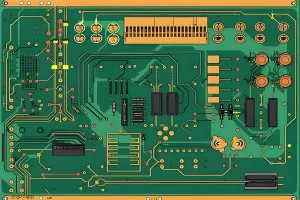
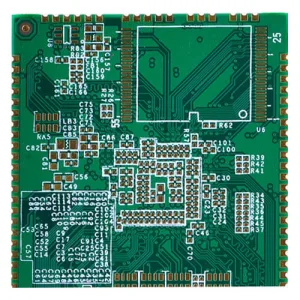
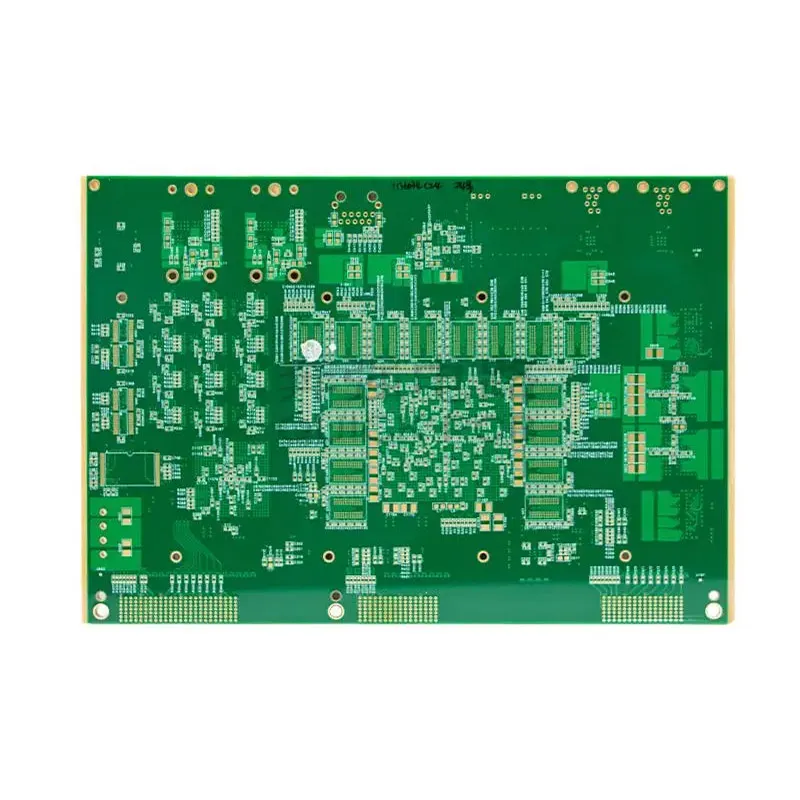
UGPCB РО4835 + IT180 6-слойная высокочастотная гибридная печатная плата реализует эту концепцию. Он ламинирует Rogers RO4835 высокочастотный ламинат с Материал ITEQ IT180 с высокой Tg FR-4 в одном стеке. Итоговая плата имеет общую толщину 1,5 мм., 1ОЗ готовая медь, и 50 Ом характеристическое сопротивление.
Слои радиочастотного сигнала используют RO4835 для обеспечения целостности сигнала.. Уровни питания и управления используют IT180 для сокращения затрат на материалы и обеспечения механической поддержки.. Этот гибридный подход снижает материальные затраты на30%–50% по сравнению с полным решением Роджерса. Радиочастотные характеристики остаются практически неизменными. Это делает его лучшим выбором для экономически чувствительных проектов массового производства, таких как базовые станции 5G., 77 Автомобильный радар ГГц, и аэрокосмическая связь.
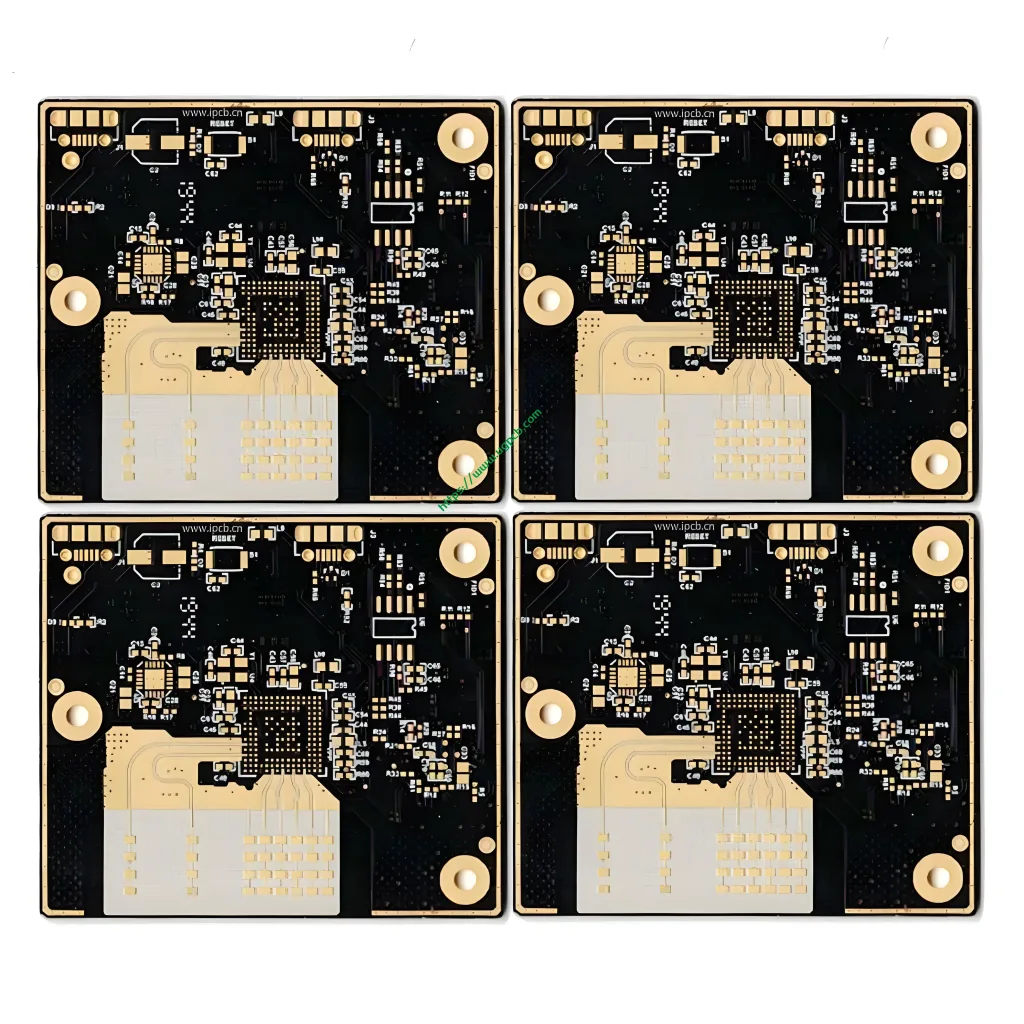
2. Определение: Что такое «RO4835 + IT180 Высокочастотная гибридная печатная плата»?
АВысокочастотная гибридная печатная плата соединяет два или более разных диэлектрических материала в одну многослойную плату. Основная идея проста – использовать дорогой высокочастотный материал только в слоях радиочастотного сигнала.. Используйте более дешевый стандарт FR-4 на других слоях для обеспечения механической прочности и снижения затрат..
РО4835 представляет собой высокочастотный термореактивный ламинат с углеводородным/керамическим наполнителем из серии Rogers RO4000®.. Он обеспечивает очень низкие диэлектрические потери. (Дф = 0.0037 @ 10 ГГц) и стабильная диэлектрическая проницаемость (Dk = 3.48 ± 0.05). В отличие от материалов на основе ПТФЭ, RO4835 работает со стандартной обработкой FR-4.. Никакого специального плазменного травления или обработки поверхности не требуется..
ИТ180 представляет собой бессвинцовый эпоксидный ламинат FR-4 с высоким Tg от ITEQ.. Его температура стеклования (Тг) 175°С (метод ДСК). Дк ≈ 4.1 и Df ≈ 0.016 в 10 ГГц. IT180 обеспечивает превосходную устойчивость к CAF., низкий КТР по оси Z, и хорошая надежность сквозного отверстия. Широко используется в автомобильной электронике., коммуникационные объединительные платы, и серверные материнские платы.
Объединение RO4835 и IT180 создает электрически изолированный и термически совместимый интерфейс.. RO4835 гарантирует целостность сигнала. IT180 обеспечивает жесткость и экономическую выгоду..
3. Научная классификация (Согласно стандартам IPC и UL)
Согласно IPC-4101 «Спецификация базовых материалов для жестких и многослойных печатных плат»., этот продукт принадлежит кГибридная многослойная печатная плата категория.
- Для МПК-4103: RO4835 относится к ламинатам с высокочастотными цепями..
- Согласно IPC-4101C/126: IT180 относится к ламинатам с высоким Tg FR-4..
- Тип доски: Жесткая многослойная печатная плата.
- Количество слоев: 6 слои (ИЧР доступные варианты).
- Приложение: ВЧ/СВЧ-плата для ВЧ-интерфейсов, МИЛЛИМЕТОР-волна радара, и обработка смешанных сигналов.
- Поверхностная отделка: СОГЛАШАТЬСЯ (химическое никель, иммерсионное золото) для бессвинцовой пайки и склеивания тонкой проволоки.
4. Ключевые соображения по проектированию гибридного стека
Проектирование гибрида Высокочастотная печатная плата требуется нечто большее, чем просто установка RO4835 и IT180.. Четыре правила дизайна определяют успех.
4.1 Контроль импеданса и согласование диэлектрической проницаемости
Этот продукт предназначен50 ом характеристический импеданс – стандарт для радиочастотных и микроволновых систем. Для достижения точного управления сопротивлением 50 Ом, вы должны учитывать Dk слоев RO4835 и IT180..
- РО4835 (Слои радиочастотного сигнала): Dk = 3.48 ± 0.05 @ 10 ГГц (значение процесса); Dk = 3.66 (расчетная стоимость). Использовать 3.66 для расчетов геометрии микрополосковых или копланарных волноводов для достижения наилучшего согласования импеданса.
- ИТ180 (внутренние/силовые слои): Dk = 4.4 @ 1 МГц; Dk = 4.1 @ 10 ГГц. Избегайте вертикальной маршрутизации радиочастотных сигналов между слоями с разными значениями Dk.. Ступени импеданса вызывают отражения сигнала.
4.2 Управление несоответствием CTE
RO4835 плоскостной КТР (оси X/Y) составляет 10–12 частей на миллион/°C. Типичный КТР FR-4 составляет около 17 ppm/° C.. Разница в тепловом расширении может привести к короблению., расслаивание, или даже плата лопается во время ламинирования и оплавления.
Общие контрмеры включают в себя: сохранение симметричности стека (одинаковая толщина и тип материала сверху и снизу), с помощью ступенчатого ламинирования (постепенное повышение температуры и давления), и добавление закрепляющей меди в переходных зонах для механического ограничения..
4.3 Стек слоев и назначение сигнальных слоев
Для 6-слойного RO4835 + Гибридная плата IT180, рекомендуемая симметричная структура::
| Слой | Материал | Функция |
|---|---|---|
| Слой 1 (Вершина) | РО4835 | RF микрополосковая / сигнал антенны |
| Слой 2 | Внутренний слой | Базовая плоскость заземления |
| Слой 3 | Ядро IT180 FR-4 | Низкоскоростная цифровая / власть |
| Слой 4 | Ядро IT180 FR-4 | Наземная плоскость |
| Слой 5 | Внутренний слой | Базовая плоскость заземления |
| Слой 6 (Нижний) | РО4835 | RF микрополосковая / кормовая сеть |
Эта симметричная конструкция сводит к минимуму асимметричную деформацию из-за термического напряжения.. И верхний, и нижний слои используют RO4835 – сэндвич-структуру.. Внутреннее ядро IT180 обеспечивает жесткость и экономию средств..
4.4 Изоляция РЧ от цифровых сигналов
Разница между RO4835 (~3,48) и ИТ180 (~4,1) около 0.6. Если высокочастотный сигнал пересекает гибридный интерфейс, отражения и преобразование мод значительно увеличат вносимые потери. Поэтому, прокладывайте все высокоскоростные/радиочастотные трассы только на слоях RO4835. Никогда не направляйте RF через гибридную границу в регион IT180..
5. Принцип работы: Почему RO4835 превосходно работает на высоких частотах?
Основная задача высокочастотных цепей проста.: более высокая частота сигнала означает большие паразитные потери в печатная плата субстрат. Эти потери определяют два ключевых параметра – диэлектрическая проницаемость. (Дк) и коэффициент рассеивания (Дф).
5.1 Диэлектрическая проницаемость (Дк)
Dk измеряет, сколько электрической энергии может хранить материал.. Чем меньше изменение Dk по частоте, тем лучше согласованность импеданса в широкой полосе пропускания. Dk RO48353.48 ± 0.05 в 10 ГГц (значение процесса). Его термическая стабильность составляет всего 50 ppm/°C от -50°C до 150°C. Это означает, что Dk почти не дрейфует с температурой..
5.2 Коэффициент рассеяния (Дф)
Дф (тангенс угла потерь) непосредственно измеряет энергию сигнала, потерянную в виде тепла в диэлектрике. Более низкий Df означает меньшие потери энергии.. Df RO4835 составляет только0.0037 в 10 ГГц. Для сравнения, стандартный FR-4 имеет Df около 0.02 в 1 ГГц. Потеря RO4835 составляет около1/5 что у ФР-4.
RO4835 достигает таких низких потерь благодаря своей уникальной системе углеводородного/керамического наполнителя.. Углеводород обеспечивает низкополярную молекулярную основу.. Керамический наполнитель стабилизирует механические размеры и улучшает теплопроводность.. После высокотемпературного отверждения, материал образует сшитую термореактивную сетку – именно поэтому RO4835 работает со стандартными процессами изготовления печатных плат FR-4..
6. Приложения: Пять основных вариантов использования RO4835 + Гибридные печатные платы IT180
Ценность этой гибридной печатной платы заключается не только в ее электрических характеристиках, но и в ее надежной работе в реальных условиях.. Ниже приведены пять основных областей применения..
6.1 5G Коммуникационная инфраструктура
5G-диапазоны миллиметровых волн (например, н257/н258/н261, 24.25–29,5 ГГц) требуют очень низких потерь на печатной плате. Согласно отчету 360iResearch, мировой рынок печатных плат 5G достиг $22.3 миллиард в 2025 и, по прогнозам, вырастет до $59.44 миллиард за 2032 в Cagr 15.03%.
РО4835 + Гибридные печатные платы IT180 используются в малых сотах 5G, массивные антенные решетки MIMO, и радиочастотные интерфейсные модули. Они контролируют стоимость материалов при массовом производстве, соблюдая при этом строгие требования к вносимым потерям..
6.2 77 Автомобильный радар ГГц (Адас)
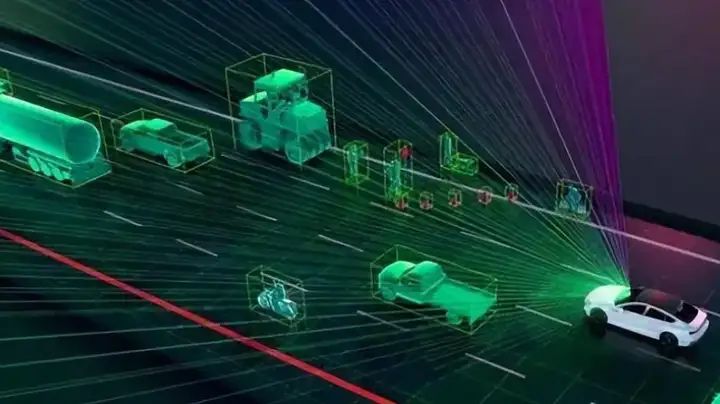
Современные системы ADAS используют 77 Радар миллиметрового диапазона ГГц. Это одно из наиболее типичных применений высокочастотных гибридных печатных плат.. ДК RO4835 в 77 ГГц составляет около 3.2 (вниз от 3.48 в 10 ГГц). В сочетании с медной фольгой с обратной обработкой LoPRO®, вносимые потери сведены к минимуму.
Tg IT180 составляет 175°C и T260. > 60 минут обеспечивают высокую тепловую надежность. Это позволяет радиолокационному модулю выдерживать суровые температурные циклы от -40°C до +125°C вблизи моторного отсека..
6.3 Аэрокосмическая и спутниковая связь
Аэрокосмические приложения требуют материалы для печатных плат оставаться надежным в вакууме, высокая радиация, и экстремальные температуры. RO4835 предлагает 10 раз лучшая стойкость к окислению чем обычные термореактивные материалы. Он также проходит испытания на расслоение без образования пустот., что делает его надежным выбором для полезной нагрузки спутниковой связи на околоземной орбите и антенн с фазированной решеткой..
6.4 РЧ усилители мощности
В усилителе мощности базовой станции (А) модули, Низкие потери RO4835 напрямую приводят к более высокой выходной мощности и меньшему выделению тепла.. Его теплопроводность 0.69 W/m · k (измеренный) быстро отводит тепло от микросхем PA к радиаторам, продление срока службы устройства.
6.5 Высокоскоростные платы смешанных сигналов
Если плата содержит высокоскоростные АЦП/ЦАП, ПЛИС, и внешние радиочастотные каналы, перекрестные помехи становятся серьезной проблемой. RO4835 + Гибрид IT180 создает естественный барьер диэлектрической постоянной между радиочастотным и цифровым слоями.. Это эффективно подавляет цифровую шумовую связь в радиочастотных трактах..
7. Материалы: Подробные технические характеристики RO4835 и IT180
В таблице ниже перечислены официальные ключевые параметры RO4835 и IT180 со ссылками на методы испытаний..
| Параметр | РО4835 (Роджерс) | ИТ180 (ИТЕК) | Стандарт испытаний / Источник |
|---|---|---|---|
| Dk @ 10 ГГц | 3.48 ± 0.05 (процесс) | 4.1 | ИПК-ТМ-650 2.5.5.5 / 2.5.5.13 |
| Dk @ 1 МГц | - | 4.4 | ИПК-ТМ-650 2.5.5.9 |
| Df @ 10 ГГц | 0.0037 | 0.016 | ИПК-ТМ-650 2.5.5.5 / 2.5.5.13 |
| Тг (ДСК) | ≥280°С | 175°С | ИПК-ТМ-650 2.4.24.3 |
| Тд (5% потеря веса) | 390°С | 345°С | АСТМ Д3850 / ТГА |
| Теплопроводность | 0.66–0,69 Вт/м·К | - | АСТМ С518 / АСТМ Д5470 |
| Класс воспламеняемости | UL 94 В-0 | UL 94 В-0 | UL 94 |
| Объемный удельное сопротивление | 5 × 10⁸ МОм·см | Для МПК-4101 | ИПК-ТМ-650 2.5.17.1 |
| КТР (Ось X/Y) | 10 / 12 ppm/° C. | 11–13 / 13–15 частей на миллион/°C | ИПК-ТМ-650 2.1.24 / ТМА |
| КТР (ось Z, А1) | 31 ppm/° C. | 45 ppm/° C. | ИПК-ТМ-650 2.1.24 / ТМА |
| Поглощение влаги | 0.05% | - | АСТМ Д570 |
Примечание о точности данных: Все приведенные выше значения были проверены на соответствие официальным данным Rogers Corporation и ITEQ.. Значение объемного удельного сопротивления 5×10⁸ МОм·см взято из официальной документации Rogers.. В некоторых более ранних документах используется значение 1,2×10¹⁰ Ом·см, что может быть результатом преобразования единиц измерения, но не меняет вывода о том, что материал обладает отличными изоляционными свойствами..
8. Функции производительности
На основе технических параметров выше, Эта высокочастотная гибридная плата предлагает пять основных преимуществ:
- Очень низкая потеря сигнала: Дф = 0.0037 @ 10 ГГц – около 1/5 обычного ФР-4. В диапазонах 5G mmWave, это означает большее расстояние передачи, меньше ошибок, и меньше нагрева.
- Стабильная диэлектрическая проницаемость: Dk = 3.48 ± 0.05 @ 10 ГГц. Очень стабильный в широком диапазоне частот и температур.. Обеспечивает точное сопротивление 50 Ом при любых условиях эксплуатации..
- Отличная стойкость к нагреванию и окислению: RO4835 имеет 10 стойкость к окислению в раз выше, чем у традиционных термореактивных материалов. Он работает длительное время в высокотемпературном воздухе без значительного ухудшения качества..
- Превосходная технологичность: Никакой специальной обработки поверхности (как плазменное травление) нужный. Полная совместимость со стандартными процессами FR-4.. Это значительно сокращает сроки выполнения заказов.
- Экономичный дизайн: Только критические радиочастотные уровни используют RO4835.. Внутренние слои используют IT180.. Стоимость материала примерно на 30–50 % ниже, чем у полного решения Rogers при тех же электрических ограничениях..
9. Производственный процесс: 8 Ключевые шаги от материала до готовой платы
Квалифицированный RO4835 + Высокочастотная гибридная печатная плата IT180 проходит следующие восемь критических процессов::
① Входной контроль материалов – Выборочный тест на соответствие Dk/Df партий RO4835 и IT180.. Убедитесь, что параметры соответствуют официальным спецификациям Rogers и ITEQ..
② Формирование схемы внутреннего слоя – Перенос и травление рисунка на слоях IT180 для линий цифровых сигналов и плоскостей питания/земли..
③ Обработка коричневым оксидом – Химически придать шероховатость медным поверхностям внутреннего слоя. Улучшение адгезии с препрегом во время ламинирования..
④ Ламинирование – Самый ответственный шаг. Стек RO4835, препарат, и ядра IT180 в симметричном стеке. Загрузка в вакуумный пресс. Точно контролировать скорость изменения температуры, кривая давления, и время задержки, чтобы минимизировать стресс из-за несоответствия CTE. Для этого 6-слойного продукта, типично одиночное высокотемпературное ламинирование. В проектах HDI используется последовательное ламинирование..
⑤ Бурение – Используйте твердосплавные сверла или лазерное сверление.. Оптимизируйте параметры для платы толщиной 1,5 мм, чтобы обеспечить соответствие шероховатости стенок отверстий требованиям к меднению PTH..
⑥ Химически химическая медь / обшивка панели – Металлизировать сквозные отверстия. Установить электрическое соединение между слоями.
⑦ Формирование схемы внешнего слоя – Изготовление микрополосковых линий с сопротивлением 50 Ом или радиочастотных дорожек на верхнем и нижнем слоях RO4835.. Используйте травление с контролируемым импедансом, чтобы обеспечить допуск ширины дорожки в пределах ±5 %..
⑧ Чистота поверхности - СОГЛАШАТЬСЯ (химическое никель, иммерсионное золото) для бессвинцовой пайки и склеивания тонкой проволоки. Типичная толщина золота 0,05–0,1 мкм.. Толщина никеля 3–5 мкм.
⑨ Электрическое испытание и летающий зонд – 100% электрические испытания, включая проверку на обрыв/короткое замыкание и проверку импеданса TDR. Убедитесь, что каждая плата соответствует допуску импеданса 50 Ом..
10. Физическая структура 6-слойной гибридной платы
Ниже представлена физическая конструкция RO4835 UGPCB. + IT180 6-слойная плата (сверху вниз):
| Элемент | Компонент | Материал | Типичная толщина | Функция |
|---|---|---|---|---|
| 1 | Верхняя медная фольга | ЭД медь (LoPRO® опционально) | 1 ОЗ (≈35 мкм) | Сигнал внешнего слоя / антенна |
| 2 | Верхний диэлектрик | РО4835 | 0.127 мм | Изоляция высокочастотного сигнала |
| 3 | Внутренняя медь (Л2/Л5) | Медь | 1 ОЗ | Базовая плоскость заземления |
| 4 | Среднее ядро | ИТ180 ФР-4 | По дизайну стека | Цифровой сигнал / силовой уровень |
| 5 | Среднее ядро | ИТ180 ФР-4 | По дизайну стека | Наземная плоскость |
| 6 | Внутренняя медь (Л3/Л4) | Медь | 1 ОЗ | Внутренняя маршрутизация / власть |
| 7 | Нижний диэлектрик | РО4835 | 0.127 мм | Изоляция высокочастотного сигнала |
| 8 | Нижняя медная фольга | ЭД медь (LoPRO® опционально) | 1 ОЗ (≈35 мкм) | Нижний сигнал / кормовая сеть |
| 9 | Чистота поверхности | СОГЛАШАТЬСЯ | 0.05–0,1 мкм (Au) | Паяемость и стойкость к окислению |
Общая толщина доски 1.5 мм, включая все медные и диэлектрические слои.
11. Краткий справочник по выбору продукта
| Параметр | Спецификация | Настраиваемый диапазон |
|---|---|---|
| Комбинация ламината | Роджерс RO4835 + ИТЕК IT180 | РО4350Б + FR-4 или другая серия ITEQ |
| Количество слоев | 6 слои | Расширяется до 4/6/8/10 слои плюс ИЧР |
| Толщина доски | 1.5 мм | 0.8–3,0 мм (на основе количества слоев и стека) |
| Толщина меди | Законченный 1 ОЗ | 0.5 ОЗ / 1 ОЗ / 2 ОЗ |
| Контроль импеданса | 50 ом (односторонний) | Дифференциал 90 Ом/100 Ом и другие |
| Диэлектрическая толщина | 0.127 мм | На основе требований стека |
| Дк (RO4835 @10 ГГц) | 3.48 ± 0.05 | Зависит от материала |
| Дф (RO4835 @10 ГГц) | 0.0037 | Зависит от материала |
| Класс воспламеняемости | UL 94 В-0 | Необходимый |
| Чистота поверхности | СОГЛАШАТЬСЯ | ОСП, Погружение, погружение серебро |
12. Почему стоит выбрать UGPCB для нужд гибридных печатных плат?
УГКПБ имеет глубокий инженерный опыт в области высокочастотных гибридных печатных плат.. Мы помогаем клиентам избежать распространенных рисков, таких как несовместимость материалов., расслоение слоя, и неудачные испытания на надежность. Наши основные сильные стороны включают в себя:
- ✅ Надежная поддержка высокочастотного дизайна – Из расчета импеданса (с использованием Rogers MWI и Polar SI9000) для CTE-моделирования напряжений стеков.
- ✅ Точный контроль процесса – Рентгеновское выравнивание в реальном времени и АОИ обеспечивают межслойную регистрацию с точностью ±3 мил..
- ✅ Согласованность партии – Даже при массовом производстве, Изменение партии RO4835 Dk остается в пределах ±0,05.. 50Выход по сопротивлению превышает 98%.
- ✅ Быстрый ответ и своевременная доставка – Стратегический запас сырья Rogers и ITEQ. Срок изготовления гибридных быстродействующих печатных плат составляет всего 7–10 рабочих дней..
Запросить цену сейчас
RO4835 + Высокочастотная гибридная печатная плата IT180 — лучшее решение для баланса производительности и стоимости.. Независимо от того, разрабатываете ли вы малую соту 5G или проверяете 77 Радиолокационный модуль ГГц для массового производства, UGPCB предоставляет комплексное обслуживание от инженерной проверки до серийного производства..
📧Связаться с инженерной командой UGPCB: sales@ugpcb.com
📞Техническая горячая линия: +86-ХХХ-ХХХХХХ
🌐Посетите наш сайт: www.ugpcb.com
【Получите индивидуальное предложение прямо сейчас】
Пожалуйста, предоставьте следующую информацию:
- Количество слоев печатной платы и толщина целевой платы
- Количество радиочастотных слоев и диапазон частот
- Предполагаемый годовой объем (прототип / небольшая партия / массовое производство)
- Требования к контролю импеданса (несимметричный/дифференциальный, целевое значение и допуск)
- Любые особые требования к процессу (обратное бурение, заглубленные/слепые переходные отверстия, бурение с контролируемой глубиной, и т. д.)
Инженерная группа УГКПБ ответит в течение 24 часы с технической поддержкой и подробной сметой.
*Все технические данные в этом документе взяты из официального паспорта Rogers Corporation. (ДС РО4835) и техническая спецификация ITEQ IT-180A. Методы испытаний соответствуют серии IPC-TM-650 и применимым стандартам ASTM.. Источник рыночных данных: 360iResearch “5G Рынок печатных плат” отчет (январь 2026). УГКПБ несет ответственность за достоверность и актуальность данных.. По любым техническим вопросам, пожалуйста, свяжитесь с нашей командой инженеров для подтверждения.*