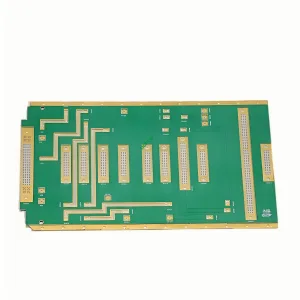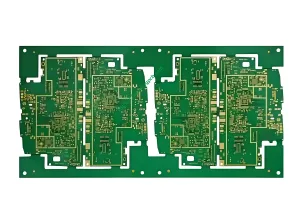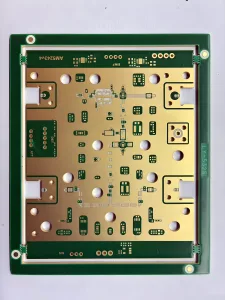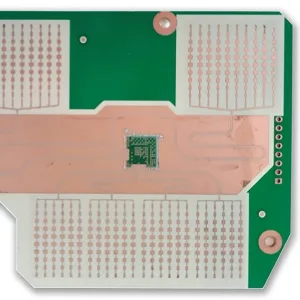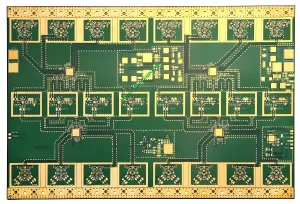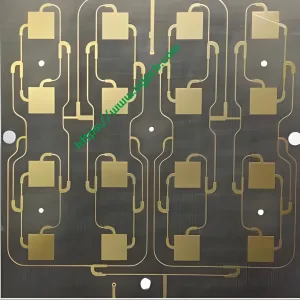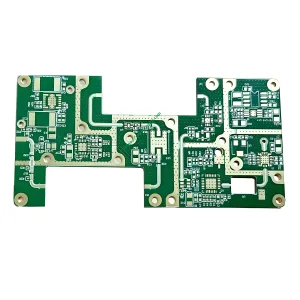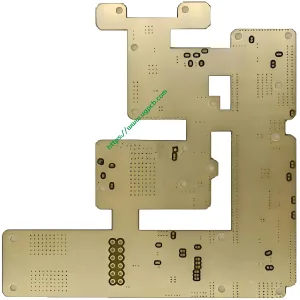
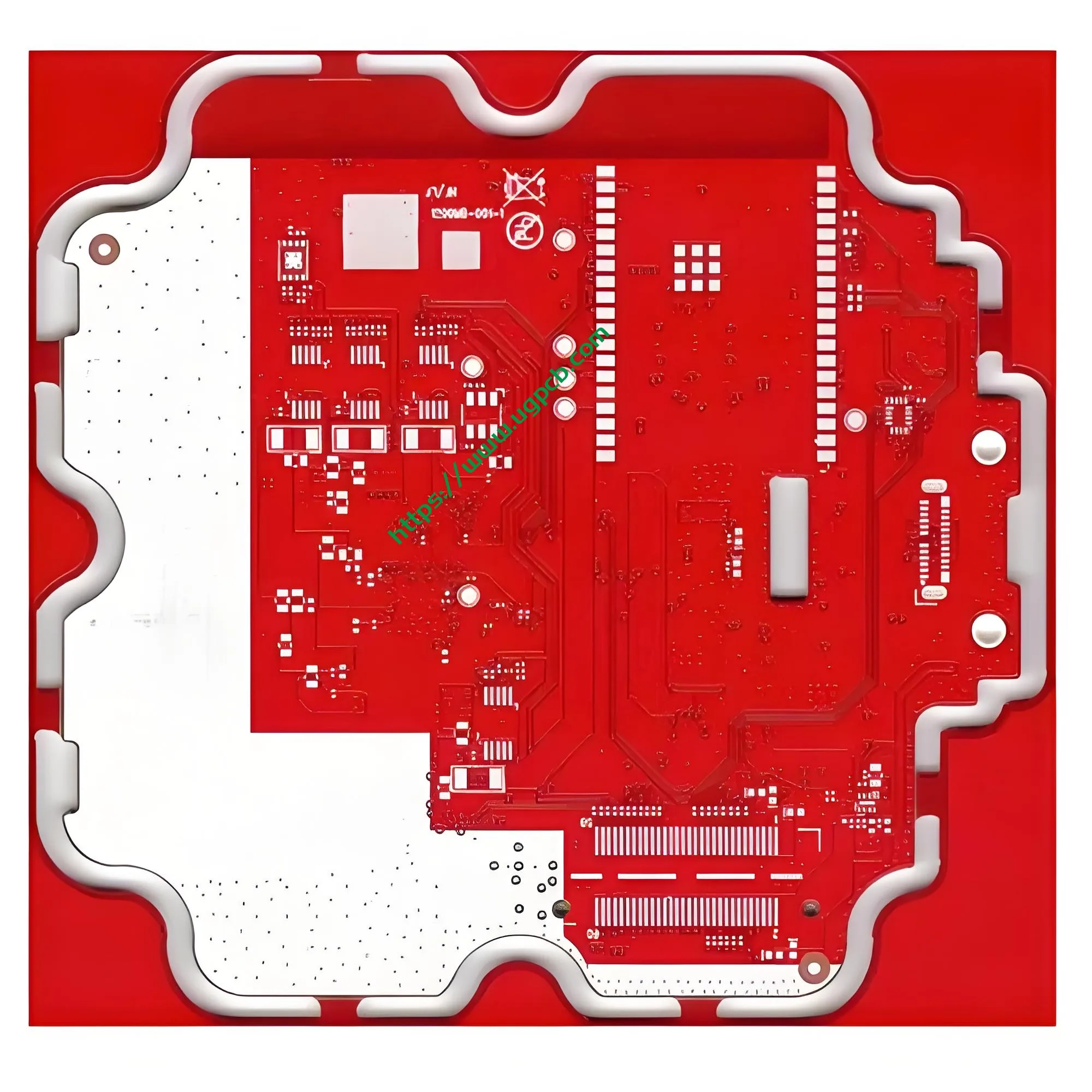
Alors que la technologie de conduite autonome L2+ à L4 se développe rapidement, chaque véhicule a maintenant besoin 5 à 8 Unités radar mmWave. L'ancien numéro était seulement 1 à 3. Le radar mmWave 77 GHz offre une résolution plus élevée et une taille plus petite. Il devient le capteur central des systèmes avancés d’aide à la conduite (Adas).
Cependant, 77Les signaux GHz sont confrontés à un défi de taille PCB standards. Le matériau FR-4 normal a un facteur de perte (Df) d'environ 0.02. Ce n'est pas acceptable. Nous devons utiliser des matériaux haute fréquence à faible perte et une stratification hybride précise.
L'UGPCB suit les principales normes de l'industrie. Nous lançons la carte radar UGPCB Rogers RO4835 77G mmWave. Il s'agit d'une haute fréquence profondément optimisée PCB hybride pour la bande 77GHz. Il garantit l'intégrité du signal et réduit considérablement les coûts de matériel.
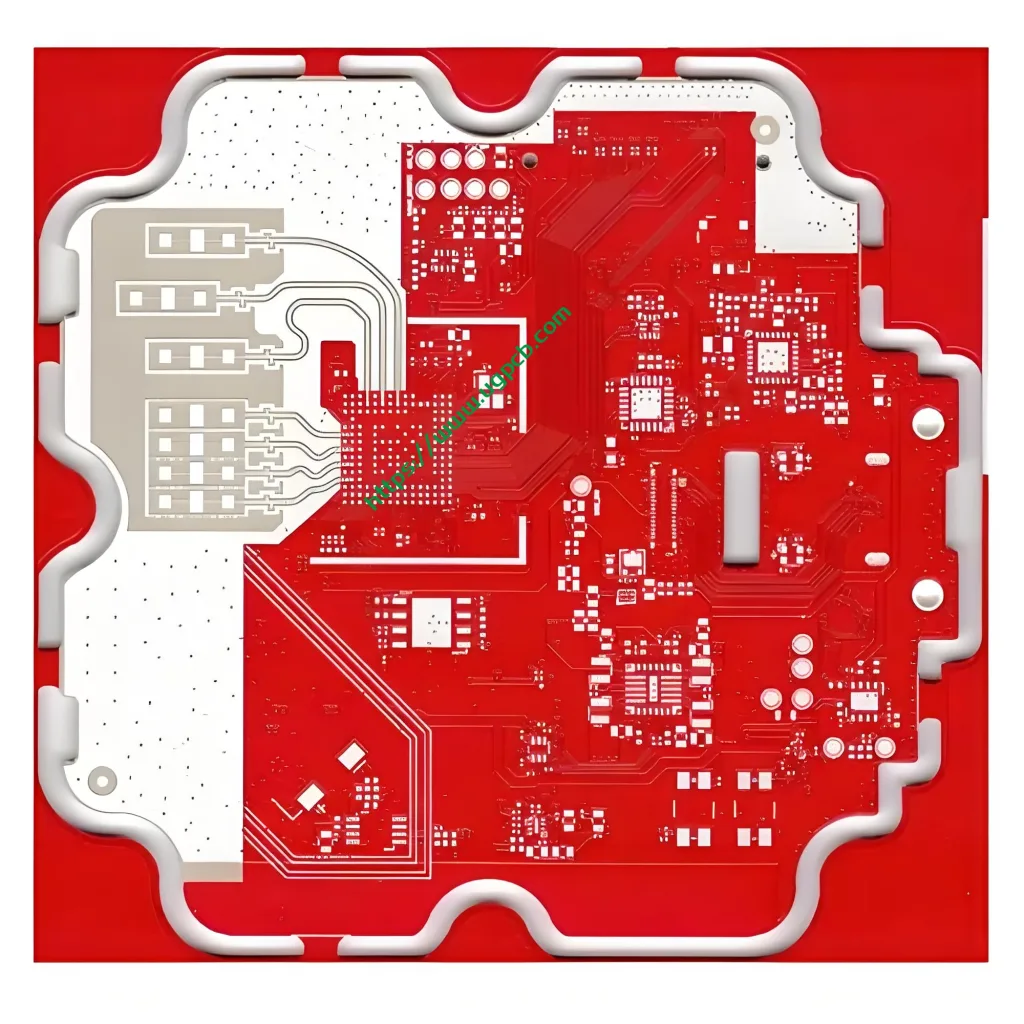
Présentation du produit | Paramètres clés du PCB radar 77G mmWave
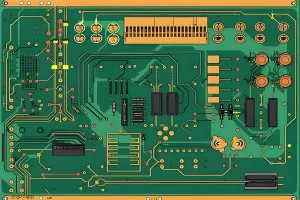
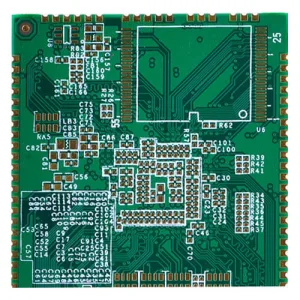
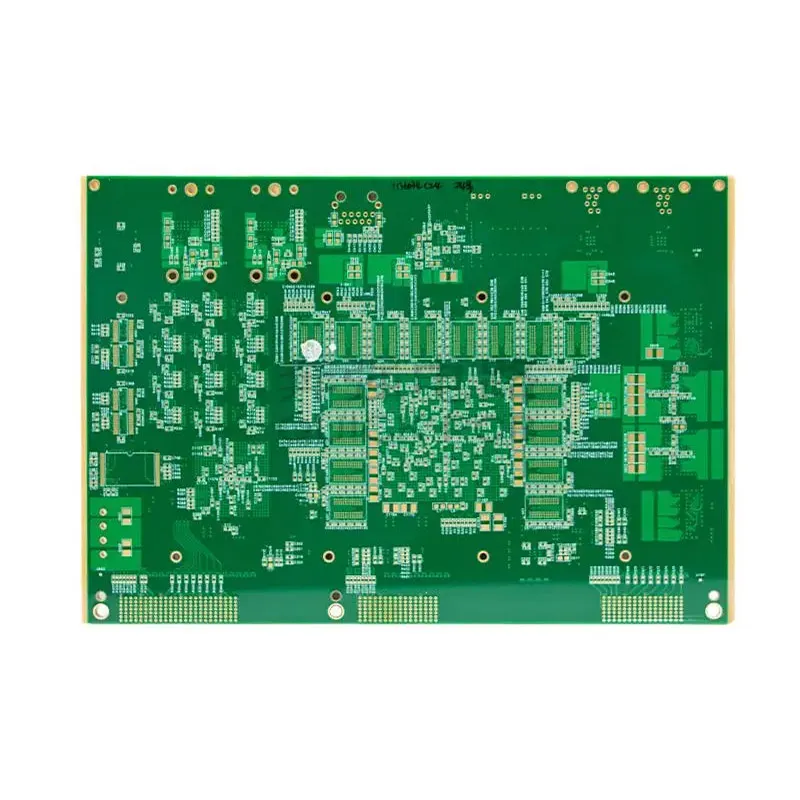
Le PCB radar 77G mmWave de l'UGPCB utilise RogersRO4835 matériau haute fréquence et solution hybride FR-4. Ce rigide à 6 couches circuit imprimé haute fréquence est spécialement conçu pour les antennes radar mmWave et les frontaux RF.
Principaux paramètres techniques (données basées sur la fiche technique officielle de Rogers et les méthodes de test standard IPC):
| Paramètre | Valeur | Norme d'essai / Note |
|---|---|---|
| Matériau du panneau | RogersRO4835 (Couche HF) + FR-4 (couche hybride) | - |
| Constante diélectrique (Ne sait pas) | 3.48 ± 0.05 @ 10 GHz | IPC-TM-650 2.5.5.5 |
| Facteur de dissipation (Df) | 0.0037 @ 10 GHz | Fiche technique Rogers (corrigé) |
| Épaisseur diélectrique | 4mil (0.1mm) | - |
| Nombre de couches | 6 couches | - |
| Épaisseur totale du panneau | 1.2mm | - |
| Épaisseur du cuivre | 1once (35µm) intérieur & extérieur | - |
| Via le processus | Bouchage de résine | - |
| Finition de surface | ACCEPTER (Or par immersion au nickel autocatalytique) | - |
| Conductivité thermique | 0.69 W / m · k | ASTM D5470 |
| Perte (Df) | 0.0037 @ 10 GHz | Conforme à ci-dessus |
Ces paramètres montrent une très faible perte diélectrique et une tolérance Dk stable. Le PCB hybride haute fréquence répond entièrement aux exigences de transmission mmWave 77 GHz.
Définition | Qu'est-ce qu'un PCB radar à ondes millimétriques de 77 GHz?
Un PCB radar mmWave 77 GHz est une carte de circuit imprimé spécialement conçue pour les modules radar mmWave fonctionnant à 77 GHz.. Ce type de PCB doit avoir un faible Dk, faible Df, haute stabilité dimensionnelle, et excellente gestion thermique.
La carte radar Rogers RO4835 77G mmWave de l'UGPCB utilise le RO4835 sur la couche RF centrale. Il utilise du FR-4 économique sur d'autres couches. Cela crée une solution PCB hybride haute fréquence typique. La solution protège l'intégrité du signal mmWave et contrôle bien le coût total. C'est un choix idéal pour le radar avancé, radar d'angle, et radar d'imagerie 4D.
Points clés de la conception | Considérations fondamentales pour le PCB radar mmWave
77GHz est une fréquence de fonctionnement typique dans la bande mmWave. A cette fréquence, La conception des PCB doit suivre strictement les règles haute fréquence.
1. Contrôle de l'impédance
La chaîne RF (antenne, émetteur-récepteur, filtre) sur un circuit à 77 GHz utilise une ligne de base d'impédance caractéristique de 50 Ω. Les ingénieurs utilisent des outils de calcul d'impédance comme Polar SI9000. Ils ajustent précisément la largeur des lignes, épaisseur diélectrique, et épaisseur de cuivre. L'objectif est une tolérance de ± 5 % pour les 50 Ω asymétriques et les 100 Ω différentiels.. Pour les PCB micro-ondes haute fréquence, l'industrie exige un contrôle d'impédance supérieur à ± 5 % (cela signifie 47,5-52,5Ω).
2. Sélection des matériaux
La norme FR-4 a un Df d'environ 0.02. Rogers RO4835 a un Df de seulement 0.0037 (@ 10 GHz). La perte de transmission du signal diffère de plus de 5 fois. Un mauvais choix de matériau réduit directement la distance de détection radar.
3. Conception de structures empilables
Dans la carte radar à 6 couches de l'UGPCB, Les traces de signaux RF s'étendent à l'intérieur du diélectrique RO4835 entre la couche supérieure (L1) et L2. Les autres couches utilisent du matériau FR-4. Cela garantit une transmission à faible perte sur les couches de signaux. Entre-temps, les couches FR-4 gèrent la distribution de puissance et le filtrage du signal. Cet empilement est appelé conception asymétrique pour les PCB hybrides haute fréquence..
4. Via la conception
77Les vias de signal GHz nécessitent une discontinuité d'impédance contrôlée. L'UGPCB utilise un colmatage en résine. Nous remplissons les vias de résine et aplatissons la surface. Cela évite la réflexion du signal et la perte causée par les entrefers..
Principe de fonctionnement | Comment un signal de 77 GHz est-il transmis sur le PCB?
Sur une ligne de transmission PCB, l'intégrité du signal haute fréquence dépend de Dk et Df. La carte radar mmWave 77 GHz utilise la propriété Low Df du RO4835.. Les ondes électromagnétiques à haute fréquence se propagent sur des microrubans ou des striplines avec très peu de perte d'énergie..
L'antenne émet des ondes radar dans l'espace. Ensuite, l'antenne de réception renvoie des signaux d'écho à la puce émetteur-récepteur. (comme NXP, Infineon, ou chipset radar TI 77 GHz). La couche hybride FR-4 fournit des signaux de contrôle de puissance et à basse vitesse. Cela permet à l'ensemble du module de fonctionner de manière stable dans les systèmes ADAS..
UGPCB Capacité PCBA prend en charge en outre l'assemblage et les tests de composants. Nous proposons une véritable fabrication de modules radar à guichet unique.
Applications | Où utiliser le PCB radar 77G mmWave
La carte radar 77G mmWave de l'UGPCB s'adapte à de nombreux domaines:
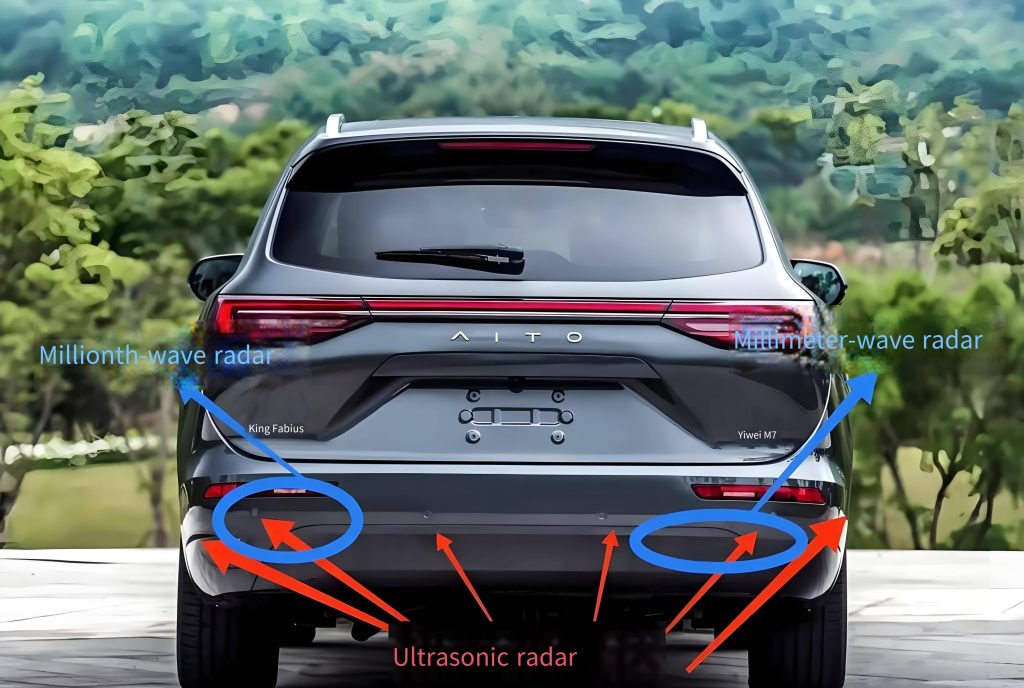
- Radar avancé automobile – pour le régulateur de vitesse adaptatif (ACC) et freinage d'urgence automatique (AEB)
- Radar d'angle – pour la détection des angles morts (BSD) et aide au changement de voie (LCA)
- 4Radar imageur D – pour la résolution de l’angle d’élévation et la classification des cibles
- Radar industriel à ondes millimétriques – contrôle d'automatisation, détection du niveau de matériau, surveillance de la sécurité
- V2X et trafic intelligent – capteurs radar dans les unités routières (UAR)
Classification | Catégorisation scientifique du PCB radar à ondes millimétriques 77G
Selon les normes industrielles et les systèmes de matériaux, La carte radar Rogers RO4835 77G mmWave de l'UGPCB a plusieurs classifications:
- Par système matériel – Résine hydrocarbonée RO4835 + stratifié haute fréquence chargé de céramique (répond à IPC-4103)
- Par structure de fabrication – PCB hybride haute fréquence (Couche RF RO4835, couche ordinaire FR-4)
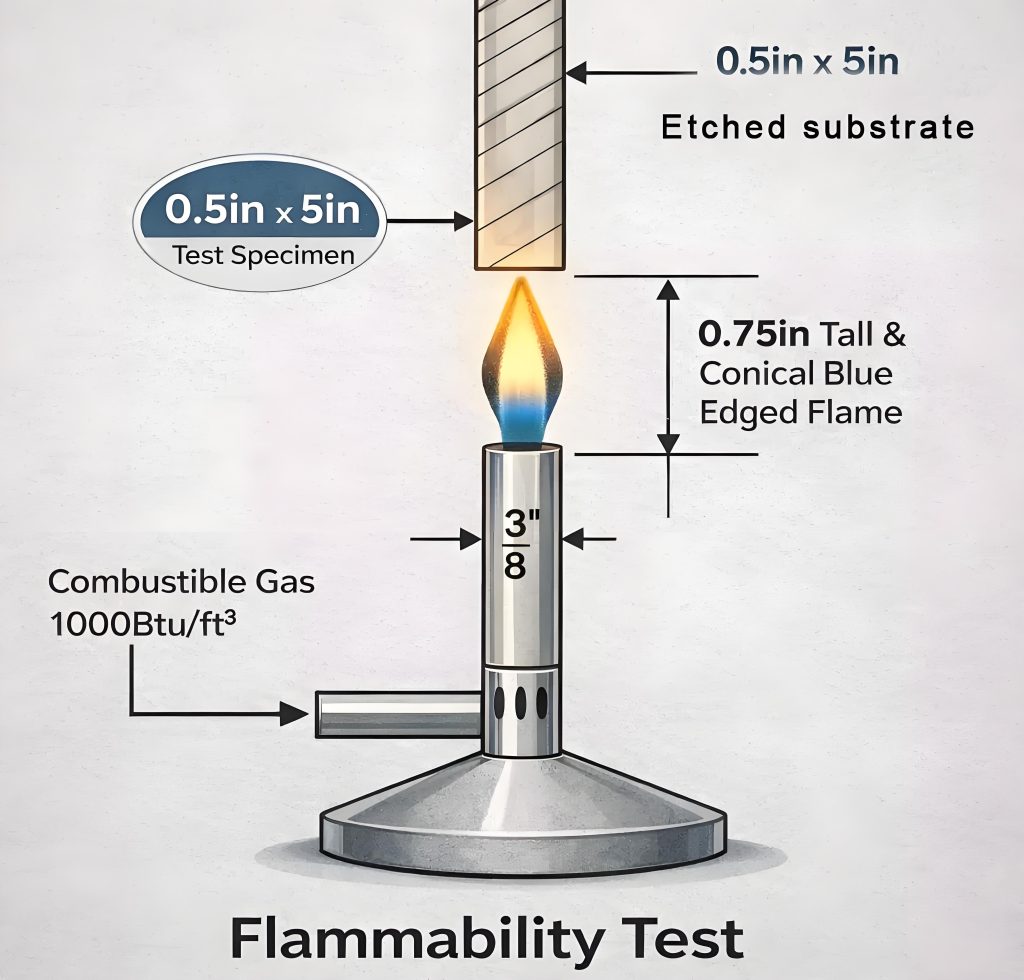
- Par classement de flamme – UL 94 V-0 (s'éteint automatiquement à l'intérieur 10 secondes après avoir retiré la flamme, aucune goutte enflammée n'enflamme le coton)
- Par niveau de PCB – 6 couches rigides panneau multicouche
- Par finition de surface - ACCEPTER (Or par immersion au nickel autocatalytique)
Note de référence: Le stratifié RO4835 répond à la norme IPC-4103 « Spécification pour les hautes fréquences (Micro-ondes) Matériaux de base » et satisfait à UL 94 V-0 cote de flamme. PCB 94V-0 signifie que le matériau s'éteint automatiquement à l'intérieur 10 secondes après avoir retiré la source de flamme, et aucune goutte brûlante n'enflamme le coton.
Matériaux utilisés | Combinaison scientifique de RO4835 et FR-4
L'UGPCB sélectionne précisément deux matériaux complémentaires pour la carte radar:
- RogersRO4835 – un stratifié micro-ondes rempli de résine d'hydrocarbure et de céramique. À 10 GHz, Dk est 3,48 ± 0,05 et Df est 0.0037. La résistance à l'oxydation est 10 fois mieux que les matériaux thermodurcis traditionnels.
- FR-4 – un stratifié de tissu de verre tissé époxy ignifuge et économique, UL 94 V-0 classé. Dans le tableau hybride, FR-4 gère les couches de puissance, couches de sol, et couches de signaux basse fréquence.
Parce que RO4835 et FR-4 ont des coefficients de dilatation thermique différents (CTE), le laminage nécessite un profil de chauffage par étapes et des couches tampons préimprégnées. Cela empêche la déformation et le délaminage.
Performance | Diélectrique, Perte, et conductivité thermique – trois en un
La carte radar Rogers RO4835 mmWave de l'UGPCB excelle dans trois indicateurs de performance clés:
| Paramètre | Valeur à 10 GHz | Norme d'essai / Source |
|---|---|---|
| Constante diélectrique (Ne sait pas) | 3.48 ± 0.05 | IPC-TM-650 2.5.5.5 |
| Facteur de dissipation (Df) | 0.0037 | Fiche technique officielle de Rogers |
| Conductivité thermique | 0.69 W / m · k | ASTM D5470 |
| Indice de flamme | UL 94 V-0 | Certification UL |
| Amélioration de l'oxydation | 10x mieux que le thermodurcissable traditionnel | Fiche technique Rogers RO4835 |
Ce matériau présente un coefficient de température Dk d'environ 50 ppm/°C de -50°C à 150°C. Son CTE sur l'axe Z est 31 ppm/°C. Cela signifie que la carte radar 77G mmWave maintient la stabilité de phase dans la large plage de températures automobiles..
Structure | Conception fine d'empilage hybride à 6 couches
Empilement de circuits imprimés hybrides haute fréquence à 6 couches typique de l'UGPCB:
| Couche | Cuivre | Matériel | Fonction |
|---|---|---|---|
| L1 (Haut) | 1once | RO4835 | Signal – traces RF 77 GHz (microruban) |
| L2 | 1once | RO4835 | Masse – masse de référence RF complète |
| Diélectrique | - | RO4835 (4mils/0,1 mm) | Milieu à faibles pertes |
| L3 | 1once | Transition RO4835/FR-4 | Ligne de bande RF / distribution d'énergie |
| L4-L6 | 1once | FR-4 | Signal conventionnel & Couches de puissance |
Cette structure garantit le déplacement des signaux RF entre L1 et L2 en utilisant un faible Dk, matériau à faibles pertes. La partie FR-4 gère la logique du système et l'intégrité de l'alimentation..
Caractéristiques | Avantages uniques du PCB radar 77G mmWave
- Stabilité à l'oxydation – Offres RO4835 10 résistance à l'oxydation fois supérieure à celle des matériaux thermodurcis traditionnels. Cela prolonge considérablement la durée de vie de la carte radar dans les environnements automobiles difficiles.
- Conception à faible perte d'insertion – Df = 0,0037 garantit une atténuation contrôlable pour la transmission du signal longue distance à 77 GHz.
- Compatible sans plomb – Entièrement conforme RoHS, prend en charge le soudage par refusion sans plomb.
- Fiabilité élevée du PTH – Le RO4835 offre une fiabilité de trou traversant plaqué de haute qualité dans les cartes multicouches, pas de cloques ni de délaminage.
- Réduction des coûts avec le FR-4 hybride – La conception hybride réduit le coût total des matériaux de 30% à 60%, améliorant considérablement la valeur du projet.
- Surface ENIG – L'or par immersion au nickel autocatalytique garantit la fiabilité du soudage et la faisabilité de la liaison par fil d'or.
Processus de fabrication | Précision du matériau au panneau fini
L'UGPCB suit un processus hybride haute fréquence strict pour les cartes radar 77G mmWave:
- Préparation du matériel – Nettoyer et cuire le matériau haute fréquence RO4835 et les substrats FR-4 pour maintenir une faible absorption d'humidité.
- Circuit de couche interne – Utiliser de la haute précision ILD exposition et gravure fine pour les couches de signaux haute fréquence L1-L2. Contrôle de la largeur de ligne supérieur à ± 8 μm.
- Inspection de la zone d'intérêt – L’inspection optique entièrement automatique garantit l’absence de défauts sur les modèles de couches internes.
- Laminage – Utiliser un profil de chauffage et de pression par étapes avec des couches tampons préimprégnées. Cela libère les contraintes de décalage CTE et empêche le délaminage et la déformation..
- Forage – Optimiser les paramètres de forage séparément pour RO4835 et FR-4. Utiliser une alimentation faible, grande vitesse, plus un démaquillage au plasma.
- Bouchage de résine – Remplissez tous les vias de résine et aplatissez.
- Modèle de couche externe et placage – Plaque de cuivre externe à 1oz, puis gravez les traces finales.
- Finition de surface ENIG – Or par immersion au nickel chimique, l'épaisseur répond à la classe IPC 2/3.
- Test d'impédance - 100% Le test TDR vérifie l'impédance de 50 Ω, une précision de ± 5 % sur chaque carte.
- Inspection finale et test électrique – Le test de la sonde volante et l’inspection visuelle garantissent les performances électriques.
Scénarios d'utilisation | Déploiement de la carte radar UGPCB dans des systèmes réels
Le PCB radar 77G mmWave de l'UGPCB peut être directement déployé dans ces modules radar typiques:
- Carte principale du radar avancé – Intègre la couche d'antenne Rogers RO4835 avec une puce RF et un MCU, pris en charge par le service d'assemblage PCBA à guichet unique de l'UGPCB.
- Module d'antenne radar d'angle – L'hybride RO4835+FR4 offre une détection latérale stable au moindre coût.
- 4Radar imageur D – L'empilement hybride haute fréquence multicouche prend en charge les réseaux d'antennes MIMO multicanaux.
- Capteur radar industriel – Convient aux applications haute fréquence non automobiles telles que les AGV d'entrepôt intelligent et les radars de sécurité.
Pourquoi choisir UGPCB? – Obtenez votre devis maintenant
En tant que professionnel Fabrication de PCB et fournisseur de services PCBA, L'UGPCB offre des garanties uniques:
- Expérience hybride haute fréquence – Ligne de production dédiée pour Rogers, PTFE et autres matériaux haute fréquence hybrides avec FR-4 pour la production en volume.
- Haute précision – Contrôle de la largeur de ligne à l'intérieur 10%, 100% Tests TDR, précision d'impédance ±5 %.
- Système qualité de qualité automobile – Rencontrez l’IATF 16949 exigences de certification automobile.
- Service rapide – Échantillons livrés en 7-10 jours pour une itération rapide.
- PCBA à guichet unique – Service complet depuis la production de cartes radar jusqu’à l’assemblage des composants et les tests fonctionnels.
👉 Pour le prototypage ou la production de masse de PCB radar 77G mmWave, contactez-nous maintenant. L'équipe technique de l'UGPCB propose une révision gratuite du DFM et des conseils d'optimisation de la conception de l'impédance.. Envoyez vos fichiers Gerber et vos exigences techniques. Nous fournirons les prix et les délais de livraison des PCB hybrides haute fréquence les plus compétitifs.
Obtenez votre devis maintenant → Formulaire de demande rapide UGPCB
Conclusion
Dans 2026, alors que la conduite autonome et l’IA fusionnent rapidement, le radar mmWave 77 GHz devient le fondement de la perception des véhicules intelligents. L'UGPCB s'appuie sur la faible perte et la haute résistance à l'oxydation du Rogers RO4835. Nous le combinons avec la structure de coûts flexible de FR-4. Le résultat est une solution de PCB hybride haute fréquence qui équilibre véritablement performances et production de masse..
Pour la fiche technique complète ou l’assistance technique à la conception, merci de visiter le site de l'UGPCB. Nos ingénieurs d'applications RF vous assisteront depuis la conception de l'agencement jusqu'à la production en série de cartes radar..
Avis de droit d'auteur: Tous les paramètres techniques de ce document proviennent des fiches techniques officielles de Rogers et des normes industrielles IPC accessibles au public.. Les données ont été vérifiées par nos ingénieurs seniors pour garantir l'exactitude. L'UGPCB se réserve le droit d'interprétation finale de ce document..