
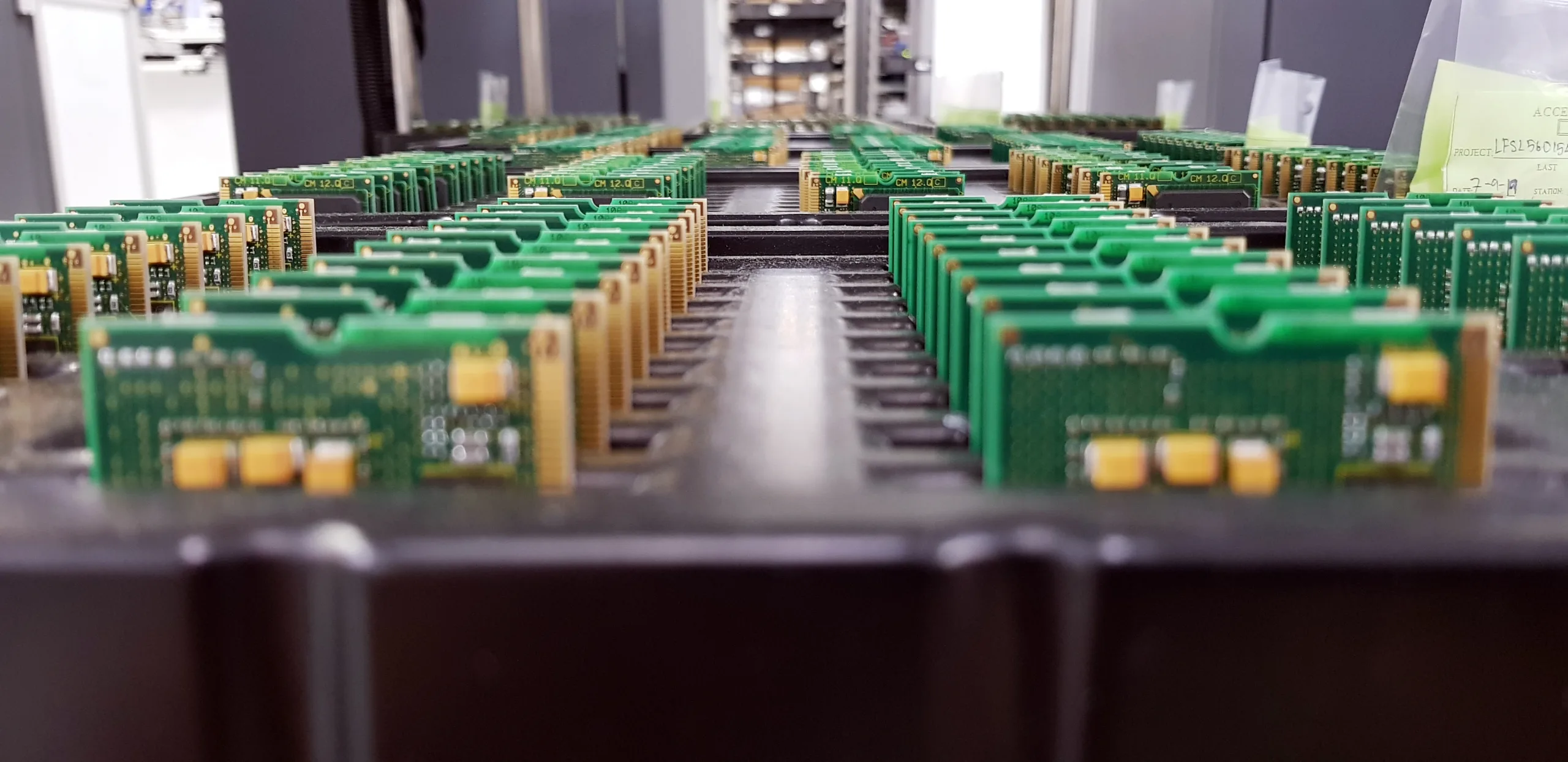
Proiectat pentru marginea inovației
Evoluția către afișaje fără ramă și sisteme de camere cu lentile multiple în smartphone-uri, cuplată cu cererea de miniaturizare în endoscopia medicală, prezintă o provocare universală: fiecare milimetru de spațiu intern economisit se traduce prin câștiguri semnificative de design. Rigid tradițional PCB -uri nu se poate îndoi, în timp ce circuitele flexibile (FPC-uri) adesea lipsit de sprijin adecvat în zonele dense de componente.
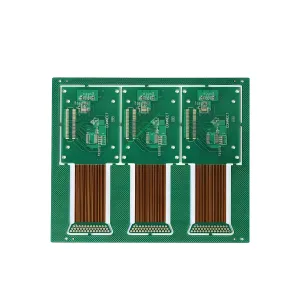
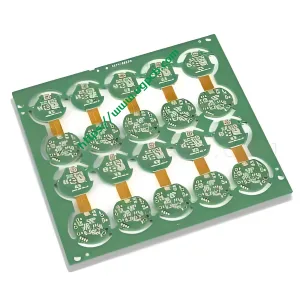
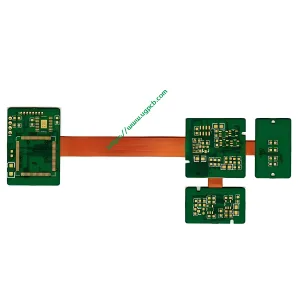
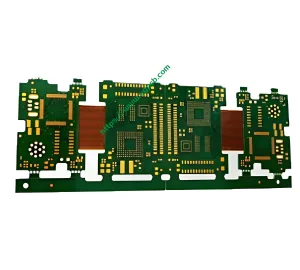
UGPCB introduce avansatul său PCB pentru modulul camerei rigid-flex, o soluție care combină cu măiestrie stabilitatea mecanică a FR-4 cu flexibilitatea dinamică a poliimidei (Pi). Această interconexiune inovatoare elimină conectorii și hamurile, oferind o directă, de încredere, și legătura eficientă din punct de vedere al spațiului pentru sistemele de camere compacte.
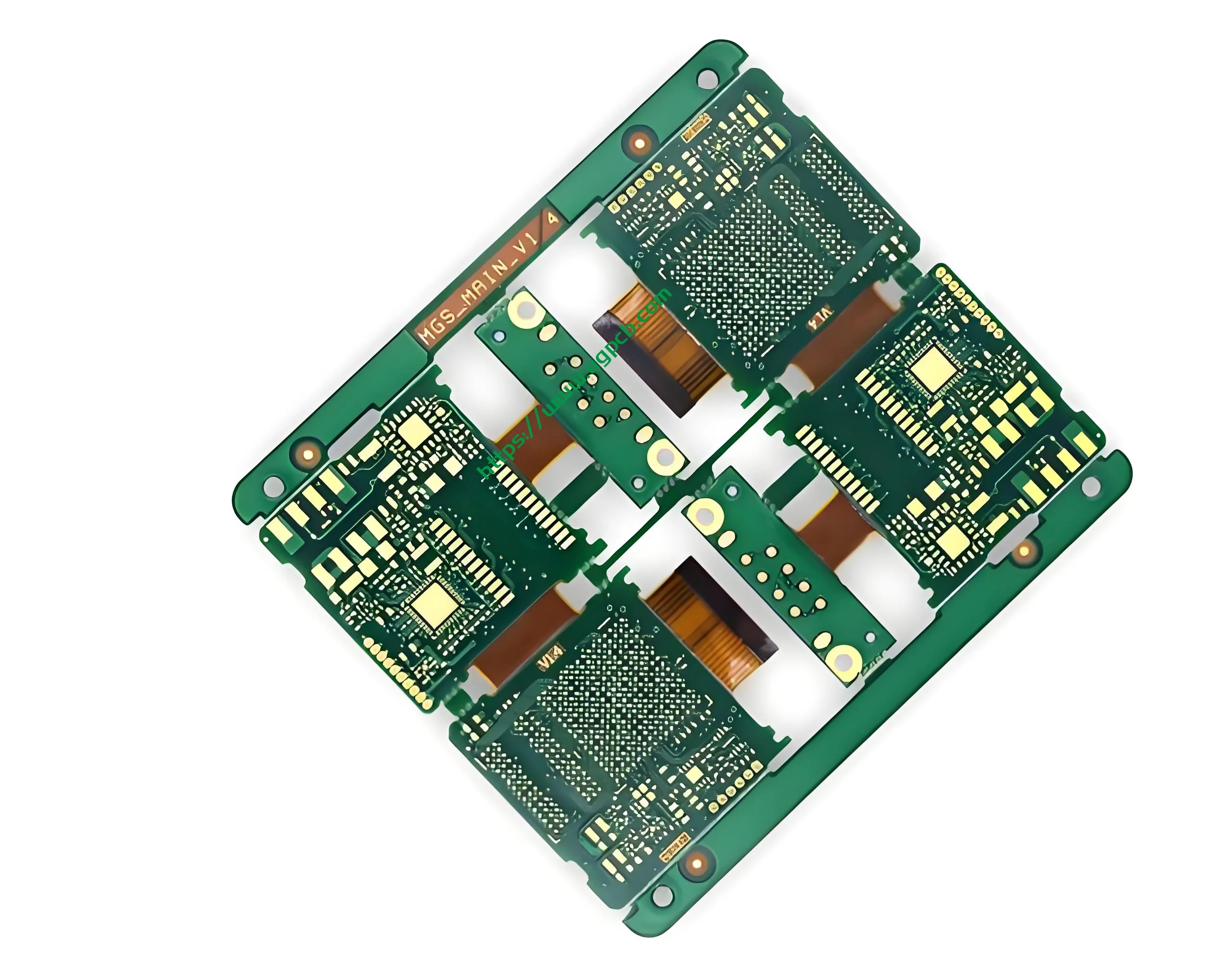
1. Prezentare generală a produsului: Definirea PCB-ului modulului de cameră rigidă-flex
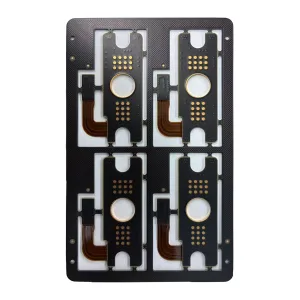
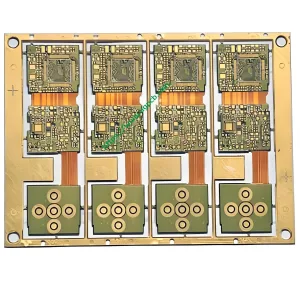
O PCB rigid-flex nu este un simplu ansamblu al unei plăci rigide și a unui cablu flexibil conectat printr-un conector. Este un monolitic, structura inseparabila formata prin laminare subtire, substraturi flexibile din poliimidă cu miezuri robuste FR-4 armate cu sticlă epoxidică prin procese avansate de laminare în vid .
Oferta UGPCB este concepută special pentru module de cameră. Dispune de o 2-strat rigid + 2-strat flexibil construcție. Acest design înlocuiește conectorii și cablurile voluminoase găsite în configurațiile tradiționale, scurtând drastic calea semnalului dintre senzorul de imagine CMOS și procesorul principal al aplicației.
2. Principii de proiectare: Arta de a echilibra rigiditatea și flexibilitatea
Proiectarea acestui tip de PCB necesită o planificare 3D precisă pentru a echilibra performanța electrică cu rezistența mecanică. Ingineria UGPCB se concentrează pe mai multe aspecte critice:
-
Arhitectură de stivuire: Designul folosește o construcție simetrică cu a grosimea secțiunii rigide de 0,4 mm și a grosimea secțiunii flexibile de doar 0,15 mm. Acest control precis asigură că în timpul îndoirii, axa neutră a regiunii flexibile se aliniază cu conductorul de cupru, reducerea semnificativă a stresului și prevenirea fracturii urmelor.
-
Managementul zonei de tranziție: Interfața dintre zonele rigide și cele flexibile este zona cea mai critică a produsului. UGPCB utilizează tehnici de curgere controlată a adezivului și prin conectare pentru a preveni delaminarea sau concentrarea tensiunii în timpul ciclurilor repetate de flexie.
-
Integritatea semnalului: Pentru a gestiona date de mare viteză de la senzorii de imagine moderni, designul respectă un control strict al impedanței, facilitat de a minim urma/spatiu de 3mil/3mil. Acest lucru asigură o transmisie curată a semnalului, fără zgomot sau interferențe care ar putea degrada calitatea imaginii.
3. Materiale & Performanţă: Construit pe o bază de calitate
Performanța excepțională a acestui PCB provine dintr-o selecție riguroasă de materiale premium:
-
Material strat rigid: De înaltă calitate FR-4 asigură rezistența mecanică necesară. Garantează planeitatea absolută pentru montarea senzorului CMOS, o cerință nenegociabilă pentru menținerea planului focal precis al modulului camerei.
-
Material strat flexibil: Poliimidă (Pi) filmul este standardul industrial pentru straturile flexibile . PI oferă o rezistență excepțională la căldură (rezistând profilurilor de refluere fără plumb), rezistență remarcabilă la încovoiere atât pentru aplicații de îndoire statică cât și dinamică, și stabilitate chimică excelentă.
-
Finisaj de suprafață: PCB-ul are un Nichel Electroless Paladiu Imersion Aur (Enepic) termina. Acest tratament avansat de suprafață depune straturi de nichel, paladiu, și aur . Oferă o suprafață perfect plană, lipire excelentă pentru componentele miniaturale, și este ideal pentru lipirea sârmei de aluminiu sau aur, care este adesea necesar în ambalajul senzorului .
4. Specificații cheie
Următorii parametri demonstrează capacitatea UGPCB de înaltă precizie, fabricație miniaturizată:
-
Model: PCB pentru modulul camerei rigid-flex
-
Combinație de materiale: FR-4 (Rigid) + Pi (Flex)
-
Configurare strat: Rigid 2 Straturi / Flex 2 Straturi
-
Culoarea măștii de lipit: Verde / Alb (Opțional)
-
Grosime terminată: Zona rigidă 0,4 mm / Zona Flex 0,15 mm
-
Greutate de cupru: 1 Oz (aproximativ. 35µm)
-
Lățimea/Spațiul minim de linie: 3mil / 3mil
-
Tratament de suprafață: Enepic (NiPdAu)
-
Aplicație primară: PCB pentru modulul camerei (pentru smartphone-uri, auto, medical, drone)
5. Cum funcționează: Structură și funcționalitate
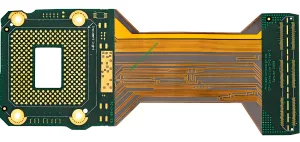
Structural, acest PCB poate fi vizualizat ca a “insulă rigidă” plutind pe a “mare flexibilă.”
-
Zona rigidă: Cu cât mai gros (0.4mm) Zonele FR-4 servesc drept platformă de montare pentru senzorul de imagine și componentele pasive. Această rigiditate asigură acest lucru în timpul autofocalizării sau stabilizării optice a imaginii, îmbinările de lipit care leagă senzorul nu sunt supuse solicitărilor mecanice.
-
Zona flexibila: Cel ultra-subțire (0.15mm) Zonele bazate pe PI acționează ca un cablu panglică, rutarea datelor de imagine de mare viteză de la insula rigidă la placa logică principală. Profilul său subțire îi permite să fie pliat în forme de Z sau U, conformându-se perfect cu spațiul limitat din interiorul unui smartphone, trântor, sau cameră endoscopică.
-
Principiul de funcționare: Când lumina atinge senzorul camerei, semnalele electrice generate se deplasează prin urmele de cupru gravate cu precizie din zona flexibilă. Integritatea acestor semnale este menținută prin proiectarea controlată de impedanță, asigurându-vă că imaginea finală este clară și lipsită de artefacte.
6. Procesul de fabricație: O călătorie a preciziei
UGPCB urmează procese de vârf în industrie, aliniat cu standardele IPC, pentru a se asigura că fiecare PCB rigid-flex îndeplinește cele mai înalte standarde de fiabilitate :
-
Pregătirea materialelor & Curatenie: Materialele de bază FR-4 și PI sunt tăiate la dimensiune. Materialul PI este supus unui tratament cu plasmă pentru a spori energia de suprafață, asigurand o aderenta puternica in timpul laminarii.
-
Imagistica stratului interior: Folosind fotolitografie, amenda 3mil circuitele sunt gravate atât pe straturi rigide, cât și pe straturi flexibile. Inspecție optică automată (Aoi) verifică absența defectelor precum deschideri sau pantaloni scurți .
-
Laminare & Lipirea în vid: Straturile interioare pregătite sunt stivuite cu foi de lipire (preimpregnat) și laminate la temperaturi și presiune ridicate într-un mediu de vid. Acest proces unește secțiunile rigide și flexibile într-o singură, unitate inseparabilă fără scurgeri nedorite de adeziv .
-
Foraj & Placare: mecanică și Foraj cu laser UV creați micro-vias pentru interconectarea stratului. Aceste găuri sunt apoi făcute conductoare prin placare cu cupru fără electroși și întărite cu cupru galvanizat.
-
Stratul exterior & Finisaj de suprafață: Se formează straturile exterioare ale circuitului, urmată de aplicarea Enepic finisarea suprafeței.
-
Aplicație Coverlay & Profilare: Se aplică un strat protector de poliimidă. Tăiere cu laser este apoi folosit pentru a precis “deschide” acoperirea peste tampoane și pentru a profila forma finală a plăcii, asigurând stres mecanic zero pe zonele delicate de flexibilitate .
7. Clasificarea științifică
Conform standardelor din industrie, acest produs este clasificat ca:
-
După Structură: Placă de circuit imprimat rigid-flex multistrat (în special o construcție 2R+2F).
-
Prin cerere: PCB pentru modulul optoelectronic (Modulul camerei).
-
Prin tehnologie: HDI PCB rigid-flex, datorită lățimii sale fine de 3 mil și cerințelor microvia.
8. Aplicații: Dincolo de Smartphone
În timp ce este optimizat pentru modulele camerei, atributele acestui PCB îl fac ideal pentru o serie de aplicații solicitante:
-
Electronica de consum: Module cu mai multe camere în smartphone-urile emblematice, camere în dispozitive pliabile, și camere web ultra-subțiri pentru laptop.
-
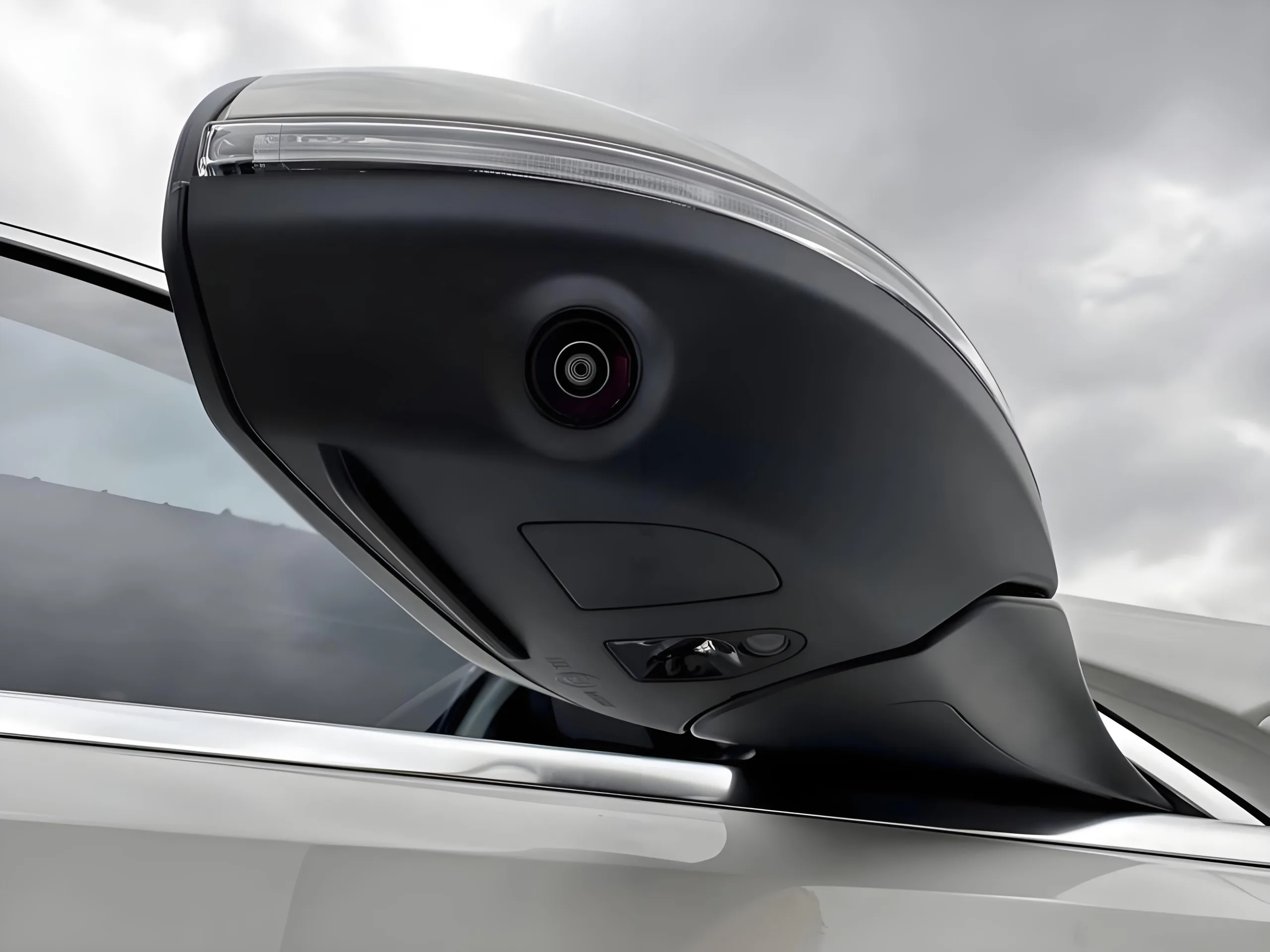
Electronică auto: 360-camere cu vedere surround și sisteme de monitorizare a șoferului (DMS). Aceste medii necesită fiabilitate în condiții de vibrații extreme și fluctuații de temperatură (-40°C până la +85°C), unde plăcile rigid-flex elimină riscul defecțiunii conectorului.
-
Dispozitive medicale: Endoscoape miniaturale și sonde imagistice. Combinația dintre subțirerea extremă și fiabilitatea ridicată permite inserarea în cavități mici în timp ce transmite video de înaltă definiție.
9. De ce să vă asociați cu UGPCB pentru nevoile dvs. de modul de cameră?
-
Deblocați spațiul: Combinația dintre o zonă rigidă de 0,4 mm și o zonă flexibilă de 0,15 mm poate economisi 60% a spațiului față de tradițional “placa-la-cablu” soluții de interconectare.
-
Îmbunătățiți fiabilitatea: Prin eliminarea conectorilor și îmbinărilor de lipit, rata de eșec în medii cu vibrații mari poate fi redusă cu până la 70%.
-
Garantați fidelitatea semnalului: Liniile de precizie 3mil/3mil asigură canale de transmisie stabile pentru interfețe de mare viteză precum MIPI, păstrând integritatea imaginii de la senzor la procesor.
Obțineți o ofertă și împuterniciți produsul dvs. de nouă generație
UGPCB este mai mult decât un producător; suntem partener în inovare. Indiferent dacă dezvoltați un smartphone emblematic sau un dispozitiv de imagistică medicală de ultimă oră, noastre PCB pentru modulul camerei rigid-flex este proiectat pentru a satisface cele mai exigente cerințe de spațiu, greutate, si fiabilitate.
Trimiteți fișierele dvs. Gerber sau întrebările de proiectare către [sales@ugpcb.com] . Echipa noastră de ingineri va oferi un DFM profesionist (Proiectare pentru producție) analiză și o cotație de volum competitivă în cadrul 24 ore. Alegeți UGPCB pentru precizia pe care vă puteți baza.


Nu comentez în mod obișnuit, dar trebuie să vă salut pentru postarea despre aceasta specială : D..