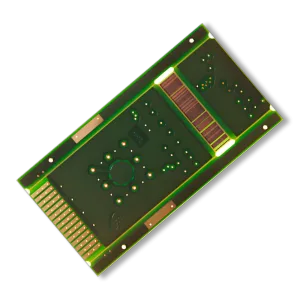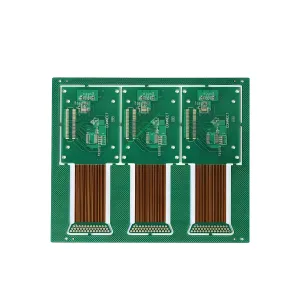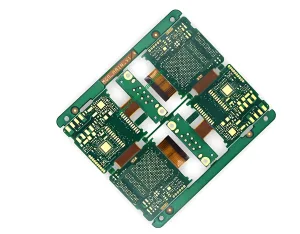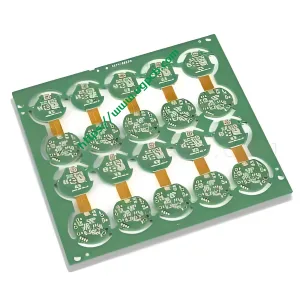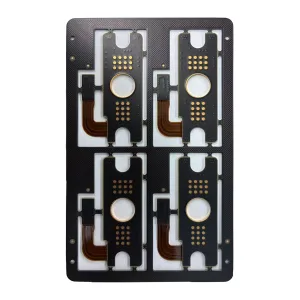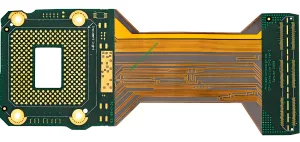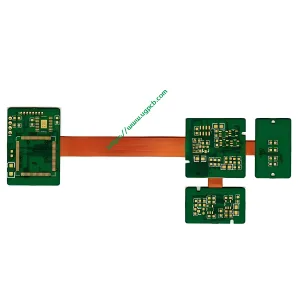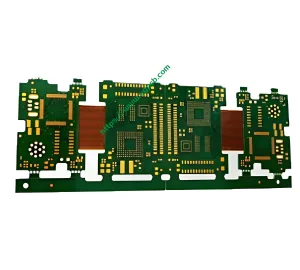
În evoluția rapidă de astăzi către greutatea ușoară, subţire, scurt, și dispozitive electronice compacte, cel PCB rigid-flex a devenit indispensabil în domenii de înaltă precizie precum telecomunicațiile, instrumente medicale, și aerospațial. Combinația sa unică de suport rigid și flexibilitate tridimensională îl face o componentă critică de interconectare.
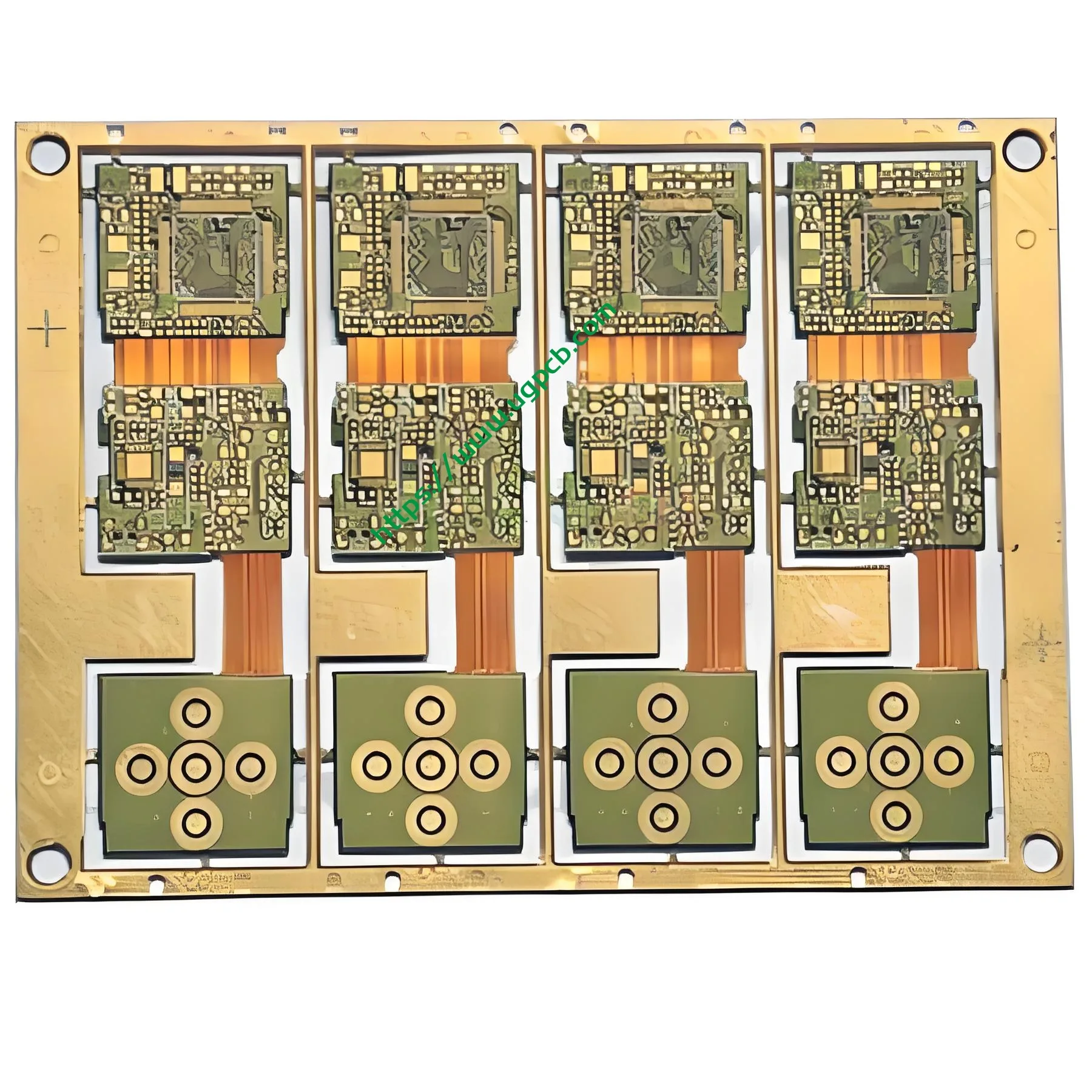
Ca profesionist Producător de PCB, UGPCB își prezintă înaltă performanță PCB Rigid-Flex Soldermask galben (R-FPCB) . Acest articol explorează această placă avansată, construit cu FR-4 + materiale PI și a 6-strat rigid plus 4 straturi flexibil structura. Vom examina principiile sale de proiectare, procesele de fabricatie, și aplicații, arătând modul în care permite o transmisie mai stabilă a semnalului și un aspect al sistemului mai compact.
1. Definiția și prezentarea generală a produsului
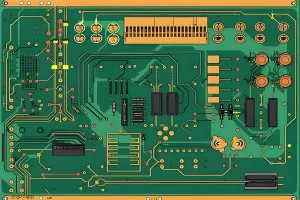
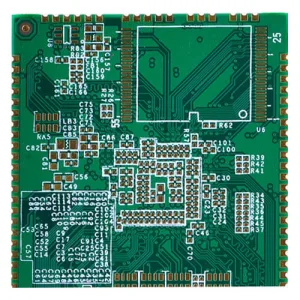
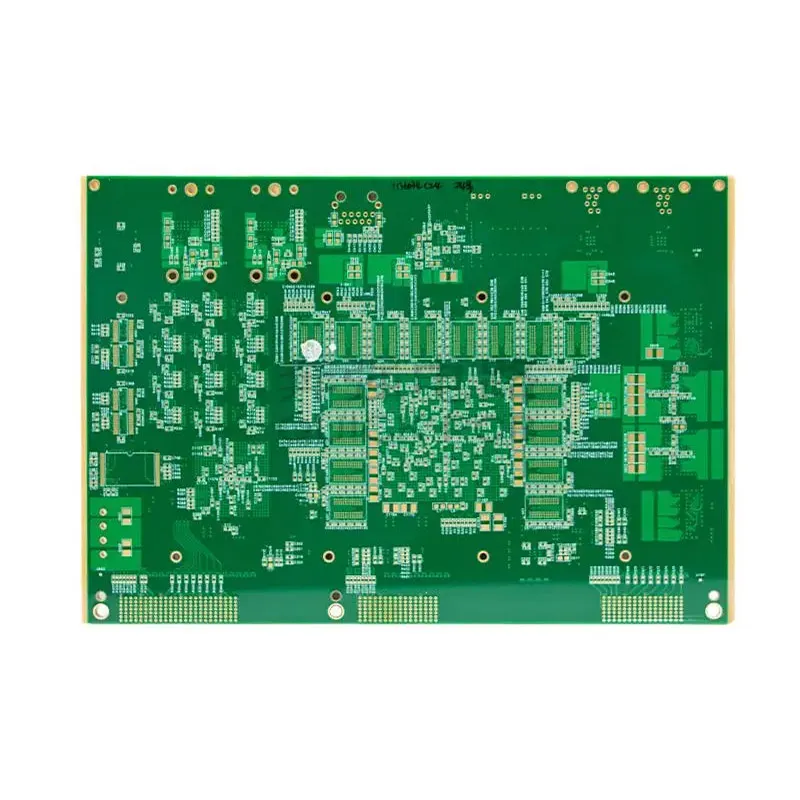
UGPCBPlacă rigidă Flex pentru soldermask galbenă integrează un PCB rigid și o placă de circuit flexibilă într-o singură soluție de interconectare printr-un proces de laminare.
Specificații cheie:
Stivuire de straturi: 6 straturi (6L) în secțiuni rigide / 4 straturi (4L) în secțiuni flexibile
Combinație de materiale: FR-4 (zone rigide) + Pi (Poliimidă, zone flexibile)
Culoare suprafață: Mască de lipit galbenă (rigid) / acoperire albă (flex)
Grosime terminată: 0.4mm (secțiuni rigide) / 0.2mm (secțiuni flexibile)
Acest design păstrează suportul structural și capacitatea de transport a componentelor zonelor rigide, utilizând în același timp capacitatea de îndoire a secțiunilor flexibile.. Realizează o adevărată integrare rigid-flex, eliminând nevoia de conectori tradiționali și cabluri panglică.
2. Principii de proiectare și tehnologie
O. Principiul de lucru
Miezul tehnologiei rigid-flex constă în interconectarea perfectă. UGPCB laminează straturi PI flexibile cu straturi rigide FR-4 la temperaturi și presiune ridicate. În zone flexibile, Materialul FR-4 este îndepărtat, lăsând baza PI cu o acoperire pentru a permite îndoirea. În zone rigide, FR-4 rămâne de susținut componente. Această structură elimină punctele fizice de contact din conectori, sporind semnificativ integritatea semnalului (SI) si rezistenta la vibratii.
B. Considerații de proiectare
Controlul impedanței: Pentru PCB-uri de comunicații de înaltă frecvență, controlul strict al lățimii și distanței de 3,5 mile asigură o impedanță diferențială constantă (De ex., 100Oh).
Protecția zonei de tranziție: Joncțiunea dintre secțiunile rigide și cele flexibile (ciotul) este un punct de stres. Designul UGPCB folosește tranziții rotunjite și lățimi conice ale urmelor pentru a preveni fisurarea în timpul îndoirii.
Stackup Matching: Grosimea uniformă de cupru de 1 OZ este menținută pentru a preveni defecțiunea prin oboseală în secțiunile flexibile în timpul flexiei dinamice.
3. Analiza materialului și a performanței
O. Materiale de bază
FR-4 (Zone rigide): Un laminat epoxidic ranforsat cu fibra de sticla. Oferă rezistență mecanică ridicată, rezistenta la caldura, si izolatie, oferind o platformă stabilă pentru montarea componentelor grele, cum ar fi cipuri și conectori.
Pi (Zone flexibile): Film de poliimidă. Oferă o rezistență excelentă la temperaturi înalte (functionare >150°C), un factor de pierdere dielectric scăzut (Df), și o durată de viață ridicată la flexibilitate.
Finisaj de suprafață: Aur de imersiune (De acord). Acest proces chimic depune un strat de nichel-aur peste cupru.
Avantaje: Planeitate mare a suprafeței, potrivită pentru circuite cu pas fin (3.5distanță mil), rezistență puternică la oxidare, și o bună lipire împreună cu capacitatea de lipire a firului de aluminiu.
B. Specificații cheie de performanță
| Parametru | Caietul de sarcini | Avantaj tehnic |
|---|---|---|
| Min. Urmă/Spațiu | 3.5mil / 3.5mil | Suportă rutare de înaltă densitate pentru module de comunicații compacte. |
| Min. Burghiu mecanic | 0.1mm | Tehnologia Micro-via îmbunătățește utilizarea canalului de rutare și reduce capacitatea parazitară interstrat. |
| Grosime terminată | 0.4mm (Rigid) / 0.2mm (Flex) | Designul ultra-subțire economisește spațiu în interiorul carcasei dispozitivului. |
| Grosime de cupru | 1Oz (35μm) | Echilibrează capacitatea de purtare a curentului cu rezistența la încovoiere, asigurarea integritatii semnalului. |
4. Clasificare structurală și caracteristici
O. Clasificarea structurală
Acest produs este un structură asimetrică (6-strat rigid + 4-strat flexibil) din categoria plăcilor rigid-flex multistrat. În general, plăcile rigid-flex sunt clasificate ca:
Tip stratificat: Straturile flexibile se extind independent, asa cum se vede in acest produs.
Tip fără straturi: Întreaga placă folosește material flexibil, cu rigidizări adăugate în zone specifice.
B. Caracteristicile produsului
Fiabilitate ridicată: Finisajul auriu de imersie combinat cu materialul PI asigură performanțe electrice stabile chiar și în medii dure (temperatură și umiditate ridicate).
Precizie înaltă: Capacitățile de producție pentru linii fine de 3,5 mil și micro-via de 0,1 mm rezolvă provocările de interconectare de înaltă densitate.
Optimizarea spațiului: Înlocuiește conectorii, reducerea volumului de instalare cu peste 60% și scăderea greutății totale a produsului.
Diferențierea vizuală: Masca de lipit galbenă oferă un aspect unic și oferă un contrast mai clar în timpul asamblarii SMT, facilitarea inspecției optice.
5. Procesul de fabricație și controlul calității
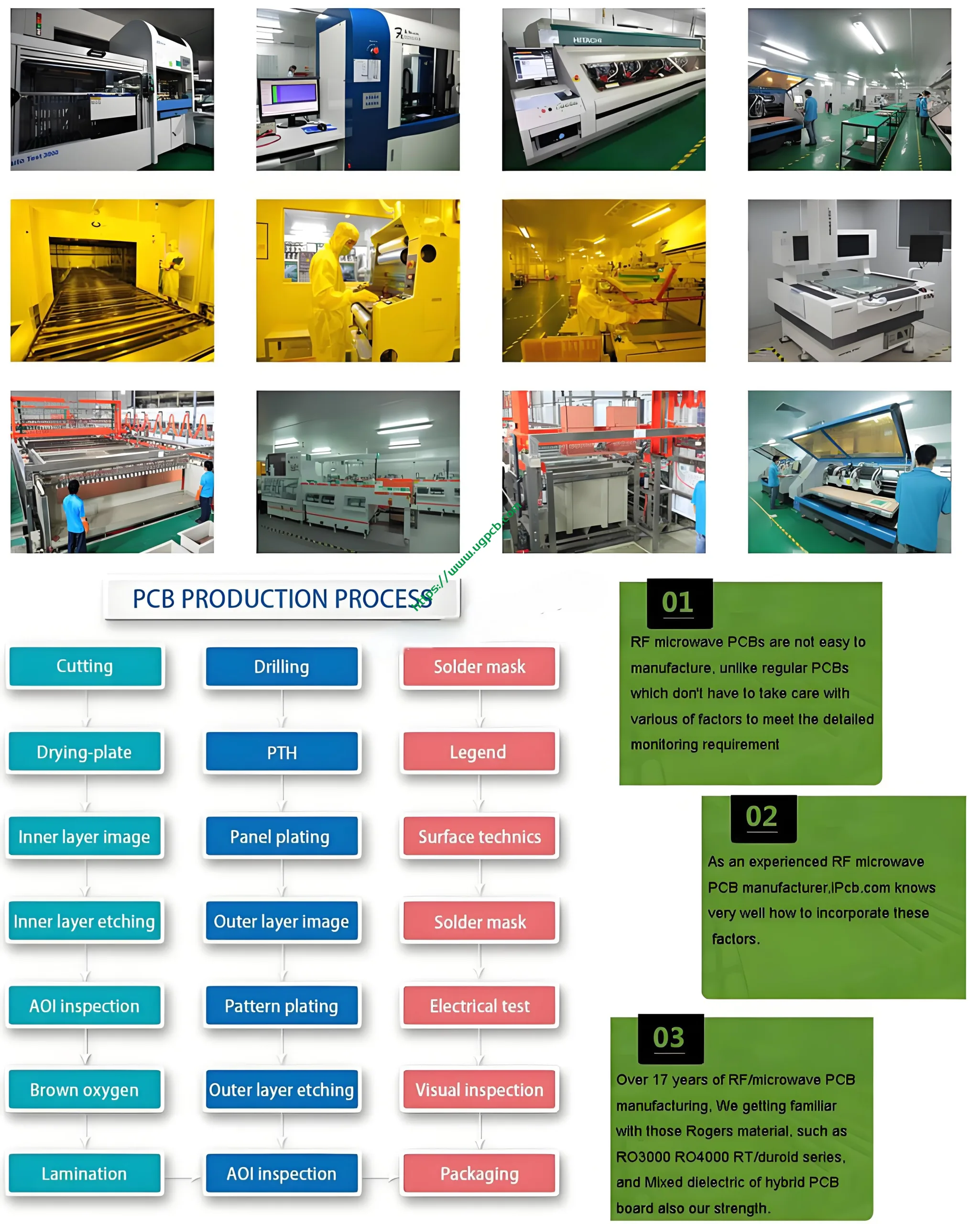
Pentru a asigura fiabilitatea acestei structuri complexe 6L+4L, UGPCB urmează un flux de producție riguros:
Circuitul stratului interior (Zona Flex): Pe materialul de bază PI se formează circuite fine de 3,5 mil folosind laser sau fotolitografie.
Laminare acoperire: Pe circuitul flexibil este laminată o peliculă de protecție, lăsând expuse doar zonele tampon.
Laminare: Straturile rigide și flexibile sunt aliniate și laminate sub vid. Comenzile cheie sunt profilul de temperatură și fluxul de rășină pentru a preveni golurile.
Foraj & Placare: 0.1mm micro vias sunt găurite. Depunerea de cupru electroless creează conexiuni între straturi.
Stratul exterior & Masca de lipit: Masca de lipit galbenă este aplicată pe zonele rigide; stratul de acoperire alb rămâne pe zonele flexibile.
Finisaj de suprafață: Aur de imersiune (De acord) se aplică cu grosime controlată: 0.05-0.1μm Au / 3-5μm Ni.
Profilare & Test electric: Dirijarea cu laser sau perforarea matriței definește forma finală. 100% AOI și Sonda zburătoare testarea verifică integritatea electrică.
6. Aplicații
Acest produs este destinat în primul rând cătrePCB de comunicare sector. Aplicațiile cheie includ:
5G Stații de bază de comunicații: Folosit pentru flexarea conexiunilor în modulele RF, rezolvarea nevoilor de interconectare compactă între antene și plăci de bază.
Smartphone-uri & purtabile: Secțiunea flexibilă de 0,2 mm permite îndoirea dinamică în balamalele pliabile ale telefonului.
Electronică medicală: Folosit în dispozitive precum sonde endoscopice cu ultrasunete, valorificând biocompatibilitatea și rutarea de înaltă densitate a lui PI.
Electronică auto: Module de cameră ADAS care trebuie să reziste la vibrații constante și la șocuri termice.
7. De ce să alegeți UGPCB?
Inginerii se confruntă adesea cu provocări cu randamente scăzute și timpi lungi de livrare pentru proiecte complexe rigid-flex. UGPCB este o ofertă de încredere parteneră a lanțului de aprovizionare:
Capacitatea de producție: Capacitate de producție în masă pentru urme/spațiu de 3,5 mil, depășirea barierelor de interconectare de mare densitate.
Aprovizionare cu materiale: Folosește materiale de înaltă calitate de la furnizori precum Shengyi/ITEQ pentru FR-4 și DuPont/Tayoho pentru PI, asigurarea calitatii de la sursa.
Suport de inginerie: Oferă DFM gratuit (Proiectare pentru producție) verificări pentru a ajuta la optimizarea designului, mai ales în zona de tranziție rigid-flex.
Proiectați o placă de circuit care trebuie să poarte circuite integrate complexe și să se flexibilizeze într-un spațiu îngust?
UGPCB oferă acum servicii de prototipare și producție în masă pentru aceasta6-strat rigid + 4-strat de mască de lipire galbenă flexibilă PCB rigid-flex.
👉 Obțineți o cotație rapidă astăzi
Trimiteți fișierele dvs. Gerber și cerințele tehnice către [sales@ugpcb.com] sau dați clic pe chat online. Echipa noastră de ingineri va furniza un raport DFM profesionist și o cotație competitivă 24 ore.