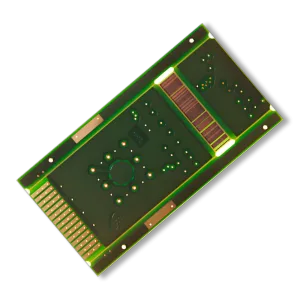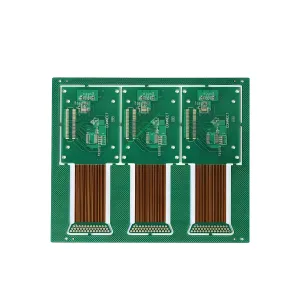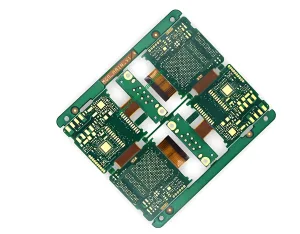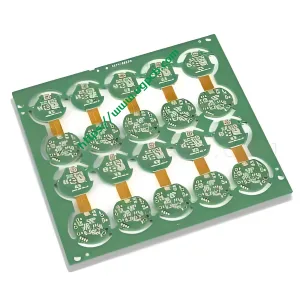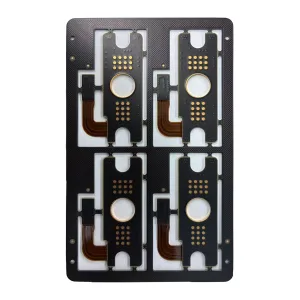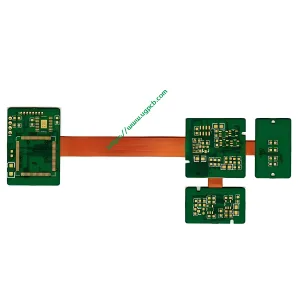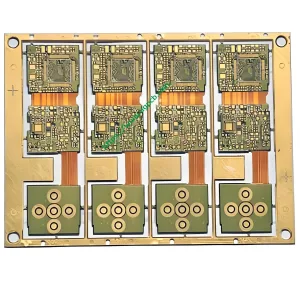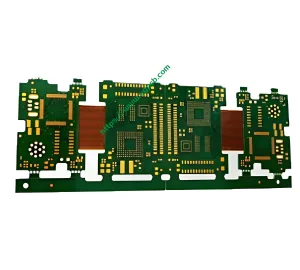
Deoarece produsele electronice moderne necesită o integrare mai mare, factori de formă mai mici, și fiabilitate îmbunătățită, PCB-urile rigide tradiționale sau circuitele imprimate flexibile de sine stătătoare sunt adesea insuficiente în proiecte tridimensionale complexe. PCB-uri rigid-flex oferă o soluție prin combinarea suportului mecanic al plăcilor rigide cu flexibilitatea circuitelor flexibile, făcându-le o alegere preferată pentru aplicațiile electronice high-end.
UGPCB este specializată în precizie Fabricarea PCB-urilor. Acest articol prezintă produsul nostru emblematic — the PCB Flex Rigid Multistrat (4 Straturi rigide + 2 Straturi flexibile) — și explică modul în care structura sa acceptă proiectele avansate de produse digitale.
1. Ce este un PCB Rigid-Flex?
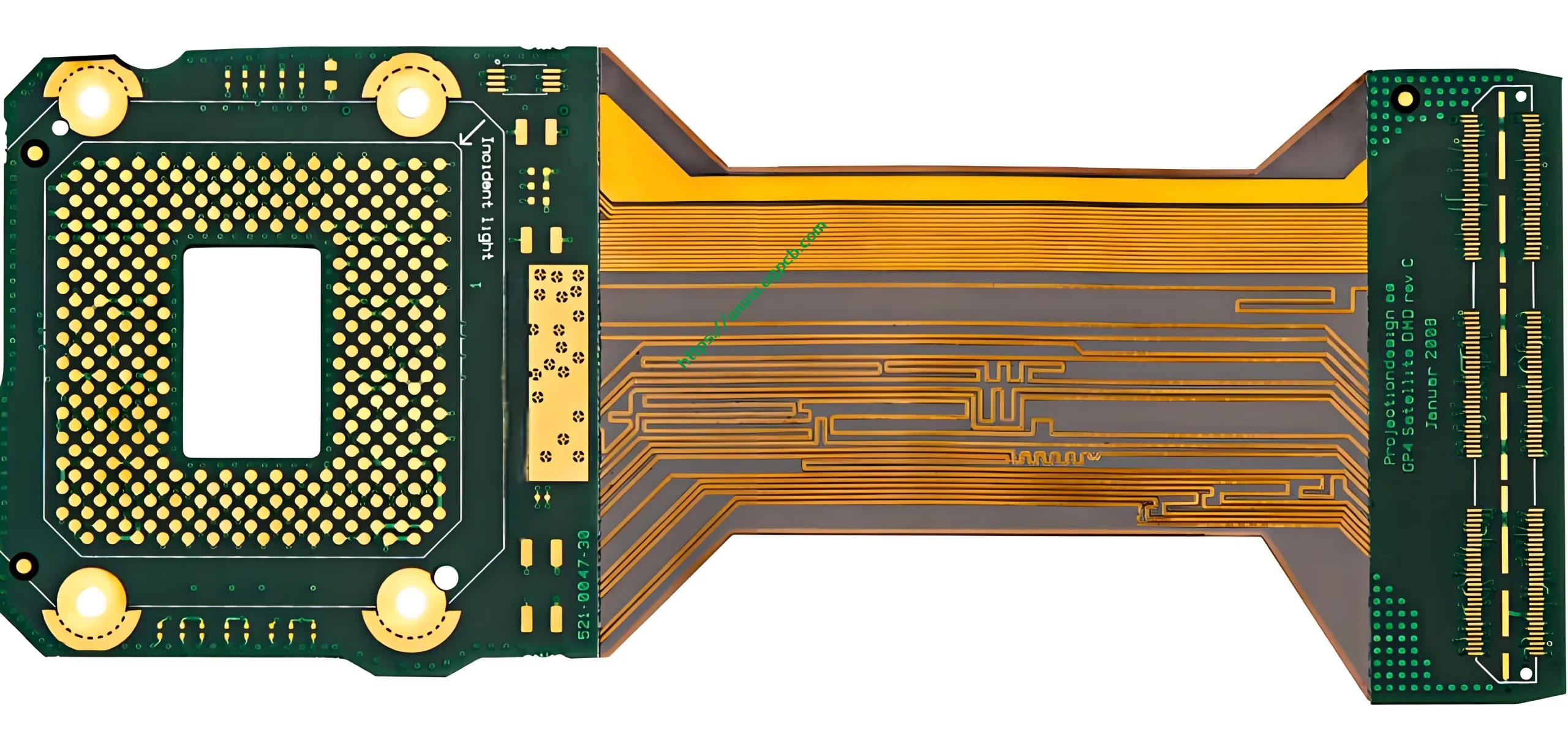
O PCB rigid-flex integrează secțiuni rigide de placă și secțiuni flexibile de circuit într-o singură unitate prin laminare. Spre deosebire de ansamblurile convenționale care folosesc conectori pentru a îmbina plăci rigide și flexibile separate, un PCB rigid-flex stabilește conexiuni electrice fără sudură prin traverse placate și tranziții de strat.
Această structură oferă o mai mare flexibilitate de proiectare. Acesta permite ca PCB-ul să fie pliat sau îndoit în interiorul dispozitivului, reducerea utilizării spațiului și eliminarea conectorilor și cablurilor. Acest lucru îmbunătățește rezistența la șoc și integritatea semnalului.
2. Prezentare generală a produsului: UGPCB 4+2 PCB Flex Rigid Multistrat
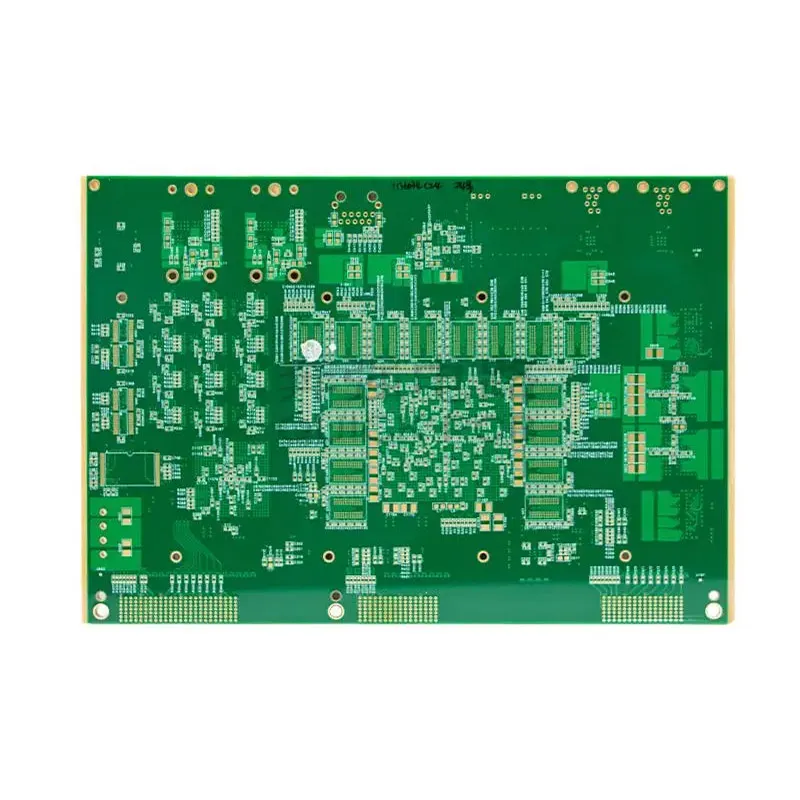
UGPCB oferă un PCB rigid-flex cu un clasic rigid-flex-rigid stivuire. Parametrii cheie sunt enumerați mai jos.
-
Model: PCB Flex Rigid Multistrat
-
Stivuirea straturilor: 4 straturi rigide + 2 straturi flexibile
-
Material: FR-4 (secțiuni rigide) + Poliimidă (secțiune flexibilă)
-
Finisaj de suprafață: Aur de imersiune (De acord)
-
Grosime terminată: 1.0mm (zonă rigidă) + 0.15mm (zona flexibila)
-
Grosime de cupru: 1 Oz
-
Urmă minimă / Spaţiu: 3 mil / 3 mil
-
Aplicație: Produse digitale
3. Clasificare și aplicații
PCB-urile rigid-flex sunt, în general, clasificate după structură și utilizarea prevăzută. Ofertele UGPCB acceptă următoarele tipuri comune:
-
PCB-uri rigid-flex cu o singură față sau cu două fețe – potrivit pentru dispozitive compacte, cum ar fi căștile TWS și ceasurile inteligente.
-
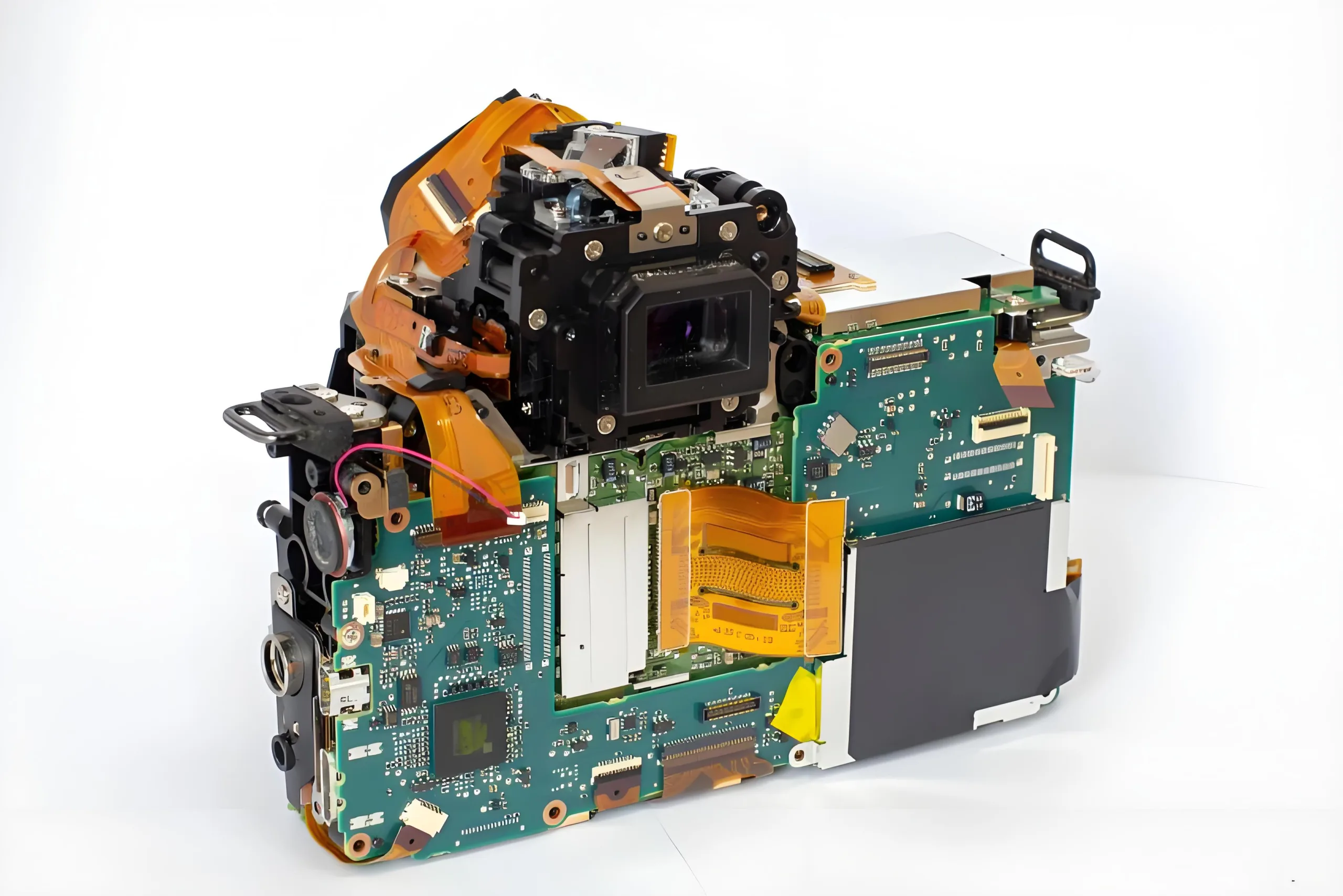
PCB-uri rigid-flex multistrat – UGPCB-uri 4 rigid + 2 strat flexibil designul aparține acestei categorii. Acceptă plasarea componentelor de înaltă densitate și rutarea complexă, făcându-l ideal pentru smartphone-uri, Camere digitale, și produse digitale similare.
-
PCB-uri rigid-flex ranforsate local – folosit în robotica industrială sau afișaje pliabile unde este necesară o durată de viață mare la flexibilitate.
4. Considerații de proiectare și principiul de funcționare
Principiul de funcționare al unui PCB rigid-flex este simplu: secțiuni rigide susțin componente, în timp ce secțiunile flexibile asigură interconexiuni flexibile. Cu toate acestea, implementarea cu succes necesită o proiectare atentă.
Practicile cheie de proiectare includ:
-
Simetrie de stivuire – Structurile simetrice ale stratului previn deformarea cauzată de stresul termic în timpul laminării.
-
Tratamentul zonei de tranziție – Cel interfață rigid-flex este zona cea mai sensibilă. UGPCB urmează liniile directoare DFM utilizând tampoane în formă de lacrimă și urme conice pentru a reduce stresul. Se evită unghiurile ascuțite pentru a preveni fisurarea.
-
Dirijare strat flexibil – Urmele din zona flexibilă trebuie direcționate perpendicular pe axa de îndoire. Schimbările bruște de direcție sau urmele stivuite trebuie evitate pentru a menține flexibilitatea.
5. Materiale și performanță
Selectarea materialului afectează direct performanța și fiabilitatea.
-
Secțiune rigidă – FR-4 – Oferă stabilitate mecanică și disipare a căldurii pt componente cum ar fi BGA-uri și conectori.
-
Secțiune flexibilă – Poliimidă (Pi) - Oferă rezistență ridicată la căldură, izolare, și viață flexibilă. Când este combinat cu 1 oz cupru recoapt laminat, acceptă aplicații flex dinamice.
-
Finisaj de suprafață – Immersion Gold (De acord) – Oferă un apartament, suprafață rezistentă la oxidare, potrivită pentru componente cu pas fin și asigură o lipire fiabilă.
6. Procesul de fabricație
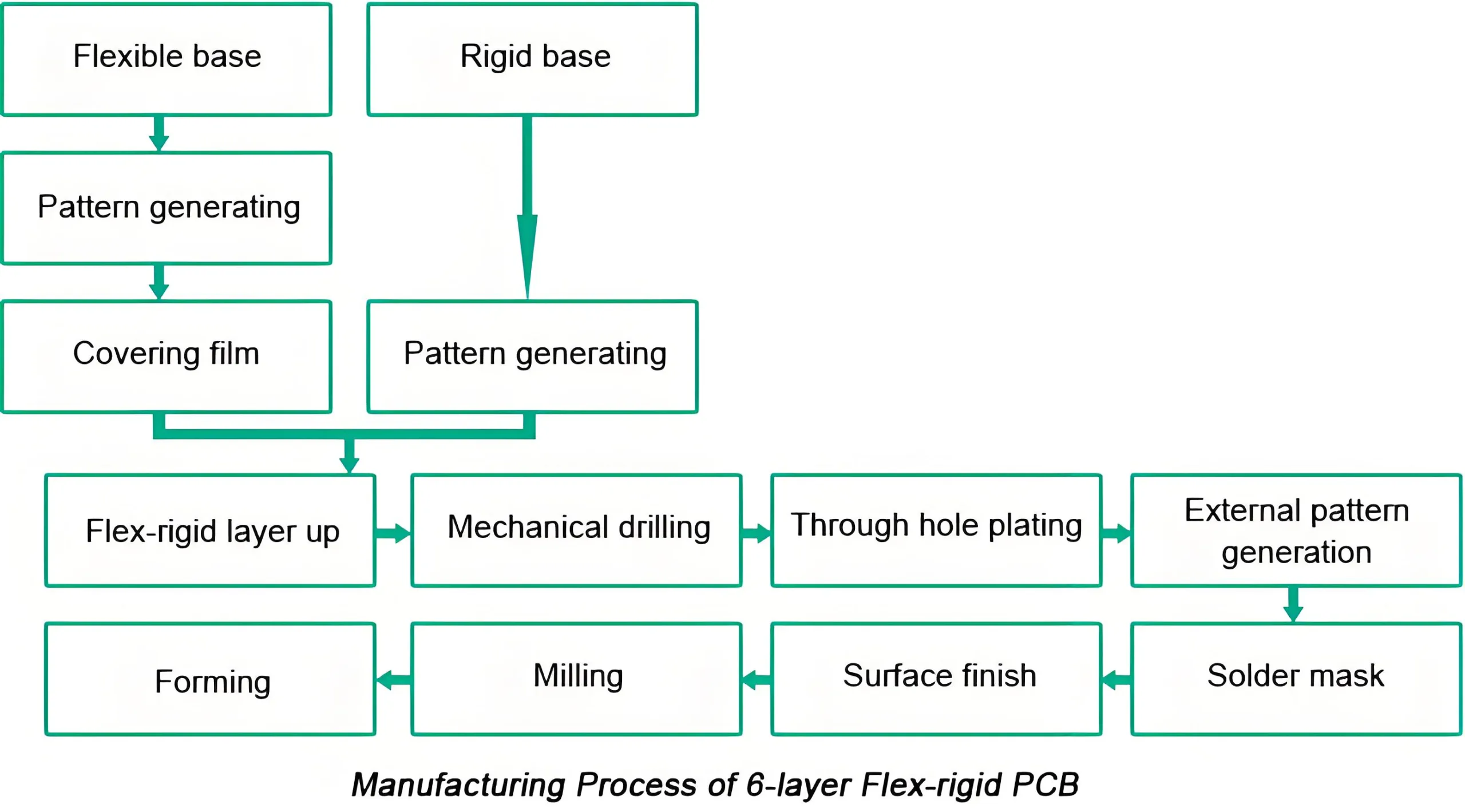
Producerea unui PCB rigid-flex multistrat de înaltă calitate necesită un control strict al procesului. UGPCB urmează practicile standard din industrie pentru a asigura fiabilitatea.
-
Pregătirea materialului și imagistica stratului interior – Materialele FR-4 și PI sunt tăiate separat. Circuitele stratului interior se formează prin expunere, dezvoltare, si gravare, cu 3 lățimea urmei mil controlată cu precizie. Inspecția AOI verifică calitatea.
-
Tratament cu plasmă și rumenire – Curățarea cu plasmă îmbunătățește activitatea suprafeței și îmbunătățește aderența între FR-4 și PI înainte de laminare.
-
Laminare – Straturile interioare, preimpregnat, și folia de cupru sunt laminate sub vid și temperatură ridicată. Controlul fluxului de preimpregnat pentru a preveni scurgerea rășinii pe zona flexibilă este esențial.
-
Forare si placare – Găurirea mecanică și cu laser creează conexiuni între straturi. Depunerea de cupru fără electricitate și placarea electrolitică se formează prin găuri care leagă 4 straturi rigide şi 2 straturi flexibile.
-
Imagistica stratului exterior și îndepărtarea stratului de acoperire – După formarea circuitului stratului exterior, stratul de acoperire de peste zona flexibilă este îndepărtat cu precizie folosind laser sau metode chimice pentru a elibera secțiunea flexibilă.
-
Finisarea suprafeței și rutare – Se aplică aur de imersie, urmată de trasarea finală la forma necesară.
7. Avantaje cheie
PCB-ul rigid-flex multistrat al UGPCB oferă mai multe beneficii:
-
Eficiența spațiului – Înlocuiește două plăci rigide și un ansamblu de cablu cu o singură unitate pliată, economisind până la 40% a spațiului interior.
-
Fiabilitate îmbunătățită – Elimină conectorii și cablurile, reducerea potenţialelor puncte de defecţiune. Calea continuă de cupru îmbunătățește rezistența la șocuri.
-
Integritate mai bună a semnalului – Fiecare conector introduce discontinuități de impedanță. PCB-urile rigid-flex oferă o cale de transmisie continuă potrivită pentru semnale de mare viteză.
-
Precizie mare – 3 mil de urmărire și capacitatea de spațiu, combinat cu finisaj auriu de imersie, suportă componente cu pas fin și desene HDI.
-
Cost total mai mic – Deși costul unitar poate fi mai mare, etape de asamblare reduse, mai puține articole din lista de materiale, iar costurile mai mici cu forța de muncă duc adesea la economii de costuri generale.
8. Solicitați o cotație
UGPCB oferă suport de proiectare, prototipare, și producția de volum. Dacă proiectul dumneavoastră se confruntă cu constrângeri de spațiu, preocupări de fiabilitate, sau provocări ale semnalului de mare viteză, echipa noastră este pregătită să asiste.
Fă următorul pas:
-
Revizuire DFM gratuită – Trimiteți fișierele dvs. Gerber. Inginerii noștri vor oferi feedback privind fabricabilitatea.
-
Citat rapid – Folosiți formularul de solicitare pentru a vă împărtăși cerințele. O cotație competitivă va fi furnizată în termen 24 ore.
-
Suport tehnic – Inginerii noștri de aplicații sunt disponibili pentru a discuta despre designul stivuirii sau selecția materialului.
[Solicitați o cotație / Obțineți mostre / Contactați asistența]