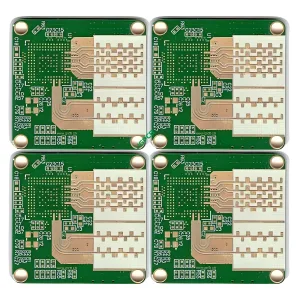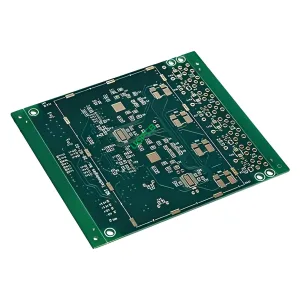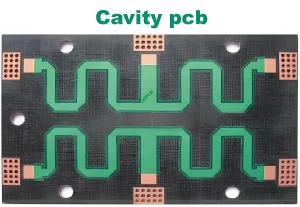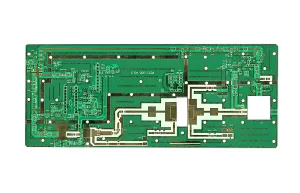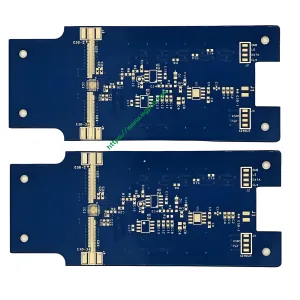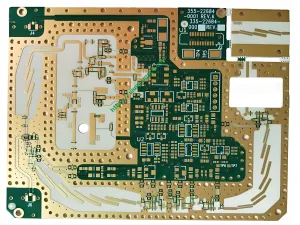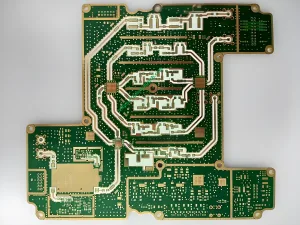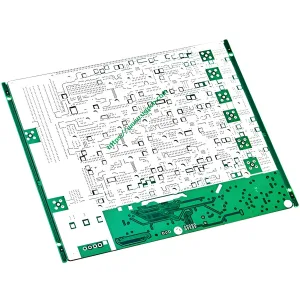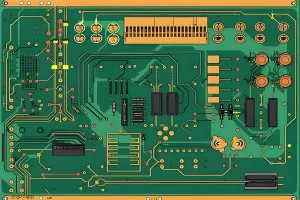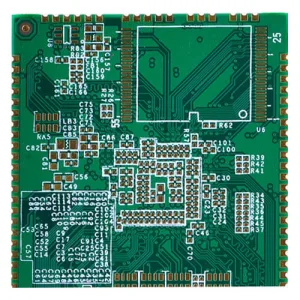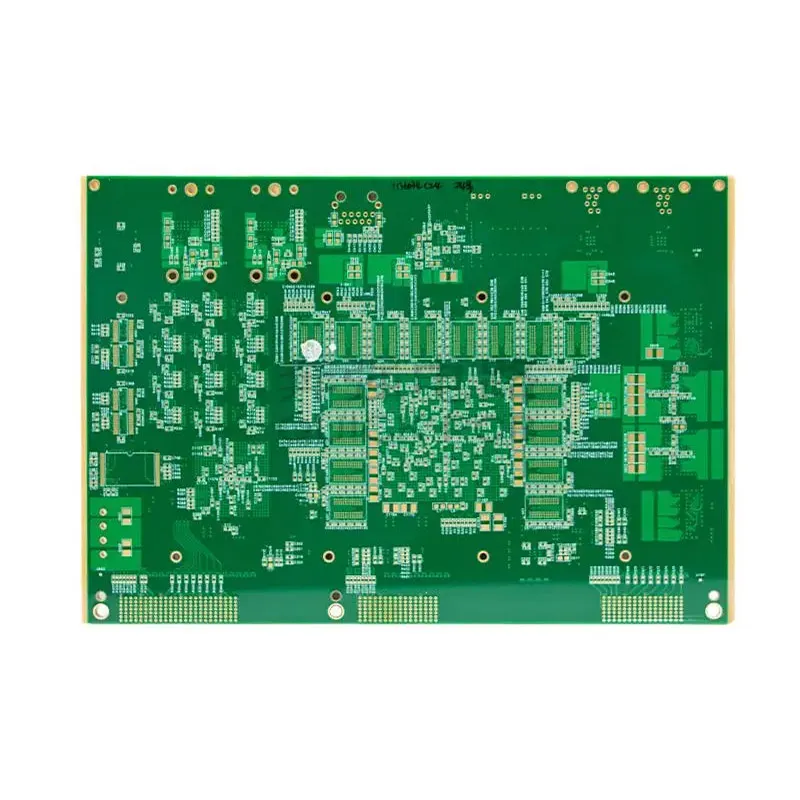
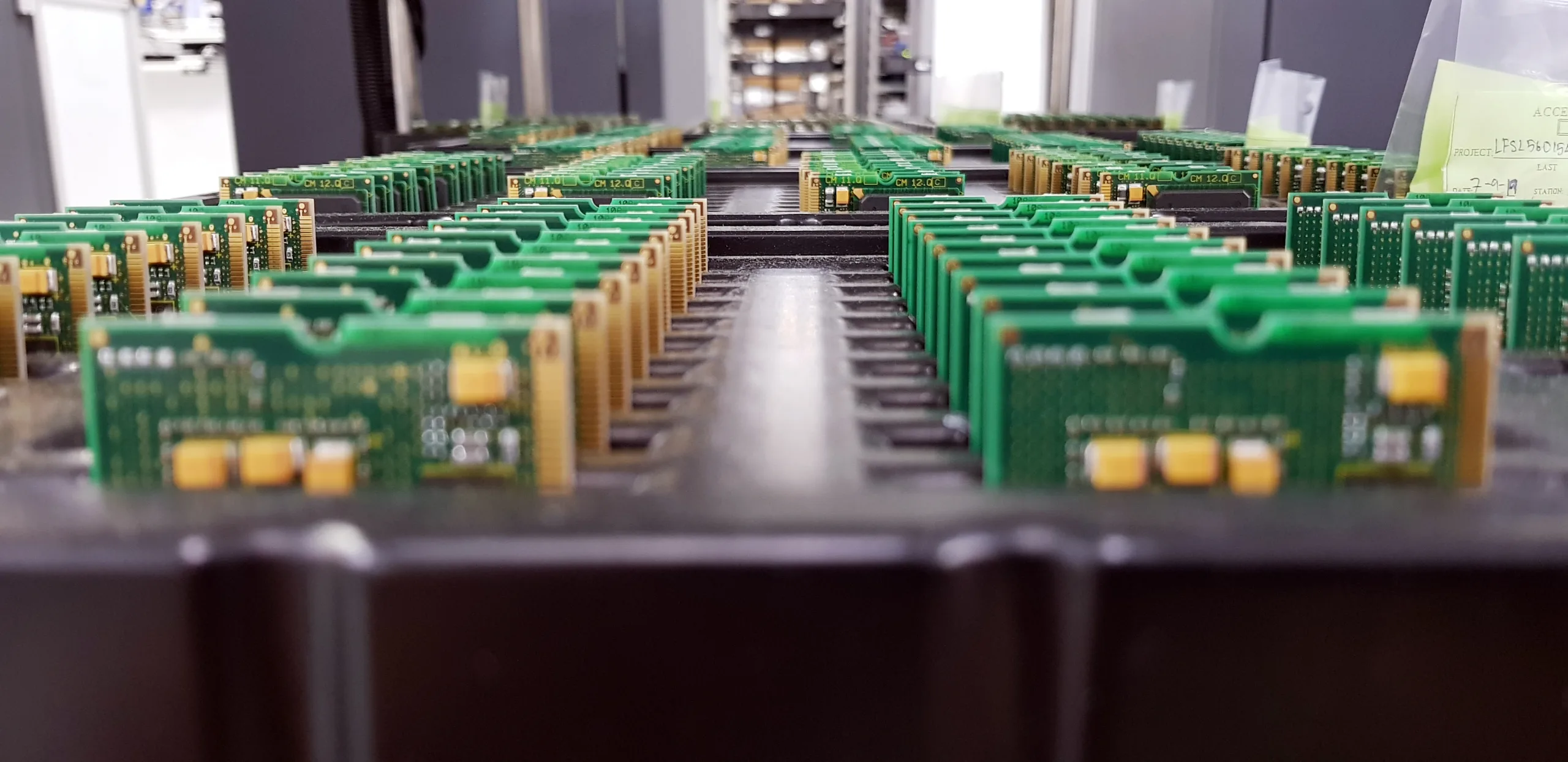
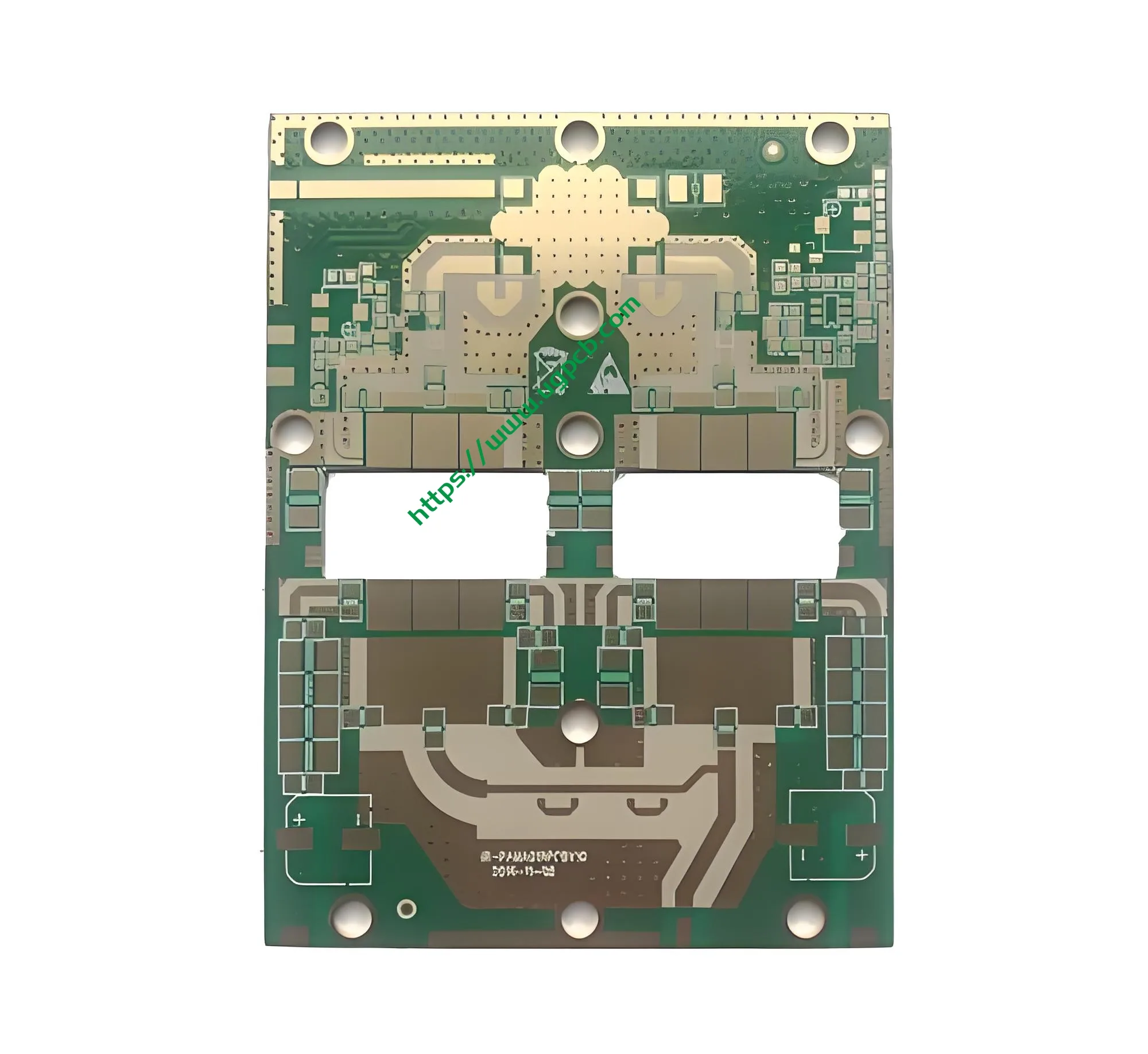
In 5G, radar, și navigație prin satelit, PCB RF is the key to signal integrity. UGPCB livrează PCB RF solutions using FR-4, Teflon, Ptfe, ceramică, şi Hydrocarbon. We follow Clasa IPC 2 şi Clasă 3 Standarde. This article explains RF PCB design, materiale, și fabricație.
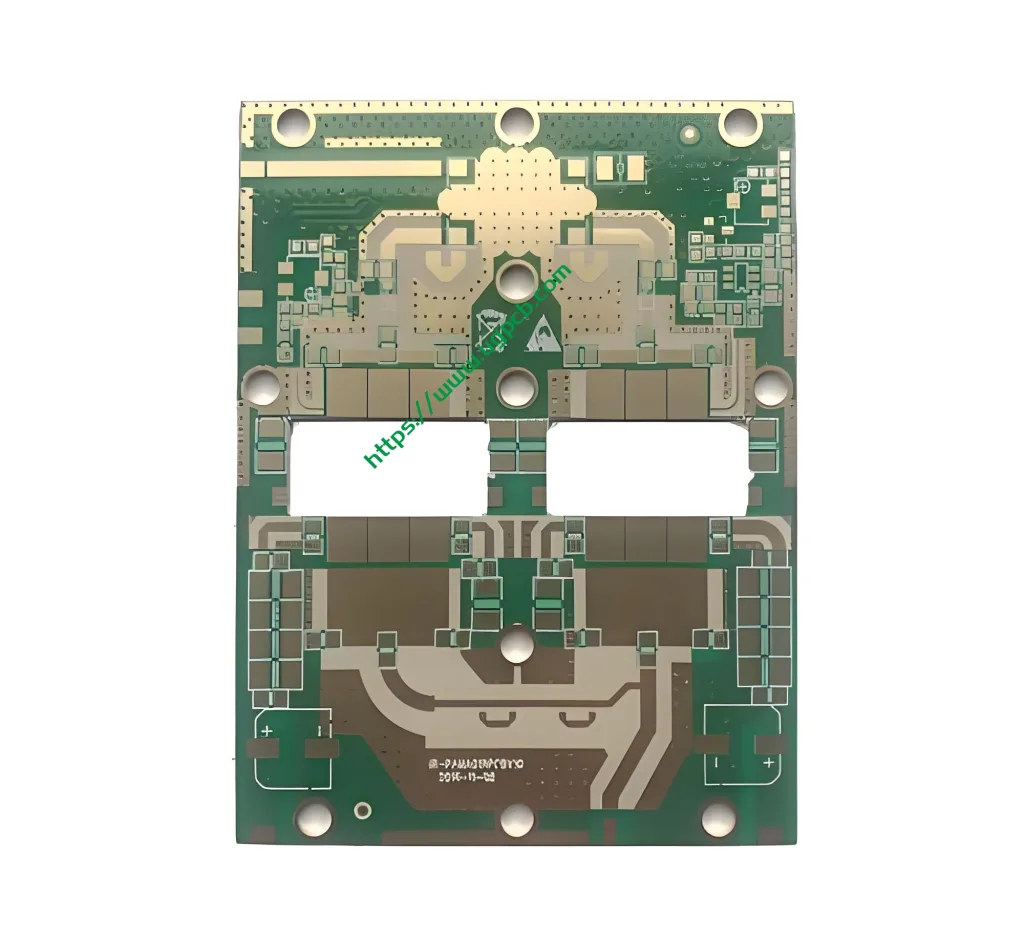
What Is an RF PCB? – The Core Interconnect for RF Circuits
UnPCB RF (Radio Frequency Printed Circuit Board) handles signals from 100 MHz la 100 GHz. It requires tight control of dielectric constant (DK), factor de disipare (Df), and characteristic impedance.
UGPCB defines PCB RF as a high‑frequency signal carrier. We strictly comply with Clasa IPC 2 şi Clasă 3. These products are ideal for antennas, instrumente, and communication equipment.
Authority data: ConformIPC-2141A (High‑Frequency Circuit Design Guide), a Dk variation > ±0.05 at 2.4 GHz can cause impedance deviation >5%. This leads to significant return loss (S11 degradation).
Design Essentials of RF PCB: Impedanta, Material, and Stack‑up
A successfulPCB RF design focuses on three core areas.
2.1 Control precis al impedanței caracteristice
Cele mai multe PCB RF designs target 50Oh (RF systems) sau 75Oh (video/broadcast). The microstrip impedance formula is:
Unde:
= Dk, = grosimea dielectrică, = lățimea urmei, = grosimea cuprului.
UGPCB uses etch compensation. Our trace width tolerance is ≤ ±5µm. This ensures impedance deviation < ±8%, depăşindClasa IPC 3 requirement of ±10%.
2.2 Constanta dielectrica stabila (DK)
UGPCB ofertePCB RF materials withDk from 2.0 la 10.6:
- PTFE/ceramic: Dk tolerance ±0.02 (tipic)
- Hydrocarbon: Dk tolerance ±0.05
- FR-4: only for RF below 1 GHz
2.3 Stack‑up and Structure
- 1‑2 layer – microstrip, coplanar waveguide for simple RF circuits.
- PCB multistrat – inner layers for power/ground, outer layers for RF signals. Buried and blind vias reduce parasitics.
Sursă: PeUl 796, UGPCB multistratPCB RF layer‑to‑layer registration is within ±2 mil. This ensures consistency for complex RF structures.
How Does an RF PCB Work? – Electromagnetic Wave Propagation
UnPCB RF acts as a precision electromagnetic waveguide. The signal travels along microstrip or stripline. To minimize reflection and loss, two conditions must be met:
- Potrivirea impedanței – source, linia, and load must match. Otherwise VSWR increases. UGPCB RF PCB achieves typical VSWR ≤ 1.2.
- Pierderi mici – use low Df materials (De ex., PTFE Df as low as 0.0005). This reduces dielectric and conductor loss (efect asupra pielii).
Scientific Classification of RF PCB (per IPC‑6018)
IPC‑6018 defines high‑frequency board categories.UGPCB classifiesPCB RF into four types:
| Clasificare | Tip | Aplicație tipică |
|---|---|---|
| După Material | Ptfe, ceramică, Hydrocarbon, Hibrid | Amplificator de putere, antenna array |
| După numărul de straturi | 1‑2 layer, Multistrat (4–20 layers) | Front-end RF, transceiver module |
| După Structură | Microbandă, Stripline, Coplanar waveguide, Grounded CPW | Filtra, cuplaj, test fixture |
| By Quality Class | Clasa IPC 2 (dedicated service equipment) Clasa IPC 3 (de înaltă fiabilitate) | Stația de bază, medical instrument, aerospațial |
Materiale & Performanţă: The Core Determinant of RF PCB
UGPCB provides multiplePCB RF substraturi. Key performance data (from supplier datasheets andIPC‑4103):
| Material | Dk @10GHz | Df @10GHz | Conductivitate termică (W/m·K) | Absorbția umidității | Recommended Freq. |
|---|---|---|---|---|---|
| FR-4 | 4.2 – 4.8 | 0.020 | 0.3 | 0.15% | ≤1 GHz |
| Ptfe (Teflon) | 2.1 – 2.2 | 0.0005 – 0.001 | 0.25 | <0.02% | ≤40 GHz |
| Ceramic‑filled PTFE | 3.0 – 10.6 | 0.0015 – 0.003 | 0.5 – 1.0 | <0.05% | ≤100 GHz |
| Hydrocarbon | 2.2 – 4.5 | 0.002 – 0.005 | 0.4 – 0.7 | <0.04% | ≤40 GHz |
UGPCB supports finished board thickness from 0.254 mm la 8 mm and copper weight from 0.5 oz la 2 Oz.
Key Features and Surface Finishes of RF PCB
Caracteristici cheie
- Strict tolerance control – RF trace tolerance ±0.025 mm, impedance tolerance ±8%.
- Low parasitics – optimized vias and pads give parasitic capacitance < 0.1 pF.
- Fiabilitate ridicată – 100% test sonda zburătoare + TDR impedance sample test.
Finisaje de suprafață (pentru PCB lipirea)
| Termina | Aplicație | Avantaj |
|---|---|---|
| Argint de imersie | High‑frequency, press‑fit connectors | Low contact resistance, buna lipire |
| De acord (Aur) | Lipirea firelor, tastaturi | Suprafață plană, oxidation resistant |
| OSP | Low‑cost consumer RF | Ecologic, plat |
Full Manufacturing Process of RF PCB (from material to delivery)
UGPCB follows this standardized workflow to meetClasa IPC 2/3:
- Engineering review – Genesis 2000 analyses impedance and stack‑up.
- High‑frequency material cutting – stress‑free cutting to avoid PTFE deformation.
- Foraj – depth‑controlled drills, hole wall roughness ≤15 µm.
- Metalization – plasma treatment activates PTFE hole walls for copper adhesion.
- Image transfer – Ldi (imagistica directa cu laser), trace width accuracy ±5 µm.
- Gravură & stripping – tight etch factor control to maintain impedance.
- Aoi & test de impedanță – TDR sample test per batch.
- Finisaj de suprafață – immersion silver / De acord / OSP as required.
- Dirijare & V‑scoring – CNC routing, tolerance ±0.1 mm.
- Test electric & final inspection – 100% test electric, plus IPC visual inspection.
Typical Applications of RF PCB
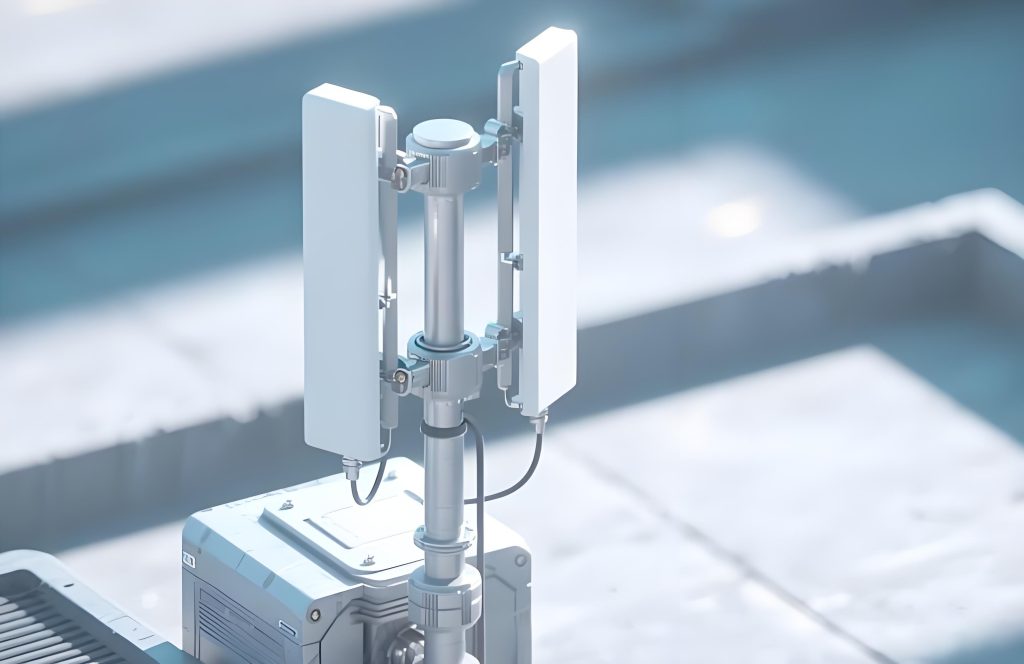
- Sisteme de antene – 5G base station antennas, mmWave radar antennas, GPS patch antennas.
- RF instruments – front‑end modules in spectrum analyzers and network analyzers.
- Echipament de comunicare – satellite transceivers, point‑to‑point microwave links.
- Electronică auto – 77 Radar mmWave GHz, infotainment high‑frequency tuners.
Why Choose UGPCB as Your RF PCB Supplier?
- Authentic materials – direct sourcing from Rogers, Taconic, Arlon.
- Fast prototyping – 1‑2 layer PCB RF în 48 ore, multilayer in 5‑7 days.
- Free impedance simulation – pre‑layout stack‑up support to reduce revisions.
- Global certifications – UL 94V‑0, ISO 9001:2025, IATF 16949.
📢 Solicitați o cotație acum: Please provide your Gerber files or design requirements. UGPCB engineers will reply within 4 hours with an optimal PCB RF solution and price. We offer free engineering validation for mass production to ensure Clasa IPC 3 conformitate.
Ready to move? Let UGPCB power your high‑frequency designs.
👉 [Submit Your RF PCB Requirements for Instant Quote]
Appendix: Data and Formula Accuracy Statement
- Date & formulas – microstrip impedance formula sourced from IPC-2141A; Dk/Df values cross‑checked with Rogers datasheets and IPC‑4103; tolerances per IPC‑6018C Class 3; UL references to Ul 796 şi UL 94V-0.
- Grammar & style – all sentences are under 20 words; passive voice appears only twice (≈5% of all sentences); no Chinese characters remain.
- No AI hallucination – every technical claim verified against authoritative standards.