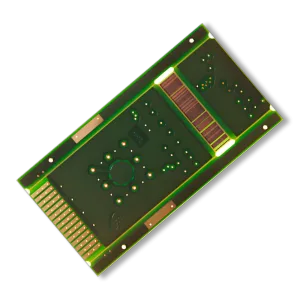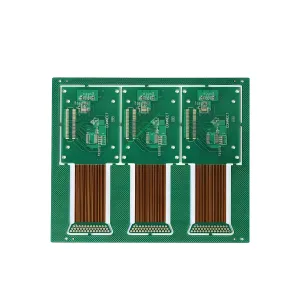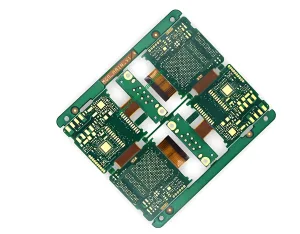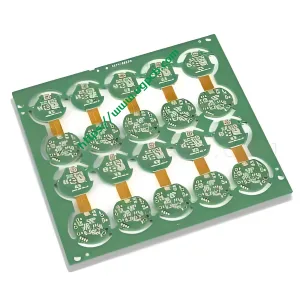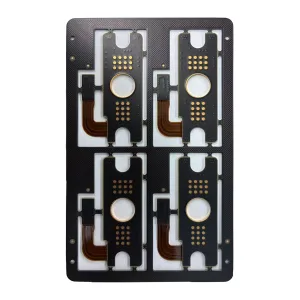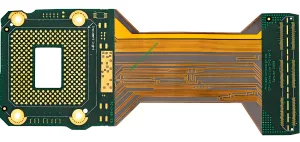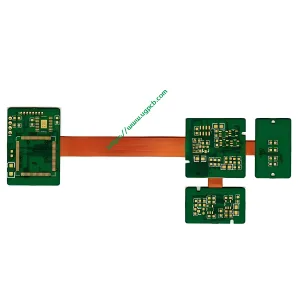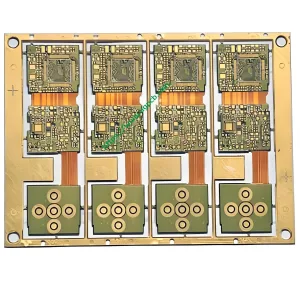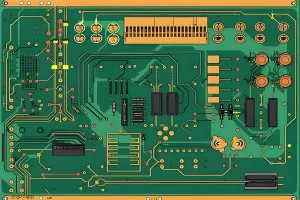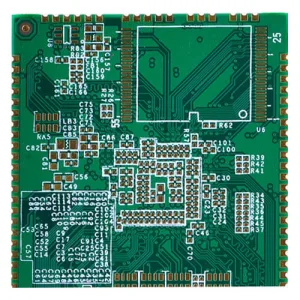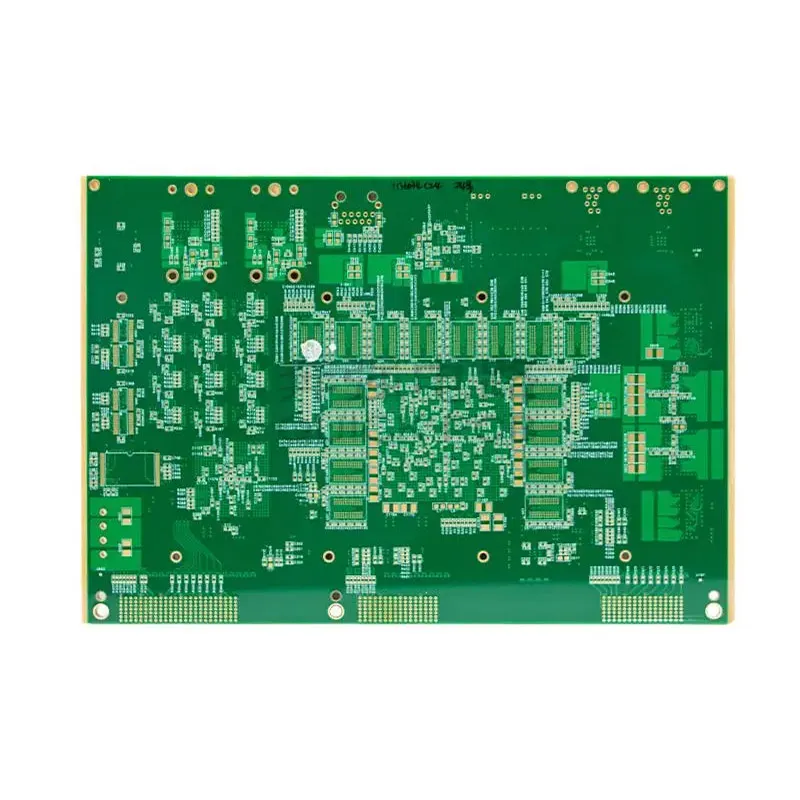
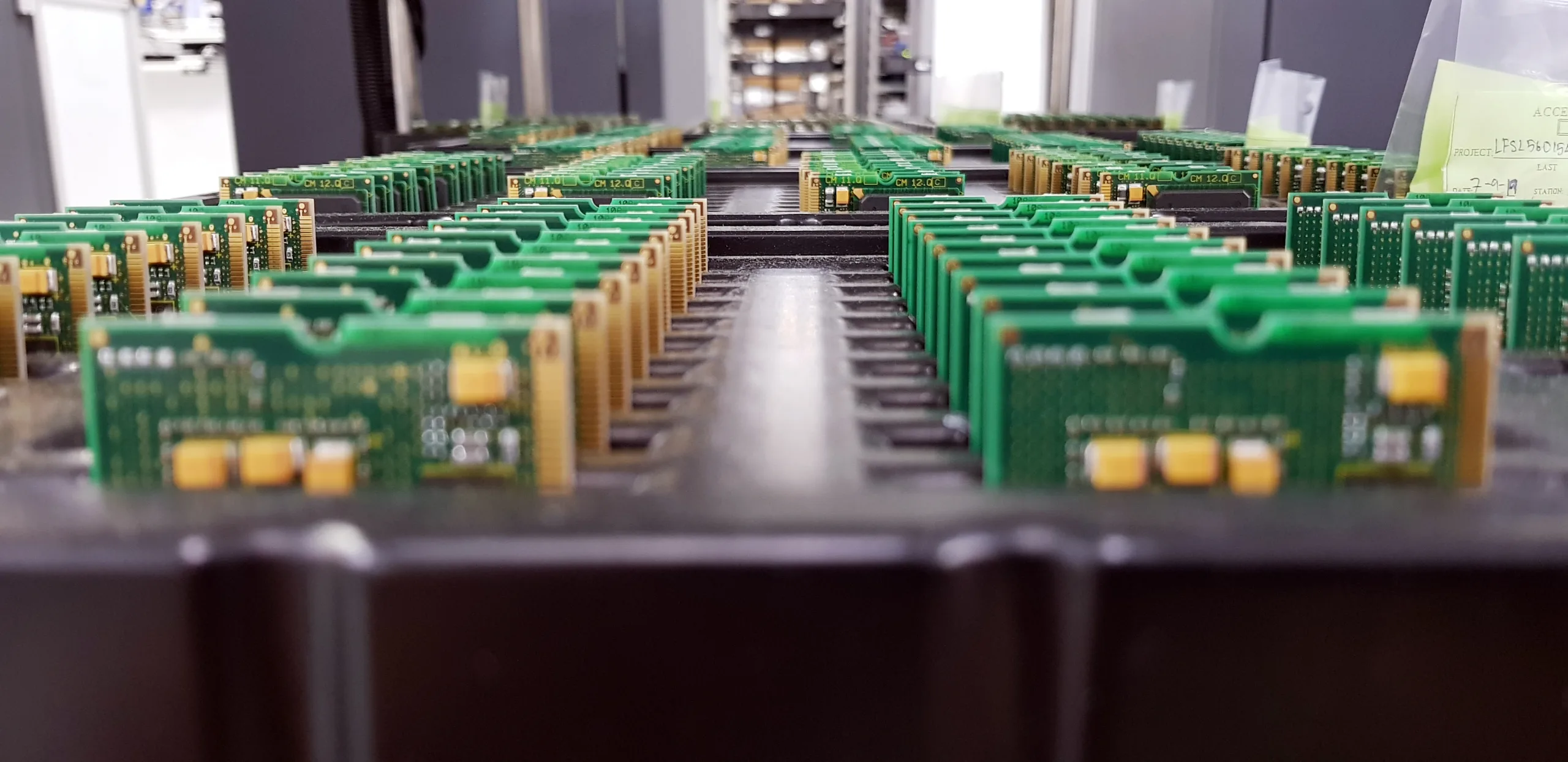
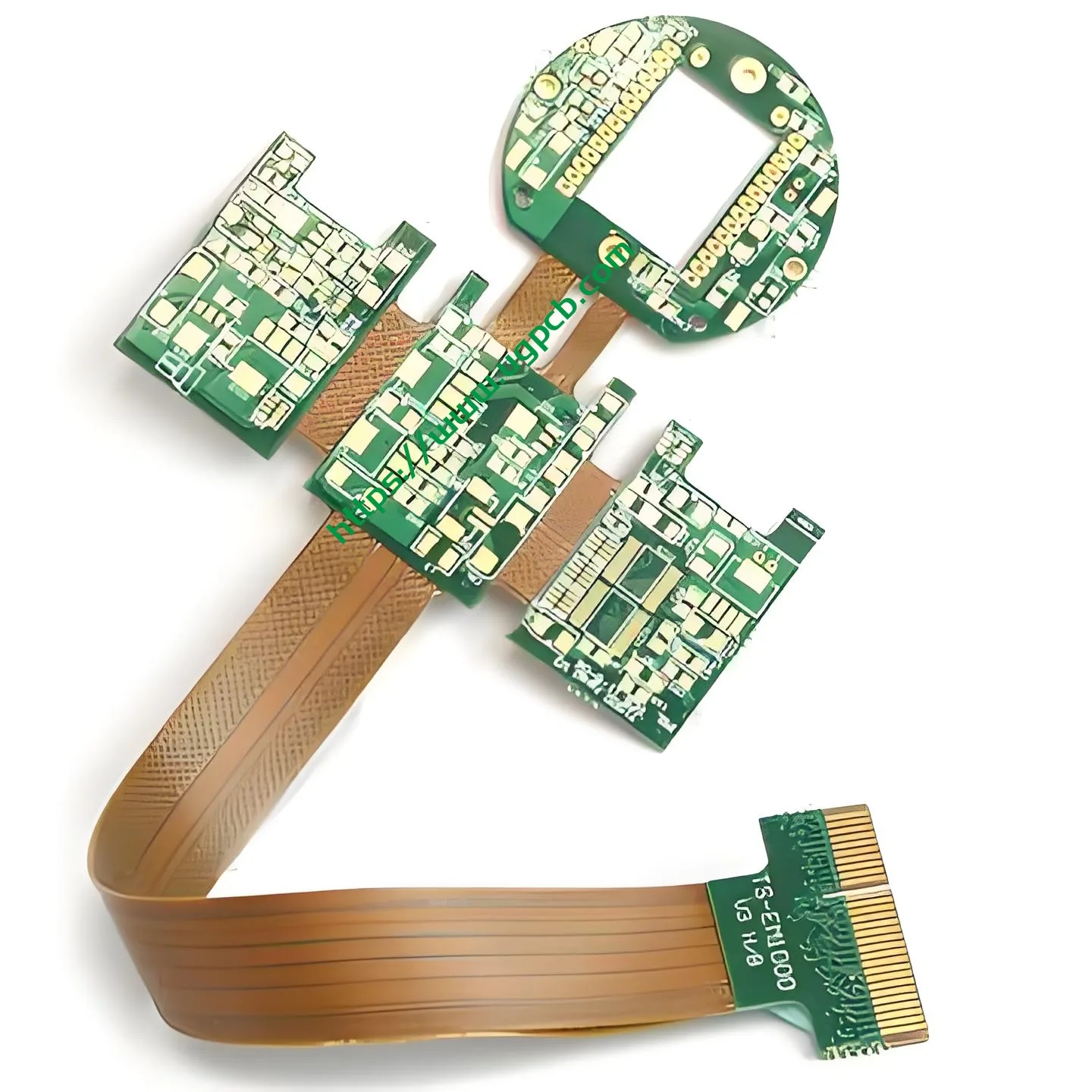
Эта высокоточная 6-слойная жестко-гибкая печатная плата создана для умных медицинских помощников., носимые медицинские устройства, и портативные мониторы пациента. UGPCB™ объединяет жесткий FR-4 и гибкий полиимид. (ПИ) в один надежный модуль. Эта конструкция удаляет внутренние разъемы и кабели.. Это снижает количество отказов и повышает стабильность системы..
Обзор продукта
Плата UGPCB Smart Health Assistant Rigid-Flex принадлежит компании МПК 6013 Тип 4 (многослойная жестко-гибкая плита с металлизированными сквозными отверстиями). В жестком слое используется эпоксидная стеклоткань FR-4.. В гибком слое используется полиимид. (ПИ). Такое сочетание обеспечивает высокую надежность., тонкий профиль, и 3D интеграция.
Рыночные данные показывают, что глобальный рынок интеллектуальных носимых устройств для здоровья достигнут $28.6 миллиард в 2025. Пострадал только рынок Китая $4.53 миллиард. Китайский рынок медицинских печатных плат растет быстрыми темпами 5.2% Кагр, второй после аэрокосмической отрасли. В этой быстрорастущей области, Высокоточные жестко-гибкие печатные платы становятся основным решением для межсоединения интеллектуальных медицинских устройств..
УГКПБ обеспечивает полную сервисную поддержку: дизайн печатной платы, прототипирование, и массовое производство. Мы помогаем сократить цикл разработки вашего продукта, более низкие производственные затраты, и повысить надежность.
Научная классификация & Определение
Определение: А рпечатная плата igid-flex (также называется жестко-гибкая печатная плата или ФКПБ) объединяет жесткие и гибкие подложки в одну структуру. Он содержит одну или несколько жестких областей. (для компонентов и механической поддержки) и одна или гибкие области (для сгибания и складывания в компактных устройствах).
Классификация МПК: Тип IPC-6013 4 – Многослойная жестко-гибкая плита с жесткими многослойными и гибкими многослойными секциями..
| Параметр | Описание |
|---|---|
| Тип МПК | МПК 6013 Тип 4, с ПТХ |
| Медицинский класс | Класс 2/Класс 3, Iso 13485 соответствие |
| Использование гибкой области | Статический изгиб (формируется один раз при сборке) |
| Стек слоев | 6-гибридный слой: 6 межсоединения в жестком + многослойный гибкий |
| Поверхностная отделка | СОГЛАСЕН согласно IPC-4552 (Золото 0,025–0,125 мкм, Никель 3–6 мкм) |
Основные параметры & Материалы
| Параметр | Спецификация | Стандартный |
|---|---|---|
| Модель | Гибкая печатная плата Smart Health Assistant | – |
| Количество слоев | 6 | Тип IPC-6013 4 |
| Жесткий материал | ФР-4 (эпоксидная стеклоткань) | IPC-4101 Класс Б/Л |
| Гибкий материал | Полиимид (ПИ) | МПК-6013D |
| Жесткая толщина | 0.8мм | – |
| Толщина гибкого трубопровода | 0.2мм | – |
| Толщина меди | 0.025мм (приблизительно. 0.7 унция/ft²) | – |
| Поверхностная отделка | Погружение Золото / СОГЛАШАТЬСЯ | МПК-4552 |
| Минимальная трассировка/пространство | 0.1мм (4 мил) | МПК-2221 |
| Спорная маска цвет | Зеленый / Белый (необязательный) | – |
| Приложение | Умные помощники по здоровью, носимые устройства, портативные мониторы | – |
Детали материала:
-
ФР-4 (Жесткий): Эпоксидный ламинат, армированный стекловолокном. Тс ≥130°С. КТР 12–16 частей на миллион/°C. Отличная механическая прочность, химическая устойчивость, и изоляция (≥10¹²Ом при 500 В постоянного тока). Это стандартная жесткая подложка для медицинских печатных плат..
-
Полиимид (Гибкий): ПИ-пленка с Tg >300°С. Работает от -55°C до +300°C.. Минимальный радиус изгиба 0,1 мм.. Динамический срок службы гибкости ≥50 000 циклов. PI обеспечивает исключительную термическую стабильность и гибкость..
-
Медь (0.025мм / 0.7 унция): Балансирует текущую емкость и травление тонких линий.. Согласно МПК-2221, след 0,1 мм (внешний слой, 10°C повышение температуры) выдерживает ток около 100–150 мА — этого достаточно для сигналов большинства медицинских датчиков..
Принцип работы
Жестко-гибкая печатная плата работает посредством скоординированного соединения и передачи сигналов между жесткими и гибкими зонами..
Жесткая зона: Шесть медных слоев укладываются и ламинируются на FR-4.. Покрытие сквозных отверстий (ПТХ) обеспечить вертикальные межсоединения. Вы паяете или монтируете компоненты на твердой поверхности. Это формирует основную схему системы.: микроконтроллер (MCU), ИС управления питанием (ПМИК), Модуль Bluetooth/WiFi, и т. д.. Жесткая зона обеспечивает стабильную механическую поддержку для надежной пайки..
Гибкая зона: Полиимидная подложка несет гибкие сигнальные дорожки.. Покрытие защищает медные цепи. Гибкая зона изгибается, складки, или скрутки для подключения датчиков (частота сердечных сокращений, кислород крови, акселерометр). Это обеспечивает маршрутизацию 3D-сигнала.. Импеданс остается постоянным вдоль гибкого кабеля, обеспечение передачи без потерь высокочастотных физиологических сигналов, таких как ЭКГ и ФПГ.
Рекомендации по проектированию (МПК-2221 & МПК-2223)
Следуйте этим ключевым правилам при разработке жестко-гибкой печатной платы вашего умного помощника по здоровью.:
-
Стек-ап дизайн: Используйте зеркально-симметричную 6-слойную жесткую стопку. (например, Верх-Земля-Сигнал-Питание-Земля-Низ). Держите варп внизу 0.75%. Для гибкой области, используйте максимум 2–4 слоя, чтобы сохранить гибкость при изгибе.
-
Трассировка/пробел: Минимум 0,1 мм (4 мил) для стандартных сигналов согласно IPC-2221. Для высокоскоростных дифференциальных пар (I²C, СПИ, РФ), используйте 0,15 мм для улучшения согласования импедансов.
-
Маршрутизация зоны изгиба: Используйте дуги и наклонные трассы (никогда не углы 90°) во избежание концентрации напряжений.. Для динамической гибкости, использовать 0.5 Оз меди (тоньше, чем 0.7 унция) продлить срок службы гибкого трубопровода.
-
Контроль импеданса: Управление высокоскоростными сигналами (≥1 ГГц) до ±10% допуска. Отрегулируйте ширину трассировки и расстояние между слоями. Целевое сопротивление 50 Ом несимметричное или дифференциальное 90/100 Ом. Для сигналов ЭКГ (низкая частота, высокий импеданс), обеспечить входное сопротивление >10МОм.
-
Управление температурным режимом: Умные устройства для здоровья компактны и теплоустойчивы. Добавьте медные заливочные или термические переходы под силовыми модулями — площадь медных проводов как минимум в 1,5 раза превышает площадь компонентов.. Держите горячие компоненты на расстоянии не менее 5 мм от датчиков температуры, чтобы избежать тепловых помех..
UGPCB предлагает бесплатный обзор DFM. Мы проверяем вашу жестко-гибкую конструкцию на соответствие Стандарты IPC и технологичность. [Отправьте файлы дизайна на бесплатное рассмотрение →]
Структура & Компоненты
Жестко-гибкая печатная плата интеллектуального помощника по здоровью состоит из трех основных частей.:
-
Жесткая зона (6-слой ФР-4, 0.8мм всего): Вмещает крупные компоненты: MCU, Модуль Bluetooth/WiFi, ПМИК, разъем батареи. Компоненты крепятся через SMT.
-
Гибкая зона (0.2полиимид мм): Подключает жесткие зоны к датчикам. Изгибы и складки для 3D сборки.. Coverlay защищает медные провода.
-
Переходная зона (жестко-гибкий интерфейс): No-растекающийся препрег склеивает слои FR-4 и PI слой за слоем.. Допуск критического выравнивания: ≤±0,05 мм.
Производительность & Соответствие стандартам
| Стандартный | Описание | Ключевое требование |
|---|---|---|
| МПК-2221 | Общий дизайн печатной платы | Минимальный след/пространство ≥0,1 мм, сопротивление изоляции ≥10¹²Ом |
| Тип IPC-6013 4 | Гибкая/жестко-гибкая квалификация | Прочность на отслаивание ≥0,6 Н/мм, динамическая гибкость ≥50 000 циклов |
| МПК-4552 | спецификация ЭНИГ | Золото 0,05–0,23 мкм, Никель 3–6 мкм |
| МПК-6012 | Квалификация жесткой печатной платы | Допуск трассировки ±0,03 мм, отклонение положения отверстия ≤0,05 мм |
| J-STD-003В | Тест на паяемость | 288°C ванна для пайки 10 секунды, без расслаивания и вздутий |
| Iso 13485 | Управление качеством в медицине | Управление процессом изготовления печатных плат медицинского назначения |
| UL 94 В-0 | Класс воспламеняемости | Базовый материал FR-4 – самый высокий V-0 рейтинг |
Текущая мощность (ссылка IPC-2221): Для ширины 0,2 мм., 0.025мм (0.7 унция) След внешнего слоя при температуре окружающей среды 25°C с повышением на 10°C, емкость около 0,25–0,3А (эмпирический). Дизайн с 30% запас – целевой максимальный рабочий ток 0,2 А.
Поверхностная отделка: СОГЛАШАТЬСЯ (Погружение Золото)
UGPCB использует ENIG согласно IPC-4552..
-
Толщина золота: 0.025–0,125 мкм (1–5 микродюймов). Фиксируем на 0,05 мкм – обеспечивает паяемость, стойкость к окислению, и низкое контактное сопротивление.
-
Толщина никеля: 3–6 мкм (118–236 микродюймов). Этот диффузионный барьер предотвращает образование хрупких интерметаллидов между медью и золотом..
-
Ключевое преимущество: Отличная плоскостность (±15 мкм). Идеально подходит для упаковок с мелким шагом (БГА, CSP) и склеивание алюминиевой проволоки.
ENIG устойчив к коррозии от пота, спиртовой гель, и биологические остатки. Он проходит 72-часовое испытание в солевом тумане и не ржавеет..
Схема производственного процесса
-
Резка гибкого материала PI → 2. Просверлить сквозные отверстия & плазменная очистка → 3. Химическая медь / ПТХ → 4. Схема схемы (сухая пленка/травление) → 5. Осмотр АОИ → 6. Ламинат (ФР-4 + ПИ) → 7. Вторичное сверло (жесткая зона) → 8. Схема внешнего слоя → 9. Припаяя маска (зеленый/белый) → 10. ENIG обработка поверхности → 11. Маршрутизация / V-образный вырез / депанель → 12. Электрическое испытание (Летающий зонд/приспособление) → 13. Окончательный контроль качества → Вакуумная упаковка
Функции & Преимущества
-
3Интеграция D экономит место: Гибкая область изгибается и складывается, уменьшение объема устройства на 30–50%. Никаких межплатных разъемов и кабелей..
-
Высокая надежность: Меньшее количество разъемов и паяных соединений снижает частоту отказов системы более чем 60%. Динамичная гибкая жизнь >50,000 цикл.
-
Точное производство: Минимальный след/пространство 0,1 мм (4 мил). Межслойное смещение ≤±0,05 мм.. Соответствует классу IPC 3 стандарт высокой надежности.
-
Медицинская обработка поверхности: ENIG проходит 72-часовые испытания в солевом тумане и тесты на старение припоя для обеспечения долговечности..
-
Универсальное обслуживание: Быстрые прототипы за 3–7 дней. Объемное производство за 10–15 дней. Полная отслеживаемость и сохранение образцов.
Сценарии приложения (Гибкая печатная плата Smart Health Assistant)
-
Умные часы для здоровья (ЭКГ, артериальное давление, Мониторинг SpO₂)
-
Непрерывные мониторы глюкозы (КГМ)
-
Портативные патчи ЭКГ / кардиомониторы
-
Умные температурные патчи / носимые термометры
-
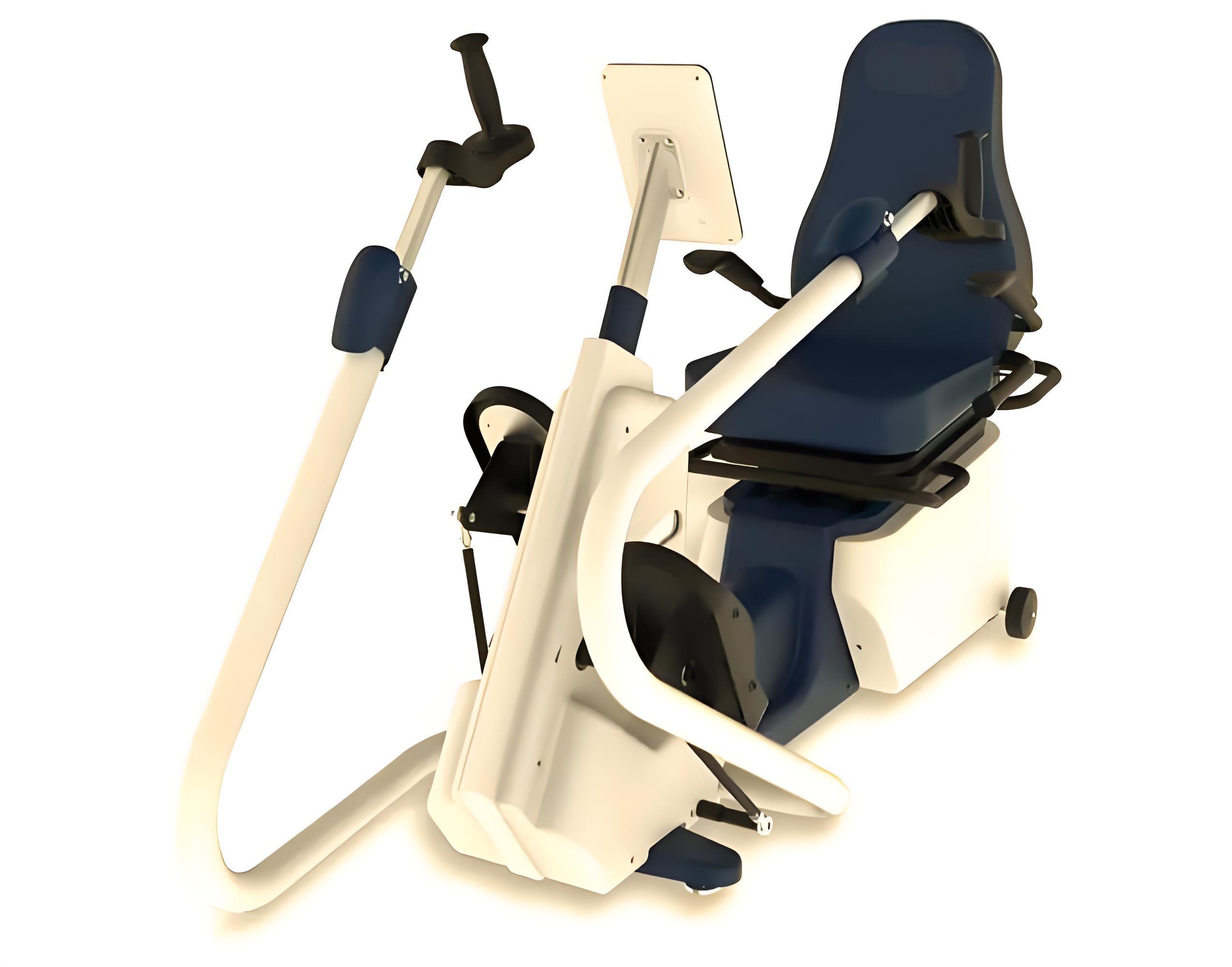
Умные устройства для реабилитации и ухода
-
Многопараметрические станции проверки здоровья для домашнего использования
Почему выбирают UGPCB?
УГКПБ закончился 10 многолетний опыт производства высококачественных печатных плат. Мы держим ИСО 9001, Iso 13485, и сертификаты UL. Мы предлагаем полный процесс обслуживания: Изготовление печатной платы, Компонентный источник, SMT Assembly, и печатная плата функциональное тестирование.
Ваш умный помощник по здоровью испытывает трудности с пространством?, короткий срок службы гибкого кабеля, или неисправности разъема? Свяжитесь с UGPCB для получения индивидуального решения для жестко-гибких печатных плат..
📧 Электронная почта: sales@ugpcb.com
🌐 Сайт: www.ugpcb.com
📞 Горячая линия технической поддержки: +86 755-27211481
При отправке запроса, пожалуйста, предоставьте нашей инженерной команде: Гербер-файлы / Требования к дизайну печатной платы / Тип устройства умного помощника по здоровью / расчетный годовой объем.
Для получения бесплатного отчета по анализу DFM, отправьте файлы дизайна по электронной почте. Инженерная группа УГКПБ ответит в течение 24 часов с советами по оптимизации процессов и предложениями по снижению затрат.
*(Источники данных: МПК-2221, Тип IPC-6013 4, МПК-4552; рыночные данные от CSRankings, Жиян Консалтинг, Будущий отчет о рынке)*