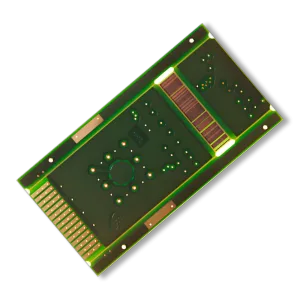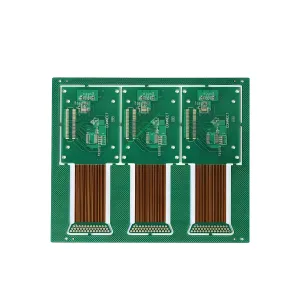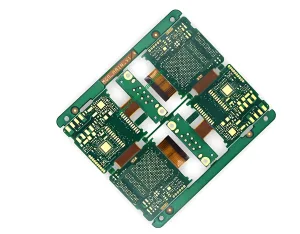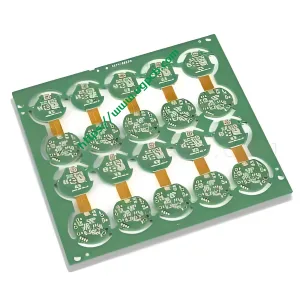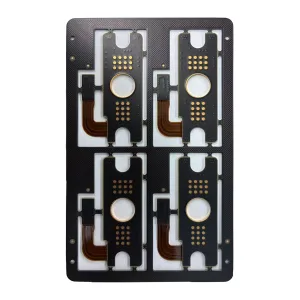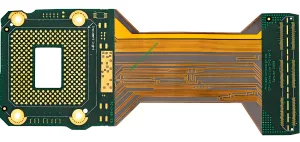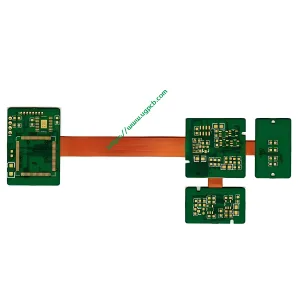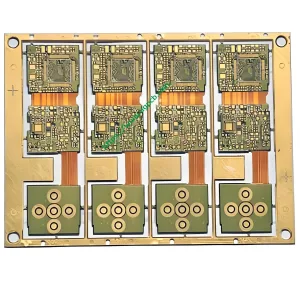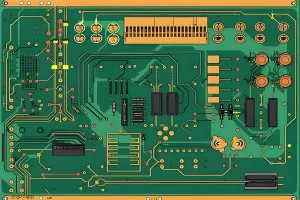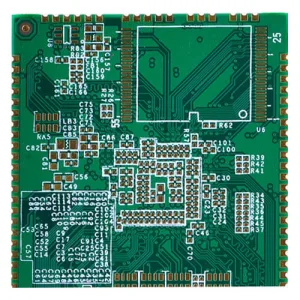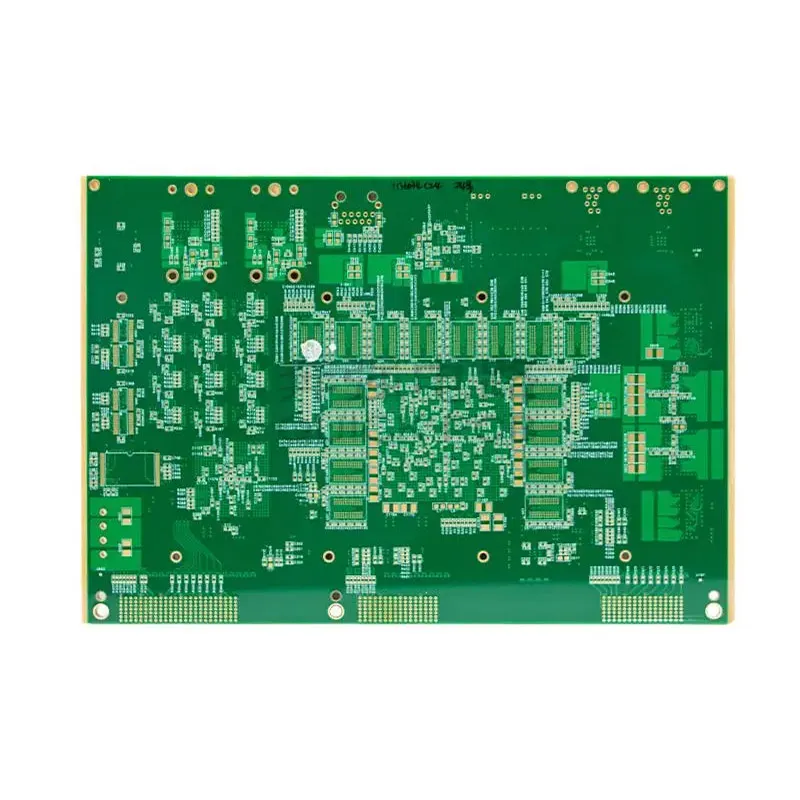
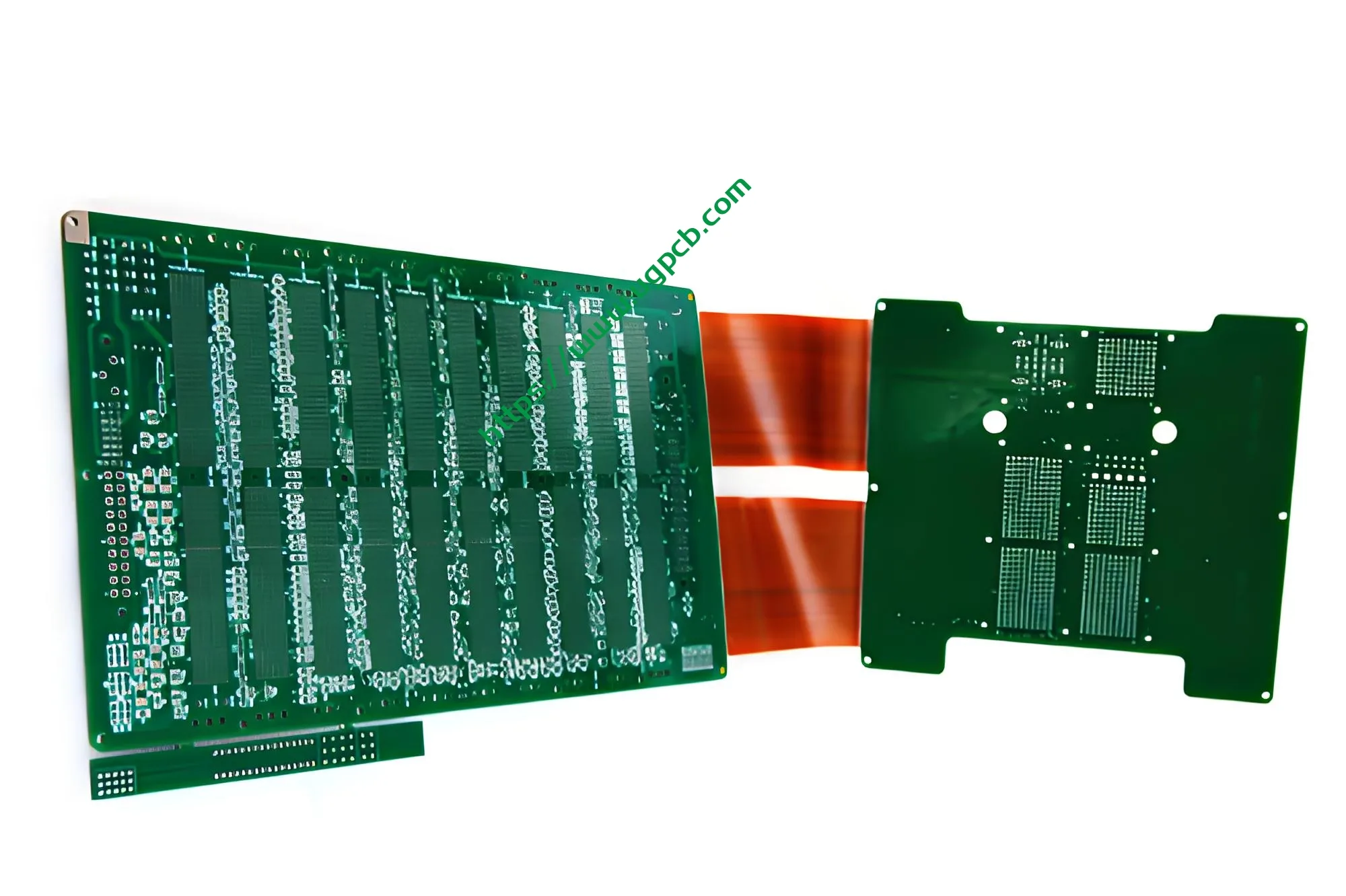
В современном быстро меняющемся мире электроники, спрос на компактные, легкий, и высоконадежные межсетевые решения никогда не были лучше. Разрабатываете ли вы носимые устройства, медицинские инструменты, или передовые цифровые системы, жестко-гибкие печатные платы являются краеугольным камнем технологии, устраняющей разрыв между жесткой стабильностью и динамической гибкостью.. В УГКПБ, мы специализируемся на поставке высокоточных прототипы жестко-гибких печатных плат которые отвечают самым строгим требованиям к дизайну и производительности. В этом руководстве вы познакомитесь со всеми аспектами нашего представленного продукта — 2+2+2 жестко-гибкая печатная плата изготовлен из FR-4 и полиимида — и покажет вам, почему это оптимальный выбор для вашего следующего цифровой Прототип печатной платы проект.
Что такое гибко-жесткая печатная плата (R-FPCB)?
А жестко-гибкая печатная плата, часто сокращается как R-FPCB, представляет собой гибридную печатную плату, сочетающую в себе жесткие и гибкие материалы подложки в единую интегрированную структуру.. В отличие от традиционных жестких печатные платы которые используют только жесткий ламинат, или автономные гибкие схемы, жестко-гибкие печатные платы обеспечить трехмерную упаковку за счет устранения разъемов и ленточных кабелей между жесткими секциями. Эта бесшовная интеграция значительно повышает целостность сигнала., снижает затраты на сборку, и повышает общую надежность устройства. Обозначение «2+2+2» описывает структуру слоев.: два жестких внешних слоя, два гибких внутренних слоя, и два дополнительных жестких слоя, склеенных вместе, создание 6-слойного жестко-гибкая печатная плата идеально подходит для цифровых приложений, где пространство и вес имеют большое значение.
[Предложение изображения: Схема поперечного сечения 2+2+2 жестко-гибкая печатная плата с изображением жестких секций FR-4, гибкие полиимидные слои, и металлизированные сквозные отверстия.
Альтернативный текст: Поперечное сечение 2+2+2 Стек жестко-гибких печатных плат с жесткими слоями FR-4 и гибкими слоями PI]
Обзор продукта: УГКПБ 2+2+2 Прототип жестко-гибкой печатной платы
В UGPCB, наш стандарт прототип жестко-гибкой печатной платы предложение разработано для ускорения цикла разработки вашего продукта. Ключевые характеристики нашей представленной сборки::
-
Модель: Жестко-гибкая печатная плата (R-FPCB)
-
Материал: ФР-4 (жесткий) + ПИ – Полиимид (гибкий)
-
Структура слоев: 2+2+2 (6-многослойная жестко-гибкая конструкция)
-
Спорная маска цвет: Зеленый / Белый
-
Готовая толщина: 1.0 мм (жесткая область) + 0.15 мм (гибкая область)
-
Толщина меди: 0.035 мм (1 унция) на всех слоях
-
Обработка поверхности: Погружение Золото (СОГЛАШАТЬСЯ)
-
Минимальная ширина линии / Расстояние: 0.1 мм / 0.1 мм
-
Приложение: Изготовление прототипа цифровой жестко-гибкой печатной платы
Эта конфигурация оптимизирована для цифровых схем высокой плотности, требующих как механического изгиба, так и жестких зон установки компонентов..
Как работает жестко-гибкая печатная плата
Принцип работы А. жестко-гибкая печатная плата использует уникальные свойства материалов своих составляющих. Жесткие слои, обычно изготавливается из ФР-4 эпоксидный стеклянный ламинат, обеспечивают структурную поддержку и стабильную платформу для компонентов поверхностного монтажа и сквозных отверстий.. Гибкие слои, построен из полиимид (ПИ) фильм, действуют как встроенные «петли», которые можно динамически сгибать или статически складывать для установки в компактные корпуса. Электрически, слои соединены между собой посредством металлизированных сквозных отверстий и скрытых переходных отверстий., образуя непрерывный печатная плата схема. За счет исключения межплатных разъемов, а жестко-гибкая печатная плата уменьшает затухание и отражение сигнала, что имеет решающее значение в высокоскоростных цифровых приложениях. Когда гибкая секция изогнута, полиимидная подложка выдерживает нагрузки намного лучше, чем FR-4, при условии, что радиус изгиба соответствует механическим ограничениям материала.
Основы дизайна для 2+2+2 Жесткие платы
Проектирование 2+2+2 жестко-гибкая печатная плата требует глубокого понимания механических и электрических ограничений. Ключ жестко-гибкая конструкция печатной платы соображения включают в себя:
-
Расчет радиуса изгиба: Согласно МПК-2223, для динамических гибких приложений, минимальный радиус изгиба должен быть не менее 10 раз толщину гибкой цепи. С нашим 0.15 гибкий слой мм, рекомендуемый минимальный радиус изгиба составляет 1.5 мм.
-
Трассировка трассировки в зонах изгибов: Линии и пробелы должны располагаться перпендикулярно оси изгиба, чтобы избежать растрескивания меди.. Наш 0.1 Возможность трассировки/пространства в миллиметрах обеспечивает плотную прокладку при сохранении надежности.
-
Поперечное сечение слоя: Зону перехода от жесткого к гибкому необходимо тщательно моделировать, чтобы избежать концентраторов напряжений.. Конструкция в стиле переплетного устройства используется для постепенного отделения гибких слоев от жесткой стопки..
-
Через размещение: В зоне изгиба не должно быть металлических переходных отверстий., поскольку они склонны к усталостному отказу. Слепые и заглубленные переходные отверстия в жестких секциях улучшают конструкцию переходных площадок для обеспечения высокой плотности печатная плата.
Обращаясь к этим Рекомендации по проектированию жестко-гибких печатных плат, UGPCB может превратить вашу схему в надежную цифровой жестко-гибкий прототип который работает безупречно.
Приложения и варианты использования
Универсальность 2+2+2 жестко-гибкая печатная плата делает его идеальным для широкого спектра цифровых и смешанных систем сигналов.. Общий приложения для жестко-гибких печатных плат включать:
-
Носимая электроника: Умные часы, фитнес-трекеры, и медицинские пластыри, где доска должна повторять контуры тела..
-
Медицинские устройства: Имплантационная диагностика, слуховые аппараты, и эндоскопические системы визуализации, требующие повторных циклов стерилизации и высокой надежности..
-
Промышленные датчики Интернета вещей: Компактные сенсорные узлы, которые должны помещаться в небольшие корпуса и выдерживать вибрацию..
-
Аэрокосмическая и защита: Авионика, спутниковые системы, и электроника наведения ракет, отличающаяся снижением веса и высокой ударопрочностью..
-
Потребительские цифровые продукты: Складные смартфоны, камеры, и портативные игровые устройства, основанные на жестко-гибкая печатная плата технология миниатюризации.
В цифровом формате Прототипирование печатной платы, возможность тестировать полную функциональность системы с помощью встроенного гибкого модуля исключает переменные, вносимые разъемами, обеспечение более быстрой проверки целостности сигнала и распределения мощности.
Классификация жестко-гибких печатных плат
Правильно позиционировать наш продукт в соответствии с отраслевыми стандартами., жестко-гибкие плиты классифицируются в соответствии с IPC-6013 в зависимости от конструкции и предполагаемого конечного использования.:
-
Тип 1: Односторонняя гибкая печатная плата
-
Тип 2: Двусторонняя гибкая печатная плата с металлизированными сквозными отверстиями.
-
Тип 3: Многослойная гибкая печатная плата
-
Тип 4: Жестко-гибкая многослойная печатная плата - Наш 2+2+2 конфигурация попадает прямо в эту категорию, где жесткие и гибкие слои смешиваются, образуя единую интегральную плату..
-
Тип 5: Гибкие или жестко-гибкие многослойные с жесткими ребрами жесткости.
Тип 4 является наиболее распространенным для цифровых приложений, поскольку позволяет осуществлять сложные межсоединения между несколькими жесткими доменами, сохраняя при этом полную печатная плата совместимость.
Материалы и их характеристики
В 2+2+2 жестко-гибкая печатная плата, Выбор материала напрямую влияет на производительность и долговечность.
-
ФР-4 (Жесткий ламинат): Огнестойкий композит эпоксидной смолы и стекла, обеспечивающий превосходную стабильность размеров., диэлектрическая проницаемость (Дк) примерно 4,2–4,6 при 1 МГц, и температура стеклования (Тг) обычно от 135°C до 170°C. В нашей сборке, FR-4 с высоким Tg является стандартным, чтобы выдерживать температуры сборки без свинца..
-
Полиимид (Гибкий ламинат): Полиимидная пленка обладает превосходной термостойкостью. (непрерывная работа до 200°C), чрезвычайно низкое газовыделение, и Дк около 3.5 в 1 МГц. Его гибкость выдерживает миллионы циклов динамического изгиба при соблюдении рекомендаций по радиусу изгиба..
-
Погружение Золото (СОГЛАШАТЬСЯ) Поверхностная отделка: Химическое никель-иммерсионное золото обеспечивает ровную поверхность., паяемая поверхность с типичной толщиной никеля 3–6 мкм и толщиной золота 0,05–0,15 мкм.. Обеспечивает превосходный срок хранения, возможность соединения проводов, и равномерная копланарность для компонентов с мелким шагом, что критически важно при высокой плотности печатная плата сборка.
Ключевые функции и преимущества
UGPCB 2+2+2 прототип жестко-гибкой печатной платы предлагает явные преимущества, специально разработанные для цифрового дизайнера:
-
Ультраминиатюризация: Сочетает шесть слоев межсоединений в одном корпусе, который можно сложить, занимая часть пространства, необходимого для отдельных жестких плат и кабелей..
-
Превосходная целостность сигнала: Следы контролируемого импеданса сохраняются по всему печатная плата без разрывов разъема. Для 0.1 мм ширина трассы, характеристическое сопротивление может быть точно настроено 50 Ом или 100 Ом дифференциал, необходим для высокоскоростных цифровых протоколов, таких как USB 3.0, Память DDR, и МИПИ.
-
Высокая надежность: Поверхность никель-золота защищает медь от окисления., обеспечение прочных паяных соединений. Следуя классу IPC-A-600 2 критерии приемки, наши доски проходят строгий контроль.
-
Экономичное прототипирование: Обеспечивая быстрый поворот прототип жестко-гибкой печатной платы услуги, мы даем возможность командам разработчиков быстро выполнять итерации, прежде чем переходить к серийному производству.
-
Бесшовная интеграция с PCBA: Плата полностью совместима с автоматизированными процессами сборки SMT.. Его плоскостность и шероховатость поверхности обеспечивают высокий выход продукции. компонент размещение, поворачивая свой печатная плата в полный печатная плата с минимальной доработкой.
Процесс производства жестко-гибких печатных плат
Производство надежного 2+2+2 жестко-гибкая печатная плата требует точного контроля процесса. UGPCB следует проверенному алгоритму:
-
Визуализация внутреннего слоя & травить: Как жесткие слои FR-4, так и гибкие полиимидные сердцевинные слои подвергаются визуализации и травлению для формирования желаемых рисунков схем., поддержание 0.1 допуск ширины линии мм.
-
Ламинирование: Гибкие слои расположены между нетекущими препрегами и жесткими внешними слоями FR-4.. Под высокой температурой и давлением, стопка постоянно соединена. Техника «переплетчик» создает зону постепенного перехода..
-
Бурение & Покрытие: Механическое или лазерное сверление создает переходные отверстия.. Прямая металлизация и электролитическое меднение создают 0.035 мм (1 унция) толщина меди во всех стволах.
-
Визуализация внешнего слоя & травить: Внешние жесткие слои имеют рисунок, определение площадок и дорожек.
-
Прикладная маска: Зеленая или белая паяльная маска наносится и фотографируется на жестких участках., оставляя гибкие области открытыми.
-
Поверхностная отделка: Химически никелированное иммерсионное осаждение золота, обеспечение идеального интерфейса пайки.
-
Маршрутизация & Лазерная резка: Жесткие контуры проложены, а гибкие секции точно вырезаются с помощью УФ-лазеров для предотвращения механического напряжения..
-
Электрические испытания & АОИ: Каждый печатная плата является 100% список соединений проверен и оптически проверен, чтобы гарантировать отсутствие обрывов или замыканий.
Почему стоит выбрать UGPCB в качестве прототипа цифровой жестко-гибкой печатной платы?
Представьте себе цельную схему, которая заменяет три жесткие платы и два сложных жгута проводов.. Это сила 2+2+2 жестко-гибкая печатная плата из УГКПБ. Наша команда инженерной поддержки помогает с проектированием стека, расчет импеданса, и проверка радиуса изгиба, чтобы убедиться, что ваш прототип соответствует стандартам IEEE и IPC.. Мы обеспечиваем бесперебойную работу от предложения до доставки, прозрачные цены и своевременная отгрузка.
Готовы превратить ваш цифровой дизайн в высокопроизводительную реальность? Отправьте свои файлы Gerber сегодня через наш онлайн-портал, чтобы получить мгновенное ценовое предложение. прототип жестко-гибкой печатной платы. Наши специалисты готовы рассмотреть ваши требования и помочь избежать распространенных ошибок.. Нажмите кнопку «Получить ценовое предложение» сейчас и сделайте первый шаг к зажигалке., Быстрее, и более надежный продукт.