1. Фон рынка: Почему автомобильной электронике нужны высоконадежные печатные платы
Современные электромобили и системы ADAS с каждым годом используют все больше электронных деталей..
Данные Китайского научно-исследовательского института коммерческой промышленности показывают: Рынок автомобильной электроники Китая достиг $169 млрд. 2024, с 10.95% рост в годовом исчислении. Этот спрос подталкивает инженеров к замене традиционных жестких печатные платы + жгуты проводов с более компактными и надежными решениями.
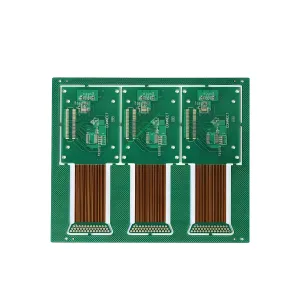
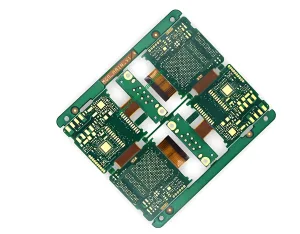
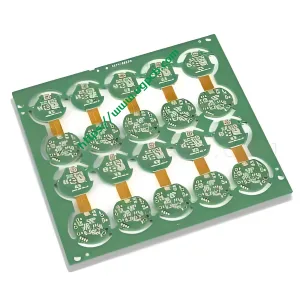
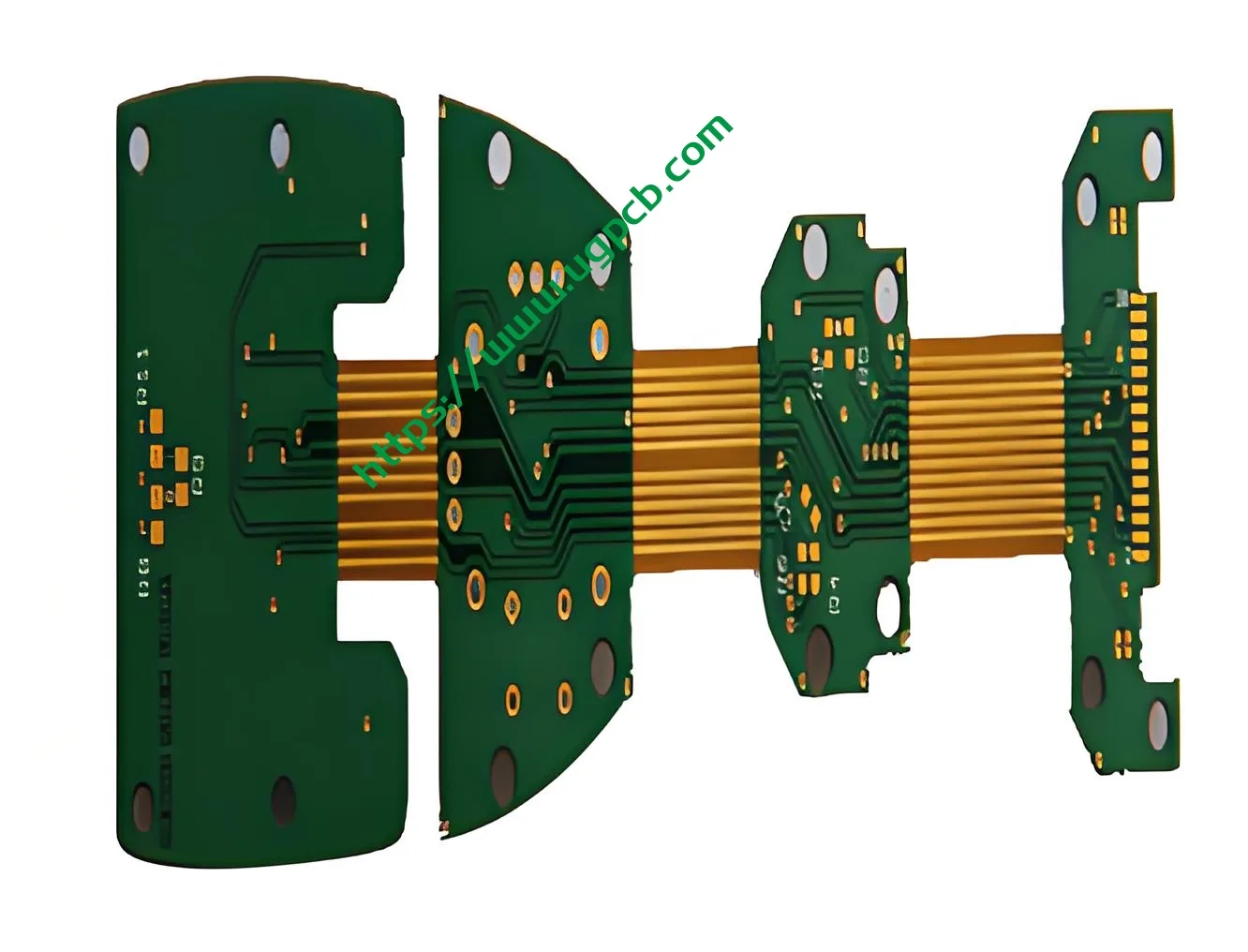
А жестко-гибкая печатная плата сочетает в себе стабильность жестких плат с гибкостью гибких плат.
Отраслевые исследования показывают, что переход на жестко-гибкую систему может:
-
Экономия ~40 % места при установке.
-
Снижение количества сбоев, связанных с вибрацией, примерно на 65 %
-
Снижение стоимости спецификации примерно на 22% за счет более высокой интеграции
Ожидается, что мировой рынок жестко-гибких печатных плат для автомобильной промышленности превысит сумму в долларах США. 5 миллиард за 2025.
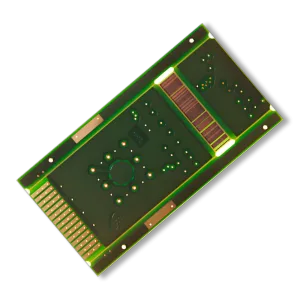
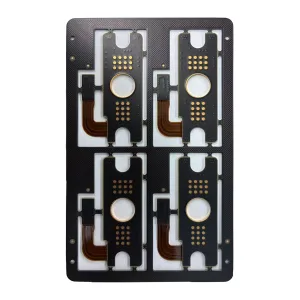
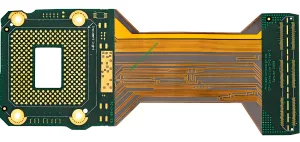
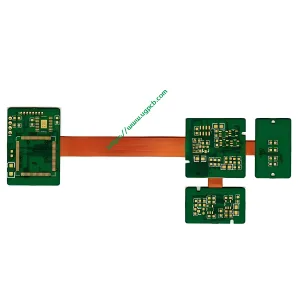
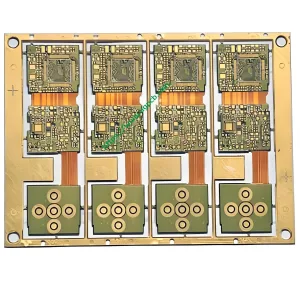
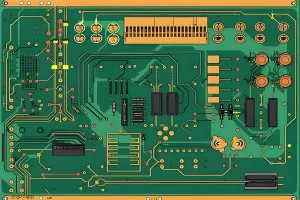
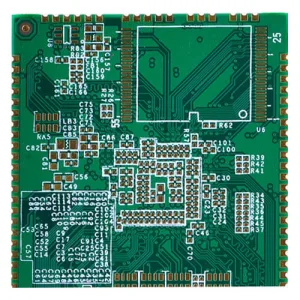
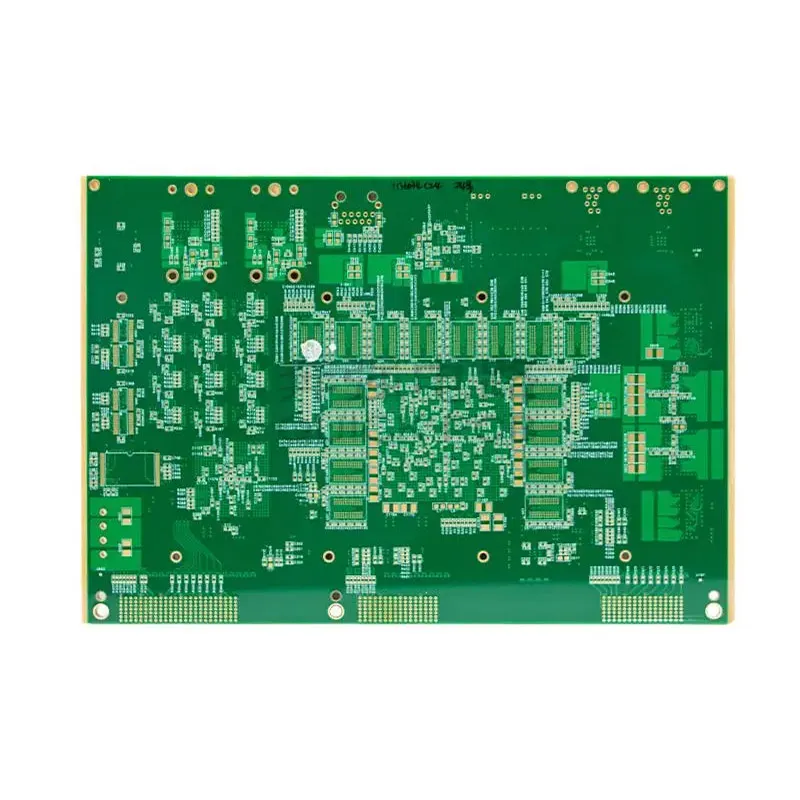
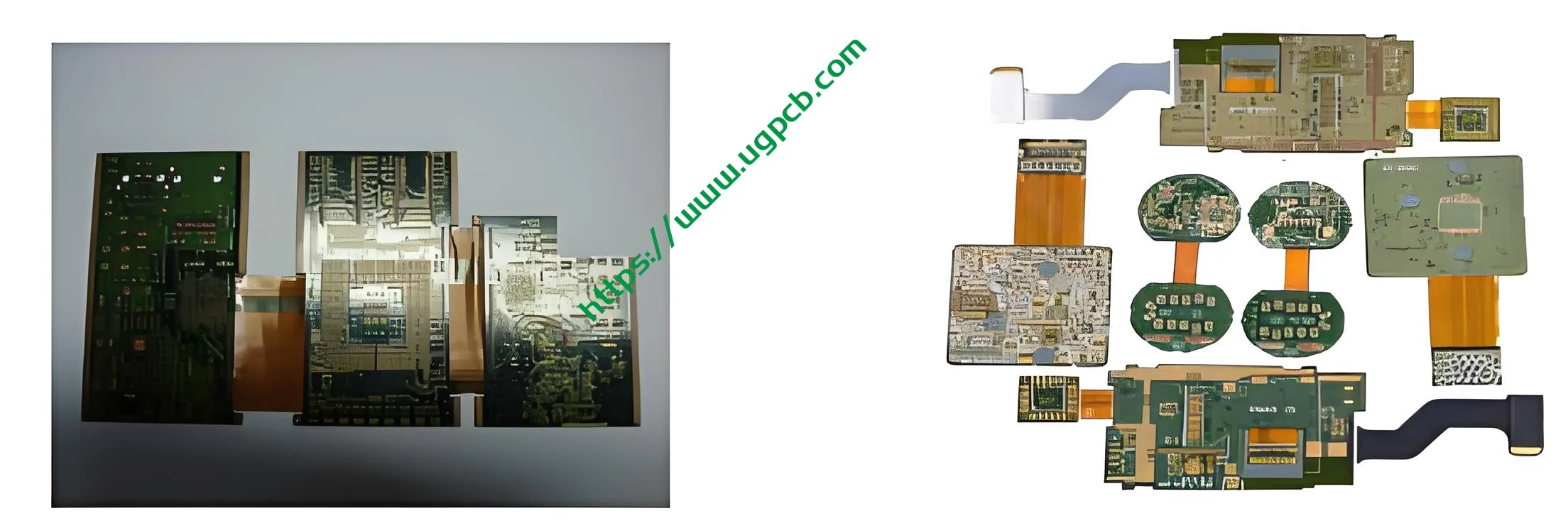
УГКПБ разработал Автомобильная печатная плата (HDI R‑FPCB) – жестко-гибкая плата межсоединений высокой плотности, соответствующая стандарту ISO 26262 и класс IPC‑6012DA 3 требования. Это идеальный выбор для вашего Прототип автомобильной жестко-гибкой печатной платы.
2. Определение продукта & Научная классификация
2.1 Название продукта & Модель
-
Название продукта: Автомобильная печатная плата (HDI R‑FPCB) – Жесткая гибкая печатная плата HDI автомобильного класса
-
Код модели: HDI R‑FPCB 1+2+1 Структура
-
Ключевое слово фокуса: Прототип автомобильной жестко-гибкой печатной платы (Ключевое слово фокуса Yoast SEO)
2.2 Научная классификация (На основе МПК & Стандарты УЛ)
| Метод классификации | Стандартный | Категория |
|---|---|---|
| По структуре | МПК‑2223 | Жестко-гибкая многослойная плата (≥3 проводящих слоя) |
| По технологии HDI | МПК‑2226 | Тип III – двухэтапный ИРЧ со стеком «1+2+1»., лазерные микроотверстия |
| По классу производительности | МПК‑6013 | Сорт 3 (высокая надежность, непрерывная работа) |
| По заявке | – | Автомобильная электроника – ЭБУ, Адас, Бит, информационно-развлекательная система |
2.3 Ключевые параметры (Краткая справочная таблица)
| Параметр | Спецификация |
|---|---|
| Модель | Автомобильная печатная плата (HDI R‑FPCB) |
| Материал | ФР‑4 + ПИ (Полиимид) |
| Стек слоев | 1+2+1 (2‑ступенчатый HDI, жесткий‑гибкий) |
| Спорная маска цвет | Зеленый / Белый |
| Законченная толщина | 1.2 мм |
| Толщина меди | 0.035 мм (1 ОЗ) |
| Чистота поверхности | ТОЛЬКО 2U” (Химическое никель, иммерсионное золото) |
| Мин. ширина линии / расстояние | 0.1 мм / 0.1 мм |
| Приложение | Прототип жестко-гибкой печатной платы автомобильной электроники |
Стол 1 – Основные характеристики автомобильной печатной платы UGPCB (HDI R‑FPCB).
3. Стекап & Структура: «1+2+1» 2‑Step HDI Rigid‑Flex
3.1 The 1+2+1 Объяснение стека
Этот Прототип автомобильной жестко-гибкой печатной платы имеет 1+2+1 наращивание ИЧР:
-
Слой 1 – Внешний жесткий слой (монтаж компонентов & маршрутизация)
-
Слой 2 – 1-е место ИЧР наращивать (похороненный / слепые микроотверстия)
-
Слой 3 – Основной слой (содержит гибкую область PI)
-
Слой 4 – 2-е наращивание ИЧР
-
Слой 5 – Внешний жесткий слой (нижняя боковая маршрутизация & пайрь)
Гибкая область остается на сердечнике PI и открывается через жесткое покрытие.. Такая конструкция обеспечивает высокую плотность маршрутизации (HDI печатная плата) и 3D-гибкость (жестко-гибкая печатная плата).
3.2 Классификация ИЧР согласно IPC‑2226
IPC‑2226 определяет ИЧР по: ширина линии/интервал ≤ 100 мкм, микропереходная площадка < 400 мкм, и плотность > 20 подушечки/см².
Наш 0.1 мм линия/пространство соответствует стандарту. Лазерные микроотверстия позволяют 1+2+1 структура как Тип II (2‑шаг ИРЧП) – идеально подходит для автомобильной электроники.
| Тип ИЧР (МПК‑2226) | Функция наращивания | Типичное применение |
|---|---|---|
| Тип i (1-шаг) | Отдельные слои микроотверстий на сердцевине | Потребительская электроника |
| Тип II (2-шаг) | Два слоя наращивания с каждой стороны | Автомобильная промышленность, промышленное, высококлассные устройства |
| Тип III (≥3‑ступенчатый) | Межсоединение любого уровня | Флагманские смартфоны |
3.3 Материалы: ФР‑4 + ПИ
-
Жесткие области (ФР‑4) – Эпоксидная стеклотканая ткань.. Обеспечивает прочную механическую поддержку тяжелых компонентов. (разъемы, большие микросхемы).
-
Гибкая область (ПИ) — Полиимидная пленка (ФККЛ). Тг > 260°С, UL 94 Рейтинг V‑0. Выдерживает температуру моторного отсека.
CTE (коэффициент теплового расширения) разница между ПИ (16–20 частей на миллион/°C) и ФР‑4 (14–18 частей на миллион/°C) имеет решающее значение. UGPCB контролирует параметры ламинирования, чтобы избежать расслоения при термоциклировании от –40°C до +125°C..
4. Рекомендации по проектированию высокопроизводительных жёстко-гибких печатных плат HDI
4.1 Тонкая линия & Космос (0.1 мм / 0.1 мм)
Достижение 0.1 мм трасса/пространство с 1 Медь ОЗ позволяет 50% более высокая плотность маршрутизации, чем 0.15 мм конструкции.
Для автомобилей печатная плата более поздняя сборка, следуй этим правилам:
-
Контроль импеданса – Согласование импеданса дифференциальной пары (90 Ой / 100 Ой) в зонах FR‑4 и PI.
-
Соответствие длины – Сохранение внутрипарного несоответствия < 0.5 мм на гибкой зоне, потому что PI’s Dk (3.4–3,5) отличается от FR‑4 (4.2–4,5).
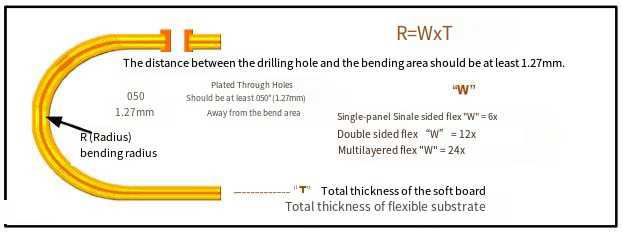
4.2 Расчет радиуса изгиба (МПК‑2223)
Жестко-гибкие печатные платы должны соблюдать минимальный радиус изгиба для обеспечения надежности..
Согласно IPC‑2223 и отраслевой практике:
Рмин, статический=(6 к 12)×tflexРмин, динамический≥10×tflex
Где tflex = общая толщина гибкой зоны (медь + покрытие).
Для типичного 0.2 мм гибкий стек, статический минимальный радиус – 1,2–2,4 мм.. UGPCB рекомендует R ≥ 6 мм для динамического изгиба дверных петель или регуляторов сидений.
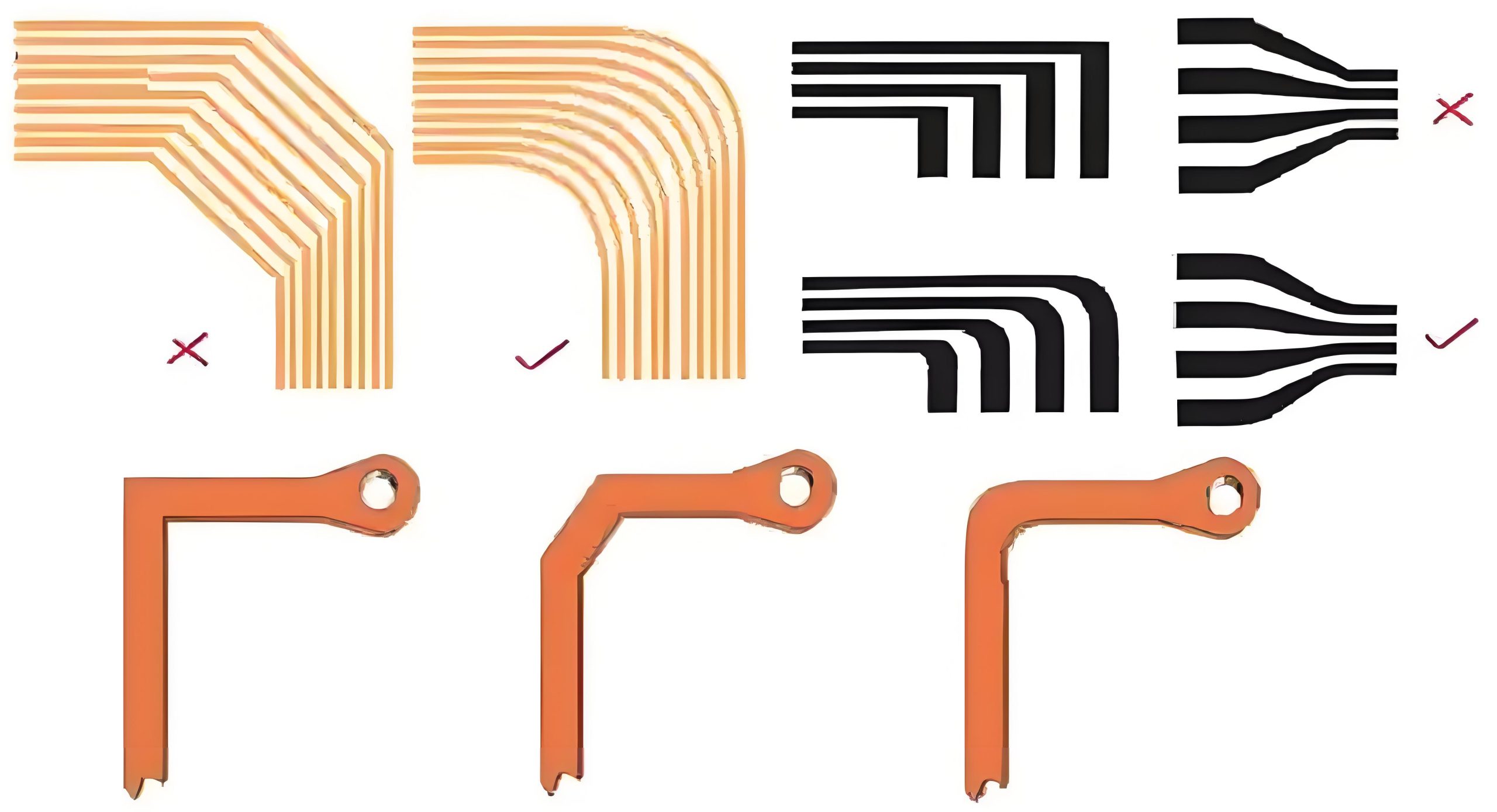
4.3 Переходная зона «жесткая-гибкая» – ключевые моменты
-
45° конический интерфейс – Избегает концентрации стресса.
-
Прокладывайте трассы параллельно оси сгиба – Никогда не пересекайте зону изгиба перпендикулярно..
-
Каплевидные подушечки & закругленные отверстия покрытия – Распределить механическое напряжение.
-
Использовать 0.5 Медь OZ в зонах повышенной гибкости – 1 OZ сильнее, но менее гибок.
5. Схема производственного процесса (Iso & Соответствует МПК)
UGPCB соответствует IPC-6013D для сертификации жестко-гибких. Ключевые шаги:
-
Визуализация внутреннего слоя – Ядро FR‑4 и слой PI flex отдельно. проверки АОИ 0.1 линии мм.
-
Лазерное бурение (слепой / скрытые микроотверстия) – CO₂-лазер удаляет FR‑4; УФ-лазер для < 50 отверстия мкм.
-
Десмеар & химическая медь – Активирует стенки отверстий для обшивки.
-
Через заполнение & обшивка панели – Слепые переходные отверстия, заполненные медью (Скорость пустоты < 5%).
-
Последовательное ламинирование – Строит 1+2+1 складывать в два этапа. Гибкая область маскируется во время ламинирования жесткого слоя..
-
Внешний слой & паяльная маска – Наложена зеленая или белая паяльная маска LPI..
-
ТОЛЬКО 2U” обработка поверхности – Соответствует IPC‑4552: 3–7 мкм Ni + ≥0,05 мкм Au. Двойная толщина золота для устойчивости к коррозии.
-
Маршрутизация & электрические испытания – 100% летающий зонд или испытание приспособления.
6. Производительность & Данные о надежности (IPC‑TM‑650)
| Тест | Состояние | Требование | Стандартный |
|---|---|---|---|
| Диэлектрическое выдерживаемое напряжение | ≥1000 В постоянного тока | Нет поломки | IPC‑TM‑650 2.5.7 |
| Устойчивость к изоляции (нормальный) | ≥10^11 Ом | Проходить | IPC‑TM‑650 2.5.3 |
| Термический велосипед | –40°С ↔125°С, 1000 цикл | Нет расслоения, ΔР < 10% | IPC‑TM‑650 2.6.7 |
| Влажное тепло | 85°С / 85% Раствор, 1000час | ИК ≥ 10^9 Ом | Класс IPC‑6013 3 |
| Вибрация | 10–2000 Гц, 20глин, 4ч/ось | Нет прерывистого открытия | ИСО 16750‑3 |
| Динамический изгиб | R = 5 мм, 5000 цикл | Нет разомкнутой цепи | Отраслевой стандарт |
Все испытания проводятся в соответствии с методами IPC‑TM‑650 и классом IPC‑6013. 3 требования.
7. Ключевые особенности & Сценарии приложения
7.1 Почему стоит выбрать эту автомобильную печатную плату Rigid-Flex HDI
-
1+2+1 ИЧР + жесткий-гибкий – Высокая плотность плюс гибкость.
-
0.1 мм линия/пробел – Поддерживает шаг BGA ≤ 0.5 мм.
-
UL 94 В‑0 – Огнестойкий (гаснет внутри 10 секунды).
-
ТОЛЬКО 2U” – Двойная толщина золота для срока службы автомобиля 10–15 лет.
-
Быстроповоротный прототип – Образцы готовы через 7–10 дней..
7.2 Типичные случаи использования прототипа печатной платы автомобильной электроники
-
ЭБУ (Блок управления двигателем) – Сигналы датчиков интегрированы непосредственно в PI flex, устранение разъемов.
-
Контроллер домена ADAS – Радар / модулям камер нужны высокоскоростные сигналы и складные конструкции.
-
Информационно-развлекательная система — Заменить ФПК + Разъемы BTB с одной жестко-гибкой печатной платой.
-
Бит (Система управления батареями) – Объединенные каналы напряжения/температуры с UL 94 Соответствие требованиям V‑0.
-
Модуль автомобильной камеры – Гибкая секция проходит через дверные петли без жгута проводов.
8. Почему стоит сотрудничать с UGPCB для создания прототипа жесткой гибкой печатной платы для автомобильной промышленности?
-
член МПК + UL сертифицирован – Полное соответствие IPC‑6012DA. & IPC‑6013D.
-
16,000 м² современный завод – Годовая мощность 600,000 м², специализированная производственная линия HDI.
-
Бесплатный обзор DFM – 15+ средний опыт лет. UGPCB помогает оптимизировать штабелирование и радиус изгиба..
-
Быстрая доставка прототипа – 7–10 дней для жестко-гибких образцов.
-
Бесплатная инженерная консультация – Анализ несоответствия CTE, настройка импеданса, и консультации по сборке SMT.
9. Получите ценовое предложение – начните создавать прототип автомобильной печатной платы Rigid-Flex HDI уже сегодня
Отправьте свои файлы Gerber или поделитесь своими техническими требованиями.. УГКПБ отвечает в течение 2 часы с бесплатной рекомендацией по стеку и оценкой цены.
Свяжитесь с нами сейчас — просто заполните краткую форму ниже:
-
Название компании
-
Телефон / Вичат / WhatsApp
-
Потребности в дизайне или целевой бюджет
UGPCB помогает вам создать высокую надежность, автомобильная электроника с высокой степенью интеграции – по одной жестко-гибкой печатной плате за раз.
Декларация
Все характеристики и данные в этом документе основаны на IPC‑2223., МПК‑2226, МПК‑6013, UL 94, и общедоступные рыночные отчеты (Китайский научно-исследовательский институт коммерческой промышленности, 2025). УГКПБ оставляет за собой право обновлять технические данные.. Пожалуйста, свяжитесь с отделом продаж UGPCB для получения новейших технических рекомендаций..