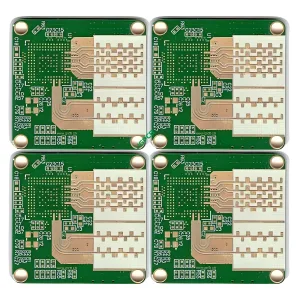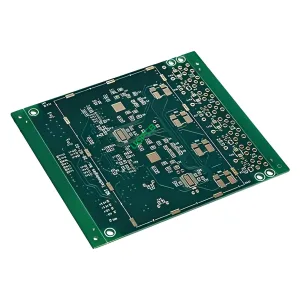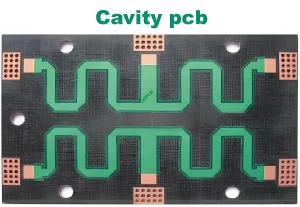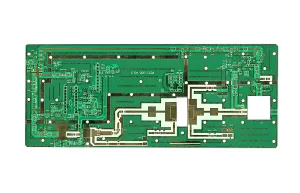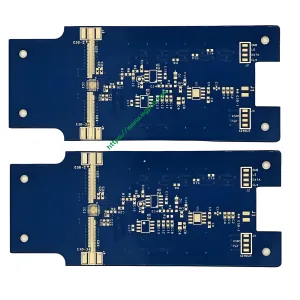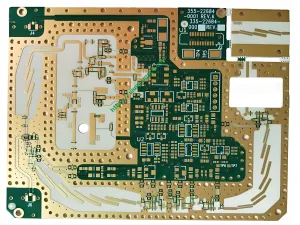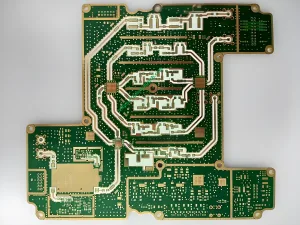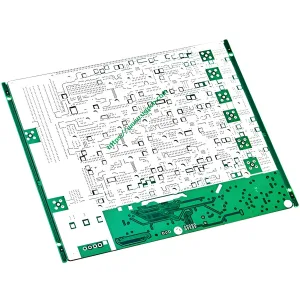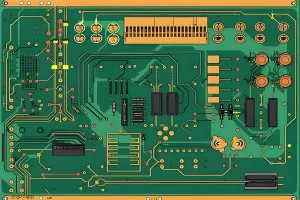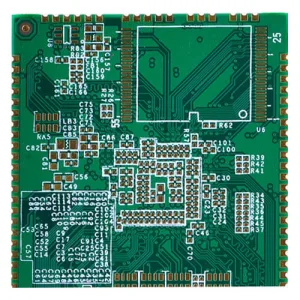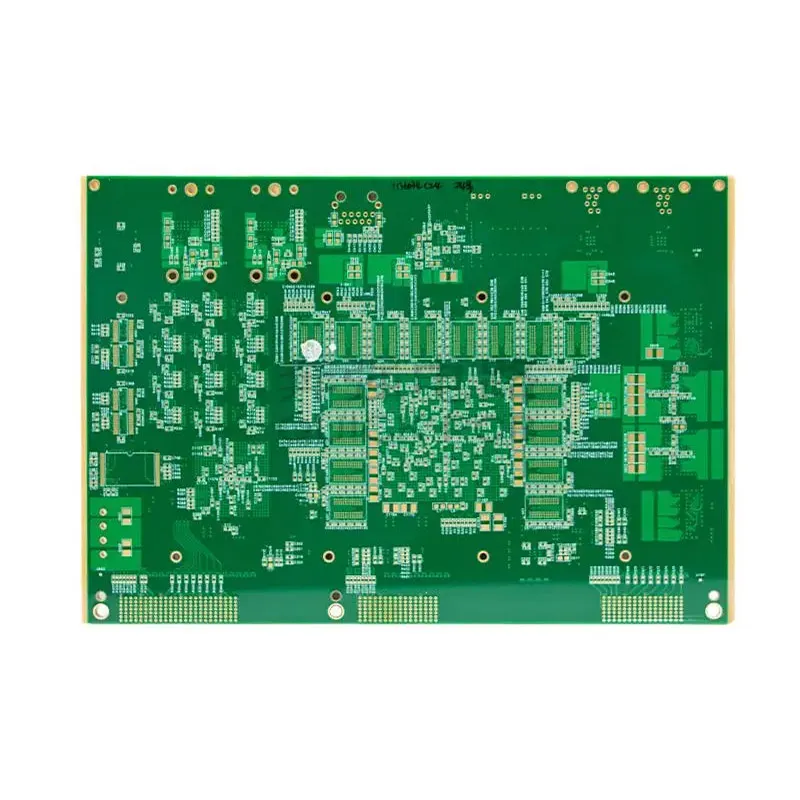
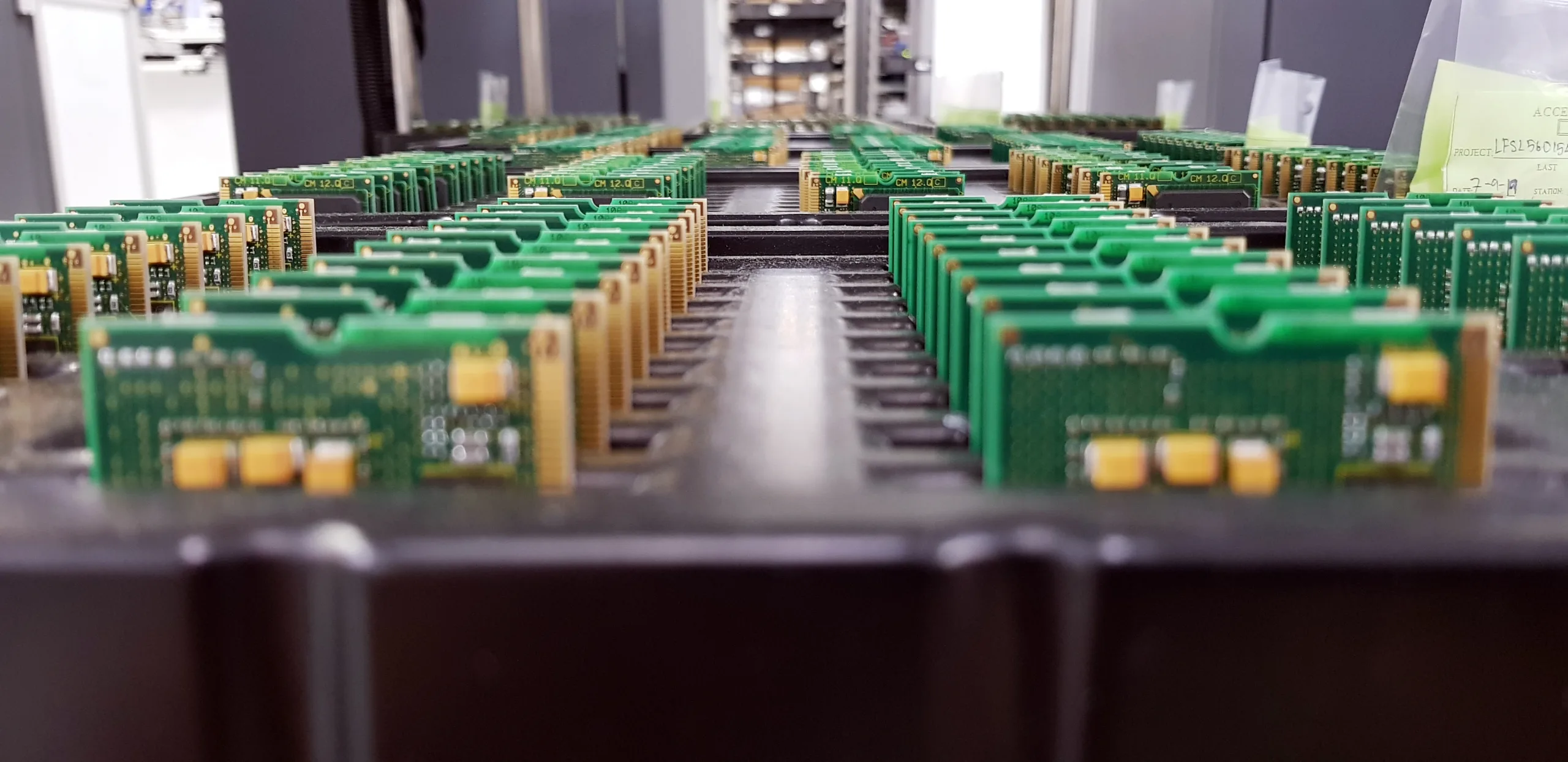
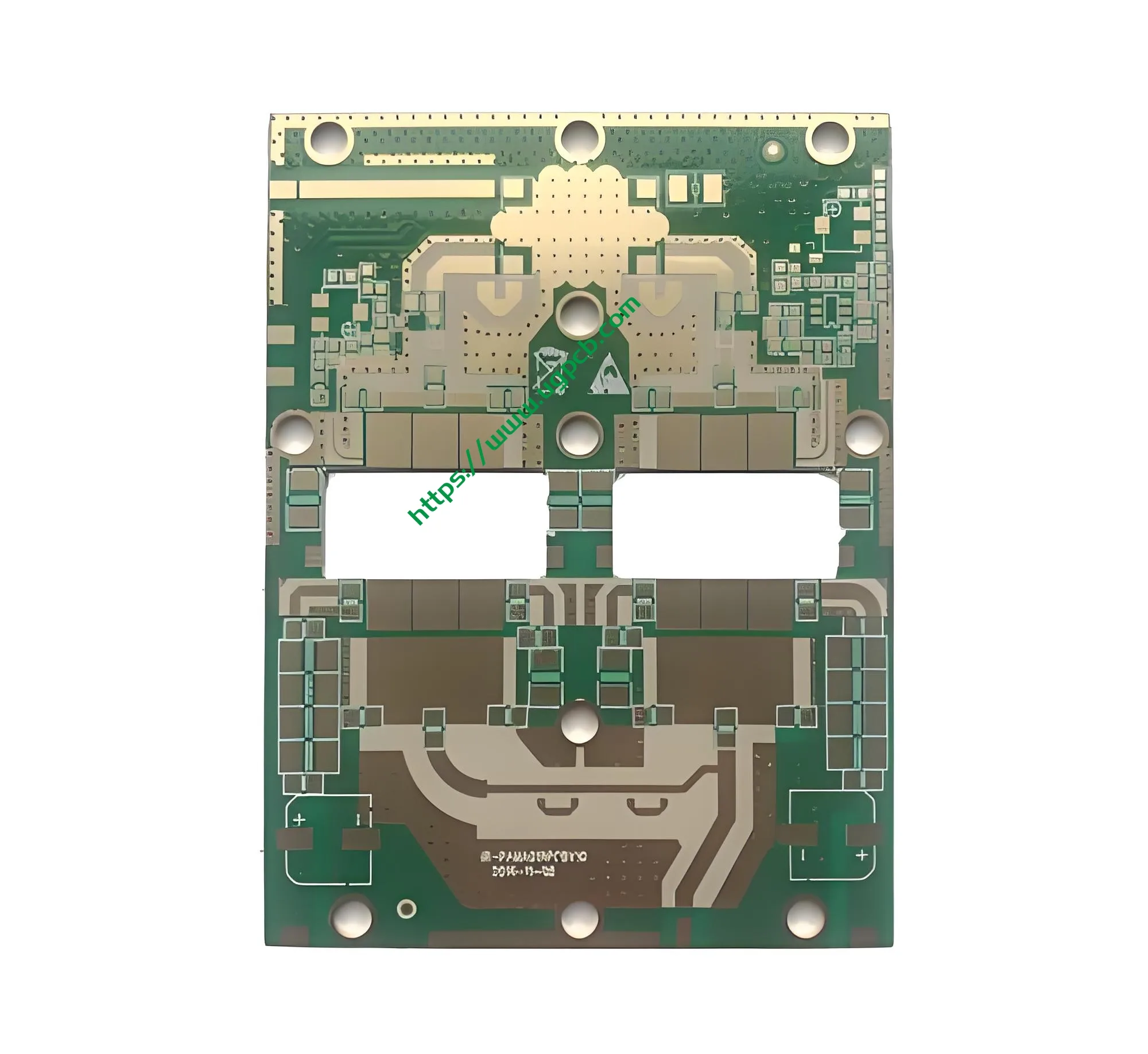
Bei 5G, Radar, und Satellitennavigation, HF-Leiterplatte ist der Schlüssel zur Signalintegrität. UGPCB liefert HF-Leiterplatte Lösungen mit FR-4, Teflon, Ptfe, Keramik, Und Kohlenwasserstoff. Wir folgen IPC-Klasse 2 Und Klasse 3 Standards. Dieser Artikel erklärt HF-PCB-Design, Materialien, und Fertigung.
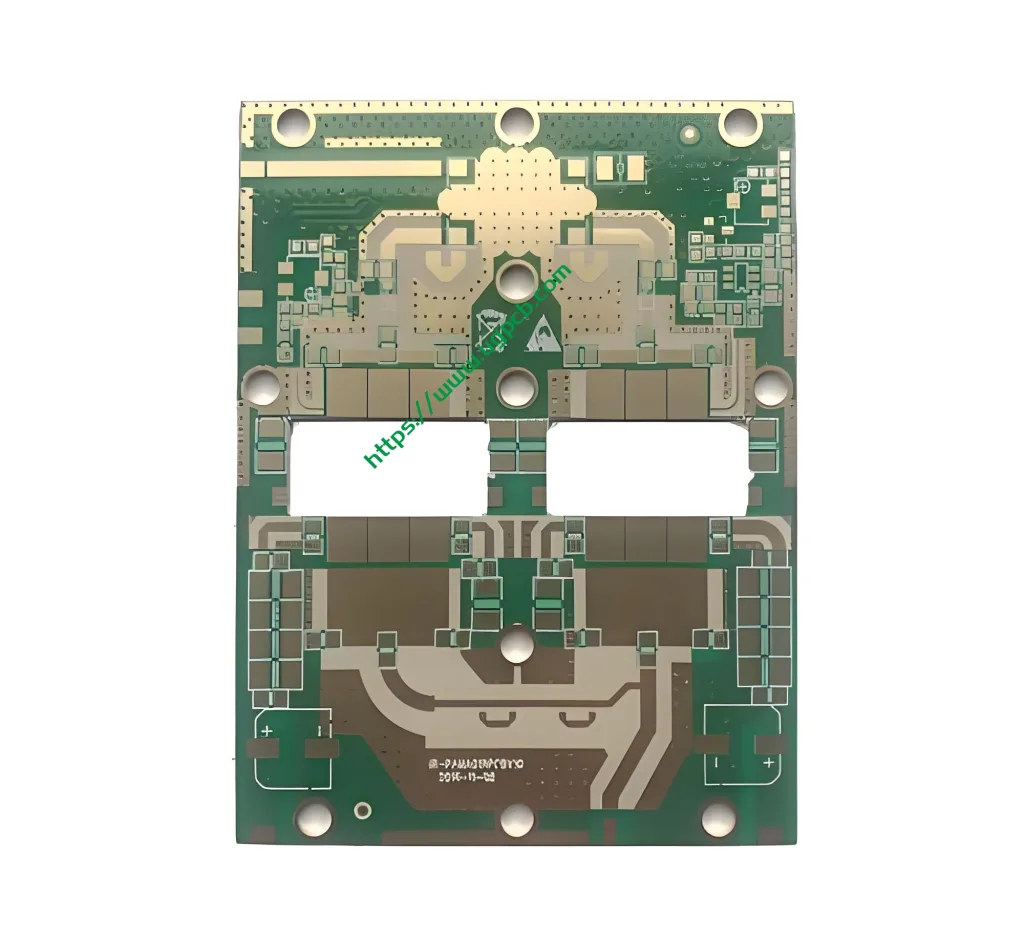
Was ist eine HF-Leiterplatte?? – Die Kernverbindung für HF-Schaltkreise
EinHF-Leiterplatte (Hochfrequenz-Leiterplatte) verarbeitet Signale von 100 MHz zu 100 GHz. Es erfordert eine strenge Kontrolle der Dielektrizitätskonstante (Dk), Dissipationsfaktor (Df), und charakteristische Impedanz.
UGPCB definiert HF-Leiterplatte als Hochfrequenzsignalträger. Wir halten uns strikt daran IPC-Klasse 2 Und Klasse 3. Diese Produkte sind ideal für Antennen, Instrumente, und Kommunikationsausrüstung.
Autoritätsdaten: EntsprechendIPC-2141A (Leitfaden zum Design von Hochfrequenzschaltungen), eine Dk-Variante > ±0,05 at 2.4 GHz kann zu Impedanzabweichungen führen >5%. Dies führt zu erheblichen Renditeverlusten (S11 Abbau).
Design-Grundlagen von HF-Leiterplatten: Impedanz, Material, und Stapeln
Ein gelungenerHF-Leiterplatte Design konzentriert sich auf drei Kernbereiche.
2.1 Präzise charakteristische Impedanzkontrolle
Am meisten HF-Leiterplatte entwirft Ziel 50Oh (HF-Systeme) oder 75Oh (Video/Übertragung). Die Formel für die Mikrostreifenimpedanz lautet:
Wo:
= Dk, = dielektrische Dicke, = Spurbreite, = Kupferdicke.
UGPCB nutzt Ätzkompensation. Unsere Leiterbahnbreitentoleranz beträgt ≤ ±5 µm. Dadurch wird eine Impedanzabweichung gewährleistet < ± 8%, übersteigendIPC-Klasse 3 Anforderung von ±10 %.
2.2 Stabile Dielektrizitätskonstante (Dk)
UGPCB AngeboteHF-Leiterplatte Materialien mitDk von 2.0 Zu 10.6:
- PTFE/Keramik: Dk-Toleranz ±0,02 (typisch)
- Kohlenwasserstoff: Dk-Toleranz ±0,05
- FR-4: nur für RF unten 1 GHz
2.3 Stapelung und Struktur
- 1‑2 Schicht – Mikrostreifen, koplanarer Wellenleiter für einfache HF-Schaltungen.
- Mehrschichtige Leiterplatte – innere Schichten für Strom/Masse, Außenschichten für HF-Signale. Vergrabene und blinde Durchkontaktierungen reduzieren Parasiten.
Quelle: ProUL 796, UGPCB MehrschichtHF-Leiterplatte Die Schicht-zu-Schicht-Registrierung liegt innerhalb von ±2 mil. Dadurch wird die Konsistenz bei komplexen HF-Strukturen gewährleistet.
Wie funktioniert eine HF-Leiterplatte?? – Ausbreitung elektromagnetischer Wellen
EinHF-Leiterplatte fungiert als präziser elektromagnetischer Wellenleiter. Das Signal wird entlang einer Mikrostreifen- oder Streifenleitung übertragen. Um Reflexionen und Verluste zu minimieren, Es müssen zwei Bedingungen erfüllt sein:
- Impedanzanpassung - Quelle, Linie, und Belastung müssen übereinstimmen. Andernfalls erhöht sich das VSWR. UGPCB HF-Leiterplatte erreicht typisch VSWR ≤ 1.2.
- Niedriger Verlust – Verwenden Sie Materialien mit niedrigem Df (z.B., PTFE Df so niedrig wie 0.0005). Dadurch werden Dielektrizitäts- und Leiterverluste reduziert (Hauteffekt).
Wissenschaftliche Klassifizierung von HF-Leiterplatten (für IPC‑6018)
IPC-6018 definiert Hochfrequenz-Board-Kategorien.UGPCB klassifiziertHF-Leiterplatte in vier Typen:
| Einstufung | Typ | Typische Anwendung |
|---|---|---|
| Durch Material | Ptfe, Keramik, Kohlenwasserstoff, Hybrid | Leistungsverstärker, Antennenarray |
| Für Schichtzahl | 1‑2 Schicht, Mehrschicht (4–20 Schichten) | HF-Frontend, Transceiver-Modul |
| Durch Struktur | Microstrip, Stripline, Koplanarer Wellenleiter, Geerdeter CPW | Filter, Koppler, Testvorrichtung |
| Nach Qualitätsklasse | IPC-Klasse 2 (spezielle Serviceausrüstung) IPC-Klasse 3 (hohe Zuverlässigkeit) | Basisstation, medizinisches Instrument, Luft- und Raumfahrt |
Materialien & Leistung: Die zentrale Determinante von HF-Leiterplatten
UGPCB bietet mehrereHF-Leiterplatte Substrate. Wichtige Leistungsdaten (aus Lieferantendatenblättern undIPC-4103):
| Material | Dk bei 10 GHz | DF @10GHz | Wärmeleitfähigkeit (W/m · k) | Feuchtigkeitsabsorption | Empfohlene Freq. |
|---|---|---|---|---|---|
| FR-4 | 4.2 - - 4.8 | 0.020 | 0.3 | 0.15% | ≤1 GHz |
| Ptfe (Teflon) | 2.1 - - 2.2 | 0.0005 - - 0.001 | 0.25 | <0.02% | ≤40 GHz |
| Mit Keramik gefülltes PTFE | 3.0 - - 10.6 | 0.0015 - - 0.003 | 0.5 - - 1.0 | <0.05% | ≤100 GHz |
| Kohlenwasserstoff | 2.2 - - 4.5 | 0.002 - - 0.005 | 0.4 - - 0.7 | <0.04% | ≤40 GHz |
UGPCB unterstützt die Dicke der fertigen Platte 0.254 mm zu 8 mm und Kupfergewicht von 0.5 oz zu 2 oz.
Hauptmerkmale und Oberflächenbeschaffenheit von HF-Leiterplatten
Schlüsselmerkmale
- Strenge Toleranzkontrolle – HF-Spurtoleranz ±0,025 mm, Impedanztoleranz ±8 %.
- Geringe Parasiten – Optimierte Vias und Pads sorgen für parasitäre Kapazität < 0.1 pF.
- Hohe Zuverlässigkeit - - 100% Flying-Probe-Test + TDR-Impedanzprobentest.
Oberflächenbewegungen (für Leiterplatte Löten)
| Beenden | Anwendung | Vorteil |
|---|---|---|
| Eintauchen Silber | Hochfrequenz, Einpressanschlüsse | Geringer Kontaktwiderstand, gute Lötbarkeit |
| ZUSTIMMEN (Gold) | Kabelbindung, Tastaturen | Flache Oberfläche, Oxidationsbeständig |
| OSP | Kostengünstige RF für Verbraucher | Umweltfreundlich, Wohnung |
Vollständiger Herstellungsprozess von HF-Leiterplatten (vom Material bis zur Lieferung)
UGPCB folgt diesem standardisierten Arbeitsablauf, um die Anforderungen zu erfüllenIPC-Klasse 2/3:
- Technische Überprüfung – Genesis 2000 analysiert Impedanz und Stapelung.
- Hochfrequenz-Materialschneiden – Spannungsfreies Schneiden zur Vermeidung von PTFE-Verformungen.
- Bohren – tiefengesteuerte Bohrer, Lochwandrauheit ≤15 µm.
- Metallisierung – Durch die Plasmabehandlung werden PTFE-Lochwände für die Kupferhaftung aktiviert.
- Bildübertragung - - LDI (Laser Direct Imaging), Spurbreitengenauigkeit ±5 µm.
- Radierung & Strippen – strenge Kontrolle des Ätzfaktors zur Aufrechterhaltung der Impedanz.
- AOI & Impedanztest – TDR-Probentest pro Charge.
- Oberflächenbeschaffenheit – Immersionssilber / ZUSTIMMEN / OSP nach Bedarf.
- Routenführung & V-Wertung – CNC-Fräsen, Toleranz ±0,1 mm.
- Elektrischer Test & Endinspektion - - 100% elektrische Prüfung, plus IPC-Sichtprüfung.
Typische Anwendungen von HF-Leiterplatten
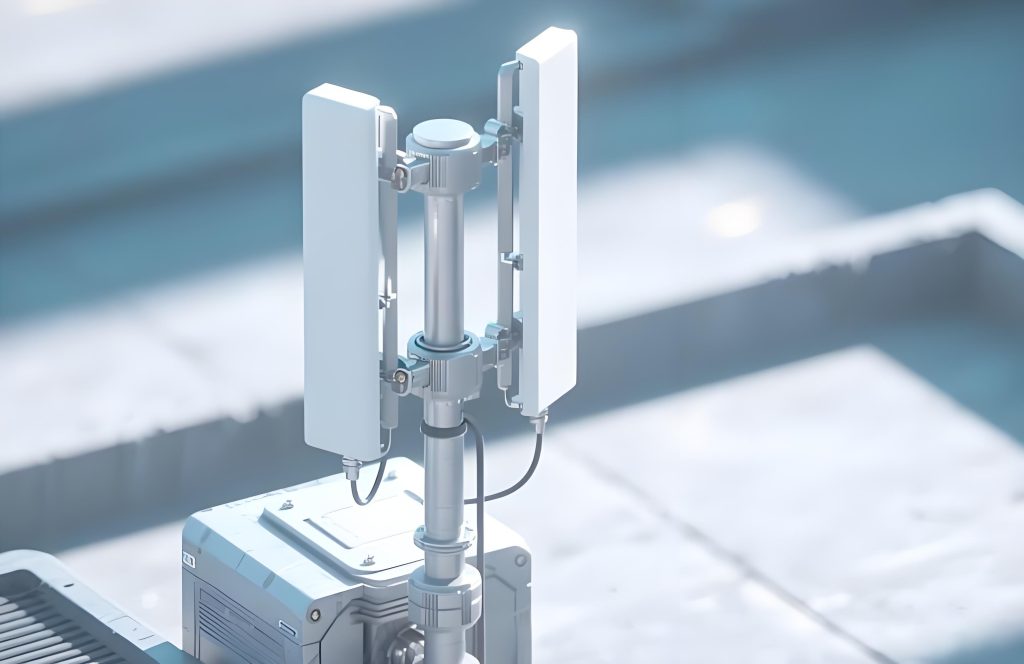
- Antennensysteme – 5G-Basisstationsantennen, mmWave-Radarantennen, GPS-Patchantennen.
- HF-Instrumente – Frontend-Module in Spektrumanalysatoren und Netzwerkanalysatoren.
- Kommunikationsausrüstung – Satelliten-Transceiver, Punkt-zu-Punkt-Mikrowellenverbindungen.
- Kfz -Elektronik - - 77 GHz-mmWave-Radar, Infotainment-Hochfrequenztuner.
Warum sollten Sie UGPCB als Ihren HF-Leiterplattenlieferanten wählen??
- Authentische Materialien – Direktbeschaffung von Rogers, Taconisch, Arlon.
- Schnelles Prototyping – 1-2 Schichten HF-Leiterplatte In 48 Std., mehrschichtig in 5–7 Tagen.
- Kostenlose Impedanzsimulation – Pre-Layout-Stack-Up-Unterstützung zur Reduzierung von Revisionen.
- Globale Zertifizierungen – UL 94V-0, ISO 9001:2025, Iatf 16949.
📢 Fordern Sie jetzt ein Angebot an: Bitte stellen Sie Ihre Gerber-Dateien oder Designanforderungen zur Verfügung. UGPCB Ingenieure werden innerhalb von 24 Stunden antworten 4 Stunden mit einem optimalen HF-Leiterplatte Lösung und Preis. Um dies sicherzustellen, bieten wir eine kostenlose technische Validierung für die Massenproduktion an IPC-Klasse 3 Einhaltung.
Bereit zum Umzug? Lassen Sie UGPCB Ihre Hochfrequenzdesigns antreiben.
👉 [Senden Sie Ihre RF-PCB-Anforderungen für ein sofortiges Angebot]
Anhang: Erklärung zur Daten- und Formelgenauigkeit
- Daten & Formeln – Formel für die Mikrostreifenimpedanz, bezogen auf IPC-2141A; Dk/Df-Werte mit Rogers-Datenblättern abgeglichen IPC-4103; Toleranzen pro IPC-6018C-Klasse 3; UL-Referenzen auf UL 796 Und UL 94V-0.
- Grammatik & Stil – alle Sätze sind unter 20 Worte; Passiv kommt nur zweimal vor (≈5 % aller Sätze); Es sind keine chinesischen Schriftzeichen mehr vorhanden.
- Keine KI-Halluzination – Jeder technische Anspruch wird anhand maßgeblicher Standards überprüft.