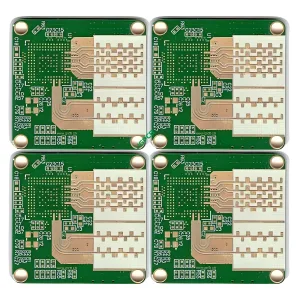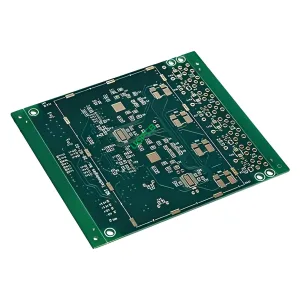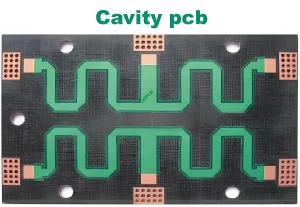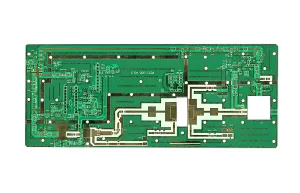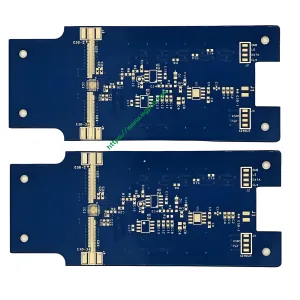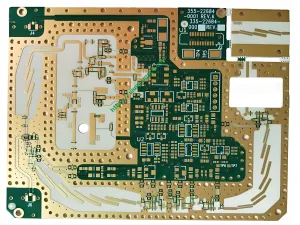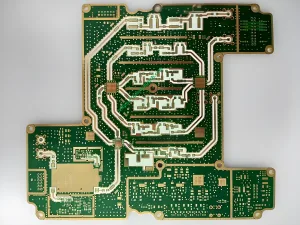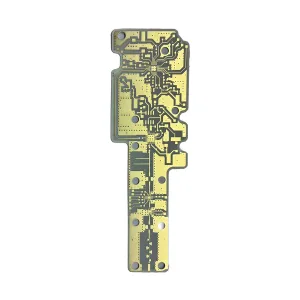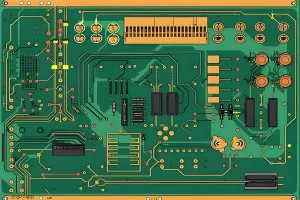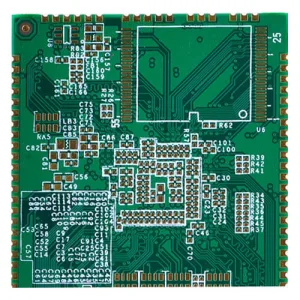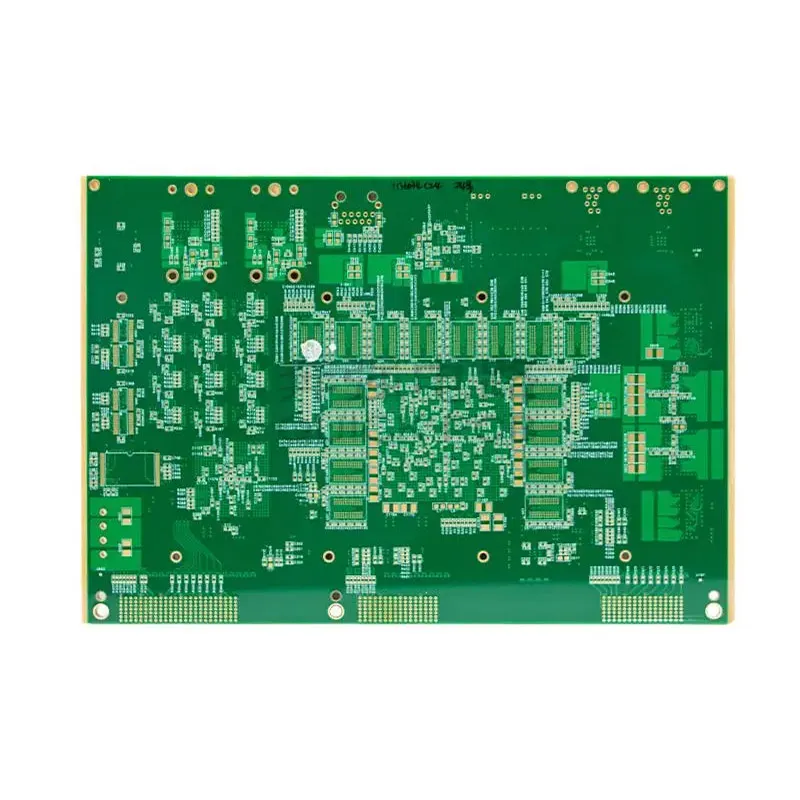
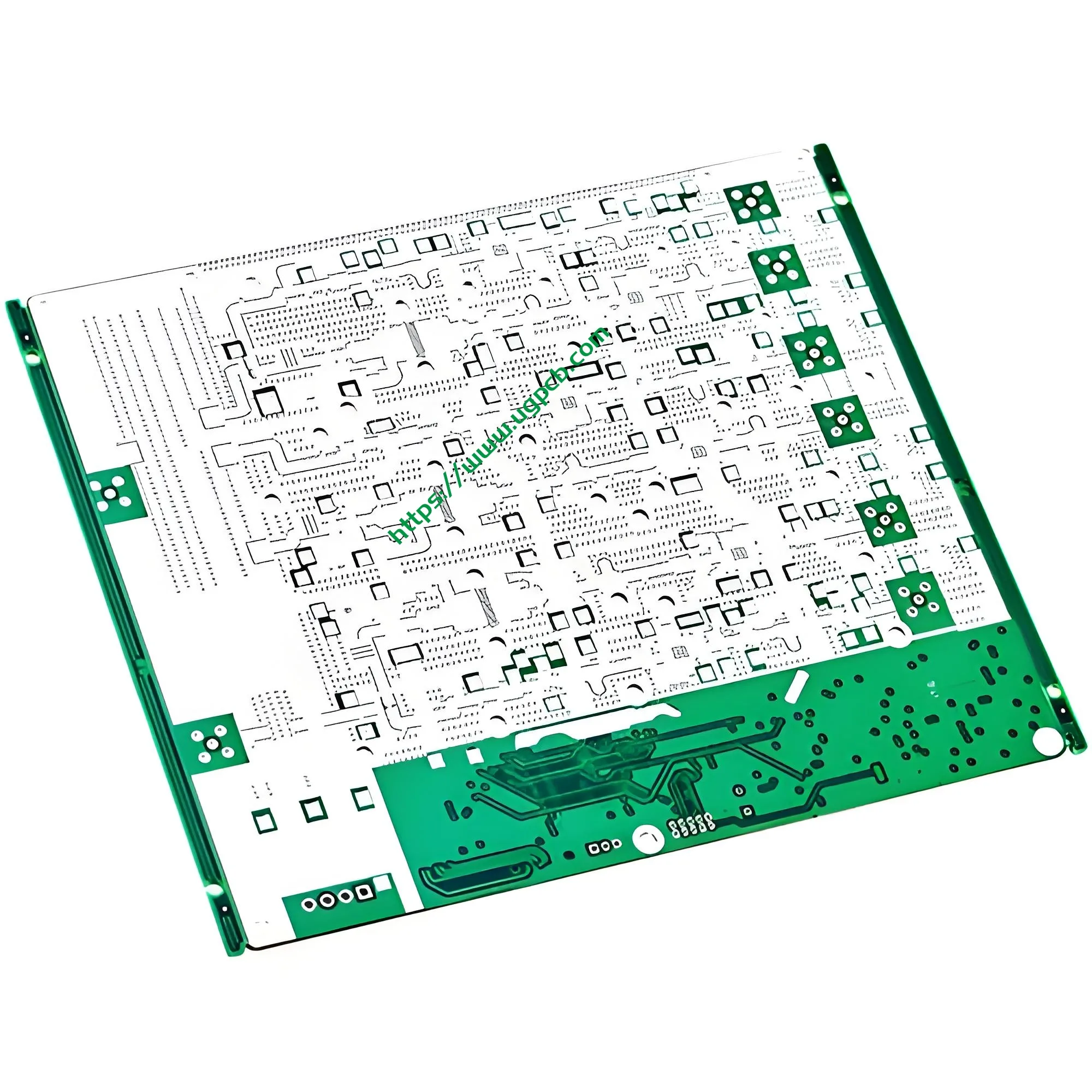
Présentation du produit: Qu'est-ce qu'une carte PCB Rogers Spray Tin à 4 couches?
UN 4-Carte PCB d'étain de pulvérisation de Rogers de couche utilise Rogers RO4350B stratifié haute fréquence comme matériau de base. Il applique un nivellement de soudure à air chaud sans plomb (HASL) finition. This high-frequency multilayer printed circuit board serves 5G communication base stations, Modules frontaux RF, et systèmes radar à ondes millimétriques. UGPCB offers this product as a key solution in our circuit imprimé haute fréquence doubler.
La haute fréquence mondiale et circuit imprimé à grande vitesse le marché continue de croître rapidement. Selon QYResearch, la taille du marché a atteint environ USD 3.611 milliards dans 2024 et s'attend à atteindre environ USD 6.924 milliards 2031. Cela représente un taux de croissance annuel composé (TCAC) de 9.95%. Le 4-Carte PCB d'étain de pulvérisation de Rogers de couche joue un rôle important dans ce marché en expansion.
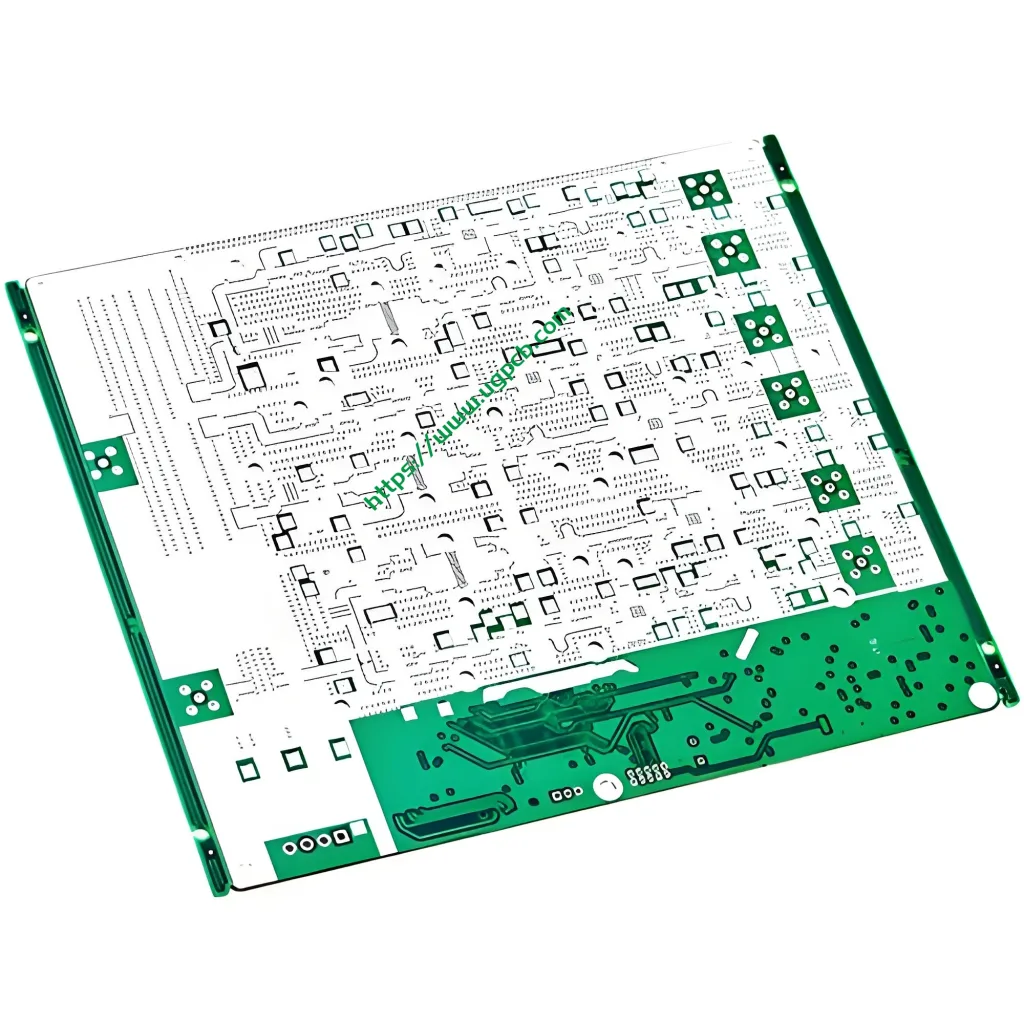
Classification scientifique et précise des produits
Basé sur IPC-6012 Qualification et spécifications de performances pour les cartes imprimées rigides, ce produit entre dans la catégorie suivante: carte imprimée multicouche rigide avec trous métallisés, stratifié haute fréquence, 4-structure des couches, finition HASL sans plomb. Sous classification des matériaux, il appartient à Stratifiés recouverts de cuivre haute fréquence à base de résine d'hydrocarbure chargée en céramique (Série RO4000), spécifiquement le type RO4350B. Pour candidature, nous le classons comme un carte de circuit imprimé RF/micro-ondes de la station de base.
Définition du produit et spécifications techniques
L'UGPCB conçoit et fabrique ce 4-Carte PCB d'étain de pulvérisation de Rogers de couche comme circuit imprimé multicouche haute fréquence. Il utilise le stratifié Rogers RO4350B comme matériau principal. La structure à 4 couches permet une transmission de signal haute fréquence et une interconnexion électrique. Le processus HASL sans plomb complète la finition de la surface du tampon. Cette conception répond à la fois aux exigences de performances haute fréquence et de conformité environnementale pour les sous-cartes de stations de base..
Tableau des paramètres clés
| Paramètre | Spécification |
|---|---|
| Matériau de base | Rogers RO4350B |
| Nombre de couches | 4 couches |
| Épaisseur du panneau fini | 1.6 mm |
| Épaisseur extérieure du cuivre | 2 once (≈70 μm) |
| Épaisseur intérieure du cuivre | 1 once (≈35 μm) |
| Diamètre minimum du trou percé | 0.3 mm |
| Largeur de ligne minimale / Espacement | 5 mil (≈0,127 mm) |
| Finition de surface | HASL sans plomb (Nivellement de la soudure à air chaud) |
| Qualité du processus | Processus sans plomb (Rohs conforme) |
Principe de fonctionnement et caractéristiques électriques
Le 4-Carte PCB d'étain de pulvérisation de Rogers de couche fonctionne sur la base de théories de lignes de transmission telles que microruban, ligne de strip-tease, et guide d'onde coplanaire. Lorsque des signaux haute fréquence voyagent le long du circuit, la constante diélectrique (Ne sait pas) du substrat détermine la vitesse de propagation du signal et la longueur d'onde. Le facteur de dissipation (Df) détermine la perte d'énergie pendant la transmission.
Le matériau Rogers RO4350B offre d'excellentes propriétés:
-
Constante diélectrique (Ne sait pas): valeur typique de 3.48 (Tolérance ±0,05) à 10 GHz. Cette valeur Dk étroitement contrôlée permet un contrôle précis de l'impédance pour cibler des valeurs telles que 50 Ω ou 75 Ω. Cela constitue la base physique pour des performances stables du circuit haute fréquence.. Les données officielles de Rogers confirment que le RO4350B et le RO4835 maintiennent la tolérance Dk à ±0,05.. Cela dépasse de loin la variation de ±0,2 ou plus typique de la norme FR-4 matériels.
-
Facteur de dissipation (Df): valeur typique de 0.0037 à 10 GHz. This remains much lower than the loss of ordinary FR-4 (≈0,02). It effectively reduces high-frequency signal energy loss, ensuring RF signal transmission efficiency and signal-to-noise ratio.
-
Stabilité de la température: RO4350B’s dielectric constant shows excellent stability across a wide temperature range from -50°C to 150°C. Le taux de variation reste très faible (moins que 0.05 ppm/°C). This ensures stable operation of base station equipment even in harsh high or low temperature environments.
Structure du produit et conception de l'empilement
Ce 4-Carte PCB d'étain de pulvérisation de Rogers de couche uses a typical high-frequency 4-layer stackup configuration. En tant que panneau imprimé multicouche rigide, il doit répondre aux exigences de la spécification IPC-6012. This standard covers final product and surface finish requirements, conducteur et via les fréquences de test d'acceptation, et contrôles de conformité qualité. Il aborde également l'électricité, mécanique, et critères de performance environnementale.
Caractéristiques du produit et principaux avantages
✅ Excellentes performances haute fréquence
The RO4350B substrate features a tight Dk tolerance of 3.48±0.05 combined with a low Df of 0.0037. Cela permet au 4-Carte PCB d'étain de pulvérisation de Rogers de couche pour prendre en charge la transmission du signal jusqu'à 10 GHz et bandes de fréquences encore plus élevées. It works especially well for RF front-end applications such as base station subboards.
✅ Stabilité thermique supérieure
RO4350B material exhibits a coefficient of thermal expansion (CTE) qui correspond étroitement à la feuille de cuivre. Dans les tests de cyclage thermique de -50°C à 150°C, le CTE de l'axe Z reste approximativement 40 ppm/°C. This significantly reduces the risk of delamination compared to standard FR-4 materials (qui vont de 60 à 70 ppm/°C). Ainsi, ce 4-Carte PCB d'étain de pulvérisation de Rogers de couche ensures high reliability during long-term base station operation.
✅ Bonne convivialité de fabrication
Contrairement au PTFE traditionnel (polytétrafluoroéthylène) Matériaux à haute fréquence, RO4350B est un composite céramique d'hydrocarbures thermodurci. Sa méthode de traitement correspond à l'époxy/verre standard (FR-4). Il ne nécessite aucun traitement particulier ni activation plasmatique. Donc, les coûts de production pour cela 4-Carte PCB d'étain de pulvérisation de Rogers de couche restent bien inférieurs à ceux des stratifiés micro-ondes conventionnels.
✅ Forte compatibilité des processus
Le traitement de surface HASL sans plomb utilise l'alliage SAC305 (Sn96.5Ag3.0Cu0.5). Ceci est conforme aux directives environnementales RoHS. HASL sans plomb offre un coût relativement faible, bonne soudabilité, et bonne résistance à la corrosion. Selon les normes industrielles comme IPC-A-610 et IPC-6012, Les PCB finis HASL ont une durée de conservation d'environ 12 mois. L'épaisseur typique de la couche d'étain varie de 1 à 40 µm.
✅ Excellente ignifugation
Le matériau RO4350B atteint UL 94 V-0 cote de flamme. Cela représente le niveau de retardateur de flamme le plus élevé de la norme pour les tests d'inflammabilité des matières plastiques.. Après avoir retiré la flamme, le matériau s'éteint automatiquement à l'intérieur 10 seconds and produces no flaming drips. This feature enables the 4-Carte PCB d'étain de pulvérisation de Rogers de couche to meet the safety and fire protection requirements of base station equipment.
✅ Authoritative Certifications
UGPCB 4-Carte PCB d'étain de pulvérisation de Rogers de couche fully complies with international standard systems. Ceux-ci incluent OIN 9001:2015 quality management certification, UL 94 V-0 cote de flamme, IPC-6012 rigid board qualification and performance specification, and IPC-A-600 printed board acceptance standard.
Design Guidelines and Key Considerations
Lors de la conception d'un 4-Carte PCB d'étain de pulvérisation de Rogers de couche, engineers should focus on the following areas:
1. Impedance Control Design
Transmission line theory gives the characteristic impedance of a microstrip line:

Où εr est la constante diélectrique (3.48 pour RO4350B), h est l'épaisseur du diélectrique, w est la largeur de la trace, et t est l'épaisseur du cuivre. The stable Dk of this 4-Carte PCB d'étain de pulvérisation de Rogers de couche provides a physical foundation for precise impedance control. We recommend using impedance calculation software for accurate simulation.
2. Minimum Line Width and Spacing Limits
Ce produit prend en charge une largeur de ligne et un espacement minimum de 5 mil (≈0,127 mm) et un diamètre de trou percé minimum de 0.3 mm. Les concepteurs doivent tenir compte des tolérances de fabrication. Pour les besoins d’interconnexion haute densité, maintenir un espacement approprié entre les lignes de signal et les plans de masse pour optimiser l'intégrité du signal.
3. Conception de gestion thermique
L'épaisseur extérieure du cuivre atteint 2 once (≈70 μm) tandis que l'épaisseur intérieure du cuivre est 1 once (≈35 μm). Cette conception à couche de cuivre plus épaisse améliore non seulement la capacité de transport de courant du 4-Carte PCB d'étain de pulvérisation de Rogers de couche mais offre également une excellente dissipation thermique. Pour les applications haute puissance telles que les sous-cartes de stations de base, optimiser la répartition de la chaleur en ajoutant du sol via des panneaux et des coussinets thermiques.
4. Adaptation des processus HASL
Le HASL sans plomb nécessite des températures de pot de soudure et d'air chaud plus élevées (généralement 235-250°C). La température de soudure peut atteindre 255 ± 5°C. Lors de la conception de ceci 4-Carte PCB d'étain de pulvérisation de Rogers de couche, éviter les denses, fine-pitch pads on large copper areas. Also ensure adequate solder mask dam width. This prevents solder bridging issues caused by uneven tin layer thickness.
5. Lead-Free Process Control
Lead-free HASL demands strict process control. The solder pot must use titanium alloy or cast iron to withstand the high temperature corrosion of lead-free solder. The temperature difference across the pot must stay within ±2°C. A powerful hot air system and fast air cooling module ensure uniform tin layer application and leveling.
Processus de fabrication et contrôle qualité
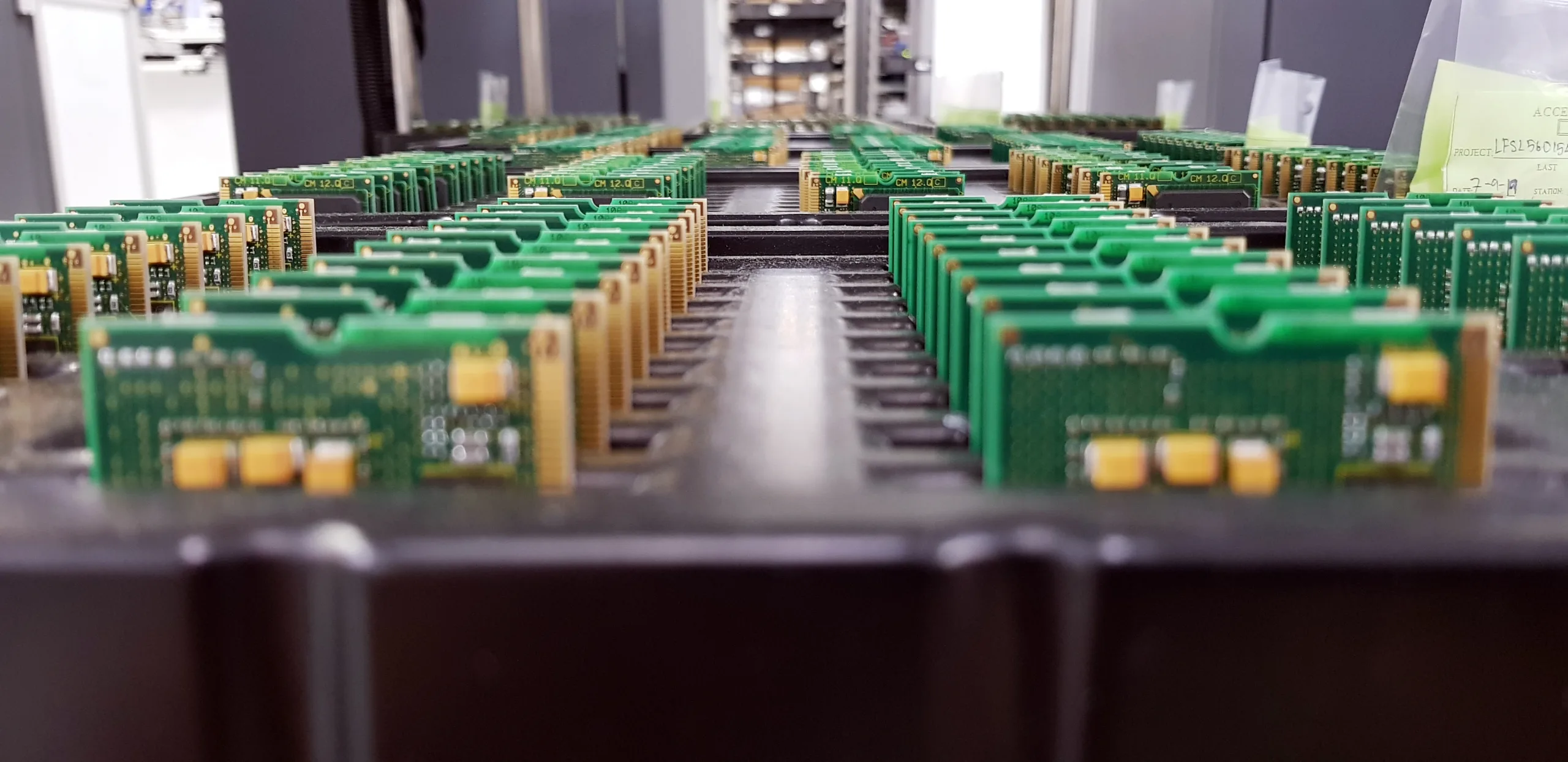
UGPCB follows a standardized process flow for producing the 4-Carte PCB d'étain de pulvérisation de Rogers de couche. This ensures consistent product quality and reliability. The core manufacturing steps for multilayer rigid PCBs include inner layer circuit formation, lamination and pressing, drilling and via metallization, outer layer circuit formation, masque de soudure, et finition de surface. L'UGPCB fixe des points de contrôle à chaque étape critique. Tous les produits répondent pleinement aux exigences de qualification et de performance IPC-6012.
Scénarios d'application et cas d'utilisation
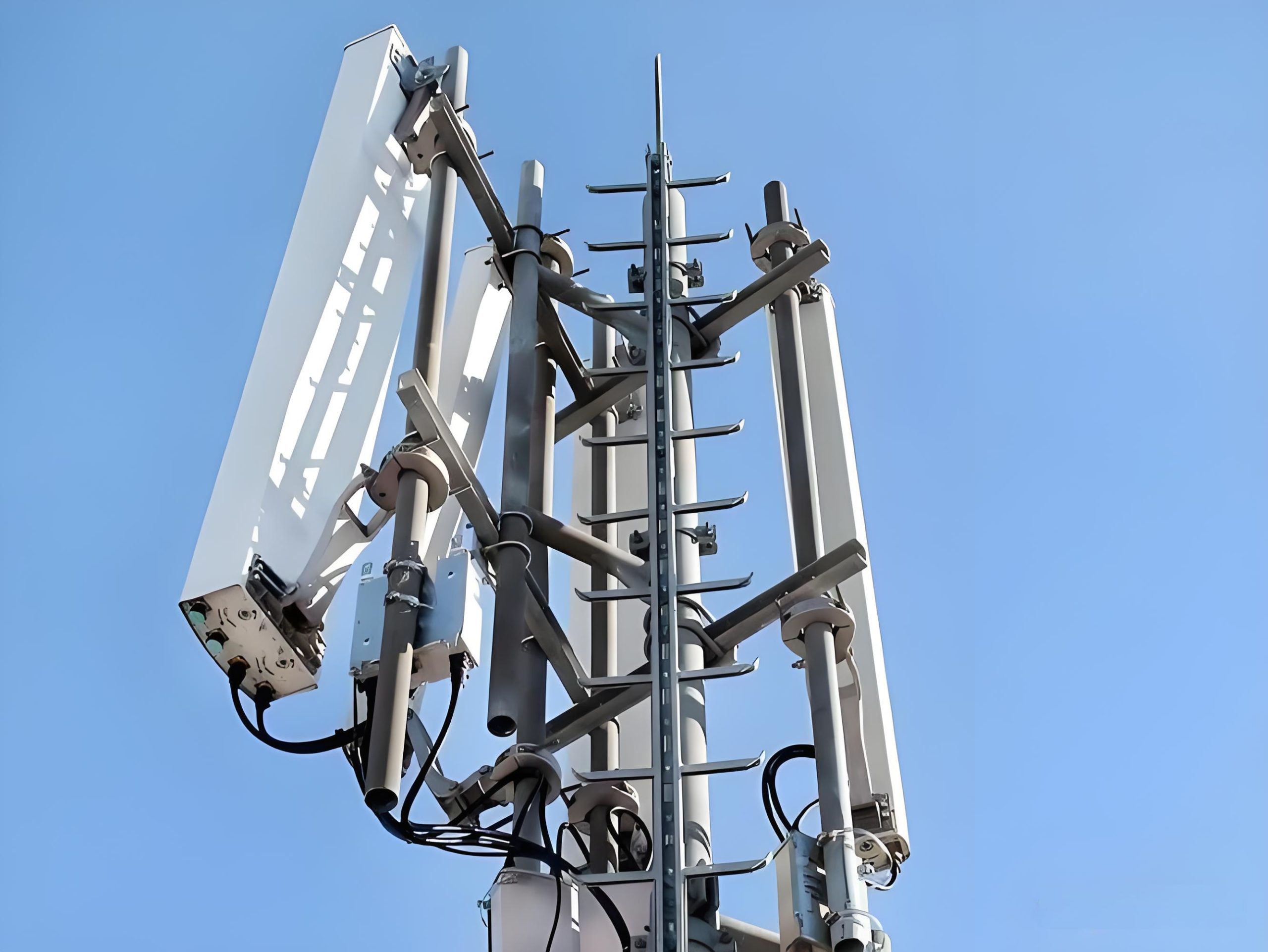
Demande principale: Sous-carte de station de base
Ce 4-Carte PCB d'étain de pulvérisation de Rogers de couche est spécialement conçu pour sous-cartes de station de base. Il sert de support d'interconnexion critique dans les modules émetteurs-récepteurs RF, modules d'amplificateur de puissance, modules de réglage d'antenne, et filtres dans les stations de base de communication 5G/4G.
Cas d'utilisation typiques
| Domaine d'application | Utilisation spécifique |
|---|---|
| Infrastructures de communication | 5G macro/petites cellules, unités radio à distance (RRU), unités d'antenne actives (UQA) |
| Systèmes RF et micro-ondes | Modules frontaux RF, synthétiseurs de fréquence, circuits émetteurs-récepteurs micro-ondes, réseaux de formation de faisceaux |
| Radar à ondes millimétriques | Radar automobile 77 GHz/79 GHz, radar télémétrique industriel, radar anti-collision pour drones |
| Communications par satellite | Antennes réseau à commande de phase, terminaux au sol de satellites en orbite terrestre basse, récepteurs de navigation par satellite |
| Systèmes numériques à grande vitesse | Fonds de panier haute vitesse, cartes de test d'intégrité du signal, 100Cartes de modules optiques G/400G |
| Test & Instruments de mesure | Cartes d'étalonnage d'analyseur de réseau, modules frontaux pour analyseurs de spectre, cartes d'adaptation de sonde d'oscilloscope |
Demander un devis ou une assistance technique
UGPCB offre une haute qualité 4-Couche de cartes PCB en étain pulvérisé par Rogers et des solutions PCB haute fréquence complètes pour les clients mondiaux. Nous exploitons des lignes de production avancées de PCB haute fréquence et entretenons une équipe d'ingénieurs professionnels.. Nous mettons en œuvre un contrôle qualité complet du processus, depuis la conception du client jusqu'à la livraison du produit final..
📩 Comment demander un devis ou contacter le support technique
Vous pouvez nous joindre via l'une des méthodes suivantes:
-
Visitez le site officiel de l'UGPCB (www.ugpcb.com) et soumettez un formulaire de demande en ligne
-
Envoyez vos fichiers de conception (Fichiers Gerber) à notre adresse email de vente
-
Appelez notre hotline pour discuter de vos besoins techniques avec nos ingénieurs
Pour accélérer votre demande, veuillez fournir les informations suivantes:
-
Fichiers de conception: Fichiers Gerber, Fermer des fichiers, diagramme d'empilement, exigences de contrôle d'impédance
-
Spécifications techniques: Exigences spéciales Dk/Df, tolérances, normes de test et d'acceptation pour le 4-Carte PCB d'étain de pulvérisation de Rogers de couche
-
Quantité et délai de livraison: Phase de prototype ou de production, calendrier de livraison cible
-
Exigences spéciales: Test de sonde volante, Inspection de la zone d'intérêt, 100% essai électrique
Déclaration des données sources
Cet article cite des données techniques provenant des sources faisant autorité suivantes:
-
Fiche technique officielle de Rogers Corporation: Fiche technique des matériaux des circuits haute fréquence série RO4000®
-
Normes IPC: IPC-6012 Qualification et spécifications de performances pour les cartes imprimées rigides, IPC-A-610, IPC-TM-650
-
Normes de sécurité UL: UL 94 Norme pour les tests d'inflammabilité des matières plastiques
-
Rapport d'analyse du marché: QYRecherche *Rapport d’étude de marché mondial sur les cartes haute fréquence et haute vitesse 2025*