Redéfinir les solutions d'interconnexion haute densité pour les écouteurs TWS
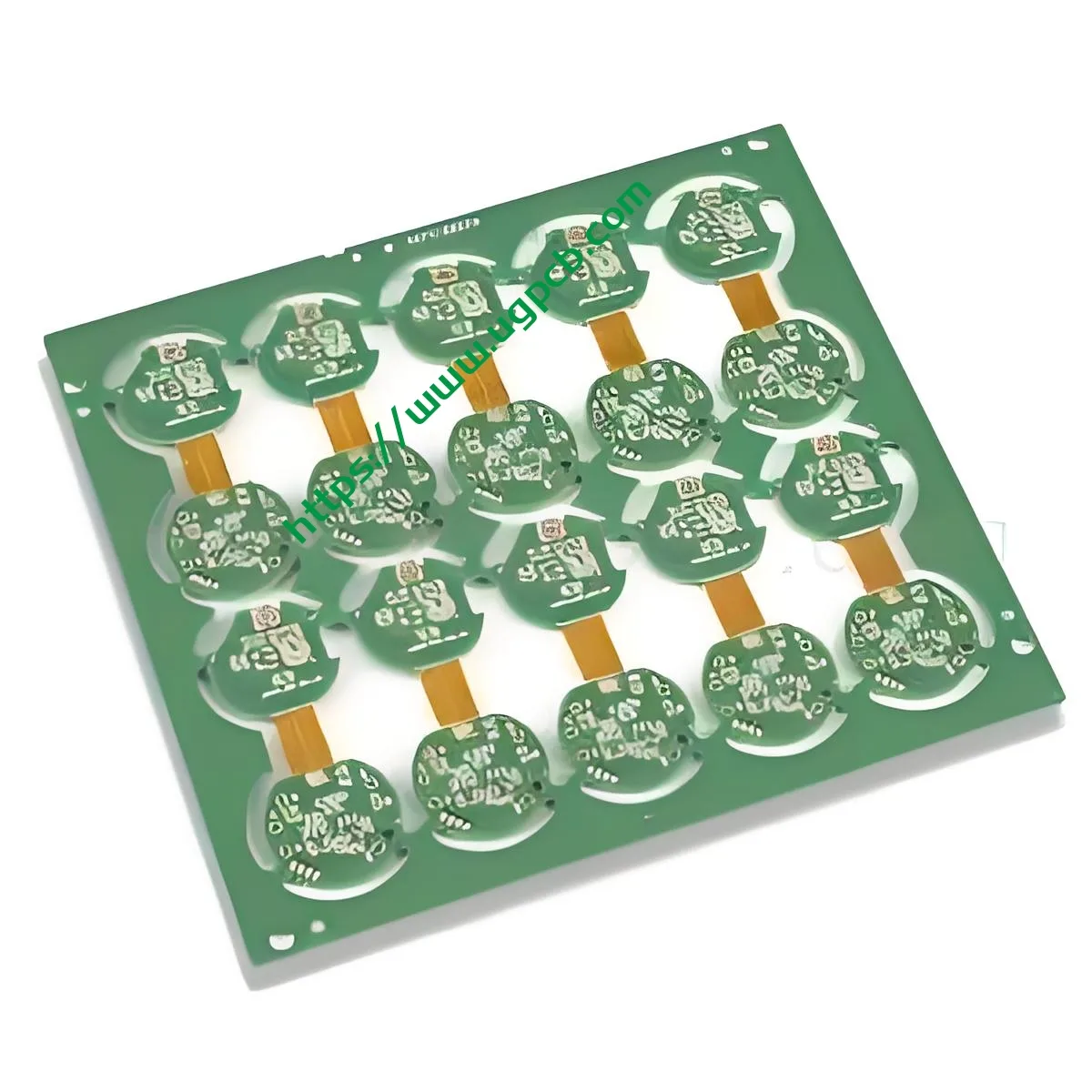
Dans le paysage actuel de l’électronique grand public en évolution rapide, les principes fondamentaux de conception pour Véritables écouteurs Bluetooth stéréo sans fil rester cohérent: miniaturisation, construction légère, et multifonctionnalité. Pour obtenir une durée de vie prolongée de la batterie, qualité d'appel plus claire, et des aménagements internes plus compacts, monostructure traditionnelle rigide PCB ne peut plus répondre aux exigences de conception. UGPCB, tirer parti d’une vaste expertise de l’industrie, présente notre 6-couche de casque Bluetooth PCB rigide-flexible—spécialement conçu pour relever ces défis. Cette carte transcende les circuits imprimés conventionnels; il sert de base pour débloquer des performances révolutionnaires dans vos écouteurs Bluetooth de nouvelle génération.
Présentation du produit: Quand la rigidité rencontre la flexibilité
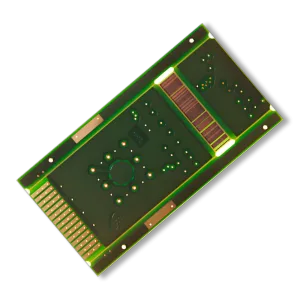
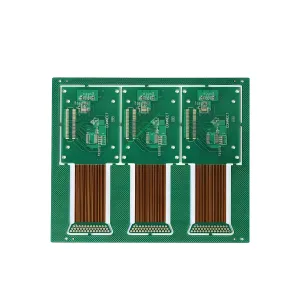
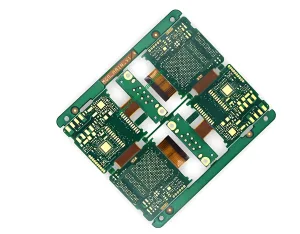
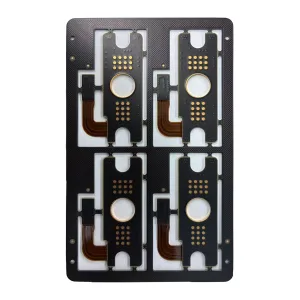
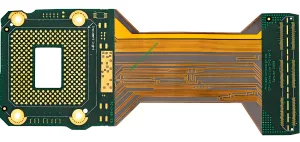
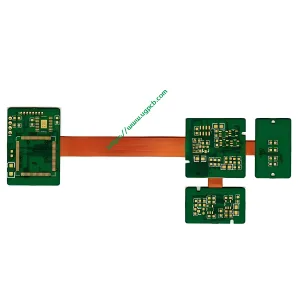
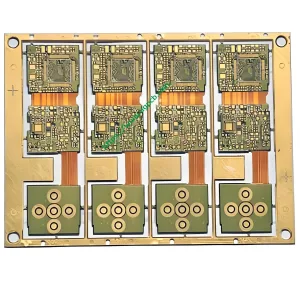
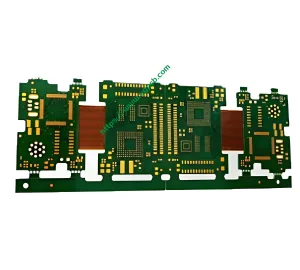
Le Carte PCB rigide-flexible pour casque Bluetooth UGPCB 6 couches représente un composite sophistiqué circuit imprimé qui s'intègre parfaitement 4 couches rigides avec 2 couches flexibles grâce à une technologie de stratification de précision. Ce produit est spécialement conçu pour répondre aux exigences de câblage haute densité à l'intérieur Écouteurs Bluetooth TWS. Avec des spécifications précises et un numéro de modèle dédié, il offre de la stabilité, prise en charge matérielle fiable pour les appareils audio Bluetooth haut de gamme.
Comprendre la technologie des PCB rigides-flexibles
UN PCB rigide-flexible combine la résistance mécanique de PCB rigides avec les caractéristiques pliables de FPC flexible circuits. Les conceptions traditionnelles nécessitaient des connecteurs et des câbles pour connecter les cartes rigides aux sections flexibles, ce qui consommait un espace précieux et introduisait des problèmes potentiels de fiabilité de connexion.. Les cartes rigides-flexibles de l'UGPCB intègrent les deux éléments dans une structure unifiée, résultant en des chemins de signal plus courts et une densité d'intégration plus élevée.
Paramètres de base et considérations de conception
Pour accueillir les personnes étroites, cavités irrégulières à l’intérieur des écouteurs Bluetooth, L'UGPCB a mis en place un contrôle précis des paramètres:
-
Modèle: 6couches de carte PCB de casque Bluetooth
-
Combinaison de matériaux: FR-4 + PI. FR-4 fournit des plates-formes de montage de composants stables pour les zones rigides, alors que polyimide offre une endurance à la flexion exceptionnelle pour les sections pliables.
-
Structure des couches: Rigide 4L / Flex 2L. Cette configuration laminée asymétrique garantit une grande capacité de routage multicouche dans les zones de la carte mère tout en conservant la flexibilité dans les zones de connexion..
-
Épaisseur finie: 0.6mm. Ce profil ultra fin s'adapte parfaitement aux contraintes d'espace interne des écouteurs Bluetooth..
-
Épaisseur du cuivre: 1once. Équilibre la capacité de transport de courant avec les exigences de fabrication fines.
-
Traitement de surface: Immersion Or. Offre une excellente soudabilité et résistance à l’oxydation.
-
Trace / espace minimum: 4mil/4mil. Cela relève fabrication en ligne fine territoire, exigeant un transfert de motif et un contrôle de gravure exceptionnels, essentiels pour atteindre interconnexion haute densité.
Directives de conception critiques:
Lors de la conception d’espaces flexibles, les traces doivent comporter des transitions courbes, en évitant les angles droits. Aux interfaces rigides-flexibles, éviter de placer des vias pour éviter la casse lors du pliage. L'équipe d'ingénierie de l'UGPCB effectue des examens rigoureux de conception en vue de la fabricabilité à l'aide d'un logiciel spécialisé., s'assurer que chaque détail de conception répond aux exigences de production avant le début de la fabrication.
Principe de fonctionnement et analyse structurelle
Ce 6-panneau rigide-flexible en couches fonctionne sur la base de son architecture composite unique:
-
Zones rigides: Accueillir le primaire Puces audio Bluetooth, CI de gestion de l'alimentation, et composants passifs. L'empilement à 4 couches fournit des plans d'alimentation et de masse dédiés, réduisant efficacement les interférences électromagnétiques et assurant une transmission pure du signal audio.
-
Zones flexibles: Fonctionne comme “ponts” entre sections rigides. Le 2 couches FPC peut se plier librement, connexion des cartes principales avec des microphones, piles, ou modules d'antenne - éliminant complètement les câbles et les connecteurs.
-
Interconnexions métallisées: Par dépôt de cuivre et galvanoplastie, des couches conductrices se forment sur les parois des trous aux limites rigides-flexibles, établir des connexions électriques entre les couches de circuits rigides et flexibles.
Classification et matériaux: Pourquoi FR-4 + PI?
Classification: Basé sur le processus et la structure, ce produit est considéré comme un panneau rigide-flexible multicouche, spécifiquement classé comme un panneau composite rigide-flexible.
Propriétés des matériaux:
-
-
-
-
FR-4 (Couche rigide) : En tant que substrat en tissu de verre époxy standard de l'industrie, FR-4 offre une résistance mécanique exceptionnelle, résistance à la chaleur, et stabilité dimensionnelle – garantissant un soudage fiable des gros composants.
-
-
-
-
PI (Couche flexible) : Polyimide le film représente le premier matériau de base flexible, offrant une résistance exceptionnelle à la température (compatible avec la soudure sans plomb) et perte diélectrique minimale, résister à des dizaines de milliers de cycles de flexion dynamiques.
-
Finition de surface: Immersion Or: Or par immersion au nickel chimique offre une excellente planéité et mouillabilité des joints de soudure, tandis que la surface dorée empêche l'oxydation, prolonger la durée de vie des écouteurs.
Processus de fabrication: L'ingénierie de précision offre de la qualité
UGPCB 6-panneau rigide-flexible en couches subit des séquences de fabrication sophistiquées:
-
Circuit de couche interne: Fabriquer 4 couches intérieures rigides et 2 couches intérieures flexibles séparément. Zone d'intérêt l'inspection optique vérifie que 4mil/4mil les motifs fins restent exempts de shorts ou d'ouvertures.
-
Laminage: En utilisant Préimprégné sans débit, aligner avec précision les sections rigides et flexibles avant la stratification en une seule étape sous haute température et pression. Ce processus critique exige un contrôle précis du flux de résine pour empêcher les saignements de pénétrer dans les zones flexibles et de compromettre la capacité de pliage..
-
Forage et dépôt de cuivre: Combinez le perçage mécanique avec le perçage laser pour créer des micro vias. Dépôt de cuivre établit la connectivité intercouche.
-
Finition des surfaces: Appliquer or d'immersion avec une épaisseur uniforme et un aspect blanc brillant.
-
Profilage et ouverture de couverture: Utilisez un routage au laser ou à profondeur contrôlée pour ouvrir avec précision les couvertures de zones flexibles, libérant des sections flexibles pour une flexion sans entrave.
Applications: Alimenter le cœur des écouteurs TWS
Ce produit sert principalement Carte de circuit imprimé pour casque Bluetooth applications, particulièrement:
-
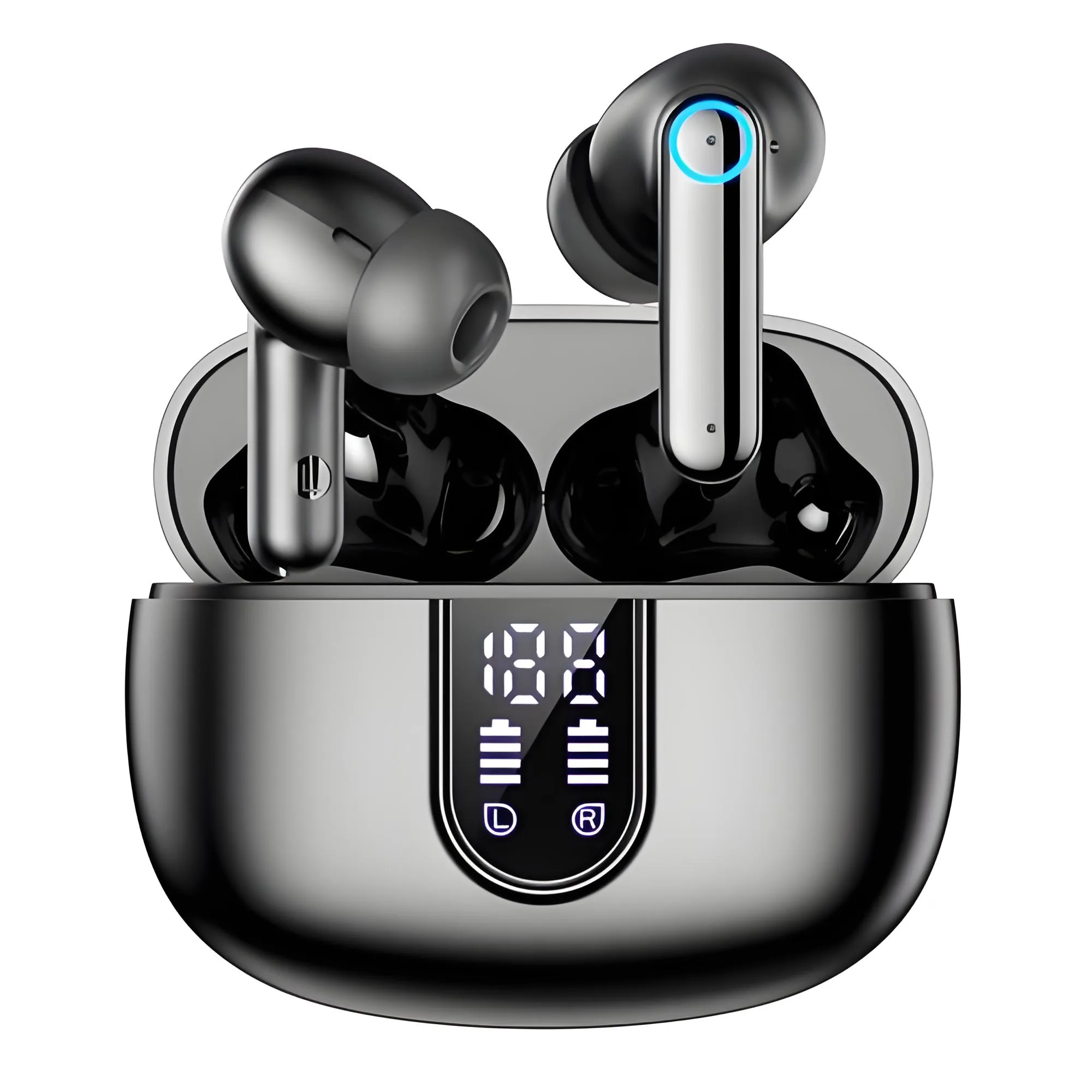
Écouteurs Bluetooth sans fil TWS True: Connexion des cartes de commande principales aux batteries, contacts de charge, et des micros.
-
Écouteurs Bluetooth Sport Tour de Cou: Nécessitant une grande flexibilité, connexions durables entre les compartiments de batterie et les modules de contrôle en ligne.
-
Appareils audio portables intelligents: Comme les connexions audio entre les montures de lunettes intelligentes et les branches.
Dans ces applications, Les panneaux rigides-flexibles de l’UGPCB résistent aux contraintes répétées d’ouverture/fermeture et d’usure, garantir des connexions fiables tout au long de la durée de vie du produit.
Caractéristiques de performance et avantages du marché
-
Interconnexion à haute densité: 6-l'empilement de couches répond aux exigences de routage d'E/S multicanal des puces Bluetooth modernes.
-
Montage tridimensionnel: Les zones flexibles se plient pour utiliser les espaces internes irréguliers des écouteurs, permettant un diluant, conceptions de produits finis plus légères.
-
Intégrité supérieure du signal: La finition dorée par immersion combinée à des plans de masse continus assure une transmission du signal RF à faible perte.
-
Résistance aux chocs et aux vibrations: La construction intégrée élimine les risques de desserrage du connecteur lors de chutes.
-
Rentabilité: Bien que les coûts de fabrication dépassent les panneaux rigides standards, l'élimination des connecteurs et des opérations d'assemblage manuel offre des avantages de coût globaux significatifs dans la production en volume.
Alimentez la conception de vos écouteurs Bluetooth de nouvelle génération, en commençant par la technologie Rigid-Flex haut de gamme
Nous reconnaissons que chaque détail de conception a un impact sur la qualité du son et les performances de la batterie.. L'UGPCB propose non seulement des solutions standardisées 6-couches de cartes rigides-flexibles pour casque Bluetooth mais aussi des services complets allant du conseil en ingénierie à la production en série. Nos ingénieurs examineront minutieusement vos fichiers Gerber, garantissant 0.6mm épaisseur avec 4mil la précision de la ligne réalise parfaitement votre intention de conception.
Ne compromettez pas votre conception en raison des limitations des circuits imprimés.
[Contactez l'UGPCB aujourd'hui pour des échantillons et des devis]
Envoyez vos fichiers PCB à notre e-mail ou cliquez sur le bouton de demande ci-dessous. Les ingénieurs commerciaux de l'UGPCB fourniront une analyse DFM professionnelle et des prix de volume compétitifs dans les délais 24 heures.