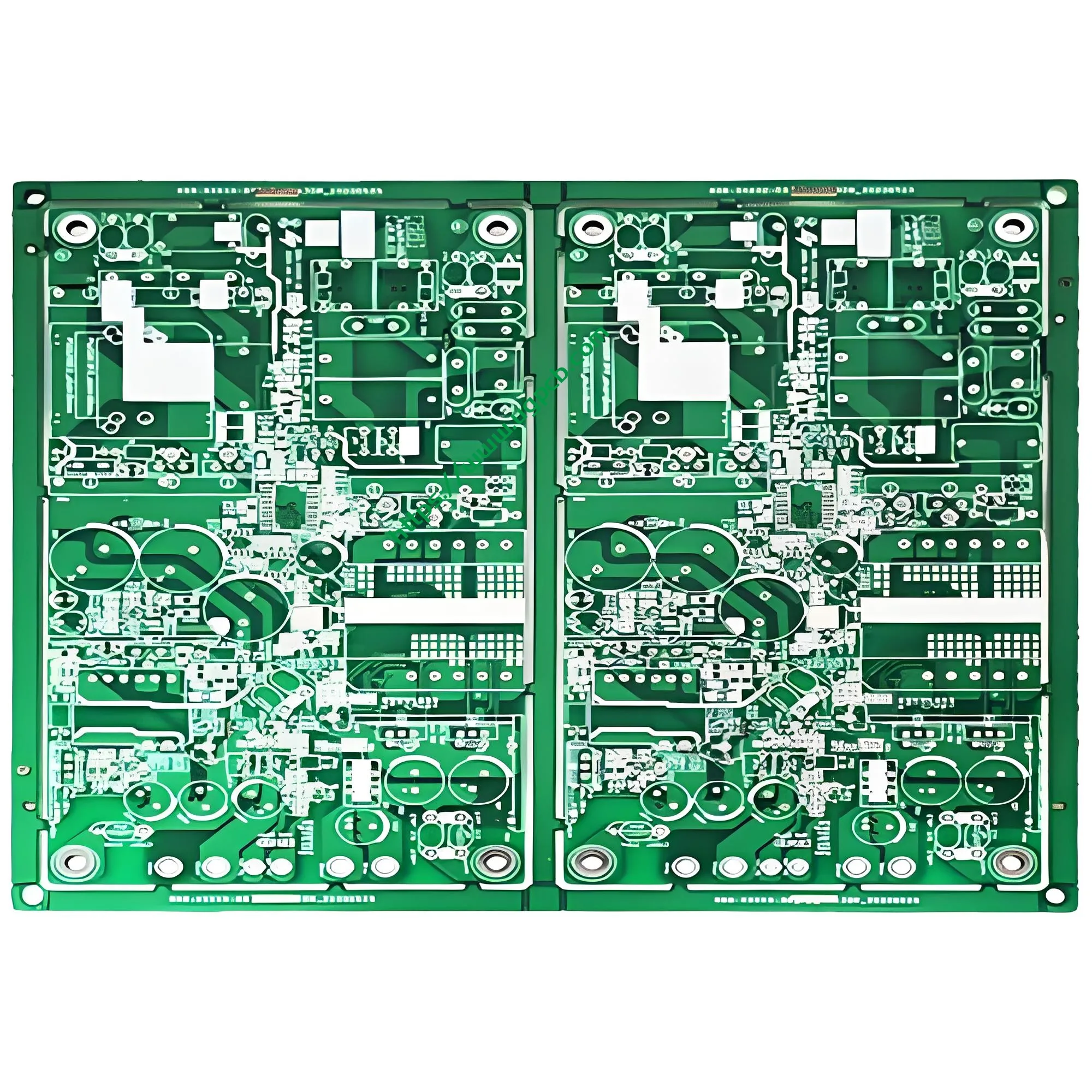
Présentation du produit: A High-Reliability Double-Sided PCB for Intelligent Security
China’s electric vehicle fleet has surpassed 380 million units, making anti-theft alarms a standard safety feature on nearly every e-bike and EV. The domestic EV alarm market has grown from RMB 1.86 milliard dans 2020 à RMB 4.32 milliard, with a compound annual growth rate of 18.4% and market penetration rising from below 35% à plus 78%【6†L21-L26】. Within this rapidly expanding sector, le circuit imprimé (PCB) serves as the “neural center” of the alarm system—its quality directly determines alarm reliability and service life.
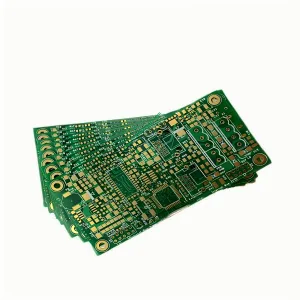
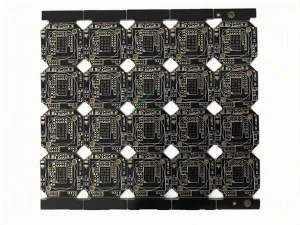
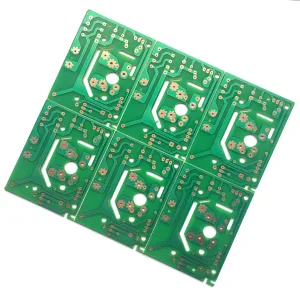
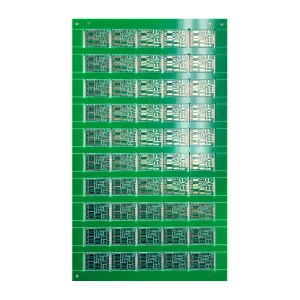
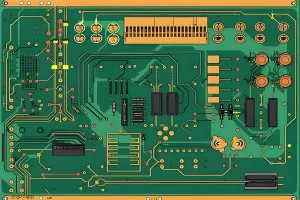
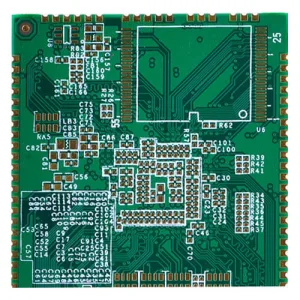
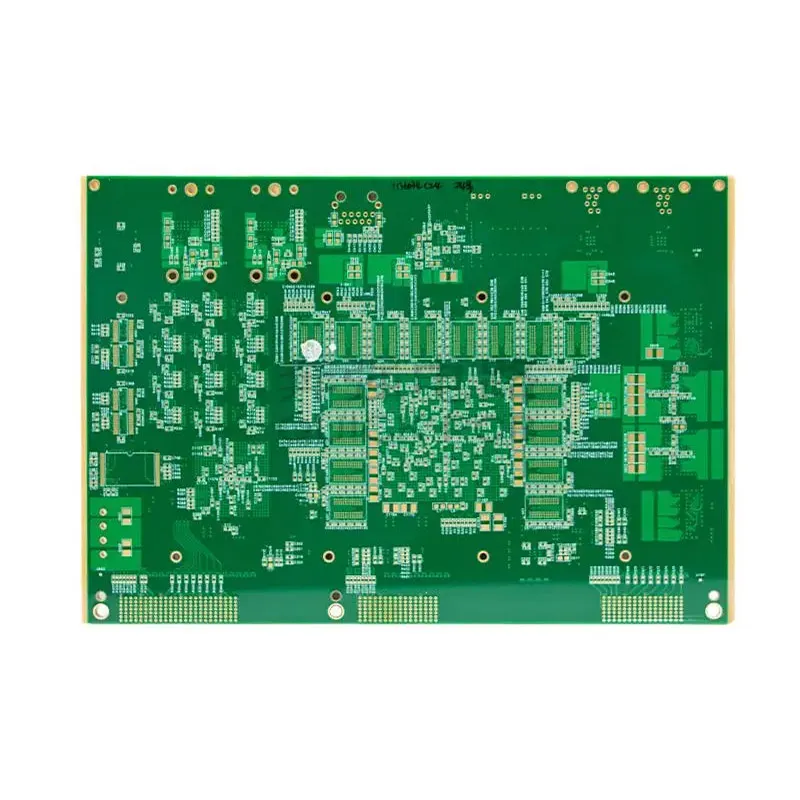
UGPCB Electric Vehicle Alarm PCB est un appareil performant double-sided rigid printed circuit board engineered specifically for vehicle anti-theft alarm systems. Manufactured with Kingboard KB6165F high‑Tg lead‑free FR‑4 laminate at 1.6 mm thickness and sized at 67 × 41.37 mm, this PCB delivers exceptional heat resistance, stable electrical performance, and robust mechanical strength. It offers an ideal carrier for electric vehicle alarm PCB solutions.

Classement du produit
Pour IPC‑6012Qualification et spécifications de performances pour les cartes imprimées rigides, ce produit appartient aux catégories suivantes:
| Dimension de classification | Catégorie |
|---|---|
| Par structure | Double‑sided rigid PCB |
| Par matériau de base | FR‑4 epoxy glass fabric laminate (KB6165F) |
| Par finition de surface | Lead‑free HASL (Nivellement de la soudure à air chaud) |
| Par indice d'inflammabilité | UL 94 V‑0 |
| Par classe de performances | Classe IPC‑6012 2 (dedicated‑service electronic products) |
| Par candidature | Automotive electronics – security and monitoring systems |
Core Specifications and Design Essentials
Paramètres clés
| Paramètre | Spécification | Engineering Significance |
|---|---|---|
| Stratifié | Kingboard KB6165F FR‑4 | High‑Tg lead‑free compatible; meets IPC‑4101E/99 and /126 |
| Épaisseur du panneau | 1.6 mm | AEC‑recommended thickness balancing strength and assembly ease |
| Nombre de couches | Double‑sided | Supports alarm circuit density while optimizing cost |
| Dimension | 67 × 41.37 mm | Fits mainstream EV alarm enclosures |
| Minimum Finished Hole | 0.33 mm | Supports precision component leads and via‑in‑pad designs |
| Largeur de ligne / Espacement | 0.36 mm / 0.44 mm | Balances signal integrity with manufacturability |
| Épaisseur de la feuille de cuivre | 35 µm (1 once) | Meets current‑carrying capacity and thermal dissipation needs |
| Finition de surface | Lead‑free HASL | RoHS‑compliant with excellent solderability and cost efficiency |
| Masque de soudure / Légende | Vert / Blanc | Industry‑standard configuration for clear identification and protection |
Design Essentials for Electric Vehicle Alarm PCBs
Conception de circuits imprimés for EV alarm systems must follow IPC‑2221 Norme générique sur la conception des cartes imprimées, while addressing alarm‑specific requirements:
Gestion de l'alimentation – EV alarms typically draw power directly from the vehicle battery at 36 V to 60 V, requiring a DC‑DC step‑down to 5 V or 3.3 V for the MCU and sensors. Disposition des circuits imprimés must carefully position the power conversion stage for optimal thermal and electrical performance.
Intégrité du signal – KB6165F exhibits a dielectric constant (Ne sait pas) de4.8 and a dissipation factor (Df) of just0.015 à 1 MHz, ensuring high‑quality signal transmission for wireless modules such as Bluetooth 5.3 et 433 MHz remote controls.
Vibration and Reliability – Alarms endure continuous vibration during vehicle operation. Le 1.6 mm épaisseur du panneau, paired with KB6165F’s high mechanical strength (copper peel strength typically1.30 N/mm at 125°C), delivers long‑term field reliability.
Principe de fonctionnement
The Electric Vehicle Alarm PCB serves as thecentral interconnection and support platform for the entire alarm system. Its operation can be understood at three levels:
Interconnexion électrique – The PCB’s precisely etched copper traces electrically connect all composants—power management IC, vibration sensor, module de communication sans fil, microcontrôleur (MCU), buzzer driver circuit, and others—according to the schematic, forming a complete alarm function circuit.
Signal Processing – When the vibration sensor detects abnormal motion, the signal travels through PCB traces to the MCU. After evaluating trigger conditions, the MCU drives the buzzer via the PCB’s driver traces to emit a high‑decibel alarm, while simultaneously sending a wireless alert to the user’s remote control.
Gestion de l'alimentation – The PCB’s power management section steps down the high battery voltage (36 V–60 V) to low voltage (5 V/3.3 V), providing stable power to the entire alarm system.
Sélection des matériaux: KB6165F High‑Tg Lead‑Free FR‑4
Material Overview
KB6165F is adedicated lead‑free high‑Tg FR‑4 copper‑clad laminate from Kingboard Laminates, utilisant unnon‑DICY, phenolic‑cured epoxy resin system with proprietary fillers. Engineered specifically to withstand the high temperatures of lead‑free soldering processes, it has rapidly become a benchmark material for high‑reliability electronic products.
Performance thermique
| Propriété | Méthode d'essai | Valeur typique | Specification Requirement | Source de données |
|---|---|---|---|---|
| Température de transition du verre (Tg) | DSC (E‑2/105) | 157° C | ≥150°C | KB6165F datasheet |
| Température de décomposition thermique (Td) | TGA (5% perte de poids) | 346–352°C | ≥325°C | KB6165F datasheet |
| CTE sur l'axe Z (below Tg) | Alpha 1 | 37–40 ppm/°C | ≤60 ppm/°C | KB6165F datasheet |
| T‑288 (288°C thermal stress) | - | >240 secondes | - | KB6165F datasheet |
A Tg of157° C ensures the laminate maintains rigidity under lead‑free reflow peak temperatures (environ260° C), effectively preventing delamination, cloquant, and plated through‑hole (PTH) cracking. The Z‑axis CTE of37–40 ppm/°C—far superior to the ≤60 ppm/°C industry benchmark—significantly reduces stress‑related failures caused by temperature cycling.
Propriétés électriques
| Propriété | Valeur typique | Source de données |
|---|---|---|
| Surface Resistance | 2.6 × 10⁸ MΩ | KB6165F datasheet |
| Volume Resistance | 3.4 × 10⁹ MΩ·cm | KB6165F datasheet |
| Constante diélectrique (Ne sait pas) @ 1 MHz | 4.8 | KB6165F datasheet |
| Facteur de dissipation (Df) @ 1 MHz | 0.015 | KB6165F datasheet |
| Dielectric Breakdown Voltage | ≥45 kV | KB6165F datasheet |
| Résistance à l'arc | 127 secondes | KB6165F datasheet |
Safety and Environmental Certifications
KB6165F carriesUL94 V‑0 flame‑retardant certification—thehighest classification in the vertical burn test, exigeantself‑extinguishment within 10 secondes sans gouttes enflammées qui enflamment le coton. The material also fully complies with RoHS lead‑free environmental directives.
Product Structure and Performance Characteristics
Caractéristiques structurelles
Cedouble‑sided PCB utilizes both top and bottom layers within a compact 67 × 41.37 mm footprint. Le1.6 mm board thickness aligns with AEC‑recommended PCB thickness ranges, balancing mechanical strength with assembly convenience.35 µm (1 once) copper foil thickness delivers adequate current‑carrying capacity for power‑hungry loads such as alarm buzzers.
Avantages en termes de performances
- High Thermal Resistance – Tg ≥150°C (157°C typical), fully compatible with lead‑free reflow soldering
- Stabilité dimensionnelle – Low Z‑axis CTE (37–40 ppm/°C) minimizes interlayer stress under temperature cycling
- Performance électrique supérieure – Low dissipation factor (Df = 0.015) ensures signal transmission quality
- Haute fiabilité – Td of 346–352°C prevents resin decomposition during high‑temperature soldering
- UL94 V‑0 Flammability – Meets stringent fire‑safety requirements
Processus de fabrication
UGPCB manufactures EV alarm PCBs in full compliance with IPC‑6012 quality control requirements:
① Raw Material Cutting →② Drilling (min. hole 0.33 mm) →③ Electroless Copper / Placage de panneaux →④ Pattern Transfer (line width/spacing 0.36/0.44 mm) →⑤ Pattern Plating →⑥ Etching →⑦ Solder Mask (vert) →⑧ Legend Printing (blanc) →⑨ Surface Finish (lead‑free HASL) →⑩ Routing / Profilage →⑪ Electrical Test →⑫ Final Inspection & Conditionnement
PTH copper plating quality is especially critical. Per IPC‑6012 Class 2 exigences, average plated copper thickness in vias must be no less than20 µm, with no point below18 µm. UGPCB strictly enforces these standards to ensure every via’s long‑term reliability.
Scénarios d'application
This PCB is purpose‑built forelectric vehicle anti‑theft alarm systems, with primary applications including:
- E‑bikes / E‑scooters – Core PCB component for anti‑theft alarms
- Véhicules à énergies nouvelles (NEV) – Security alarm system control boards
- Electric tricycles – Anti‑theft and remote monitoring
- General vehicle security – Automotive anti‑theft alarm systems

Modern alarms have evolved from simple audible/visual warnings tosmart systems integrating Bluetooth 5.3 and APP‑based remote control, placing ever‑higher demands on PCB signal integrity and electrical performance.
Why Choose UGPCB for Your EV Alarm PCB?
✅Internationally Certified Laminate – Kingboard KB6165F high‑Tg FR‑4, meeting IPC‑4101E/99 and /126
✅Automotive‑Grade Reliability – UL94 V‑0 certified, satisfying stringent automotive electronics requirements
✅Contrôle du processus de précision – Minimum hole 0.33 mm, line width/spacing 0.36/0.44 mm for fine‑pitch routing
✅Conformité environnementale – Lead‑free HASL surface finish, fully RoHS‑compliant
✅One‑Stop Service – Full support from PCB design and fabrication to PCBA assembly
✅Industry Expertise – Years of PCB manufacturing experience with deep understanding of automotive electronics quality standards
Obtenez un devis et des échantillons aujourd'hui
UGPCB offersquick‑turn prototyping etproduction en volume for electric vehicle alarm PCBs.
📞Ligne d'assistance: Contact UGPCB official customer service for the latest pricing
📧E-mail: [Official email address]
🌐Demande en ligne: Visit the UGPCB website to submit your PCB/PCBA requirements
Start your custom EV alarm PCB solution with UGPCB—where every board becomes a reliable security guardian.
Déclaration de source de données
The technical and market data cited in this document are derived from the following sources:
- KB6165F Material Performance Data – Cited from PCBSync Engineering Guide (KB-6165F Lead-Free High Tg FR-4: The Reliable Choice for Lead-Free PCB Production) and Kingboard Laminates official technical documentation
- IPC Standards Referenced – IPC‑6012 Qualification et spécifications de performances pour les cartes imprimées rigides, CIB‑2221 Norme générique sur la conception des cartes imprimées, IPC‑4101 Spécification des matériaux de base pour les cartes imprimées rigides et multicouches
- EV Alarm Market Data – Cited from 2025 and Next 5 Years China Electric Vehicle Alarm Market Status Analysis and Forecast Report
- UL94 Flammability Rating – Cited from UL94 Norme pour les tests d'inflammabilité des matériaux plastiques pour les pièces d'appareils et d'appareils
Data as of August 2026. All technical parameters are based on publicly available technical data and industry standards. For the latest pricing and technical consultation, please contact UGPCB official.