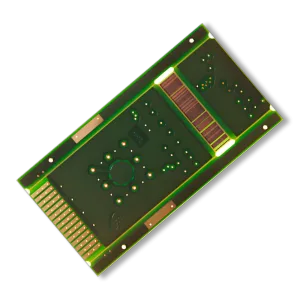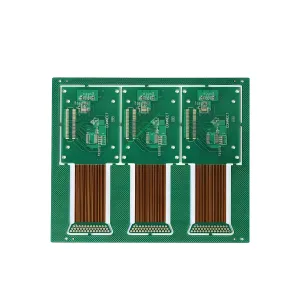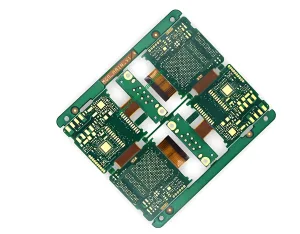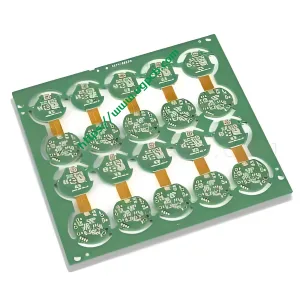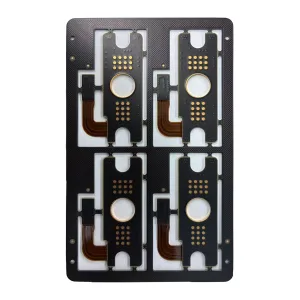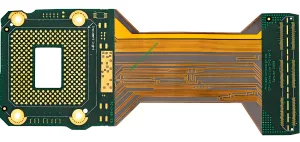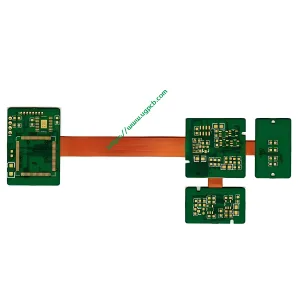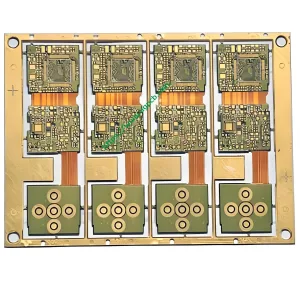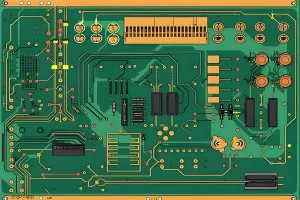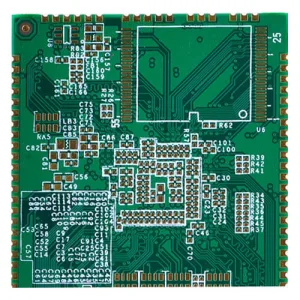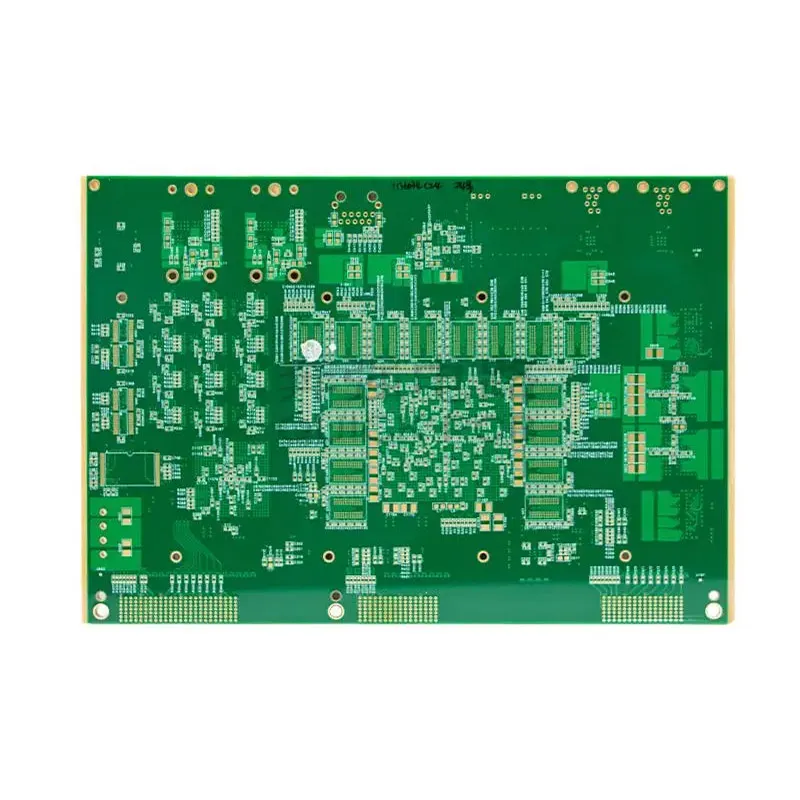
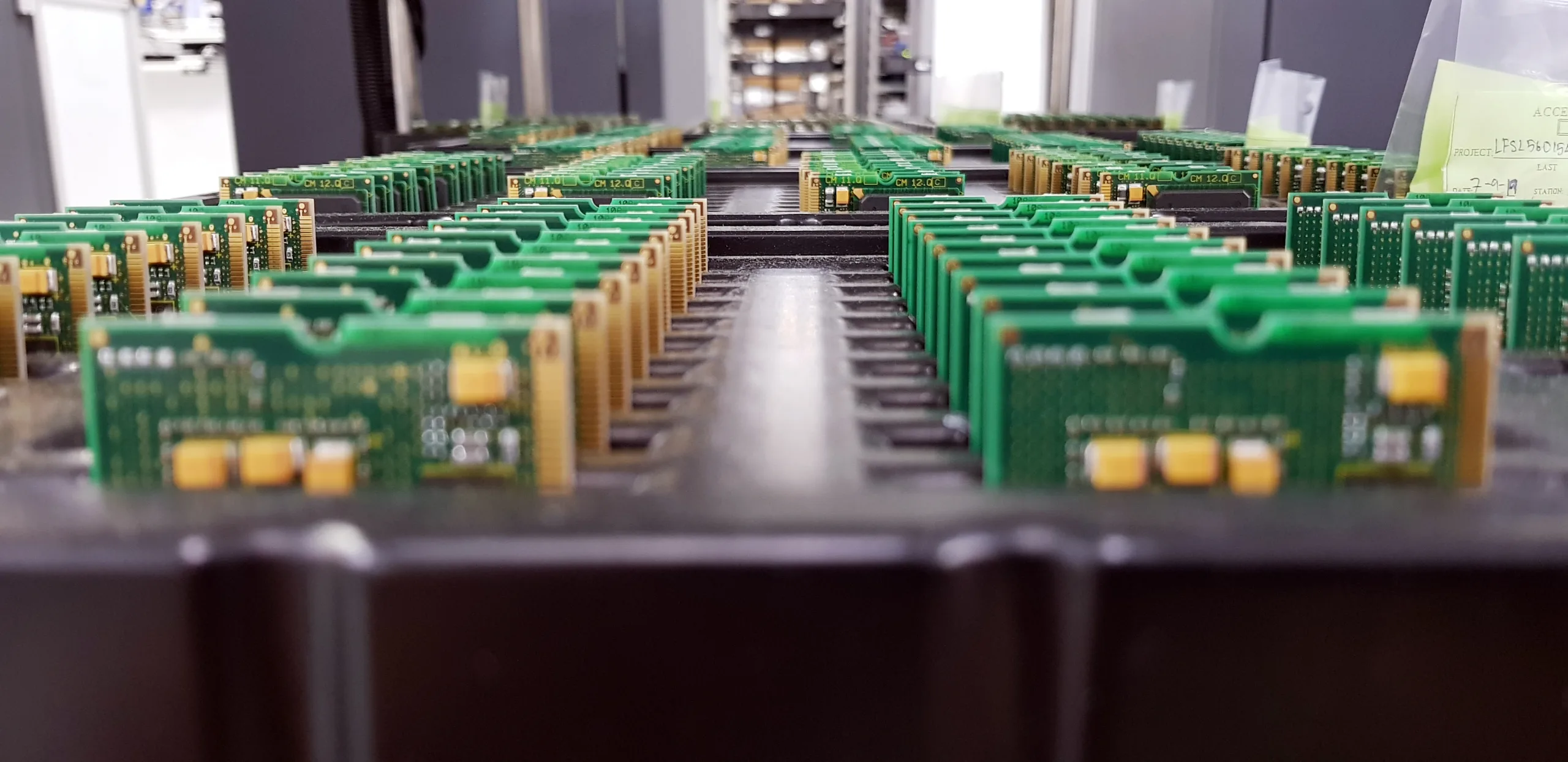
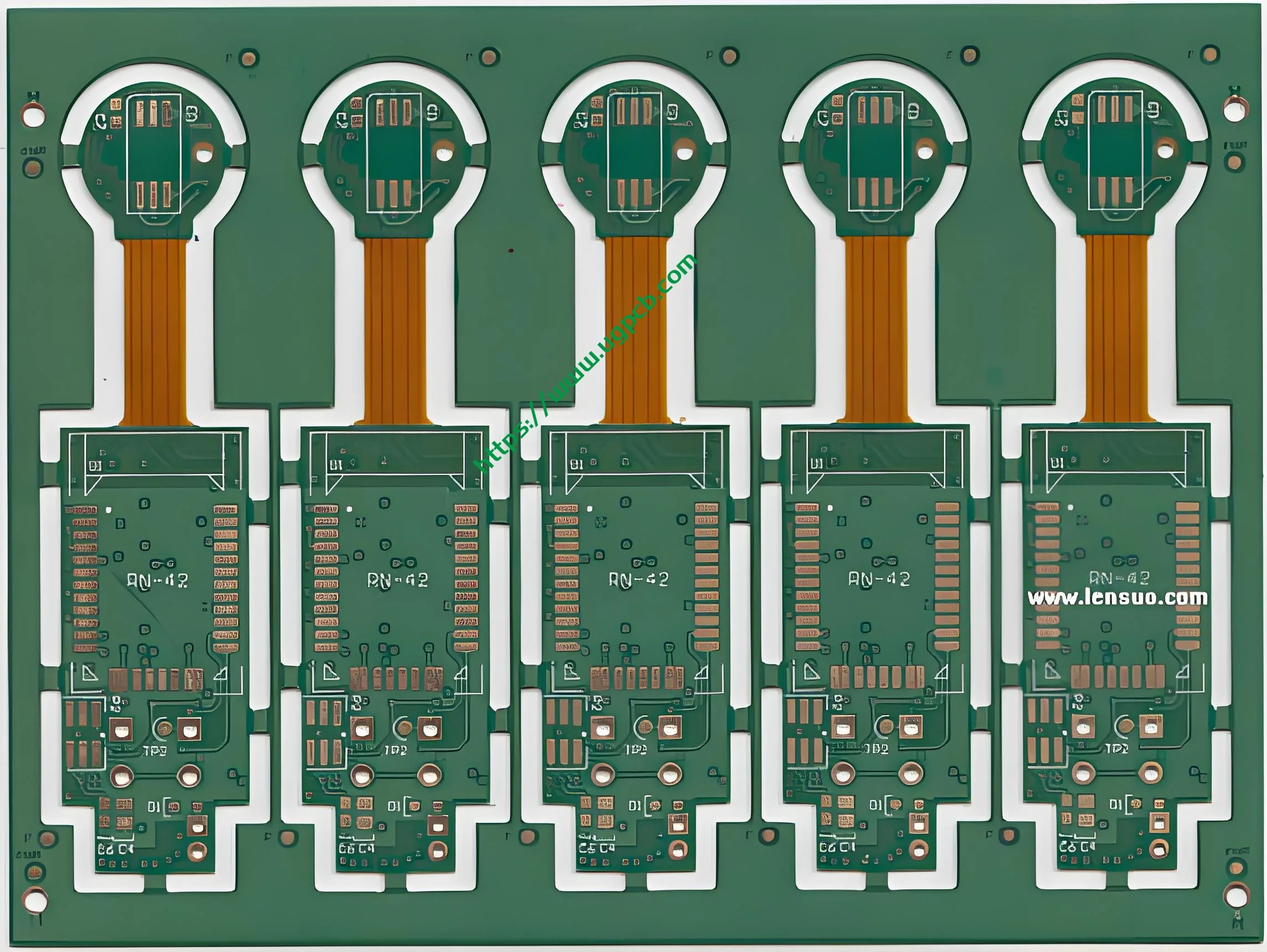
Creșterea rapidă a 5G, Automatizare industrială, iar electronica medicală necesită o fiabilitate mai mare, integrare, și adaptabilitate spațială de la plăcile de circuite. PCB rigid-flex (R-FPCB) combină stabilitatea mecanică a PCB-urilor rigide cu adaptabilitatea la îndoire a PCB-urilor flexibile, făcându-l o tehnologie de bază pentru design-uri electronice de ultimă generație. Potrivit DIResearch, piața globală de PCB rigid-flex a ajuns $2.604 miliarde in 2025 și se preconizează că va crește $3.726 miliarde de 2032, la un CAGR de 5.25%. UGPCB urmează această tendință cu echipamente avansate și un control strict al calității, oferind 6-buton panou de straturi PCB Rigid-Flex – un inalt performant, soluție de înaltă fiabilitate pentru echipamente industriale.
1. Ce este un PCB Rigid-Flex cu 6 straturi? – Definiție și standarde IPC
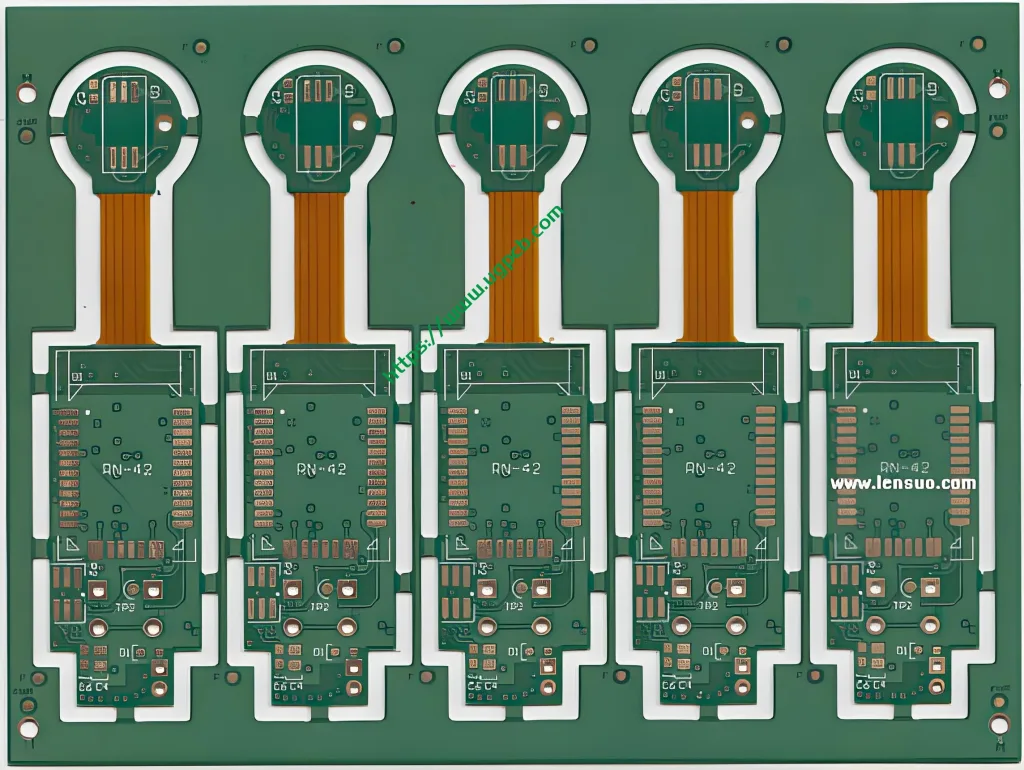
Un PCB rigid-flex combină plăci de circuite rigide și flexibile într-o singură structură de interconectare folosind laminarea. Caracteristica sa cheie: o singură placă are ambele zone rigide (pentru montarea componentelor) și zone flexibile (pentru îndoire și aspect 3D). Conform IPC-6013D, PCB-urile rigid-flex se împart în cinci tipuri. Tip 4 – materiale rigide și flexibile multistrat cu trei sau mai multe straturi conductoare și PTH – se potrivește cu acest produs. PCB-ul rigid-flex cu 6 straturi UGPCB utilizează o structură hibridă: 4 Straturi rigide FR4 + 2 poliimidă (Pi) straturi flexibile, permițând rutarea de înaltă densitate în zone rigide și îndoire dinamică/statică în zone flexibile.
Acest produs respectă regulile de proiectare IPC-2221 și respectă Clasă 2/3 niveluri de performanță, potrivite pentru echipamente industriale, instrumente medicale, și electronice auto care necesită o fiabilitate ridicată.
2. Parametrii tehnici cheie – Puterea unui PCB rigid-flex de înaltă performanță
UGPCB verifică toți parametrii de bază ai panoului de butoane cu 6 straturi PCB rigid-flex printr-un control strict al procesului, respectând standardele IPC-6012 și IPC-4562.
| Parametru | Caietul de sarcini |
|---|---|
| Model | 6-buton panou de straturi PCB Rigid-Flex |
| Stivuire | 4 Straturi rigide FR4 + 2 PI straturi flexibile |
| Grosimea finisata | 0.15 mm |
| Grosimea foliei de cupru | 1 Oz (nominal 35 µm) |
| Culoarea masca de lipit | Verde / Alb |
| Finisaj de suprafață | De acord (Imersie de aur cu nichel electroless) |
| Min. urmă/spațiu | 6 mil / 6 mil (0.1524 mm) |
| Min. burghiu mecanic | 0.2 mm |
| Aplicație | Plăci de circuite pentru echipamente industriale |
Nota de grosime a cuprului: 1 oz folie de cupru are o grosime nominală de 35 µm (exact 34.798 µm). Pentru IPC-4562, toleranta este de ±10%, deci grosimea reală trebuie să varieze de la 31.31 µm la 38.5 µm. Acest lucru asigură capacitatea de purtare a curentului și consistența impedanței pentru PCB rigid-flex.
Fiabilitatea de 6 mil urmă/spaţiu: IPC-2221 recomandă un spațiu electric minim de 0.1 mm (~4 mil) pentru aplicații de joasă tensiune (<15V). Noastre 6 mil (0.1524 mm) designul depășește această linie de bază, oferind o marjă largă de izolare a semnalului în medii electromagnetice industriale complexe, reducerea diafoniei și a zgomotului electric.
3. Considerații de proiectare pentru PCB-uri Rigid-Flex
Proiectarea unui PCB rigid-flex necesită echilibrarea zonelor rigide și flexibile. Zona de tranziție dintre ele este critică pentru fiabilitatea pe termen lung. Iată punctele cheie de design pe care se concentrează UGPCB:
3.1 Proiectarea zonei de tranziție rigidă-flex
IPC-6013 definește zona de tranziție ca: a 3 regiune mm centrată pe marginea plăcii rigide. Această zonă se confruntă cu stres ridicat și este predispusă la fisuri, delaminare, și oboseala de cupru. UGPCB evită plasarea oricăror caracteristici funcționale (vias, tampoane, urme critice) in aceasta zona. De asemenea, folosim foi preimpregnate fără curgere sau cu debit scăzut pentru a preveni curgerea rășinii în zona flexibilă.
3.2 Raza de îndoire și durata de viață dinamică la oboseală
Performanța de îndoire depinde de grosimea materialului și de raza de îndoire. Formula empirică este:
-
Raza minimă de îndoire dinamică ≥ 10 × grosimea totală a zonei flexibile
-
Încovoiere statică (instalare unică) raza minimă ≥ 6 × grosimea totală a zonei flexibile
Cu o grosime totală ultra-subțire de 0.15 mm, acest produs realizează o îndoire stabilă la raze la fel de mici ca 1.5 mm, adaptarea căilor complexe de rutare în echipamentele industriale. Zona flexibilă a UGPCB rezistă peste 100,000 cicluri de îndoire, iar pentru aplicații cu dinamică ridicată poate ajunge 500,000 cicluri (R=5 mm, 180°Aplecare înainte și înapoi).
3.3 Grosimea cuprului și urme de zonă flexibilă
Cuprul gros în zona flexibilă reduce flexibilitatea și crește riscul de oboseală. Prin urmare, UGPCB utilizează o strategie optimizată pentru grosimea cuprului: straturile rigide menţin 1 oz pentru curent suficient, în timp ce straturile flexibile folosesc cupru mai subțire adaptat pentru îndoire. Un model de cupru hașurat în cruce în zona flexibilă reduce în mod eficient concentrația de stres din cuprul solid, imbunatatirea duratei de viata dinamica la incovoiere.
4. Principiul de funcționare al PCB-urilor Rigid-Flex
Principiul de funcționare al unui PCB rigid-flex se bazează pe un design integrat de interconectare. Zonele rigide asigură suport mecanic stabil și disipare a căldurii componentelor (chips-uri, rezistențe, condensatoare, conectori). Zonele flexibile gestionează conexiunea semnalului și îndoirea între zonele rigide. Modelele conductoare de pe fiecare strat se conectează electric prin găuri placate (PTH). În timpul instalării sau exploatării, zona flexibilă se îndoaie, pliuri, sau se flexează dinamic conform structurii mecanice, în timp ce componentele și îmbinările de lipit în zonele rigide rămân fixe și fără stres.
Acest design elimină combinația tradițională de placă rigidă + cablu flexibil + conectori, reducând astfel îmbinările de lipit, reducerea reflectării semnalului și a riscurilor de nepotrivire a impedanței, și îmbunătățirea semnificativă a rezistenței la vibrații și șocuri.
5. Clasificarea PCB-urilor Rigid-Flex (IPC-6013D)
| Tip IPC | Definiţie | Straturi conductoare | Caracteristici |
|---|---|---|---|
| Tip 1 | PCB flexibil cu o singură față | 1 | Cu sau fără rigidizare |
| Tip 2 | PCB flexibil cu două fețe | 2 | Cu PTH |
| Tip 3 | PCB flexibil multistrat | ≥3 | Cu PTH |
| Tip 4 | Combinație multistrat rigid-flex | ≥3 | Rigid + materiale flexibile, cu PTH – produsul nostru |
| Tip 5 | PCB flexibil/rigid-flex | ≥2 | Fara PTH |
Pentru utilizare la instalare, acest produs se aplică Folosiți A (îndoiți o dată pentru instalare) şi Folosiți B (îndoire dinamică continuă).
6. Materiale și avantaje de performanță
6.1 Strat rigid FR4
FR4 (Ignifug 4) este cel mai matur substrat pentru PCB-uri rigide. Oferă o rezistență mecanică excelentă, proprietăți dielectrice bune, și rezistență la flacără, făcându-l utilizat pe scară largă în echipamentele industriale. Temperatura de tranziție sticloasă a FR4 (TG) de obicei variază de la 130°C la 170°C, asigurarea stabilitatii dimensionale in medii industriale cu temperaturi ridicate.
6.2 Poliimidă (Pi) Strat flexibil
Poliimida este substratul principal pentru PCB-urile flexibile. Oferă rezistență la temperaturi ridicate (domeniul de funcționare -55°C până la +150°C), rezistență dielectrică bună, și rezistență chimică excelentă. PI are o constantă dielectrică (DK) de aproximativ 3,4–3,5 și un factor de disipare (Df) de aproximativ 0,002–0,008, făcându-l potrivit pentru transmisia de semnal de mare viteză. UGPCB folosește un fără adeziv laminat poliimid în zona flexibilă. În comparație cu laminatele tradiționale pe bază de adeziv, structurile fără adeziv sunt mai subțiri (cu 12–25 µm), obțineți raze de curbură mai mici (până la 1 mm), și au o expansiune mai stabilă a axei Z, îmbunătățirea semnificativă a fiabilității la îndoire dinamică.
6.3 Finisaj de suprafață ENIG
De acord (Imersie de aur cu nichel electroless) este un finisaj cu două straturi de metal: un strat de nichel (aproximativ. 3-6 µm grosime) și un strat de aur (aproximativ. 0.05-0,1 µm grosime). Stratul de aur oferă rezistență excelentă la oxidare și lipire. Stratul de nichel acționează ca o barieră care împiedică difuzia cuprului în aur. ENIG este potrivit în special pentru panouri cu butoane, conectori cu degete aurii, și tampoane de înaltă fiabilitate, asigurarea unei performanțe stabile de contact după conectarea repetată și utilizarea pe termen lung.
7. Caracteristici de performanță
PCB-ul rigid-flex cu 6 straturi UGPCB oferă aceste avantaje de bază:
-
Economie de spațiu: Integrarea rigidă-flex elimină conectorii și cablurile, economisind 30–50% din spațiul de instalare în comparație cu „placa rigidă” tradițională + cablu” soluții.
-
Reducere în greutate: Poliimida are o densitate scăzută (aproximativ. 1.42 g/cm³), scăderea semnificativă a greutății structurale totale.
-
Fiabilitate îmbunătățită: Eliminarea îmbinărilor de lipit și a conectorilor mecanici reduce ratele de eșec. Studiile arată că PCB-urile rigid-flex reduc ratele de eșec în mediile cu vibrații cu aproximativ 70%.
-
Integritatea semnalului: Rutarea continuă evită discontinuitățile de impedanță la conectori, beneficiind de transmisia semnalului de înaltă frecvență.
-
Rezistență la vibrații și șocuri: Zona flexibilă acționează ca un tampon natural, absorbind vibrațiile mecanice și protejând componentele din zonele rigide.
-
3D capacitate de asamblare: Placa se adaptează la amenajări spațiale complexe, pliere și îndoire pentru a se potrivi cu forme neregulate ale carcasei.
8. Procesul de fabricație pentru PCB-uri Rigid-Flex
UGPCB urmează standardele IPC-6013 și IPC-6012 în procesul său de producție de PCB rigid-flex:
-
Tăiere flexibilă a substratului – Tăiați laminatul placat cu cupru PI la dimensiune.
-
Formarea circuitului stratului interior – Creați circuite de strat interior pe straturi flexibile și rigide (expunere, dezvoltare, gravare).
-
Inspecție AOI – 100% inspecție optică automată pentru deschideri/scurt.
-
Laminare – Laminați straturi rigide FR4 și straturi flexibile PI folosind preimpregnat cu debit scăzut la temperaturi și presiune ridicate, cu distanțiere pentru a preveni curgerea rășinii în zonele flexibile.
-
Foraj – găurire mecanică (min. 0.2 mm) și foraj cu laser (pentru microvias).
-
PTH și placare – Depuneți cuprul în găuri și plăci la grosimea specificată.
-
Formarea circuitului stratului exterior – Transferați și gravați modelele de strat exterior.
-
Acoperire cu masca de lipit – Aplicați cerneală verde sau albă pentru mască de lipit, tampoane de deschidere selectivă.
-
Finisaj de suprafață – Tratament ENIG.
-
Dirijare – Freză conturul, tăiați materialul rigid care acoperă zonele flexibile pentru a expune secțiunea flexibilă.
-
Test electric – Test de sondă zburătoare sau fixare pentru a asigura continuitatea.
-
FQC și transport maritim – Inspecția finală a calității urmată de ambalare în vid.
Acest proces asigură o legătură fiabilă între zonele rigide FR4 și zonele flexibile PI, în timp ce grosimea cuprului peretelui găurii PTH îndeplinește clasa IPC-6012 2/3 cerințe (minim 18-20 µm).
9. Clasificare după Structură și Aplicație
| Clasificare | Subtip | Descriere |
|---|---|---|
| Număr de straturi | 2 / 4 / 6 / 8+ straturi | Acest produs: 6 straturi (4R+2F) |
| Aspect rigid-flex | Simetric / Asimetric | Asimetric: straturi flexibile pe o parte a straturilor rigide |
| Tip de îndoire | Static / Dinamic | Static: instalare unică; Dinamic: îndoiri repetate |
| Via tip | PTH complet / Orb/îngropat / HDI | Acest produs: PTH complet |
| Procesul masca de lipit | Coverlay / Cerneală pentru mască de lipit | Coverlay-ul este mai bun pentru zonele flexibile |
Acest produs este un PCB rigid-flex simetric multistrat (Tip 4) cu un raport strat rigid-flex de 4:2, structură completă a PTH, cerneală pentru mască de lipit pe zone rigide, și protecție de acoperire pe zone flexibile.
10. Principalele cazuri de utilizare – Aplicații pentru echipamente industriale
PCB rigid-flex cu 6 straturi UGPCB este proiectat special pentru echipamente industriale. Aplicațiile tipice includ:
-
Panouri de control industriale și sisteme de butoane – Panourile cu nasturi au nevoie de zone rigide (contactele butonului) și zone flexibile (rutarea semnalului) într-o singură placă. PCB-urile rigid-flex răspund perfect acestei necesități, eliminând în același timp îmbinările de lipire a conectorilor, îmbunătățind considerabil fiabilitatea mecanică a panoului.
-
Echipamente de automatizare și roboți – Transmisia semnalului în articulațiile robotizate este supusă unei îndoiri continue. Capacitatea de îndoire dinamică a PCB-urilor rigid-flex acceptă cerințe de ciclu înalt.
-
Instrumente de testare si masura – Dispozitivele de testare compacte beneficiază de rutare 3D, optimizarea utilizării spațiului.
-
Module senzori industriale – Zonele flexibile se conformează carcasei dispozitivului sau suprafețelor curbate, permițând o conexiune perfectă între senzori și plăcile principale de control.
-
Module de afișare industriale – Interconectarea dintre afișajele LCD/LED și plăcile de driver este simplificată cu PCB-uri rigid-flex, reducerea grosimii și îmbunătățirea rezistenței la vibrații.
-
Dispozitive medicale – Unități portabile cu ultrasunete, monitoare de pacient, iar alte instrumente medicale necesită miniaturizare, greutate redusă, și fiabilitate ridicată – PCB-urile rigid-flex sunt alegerea ideală.
-
Electronică auto – Unitățile de control din vehicul și modulele senzori necesită rezistență la vibrații și toleranță la temperatură ridicată.
PCB-urile rigid-flex excelează în trei dimensiuni de capacitate: încovoiere dinamică, medii cu vibrații ridicate, și spații compacte – potrivite în special pentru aplicații solicitante de echipamente industriale.
11. De ce să alegeți PCB-urile UGPCB Rigid-Flex?
UGPCB combină ani de experiență în fabricarea de PCB-uri cu linii de producție automate avansate pentru a oferi o soluție unică de PCB rigid-flex pentru clienții globali.:
-
Suport pentru numărul de straturi: 4 la 24 straturi de combinație rigid-flex, care acceptă proiecte de interconexiune HDI de înaltă densitate.
-
Circuite ultrafine: Urmă/spațiu minim până la 1.5 mil/1,5 mil cu toleranță de ±5%.
-
Control de impedanță de înaltă precizie: Toleranță de impedanță strânsă de ±5%, potrivit pentru aplicațiile de înaltă frecvență de mai sus 10 GHz.
-
Management total al calitatii: Fabrica implementează TQM cu 100% Inspecție AOI + Predicția defectelor AI, realizarea unei rate de randament mai sus 98%.
-
Serviciu unic: De la proiectarea și fabricarea PCB-ului până la asamblarea PCBA și aprovizionarea componentelor, UGPCB oferă un serviciu complet de lanț industrial, scurtarea R&Cicluri D și accelerarea lansării produselor.
Obțineți o cotație & Suport tehnic pentru PCB-ul rigid-flex cu 6 straturi UGPCB
UGPCB oferă:
-
Sistem de asistență online în timp real – Asistență tehnică profesională 7×24 de ore.
-
Verificare DFM gratuită – Revizuire profesională a designului pentru fabricabilitate pentru a evita defectele de proiectare.
-
Prototipare rapidă și producție în volum – Exemplu de timp de livrare: 7-10 zile lucratoare; producție în volum: 2– 3 săptămâni.
-
Logistica globală – Suport pentru DHL, FedEx, UPS, și alți curieri internaționali.
Vizitați site-ul web oficial al UGPCB pentru a trimite solicitarea PCB rigid-flex, sau contactați echipa tehnică UGPCB pentru o soluție personalizată PCB rigid-flex cu panou de butoane cu 6 straturi.
*Surse de date: Parametrii standard IPC-6013D, IPC-2221 ghiduri de degajare electrică, și datele de toleranță ale foliei de cupru IPC-4562 se bazează pe standardele industriale autorizate. Datele privind dimensiunea pieței globale provin din rapoartele publice DIResearch și QYResearch.*