1. Contextul pieței: De ce electronicele auto au nevoie de PCB-uri de înaltă fiabilitate
Vehiculele electrice moderne și sistemele ADAS folosesc mai multe piese electronice în fiecare an.
Datele din China Commercial Industry Research Institute arată: Piața de electronice auto din China a atins ~169 miliarde USD 2024, cu a 10.95% creștere de la an la an. Această cerere îi împinge pe ingineri să înlocuiască rigidul tradițional PCB -uri + cablaje cu soluții mai compacte și mai fiabile.
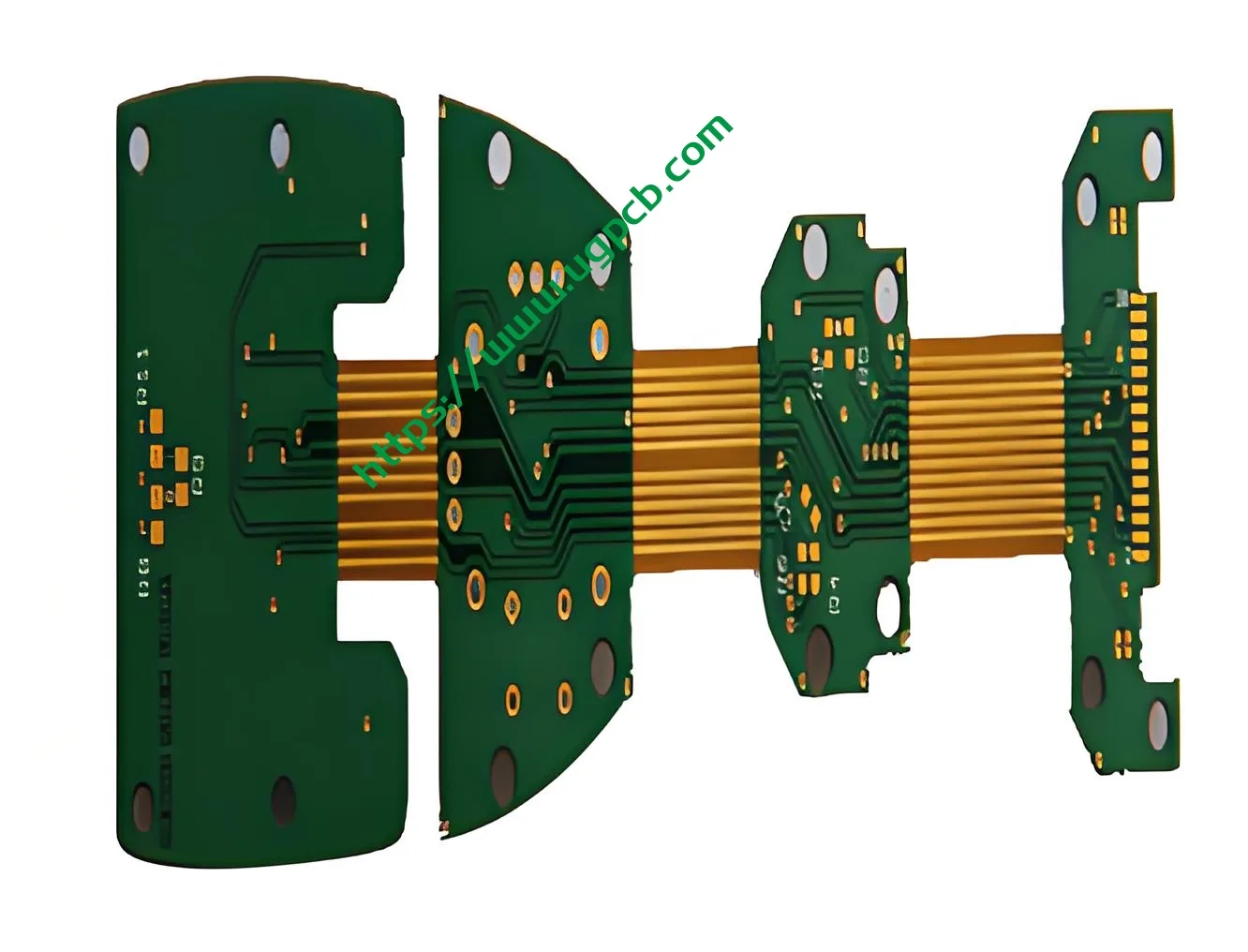
O PCB rigid-flex combină stabilitatea plăcilor rigide cu capacitatea de îndoire a circuitelor flexibile.
Studiile din industrie arată că trecerea la rigid-flex poate:
-
Economisiți ~40% spațiu de instalare
-
Reduceți defecțiunile legate de vibrații cu ~65%
-
Costul BOM mai mic cu ~22% prin integrare mai mare
Piața globală de PCB-uri rigid-flex pentru automobile este de așteptat să depășească USD 5 miliarde de 2025.
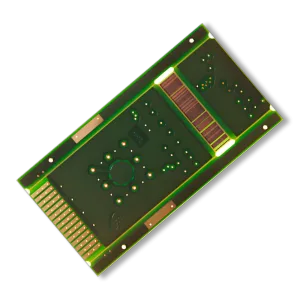
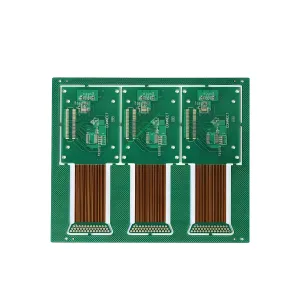
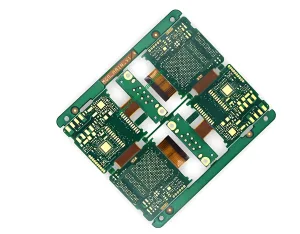
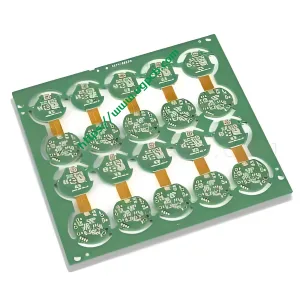
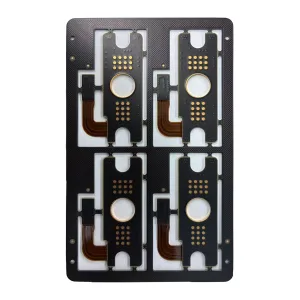
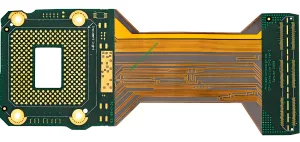
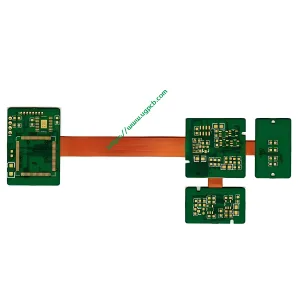
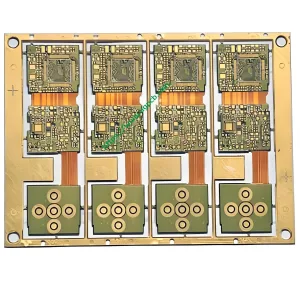
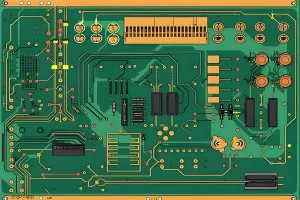
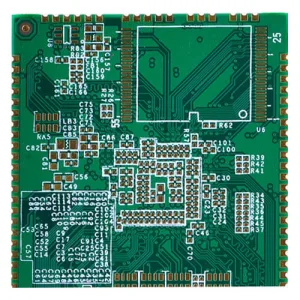
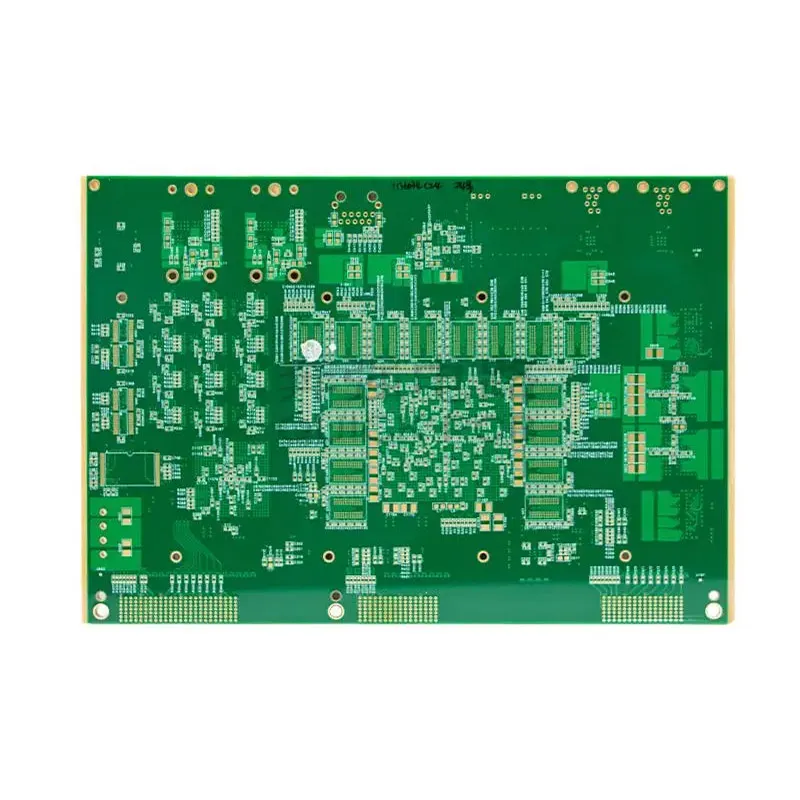
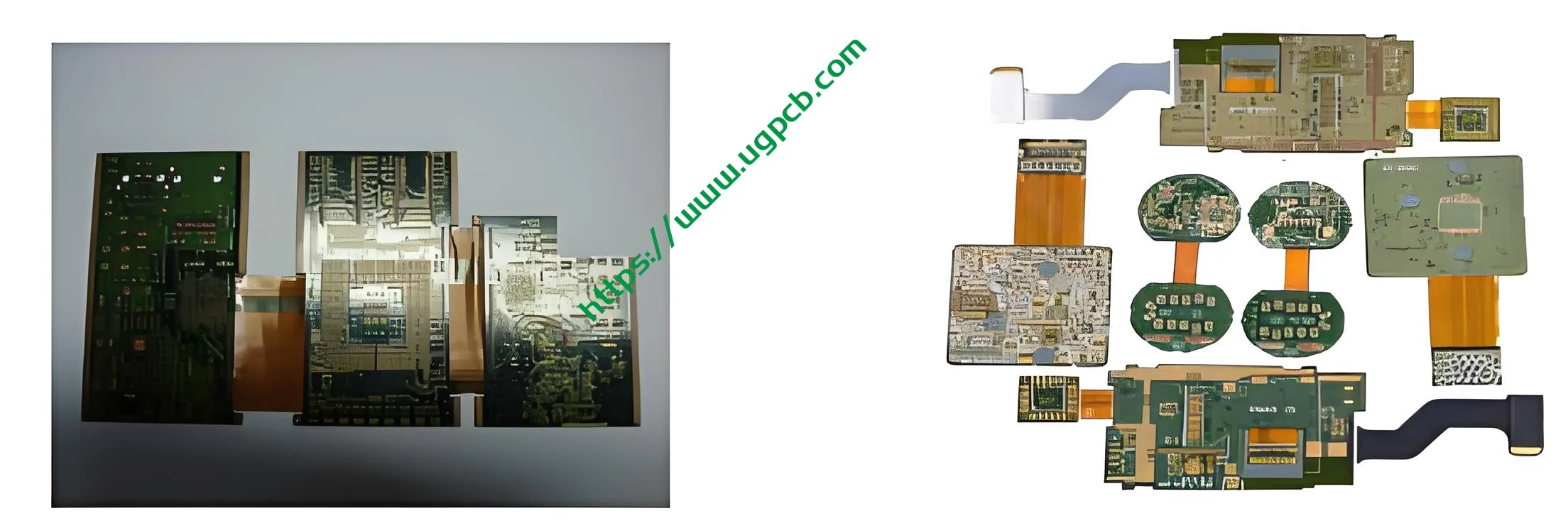
UGPCB a proiectat PCB auto (HDI R-FPCB) – o placă rigid-flex de interconectare de înaltă densitate care respectă ISO 26262 și clasa IPC-6012DA 3 cerințe. Este alegerea ideală pentru dvs prototip de PCB rigid-flex auto.
2. Definiția produsului & Clasificarea științifică
2.1 Numele produsului & Model
-
Numele produsului: PCB auto (HDI R-FPCB) – PCB HDI Rigid-Flex de calitate auto
-
Cod model: HDI R-FPCB 1+2+1 Structura
-
Concentrați cuvântul cheie: Prototip de PCB rigid-flex pentru automobile (Cuvânt cheie Yoast SEO focus)
2.2 Clasificarea științifică (Bazat pe IPC & Standarde UL)
| Metoda de clasificare | Standard | Categorie |
|---|---|---|
| După structură | IPC-2223 | Placă multistrat rigid-Flex (≥3 straturi conductoare) |
| Prin tehnologia HDI | IPC-2226 | Tip III – HDI în 2 trepte cu stivuire „1+2+1”., microvias laser |
| După clasa de performanță | IPC-6013 | Clasă 3 (de înaltă fiabilitate, funcţionare continuă) |
| Prin aplicare | – | Electronica auto – ECU, ADAS, BMS, infotainment |
2.3 Parametri cheie (Tabel de referință rapidă)
| Parametru | Caietul de sarcini |
|---|---|
| Model | PCB auto (HDI R-FPCB) |
| Material | FR-4 + Pi (Poliimidă) |
| Stivuirea straturilor | 1+2+1 (2‑step HDI rigid‑flex) |
| Culoarea masca de lipit | Verde / Alb |
| Grosimea finisata | 1.2 mm |
| Grosime de cupru | 0.035 mm (1 Oz) |
| Finisaj de suprafață | DOAR 2U” (Imersie de aur cu nichel electroless) |
| Min. lățimea liniei / spaţiere | 0.1 mm / 0.1 mm |
| Aplicație | Prototip de PCB rigid-flex pentru electronice auto |
Masă 1 – Specificațiile de bază ale UGPCB Automotive PCB (HDI R-FPCB).
3. Stivuire & Structura: „1+2+1” HDI Rigid-Flex în 2 trepte
3.1 The 1+2+1 Stivuirea explicată
Acest prototip de PCB rigid-flex auto caracteristici a 1+2+1 acumularea HDI:
-
Strat 1 – Strat exterior rigid (montarea componentelor & rutare)
-
Strat 2 – 1-a HDI construi (îngropat / microvias oarbe)
-
Strat 3 – Stratul de bază (conţine zonă PI flex)
-
Strat 4 – al doilea HDI acumulare
-
Strat 5 – Strat exterior rigid (rutare laterală inferioară & lipirea)
Zona flexibilă rămâne pe miezul PI și se deschide prin stratul de acoperire rigid. Acest design vă oferă ambele o densitate mare de rutare (PCB HDI) și flexibilitate 3D (PCB rigid-flex).
3.2 Clasificare HDI conform IPC-2226
IPC‑2226 definește HDI prin: lățimea liniilor/spațierea ≤ 100 µm, tampon microvia < 400 µm, si densitate > 20 tampoane/cm².
Noastre 0.1 mm linie/spațiu corespunde standardului. Microvias laser permit 1+2+1 structura ca Tipul II (2- pas HDI) – ideal pentru electronice auto.
| Tip HDI (IPC-2226) | Caracteristica de acumulare | Aplicație tipică |
|---|---|---|
| Tipul I (1-pas) | Straturi unice de microvia pe miez | Electronica de consum |
| Tipul II (2-pas) | Două straturi de acumulare pe fiecare parte | Auto, industrial, dispozitive high-end |
| Tipul III (≥ 3 pași) | Interconectare cu orice strat | Smartphone-uri emblematice |
3.3 Materiale: FR-4 + Pi
-
Zonele rigide (FR-4) – țesătură din sticlă epoxidică. Oferă un suport mecanic puternic pentru componentele grele (conectori, circuite integrate mari).
-
Zona flexibila (Pi) – folie de poliimidă (FCCL). TG > 260° C., Ul 94 Evaluat V-0. Rezistă la temperaturile din compartimentul motorului.
CTE (coeficient de dilatare termică) diferența dintre PI (16–20 ppm/°C) şi FR-4 (14–18 ppm/°C) este critic. UGPCB controlează parametrii de laminare pentru a evita delaminarea de la –40°C la +125°C cicluri termice.
4. Ghid de proiectare pentru PCB-uri HDI rigide-flex de înaltă performanță
4.1 Linia fină & Spaţiu (0.1 mm / 0.1 mm)
Realizarea 0.1 mm urma/spatiu cu 1 OZ cuprul permite 50% densitate de rutare mai mare decât 0.15 desene mm.
Pentru automobile PCB asamblare ulterioară, urmați aceste reguli:
-
Controlul impedanței – Potriviți impedanța perechii diferențiale (90 Oh / 100 Oh) în ambele zone FR-4 și PI.
-
Potrivirea lungimii – Păstrați nepotrivirea intra-perechi < 0.5 mm pe zona flexibilă deoarece PI’s Dk (3.4–3,5) diferă de FR-4 (4.2–4,5).
4.2 Calculul razei de curbură (IPC-2223)
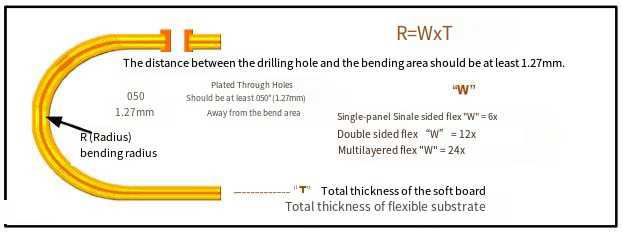
PCB-urile rigid-flex trebuie să respecte razele minime de îndoire pentru fiabilitate.
Conform IPC-2223 și practicii din industrie:
Rmin, static=(6 la 12)×tflexRmin, dinamic≥10×tflex
Unde tflex = grosimea totală a zonei flexibile (cupru + acoperire).
Pentru un tipic 0.2 mm stivă flexibilă, raza minimă statică este de 1,2–2,4 mm. UGPCB recomandă R ≥ 6 mm pentru îndoirea dinamică a balamalelor ușilor sau a reglajelor scaunelor.
4.3 Zona de tranziție Rigid-Flex – Puncte cheie
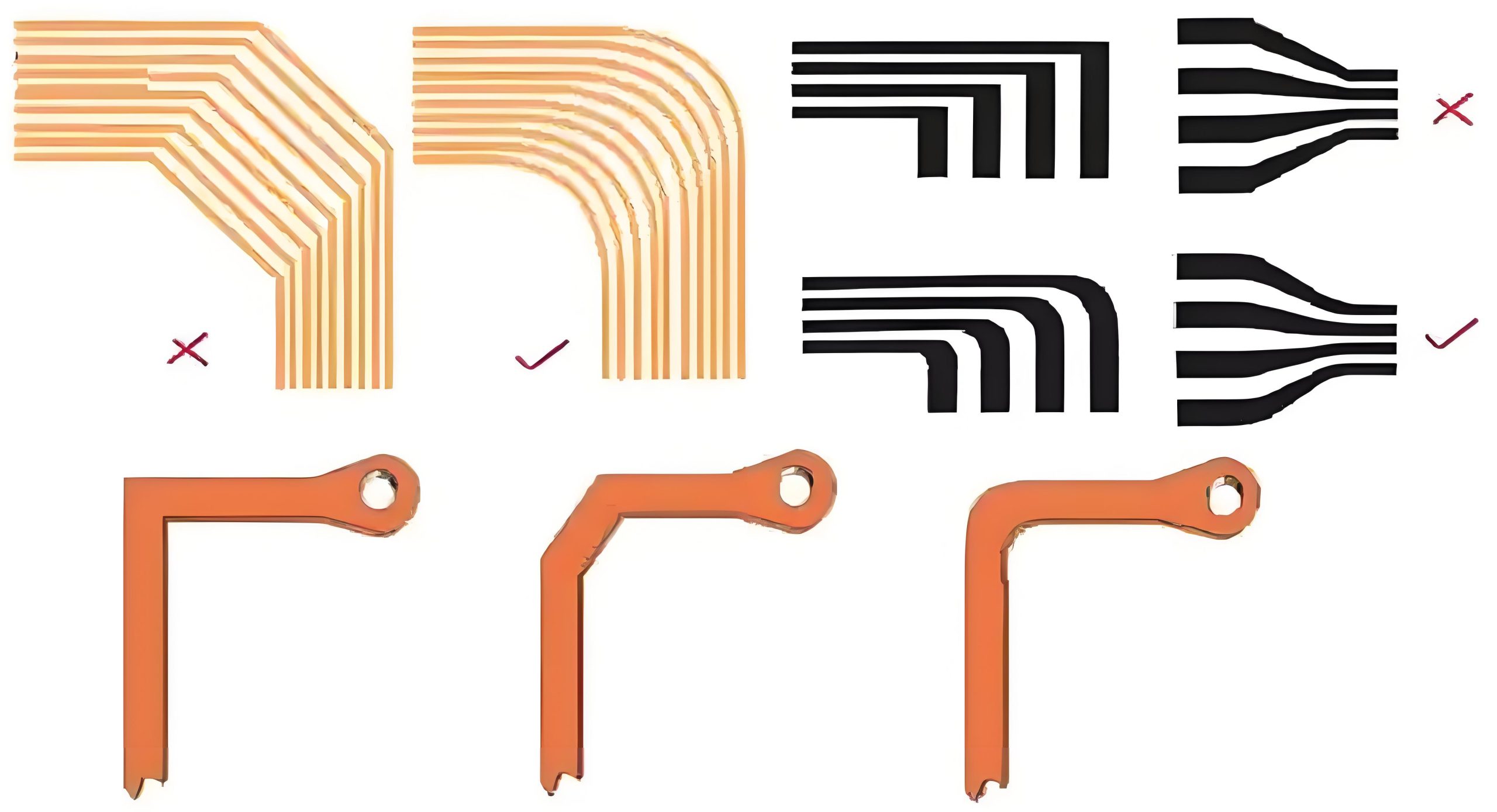
-
45° interfață conică – Evita concentrarea stresului.
-
Urme de traseu paralel cu axa de îndoire – Nu traversați niciodată zona de îndoire perpendicular.
-
Tampoane cu lacrimi & deschideri de acoperire rotunjite – Distribuiți stresul mecanic.
-
Utilizare 0.5 Cupru OZ pe zonele cu flexibilitate ridicată – 1 OZ este mai puternic, dar mai puțin flexibil.
5. Fluxul procesului de fabricație (ISO & Conform IPC)
UGPCB urmează IPC-6013D pentru calificarea rigid-flex. Pași cheie:
-
Imagistica stratului interior – Miez FR‑4 și stratul PI flex separat. Verificări AOI 0.1 linii mm.
-
Foraj cu laser (ORB / microvias îngropate) – laser CO₂ elimină FR-4; Laser UV pentru < 50 găuri de µm.
-
Defrânjează & cupru electroless – Activează pereții găurilor pentru placare.
-
Prin umplere & placare cu panouri – Vias oarbe umplute cu cupru (rata de gol < 5%).
-
Laminare secvențială – Construiește 1+2+1 stivuiți în doi pași. Zona flexibilă este mascată în timpul laminării stratului rigid.
-
Stratul exterior & Masca de lipit – Mască de lipit LPI verde sau albă aplicată.
-
DOAR 2U” finisarea suprafeței – Conform IPC‑4552: 3–7 µm Ni + ≥0,05 µm Au. Grosime dublă de aur pentru rezistență la coroziune.
-
Dirijare & test electric – 100% sondă zburătoare sau test de fixare.
6. Performanţă & Date de fiabilitate (IPC‑TM‑650)
| Test | Stare | Cerinţă | Standard |
|---|---|---|---|
| Tensiune rezistentă dielectrică | ≥1000 VDC | Nicio defecțiune | IPC‑TM‑650 2.5.7 |
| Rezistenta de izolare (normal) | ≥10^11 Ω | Pasa | IPC‑TM‑650 2.5.3 |
| Ciclul termic | –40°C ↔125°C, 1000 cicluri | Fara delaminare, ΔR < 10% | IPC‑TM‑650 2.6.7 |
| Căldură umedă | 85° C. / 85% RH, 1000h | IR ≥ 10^9 Ω | Clasa IPC‑6013 3 |
| Vibrație | 10-2000 Hz, 20g, 4axa h/ | Nicio deschidere intermitentă | ISO 16750‑3 |
| Îndoire dinamică | R = 5 mm, 5000 cicluri | Fără circuit deschis | Standard industrial |
Toate testele urmează metodele IPC‑TM‑650 și clasa IPC‑6013 3 cerințe.
7. Caracteristici cheie & Scenarii de aplicație
7.1 De ce să alegeți acest PCB HDI Rigid-Flex pentru automobile
-
1+2+1 HDI + rigid-flex - Densitate mare plus flexibilitate.
-
0.1 mm linie/spațiu – Suportă pitch BGA ≤ 0.5 mm.
-
Ul 94 V-0 – ignifug (se stinge în interior 10 secunde).
-
DOAR 2U” – Grosimea dublă aurului pentru 10–15 ani de viață auto.
-
Prototip cu viteză rapidă – Probele gata în 7-10 zile.
7.2 Cazuri de utilizare tipice pentru prototipul dvs. de PCB pentru electronice auto
-
ECU (Unitatea de control al motorului) – Semnale senzori integrate direct pe PI flex, eliminarea conectorilor.
-
Controler de domeniu ADAS – Radar / modulele camerelor au nevoie de semnale de mare viteză și structuri pliabile.
-
Sistem de infotainment – Înlocuiți FPC + Conectori BTB cu un PCB rigid-flex.
-
BMS (Sistem de management al bateriei) – Canale de tensiune/temperatura stivuite cu UL 94 Conformitatea V-0.
-
Modulul camerei auto – Secțiunea flexibilă se îndoaie prin balamalele ușii fără cablaj.
8. De ce să vă asociați cu UGPCB pentru prototipul dvs. de PCB rigid-flex pentru automobile?
-
membru IPC + Certificat UL – Conformitate deplină cu IPC-6012DA & IPC-6013D.
-
16,000 m² plantă modernă – Capacitate anuală 600,000 m², linie de producție HDI dedicată.
-
Revizuire DFM gratuită – 15+ ani de experiență medie. UGPCB vă ajută să optimizați stivuirea și raza de îndoire.
-
Livrare rapidă a prototipului – 7–10 zile pentru mostrele rigid-flex.
-
Consultanță de inginerie gratuită – Analiza nepotrivirii CTE, reglajul impedanței, și sfaturi de asamblare SMT.
9. Obțineți o cotație – Porniți-vă prototipul PCB rigid-flex HDI pentru automobile astăzi
Trimiteți fișierele dvs. Gerber sau împărtășiți cerințele dvs. tehnice. UGPCB răspunde înăuntru 2 ore cu o recomandare gratuită de stivuire și estimare de preț.
Contactați-ne acum – pur și simplu completați scurt formularul de mai jos:
-
Numele companiei
-
Telefon / WeChat / WhatsApp
-
Nevoile de proiectare sau bugetul țintă
UGPCB vă ajută să construiți o fiabilitate ridicată, electronice auto de înaltă integrare – câte un PCB rigid-flex la un moment dat.
Declaraţie
Toate specificațiile și datele din acest document se bazează pe IPC-2223, IPC-2226, IPC-6013, Ul 94, și rapoarte de piață disponibile public (Institutul de Cercetare a Industriei Comerciale din China, 2025). UGPCB își rezervă dreptul de a actualiza datele tehnice. Vă rugăm să contactați vânzările UGPCB pentru cele mai recente instrucțiuni de inginerie.