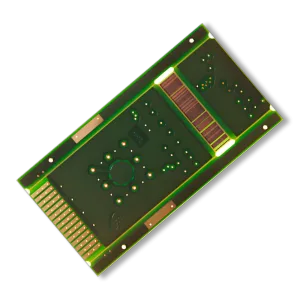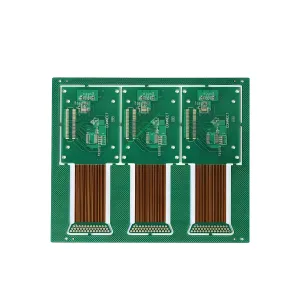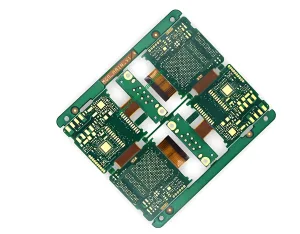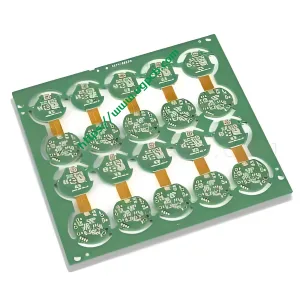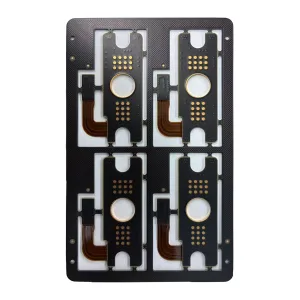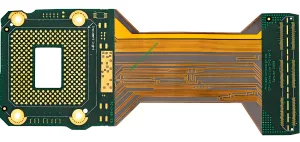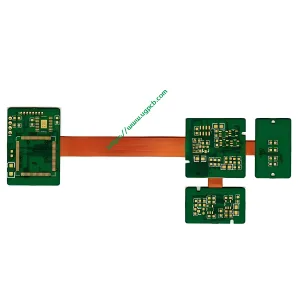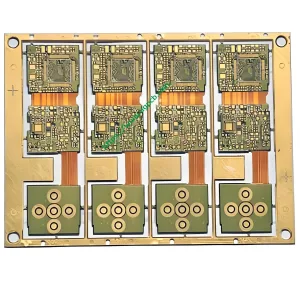
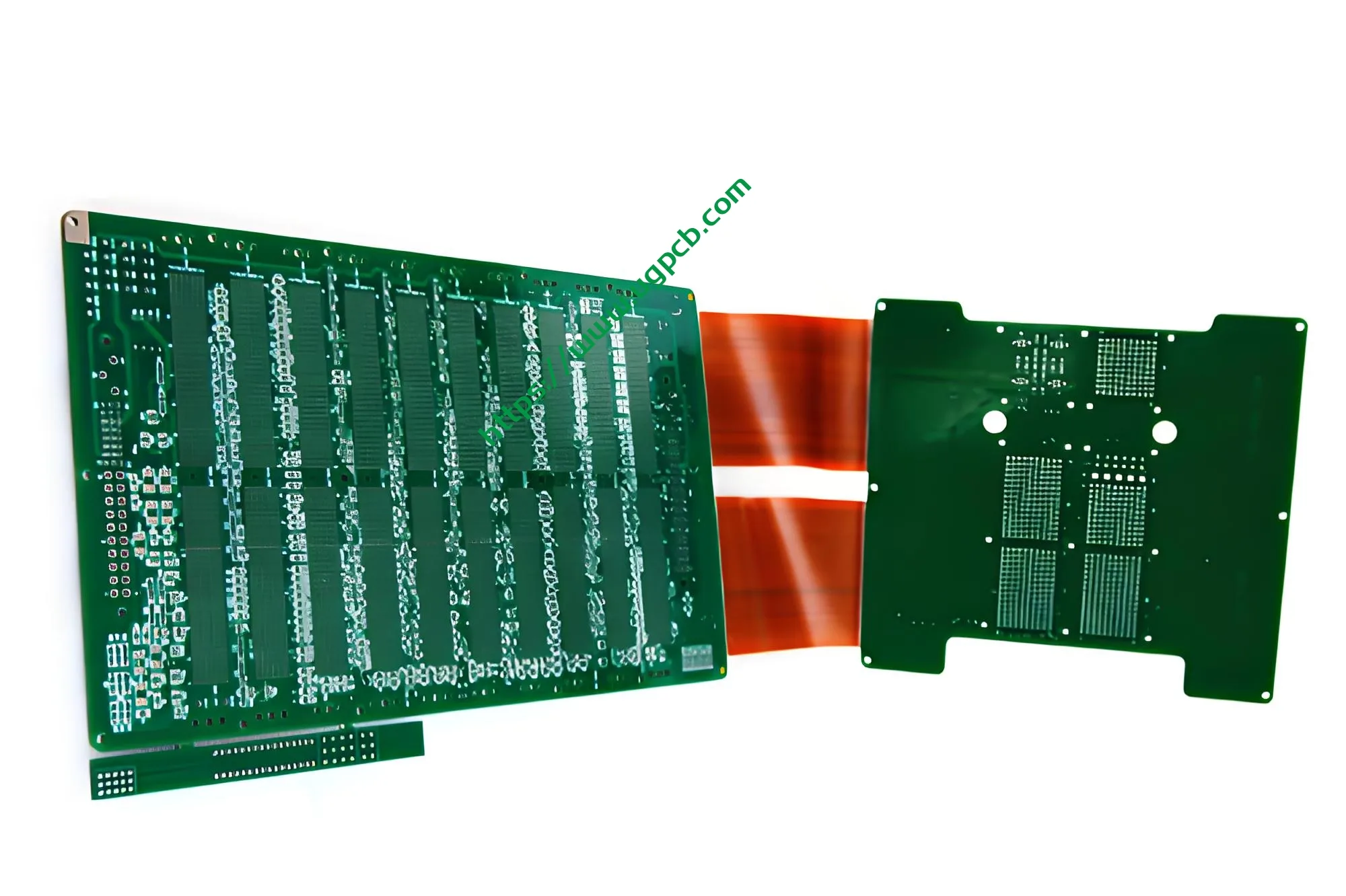
În peisajul electronic cu ritm rapid de astăzi, cererea de compact, ușor, și soluțiile de interconectare extrem de fiabile nu au fost niciodată mai mari. Fie că dezvoltați dispozitive portabile, instrumente medicale, sau sisteme digitale avansate, PCB-uri rigid-flex sunt tehnologia piatra de temelie care face puntea dintre stabilitatea rigidă și flexibilitatea dinamică. La UGPCB, suntem specializați în livrarea de inginerie de precizie Prototipuri de PCB rigid-flex care îndeplinesc cele mai stricte cerințe de design și performanță. Acest ghid vă va ghida prin fiecare aspect al produsului nostru prezentat - a 2+2+2 PCB rigid-flex construit cu FR-4 și poliimidă — și să vă arate de ce este alegerea optimă pentru următoarea dvs digital Prototip PCB proiect.
Ce este un PCB Rigid-Flex (R-FPCB)?
O PCB rigid-flex, adesea prescurtat ca R-FPCB, este o placă de circuit imprimat hibrid care combină materialele substrat rigide și flexibile într-o singură structură integrată. Spre deosebire de rigid tradițional PCB -uri care folosesc numai laminate rigide, sau circuite flexibile independente, PCB-uri rigid-flex permite ambalarea tridimensională prin eliminarea conectorilor și a cablurilor panglică între secțiuni rigide. Această integrare perfectă îmbunătățește semnificativ integritatea semnalului, reduce costurile de asamblare, și îmbunătățește fiabilitatea generală a dispozitivului. Denumirea „2+2+2” descrie stivuirea straturilor: două straturi exterioare rigide, două straturi interioare flexibile, și două straturi rigide suplimentare legate între ele, creând un 6 straturi PCB rigid-flex perfect potrivit pentru aplicațiile digitale în care spațiul și greutatea sunt la un nivel superior.
[Sugestie de imagine: Diagrama în secțiune transversală a a 2+2+2 PCB rigid-flex arătând secțiuni rigide FR-4, straturi flexibile de poliimidă, și găuri traversante placate.
Alt text: Secțiune transversală a 2+2+2 stivuire PCB rigid-flex cu straturi rigide FR-4 și straturi flexibile PI]
Prezentare generală a produsului: UGPCB 2+2+2 Prototip PCB rigid-Flex
Acel UGPCB, standardul nostru Prototip PCB rigid-flex oferta este concepută pentru a vă accelera ciclul de dezvoltare a produsului. Specificațiile cheie ale construcției noastre prezentate sunt:
-
Model: PCB rigid-flex (R-FPCB)
-
Material: FR-4 (rigid) + PI – Poliimidă (flexibil)
-
Structura stratului: 2+2+2 (6-construcție strat rigid-flex)
-
Culoarea măștii de lipit: Verde / Alb
-
Grosime terminată: 1.0 mm (zonă rigidă) + 0.15 mm (zonă flexibilă)
-
Grosime de cupru: 0.035 mm (1 Oz) pe toate straturile
-
Tratament de suprafață: Aur de imersiune (De acord)
-
Lățimea minimă a liniei / Distanţă: 0.1 mm / 0.1 mm
-
Aplicație: Fabricare digitală de prototipuri de PCB rigid-flex
Această configurație este optimizată pentru circuite digitale de înaltă densitate care necesită atât îndoire mecanică, cât și zone de montare a componentelor rigide.
Cum funcționează un PCB Rigid-Flex
Principiul de funcționare al a PCB rigid-flex valorifică proprietățile materiale unice ale constituenților săi. Straturi rigide, făcută de obicei din FR-4 laminat din sticla epoxidica, furnizează suport structural și o platformă stabilă pentru componentele montate pe suprafață și prin orificii. Straturi flexibile, construit din poliimidă (Pi) film, acționează ca „balamale” integrate care pot fi îndoite dinamic sau pliate static pentru a se potrivi în carcase compacte. Electric, straturile sunt interconectate prin găuri de trecere placate și canale îngropate, formând un continuu PCB circuit. Prin eliminarea conectorilor de la bord la bord, cel PCB rigid-flex reduce atenuarea și reflexia semnalului, care este critic în aplicațiile digitale de mare viteză. Când secțiunea flexibilă este îndoită, substratul de poliimidă rezistă la stres mult mai bine decât FR-4, cu condiția ca raza de îndoire să respecte limitele mecanice ale materialului.
Elemente esențiale de design pentru 2+2+2 PCB-uri rigide-flex
Proiectarea a 2+2+2 PCB rigid-flex necesită o înțelegere profundă a constrângerilor mecanice și electrice. Cheie design PCB rigid-flex considerente includ:
-
Calculul razei de curbură: Conform IPC-2223, pentru aplicații flex dinamice, raza de curbură minimă ar trebui să fie de cel puțin 10 ori mai mare decât grosimea circuitului flexibil. Cu al nostru 0.15 mm strat flexibil, raza minimă de îndoire recomandată este 1.5 mm.
-
Urmărirea traseului în zonele curbei: Liniile și spațiile trebuie să se alinieze perpendicular pe axa de îndoire pentru a evita fisurarea cuprului. Noastre 0.1 Capacitatea de urmărire/spațiu mm permite rutarea densă, menținând în același timp fiabilitatea.
-
Secțiune transversală a stratului: Zona de tranziție de la rigidă la flexibilă trebuie modelată cu atenție pentru a evita concentratoarele de stres. Construcția în stil de legătură de cărți este folosită pentru a elibera progresiv straturile flexibile din stiva rigidă.
-
Prin plasare: În zona de îndoire nu trebuie să fie plasate nicio conductă placată, deoarece sunt predispuse la eșec la oboseală. Viasurile oarbe și îngropate în secțiuni rigide îmbunătățesc design-urile via-in-pad pentru o densitate ridicată PCB.
Adresându-se acestora Ghid de proiectare PCB rigid-flex, UGPCB vă poate transforma schema într-o schemă robustă prototip digital rigid-flex care functioneaza impecabil.
Aplicații și cazuri de utilizare
Versatilitatea unui 2+2+2 PCB rigid-flex îl face ideal pentru o gamă largă de sisteme digitale și cu semnal mixt. Comun aplicații PCB rigid-flex include:
-
Electronice purtabile: Ceasuri inteligente, trackere de fitness, și plasturi medicale în care placa trebuie să se conformeze contururilor corpului.
-
Dispozitive medicale: Diagnosticul implantabil, aparate auditive, și sisteme de imagistică endoscopică care necesită cicluri repetate de sterilizare și fiabilitate ridicată.
-
Senzori industriali IoT: Noduri de senzori compacte care trebuie să se potrivească în carcase mici și să reziste la vibrații.
-
Aerospațial și Apărare: Avionica, Sisteme de satelit, si electronica de ghidare a rachetelor care beneficiaza de reducerea greutatii si rezistenta mare la socuri.
-
Produse digitale de consum: Smartphone-uri pliabile, camere de luat vederi, și dispozitive portabile de jocuri pe care se bazează PCB rigid-flex tehnologie de miniaturizare.
În digital Prototiparea PCB, capacitatea de a testa funcționalitatea completă a sistemului cu flexibilitate integrată elimină variabilele introduse de conectori, permițând o validare mai rapidă a integrității semnalului și a distribuției puterii.
Clasificarea PCB-urilor Rigid-Flex
Pentru a ne situa în mod corespunzător produsul în cadrul standardelor din industrie, plăcile rigid-flex sunt clasificate conform IPC-6013 pe baza construcției și a utilizării finale prevăzute:
-
Tip 1: PCB flexibil cu o singură față
-
Tip 2: PCB flexibil cu două fețe cu găuri de trecere placate
-
Tip 3: PCB flexibil multistrat
-
Tip 4: PCB multistrat rigid-flex – Al nostru 2+2+2 configurația se încadrează direct în această categorie, unde straturile rigide și flexibile sunt amestecate pentru a forma o singură placă de circuit integrat.
-
Tip 5: Multistrat Flex sau rigid-flex cu rigidizări rigidizate
Tip 4 este cea mai răspândită pentru aplicațiile digitale, deoarece permite interconexiuni complexe în mai multe domenii rigide, menținând în același timp complet PCB compatibilitate.
Materialele și performanța lor
Într-o 2+2+2 PCB rigid-flex, selecția materialelor are un impact direct asupra performanței și longevității.
-
FR-4 (Laminat rigid): Un compozit epoxidic/sticlă ignifug care oferă o stabilitate dimensională excelentă, o constantă dielectrică (DK) de aproximativ 4,2–4,6 at 1 MHZ, și o temperatură de tranziție sticloasă (TG) de obicei, în jur de 135°C până la 170°C. În construcția noastră, high-Tg FR-4 este standard pentru a rezista la temperaturi de asamblare fără plumb.
-
Poliimidă (Laminat flexibil): Filmul de poliimidă oferă o rezistență termică remarcabilă (serviciu continuu pana la 200°C), degajare extrem de scăzută, și un Dk din jur 3.5 la 1 MHZ. Flexibilitatea sa suportă milioane de cicluri dinamice de îndoire atunci când este respectată ghidul pentru raza de îndoire.
-
Aur de imersiune (De acord) Finisaj de suprafață: Nichel electroless Immersion Gold oferă un plat, suprafață lipibilă cu o grosime tipică de nichel de 3–6 µm și o grosime de aur de 0,05–0,15 µm. Acesta asigură o durată excelentă de valabilitate, capacitatea de lipire a firului, și coplanaritate uniformă pentru componentele cu pas fin – critice în densitate mare PCB asamblare.
Caracteristici și beneficii cheie
UGPCB 2+2+2 Prototip PCB rigid-flex oferă avantaje distincte adaptate designerului digital:
-
Ultra-miniaturizare: Combină șase straturi de interconectare într-un pachet care se poate plia într-o fracțiune din spațiul necesar plăcilor rigide și cablurilor separate.
-
Integritate superioară a semnalului: Urmele de impedanță controlate sunt menținute în întregime PCB fără discontinuități ale conectorului. Pentru a 0.1 mm lățimea urmei, impedanța caracteristică poate fi reglată cu precizie 50 Ω sau 100 Ω diferenţial, esențial pentru protocoale digitale de mare viteză precum USB 3.0, Memorie DDR, și MIPI.
-
Fiabilitate ridicată: Suprafața cu nichel-aur protejează cuprul de oxidare, asigurând îmbinări de lipire robuste. Urmează clasa IPC-A-600 2 criteriile de acceptare, plăcile noastre sunt supuse unei inspecții riguroase.
-
Prototipare rentabilă: Prin furnizarea de întoarcere rapidă Prototip PCB rigid-flex servicii, permitem echipelor de proiectare să repete rapid înainte de a se angaja la producția de volum.
-
Integrare perfectă cu PCBA: Placa este pe deplin compatibilă cu procesele automate de asamblare SMT. Planeitatea și finisarea suprafeței permit un randament ridicat componentă plasare, întorcându-vă PCB într-un complet PCB cu reluare minimă.
Proces de producție PCB rigid-flex
Fabricarea unui de încredere 2+2+2 PCB rigid-flex necesită un control precis al procesului. UGPCB urmează un flux dovedit:
-
Imagistica stratului interior & Etch: Atât straturile de miez FR-4 rigide, cât și cele flexibile din poliimidă sunt imagini și gravate pentru a forma modelele de circuite dorite, menținerea 0.1 mm toleranță la lățimea liniei.
-
Laminare: Straturile flexibile sunt cuprinse între preimpregnate fără curgere și straturile exterioare rigide FR-4. Sub temperatură și presiune ridicată, stiva este lipită permanent. Tehnica „legatoare de cărți” creează o zonă de tranziție graduală.
-
Foraj & Placare: Găurirea mecanică sau cu laser creează vias. Metalizarea directă și placarea cu cupru electrolitic construiesc 0.035 mm (1 Oz) grosimea cuprului în toate butoaiele.
-
Imagistica stratului exterior & Etch: Straturile exterioare rigide sunt modelate, tampoane definitorii și urme.
-
Aplicație de mască de lipit: Mască de lipit verde sau albă este aplicată și fotografiată pe secțiuni rigide, lăsând expuse zonele flexibile.
-
Finisaj de suprafață: Se depune aur de imersie cu nichel electroless, asigurând o interfață de lipire perfectă.
-
Dirijare & Tăiere cu laser: Contururile rigide sunt dirijate, iar secțiunile flexibile sunt tăiate cu precizie folosind lasere UV pentru a preveni stresul mecanic.
-
Testare electrică & Aoi: Fiecare PCB este 100% netlist testat și inspectat optic pentru a garanta că nu există deschideri sau scurtcircuit.
De ce să alegeți UGPCB pentru prototipul dumneavoastră digital de PCB rigid-flex?
Imaginați-vă că țineți un circuit dintr-o singură piesă care înlocuiește trei plăci rigide și două cablaje complicate. Aceasta este puterea unui 2+2+2 PCB rigid-flex de la UGPCB. Echipa noastră de asistență inginerească ajută la proiectarea stivuirii, calculul impedanței, și validarea razei de curbură pentru a vă asigura că prototipul dvs. respectă standardele IEEE și IPC. Oferim o experiență perfectă de la cotare până la livrare, cu prețuri transparente și livrare la timp.
Gata să vă transformați designul digital într-o realitate de înaltă performanță? Trimiteți fișierele dvs. Gerber astăzi prin portalul nostru online pentru a primi o cotație instantanee pentru dvs Prototip PCB rigid-flex. Experții noștri sunt în așteptare pentru a vă revizui cerințele și pentru a vă ajuta să evitați capcanele comune. Faceți clic pe butonul „Obțineți o cotație” acum și faceți primul pas către o brichetă, Mai repede, și un produs mai fiabil.