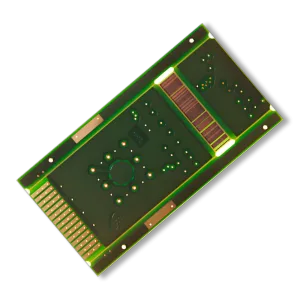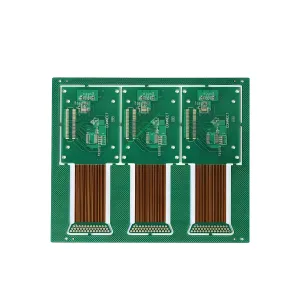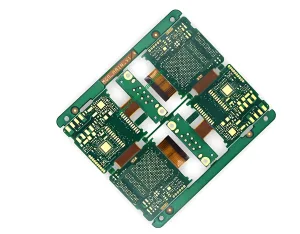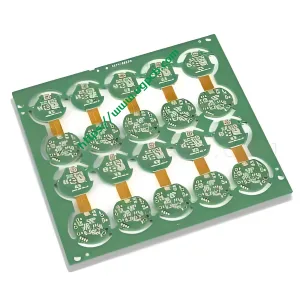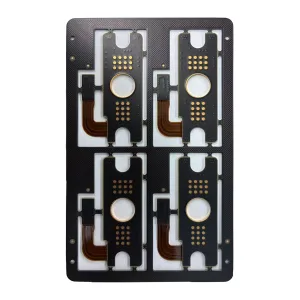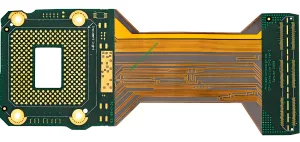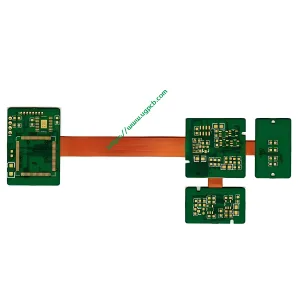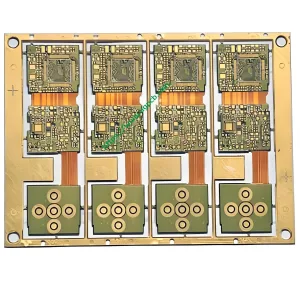
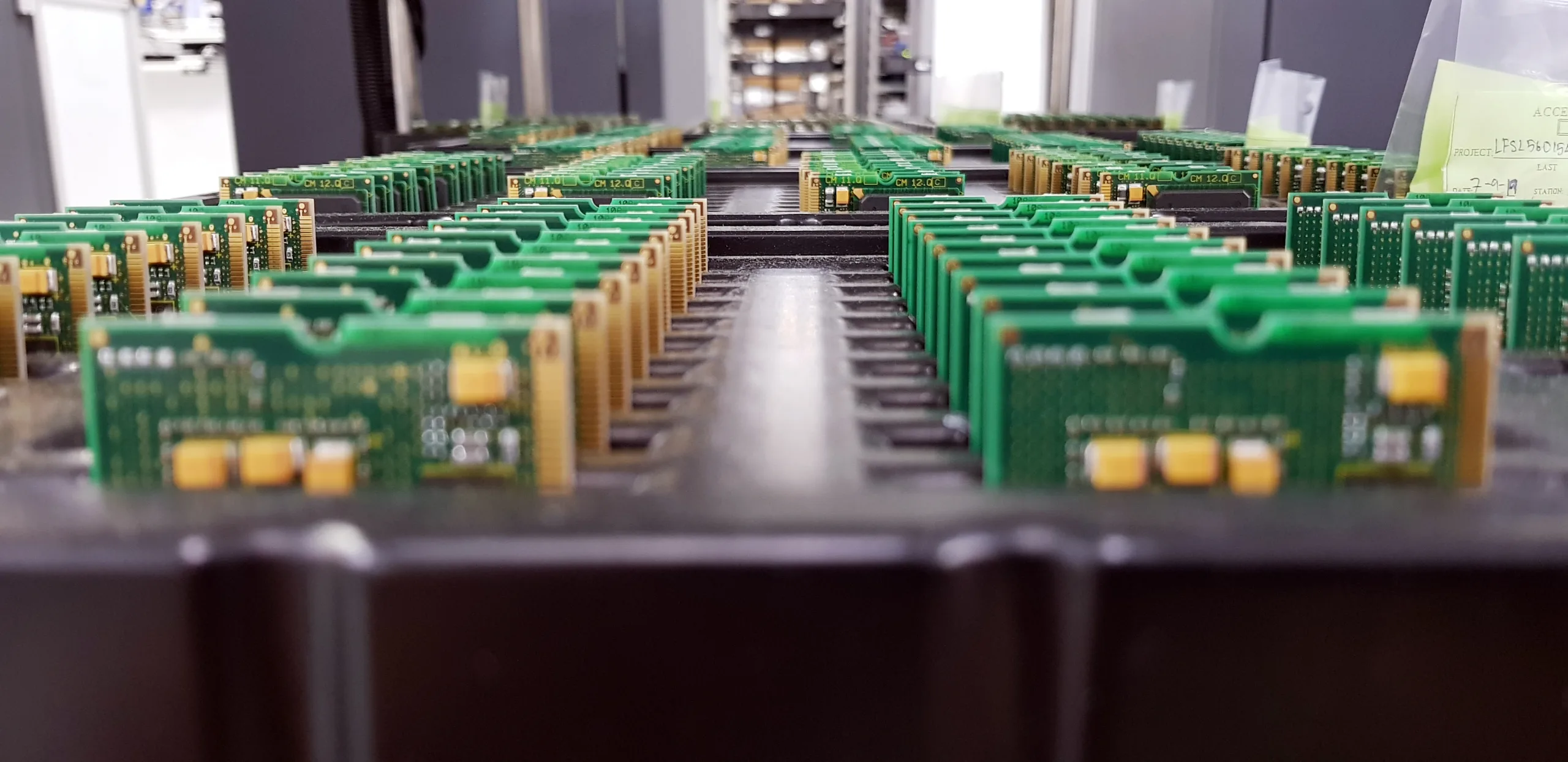
Inginerii au nevoie de design compact și conexiuni fiabile pentru purtarea inteligentă.
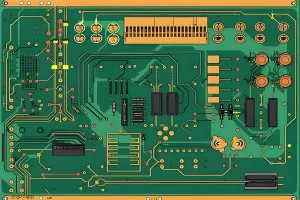
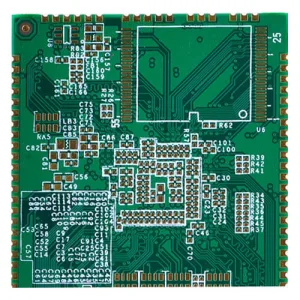
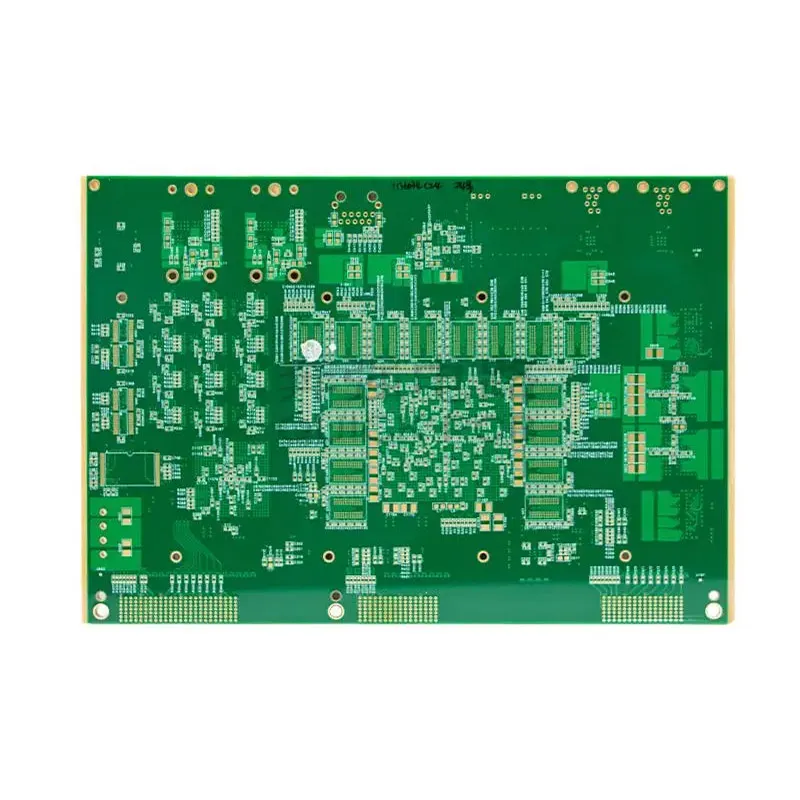
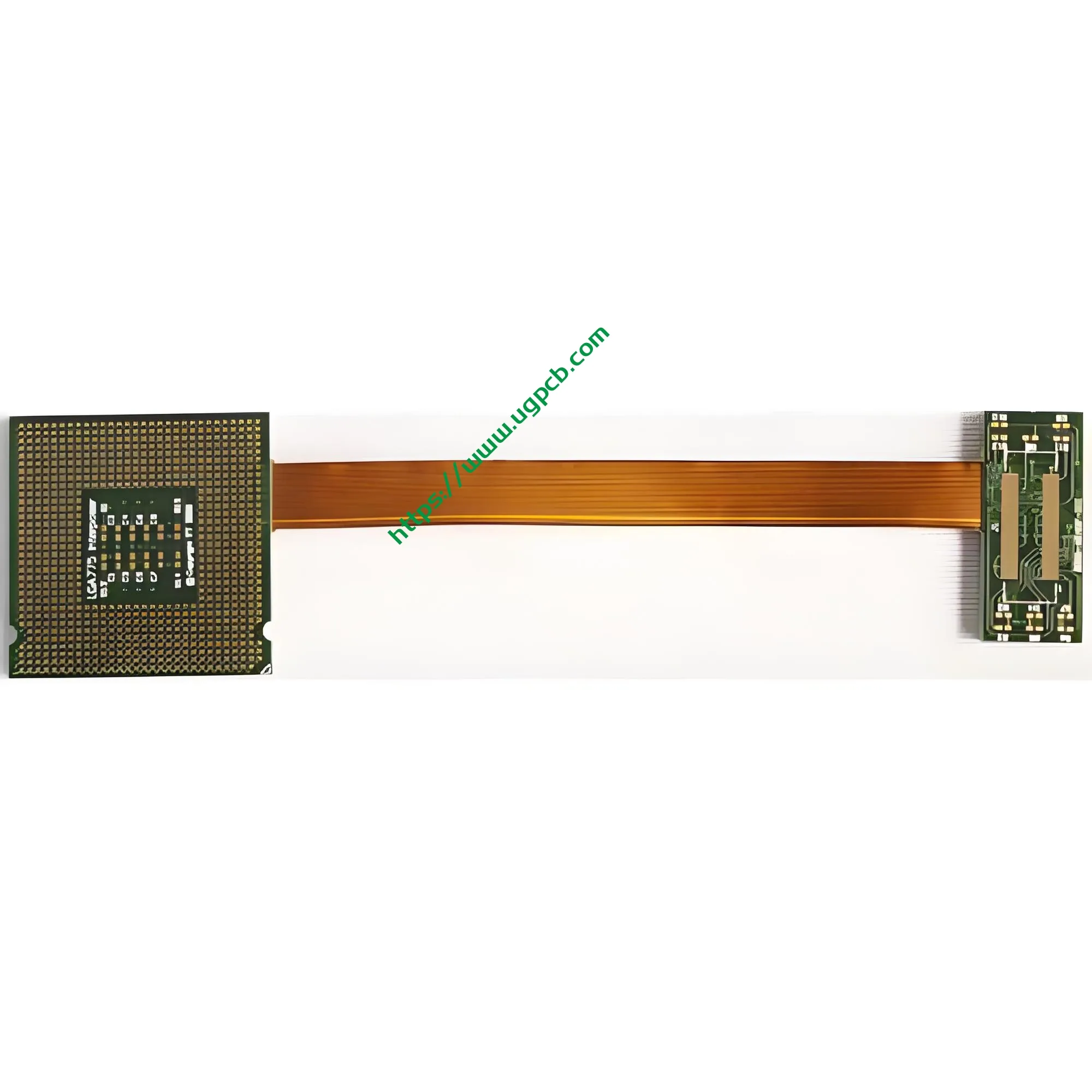
UGPCB introduce Model 8L Smart Wear PCB Rigid-Flex (R-FPCB). Această placă combină 6 straturi rigide şi 2 straturi flexibile. Rezolvă provocările legate de spațiu și de îndoire purtabil PCB -uri.
1. Ce este un PCB Smart Wear Rigid-Flex?
O PCB rigid-flex are ambele secțiuni rigide (pentru lipirea componentelor) și secțiuni flexibile (pentru interconectare 3D).
Noastre 8L Smart Wear R-FPCB funcționează perfect pentru ceasurile inteligente, plasturi de sănătate, și ochelari AR.
The 6 straturile rigide suportă cablaje de înaltă densitate. The 2 straturile flexibile permit îndoirea liberă.
Acest design înlocuiește conectorii de la placă la placă și cablurile plate. Elimină defecțiunile de contact frecvente la dispozitivele mici. De asemenea, îmbunătățește rezistența la șocuri prin îndepărtarea articulațiilor mecanice.
2. Clasificarea științifică
Bazat pe IPC-6013 (Specificații de calificare și performanță pentru plăci imprimate flexibile), acest produs se încadrează în:
-
Tip: Clasă 3 (de înaltă fiabilitate – medical/militar/purtabil) multistrat rigid-flex.
-
Constructii: Asimetric (6 rigid + 2 flex).
-
Nivel de aplicare: Produse purtatoare de înaltă fiabilitate pentru consumatori.
3. Material & Stivuire: De ce PI + FR4?
Selectăm materiale în funcție de proprietățile fizice și stabilitatea termică.
Zona rigidă – FR4
Noi folosim TG 170 FR4 (temperatură ridicată de tranziție sticloasă). Menține expansiunea scăzută a axei Z în timpul mai multor cicluri de reflux. Acest lucru asigură un randament ridicat de lipire BGA.
Zona flexibilă – Poliimidă (Pi)
Noi folosim Film de poliimidă pentru straturile flexibile. PI are o constantă dielectrică scăzută și o temperatură largă de lucru (-200°C până la +300°C). Permite peste 100,000 cicluri de îndoire fără fisurare. Acest lucru este critic pentru flexibil Plăci de circuite tipărite în purtabile.
Constructii stivuite
Straturile flexibile (L1/L2) se încadrează în interiorul secțiunii rigide. Folosim laminarea în trepte la limita de tranziție pentru a răspândi stresul mecanic.
Regula de proiectare: Nu așezați niciodată vias în zona de îndoire. Acest lucru previne microfisurile cauzate de concentrarea tensiunilor. Designul nostru urmează cu strictețe această regulă IPC-2223.
4. Performanța cheie & Parametrii de proiectare (Conform IPC-2223)
Tabelul de mai jos prezintă specificațiile critice pentru 8L placă rigid-flex purtabilă.
| Parametru | UGPCB 8L R-FPCB Valoare | Design Insight |
|---|---|---|
| Structura stratului | Rigid 6L + Flex 2L | Stiva asimetrică necesită compensare specială pentru a evita deformarea |
| Grosime terminată | 1.2mm (zona rigida) | Optimizat pentru impedanță controlată – îndeplinește clasa IPC 2/3 |
| Min min / Spaţiu | 3mil / 3mil | HDI capacitate – se potrivește modelelor cu ramă îngustă |
| Orificiu mecanic minim | 0.2mm | Crește densitatea de rutare |
| Grosime de cupru | 1 Oz (interior & exterior) | Suporta curenți mari de încărcare |
| Finisaj de suprafață | Aur de imersiune (De acord) | 2 microinchi grosime de aur |
5. De ce să alegeți UGPCB pentru proiectul dvs. PCB purtabil?
O. Gata cu rupere Flex
Dispozitivele purtabile se îndoaie în mod repetat (De ex., curele de ceas). Noi folosim material de bază fără adeziv pe zona flexibilă. Aplicam si noi rutarea arcului în loc de urme de 45°.
Date din laboratorul nostru: Dirijarea arcului îmbunătățește distribuția tensiunii de cupru prin 40% comparativ cu urmele unghiulare. Acest lucru elimină fracturile de oboseală.
B. Imersion Gold pentru rezistență la transpirație
Terminăm suprafața cu De acord (Aur de imersiune), 2 microinchi grosime.
De ce? Transpirația și umiditatea corodează cuprul expus. ENIG oferă o suprafață plată (mai bun decât OSP) și rezistență excelentă la coroziune. De asemenea, acceptă contactul direct pentru butoane.
C.. Integritate puternică a semnalului
PCB-uri de uzură inteligentă nevoie de semnale Bluetooth și Wi-Fi curate. Noastre 6 straturile rigide includ planuri dedicate de putere și masă. Acestea oferă o cale de întoarcere completă pentru semnalele RF. Acest lucru reduce interferențele electromagnetice (EMI) la minim.
6. Procesul de fabricație & Controlul calității
UGPCB utilizează linii automate pentru a asigura un randament ridicat pentru 8L PCB rigid-flex.
-
Tăierea materialului & foraj – Laser UV forează micro-vias de 0,2 mm în film PI.
-
Defrânjează & cupru electroless – Curățarea cu plasmă îndepărtează reziduurile de rășină din găuri.
-
Modelarea circuitelor – Ldi (imagistica directa cu laser) creează urme de 3mil/3mil cu precizie.
-
Laminare – Preimpregnat cu debit scăzut controlează scurgerea rășinii la joncțiunea rigidă-flex.
-
Finisaj de suprafață – Control chimic strict pentru chiar depunerea ENIG.
7. Aplicații: Unde excelează acest PCB Rigid-Flex
Acest R-FPCB se potrivește dispozitivelor care necesită atât densitate, cât și îndoire:
-
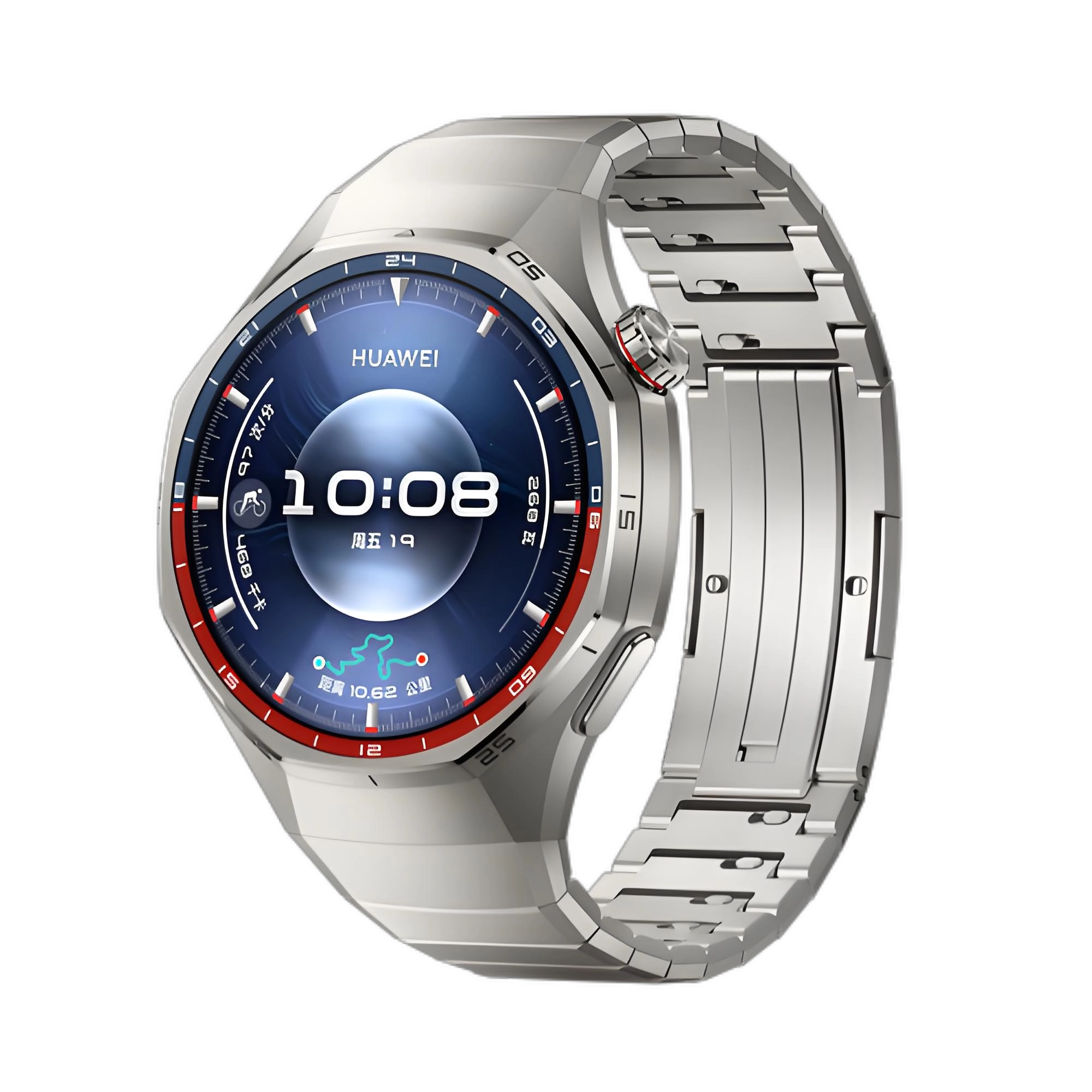
Ceasuri inteligente & benzi de fitness – conectați placa principală la butoanele laterale și la senzorii de ritm cardiac.
-
Căști TWS – se potrivește în tulpini curbate și în zonele balamalei.
-
Plasturi de monitorizare medicală – ultra-subțire, circuite flexibile conforme cu pielea.
-
Ochelari inteligenți – legați brațele stânga și dreapta în jurul balamalei.
 8. Standarde & Date de fiabilitate
Proiectăm și testăm acest lucru PCB purtabil conform specificațiilor internaționale:
-
Standard de proiectare: IPC-2223 (Design flexibil al plăcii imprimate)
-
Test de performanță: IPC-6013 (Calificarea consiliului flexibil)
-
Validarea fiabilității (laboratorul UGPCB):
-
10 cicluri de reflux (vârf 260°C) – fără delaminare
-
1000 ore de căldură umedă (85° C. / 85% RH) – fara coroziune
-
100,000 curburi dinamice – fără urme de fisură
-
9. Obțineți o cotație – Începeți proiectul dvs. de purtabil astăzi
UGPCB oferă prototipuri și producție în masă. Înțelegem calendarul și nevoile dvs. de calitate pentru PCB-uri de uzură inteligentă.
Trimiteți-ne fișierele sau schemele dvs. Gerber. Inginerii noștri vor răspunde în termen 24 ore cu:
-
O DFM (Design pentru producție) raport
-
O ofertă competitivă
[Îndemn la acțiune: Solicitați cotație / Contactați vânzări]