UGPCB-LOGO
Ultradünne einseitige Flex-Leiterplatte mit Aluminiumversteifung Produktübersicht & Definition
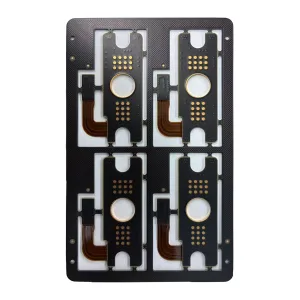
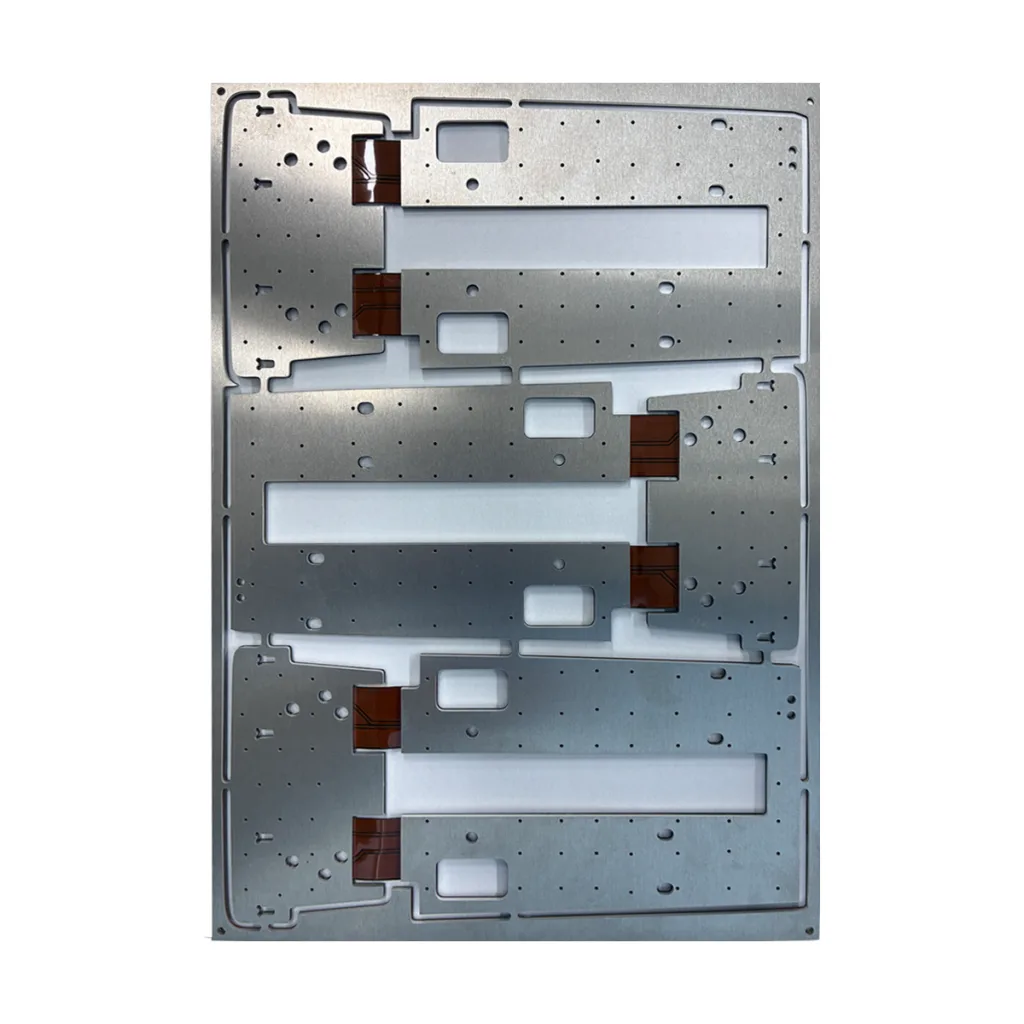
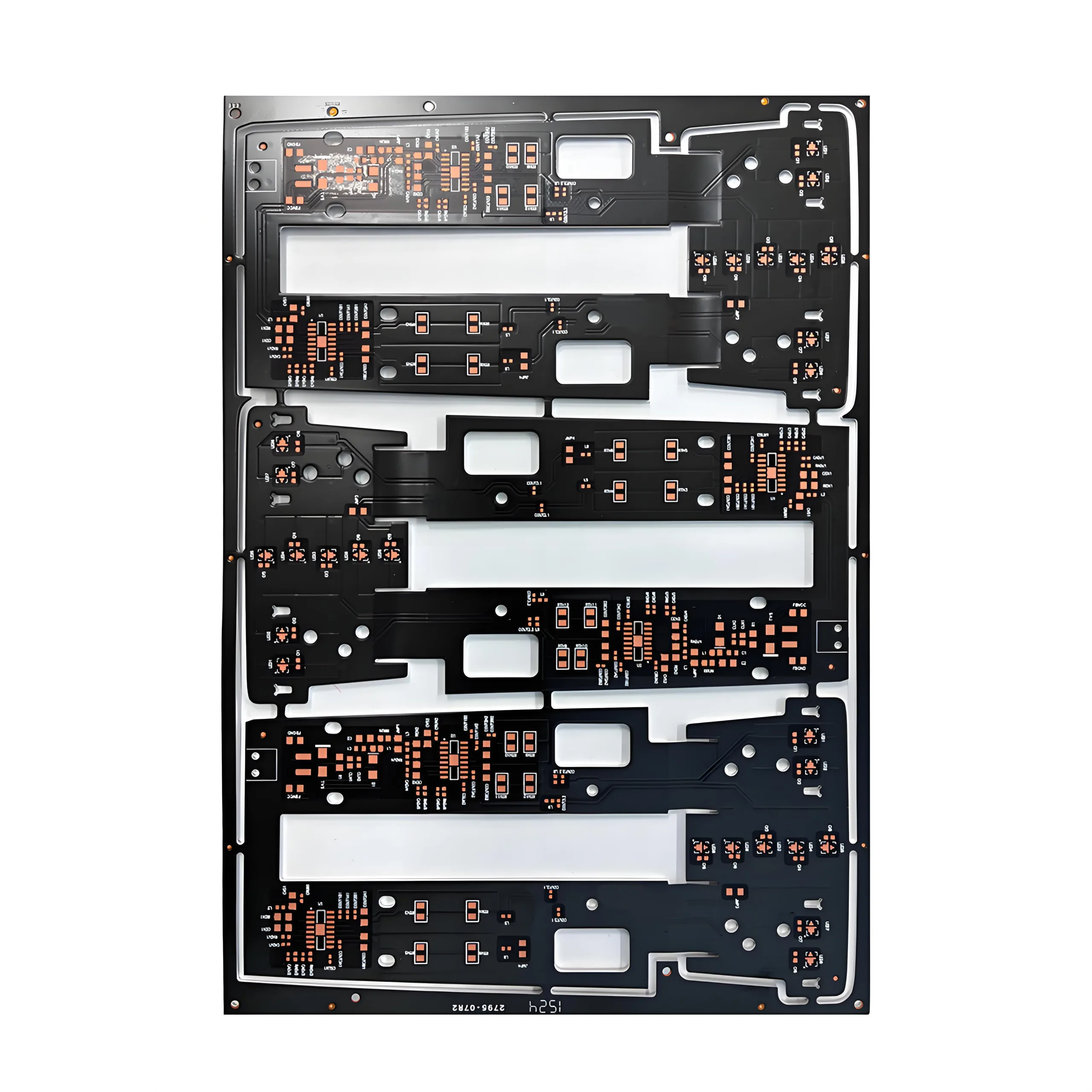
Im Streben nach Dünnerem, leichter, und zuverlässigere elektronische Geräte, UGPCB Ultradünner einseitiger Flex Leiterplatte mit Aluminiumversteifung stellt die optimale Verbindung von flexibler Schaltungstechnik und Strukturverstärkung dar. Diese Lösung wurde entwickelt, um der kritischen Herausforderung gerecht zu werden, die sowohl dynamische Flexibilität als auch lokale Steifigkeit erfordert, Verbesserte Wärmeabteilung, und überlegene Dimensionsstabilität auf engstem Raum.
Dieses Produkt ist wissenschaftlich als klassifiziert: Einseitig, Flexible gedruckte Schaltung auf Klebstoffbasis (FPC) mit einer lokalisierten Aluminiumversteifung. Es verfügt über eine standardmäßige einseitige FPC-Konstruktion mit einer präzise verbundenen Versteifung aus Aluminiumlegierung in bestimmten Zonen, Schaffung einer kostengünstigen “starr-flexartig” Leistung dort, wo es am wichtigsten ist.
Schlüsselspezifikationen
-
Schichtzahl: 1 Schicht (Einseitiger Leiter)
-
Gesamtdicke: 0.2mm ±0,08 mm (Inklusive Grundmaterial, Kupfer, und Versteifung)
-
Grundmaterial: Shengyi S1145 oder gleichwertig 1oz (70µm) Kupfer / 25µm Polyimid (PI) Einseitig, Flex-Laminat auf Klebstoffbasis
-
Versteifungsmaterial: Aluminiumlegierung (z.B., 5052 oder 1060)
-
Oberflächenbeschaffung: OSP (Bio -Lötlichkeitsschutz)
-
Brettabmessungen: 240mm x 165 mm (Anpassbar pro Design)
Design-Grundlagen & Strukturanalyse
Erfolgreich Aluminiumversteifung im FPC-Design beginnt mit der genauen Anwendungsanalyse. Konstrukteure müssen definieren:
-
Platzierung der Versteifung: Identifizieren Sie genau die Bereiche für die Steckverbindermontage, Komponentenplatzierung, oder mechanische Befestigung.
-
Dynamische Flexzonenplanung: Stellen Sie sicher, dass das Biegen nur in den dafür vorgesehenen flexiblen Bereichen erfolgt, Vermeiden Sie die Versteifung, um die Biegelebensdauer zu maximieren.
-
Wärmemanagementpfad: Nutzen Sie die hohe Wärmeleitfähigkeit des Aluminiums, indem Sie Kupferpads unter Wärmeentwicklung verbinden Komponenten (z.B., LEDs, ICs) direkt an der Versteifung, Schaffung eines effizienten Wärmeverteilungswegs.
-
Toleranz & Anmeldung: Kontrollieren Sie die Ausrichtungstoleranz zwischen der Versteifung und dem FPC genau, um eine genaue Platzierung der Montagelöcher sicherzustellen.
Wie es funktioniert & Leistungsvorteile
Der Leiterplatte mit Aluminiumversteifung funktioniert nach einem einfachen, aber effektiven Prinzip:
-
In flexiblen Bereichen: Die dünne PI- und Kupferkonstruktion sorgt für hervorragende dynamische Flexibilität und Platzersparnis.
-
In versteiften Bereichen: Die Aluminiumplatte bietet eine starre, PCB-ähnliche mechanische Unterstützung, Verhindert ein Reißen beim Zusammenstecken des Steckverbinders oder beim Schrauben, während die lokale Wärme schnell abgeleitet wird.
Kernfunktionen & Vorteile:
-
Außergewöhnlich dünn: ~0,2-mm-Profil, ideal für ultraschlanke Geräte.
-
Gezielte Steifigkeit-Flexibilität: Löst das “wo man starr sein soll, wo man flexibel sein kann” Dilemma in einem, kostengünstiges Paket.
-
Verbesserte thermische Leistung: Die Aluminiumversteifung fungiert als integrierter Wärmeverteiler, Verbesserung der Komponentenzuverlässigkeit.
-
Überragende Dimensionsstabilität: Der versteifte Bereich widersteht Verformungen bei thermischer und mechanischer Belastung, Gewährleistung einer präzisen Montage.
-
Hohe Zuverlässigkeit & Haltbarkeit: Schützt Lötstellen und Vias in kritischen Bereichen vor Belastung und Ermüdung.
-
OSP-Oberflächenfinish: Bietet hervorragende Lötbarkeit und eine flache Oberfläche für eine zuverlässige SMT-Montage.
Herstellungsprozess & Qualitätskontrolle
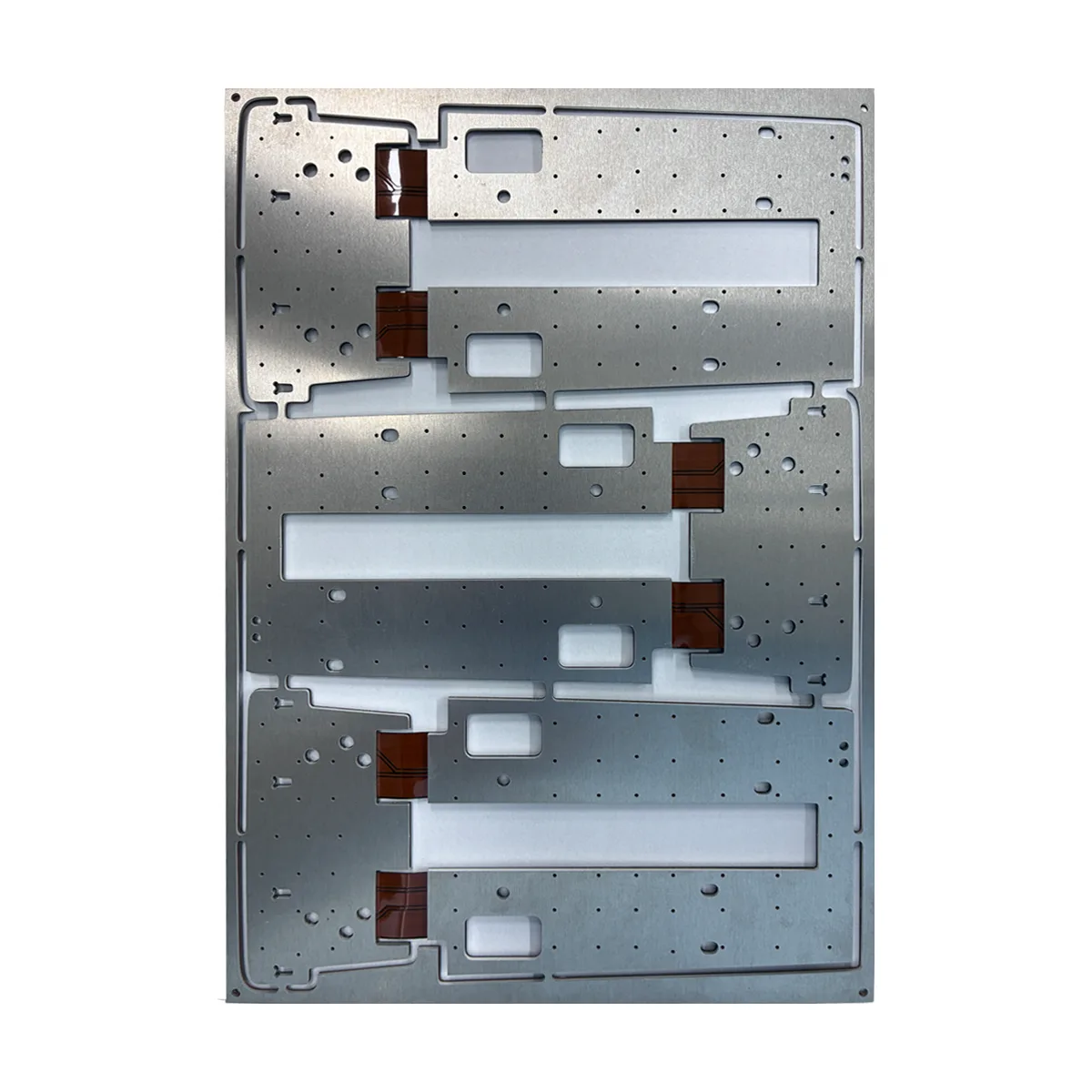
UGPCB beschäftigt einen ausgereiften Verfahren zur Befestigung der Flex-Schaltungsversteifung Gewährleistung von Präzision und Zuverlässigkeit:
-
FPC-Herstellung: Verarbeitung von Laminat auf Klebstoffbasis (z.B., Shengyi) durch Musterung, Radierung, und Bohren.
-
Oberflächenbearbeitung: Auftragen einer OSP-Beschichtung auf freiliegende Kupferpads.
-
Präzisionslaminierung: Verklebung der vorgeschnittenen Aluminiumversteifung mit dem FPC durch kontrollierte Hitze und Druck mit Klebstoff (Prepreg- oder Basismaterial-Klebeschicht).
-
Konturrouting & Profilierung: Endgültiger Board-Überblick, Versteifungsform, und Befestigungslöcher werden durch CNC- oder Laserschneiden erstellt.
-
Umfassende Tests: Inklusive elektrischer Prüfung (Fliegende Sonde/Vorrichtung), dimensional AOI, und Schälfestigkeitstests für die Versteifungsverbindung.
Primäranwendungen & Anwendungsfälle
Das ultradünne flexible Leiterplatte mit Metallversteifung ist ideal für:
-
Unterhaltungselektronik: Flexkabel mit seitlichen Tasten, Kameramodul-FPCs, Displayanschlüsse in Smartphones/Tablets.
-
LED-Beleuchtung: Ultradünne LED-Streifen und flexible Leuchtreklamen, wobei die Versteifung die Wärmeableitung und mechanische Befestigung unterstützt.
-
Kfz -Elektronik: Sensorkabelbäume, Armaturenbrett-Hintergrundbeleuchtungseinheiten, die Vibrationsfestigkeit erfordern.
-
Industrieausrüstung: Anschlüsse für Präzisionssonden, Interne Verkabelung in Roboterarmen erfordert örtliche Verstärkung.
-
Medizinprodukte: Interne Verbindungen für tragbare medizinische Geräte, die Zuverlässigkeit bei geringem Gewicht erfordern.