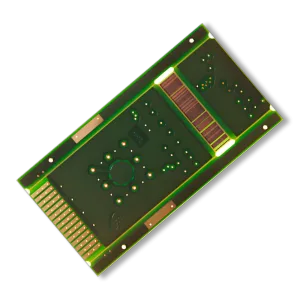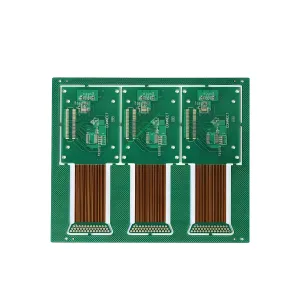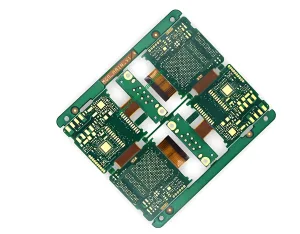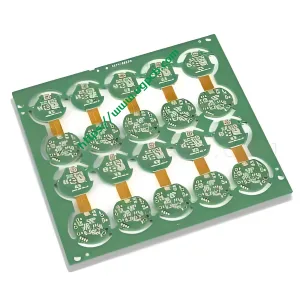
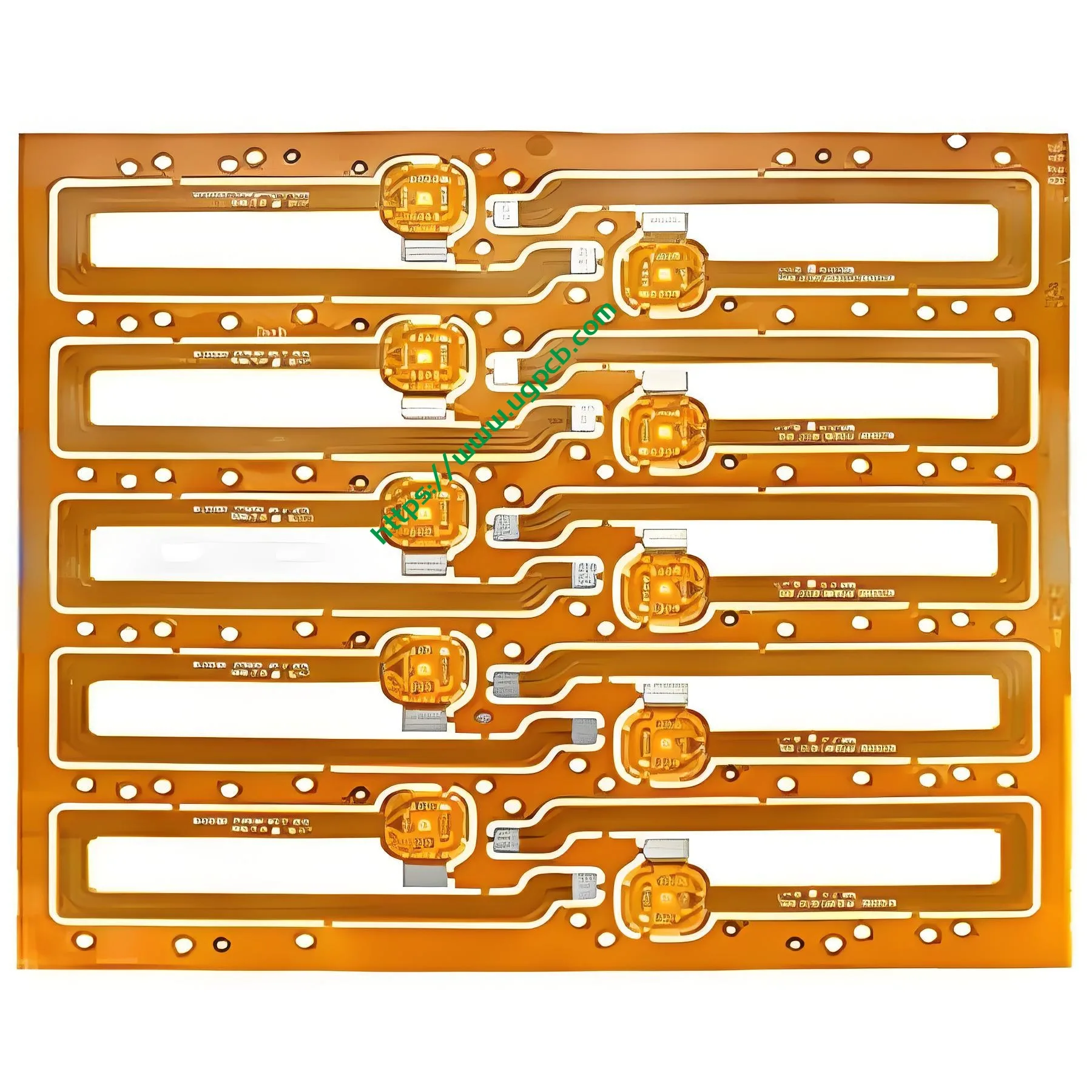
Produkteinführung: Fingerabdruck-Identifizierung FPCB – der entscheidende Träger im biometrischen Zeitalter
Mit der schnellen Einführung von Vollbild-Smartphones, Intelligente Schlösser, und schlüssellose Autozugangssysteme, Fingerabdruck-Identifikation FPCB (Flexible Leiterplatte zur Fingerabdruckerkennung) ist zu einem wesentlichen Bestandteil biometrischer Module geworden. UGPCB nutzt über zehn Jahre Erfahrung in der Herstellung flexibler Schaltkreise, um Höchstleistungen zu liefern Fingerabdruck-Identifizierung FPC zugeschnitten auf Fingerabdruckmodule. Unsere Produkte kombinieren Präzisionstechnik mit stabiler Qualität, um globale Kunden zu bedienen.
Dieser Artikel behandelt die Produktdefinition, Design-Essentials, Arbeitsprinzip, Materialien, Struktur, Leistung, Herstellungsprozess, und Anwendungen. Es erklärt auch, warum UGPCB ein zuverlässiger Partner für Sie ist Fingerabdruck-Identifizierung FPC Bedürfnisse.
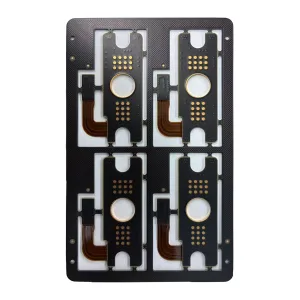
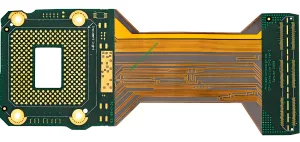
A Fingerabdruck-Identifikation FPCB integriert Fingerabdruck-Sensortechnologie mit einer flexiblen Leiterplatte. Verwendung von Polyimid (PI) als Grundmaterial, Es ermöglicht eine Hochgeschwindigkeitssignalübertragung zwischen Fingerabdrucksensor und Steuerchip. Im Vergleich zu starr Leiterplatten, Die Fingerabdruck-Identifizierung FPC ist biegbar, ultradünn, und leicht. Es eignet sich für komplexe Montageumgebungen wie faltbare Telefonbildschirme, gebogene Abdeckungen, und kompakte mechanische Gehäuse.
Produktübersicht: UGPCB-Fingerabdruckidentifikation FPCB-Schlüsselparameter
UGPCB Fingerabdruck-Identifikation FPCB Befolgt strikt IPC-6013 (Qualifikations- und Leistungsspezifikation für flexible Leiterplatten). Die wichtigsten Parameter sind unten aufgeführt.
| Parameter | Spezifikation | Standard / Notiz |
|---|---|---|
| Modell | Fingerabdruck-Identifikation FPCB | UGPCB-kundenspezifisches Modell |
| Grundmaterial | Polyimid (PI) | UL 94 V-0 Flammenbewertung |
| Schichtzahl | 2 Schichten | Doppelseitiges Brett |
| Coverlay-Farbe | Gelb / Weiß | Optional |
| Fertige Dicke | 0.15mm | Entspricht dem Standard für Unterhaltungselektronik (0.08–0,5 mm) |
| Kupferdicke | 0.5 OZ (18μm) | IPC-6013D-Toleranz ±12 % |
| Oberflächenbeschaffung | Immersionsgold (ZUSTIMMEN) | Hohe Verschleißfestigkeit für Fingerabdruckmodule |
Quellenanmerkungen: IPC-6013D spezifiziert eine Dicketoleranz des Grundmaterials von ±8 % und eine Toleranz der Kupferdicke von ±12 %.. UL 94 V-0 erfordert Selbstverlöschung im Inneren 10 Sekunden und keine brennenden Tropfen. JPCA-ET04 erfordert einen Mindestbiegeradius von ≥10T (T = Gesamtdicke).
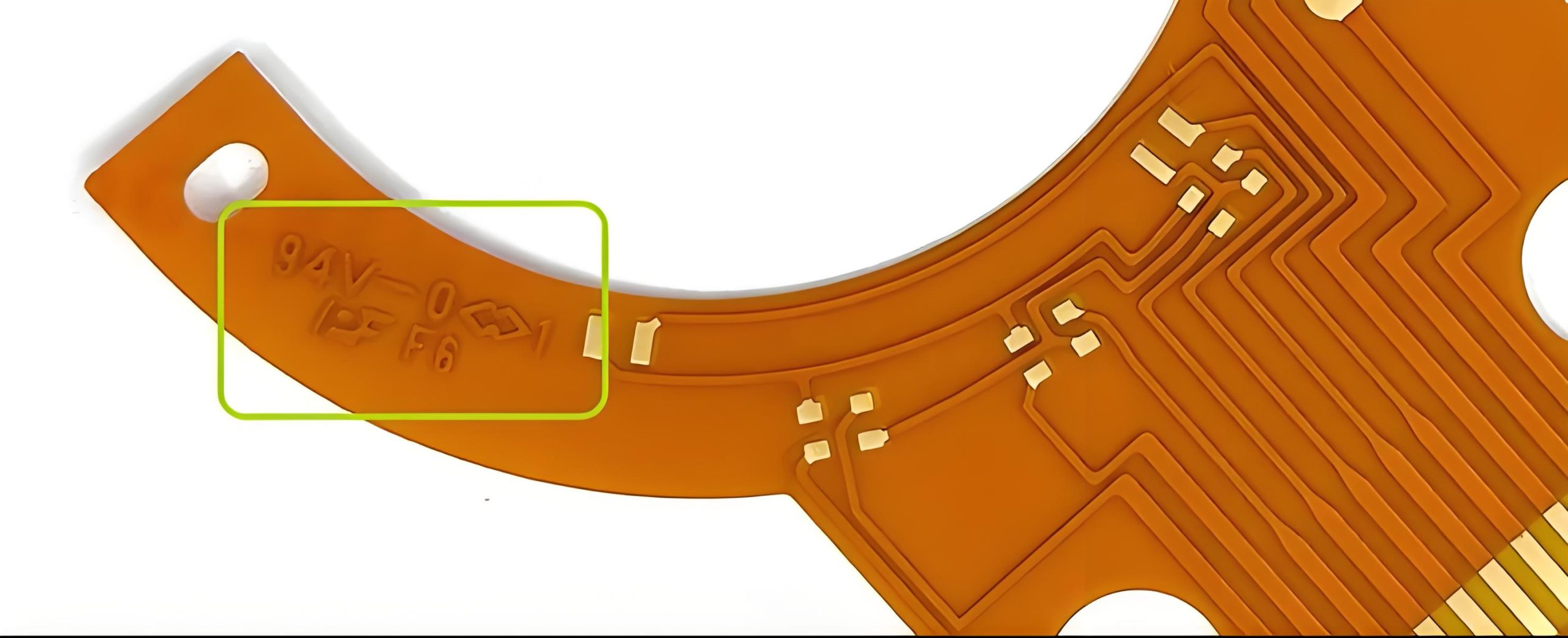
Definition und wissenschaftliche Klassifizierung der Fingerabdruckidentifikation FPCB
Definition
A Fingerabdruck-Identifizierung FPC ist eine spezielle flexible Leiterplatte, die die Fingerabdruck-Sensortechnologie umfassend integriert. Es bietet elektrischen Anschluss und mechanische Unterstützung für den Fingerabdrucksensor, Treiber-IC, und Signalverarbeitungschip. Es sorgt für eine zuverlässige Fingerabdruckerfassung, Signalverarbeitung, und Datenübertragung.
Wissenschaftliche Klassifikation
Basierend auf den Prinzipien der Fingerabdruckerkennung, Fingerabdruck-Identifikation FPCB unterstützt drei Modultypen:
-
Kapazitives Fingerabdruckmodul FPC – Nutzt Kapazitätsunterschiede zwischen Bergrücken und Tälern. Dies ist die gängige Lösung in der Unterhaltungselektronik.
-
Optisches Fingerabdruckmodul FPC – Erfasst Fingerabdruckbilder mithilfe von Lichtbrechung und -reflexion.
-
Ultraschall-Fingerabdruckmodul FPC – Verwendet reflektierten Ultraschall, um 3D-Fingerabdruckbilder zu erstellen. Es bietet starke Penetration und hohe Sicherheit.
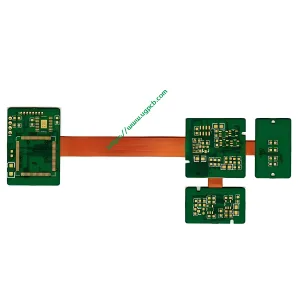
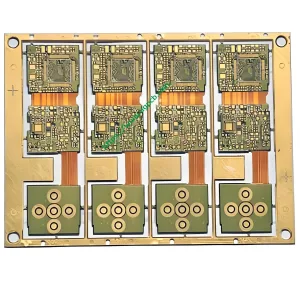
Basierend auf der FPC-Struktur, Zu den gängigen Typen gehören standardmäßige doppelseitige FPC, FPC mit erhabenen Elektroden, und Starrflex-Boards. Das zweischichtige doppelseitige PI-FPC von UGPCB gehört zur standardmäßigen doppelseitigen Kategorie. Es bietet eine hohe Wirtschaftlichkeit, ausgereifte Prozesse, und stabile Leistung.
Design-Grundlagen für die Fingerabdruck-Identifizierung von FPCB
1. Stapelung und Impedanzkontrolle
Die Qualität der Signalübertragung wirkt sich direkt auf die Geschwindigkeit und Genauigkeit der Fingerabdruckerkennung aus. UGPCB konzentriert sich auf diese Schlüsselparameter:
-
Impedanzkontrolle: 50Ω ±10 % (ref. IPC-2223)
-
Signalverlust: <0.3dB/cm bei 40 MHz
-
Dielektrizitätskonstante: PI-Basismaterial 3,2 ± 0,2 bei 1 GHz
2. Leiterbahnpräzision und Via-Design
-
Mindestlinienbreite/-abstand: 60μm/60μm
-
Min. Durchgangsdurchmesser: 0.15mm (Standard), 0.1mm (feine Tonlage)
-
Über Kupferdicke: ≥8μm (IPC-6013D-konform)
3. Ebenheit der Platine
Der Fingerabdruck-Identifizierung FPC erfordert Ebenheit <50μm. Dies gewährleistet Koplanarität und Lötsicherheit bei der SMT-Montage von Sensor und IC.
4. Elektromagnetische Kompatibilität (EMC) Design
Fingerabdruckmodule reagieren empfindlich auf elektromagnetische Störungen (EMI). UGPCB umfasst die folgenden Maßnahmen:
-
Enge Kopplung zwischen Signal- und Erdungsschichten zur Minimierung der Schleifenfläche.
-
Bodenschutzspuren um kritische Signalleitungen herum.
-
Erdungswiderstand des Versteifungsstahlblechs ≤1 Ω für effektive ESD-Ableitung.
Funktionsprinzip der Fingerabdruck-Identifizierung FPCB
Am Beispiel der gebräuchlichsten kapazitiven Fingerabdruckerkennung, Die Fingerabdruck-Identifizierung FPC funktioniert in vier Schritten.
Schritt 1: Fingerabdruckerfassung. Wenn ein Finger den Sensor berührt, Der Finger fungiert als eine Kondensatorplatte und das Silizium-Sensorarray fungiert als andere Platte. Grate (Vorsprünge) und Täler (Lücken) unterschiedliche Abstände schaffen, also unterschiedliche Kapazitätswerte. Der kapazitive Sensor liest diese Unterschiede, um rohe Fingerabdrucksignale zu erfassen.
Schritt 2: Signalübertragung. Rohe Fingerabdrucksignale wandern durch die Fingerabdruck-Identifizierung FPC zum Signalverarbeitungschip. Das verlustarme Design des FPC gewährleistet Signalintegrität und Störfestigkeit.
Schritt 3: Signalverarbeitung und -anpassung. Der Verarbeitungschip verbessert sich, verfeinert, und extrahiert Merkmale aus dem Fingerabdruckbild. Es vergleicht die extrahierten Merkmale mit vorab gespeicherten Fingerabdruckvorlagen. Matching-Algorithmen umfassen minutienbasiertes Matching, texturbasiertes Matching, und Deep-Learning-Methoden.
Schritt 4: Ergebnisausgabe. Wenn die Ähnlichkeit einen voreingestellten Schwellenwert überschreitet, Das System gibt ein erfolgreiches Erkennungssignal aus. Die gängigen kapazitiven Sensoren von heute erreichen eine Erkennung + Entsperrgeschwindigkeiten von 0,15–0,2 Sekunden. Benutzer erleben nahezu keine spürbare Verzögerung.
Materialien zur Fingerabdruckidentifikation FPCB
Grundmaterial: Polyimid (PI)
UGPCB wählt Polyimid (PI) als isolierendes Grundmaterial für die Fingerabdruck-Identifikation FPCB. PI bietet diese Vorteile:
-
Hohe Temperaturbeständigkeit: Hält Reflow-Löten über 260 °C für die SMT-Montage stand.
-
Hervorragende elektrische Isolierung: Volumenwiderstand >10¹⁶ Ω·cm, hohe Spannungsfestigkeit.
-
Gute mechanische Flexibilität: hervorragende Biegeermüdungslebensdauer für dynamisches Biegen.
-
Flammenbewertung: UL 94 V-0 nachgiebig – erlischt von selbst 10 Sekunden, keine brennenden Tropfen.
Kupferfolie: 0.5 OZ gewalztes, geglühtes Kupfer
-
Dicke: 0.5 OZ ≈ 18μm
-
Typ: Gewalztes, geglühtes Kupfer – bessere Flexibilität und Biegefestigkeit als galvanisch abgeschiedenes Kupfer.
-
Reinheit: ≥99,8 % Cu
Oberflächenbeschaffung: Immersionsgold (ZUSTIMMEN)
-
Verfahren: Chemisch vernickeltes Immersionsgold (ZUSTIMMEN) – Nickelschicht 2–6μm, Goldschicht ≥0,05μm.
-
Vorteile: ausgezeichnete Ebenheit, gute Lötbarkeit, Oxidationsbeständigkeit, Korrosionsbeständigkeit, und mehrere Einfügezyklen.
-
Anwendungen: Drahtbonden und SMT-Montage für Fingerabdrucksensoren.
Leistung der Fingerabdruck-Identifizierungs-FPCB
Elektrische Leistung
| Parameter | Wert |
|---|---|
| Isolationsresistenz | ≥10⁸ Ω (normaler Zustand) |
| Dielektrisch beständig | 500In DC, 1 Min. keine Panne |
| Leiterwiderstand | ≤100Ω/100mm (spezifische Spuren) |
| Impedanzkontrolle | 50Ω ±10 % |
Mechanische Leistung
| Parameter | Wert | Standard |
|---|---|---|
| Biegeermüdungslebensdauer | ≥100.000 Zyklen (R=3mm, 90° biegen) | - - |
| Mindestbiegeradius | ≥10T (T = Gesamtdicke) | JPCA-ET04 |
| Schälfestigkeit | ≥0,8 kgf/cm | IPC-TM-650 |
Umweltzuverlässigkeit
| Testelement | Zustand | Erfordernis |
|---|---|---|
| Hochtemperaturlagerung | 85°C, 1000H | Keine Blase, Keine Delaminierung |
| Lagerung bei niedriger Temperatur | -40°C, 1000H | Elektrische Leistung normal |
| Feuchte Hitze (Gleichgewichtszustand) | 85°C/85 % relative Luftfeuchtigkeit, 500H | Isolationswiderstand ≥10⁸ Ω |
| Thermoschock | -40°C ↔ 85°C, 100 Zyklen | Nicht geöffnet, nicht kurz |
| Lötbarkeit | 245°C±5°C, 3–5 Sek | Gute Benetzung ≥95 % |
Herstellungsprozess der Fingerabdruck-Identifizierungs-FPCB
UGPCB folgt den IPC-6013-Standards. Der Produktionsprozess für Fingerabdruck-Identifikation FPCB umfasst die folgenden wichtigen Schritte.
Prozessübersicht
Blanke FPC-Herstellung → Lötpastendruck → SMT-Pick-and-Place → Reflow-Löten → AOI-Inspektion → Bauteildosierung → Laserschneiden & Vereinzelung → Unterfüllung → Backen → Metallring/Abdeckungsbefestigung → Druckbacken → Abschließende elektrische Prüfung → Verpackung & Versand
Wichtige Qualitätskontrollpunkte
-
Schaltungsmuster: LDI-Laser-Direktbildgebung mit Strichbreitentoleranz ±10 %.
-
Laminierung: Vakuum-Heißpresse mit Druckschwankung <5% für eine gute Schichthaftung.
-
Oberflächenbeschaffenheit: Inline-Golddickenüberwachung für ENIG – Goldschicht 0,05–0,1 μm.
-
Inspektion: AOI + Flying-Probe-Test + 4-Draht-Niederwiderstandstest für 100% elektrischer Ertrag.
Wichtige SMT-Montageprozesse
Für Fingerabdruck-Identifizierung FPC, Während der SMT ist besondere Aufmerksamkeit erforderlich:
-
Schablonendesign: Für BGA-Fingerabdrucksensoren, Verwenden Sie quadratische Öffnungen mit abgerundeten Ecken. Flächenverhältnis ≥0,66.
-
Reflow-Profil: Spitzentemperatur 240–250 °C, Zeit über 220°C für 60–90 Sekunden.
-
Platzierungsgenauigkeit: Genauigkeit der Pick-and-Place-Maschine von ±0,05 mm für eine präzise Chip-zu-Pad-Ausrichtung.
Funktionen und Hauptvorteile
-
Ultradünn und leicht: Die fertige Dicke von 0,15 mm spart wertvollen Innenraum.
-
Hohe Flexibilität: Passt sich an gebogene und gefaltete komplexe Gehäuse an. Die dynamische Biegelebensdauer überschreitet 100,000 Zyklen.
-
Stabile Signalübertragung: Der geringe dielektrische Verlust von PI gewährleistet die Integrität des Fingerabdrucksignals.
-
Hohe Integration: Unterstützt die Integration eines Fingerabdrucksensors, Treiber-IC, und Verschlüsselungs-IC auf einer Platine.
-
Hohe Zuverlässigkeit: Erfüllt UL 94 V-0 Flammenbewertung und IPC-6013-Leistungsanforderungen.
-
Hervorragende Lötbarkeit: Die ENIG-Oberflächenveredelung sorgt für eine hohe SMT-Bestückungsausbeute.
Hauptanwendungen und Einsatzszenarien
1. Smartphones
Der Fingerabdruck-Identifizierung FPC ist eine Kernkomponente für die Entsperrung von Fingerabdrücken unter dem Display und seitlich angebrachte Fingerabdrucksensoren. In Under-Display-Lösungen, Der FPC verbindet den Fingerabdrucksensor für eine Hochgeschwindigkeitssignalübertragung mit dem Mainboard. Heute, Die Verbreitung der Fingerabdruckerkennung in Smartphones übersteigt 70%, mit Unterdisplay als Standardausstattung bei Mid- bis High-End-Modellen.
2. Laptops
Wird zur Benutzerauthentifizierung und Systemanmeldung verwendet. Der Fingerabdruck-Identifizierung FPC integriert den Fingerabdrucksensor mit einem Verschlüsselungschip, Ermöglicht eine schnelle Anmeldung, Dateiverschlüsselung, und Datenschutz.
3. Intelligente Schlösser
In intelligenten Schlössern, Die Fingerabdruck-Identifikation FPCB muss wasserbeständig sein, Staub, und elektrostatische Entladung. Es gewährleistet einen langfristig stabilen Betrieb in rauen Außenumgebungen. Über 90% der intelligenten Schlösser verfügen mittlerweile über eine Fingerabdruckerkennung.
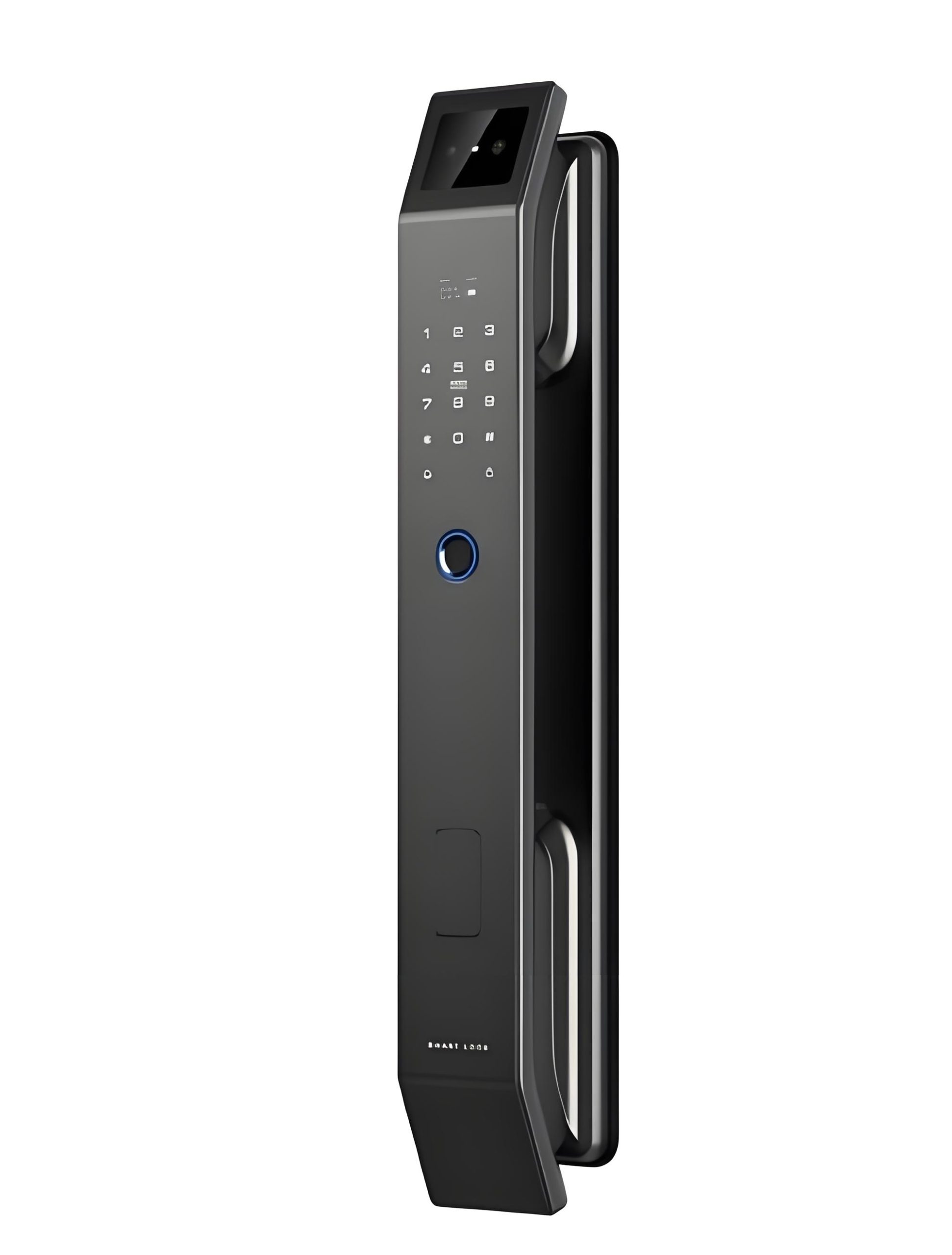
Intelligentes Schloss
4. Kfz -Elektronik
Zu den Anwendungen gehören schlüssellose Zugangssysteme, Starttasten, und Fingerabdruckerkennung am Lenkrad. Diese Systeme überprüfen die Identität des Fahrers und verbessern die Fahrzeugsicherheit.
5. Finanzielle Zahlungsterminals
Einsatz von POS-Systemen und Selbstbedienungs-Finanzkiosken Fingerabdruck-Identifizierung FPC zur Zahlungsüberprüfung und Transaktionsautorisierung.
6. Intelligente Wearables
Smartwatches und Fitnessbänder erfordern äußerst kompakte und leichte Designs. Der Fingerabdruck-Identifizierung FPC ermöglicht eine hochdichte Integration in diese Geräte.
Marktausblick und Branchentrends
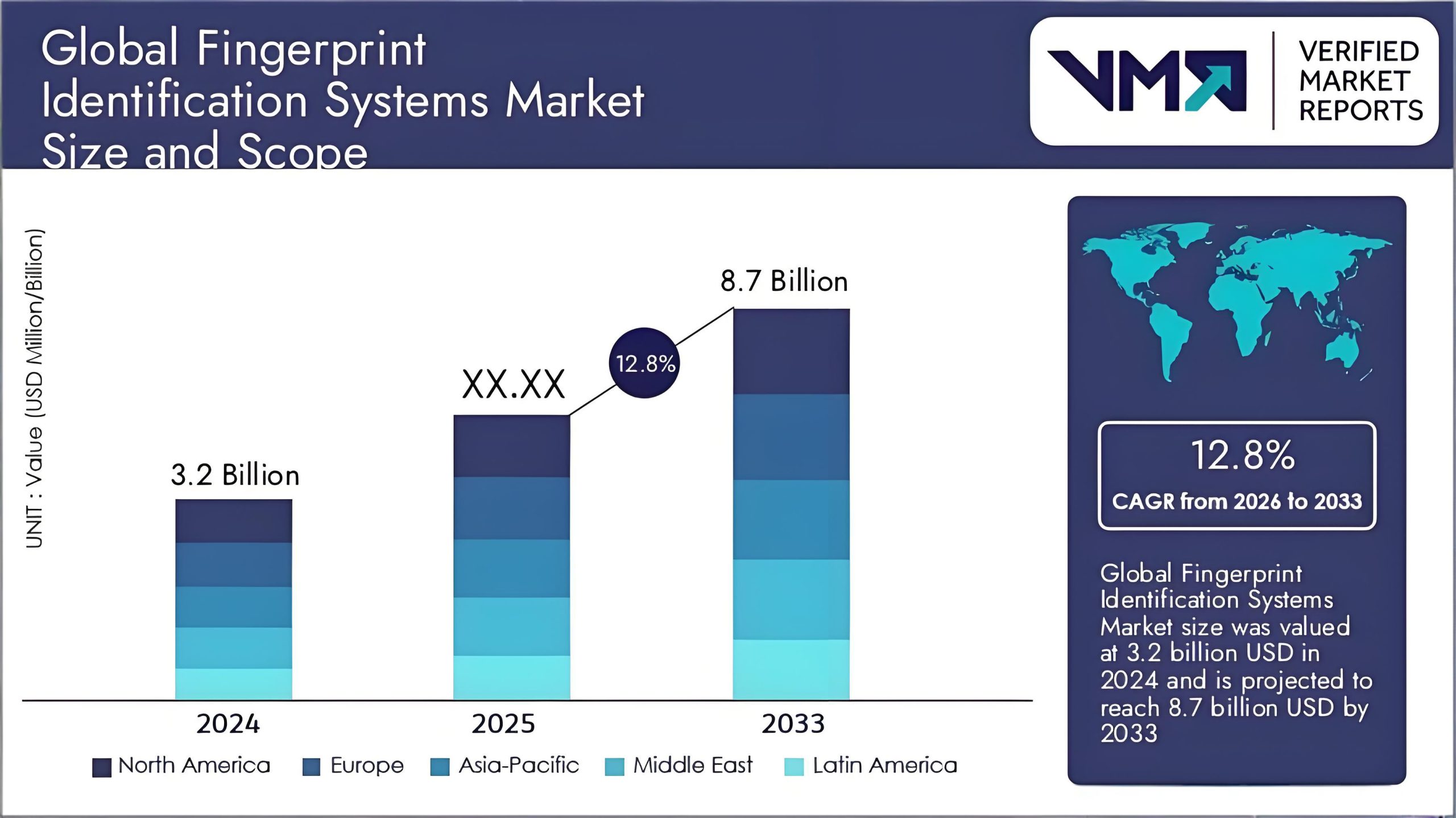
Laut Marktforschung, Der weltweite Markt für kapazitive Fingerabdruckmodule wird voraussichtlich wachsen $8.857 Milliarden in 2025 Zu $16.290 Milliarden von 2031, bei einem CAGR von 10.7%. Der Markt für Fingerabdrucksensoren wurde mit ca. bewertet $4.8 Milliarden in 2024 und wird voraussichtlich erreicht werden $8.9 Milliarden von 2031, mit einer CAGR von ca 5.50%.
In China, Der Markt für Fingerabdruckerkennung wird auf 20 Milliarden Yen geschätzt. Der Anteil der Unterhaltungselektronik beträgt ca 60%, und intelligente Sicherheit (einschließlich intelligenter Schlösser) macht ca. aus 25%. Neue Anwendungen wie intelligente Schlösser, Wearables, und Automotive werden zur zweiten Wachstumskurve für die Fingerabdruckerkennung.
Warum sollten Sie sich für UGPCB Fingerabdruck-Identifizierung FPCB entscheiden??
Professionelle Fertigungskapazität
-
Über zehn Jahre FPC R&D- und Fertigungserfahrung.
-
Vollständige Einhaltung der IPC-6013- und UL-Standards.
-
100% elektrische Prüfung und Zuverlässigkeitsüberprüfung.
Qualitätssicherungssystem
-
UL 94 V-0 Flammenbewertungszertifizierung.
-
Dreistufige Qualitätskontrolle: Eingangskontrolle, Inprozesskontrolle, und abschließende vollständige Inspektion.
Flexible Anpassungsdienste
-
Unterstützt die Anpassung der Farbe, Dicke, Oberflächenbeschaffung, und mehr.
-
One-Stop-Service von der Designprüfung, Prototypenbemusterung, zur Massenproduktion.
Holen Sie sich noch heute Ihr FPCB-Muster und Angebot zur Fingerabdruckidentifizierung von UGPCB
UGPCB ist bestrebt, qualitativ hochwertige Produkte bereitzustellen, kostengünstig Fingerabdruck-Identifikation FPCB an globale Kunden. Ob Sie Smartphone-Fingerabdruckmodule entwickeln, Intelligente Schließlösungen, oder Automobilelektronikprojekte, UGPCB bietet professionelle flexible Leiterplattenlösungen.
Nehmen Sie jetzt Maßnahmen ergreifen:
-
📞 Rufen Sie unsere Support-Hotline an, um technische Unterstützung zu erhalten.
-
📧 Senden Sie Ihre Designdateien für ein schnelles Angebot an unsere Vertriebs-E-Mail.
-
🌐 Besuchen Sie die UGPCB-Website, um Ihre Anfrage online einzureichen.
Das professionelle Team von UGPCB wird innerhalb von 24 Stunden antworten 24 Std.. Wir unterstützen Fingerabdruck-Identifizierung FPC Muster-Prototyping, Massenproduktion, und individuelle Dienstleistungen.