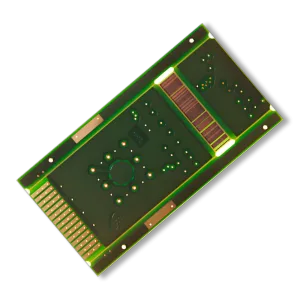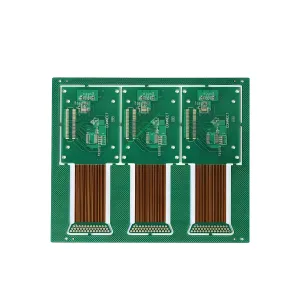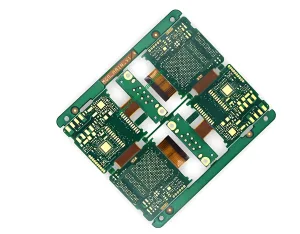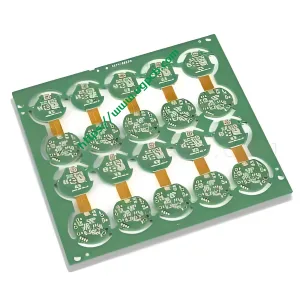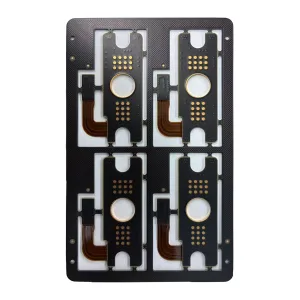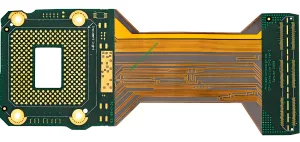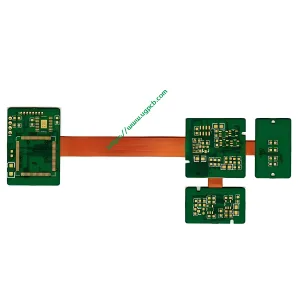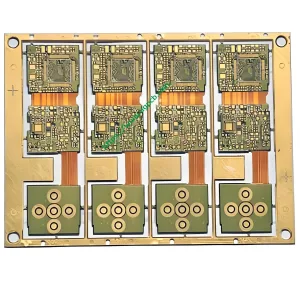
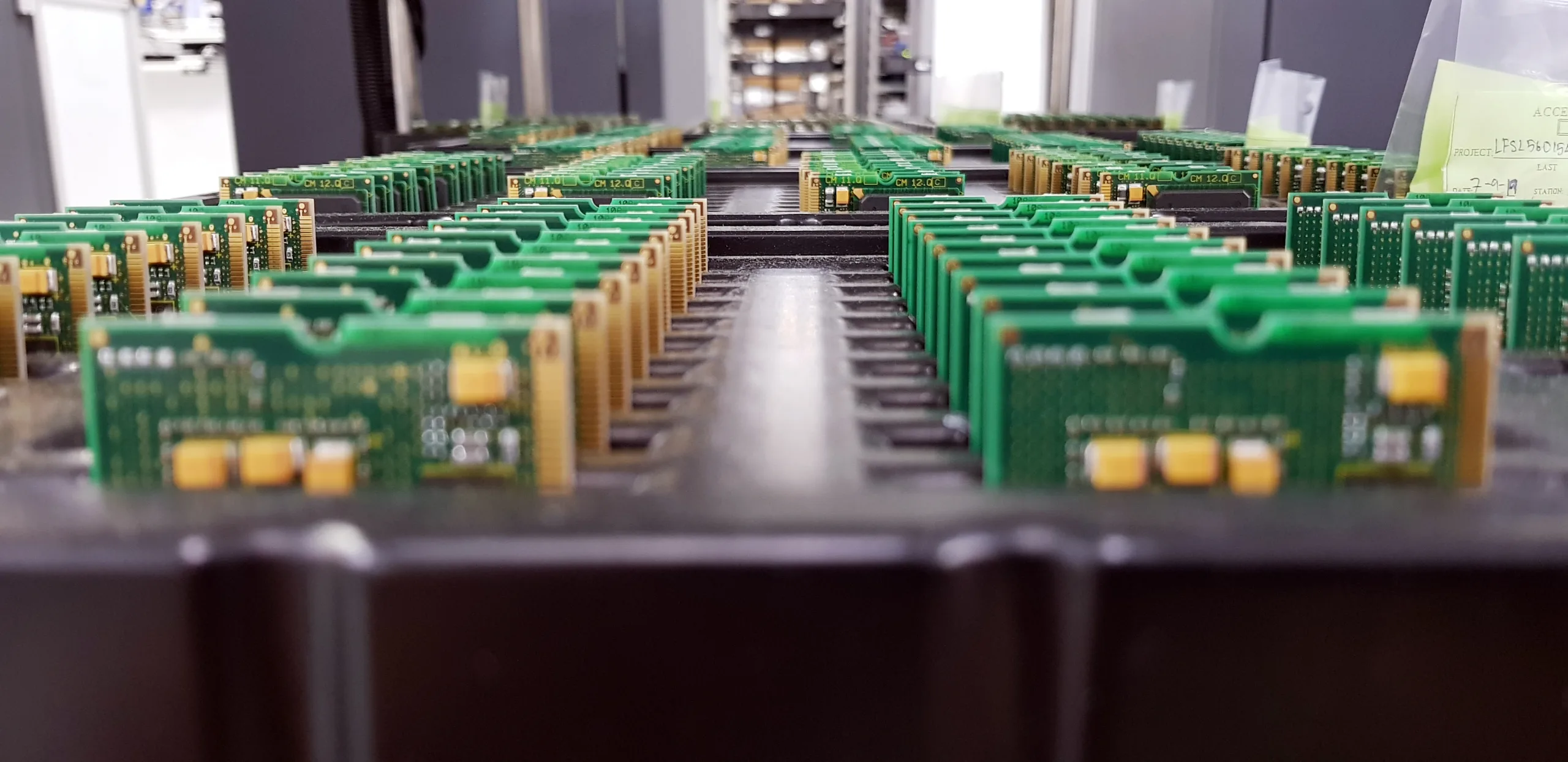
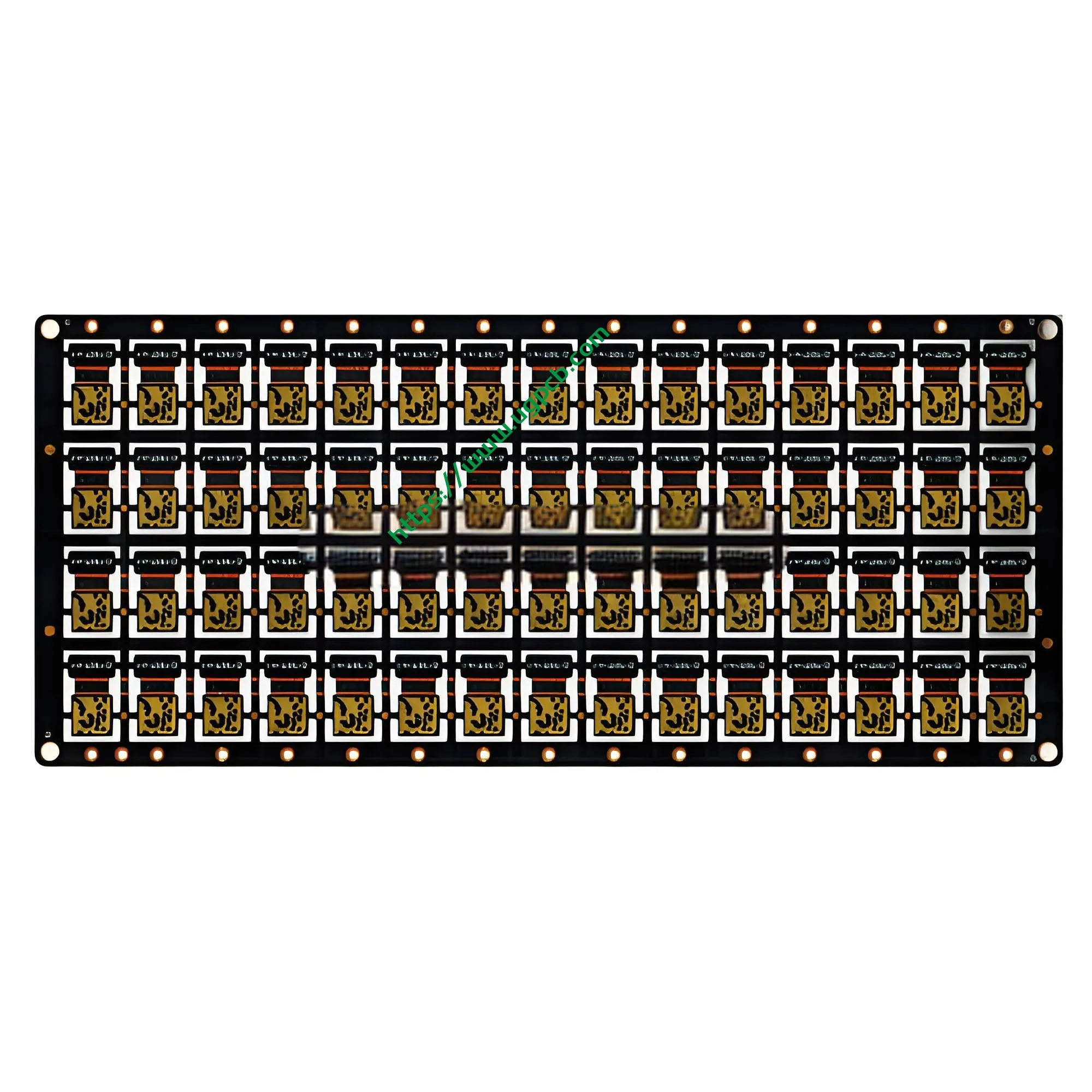
Während die Unterhaltungselektronik schrumpft und die Elektrifizierung der Automobilindustrie zunimmt, der globale Starr-Flex-Leiterplatte Der Markt erreichte 2,462 Milliarden US-Dollar 2025. Experten prognostizieren, dass es bis zum Jahr 3,471 Milliarden US-Dollar erreichen wird 2032, wächst bei a 5.1% CAGR. Designer stehen bei der Hochgeschwindigkeits-Datenübertragung vor immer größeren Herausforderungen, extreme Platzbeschränkungen, und dreidimensionale heterogene Integration. UGPCB antwortet mit einem speziell angefertigten Starr 4L + Flex 2L Starr-Flex-Leiterplattenlösung für Hochleistungskameramodule. Diese Lösung verfügt über NiPdAu (Chemisch Nickel/Palladium/Immersionsgold) Oberflächenbeschaffung, 3Mil-Präzisions-Trace-Routing, und 0,2 mm Microvia-Fähigkeit. Es gewährleistet eine verlustfreie MIPI-Hochgeschwindigkeitssignalübertragung. Die integrierte Starr-Flex-Verbindung vereinfacht zudem den Montageablauf. Diese starr-flexible Leiterplatte bietet sowohl hohe Leistung als auch hohe Zuverlässigkeit für mobile Bildgebungs- und eingebettete Bildverarbeitungssysteme. Unten, Wir bieten eine umfassende technische Analyse dieses Produkts.
1. Was ist eine Starrflex-Leiterplatte??
A Starr-Flex-Leiterplatte kombiniert starre Leiterplatte (Starre PCB) und flexible gedruckte Schaltung (Flexible PCB / FPC) Schichten zu einer untrennbaren Verbindungsstruktur. Der Hersteller laminiert das FPC als eine oder mehrere Schaltkreisschichten innerhalb des Leiterplatte. Anschließend fräsen sie das starre FR4-Material gezielt ab, Es bleiben nur die erforderlichen flexiblen Bereiche übrig. Gemäß den Standards IPC-2223 und IPC-6013, Eine typische Starrflex-Leiterplatte muss drei Kernkriterien erfüllen: Es muss sowohl starre als auch flexible Materialien enthalten; es muss drei oder mehr leitende Schichten haben; und es muss PTH enthalten (Beschichtetes Durchgangsloch) Durchkontaktierungen.
Herkömmliche diskrete Schaltungsarchitekturen erfordern FPC-Kabel und Board-to-Board-Steckverbinder oder gelötete Kabelbäume, um mehrere starre Leiterplatten zu verbinden. Dieser Ansatz verbraucht wertvolles internes Gerätevolumen und führt zu mehreren potenziellen Fehlerquellen. Die Rigid-Flex-PCB-Technologie bettet das flexible Schaltungssubstrat ein (PI) direkt zwischen starren FR4-Schichten. Alle Verbindungen werden in die Platinenstapelstruktur „geschrieben“.. Dadurch entfallen Stecker und Kabel vollständig, eine echte „integrierte Vernetzung“ zu erreichen.
2. Funktionsprinzip und Übergangstechnologie von starr zu flexibel
Der Betrieb von Starr-Flex-Leiterplatten beruht auf der präzisen Steuerung der „Starr-zu-Flex-Übergangszone“. Signale stammen von Komponenten auf starren Flächen montiert (wie CMOS-Bildsensoren und DSP-Chips). Sie verlaufen durch Kupferleiterbahnen in der Innenschicht und überqueren nahtlos die Starr-Flex-Grenze. Anschließend geben sie den PI des flexiblen Bereichs ein (Polyimid) Substrat. Die Signale können sich verbiegen, falten, oder im dreidimensionalen Raum verdrehen. Endlich, Sie erreichen einen anderen starren Bereich oder ein Anschlusspad. Für diesen gesamten Pfad ist kein physischer Anschluss erforderlich.
Die Gestaltung der Übergangszone ist die zentrale Herausforderung der Technologie. FR4 (CTE etwa 14–18 ppm/°C) und PI (CTE etwa 12–15 ppm/°C) weisen unterschiedliche Wärmeausdehnungseigenschaften auf. Wenn die Übergangszone falsch gestaltet ist, Beim Reflow-Löten kommt es zu mechanischer Belastung (typischerweise 230°C–260°C) oder langfristige thermische Zyklen. Diese Spannung kann zu Rissen oder Delaminationen im Kupfer führen. IPC-2223E legt klare Designanforderungen für diesen Bereich fest. Dazu gehört die Steuerung der dielektrischen Dicke zwischen starren und flexiblen Bereichen, Leiterverlegungsrichtung (die senkrecht zur Biegeachse stehen muss), und Loch-zu-Rand-Abstand am Starr-Flex-Übergang.
UGPCB verwendet klebstofffreies PI-Substrat und No-Flow PP (Low-Flow-Prepreg) in der Übergangszonenkaschierung. Dieser Ansatz vermeidet die Probleme mit der Loch-Wand-Trennung, die bei herkömmlichen klebstoffbasierten Materialien häufig auftreten. Das Herausdrücken des Klebstoffs während der Hochtemperaturverarbeitung verursacht diese Fehler. Unser Verfahren gewährleistet die Integrität der PTH-Kupferbeschichtung an der Starr-Flex-Schnittstelle und entspricht der IPC-6013-Klasse 3 Standards.
3. Klassifizierung und IPC-Standardrahmen
3.1 Strukturtypklassifizierung
IPC-6013E, die Qualifikations- und Leistungsspezifikation für flexible/starr-flexible Leiterplatten, klassifiziert Starrflex-Leiterplatten nach Struktur und Anwendung.
| Typ | Definition | Anwendung |
|---|---|---|
| Typ 1 | Einseitige flexible Leiterplatte; eine leitfähige Schicht; mit oder ohne Versteifungen | Einfache Biegeverbindungen |
| Typ 2 | Doppelseitige flexible Leiterplatte; zwei leitfähige Schichten mit PTH | Verbindungen mittlerer Dichte |
| Typ 3 | Mehrschichtige flexible Leiterplatte; drei oder mehr leitfähige Schichten mit PTH | Reine Flex-Schaltungen mit hoher Dichte |
| Typ 4 | Mehrschichtige starre und flexible Materialkombination; drei oder mehr leitfähige Schichten mit PTH | Unterhaltungselektronik, Automobil, industriell |
| Typ 5 | Flexible oder starrflexible Leiterplatte; zwei oder mehr leitfähige Schichten ohne PTH | Spezielle Niederfrequenzanwendungen |
Dieses „Rigid 4L + „Flex 2L“-Lösung enthält 4 starre Schichten plus 2 flexible Schichten, summieren 6 leitfähige Schichten. Die flexiblen Schichten sind an der Übergangszone elektrisch mit den starren Schichten verbunden und umfassen PTH-Durchkontaktierungen. Dies klassifiziert es als IPC-6013-Typ 4, der am weitesten verbreitete Starrflex-Leiterplattentyp in der Unterhaltungselektronik und industriellen Steuerung.
3.2 Klassifizierung der Leistungsklasse
IPC-6013 übernimmt die dreistufige Leistungsklassifizierung von IPC-6011:
-
Klasse 1 (Allgemeine elektronische Produkte) : Geeignet für Einweg- oder unkritische Anwendungen. Ermöglicht einige Herstellungsfehler.
-
Klasse 2 (Spezielle Service-Elektronikprodukte) : Geeignet für den Langzeitbetrieb ohne lebensgefährliche Auswirkungen. Beispiele hierfür sind Unterhaltungselektronik. Erfordert eine höhere Fertigungskonsistenz und eine längere Lebensdauer.
-
Klasse 3 (Hochzuverlässige elektronische Produkte) : Geeignet für Anwendungen, bei denen ein Ausfall lebensgefährlich sein oder erhebliche wirtschaftliche Verluste verursachen kann. Beispiele hierfür sind die Luft- und Raumfahrt, medizinische Implantate, und militärische Ausrüstung. Stellt strenge Anforderungen an Ringringe und Kupferummantelung. Kupferhohlräume sind verboten.
UGPCB stellt diese Lösung her Klasse 2+ durch Klasse 3 Standards. Es erfüllt die hohen Zuverlässigkeitsanforderungen der High-End-Konsumelektronik (wie zum Beispiel Smartphone-Kameramodule) und ausgewählte Kameramodule in Industriequalität.
3.3 Klassifizierung der Installationsnutzung
IPC-6013E definiert außerdem vier Installationsnutzungskategorien basierend auf der Betriebsumgebung:
-
Verwenden Sie A (Biegen zum Installieren) : Das Biegen erfolgt nur während der Installation. Das Board bleibt danach statisch (statischer Flex).
-
Verwenden Sie B (Kontinuierlicher Flex) : Kann einer bestimmten Anzahl kontinuierlicher Biegezyklen standhalten (dynamischer Flex). Geeignet für faltbare Displays und Robotergelenke.
-
Verwenden Sie C (Hochtemperaturumgebung) : Betriebsumgebung übersteigt 105 °C.
-
Gebraucht (UL -Zertifizierung) : Muss UL entsprechen 94 und UL 796F-Zertifizierungsanforderungen.
4. Wichtige Designüberlegungen
4.1 Biegeradius und Routing-Regeln
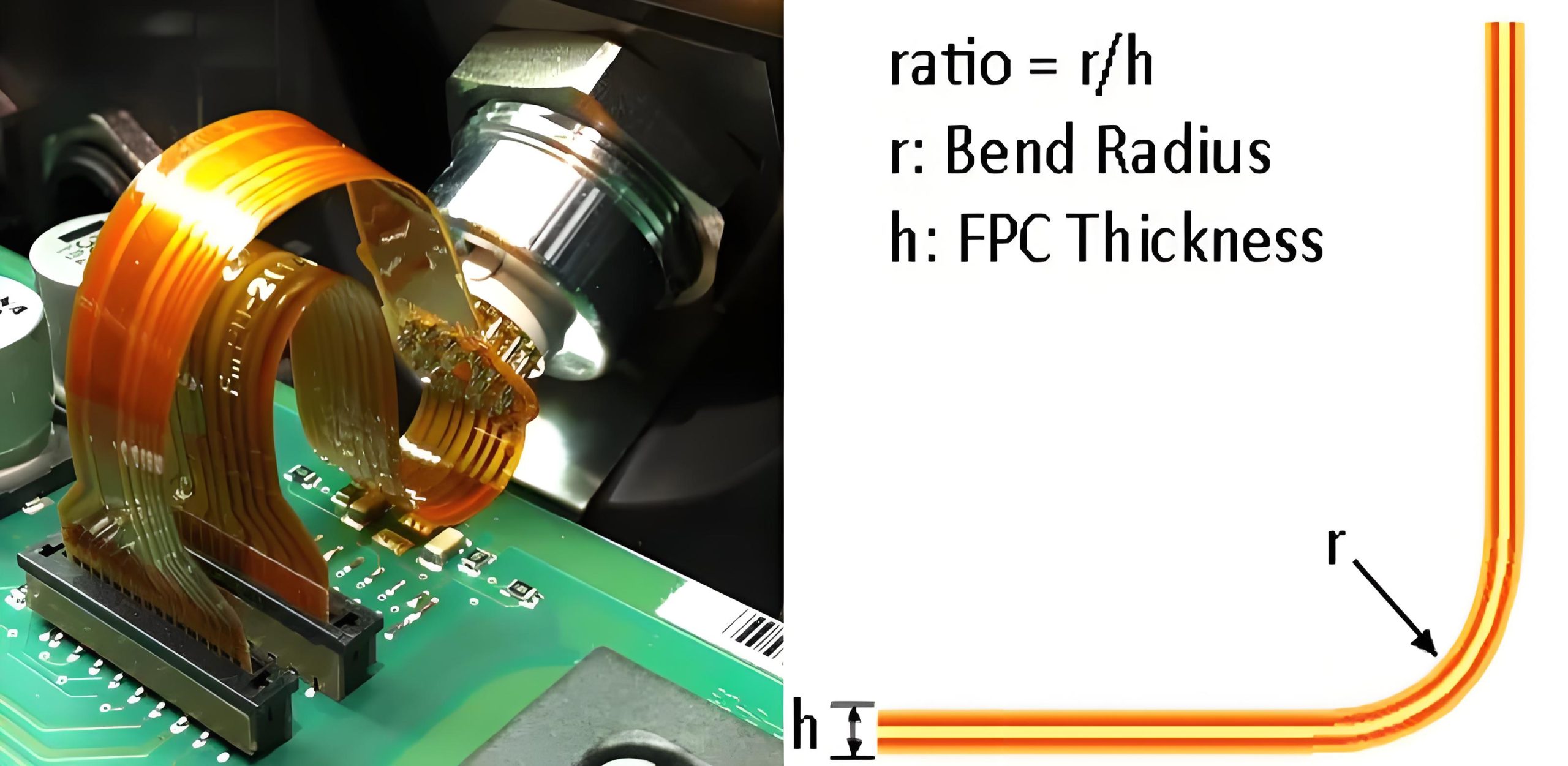
Die IPC-2223-Spezifikationen erfordern eine strenge Kontrolle des Biegeradius in flexiblen Bereichen. Für eine 2-lagige Flexstruktur (Gesamtdicke ca. 0,25 mm), der empfohlene Mindestbiegeradius für statische Biegung (Biegen zum Installieren) ist 2,5mm (etwa 10:1 Verhältnis). Für dynamischen Flex (>100,000 Zyklen), Der Mindestradius beträgt 37,5 mm (etwa 100:1 Verhältnis). Darauf deuten IPC-Zuverlässigkeitsdaten hin 78% der Ausfälle flexibler Leiterplatten sind auf Verletzungen des Biegeradius zurückzuführen.
UGPCB folgt beim Design strikt diesen Grundsätzen:
-
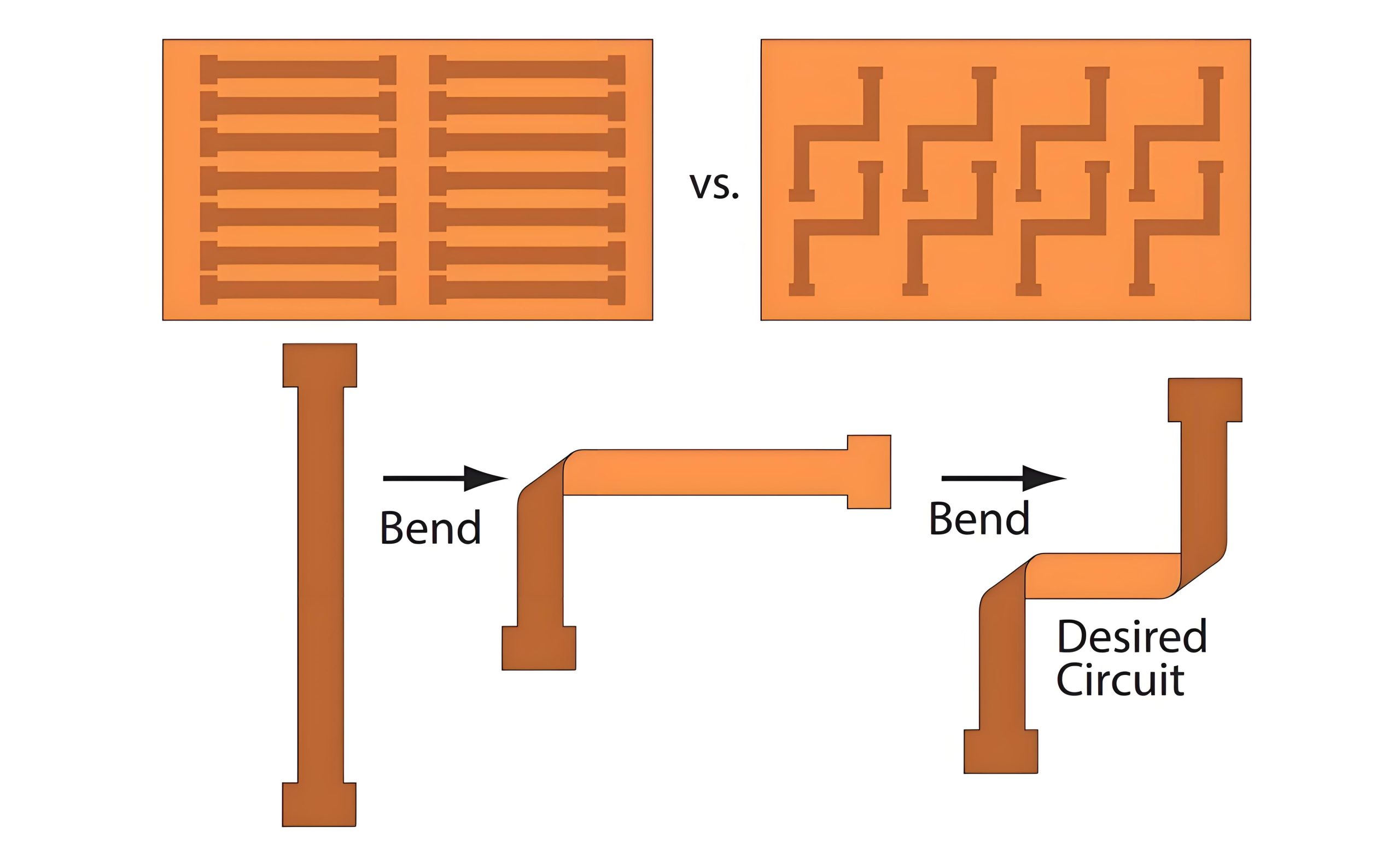
Routing-Richtung: Alle durch den Biegebereich verlaufenden Signalspuren müssen senkrecht zur Biegeachse verlaufen. Leiterbahnen parallel zur Biegeachse unterliegen beim Biegen der maximalen Zugspannung. Das Ausfallrisiko steigt etwa 300%.
-
Durch Vermeidung: Platzieren Sie keine PTH-Durchkontaktierungen und Komponentenpads im Biegebereich. Der Abstand von der Durchkontaktierung zur Biegeanfangslinie muss mindestens das Dreifache der Plattendicke betragen.
-
Kupferauswahl: Flexible Schichten verwenden gewalztes, geglühtes Kupfer (RA Cu). RA-Kupfer bietet Dehnung >15%, dem galvanisch abgeschiedenen Kupfer weit überlegen (ED Cu) in starren Schichten verwendet. Dadurch kann RA-Kupfer wiederholtem Biegen ohne Ermüdungsbruch standhalten.
4.2 Layer-Stackup-Design
Der Stapelaufbau ist der entscheidende Faktor für die Leistung von Starr-Flex-Leiterplatten. Diese Lösung verwendet eine 4-lagige starre plus 2-lagige flexible asymmetrische/symmetrische Struktur. Starre und flexible Schichten verbinden sich mit No-Flow PP. Ein ausgewogenes Aufbaudesign kontrolliert effektiv das Verzugsrisiko aufgrund von CTE-Fehlanpassungen. UGPCB beschäftigt einen Luftspaltstruktur. Der flexible Bereich hält nur das PI-Substrat zurück. Das starre FR4-Material wird vollständig vom Flexbereich weggeführt. Dadurch wird eine maximale Biegefreiheit erreicht.
4.3 Impedanzkontrolle
Impedanzkontrolle ist entscheidend für MIPI CSI-2/C-PHY Hochgeschwindigkeits-Differenzsignale in Kameramodulen. Diese Signale überschreiten typischerweise 2.5 Datenraten in Gbit/s pro Spur. Sie können die charakteristische Impedanz Z₀ mithilfe der Mikrostreifen-/Streifenleitungsformel IPC-2141A schätzen:
Näherungsformel für die Stripline-Impedanz:
Z₀ = (87 / √(εᵣ + 1.41)) × ln(5.98H / (0.8W + T))
Wobei H = dielektrische Dicke, W = Spurbreite, T = Kupferdicke, und εᵣ = Dielektrizitätskonstante.
UGPCB nutzt professionelle Impedanzberechnungssoftware wie Polar Si9000 für eine präzise Simulation während der Designphase. Wir überprüfen die tatsächliche Impedanz mithilfe von TDR (Zeitbereichsreflektometer) Messung. Wir stellen sicher, dass die Differenzimpedanz innerhalb der Toleranz von 100 Ω ±10 % bleibt. Dies entspricht den Spezifikationsanforderungen der MIPI Alliance.
4.4 Design der Übergangszone von starr zu flexibel
Die Übergangszone ist der anfälligste Strukturknoten beim Starr-Flex-Leiterplattendesign. IPC-2223E definiert klare Anforderungen an die Dielektrikumsdicke, Loch-Rand-Abstand, und Leiteranordnung in Biegebereichen. UGPCB implementiert konische Leiterbahnübergänge (Vermeiden Sie scharfe Ecken) und tropfenförmige Verstärkung in der Übergangszone. Dieses Design reduziert effektiv die Spannungskonzentration an Pad-Leiterbahn-Verbindungen. Studien zeigen eine Stressreduktion von ca 40%.
4.5 Microvias und HDI-Technologie
Diese Lösung unterstützt lasergebohrte Mikrovias für Routing-Anforderungen mit hoher Dichte in Kameramodulen. Der minimale Lochdurchmesser beträgt 0,2 mm. Nach dem Laserbohren, O₂/CF₄-Plasmareinigung (Plasmadesmear) Entfernt karbonisierte Rückstände von der PI-Oberfläche. Dieser Prozess gewährleistet eine starke Verkupferungshaftung innerhalb der Lochwand.
5. Material- und Leistungsspezifikationen
5.1 Starres Flächenmaterial: FR4
Der starre Abschnitt verwendet hoher Tg (Glasübergangstemperatur) FR4-Material. FR4 ist das am häufigsten verwendete starre Substrat in der weltweiten Leiterplattenherstellung. Es besteht aus mit Epoxidharz imprägniertem Glasfasergewebe. Die Standard-FR4-Tg beträgt etwa 130–140 °C. FR4 mit hoher Tg erreicht Tg 170–180 °C. Dadurch kann die Platine bleifreien Reflow-Löttemperaturfenstern ohne Delamination oder Verformung standhalten.
5.2 Flexibles Flächenmaterial: PI (Polyimid)
Der flexible Abschnitt verwendet PI (Polyimid) Substrat. Dies ist das Kernmaterial für die flexible Leiterplattenindustrie. Diese Lösung verwendet klebstofffreies PI, auch bekannt als 2L-FCCL (doppelschichtiges flexibles kupferkaschiertes Laminat). Im Vergleich zum herkömmlichen 3L-FCCL (klebstoffhaltige Struktur), klebstofffreies PI bietet erhebliche Vorteile:
| Vergleich | 2L-FCCL (Ohne Klebstoff) | 3L-FCCL (Auf Klebstoffbasis) |
|---|---|---|
| Über Zuverlässigkeit | Hoch (Keine Klebstoffkontamination im PTH) | Arm (Klebstoff beeinflusst die Lochwandverklebung) |
| Maximale Betriebstemperatur | 105–200°C | 85–160°C |
| Dimensionsstabilität | Hoch | Untere |
| Biegefestigkeit | Exzellent | Gut |
| Kosten | Etwas höher | Untere |
Nehmen Sie als Beispiel das beidseitig kupferkaschierte Vollpolyimid-Laminat Pyralux® AP von DuPont™. Dieses Material bietet die folgenden wichtigen elektrischen Leistungen:
-
Dielektrizitätskonstante (Dk): 3.4 @ 1 MHz, 3.2 @ 10 GHz
-
Dissipationsfaktor (Df): 0.002 @ 1 MHz, 0.003 @ 10 GHz
-
Glasübergangstemperatur (Tg): 220°C
-
UL-Entflammbarkeitsklasse: 94 V-0
-
UL maximale Betriebstemperatur (GEGEN): 200°C
-
Geringe Ausgasungseigenschaften: entspricht den Weltraumstandards der NASA
Pyralux® AP erfüllt UL 94V-0 Zertifizierung und entspricht IPC 4204/11 Spezifikation. Es ist eine ideale Wahl für die Herstellung hochzuverlässiger mehrschichtiger flexibler Schaltkreise und Starrflex-Leiterplatten.
5.3 Kupferfolientyp
-
Flexible Schichtkupfer: Verwendet gewalztes, geglühtes Kupfer (RA Cu), Dicke 1 OZ (ca. 35μm). RA-Kupferkörner verlängern sich entlang der Walzrichtung. Dies sorgt für eine hervorragende Duktilität und Biegeermüdungsbeständigkeit. Es eignet sich für dynamische Anwendungen, die wiederholtes Biegen erfordern.
-
Starre Kupferschicht: Kann galvanisch abgeschiedenes Kupfer verwenden (ED Cu), Auch 1 OZ-Dicke.
6. Strukturparameter und technische Spezifikationen
Dieses Produkt verwendet eine Verbundstruktur aus 4 starre Schichten (Starr 4L) Plus 2 flexible Schichten (Flex 2l). Technische Spezifikationen finden Sie unten:
| Parameter | Spezifikation | Branchenvergleich und Hinweise |
|---|---|---|
| Boardtyp | Starr-Flex-Leiterplatte (Typ 4) | Enthält 6 insgesamt leitende Schichten; Entspricht dem IPC-6013-Typ 4 Einstufung |
| Starres Material | FR4 (Hoher Tg) | Tg > 170°C, Geeignet für bleifreies Reflow-Löten |
| Flexmaterial | PI (Polyimid, Ohne Klebstoff) | Hervorragende Hitzebeständigkeit (WORT 200°C) und flexibles Leben |
| Anzahl starrer Schichten | 4 Schichten | Erfüllt die Anforderungen an Signalrouting und Leistungsebene mittlerer Komplexität |
| Anzahl der Flex-Layer | 2 Schichten | Unterstützt die differenzielle Signalübertragung und das Design des Rückwegs |
| Dicke der fertigen Platte | 0.3mm | Geeignet für platzbeschränkte Anwendungen wie Smartphone-Kameramodule |
| Kupferdicke | 1 OZ (ca. 35μm) | Gleicht Strombelastbarkeit und Leiterbahngenauigkeit aus |
| Oberflächenbeschaffung | NiPdAu (Chemisch Nickel/Palladium/Immersionsgold) | Hervorragende Lötbarkeit und Oxidationsbeständigkeit; Goldstärke 3μ“ |
| Mindestlochgröße | 0.2mm (ca. 8Mil) | Unterstützt lasergebohrte HDI-Technologie |
| Minimale Spur/Platz | 3Mil / 3Mil (ca. 0.076mm) | Erfüllt Routing-Anforderungen mit hoher Dichte |
| Primäre Anwendung | Kamera -Modul -PCB | Smartphone, Sicherheitsüberwachung, Automobilkamera -Module |
Branchenvergleichbare Starrflex-Leiterplattenprodukte haben typischerweise eine Enddicke von 0,6 mm bis 3,2 mm. Der übliche Mindestbohrdurchmesser beträgt 0,20–0,25 mm. Der minimale Leiterbahn-/Abstand beträgt ca. 0,05 mm (2Mil). UGPCB erreicht eine fertige Dicke von 0,3 mm mit feinen Leiterbahnen von 3 mm und Mikrovias von 0,2 mm. Dies demonstriert branchenführende Prozessfähigkeit für Kameramodulanwendungen.
7. Oberflächenbeschaffung: NiPdAu (Enepic) Tiefer Tauchgang
Diese Lösung verwendet NiPdAu (Chemisch Nickel/Palladium/Immersionsgold) als abschließendes Oberflächenfinish. Dies ist eine erstklassige Option unter den Oberflächenveredelungen für starr-flexible Leiterplatten.
Die NiPdAu-Struktur lagert Schichten nacheinander auf der Kupferoberfläche ab: Nickelschicht (ca. 3–6μm), Palladiumschicht (ca. 0.05-0,15μm), und Goldschicht (ca. 0.05-0,1μm; Diese Lösung verwendet 3 μ“ ≈ 0,076 μm Golddicke). Die Nickelschicht fungiert als Diffusionsbarriere, Verhinderung der Kupfermigration an die Oberfläche. Die Palladiumschicht ist die wichtigste Funktionsschicht. Es verhindert die Oxidation von Nickel und bietet eine hervorragende lötbare Oberfläche für nachfolgende Lötarbeiten. Die extrem dünne Goldschicht schützt die Palladiumschicht.
NiPdAu bietet erhebliche Vorteile gegenüber herkömmlichem ENIG (Elektrololes Nickel/Immersion Gold). In ENIG-Prozessen, Goldablagerungen direkt auf Nickel. Eine zu hohe Golddicke oder eine unsachgemäße Prozesskontrolle können zu „Black Pad“-Defekten führen. Dies führt zu spröden Lötstellenbrüchen. NiPdAu ersetzt einen Teil des Goldes durch Palladium. Dadurch wird das Risiko von Black-Pads grundsätzlich eliminiert. NiPdAu zeigt außerdem eine hervorragende Kompatibilität sowohl mit dem Aluminiumdrahtbonden als auch mit dem Golddrahtbonden. Dadurch ist es besonders für Chip-on-Board geeignet (CoB) Verpackung von CMOS-Bildsensoren in Kameramodulen.
Die IPC-Referenz für diese Oberflächenveredelung ist IPC-4556, Spezifikation für stromloses Nickel/stromloses Palladium/Immersionsgold (Enepic) Beschichtung für Leiterplatten.
8. Ablauf des Herstellungsprozesses
Herstellung von Starrflex-Leiterplatten zählt zu den komplexesten und am strengsten kontrollierten Prozessen in der Leiterplattenindustrie. Die geschätzten Prozessschritte für Starr-Flex-Schaltkreise sind etwa dreimal so hoch wie für die Herstellung mehrschichtiger Leiterplatten. Es folgt der Hauptproduktionsablauf:
Stufe Eins: Herstellung einer starren Innenschicht
-
Materialvorbereitung: Schneiden Sie FR4-Kupferlaminat auf Produktionsgröße zu.
-
Bildgebung der inneren Schicht: Bilden Sie durch Trockenfilmbelichtung Schaltkreismuster auf starren Innenschichten, Entwicklung, und Radierung.
-
AOI -Inspektion: Führen Sie eine automatisierte optische Inspektion auf offene/kurzgeschlossene Defekte in Schaltkreisen der inneren Schicht durch.
Stufe zwei: Flexible Schichtherstellung
-
PI-Materialvorbereitung: Schneiden Sie klebstofffreies, kupferkaschiertes PI-Laminat.
-
Flex-Layer-Bildgebung: Bilden Sie Schaltkreismuster auf dem PI-Substrat (2 Schichten).
-
Coverlay-Laminierung: Laminieren Sie die PI-Deckfolie auf die flexible Schaltkreisoberfläche. Öffnen Sie Pad-Fenster mittels Laser oder Stanzen.
-
Plasmareinigung: Entfernen Sie Rückstände von der PI-Oberfläche, um die Haftung zwischen den Schichten zu verbessern.
Stufe drei: Laminierung und Starr-Flex-Integration
-
Layup: Starre Schichten stapeln, No-Flow-PP (Low-Flow-Prepreg), und flexible Schichten nacheinander pro Konstruktionszeichnung.
-
Vakuumlaminierung: Pressen Sie starre und flexible Materialien unter hoher Temperatur und hohem Druck zu einer Einheit.
-
Tiefenrouting: Verwenden Sie präzises, tiefengesteuertes Fräsen, um starres FR4-Material aus flexiblen Bereichen zu entfernen. Dadurch wird die flexible PI-Schicht freigelegt. Dies ist der wichtigste Schritt bei der Herstellung von Starr-Flex-Leiterplatten. Die Tiefengenauigkeit muss normalerweise innerhalb von ±0,05 mm bleiben.
Stufe vier: Weiterverarbeitung
-
Bohren: Führen Sie mechanisches Durchgangslochbohren und Laser-Microvia-Bohren durch.
-
Plasma-Desmear: Verkohlte Rückstände und Bohrschlamm von den Lochwänden entfernen.
-
PTH-Galvanik: Tragen Sie Kupfer auf den Lochwänden auf, um eine elektrische Verbindung zwischen den Schichten zu erreichen.
-
Bildgebung der äußeren Schicht: Bilden Sie Schaltkreismuster der äußeren Schicht.
-
Lötmaskendruck: Drucken Sie Lötmaskentinte auf starre Bereiche.
-
Oberflächenbeschaffung: NiPdAu-Beschichtung auftragen.
-
Profilrouting: Schneiden Sie den endgültigen Umriss mit Laser oder Stanzwerkzeug aus.
-
Elektrischer Test und Endkontrolle: Führen Sie einen Flying-Probe-Test durch, Impedanztest, visuelle Inspektion, und AOI.
9. Zusammenfassung der Produktmerkmale
Basierend auf den Materialien, Prozesse, und strukturelles Design wie oben beschrieben, UGPCB Starr 4L + Die Flex 2L-Lösung bietet diese Kernvorteile:
-
Ultradünnes Profil: 0.3Die Dicke der fertigen Platine in mm erfüllt die extremen Platzbeschränkungen von Smartphones, Wearables, und andere miniaturisierte Anwendungen.
-
Integriertes Design ohne Anschlüsse: Die integrierte starr-flexible Verbindung macht herkömmliche Board-to-Board-Anschlüsse überflüssig. Reduziert die Anzahl der Komponenten um ca. 30–50 %. Außerdem werden Zuverlässigkeitsrisiken durch das Lösen von Steckverbindern aufgrund von Vibrationen oder Stürzen grundsätzlich eliminiert.
-
3mil Präzisionsrouting: Erfüllt die strengen Anforderungen an Leitungsbreite/-abstand für MIPI-Hochgeschwindigkeits-Differenzsignale in Kameramodulen. Unterstützt Datenraten von mehr als 2.5 Gbit/s pro Spur.
-
Hochzuverlässige NiPdAu-Oberflächenveredelung: Beseitigt Black-Pad-Defekte. Kompatibel mit Gold- und Aluminiumdrahtbonden. Erfüllt die CoB-Gehäuseanforderungen für CMOS-Sensoren.
-
0.2mm Microvia-Fähigkeit: Unterstützt Laserbohrungen HDI Technologie für höhere Routingdichte.
-
Hohe thermische und Biegefestigkeit: Die Kombination aus klebstofffreiem PI-Substrat und RA-Kupferfolie gewährleistet strukturelle Stabilität durch mehrere SMT-Reflow-Zyklen und langfristiges Biegen.
-
Strenge Einhaltung der IPC-Standards: Design und Herstellung folgen IPC-2223, IPC-6013, und andere internationale Standards. Qualität ist nachweisbar und dokumentiert.
10. Typische Anwendungen
Die Rigid-Flex-PCB-Technologie hat in zahlreichen Branchen eine breite Akzeptanz gefunden. Marktforschungsdaten zeigen, dass Unterhaltungselektronik das größte Endverbrauchssegment ist, Abrechnung über 40% der Nachfrage. Es folgen Automobilelektronik und Luft- und Raumfahrt.
10.1 Smartphone-Kameramodule
Dies ist die Kernzielanwendung dieser Lösung. Innerhalb von Smartphone-Kameramodulen, Flexible gedruckte Schaltungen sind entscheidende Komponenten für die Bildqualität. Starrflexible Leiterplatten übernehmen diese Kernfunktionen in Kameramodulen:
-
Sensormontageplattform: Starre Bereiche sorgen für Flachheit, Stabile Pad-Oberflächen zur Montage hochauflösender CMOS-Bildsensoren und DSP-Bildverarbeitungschips.
-
Hochgeschwindigkeits-Signalübertragung: Flexible Bereiche übertragen MIPI CSI-2/C-PHY-Differenzsignale (4K/8K-Videostreams) vom Sensor bis zum Smartphone-Mainboard-Prozessor.
-
3D Raumanpassung: Flexible Abschnitte biegen sich um Batterien herum, Antennen, und andere Komponenten. Dies maximiert die Nutzung des extrem begrenzten Z-Höhenraums in Smartphones.
-
Anschlussschnittstelle: Flexible Enden verfügen typischerweise über goldene Finger oder ZIF-Anschlussschnittstellen für eine zuverlässige Verbindung mit dem Mainboard.
10.2 Andere Unterhaltungselektronik
-
Klappbare Telefonscharnierbereiche: Erfordern eine extrem hohe Zuverlässigkeit, überstehen 200,000 Faltzyklen. Samsung versendet 12 Millionen faltbare Telefone in 2025. Chinesische Marken trugen zusätzlich dazu bei 8 Millionen Einheiten. Die weltweit installierte Basis faltbarer Geräte übersteigt inzwischen die Zahl 35 Millionen Einheiten.
-
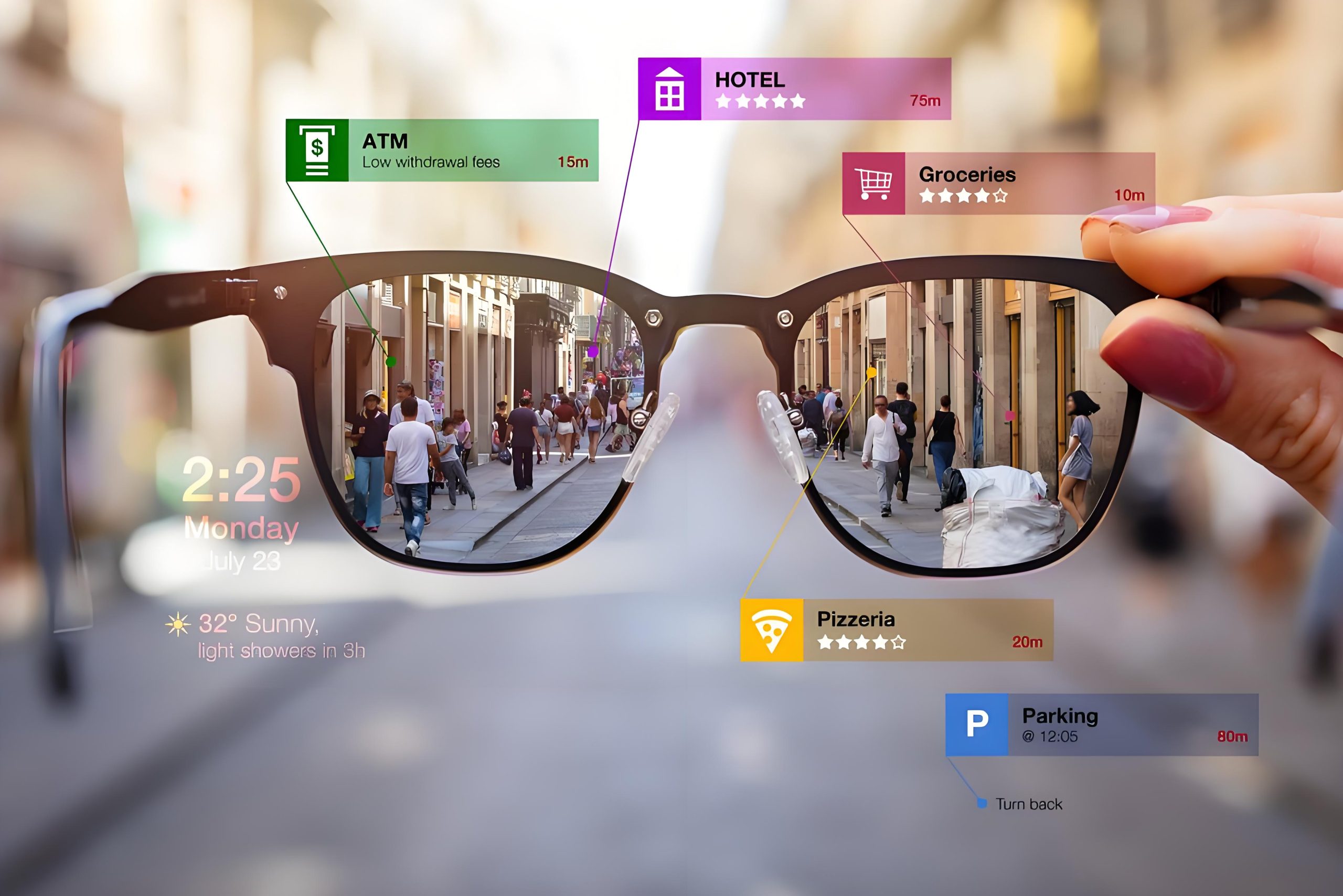
KI-Smart-Brille: Der 2025 Der Branchenausblick von TPCA und ITRI identifiziert KI-Brillen als neuen Wachstumstreiber für flexible Leiterplatten.
-
Smartwatches, TWS-Ohrhörer, VR/AR-Headsets: Nutzen Sie die Starrflex-PCB-Technologie, um elektronische Funktionen auf mehrere Zonen innerhalb begrenzter Volumina zu verteilen.
10.3 Kfz -Elektronik
Der Automotive-Markt für Starrflexible Leiterplatten erreichte 3,66 Milliarden US-Dollar 2025. Es wird erwartet, dass es im Jahr auf 3,94 Milliarden US-Dollar anwächst 2026, mit einem 11.61% CAGR. Zu den wichtigsten Anwendungen gehören:
-
ADAS-Automobilkameramodule (nach vorne gerichtet, Rundumsicht, DMS-Treiberüberwachung)
-
EV-BMS (Batteriemanagementsystem) Spannungsabtastkarten
-
LED-Scheinwerfermodule und Infotainmentsysteme im Fahrzeug
10.4 Medizinische Elektronik
-
Implantierbare medizinische Geräte (wie zum Beispiel Herzschrittmacher): Erfordern eine extrem hohe Zuverlässigkeit und Biokompatibilität. Muss normalerweise der Klasse entsprechen 3 Standards.
-
Endoskopkameramodule und tragbare Ultraschallsonden für Diagnosegeräte.
10.5 Luft- und Raumfahrt und Verteidigung
-
Satelliten-Bordelektronik, UAV-Flugsteuerungssysteme, und militärische Kommunikationsausrüstung. Erfordern eine geringe Ausgasung (Einhaltung der NASA-Standards), Betrieb in einem weiten Temperaturbereich (-55°C bis +125°C), und hohe Vibrationsfestigkeit.
11. Markttrends und Wachstumsaussichten
Der Markt für starr-flexible Leiterplatten befindet sich auf einem stetigen Wachstumskurs. Die globale Marktgröße erreichte 2,462 Milliarden US-Dollar 2025. Prognosen gehen von 3,471 Milliarden US-Dollar aus 2032, mit a 5.1% CAGR. Der Markt für flexible Leiterplatten in Nordamerika wurde 2010 auf 1,7 Milliarden US-Dollar geschätzt 2025. Es wird erwartet, dass es bis zum Jahr 2,9 Milliarden US-Dollar erreichen wird 2030, bei a 10.9% CAGR.
Zu den Haupttreibern, die das Marktwachstum vorantreiben, gehören::
-
Miniaturisierung der Unterhaltungselektronik und Einführung faltbarer Formfaktoren: Smartphones, faltbare Displays, KI-Brille, und andere Geräte erfordern weiterhin eine höhere Raumausnutzung und flexible Verbindungen.
-
Steigende Verbreitung von Automobilelektronik: Jedes smarte Elektrofahrzeug verfügt durchschnittlich über 8–12 Kameras (Adas + Rundumsicht + DMS). Dies steigert direkt die Nachfrage nach Starrflex-Leiterplatten in Automobilkameramodulen.
-
5G- und Rechenzentrums-Upgrades: Millimeterwellen-Massive-MIMO-Antennenarrays und 800G-Ethernet-Switches erfordern in zunehmendem Maße verlustarme, flexible Verbindungssubstrate.
-
Portabilität medizinischer Geräte: Tragbare Gesundheitsüberwachungsgeräte und Ferndiagnoseterminals steigern die Nachfrage nach starr-flexiblen Leiterplatten in medizinischer Qualität.
12. Warum wählen Sie UGPCB??
UGPCB verfügt über jahrelange Erfahrung in der Leiterplattenherstellung und PCBA-Montage. Wir verfügen über umfassende technische Erfahrung und Fertigungskapazitäten für hochzuverlässige Leiterplatten und Verbindungsleiterplatten mit hoher Dichte. Wenn Sie sich für UGPCB für Ihre Anforderungen an starr-flexible Leiterplatten entscheiden, du gewinnst:
-
Kompletter schlüsselfertiger Service: Aus PCB-Layout Designüberprüfung bis hin zur Herstellung starrer und flexibler Leiterplatten, SMT -Baugruppe, und Funktionsprüfung des fertigen Produkts, Wir liefern komplette, schlüsselfertige Lösungen für die Leiterplattenbestückung.
-
Strenge Qualitätskontrolle: Die Herstellungsprozesse entsprechen strikt der IPC-A-600 (Akzeptanz von Leiterplatten) und IPC-6013-Spezifikationen. Zu jeder Produktionscharge gehören umfassende Prüfberichte.
-
Schnelle Reaktion und technischer Support: Unser professionelles Engineering-Team stellt DFM bereit (Design für die Herstellung) Bewertungen. Wir helfen Kunden, potenzielle Herstellbarkeitsprobleme während der Designphase zu identifizieren und zu lösen. Dies verkürzt die Time-to-Market.
-
Wettbewerbsfähige Kostenstruktur: Unterstützt durch eine ausgereifte Lieferkette und ein schlankes Produktionsmanagement, Wir liefern wettbewerbsfähige Preise, ohne Kompromisse bei der hohen Qualität einzugehen.
Egal, ob Sie Flaggschiff-Smartphone-Kameras der nächsten Generation entwickeln, ADAS-Bildverarbeitungssysteme für die Automobilindustrie, oder hochpräzise medizinische Bildgebungsgeräte, UGPCB kann die optimale Starrflex-Leiterplattenlösung für Ihre Anforderungen anpassen.
13. Fordern Sie ein Angebot an und starten Sie Ihr Projekt
Stehen Sie vor diesen Herausforderungen??
-
Der interne Geräteraum ist äußerst begrenzt. Herkömmliche Steckverbinderlösungen erfüllen die Stapelanforderungen nicht mehr.
-
Hochgeschwindigkeitssignale zeigen Instabilität. Die Impedanzanpassung ist schwer zu kontrollieren.
-
Sie benötigen einen zuverlässigen Lieferanten, der sowohl die Herstellung starr-flexibler Leiterplatten als auch die SMT-Montage beherrscht.
Das professionelle UGPCB-Team steht Ihnen gerne zur Seite. Wir bieten umfassende Prozessunterstützung von der technischen Beratung über die Prototypenfertigung bis hin zur Serienlieferung.
📧 Senden Sie Anfragen an: sales@ugpcb.com
🌐 Besuchen Sie unsere Website: www.ugpcb.com
📞 Kontaktieren Sie uns: Erhalten Sie sofort ein Angebot und technische Beratung
👇 Klicken Sie auf die Schaltfläche unten. Senden Sie jetzt Ihre Rigid-Flex-PCB-Designdateien. Erhalten Sie umgehend ein schnelles Angebot 24 Std.!