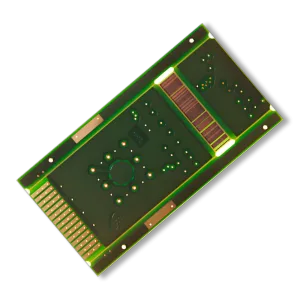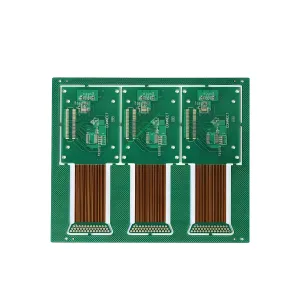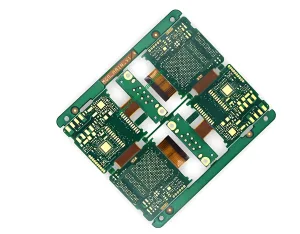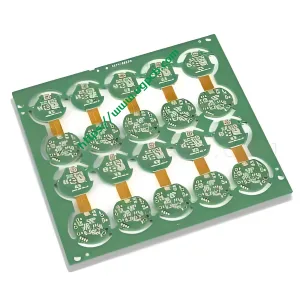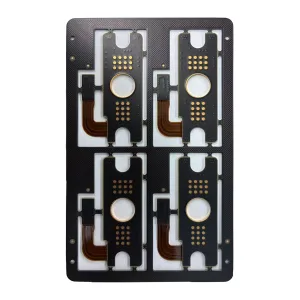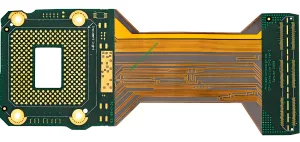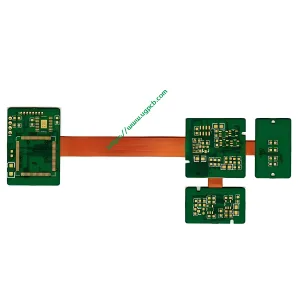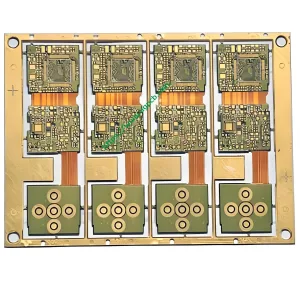
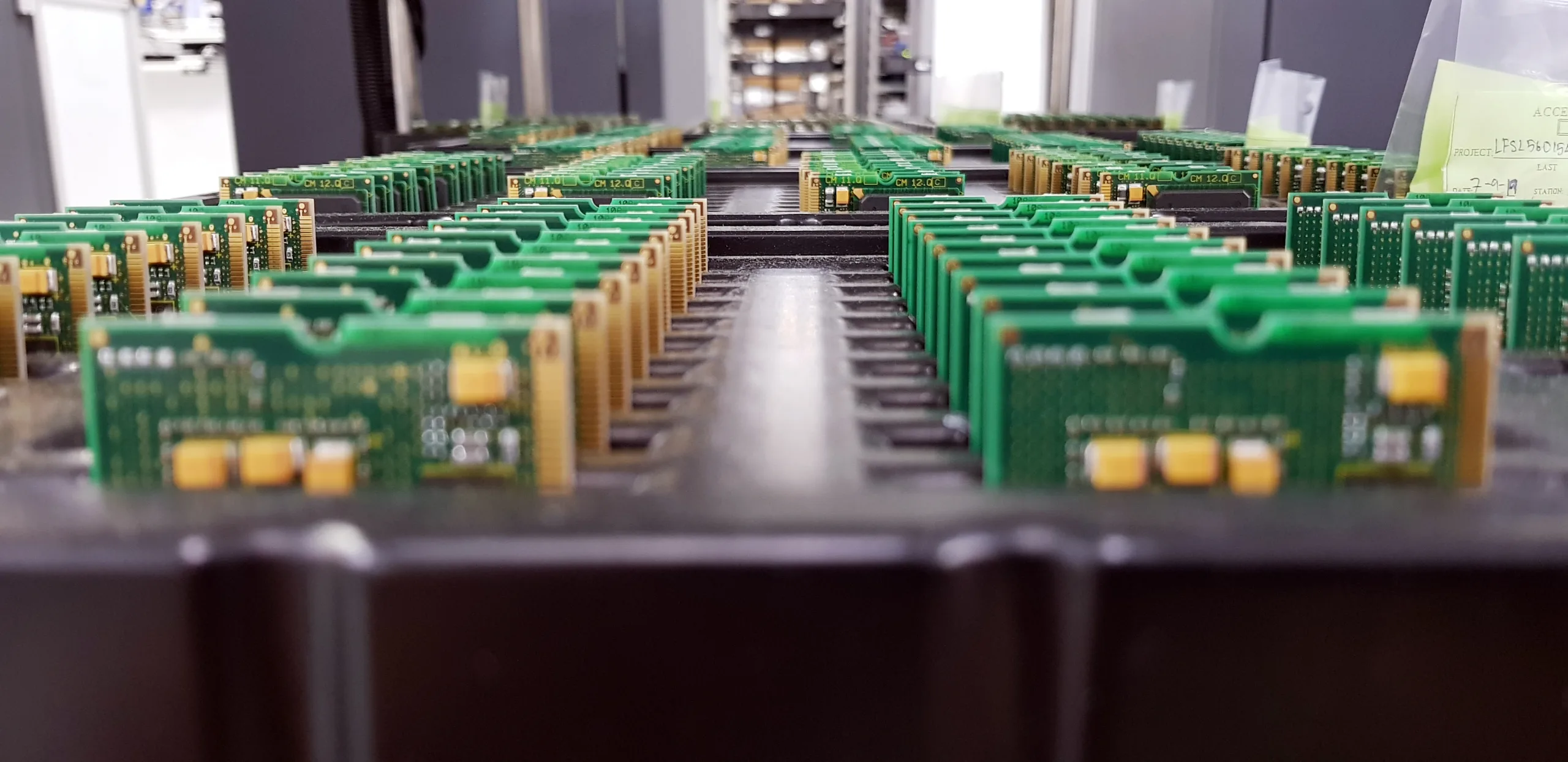
FPC (Circuit de circuit imprimé flexible) change la conception électronique moderne. Selon BCC Research, le marché mondial du FPC passera de 23.3milliardsen2025à41.7 milliards 2030. C'est un TCAC de 12.3%. Les données de recherche et de marchés montrent que 2025 marché à 28.36milliard,se lever31.07 milliards dans 2026 (TCAC 9.5%). Trois principaux moteurs alimentent cette croissance: électronique grand public légère, Adoption des véhicules électriques, et infrastructures 5G. Le FPC haute performance est désormais le segment qui connaît la croissance la plus rapide dans le PCB industrie.
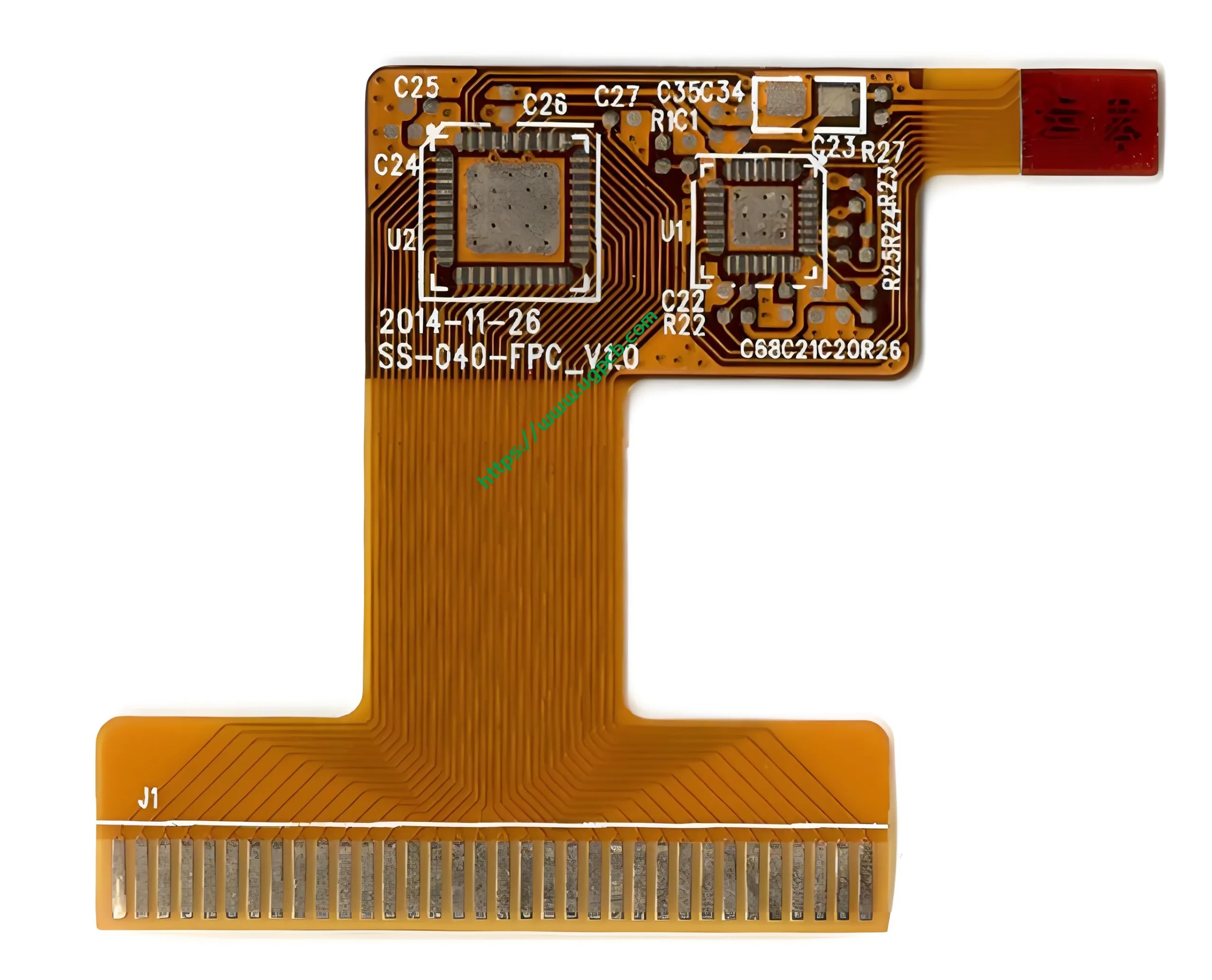
L'UGPCB est un professionnel Fabricant de PCB/PCBA. Nous proposons des services FPC personnalisés à guichet unique, de la conception à la production de masse.. Cette page couvre nos spécifications de produits FPC, paramètres techniques, normes de classification, et des avantages clés. Vous trouverez la meilleure solution de carton souple pour votre projet.
Qu'est-ce qu'une carte de circuit imprimé flexible FPC? – Présentation du produit
FPC signifie carte de circuit imprimé flexible. On l'appelle également carte flexible ou circuit flexible. Le matériau de base de l'isolation est du polyimide (PI) ou en polyester (ANIMAL DE COMPAGNIE). Un processus de gravure précis forme des traces conductrices sur ce mince substrat flexible. Contrairement à un rigide PCB, un FPC peut se plier, pli, et tournez-vous dans l'espace 3D. Cette flexibilité soutient parfaitement les tendances modernes vers des, plus léger, et une électronique plus intégrée.
IPC-6013E-2021 définit les cartes imprimées flexibles comme étant simple face, double face, multicouche, ou structures multicouches rigides-flexibles. Ceux-ci peuvent inclure des raidisseurs, trous traversants plaqués (PTH), et vias aveugles/enterrés. L'UGPCB suit strictement les normes de conception IPC-2221 et les spécifications de performances IPC-6013.. Chaque FPC que nous produisons répond aux exigences internationales de l'industrie.
Aperçu des paramètres techniques de l'UGPCB FPC
| Paramètre | Gamme UGPCB FPC | Notes / Référence |
|---|---|---|
| Nombre de couches | 1 - 12 couches | FPC multicouche détient 39.4% part mondiale (Recherche CCC, 2026) |
| Matériau de base | PI (Polyimide), ANIMAL DE COMPAGNIE (Polyester) | Le PI haute température est le premier choix pour les FPC haut de gamme |
| Épaisseur | 0.1mm – 0,8 mm | Le design ultra fin convient aux appareils portables |
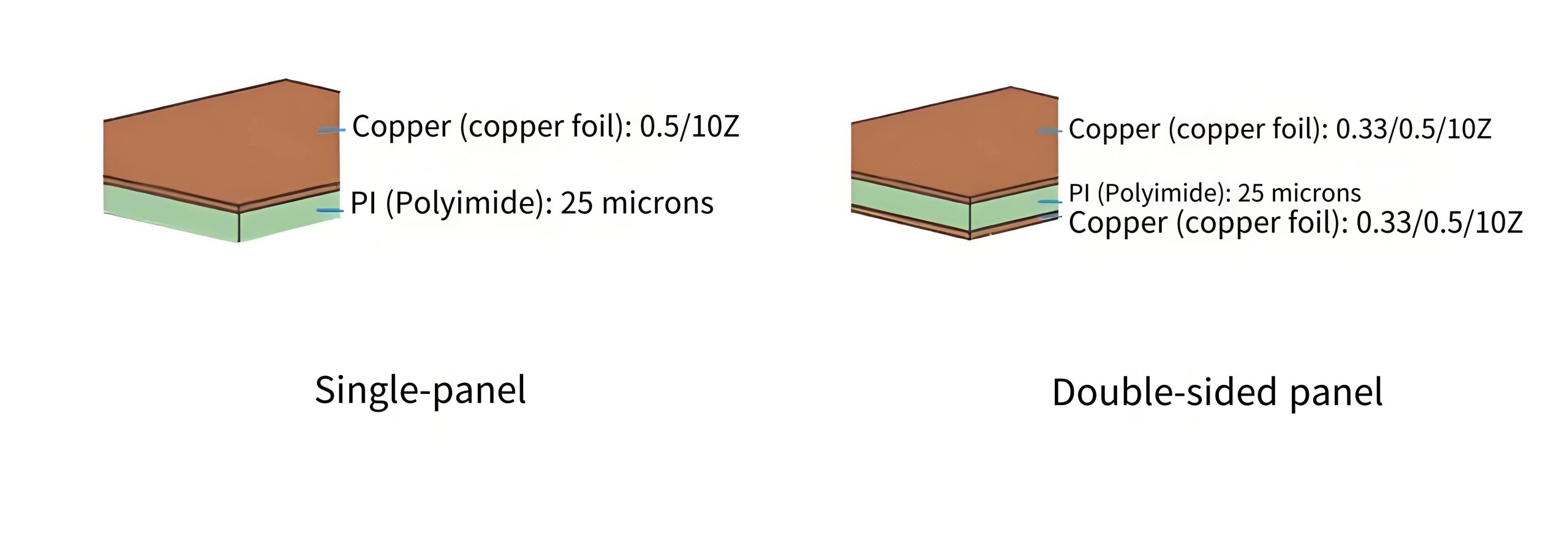
| Épaisseur du cuivre | 1/3 onces – 1 once (≈12µm – 35µm) | Simple face: 18µm/35µm; Double face: 12µm/18µm/35µm |
| Couleur du masque de soudure | Jaune / Vert / Blanc | Jaune pour général; noir pour haut de gamme/anti-éblouissement; blanc pour les besoins réfléchissants |
| Finition superficielle | ACCEPTER / OSP | ENIG pour le pitch fin & Liaison par fil d'aluminium; OSP pour le brasage sans plomb |
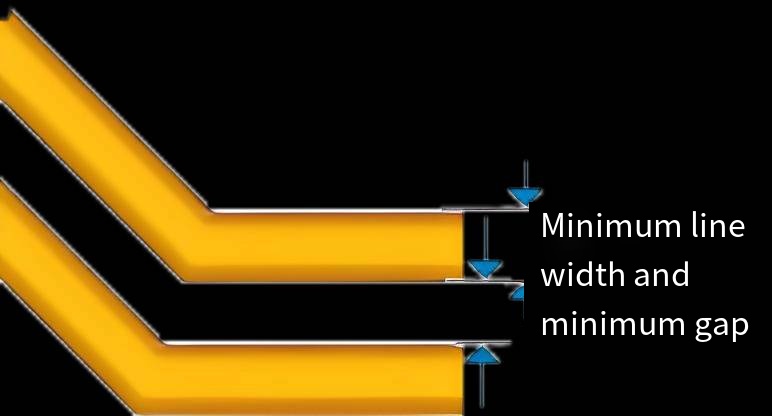
| Trace/espace minimum | 2mille / 2mil (≈0,05 mm/0,05 mm) | Capacité extrême; 3/3mil recommandé pour un coût inférieur |
| Diamètre minimum du trou | 0.1mm (≈4 millions) | Soutien Conceptions HDI |
Classification des produits basée sur la norme IPC-6013
IPC-6013 définit trois dimensions de classification.
Par type (Couche & Structure)
| Taper | Définition | Prise en charge de l'UGPCB |
|---|---|---|
| Taper 1: FPC simple face | Une couche conductrice, avec ou sans raidisseur | ✓ |
| Taper 2: FPC double face | Deux couches conductrices avec PTH, avec ou sans raidisseur | ✓ |
| Taper 3: FPC multicouche | Trois couches conductrices ou plus avec PTH, avec ou sans raidisseur | ✓ (jusqu'à 12 couches) |
| Taper 4: Rigide-flexible | Combinaison de couches rigides et flexibles, trois couches conductrices ou plus avec PTH | ✓ |
| Taper 5: Flex/rigide-flex sans PTH | Deux ou plusieurs couches conductrices, pas de PTH | ✓ |
Par classe de performances (Utiliser le scénario) – IPC-6011 & CIB-6013
-
Classe 1 – Produits électroniques généraux. Exigence minimale de fiabilité pour l’électronique grand public. Tests les moins stricts.
-
Classe 2 – Service électronique dédié. Des performances plus élevées pour les équipements de communication et de contrôle industriel.
-
Classe 3 – Electronique performante. Fiabilité stricte pour le médical, aérospatial, et applications militaires.
Par condition de flexion (Installation & Utiliser)
-
Utilisez un – Résiste à une seule flexion lors de l’installation.
-
Utiliser B – Résiste aux cycles de flexion répétés spécifiés.
-
Utiliser C – Convient aux environnements à haute température supérieure à 105°C (221°F).
-
Utilisé – Certifié UL (conforme à UL 94 et UL 796F).
Applications des cartes de circuits imprimés flexibles FPC
La nature fine et flexible du FPC permet une large utilisation dans:
-
Électronique grand public – Les téléphones intelligents (afficher, caméra, connexions de la batterie), comprimés, ordinateurs portables, montres intelligentes, Écouteurs TWS, drones.
-
Électronique automobile – Affichages embarqués, modules de caméra, capteurs, systèmes de gestion de batterie (Bms), Adas, Lumières LED.
-
Dispositifs médicaux – Moniteurs portables, appareils auditifs, endoscopes, trackers de santé portables, dispositifs implantables.
-
Contrôle industriel – Articulations de robots, instruments de précision, faisceaux de câbles internes, Terminaux IdO.
-
Aérospatial & défense – Interconnexions légères pour satellites, missiles, systèmes radar.
-
5G télécom – Antennes de stations de base, Modules frontaux RF, lignes de signalisation à grande vitesse.
BCC Research note que les FPC multicouches détiennent 39.4% du marché mondial. Cette part ne cesse de croître car les smartphones, appareils portables, électronique automobile, et les dispositifs médicaux exigent une densité de circuits plus élevée.
Matériaux de base FPC et caractéristiques de performance
Matériaux de base primaires
-
PI (Polyimide) – Excellente résistance aux hautes températures (-40°C à +125°C) et stabilité dimensionnelle. Premier choix pour les FPC haut de gamme.
-
ANIMAL DE COMPAGNIE (Polyester) – Coût inférieur. Convient aux applications grand public sans exigences de températures extrêmes.
Les principaux fournisseurs de l'industrie utilisent des matériaux sans adhésif de Panasonic et DuPont, ainsi que des matériaux à base d'adhésif et des revêtements de Sunky.
Principales caractéristiques de performance
| Fonctionnalité | Avantage UGPCB FPC |
|---|---|
| Flexibilité | Prend en charge l'utilisation A (pli simple) et utiliser B (flexion répétée). Le rayon de courbure ≥1,2 × l'épaisseur du panneau cède 300,000 cycles de flexion. |
| Mince & lumière | Épaisseur finie aussi faible que 0,1 mm – permet d'économiser de l'espace interne sur l'appareil. |
| Résistance à la température | Le FPC basé sur PI fonctionne de -40°C à +125°C. |
| Durée de vie flexible | Conception optimisée et choix des matériaux obtenus 300,000+ virages répétés. |
| Interconnexion haute densité | 1.5mil/1,5 mil trace/espace et trou minimum de 0,1 mm répondent aux besoins d'intégration élevés. |
Directives de conception et principe de fonctionnement
Comment fonctionne un FPC
Un FPC fonctionne comme un rigide PCB: des traces de cuivre sur un substrat isolant assurent les connexions électriques entre les composants. La différence est le substrat flexible (PI/PET). Cela permet à la planche de se plier dans l'espace 3D, permettant des interconnexions complexes et compactes à l'intérieur d'enceintes de produits étanches.
Points clés de conception selon IPC-2221
-
Espacement des conducteurs & autorisation – Déterminer la distance de sécurité minimale en fonction de la tension de fonctionnement. Pour crête 1kV DC/AC, degré de pollution 2, environnement non couché, IPC-2221 recommande un dégagement ≥2,0 mm.
-
Trace/espace minimum – UGPCB prend en charge 1,5 mil/1,5 mil. Nous suggérons 3/3 mil ou plus pour réduire la difficulté et le coût de fabrication.
-
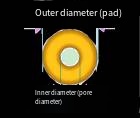
Via la conception – Le diamètre extérieur doit être au moins 0,2 mm plus grand que le diamètre intérieur (≥0,25 mm recommandé). Un équilibre pratique: 0.3mm intérieur, 0.55mm extérieur.
-
Contrôle d'impédance – Pour les signaux haute fréquence, nous offrons une impédance contrôlée dans une tolérance de ± 10 %.
-
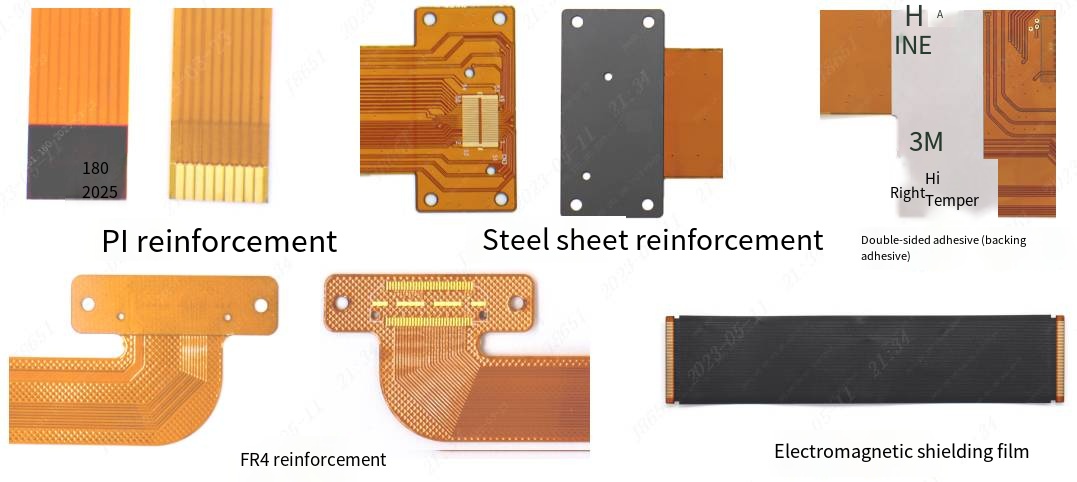
Conception du raidisseur – Ajoutez des raidisseurs au niveau des zones de montage des composants ou des interfaces de connecteur ZIF. Matériaux courants: PI, FR4, acier.
-
Conception de la zone de pliage – Eviter les vias et plots dans les zones de courbures répétées. Traces de tracé à 90° ou avec des arcs. Placez la ligne centrale du coude sur des zones sans cuivre pour maximiser la durée de vie de la flexion..
Aperçu du flux de production
L'UGPCB suit les spécifications de performances IPC-6013 à travers ces étapes clés:
-
Découpe de matériaux – Couper le matériau de base PI/PET sur mesure.
-
Forage – Mécanique ou perçage au laser. Diamètre minimum du trou 0,1 mm.
-
Cuivre chimique / placage – Déposer du cuivre conducteur sur les parois des trous pour former du PTH.
-
Modélisation des circuits – Film sec stratifié → exposer → développer → graver → film en bande pour créer des circuits fins.
-
Stratification de couverture – Appliquer un coverlay comme protection du masque de soudure.
-
Fixation du raidisseur – Bond PI, FR4, ou raidisseurs en acier sur les zones renforcées.
-
Finition superficielle - ACCEPTER (Or par immersion au nickel autocatalytique) ou OSP.
-
Contour extérieur – Poinçonnage ou découpe laser.
-
Test électrique – Tests de continuité et d’impédance (écart ≤ ±8 %).
-
FQC & conditionnement - Zone d'intérêt, contrôle dimensionnel, et emballage final.
Pourquoi choisir UGPCB pour les cartes de circuits flexibles FPC?
1. Solutions personnalisées avec spécifications complètes - Soutien 1 à 24 couches, Matériaux de base PI/PET, plusieurs finitions de surface, et couleurs du masque de soudure. Répond à vos besoins de conception uniques.
2. Une précision de pointe – 1,5 mil/1,5 mil trace/espace, 0.1mm diamètre minimum du trou, et 0,1 mm d'épaisseur finie. Permet des conceptions d'interconnexion haute densité.
3. Conformité stricte à l'IPC – Tous les produits FPC suivent les normes de conception IPC-2221 et les spécifications de performances IPC-6013. Qualité garantie.
4. Service d'assemblage PCBA à guichet unique – UGPCB fabrique non seulement des FPC nus de haute qualité, mais fournit également des Assemblage PCBA. Nous gérons l'approvisionnement en composants, Placement SMT, et tests de produits finis. Cela rationalise votre chaîne d'approvisionnement depuis PCB à PCB, économiser sur les coûts de communication et raccourcir les délais de mise sur le marché. Contactez nos ingénieurs technico-commerciaux pour plus de détails sur le service PCBA.
5. Réponse rapide et assistance flexible – Que vous ayez besoin de prototypage ou de production de masse, nous accordons la priorité à vos besoins. Attendez-vous à un professionnel, efficace, et service FPC personnalisé fiable.
Comment obtenir un devis?
L'UGPCB vise à être votre partenaire FPC de confiance. Pour demander un devis ou une consultation technique, veuillez nous contacter avec:
-
Vos fichiers de conception – Fichiers Gerber, Spécifications de conception, ou liste de nomenclature.
-
Paramètres clés – Nombre de couches, type de matériau de base, épaisseur finie, poids de cuivre, finition de surface, min de trace/espace, diamètre minimum du trou.
-
Quantité et délai – Quantité d’échantillon, volume de production de masse, et date de livraison prévue.
Nos ingénieurs techniques fourniront une analyse DFM professionnelle et un devis précis dans les délais 24 heures.
👉 Demandez un devis aujourd'hui et commencez votre parcours FPC personnalisé!
Références de données
Les données clés de ce document proviennent:
-
✅IPC-6013E-2021 – Qualification et spécifications de performances pour les cartes imprimées flexibles et rigides-flexibles
-
✅IPC-2221 – Norme générique sur la conception des cartes imprimées
-
✅ Recherche CCC (2026) - Rapport sur le marché mondial des PCB flexibles
-
✅ Recherche et marchés (2026) - Rapport sur le marché des circuits imprimés flexibles
-
✅ Spécifications techniques FPC conformes aux normes de l'industrie (basé sur les paramètres JLCPCB FPC)
Contactez-nous pour des devis FPC rapides et une assistance professionnelle.
©UGPCB. Tous droits réservés.