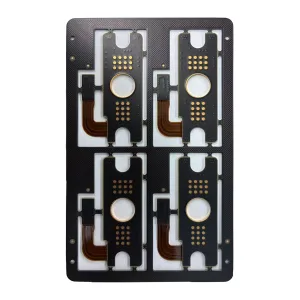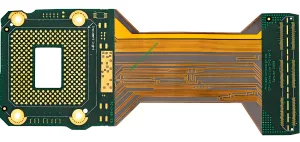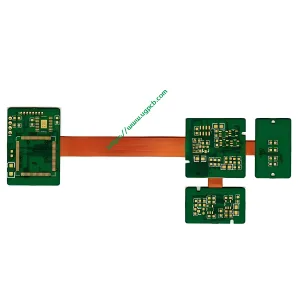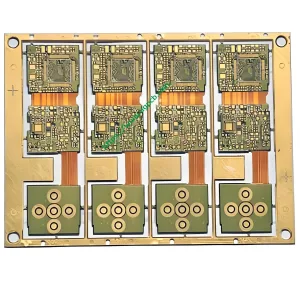
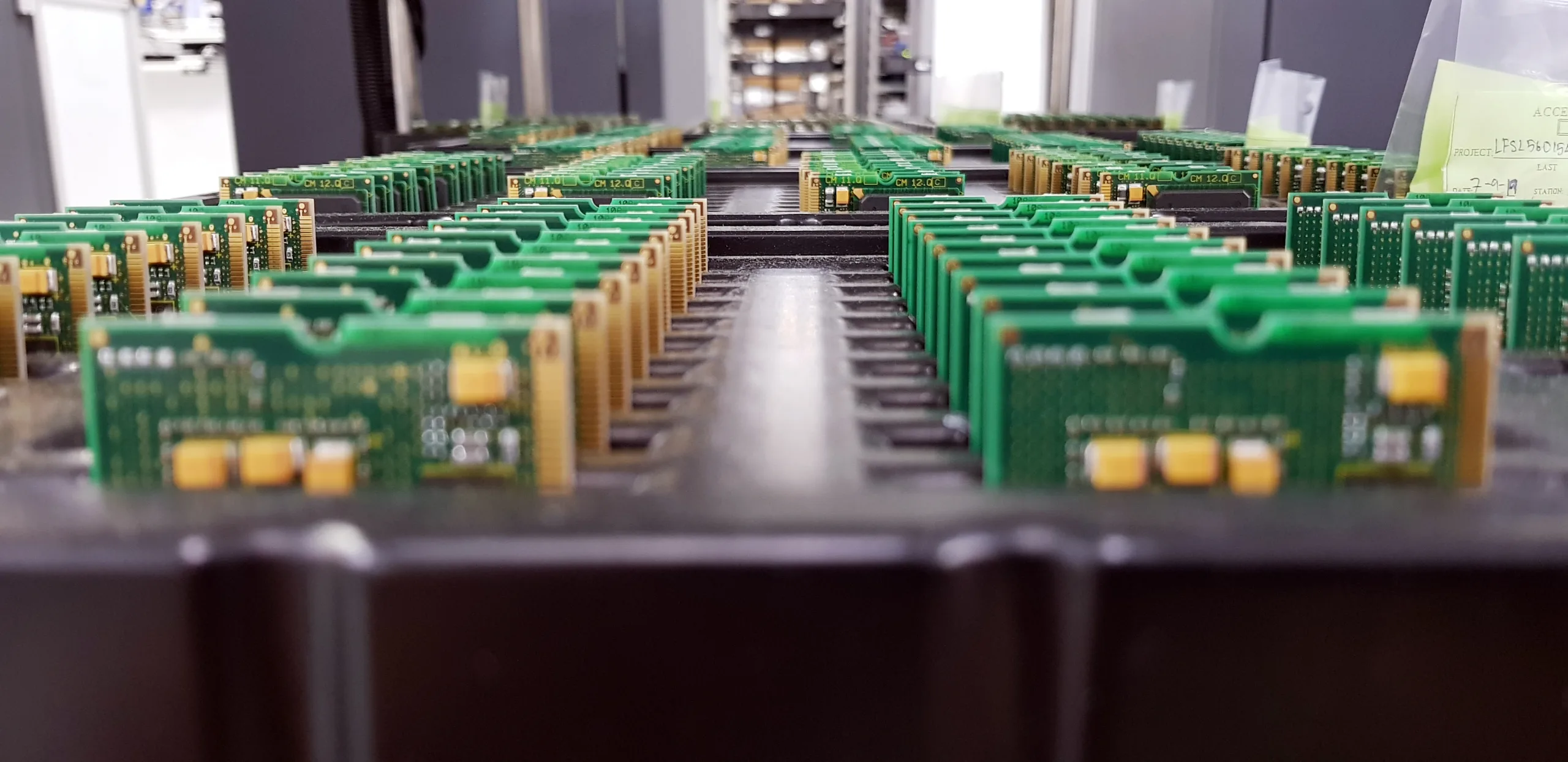
FPC (Flexible gedruckte Leiterplatte) verändert das moderne Elektronikdesign. Laut BCC Research, Der globale FPC-Markt wird wachsen 23.3Milliarden im Jahr 202541.7 Milliarden von 2030. Das ist eine CAGR von 12.3%. Forschungs- und Marktdaten zeigen das 2025 Markt bei 28.36Milliarde,aufsteigend31.07 Milliarden in 2026 (CAGR 9.5%). Drei Haupttreiber treiben dieses Wachstum voran: leichte Unterhaltungselektronik, Einführung von Elektrofahrzeugen, und 5G-Infrastruktur. Hochleistungs-FPC ist mittlerweile das am schnellsten wachsende Segment in der Branche Leiterplatte Industrie.
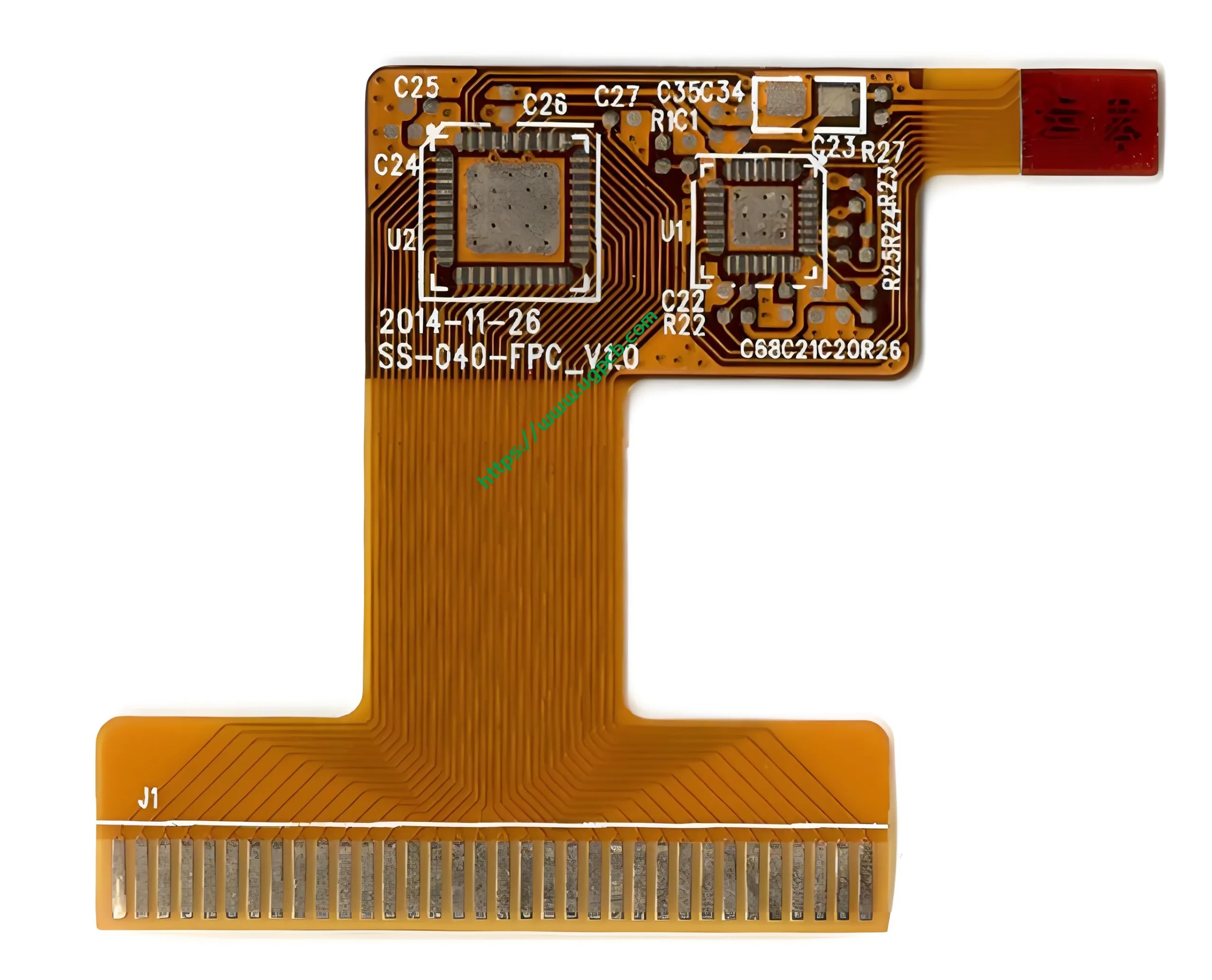
UGPCB ist ein Profi PCB/PCBA-Hersteller. Wir bieten maßgeschneiderte FPC-Dienstleistungen aus einer Hand vom Design bis zur Massenproduktion. Auf dieser Seite finden Sie unsere FPC-Produktspezifikationen, Technische Parameter, Klassifizierungsstandards, und entscheidende Vorteile. Sie finden die beste Softboard-Lösung für Ihr Projekt.
Was ist eine flexible FPC-Leiterplatte?? – Produktübersicht
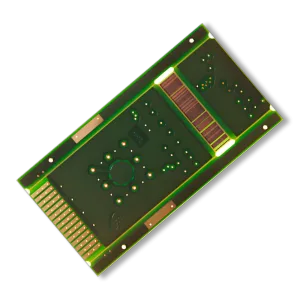
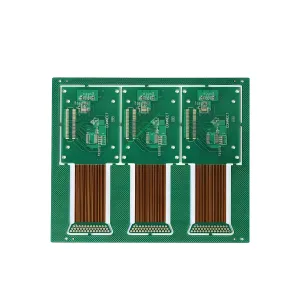
FPC steht für Flexible Leiterplatte. Es wird auch Flexboard oder flexible Schaltung genannt. Das Isolationsgrundmaterial ist Polyimid (PI) oder Polyester (HAUSTIER). Durch einen präzisen Ätzprozess werden auf diesem dünnen, flexiblen Substrat Leiterbahnen gebildet. Im Gegensatz zu einem starren Leiterplatte, Ein FPC kann sich verbiegen, falten, und im 3D-Raum drehen. Diese Flexibilität unterstützt perfekt den modernen Trend hin zu kleineren Modellen, leichter, und mehr integrierte Elektronik.
IPC-6013E-2021 definiert flexible Leiterplatten als einseitig, doppelseitig, Mehrschicht, oder Starr-Flex-Mehrschichtstrukturen. Dazu können Versteifungen gehören, Durchkontaktierte Löcher (PTH), und blinde/vergrabene Vias. UGPCB hält sich strikt an die Designstandards IPC-2221 und die Leistungsspezifikationen IPC-6013. Jedes von uns produzierte FPC erfüllt internationale Branchenanforderungen.
Technische Parameter des UGPCB FPC auf einen Blick
| Parameter | UGPCB FPC-Reihe | Notizen / Referenz |
|---|---|---|
| Anzahl der Ebenen | 1 - - 12 Schichten | Mehrschichtiges FPC hält 39.4% globaler Anteil (BCC-Forschung, 2026) |
| Grundmaterial | PI (Polyimid), HAUSTIER (Polyester) | Hochtemperatur-PI ist die erste Wahl für High-End-FPC |
| Fertige Dicke | 0.1mm – 0,8 mm | Das ultradünne Design eignet sich für Wearables |
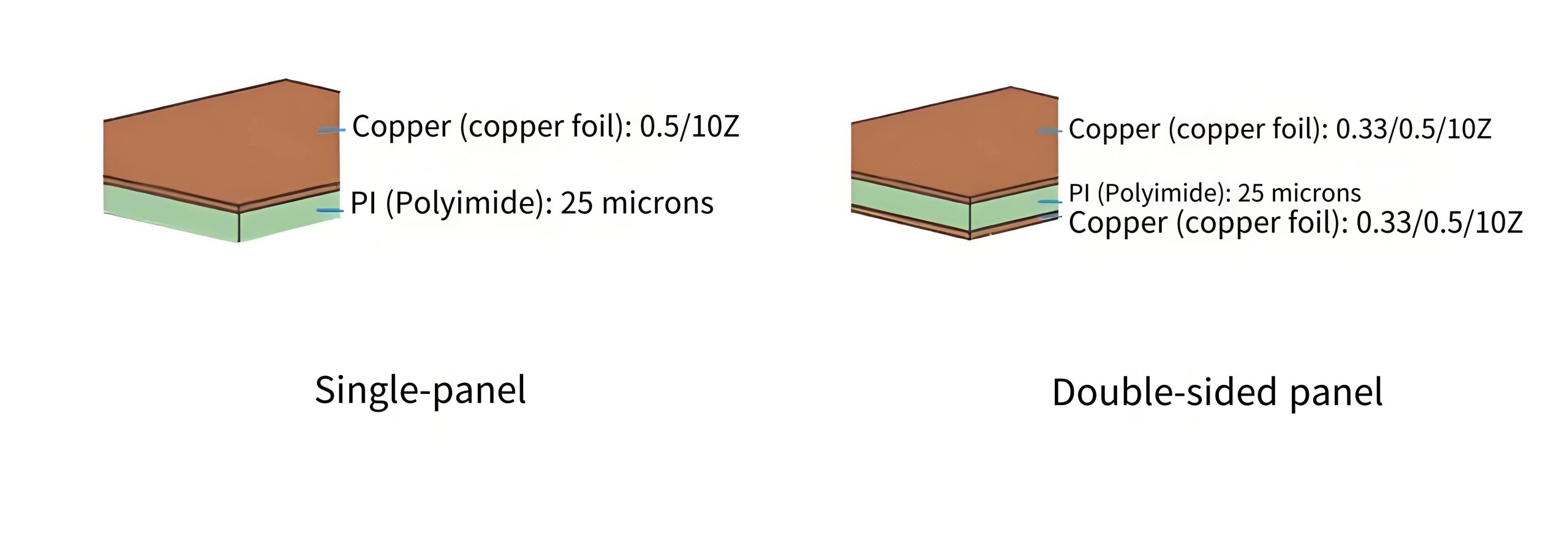
| Kupferdicke | 1/3 oz – 1 oz (≈12µm – 35µm) | Einseitig: 18µm/35µm; Doppelseitig: 12µm/18 µm/35 µm |
| Farbe der Lötstoppmaske | Gelb / Grün / Weiß | Gelb für allgemein; Schwarz für High-End/Anti-Glare; Weiß für reflektierende Bedürfnisse |
| Oberflächenbeschaffenheit | ZUSTIMMEN / OSP | ENIG für feine Tonhöhe & Al-Drahtbonden; OSP für bleifreies Löten |
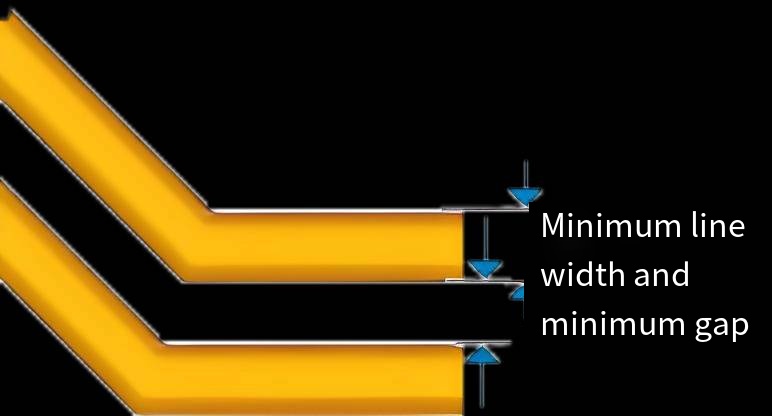
| Min. Spur/Leerzeichen | 2Tausend/2mil (≈0,05 mm/0,05 mm) | Extreme Leistungsfähigkeit; 3/3mil wegen geringerer Kosten empfohlen |
| Min. Lochdurchmesser | 0.1mm (≈4 Mio) | Unterstützung HDI -Designs |
Produktklassifizierung basierend auf IPC-6013
IPC-6013 definiert drei Klassifizierungsdimensionen.
Nach Typ (Schicht & Struktur)
| Typ | Definition | UGPCB-Unterstützung |
|---|---|---|
| Typ 1: Einseitiger FPC | Eine leitfähige Schicht, mit oder ohne Versteifung | ✓ |
| Typ 2: Doppelseitiges FPC | Zwei leitfähige Schichten mit PTH, mit oder ohne Versteifung | ✓ |
| Typ 3: Mehrschichtiges FPC | Drei oder mehr leitfähige Schichten mit PTH, mit oder ohne Versteifung | ✓ (bis zu 12 Schichten) |
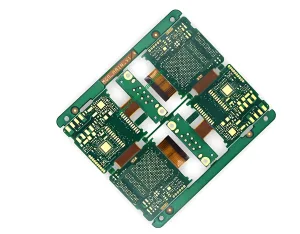
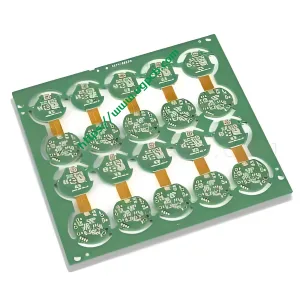
| Typ 4: Starrflex | Kombination aus starren und flexiblen Schichten, drei oder mehr leitfähige Schichten mit PTH | ✓ |
| Typ 5: Flex/Starrflex ohne PTH | Zwei oder mehr leitfähige Schichten, kein PTH | ✓ |
Nach Leistungsklasse (Szenario verwenden) – IPC-6011 & IPC-6013
-
Klasse 1 – Allgemeine elektronische Produkte. Mindestzuverlässigkeitsanforderung für Unterhaltungselektronik. Am wenigsten strenge Prüfung.
-
Klasse 2 – Spezielle Serviceelektronik. Höhere Leistung für Kommunikations- und industrielle Steuerungsgeräte.
-
Klasse 3 – Hochleistungselektronik. Strenge Zuverlässigkeit für medizinische Zwecke, Luft- und Raumfahrt, und militärische Anwendungen.
Durch Flexing-Bedingung (Installation & Verwenden)
-
Verwenden Sie A – Widersteht einmaligem Biegen während der Installation.
-
Verwenden Sie B – Hält den angegebenen wiederholten Biegezyklen stand.
-
Verwenden Sie C – Geeignet für Umgebungen mit hohen Temperaturen über 105 °C (221°F).
-
Gebraucht – UL-zertifiziert (entspricht UL 94 und UL 796F).
Anwendungen flexibler FPC-Leiterplatten
Die dünne und flexible Beschaffenheit von FPC ermöglicht einen breiten Einsatz in:
-
Unterhaltungselektronik – Smartphones (Anzeige, Kamera, Batterieanschlüsse), Tabletten, Laptops, Smartwatches, TWS-Ohrhörer, Drohnen.
-
Kfz -Elektronik – Anzeigen im Fahrzeug, Kameramodule, Sensoren, Batteriemanagementsysteme (BMS), Adas, LED -Leuchten.
-
Medizinische Geräte – Tragbare Monitore, Hörgeräte, Endoskope, tragbare Gesundheits-Tracker, implantierbare Geräte.
-
Industrielle Steuerung – Robotergelenke, Präzisionsinstrumente, interne Kabelbäume, IoT-Terminals.
-
Luft- und Raumfahrt & Verteidigung – Leichte Verbindungen für Satelliten, Raketen, Radarsysteme.
-
5G Telekom – Basisstationsantennen, RF-Frontend-Module, Hochgeschwindigkeitssignalleitungen.
BCC Research stellt fest, dass mehrschichtige FPCs halten 39.4% des globalen Marktes. Dieser Anteil wächst aufgrund von Smartphones immer weiter, Wearables, Automobilelektronik, und medizinische Geräte erfordern eine höhere Schaltkreisdichte.
FPC-Basismaterialien und Leistungsmerkmale
Primäre Basismaterialien
-
PI (Polyimid) – Hervorragende Hochtemperaturbeständigkeit (-40°C bis +125°C) und Dimensionsstabilität. Top-Wahl für High-End-FPC.
-
HAUSTIER (Polyester) – Geringere Kosten. Geeignet für Verbraucheranwendungen ohne extreme Temperaturanforderungen.
Top-Zulieferer der Branche verwenden klebstofffreie Materialien von Panasonic und DuPont, plus klebstoffbasierte Materialien und Deckschichten von Sunky.
Wichtigste Leistungsmerkmale
| Besonderheit | UGPCB FPC-Vorteil |
|---|---|
| Flexibilität | Unterstützt Verwendung A (Einzelbiegung) und verwenden Sie B (wiederholter Flex). Biegeradius ≥1,2× Plattendicke gibt nach 300,000 Flex-Zyklen. |
| Dünn & Licht | Die fertige Dicke beträgt nur 0,1 mm – spart Platz im Inneren des Geräts. |
| Temperaturbeständigkeit | PI-basiertes FPC funktioniert bei -40 °C bis +125 °C. |
| Flexibles Leben | Optimiertes Design und Materialauswahl erzielen 300,000+ wiederholte Kurven. |
| Hochdichte Verbindung | 1.5mil/1,5 mil Leiterbahn/Abstand und eine minimale Bohrung von 0,1 mm erfüllen hohe Integrationsanforderungen. |
Designrichtlinien und Arbeitsprinzip
Wie ein FPC funktioniert
Ein FPC funktioniert wie ein starrer Leiterplatte: Kupferbahnen auf einem isolierenden Substrat sorgen für elektrische Verbindungen zwischen Komponenten. Der Unterschied ist das flexible Substrat (PI/PET). Dadurch kann sich die Platine im 3D-Raum biegen, Ermöglicht komplexe und kompakte Verbindungen innerhalb enger Produktgehäuse.
Wichtige Designpunkte gemäß IPC-2221
-
Leiterabstand & Freigabe – Bestimmen Sie den Mindestsicherheitsabstand anhand der Arbeitsspannung. Für 1 kV DC/AC-Spitze, Verschmutzungsgrad 2, unbeschichtete Umgebung, IPC-2221 empfiehlt einen Abstand von ≥2,0 mm.
-
Minimale Spur/Platz – UGPCB unterstützt 1,5 mil/1,5 mil. Wir empfehlen 3/3mil oder mehr, um die Herstellungsschwierigkeiten und -kosten zu senken.
-
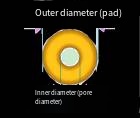
Über Design – Der Außendurchmesser sollte mindestens 0,2 mm größer sein als der Innendurchmesser (≥0,25 mm empfohlen). Eine praktische Balance: 0.3mm innen, 0.55mm außen.
-
Impedanzkontrolle – Für hochfrequente Signale, Wir bieten eine kontrollierte Impedanz mit einer Toleranz von ±10 %.
-
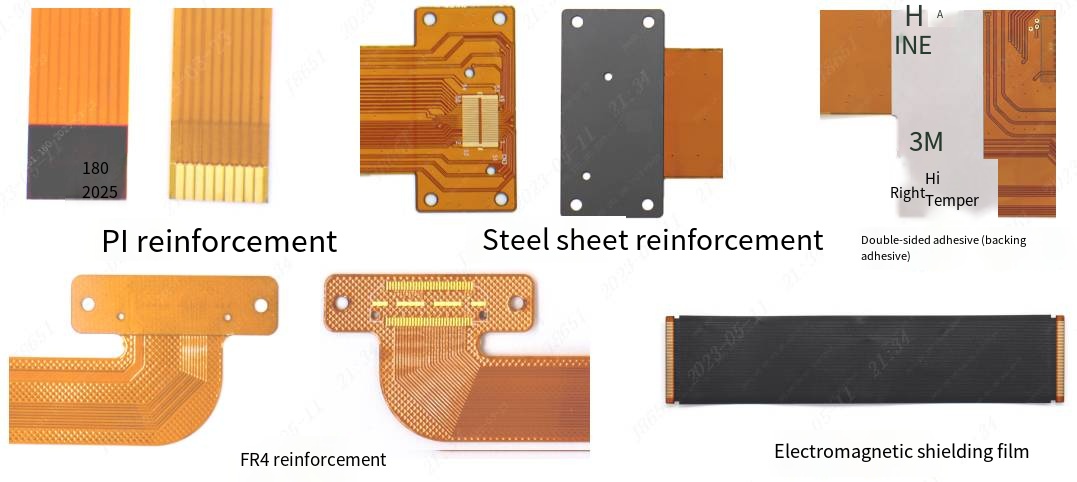
Versteifungsdesign – Fügen Sie Versteifungen an Komponentenmontagebereichen oder ZIF-Steckerschnittstellen hinzu. Gängige Materialien: PI, FR4, Stahl.
-
Design des Biegebereichs – Vermeiden Sie Durchkontaktierungen und Pads in Zonen mit wiederholten Biegungen. Verlegen Sie Leiterbahnen im 90°-Winkel oder mit Bögen. Platzieren Sie die Biegemittellinie auf kupferfreien Bereichen, um die Lebensdauer des Flex zu maximieren.
Übersicht über den Produktionsfluss
UGPCB folgt bei diesen wichtigen Schritten den IPC-6013-Leistungsspezifikationen:
-
Materialschneiden – PI/PET-Basismaterial zuschneiden.
-
Bohren – Mechanisch bzw Laserbohrung. Mindestlochdurchmesser 0,1 mm.
-
Chemisch Kupfer / Überzug – Leitendes Kupfer an den Lochwänden abscheiden, um PTH zu bilden.
-
Schaltungsmuster – Trockenfilm laminieren → belichten → entwickeln → ätzen → Film abziehen, um feine Schaltkreise zu erzeugen.
-
Coverlay-Laminierung – Abdeckschicht als Lötstopplack auftragen.
-
Versteifungsbefestigung – Bond PI, FR4, oder Stahlversteifungen an verstärkten Stellen.
-
Oberflächenbeschaffenheit - ZUSTIMMEN (Elektrololes Nickel -Eintauchgold) oder OSP.
-
Außenkontur – Stanzen oder Laserschneiden.
-
Elektrischer Test – Durchgangs- und Impedanzprüfungen (Abweichung ≤ ±8 %).
-
FQC & Verpackung - - AOI, Maßprüfung, und Endverpackung.
Warum sollten Sie sich für UGPCB für flexible FPC-Leiterplatten entscheiden??
1. Kundenspezifische Lösungen mit vollständiger Spezifikation - Unterstützung 1 Zu 24 Schichten, PI/PET-Basismaterialien, mehrere Oberflächenveredelungen, und Lötstopplackfarben. Erfüllt Ihre individuellen Designanforderungen.
2. Branchenführende Präzision – 1,5 mil/1,5 mil Spur/Leerzeichen, 0.1mm min. Lochdurchmesser, und 0,1 mm Enddicke. Ermöglicht hochdichte Verbindungsdesigns.
3. Strenge IPC-Konformität – Alle FPC-Produkte entsprechen den Designstandards IPC-2221 und den Leistungsspezifikationen IPC-6013. Qualität garantiert.
4. PCBA-Montageservice aus einer Hand – UGPCB stellt nicht nur hochwertige nackte FPCs her, sondern liefert auch komplette PCBA-Montage. Wir kümmern uns um die Komponentenbeschaffung, SMT-Platzierung, und Prüfung des fertigen Produkts. Dadurch wird Ihre Lieferkette optimiert Leiterplatte Zu Leiterplatte, Dadurch werden Kommunikationskosten eingespart und die Markteinführungszeit verkürzt. Kontaktieren Sie unsere technischen Vertriebsingenieure für weitere PCBA-Servicedetails.
5. Schnelle Reaktion und flexibler Support – Ganz gleich, ob Sie Prototypenbau oder Massenproduktion benötigen, Bei uns stehen Ihre Bedürfnisse an erster Stelle. Erwarten Sie Professionalität, effizient, und zuverlässiger kundenspezifischer FPC-Service.
So erhalten Sie ein Angebot?
UGPCB möchte Ihr vertrauenswürdiger FPC-Partner sein. Um ein Angebot oder eine technische Beratung anzufordern, Bitte kontaktieren Sie uns mit:
-
Ihre Designdateien – Gerber-Dateien, Designspezifikation, oder Stückliste.
-
Schlüsselparameter – Anzahl der Ebenen, Grundmaterialtyp, fertige Dicke, Kupfergewicht, Oberflächenbeschaffung, Min. Spur/Leerzeichen, Mindestlochdurchmesser.
-
Menge und Lieferzeit – Probenmenge, Massenproduktionsvolumen, und voraussichtliches Lieferdatum.
Unsere technischen Ingenieure erstellen im Rahmen einer professionellen DFM-Analyse ein genaues Angebot 24 Std..
👉 Fordern Sie noch heute ein Angebot an und beginnen Sie Ihre individuelle FPC-Reise!
Datenreferenzen
Die wichtigsten Daten in diesem Dokument stammen von:
-
✅ IPC-6013E-2021 – Qualifizierungs- und Leistungsspezifikation für flexible und starr-flexible Leiterplatten
-
✅ IPC-2221 – Allgemeiner Standard für Leiterplattendesign
-
✅ BCC-Forschung (2026) - - Globaler Marktbericht für flexible Leiterplatten
-
✅ Forschung und Märkte (2026) - - Marktbericht für flexible Leiterplatten
-
✅ Technische FPC-Spezifikationen nach Industriestandard (basierend auf JLCPCB FPC-Parametern)
Kontaktieren Sie uns für schnelle FPC-Angebote und professionellen Support.
© UGPCB. Alle Rechte vorbehalten.