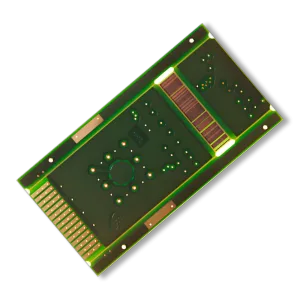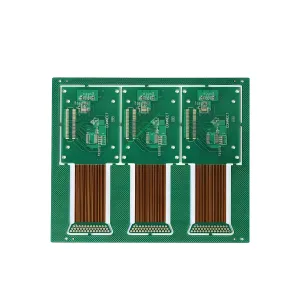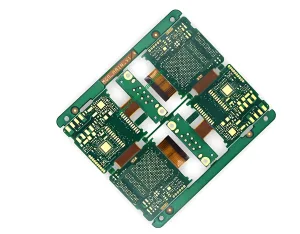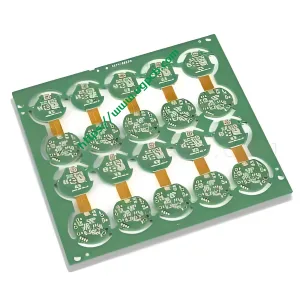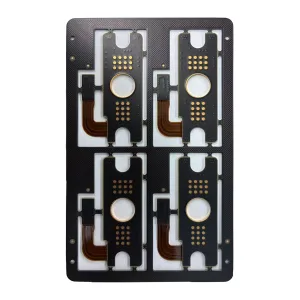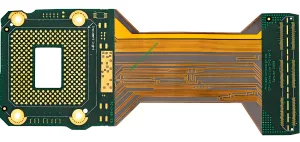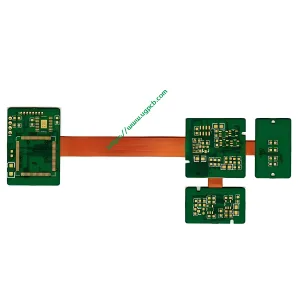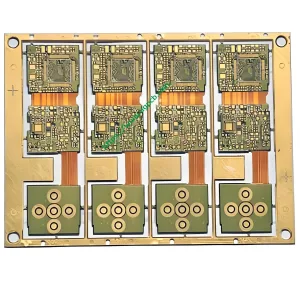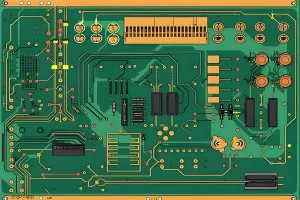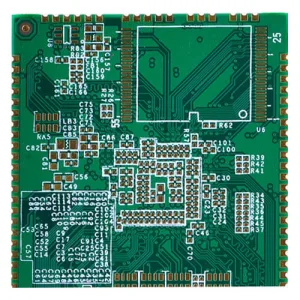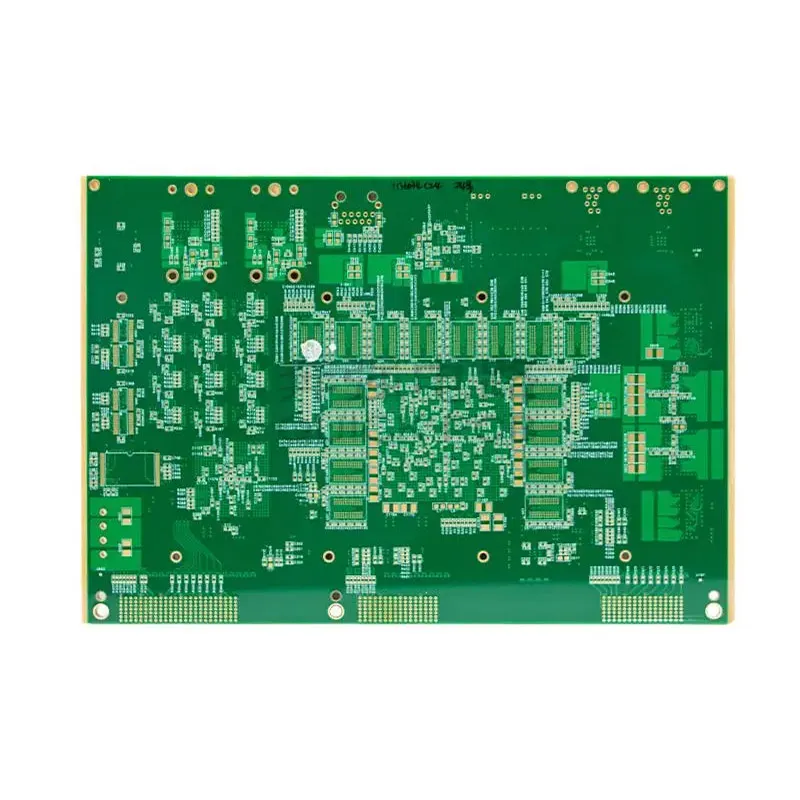
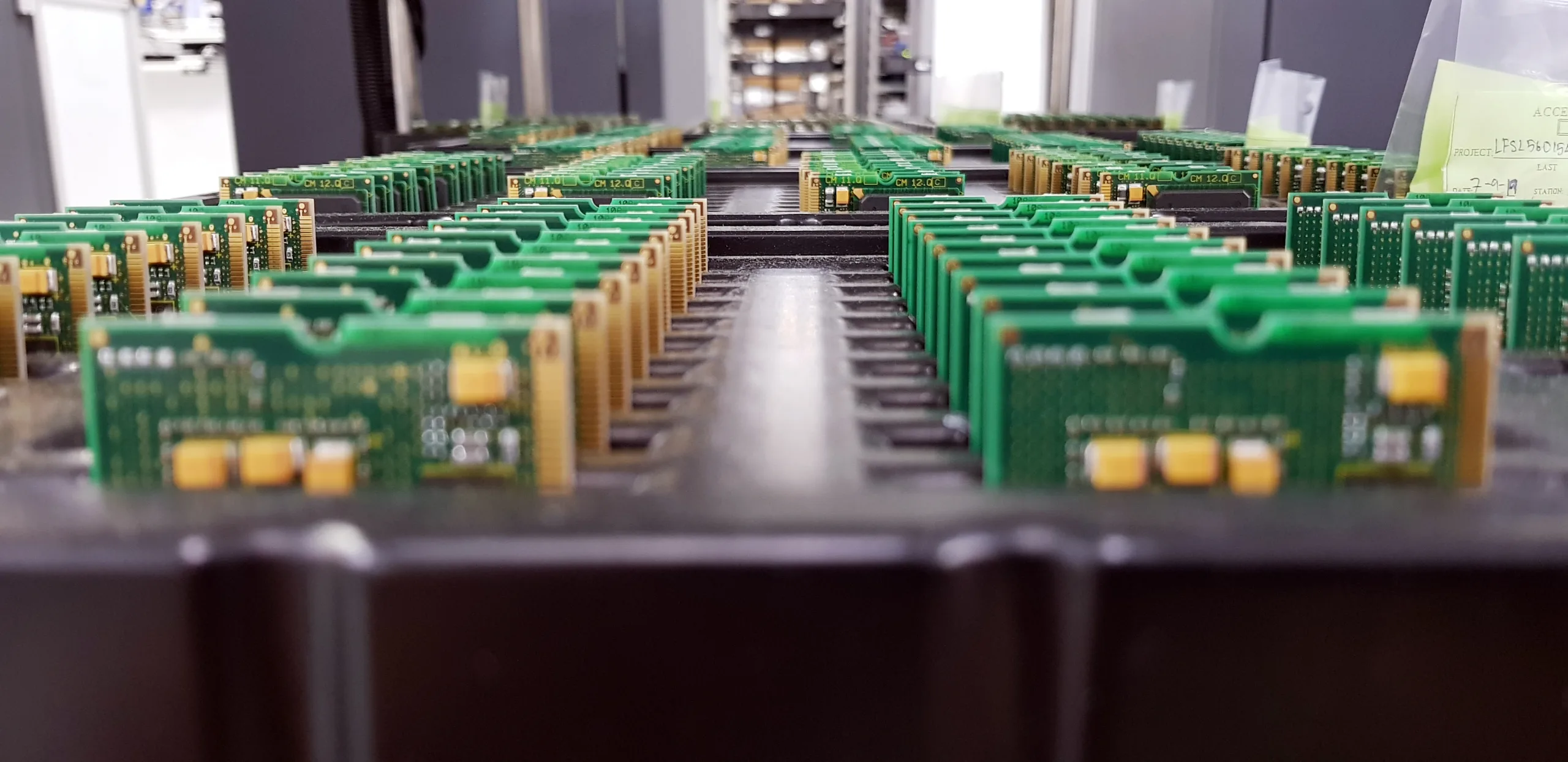
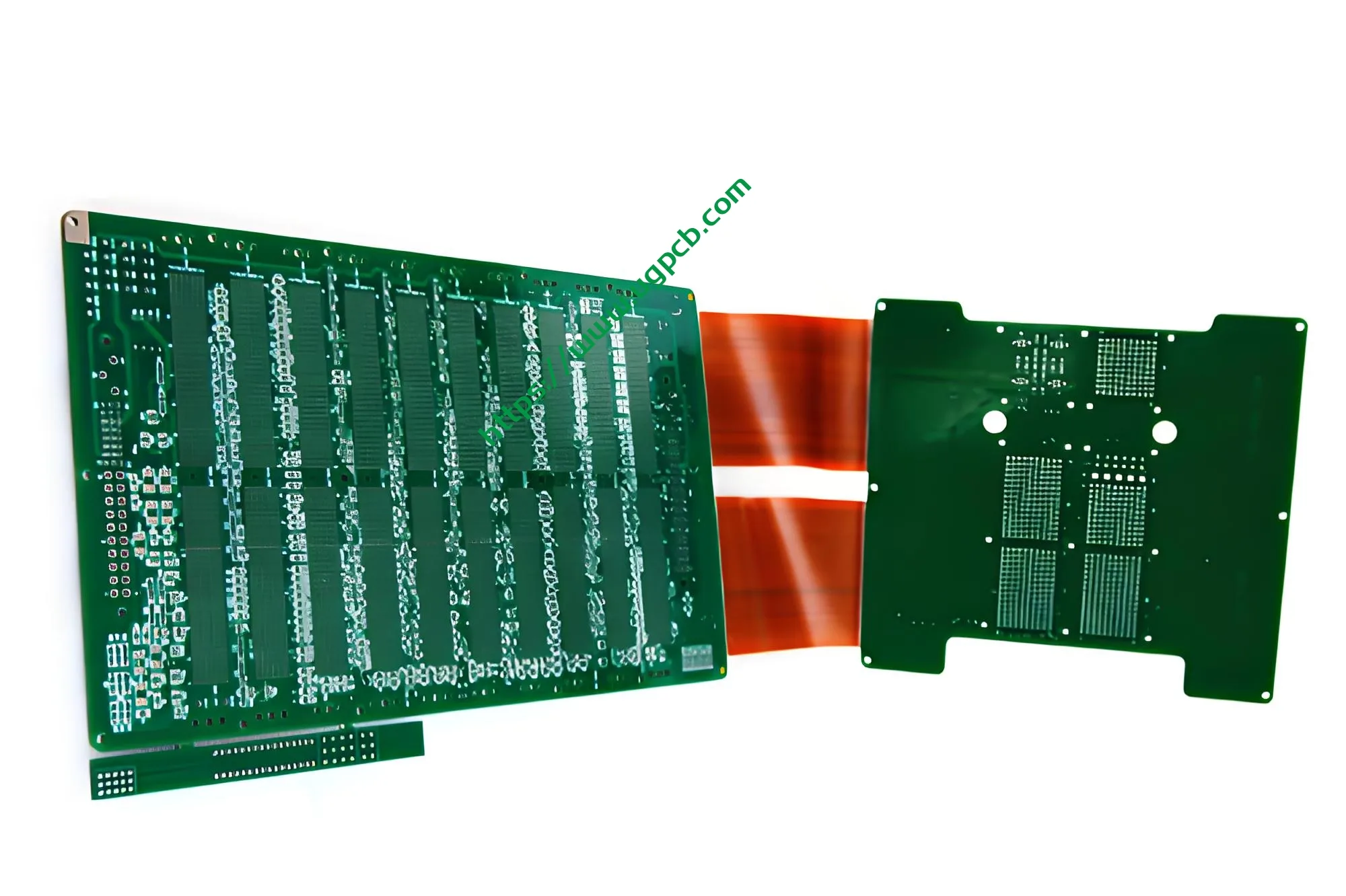
In der heutigen schnelllebigen Elektroniklandschaft, die Nachfrage nach Kompaktheit, leicht, und hochzuverlässige Verbindungslösungen waren noch nie so groß. Ob Sie tragbare Geräte entwickeln, medizinische Instrumente, oder fortschrittliche digitale Systeme, Starrflex-Leiterplatten sind die Eckpfeilertechnologie, die die Lücke zwischen starrer Stabilität und dynamischer Flexibilität schließt. Bei UGPCB, Wir sind auf die Lieferung präzisionsgefertigter Produkte spezialisiert Starrflex-Leiterplatten-Prototypen die höchste Design- und Leistungsanforderungen erfüllen. Dieser Leitfaden führt Sie durch jeden Aspekt unseres vorgestellten Produkts – a 2+2+2 Starrflex-Leiterplatte Hergestellt aus FR-4 und Polyimid – und zeigen Ihnen, warum es die optimale Wahl für Ihren nächsten Einsatz ist digital PCB-Prototyp Projekt.
Was ist eine Rigid-Flex-Leiterplatte? (R-FPCB)?
A Starrflex-Leiterplatte, oft als R-FPCB abgekürzt, ist eine Hybrid-Leiterplatte, die starre und flexible Substratmaterialien in einer einzigen integrierten Struktur kombiniert. Im Gegensatz zu herkömmlichen starren Leiterplatten die ausschließlich steife Laminate verwenden, oder eigenständige flexible Schaltkreise, Starrflex-Leiterplatten ermöglichen eine dreidimensionale Verpackung durch den Wegfall von Steckverbindern und Flachbandkabeln zwischen starren Abschnitten. Diese nahtlose Integration verbessert die Signalintegrität erheblich, reduziert den Montageaufwand, und verbessert die Gesamtzuverlässigkeit des Geräts. Die Bezeichnung „2+2+2“ beschreibt den Schichtaufbau: zwei starre Außenschichten, zwei flexible Innenschichten, und zwei zusätzliche starre Schichten, die miteinander verbunden sind, Erstellen einer 6-Schicht Starrflex-Leiterplatte Perfekt geeignet für digitale Anwendungen, bei denen Platz und Gewicht im Vordergrund stehen.
[Bildvorschlag: Querschnittsdiagramm von a 2+2+2 Starrflex-Leiterplatte mit starren FR-4-Abschnitten, flexible Polyimidschichten, und plattierte Durchgangslöcher.
Alt-Text: Querschnitt von 2+2+2 Starr-Flex-Leiterplattenaufbau mit starren FR-4-Lagen und flexiblen PI-Lagen]
Produktübersicht: UGPCB 2+2+2 Prototyp einer starr-flexiblen Leiterplatte
Dieses UGPCB, unser Standard Starrflex-Leiterplatten-Prototyp Das Angebot ist darauf ausgelegt, Ihren Produktentwicklungszyklus zu beschleunigen. Die wichtigsten Spezifikationen unseres vorgestellten Builds sind:
-
Modell: Starr-Flex-Leiterplatte (R-FPCB)
-
Material: FR-4 (starr) + PI – Polyimid (flexibel)
-
Schichtstruktur: 2+2+2 (6-Schicht-Starr-Flex-Konstruktion)
-
Farbe der Lötmaske: Grün / Weiß
-
Fertige Dicke: 1.0 mm (starrer Bereich) + 0.15 mm (flexibler Bereich)
-
Kupferdicke: 0.035 mm (1 oz) auf allen Ebenen
-
Oberflächenbehandlung: Immersionsgold (ZUSTIMMEN)
-
Mindestlinienbreite / Distanz: 0.1 mm / 0.1 mm
-
Anwendung: Digitale Prototypenfertigung von Starrflex-Leiterplatten
Diese Konfiguration ist für digitale Schaltkreise mit hoher Dichte optimiert, die sowohl mechanische Biegung als auch starre Komponentenmontagezonen erfordern.
So funktioniert eine Starr-Flex-Leiterplatte
Das Funktionsprinzip von a Starrflex-Leiterplatte nutzt die einzigartigen Materialeigenschaften seiner Bestandteile. Starre Schichten, typischerweise hergestellt aus FR-4 Epoxidglaslaminat, Bieten strukturelle Unterstützung und eine stabile Plattform für oberflächenmontierte und durchsteckbare Komponenten. Flexible Schichten, konstruiert aus Polyimid (PI) Film, fungieren als integrierte „Scharniere“, die dynamisch gebogen oder statisch gefaltet werden können, um in kompakte Gehäuse zu passen. Elektrisch, Die Schichten sind durch plattierte Durchgangslöcher und vergrabene Vias miteinander verbunden, eine kontinuierliche bilden Leiterplatte Schaltung. Durch den Wegfall von Board-to-Board-Anschlüssen, Die Starrflex-Leiterplatte reduziert Signaldämpfung und Reflexion, was bei digitalen Hochgeschwindigkeitsanwendungen von entscheidender Bedeutung ist. Wenn der flexible Abschnitt gebogen ist, Das Polyimid-Substrat hält Belastungen weitaus besser stand als FR-4, vorausgesetzt, der Biegeradius respektiert die mechanischen Grenzen des Materials.
Design-Grundlagen für 2+2+2 Starr-Flex-PCBs
Entwerfen eines 2+2+2 Starrflex-Leiterplatte erfordert ein tiefes Verständnis der mechanischen und elektrischen Einschränkungen. Schlüssel Starr-Flex-PCB-Design Überlegungen umfassen:
-
Berechnung des Biegenradius: Gemäß IPC-2223, für dynamische Flex-Anwendungen, Der minimale Biegeradius sollte mindestens betragen 10 mal die Dicke der flexiblen Schaltung. Mit unserem 0.15 mm flexible Schicht, Der empfohlene Mindestbiegeradius beträgt 1.5 mm.
-
Trace-Routing in Biegebereichen: Linien und Zwischenräume müssen senkrecht zur Biegeachse ausgerichtet sein, um Kupferrisse zu vermeiden. Unser 0.1 Die Leiterbahn-/Leerraumfähigkeit von mm ermöglicht ein dichtes Routing bei gleichzeitiger Wahrung der Zuverlässigkeit.
-
Schichtquerschnitt: Der Übergangsbereich von starr zu flexibel muss sorgfältig modelliert werden, um Spannungskonzentrationen zu vermeiden. Die Konstruktion im Buchbinderstil wird verwendet, um die flexiblen Schichten schrittweise vom starren Stapel zu lösen.
-
Über Platzierung: Innerhalb der Biegezone sollten keine plattierten Durchkontaktierungen platziert werden, da sie anfällig für Ermüdungsversagen sind. Blinde und vergrabene Vias in starren Abschnitten verbessern Via-in-Pad-Designs für eine hohe Dichte Leiterplatte.
Indem wir diese ansprechen Designrichtlinien für starr-flexible Leiterplatten, UGPCB kann Ihren Schaltplan in einen robusten verwandeln digitaler Starrflex-Prototyp das funktioniert einwandfrei.
Anwendungen und Anwendungsfälle
Die Vielseitigkeit eines 2+2+2 Starrflex-Leiterplatte Damit eignet es sich ideal für eine Vielzahl digitaler und Mixed-Signal-Systeme. Gemeinsam Starrflex-Leiterplattenanwendungen enthalten:
-
Tragbare Elektronik: Smartwatches, Fitness-Tracker, und medizinische Pflaster, bei denen sich das Board an die Körperkonturen anpassen muss.
-
Medizinprodukte: Implantierbare Diagnostik, Hörgeräte, und endoskopische Bildgebungssysteme, die wiederholte Sterilisationszyklen und eine hohe Zuverlässigkeit erfordern.
-
Industrielle IoT-Sensoren: Kompakte Sensorknoten, die in kleine Gehäuse passen und Vibrationen standhalten müssen.
-
Luft- und Raumfahrt und Verteidigung: Avionik, Satellitensysteme, und Raketenleitelektronik, die von Gewichtsreduzierung und hoher Schockfestigkeit profitiert.
-
Digitale Verbraucherprodukte: Faltbare Smartphones, Kameras, und tragbare Spielgeräte, auf die man sich verlassen kann Starrflex-Leiterplatte Technologie zur Miniaturisierung.
Im Digitalen PCB -Prototyping, Die Möglichkeit, die gesamte Systemfunktionalität mit integriertem Flex zu testen, eliminiert die durch Konnektoren eingeführten Variablen, Dies ermöglicht eine schnellere Validierung der Signalintegrität und Stromverteilung.
Klassifizierung von Starr-Flex-Leiterplatten
Um unser Produkt ordnungsgemäß innerhalb der Industriestandards zu positionieren, Starrflex-Boards werden gemäß IPC-6013 basierend auf der Konstruktion und dem beabsichtigten Endverwendungszweck klassifiziert:
-
Typ 1: Einseitige flexible Leiterplatte
-
Typ 2: Doppelseitige flexible Leiterplatte mit plattierten Durchgangslöchern
-
Typ 3: Mehrschichtige flexible Leiterplatte
-
Typ 4: Starrflexible Mehrschichtplatine - Unser 2+2+2 Konfiguration fällt genau in diese Kategorie, Dabei werden starre und flexible Schichten vermischt, um eine einzige integrierte Leiterplatte zu bilden.
-
Typ 5: Flex- oder Starr-Flex-Mehrschichtkonstruktion mit versteiften Versteifungen
Typ 4 ist für digitale Anwendungen am weitesten verbreitet, da es komplexe Verbindungen über mehrere starre Domänen hinweg bei gleichzeitiger Beibehaltung der Vollständigkeit ermöglicht Leiterplatte Kompatibilität.
Materialien und ihre Leistung
In einem 2+2+2 Starrflex-Leiterplatte, Die Materialauswahl wirkt sich direkt auf Leistung und Langlebigkeit aus.
-
FR-4 (Starres Laminat): Ein flammhemmender Epoxid-Glas-Verbundstoff, der eine hervorragende Dimensionsstabilität bietet, eine Dielektrizitätskonstante (Dk) von etwa 4,2–4,6 at 1 MHz, und eine Glasübergangstemperatur (Tg) typischerweise etwa 135 °C bis 170 °C. In unserem Build, FR-4 mit hoher Tg ist Standard, um bleifreien Montagetemperaturen standzuhalten.
-
Polyimid (Flexibles Laminat): Die Polyimidfolie bietet eine hervorragende thermische Beständigkeit (Dauerbetrieb bis 200°C), extrem geringe Ausgasung, und ein Dk von ungefähr 3.5 bei 1 MHz. Seine Flexibilität hält Millionen dynamischer Biegezyklen stand, wenn die Biegeradiusrichtlinie befolgt wird.
-
Immersionsgold (ZUSTIMMEN) Oberflächenbeschaffung: Chemisches Nickel-Immersionsgold sorgt für eine flache Oberfläche, lötbare Oberfläche mit einer typischen Nickeldicke von 3–6 µm und einer Golddicke von 0,05–0,15 µm. Es gewährleistet eine hervorragende Haltbarkeit, Drahtbondfähigkeit, und gleichmäßige Koplanarität für Fine-Pitch-Komponenten – entscheidend bei hoher Dichte Leiterplatte Montage.
Schlüsselmerkmale und Vorteile
UGPCB 2+2+2 Starrflex-Leiterplatten-Prototyp bietet deutliche Vorteile, die auf den digitalen Designer zugeschnitten sind:
-
Ultra-Miniaturisierung: Kombiniert sechs Verbindungsschichten in einem Paket, das sich auf einen Bruchteil des Platzbedarfs zusammenfalten lässt, der für separate starre Platinen und Kabel erforderlich ist.
-
Überlegene Signalintegrität: Im gesamten Bereich bleiben kontrollierte Impedanzspuren erhalten Leiterplatte ohne Verbindungsunterbrechungen. Für einen 0.1 mm Spurbreite, die charakteristische Impedanz kann genau eingestellt werden 50 Ω bzw 100 Ω-Differenz, unerlässlich für digitale Hochgeschwindigkeitsprotokolle wie USB 3.0, DDR -Speicher, und MIPI.
-
Hohe Zuverlässigkeit: Die Nickel-Gold-Oberfläche schützt Kupfer vor Oxidation, Gewährleistung robuster Lötverbindungen. Nach IPC-A-600-Klasse 2 Akzeptanzkriterien, Unsere Boards werden einer strengen Prüfung unterzogen.
-
Kostengünstiges Prototyping: Durch schnelles Drehen Starrflex-Leiterplatten-Prototyp Dienstleistungen, Wir ermöglichen Designteams eine schnelle Iteration, bevor sie sich zur Massenproduktion verpflichten.
-
Nahtlose Integration mit PCBA: Die Platine ist vollständig kompatibel mit automatisierten SMT-Bestückungsprozessen. Seine Ebenheit und Oberflächenbeschaffenheit ermöglichen eine hohe Ausbeute Komponente Platzierung, sich umdrehen Leiterplatte in ein vollständiges Leiterplatte mit minimaler Nacharbeit.
Produktionsprozess für starr-flexible Leiterplatten
Herstellung einer zuverlässigen 2+2+2 Starrflex-Leiterplatte erfordert eine präzise Prozesssteuerung. UGPCB folgt einem bewährten Ablauf:
-
Bildgebung der inneren Schicht & Ätzen: Sowohl starre FR-4- als auch flexible Polyimid-Kernschichten werden bebildert und geätzt, um die gewünschten Schaltkreismuster zu bilden, Aufrechterhaltung der 0.1 mm Linienbreitentoleranz.
-
Laminierung: Flexible Schichten sind zwischen No-Flow-Prepregs und starren FR-4-Außenschichten angeordnet. Unter hoher Temperatur und hohem Druck, Der Stapel ist dauerhaft verklebt. Die „Buchbinder“-Technik schafft eine allmähliche Übergangszone.
-
Bohren & Überzug: Durch mechanisches oder Laserbohren entstehen Durchkontaktierungen. Direkte Metallisierung und elektrolytische Verkupferung bilden das 0.035 mm (1 oz) Kupferdicke in allen Fässern.
-
Bildgebung der äußeren Schicht & Ätzen: Äußere starre Schichten sind gemustert, Definieren von Pads und Leiterbahnen.
-
Lötmaskenanwendung: Auf starren Abschnitten wird eine grüne oder weiße Lötmaske aufgetragen und fotografisch abgebildet, flexible Bereiche bleiben freigelegt.
-
Oberflächenbeschaffung: Es wird stromlos Nickel-Tauchgold abgeschieden, Gewährleistung einer perfekten Lötschnittstelle.
-
Routenführung & Laserschnitt: Starre Konturen werden geroutet, und flexible Abschnitte werden mit UV-Lasern präzise geschnitten, um mechanische Belastungen zu vermeiden.
-
Elektrische Tests & AOI: Jeder Leiterplatte Ist 100% Netzliste getestet und optisch geprüft, um sicherzustellen, dass es keine Unterbrechungen oder Kurzschlüsse gibt.
Warum sollten Sie sich für UGPCB für Ihren digitalen Rigid-Flex-PCB-Prototyp entscheiden??
Stellen Sie sich vor, Sie halten einen einteiligen Schaltkreis in der Hand, der drei starre Platinen und zwei komplizierte Kabelbäume ersetzt. Das ist die Kraft eines 2+2+2 Starrflex-Leiterplatte von UGPCB. Unser technisches Support-Team unterstützt Sie bei der Stapelkonstruktion, Impedanzberechnung, und Biegeradiusvalidierung, um sicherzustellen, dass Ihr Prototyp den IEEE- und IPC-Standards entspricht. Wir bieten ein nahtloses Erlebnis vom Angebot bis zur Lieferung, mit transparenter Preisgestaltung und pünktlichem Versand.
Bereit, Ihr digitales Design in eine leistungsstarke Realität umzusetzen? Reichen Sie Ihre Gerber-Dateien noch heute über unser Online-Portal ein, um sofort ein Angebot zu erhalten Starrflex-Leiterplatten-Prototyp. Unsere Experten stehen Ihnen zur Verfügung, um Ihre Anforderungen zu prüfen und Ihnen dabei zu helfen, häufige Fallstricke zu vermeiden. Klicken Sie jetzt auf die Schaltfläche „Angebot einholen“ und machen Sie den ersten Schritt zum Feuerzeug, Schneller, und zuverlässigeres Produkt.