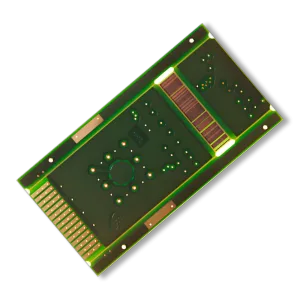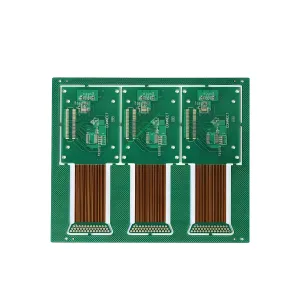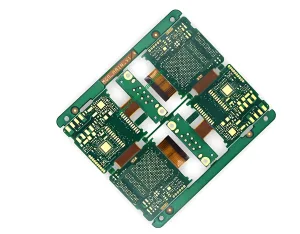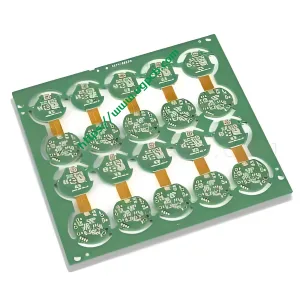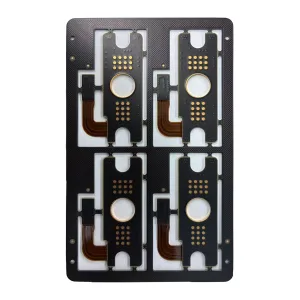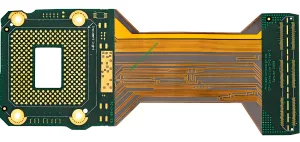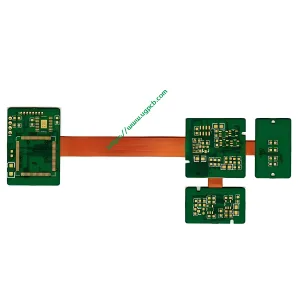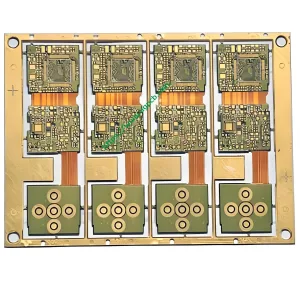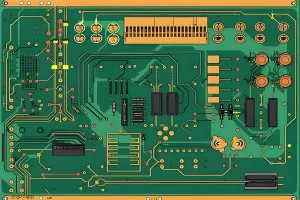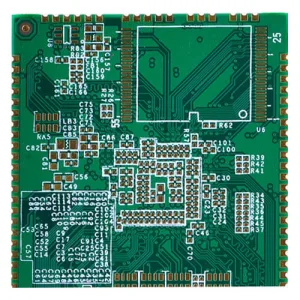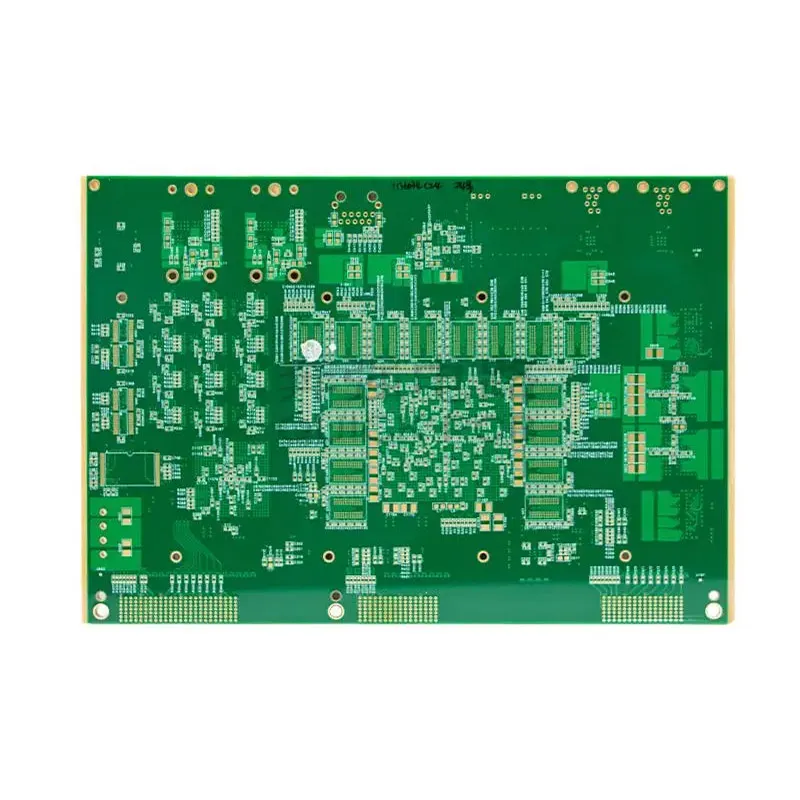
Da sich die digitale Elektronik in Richtung höherer Integration weiterentwickelt, geringeres Gewicht, und kompromisslose Zuverlässigkeit, Starr-Flex-PCBs sind zum entscheidenden Rückgrat für komplexe Schaltungssysteme geworden. Wenn Platzbeschränkungen und Signalintegrität von größter Bedeutung sind, kombinieren Verstopfen mit Epoxidharz mit Starr-Flex-Technologie stellt den Goldstandard für hochdichte Verbindungslösungen dar.
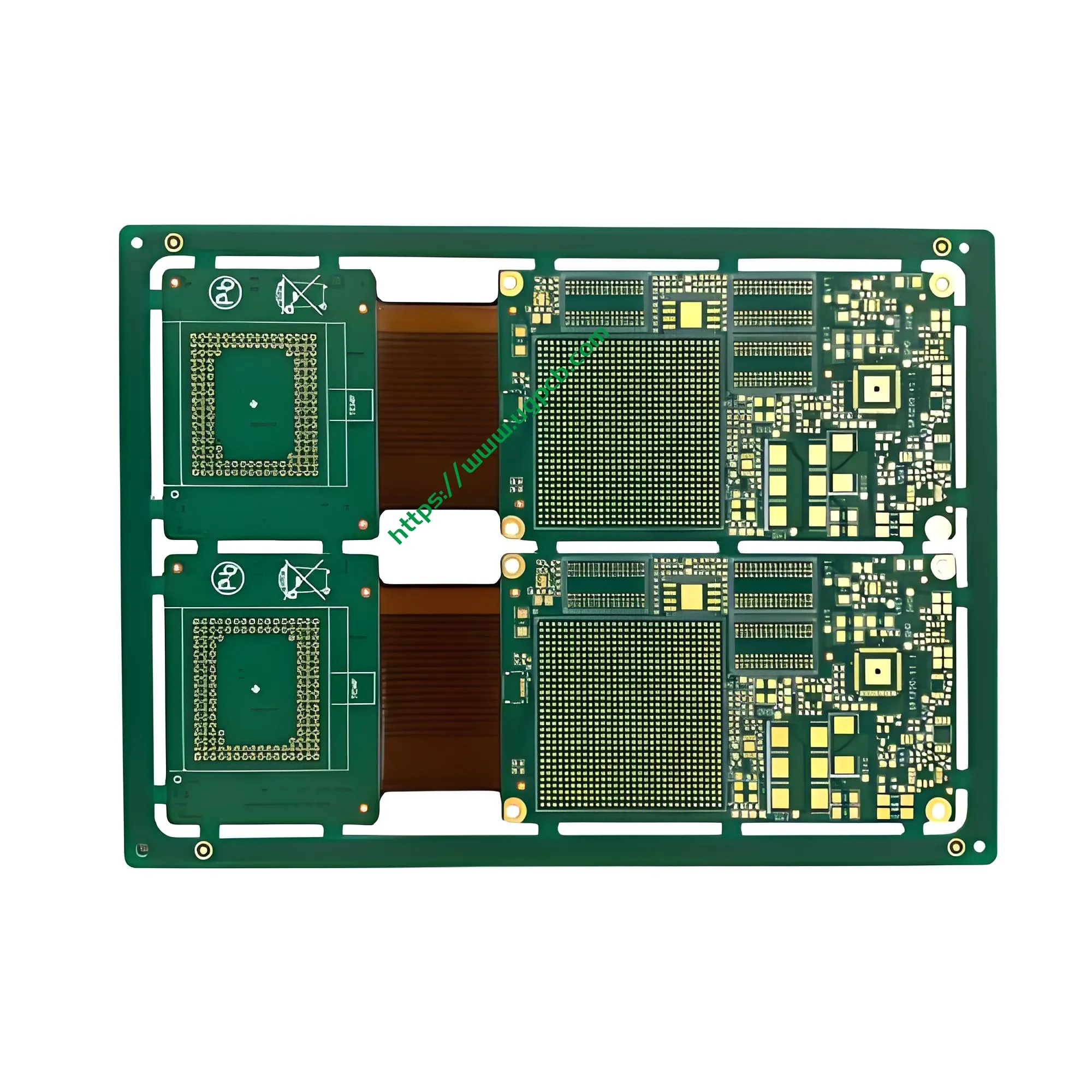
UGPCB nutzt fortschrittliche Fertigung, um eine zu liefern Mit Epoxidharz vergossene Starr-Flex-Leiterplatte gebaut auf einem FR4 + PI materielle Plattform. Mit einem 16L Starr + 2L-Flex Konstruktion, Dieses Board wurde speziell für anspruchsvolle Anforderungen entwickelt digitale Produkte, Bietet die mechanische Festigkeit starrer Platinen neben der dynamischen Biegefähigkeit flexibler Schaltkreise.
1. Produktübersicht & Definition
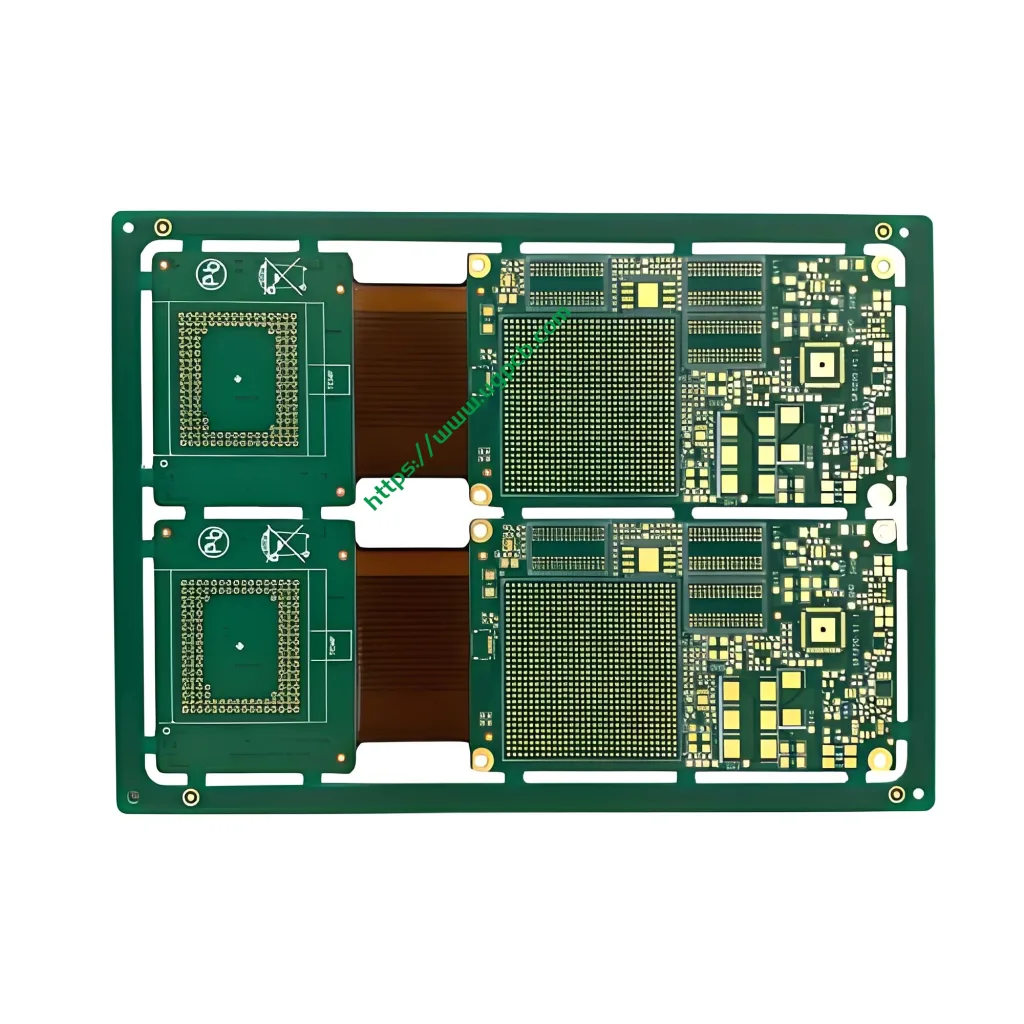
Ein Epoxidharzvergossene Starrflex-Leiterplatte ist eine Hybridplatine, die starre Leiterplattenabschnitte und flexible Leiterplattenabschnitte in einem einzigen integriert, Einheitliche Struktur durch Laminierung. Dieses spezielle Produkt kombiniert 16 starre Schichten (FR4) mit 2 flexible Schichten (PI). Die Durchkontaktierungen des starren Abschnitts werden mit einem Spezialwerkzeug gefüllt Verfahren zum Verstopfen mit Epoxidharz.
Dieses Design behält die Biegsamkeit des flexiblen Bereichs bei und eliminiert gleichzeitig häufige Fehlerquellen bei starren flexiblen Bauteilen wie „Ausblasen des Lots“ oder eingeschlossene Luftausdehnung während der SMT-Montage. Das Ergebnis ist äußerst zuverlässig Leiterplatte optimiert für moderne, kompakte digitale Geräte.
2. Materialien & Stapelarchitektur
Die Leistung des Produkts hängt von einer präzisen Materialauswahl und Konstruktionstechnik ab:
-
Basismaterialien:
-
Starrer Abschnitt: FR4 (Glasverstärktes Epoxidlaminat). Dieses Material bietet eine hohe mechanische Festigkeit, ausgezeichnete thermische Stabilität, und elektrische Isolierung (trifft UL 94 V-0 Entflammbarkeitsbewertung), Bereitstellung einer stabilen Grundlage für die Komponentenmontage.
-
Flex-Bereich: PI (Polyimid) Film. Bekannt für seine außergewöhnliche Hitzebeständigkeit (Betriebsbereich: -200°C bis +300°C), hervorragende dynamische Biegelebensdauer (Millionen Zyklen), und niedrige Dielektrizitätskonstante, PI ist ideal für dynamische Biegeanwendungen.
-
-
Stack-Up-Konfiguration:
-
Gesamtebenen: 16L Starr + 2L-Flex (Entspricht einer 18-Lagen-Schaltung)
-
Kupferdicke: 1 OZ. Gemäß IPC-4562, 1 Die Enddicke des OZ-Kupfers beträgt ungefähr 35µm. Dies sorgt für ein optimales Gleichgewicht zwischen Stromtragfähigkeit und Fähigkeit zum Ätzen feiner Linien.
-
Dicke der fertigen Platte: 1.0mm. Das Erreichen dieser Dicke in einem 18-Lagen-Stapel zeugt von hoher Laminierungspräzision, Erfüllung der Nachfrage der Branche nach ultraschlanken Profilen.
-
Oberflächenbeschaffung: Immersionsgold (ZUSTIMMEN). Konform mit IPC-4552, ENIG bietet eine flache Oberfläche, ausgezeichnete Lötbarkeit, und überlegene Oxidationsbeständigkeit, Damit eignet es sich ideal für die Montage von Bauteilen mit feinem Rasterabstand.
-
3. Verstopfen mit Epoxidharz: Arbeitsprinzip & Konstruktionsüberlegungen
3.1 Arbeitsprinzip
In einer mehrschichtigen Starrflex-Leiterplatte, Durchkontaktierungen verbinden verschiedene Schichten elektrisch. In traditionellen Designs, Nicht angeschlossene Vias können Luft einschließen. Bei Hochtemperaturprozessen wie bleifreiem Reflow (Spitzentemperaturen um 245°C–260°C), diese eingeschlossene Luft dehnt sich aus, möglicherweise verursachend „Popcorning,” Delamination, oder Lötkugelspritzer.
Der Verstopfen mit Epoxidharz Der Prozess nutzt Vakuumdruck oder Injektion, um mechanisch gebohrte Löcher zu füllen (Mindestgröße 0.2mm) mit hoher Viskosität, niedriger CTE (Wärmeleitkoeffizient) Epoxidharz. Nach dem Befüllen, Die Platte wird einer thermischen Aushärtung und Oberflächenplanarisierung unterzogen, Stellen Sie sicher, dass die Via-Oberfläche bündig mit der Platinenoberfläche abschließt.
3.2 Konstruktionsüberlegungen
-
Kontrolle des Seitenverhältnisses: Für einen 0.2mm Mindestgröße des fertigen Lochs, das Seitenverhältnis (Plattendicke zum Lochdurchmesser) muss kontrolliert werden, um eine lunkerfreie Füllung zu gewährleisten. Mit einer Plattenstärke von 1,0 mm, Das Seitenverhältnis ist 5:1, gut innerhalb der strengen Prozessfähigkeiten von UGPCB.
-
Trace/Space-Fähigkeit: Dieses Produkt unterstützt 4Mil/4mil (0.1mm/0,1 mm) Fine-Line-Schaltung. Entsprechend IPC-2221, Diese Präzision ermöglicht Verbindungen mit hoher Dichte. Der Steckvorgang wird sorgfältig durchgeführt, um den Isolationsabstand zwischen diesen feinen Leiterbahnen nicht zu beeinträchtigen.
4. Produktklassifizierung
Bezogen auf IPC-6013, die Qualifikations- und Leistungsspezifikation für flexible und starrflexible Platinen, Die wissenschaftliche Klassifizierung dieses Produkts lautet:
-
Strukturtyp: Typ 4 (Starr-Flex Mehrschichtplatine)
-
Leistungsklasse: Klasse 3 (Hochzuverlässige elektronische Produkte). Diese Klasse ist für Produkte gedacht, bei denen eine kontinuierliche Leistung von entscheidender Bedeutung ist, wie zum Beispiel medizinische Geräte, Industrielle Steuerungen, und hochwertige digitale Konsumgüter. Es erfordert ein hohes Maß an Sicherheit und nachgewiesener Zuverlässigkeit.
5. Herstellungsprozess & Qualitätskontrolle
UGPCB folgt IPC-A-600 Standards für Herstellung und Abnahme. Der Kernprozess umfasst:
-
Bildgebung der inneren Schicht: Die Fine-Line-Schaltung ist sowohl auf PI- als auch auf FR4-Substraten strukturiert, mit strenger Kontrolle über die 4mil-Spur/Raum-Geometrie.
-
Coverlay-Laminierung: Auf die Flexbereiche wird eine PI-Abdeckung aufgebracht, um die Schaltkreise zu schützen und die Lebensdauer der Flex zu verlängern.
-
Fensterschneiden & Auflegen: Starre Abschnitte sind mit Fenstern versehen, um flexible Bereiche freizulegen, gefolgt von präziser Ausrichtung und Lay-up.
-
Laminierung: Hohe Temperatur und Druck verschmelzen den Mehrschichtstapel. Dieser Schritt ist entscheidend, um Falten oder Ablösungen an der Starr-Flex-Schnittstelle zu vermeiden.
-
Mechanisches Bohren: 0.2mm Mikrodurchkontaktierungen werden mit einer Positionsgenauigkeit von ±0,05 mm gebohrt.
-
Verstopfen mit Epoxidharz: Kernprozess. Vakuumstopfgeräte injizieren Epoxidharz. Nach dem Aushärten und anschließendem Schleifen, Oberflächenebenheit trifft IPC-4761 Typ VII (Gefüllt & Bedeckt) Standards, Bereitstellung eines versiegelten Durchgangsschutzes.
-
ENIG-Oberflächenfinish: Angewendet pro IPC-4552, Gewährleistung einer dichten, gleichmäßige Goldschicht ohne „Black-Pad“-Defekte.
-
Elektrische Tests: 100% fliegende Sonde oder bei der Vorrichtungsprüfung wird sichergestellt, dass keine Unterbrechungen oder Kurzschlüsse vorliegen.
6. Schlüsselspezifikationen & Zuverlässigkeitsdaten
Alle Parameter basieren auf Industriestandards, um Genauigkeit und Autorität zu gewährleisten:
| Parameter | Spezifikation | Standard / Referenz |
|---|---|---|
| Schichtzahl | 16L Starr + 2L-Flex | Starr-Flex-Hybrid |
| Grundmaterial | FR4 + PI | UL 94 V-0 Zertifiziert |
| Fertige Dicke | 1.0mm ±10 % | IPC-4562 |
| Mindestlochgröße | 0.2mm | Mechanische Bohrfähigkeit |
| Min Trace/Raum | 4Mil / 4Mil (0.1mm/0,1 mm) | IPC-2221 (Feine Linie) |
| Kupferdicke | 1 OZ (35µm) | Fertiges Kupfer; Erfüllt aktuelle Anforderungen |
| Oberflächenbeschaffung | Immersionsgold (ZUSTIMMEN) | IPC-4552; Haltbarkeit ≥12 Monate |
| Thermalspannungstest | 288°C, 10 Sekunden, 3 Zyklen | IPC-TM-650 2.4.13; Keine Delamination |
| Isolationswiderstand | ≥ 10^12 Ω (Normaler Zustand) | Hoher Isolationsbedarf |
| Flex-Leben | > 100,000 Zyklen (Dynamisch) | Basierend auf PI-Materialeigenschaften |
*Datenreferenzen: IPC-TM-650-Testmethodenhandbuch und UL-Zertifizierungsstandards.*
7. Anwendungen
Dank des High-Density-Routings der 16L starrer Abschnitt und die dynamische Flexfähigkeit des 2L-Flexabschnitt, Dieses Produkt richtet sich in erster Linie an den High-End-Bereich digitale Produkte:
-
High-End-Smartphones & Tabletten: Wird für Kameramodule verwendet, Batterieanschlüsse, und Mainboard-Verbindungen, um internen Platz zu sparen.
-
Digitalkameras & Camcorder: Ideal für Objektivverlängerungsmodule, die wiederholt werden müssen, Hochfrequenzbiegen.
-
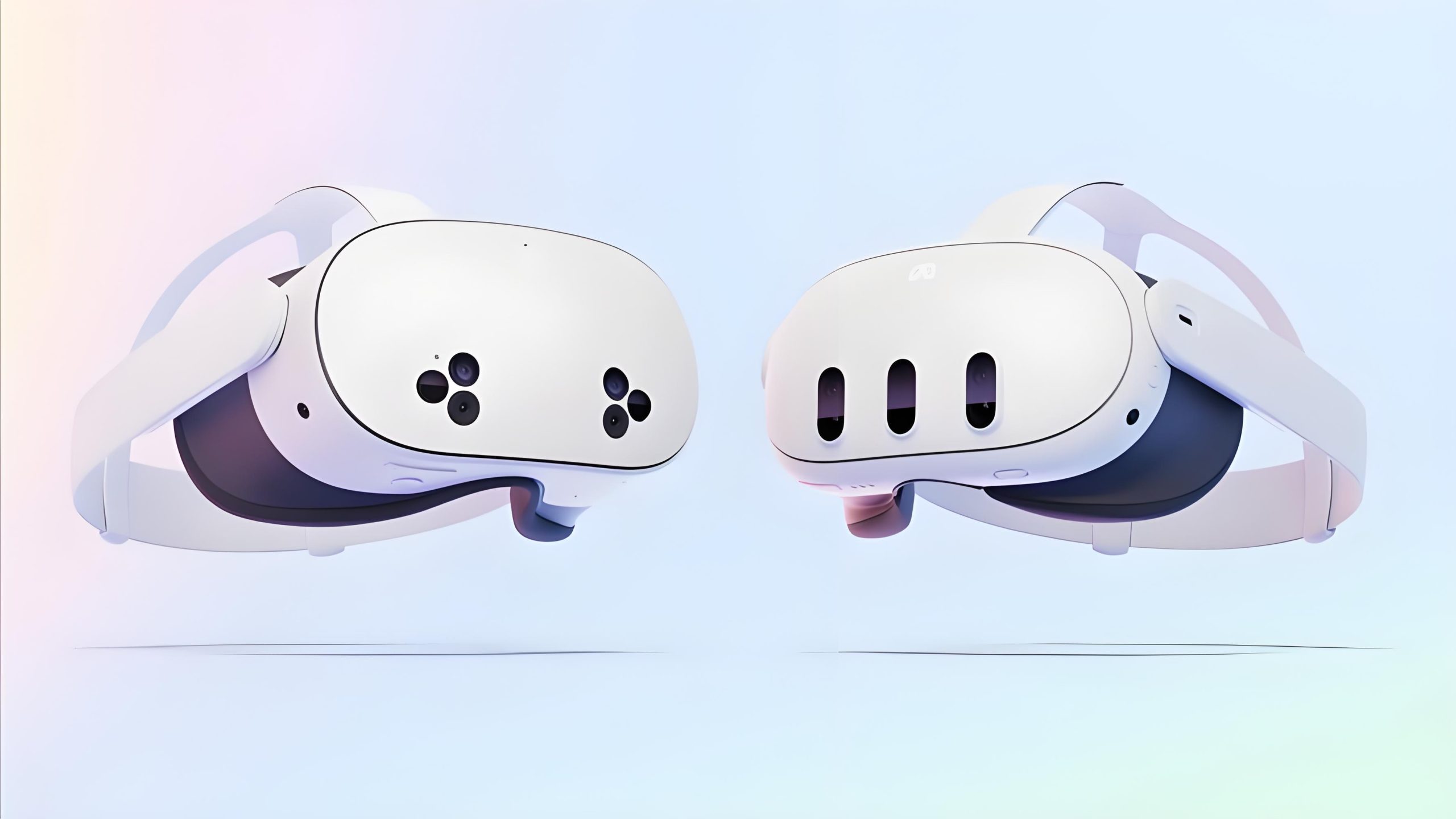
Tragbare Elektronik: Smartwatches, VR/AR-Headsets. Der 1.0mm Das dünne Profil und die Epoxidharzfüllung sorgen für Signalstabilität in ultrakompakten Gehäusen.
-
Solid-State-Laufwerke (SSDs): Wird als Träger für Speichermodule verwendet, Nutzung von Starrflex für mehrschichtige Stapelung und Schnittstellenverbindungen.
8. Produktmerkmale & Vorteile
-
Integriertes Design, Spart Platz: Ersetzt das traditionelle „PCB + Stecker + FPC“-Baugruppe. Dadurch entfallen Steckverbinder, reduziert Stücklistenkosten, und verbessert die Signalintegrität erheblich, indem Impedanzdiskontinuitäten minimiert werden.
-
Das Verstopfen mit Epoxidharz verhindert das Ausblasen von Lötzinn: Löst das Problem des Ertragsverlusts, das durch Ausgasen aus Durchkontaktierungen beim bleifreien Reflow-Löten verursacht wird.
-
Fine-Line-Schaltung: Unterstützung 4Mil/4mil Spur und Raum, Ermöglicht hochdichte Verbindungen (HDI) Entwürfe. Der 0.2mm Micro Vias bieten eine hohe Routingfreiheit.
-
Hohe thermische Stabilität & Flex-Haltbarkeit: Die Kombination aus FR4 und PI bietet eine robuste Plattform für die Komponentenmontage und gewährleistet gleichzeitig eine langfristige dynamische Biegeleistung.
9. Aufruf zum Handeln & Anfrageleitfaden
UGPCB ist mehr als ein Leiterplattenhersteller. Wir sind Ihr Partner für die Gewährleistung der Produktzuverlässigkeit.
Wir verstehen die Fertigungsherausforderungen von mit Epoxidharz vergossene Starrflex-Leiterplatten. Der Schlüssel liegt darin, die Haftung an der Starr-Flex-Grenze zu kontrollieren und ein hohlraumfreies Verstopfen zu gewährleisten. Mit jahrelanger Erfahrung, UGPCB nutzt automatisierte Vakuum-Verstopfungslinien, hochpräzise Direktbildgebung, und streng AOI Systeme. Jeder 16L Starr + 2L-Flex Bord, das wir versenden, trifft sich Klasse 3 Zuverlässigkeitsstandards.
Wenn Sie eine starr-flexible Leiterplatte benötigen, die ein Routing mit hoher Dichte bewältigen kann, bleifreie Montage, und dynamisches Flexen ohne Kompromisse, UGPCB ist Ihr idealer Partner.
Kontaktieren Sie UGPCB noch heute für ein individuelles Angebot.
-
Senden Sie Ihre Gerber-Dateien. Unser Team stellt Ihnen eine kostenlose zur Verfügung DFM (Design für die Fertigung) Analyse im Inneren 24 Std..
-
Wir unterstützen Prototyp Und niedrige bis mittlere Lautstärke Produktion mit flexiblen Lieferzeiten.
-
Unser engagiertes Engineering-Team bietet individuelle Unterstützung, um Ihre digitale Produkteinführung zu beschleunigen.